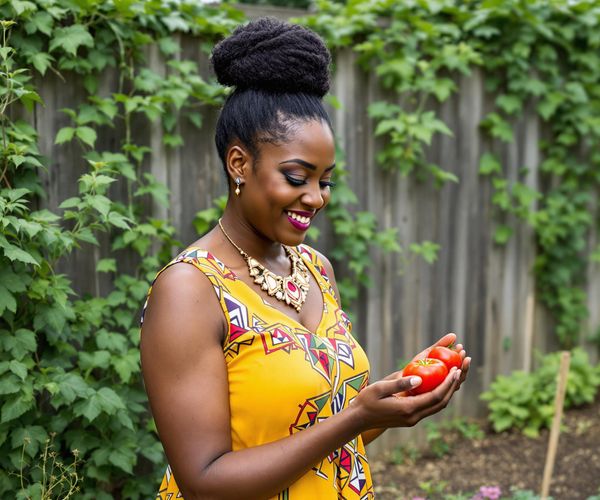
From the vibrant streets of Harare to the serene landscapes of the Canadian countryside, my journey has been a tapestry woven with threads of diverse cultures. As a Zimbabwean expat living in Canada, I've learned that travel is more than just seeing new places; it's about connecting with the heart and soul of a community. Here are ten ways to truly immerse yourself in local cultures on your travels, drawing from my own adventures and experiences.
Embrace Local Transportation
Forget tourist buses and private cars! One of the most authentic ways to experience a country is by using local transportation. Hop on a kombi in Zimbabwe or a streetcar in Toronto. You'll find yourself amidst the daily rhythm of the locals, observing their interactions, their fashion, and their unspoken rules.
I remember one sweltering afternoon in Harare, crammed into a kombi with market vendors, school children, and a lively gospel choir group. The energy was infectious! Similarly, navigating the Toronto subway, I've overheard countless conversations, each a snippet of the city's diverse stories.
Savor Local Cuisine and Culinary Traditions
Food is the universal language of connection. Ditch the familiar fast-food chains and venture into local markets, street food stalls, and family-run restaurants. Don't just eat; experience the cuisine. Take a cooking class! Learning to prepare a traditional dish is like unlocking a secret cultural code.
One of my fondest memories is learning to make sadza and muriwo from my grandmother in Gweru. The rhythmic pounding of the maize, the simmering greens, the shared laughter – it was more than just cooking; it was a cultural lesson passed down through generations.
Participate in Local Festivals and Celebrations
Immerse yourself in the vibrant energy of local festivals, ceremonies, and community events. These are windows into the soul of a culture, offering a firsthand glimpse into traditions and beliefs. Do your research beforehand to understand the significance of the event and how to participate respectfully.
Attending the Harare International Festival of the Arts (HIFA) was always a highlight of my year in Zimbabwe. The explosion of music, dance, theatre, and visual arts was a testament to the country's creative spirit and resilience.
Engage with Local Arts and Crafts
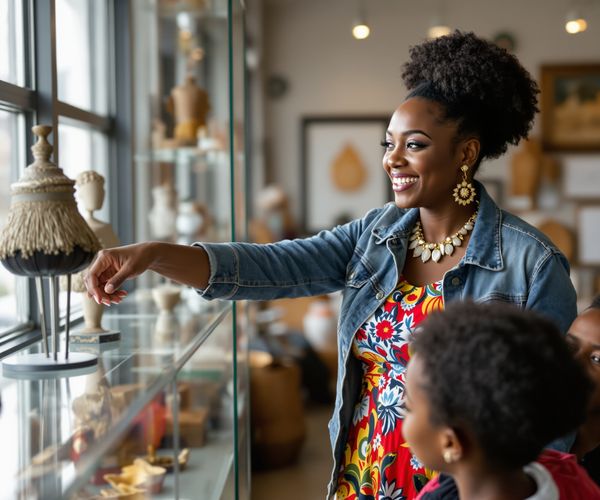
Art, music, dance, and crafts are powerful expressions of a culture's values and history. Visit local art galleries, attend cultural performances, and try your hand at traditional craft workshops. Ask questions, listen to the stories behind the art, and appreciate the skill and dedication of the artisans.
Growing up in Zimbabwe, the mbira was more than just an instrument; it was a voice of our ancestors. Learning to play even a simple melody was a way to connect with my heritage and understand the spiritual significance of the music.
Learn a Few Basic Phrases
A little effort goes a long way. Learning even a few basic phrases in the local language can open doors and hearts. It shows respect and a genuine interest in connecting with people on their terms.
Here are a few useful phrases to get you started:
- Hello: Mhoro (Shona)
- Thank you: Waita hako (Shona)
- Please: Ndapota (Shona)
- How are you?: Unofara here? (Shona)
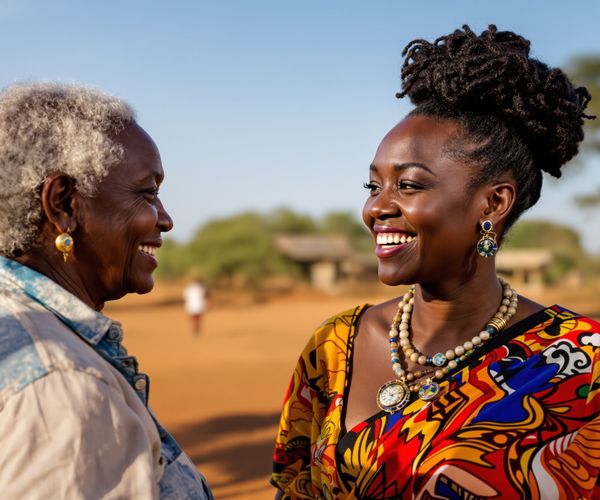
I remember traveling through rural Zimbabwe and greeting elders with a simple “Mhoro”. Their faces would light up, and suddenly, I was no longer just a tourist, but a welcomed guest.
Stay in Locally-Owned Accommodations
Opt for homestays, guesthouses, or locally-owned hotels over large international chains. You'll not only get a more authentic experience, but you'll also be supporting the local economy. Interact with your hosts, ask them about their lives, and learn about their community.
During a trip to Victoria Falls, I chose to stay in a small, family-run guesthouse. The owners welcomed me like one of their own, sharing stories about their lives, their challenges, and their hopes for the future. It was a far more enriching experience than staying in a sterile hotel room.
Respect Local Customs and Traditions
Before you travel, take the time to research local customs, etiquette, and social norms. Be mindful of cultural differences and avoid causing offense. Dress modestly when visiting religious sites, ask permission before taking photos, and be aware of local superstitions.
I once made the mistake of wearing shorts to a rural village in Zimbabwe. I quickly learned that it was considered disrespectful, and I immediately adjusted my attire. It was a valuable lesson in cultural sensitivity.
Explore Off-the-Beaten-Path Destinations
Venture beyond the popular tourist spots and explore local neighborhoods, villages, and countryside areas. This is where you'll truly see the heart and soul of a culture. Get lost in the maze of a local market, wander through quiet streets, and observe daily life unfolding around you.
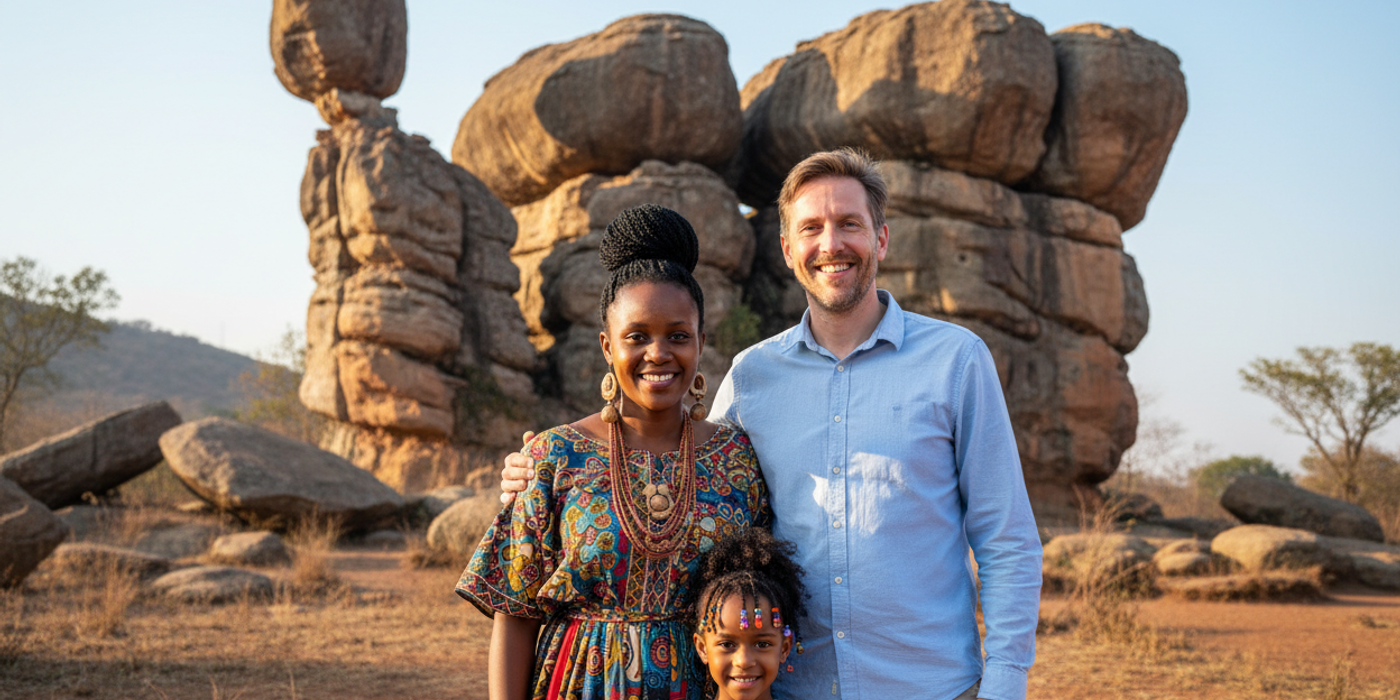
One of my favorite memories is discovering the Balancing Rocks in Epworth, Zimbabwe. These incredible rock formations, sculpted by nature over millions of years, are a testament to the country's geological wonders and a place where locals connect with the land.
Volunteer or Participate in Community Projects
Consider volunteering or participating in community projects. This is a meaningful way to connect with locals, contribute to their well-being, and gain a deeper understanding of their challenges and triumphs. Do your research to find reputable organizations and projects that align with your values.
Volunteering at a local school in Zimbabwe was a life-changing experience. I witnessed the dedication and resilience of the teachers and the eagerness of the students to learn, despite limited resources. It gave me a new perspective on the importance of education and the power of community.
Practice Sustainable and Responsible Tourism
Be mindful of your impact on the environment and the local community. Support local businesses, conserve resources, and respect cultural heritage. Choose eco-friendly accommodations, avoid single-use plastics, and be a responsible traveler.
As someone passionate about wildlife conservation and sustainable living, I always strive to minimize my footprint when I travel. I choose accommodations that prioritize sustainability, support local conservation efforts, and educate myself about the environmental challenges facing the destinations I visit.
Traveling is an opportunity to broaden our horizons, challenge our assumptions, and connect with the rich tapestry of human cultures. By embracing these ten tips, you can move beyond being a mere tourist and become a true cultural explorer, fostering genuine connections and creating lasting memories.
Discover meaningful ways to immerse yourself in local cultures during your travels, from participating in local festivals to trying traditional crafts.