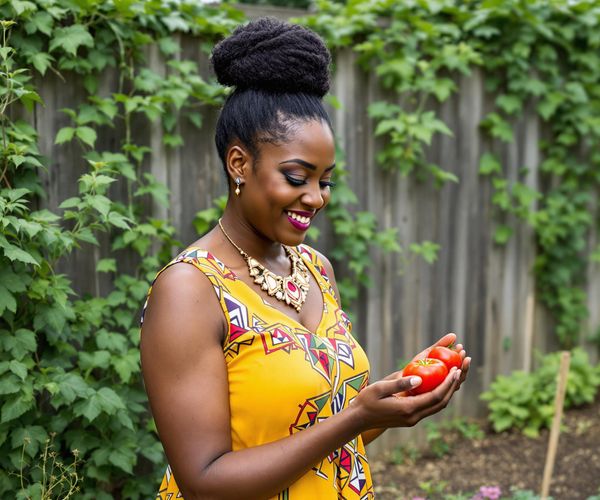
As a Zimbabwean expat living in Canada, my journey has been a tapestry woven with threads of diverse cultures, and food has been my constant companion, a vibrant thread connecting me to my roots and introducing me to new horizons. Join me as we explore the world, one delicious bite at a time!
Embracing the Culinary Landscape: An Expat's Perspective
Moving from Gweru, Zimbabwe, to Stratford, Canada, was a significant shift, but food eased the transition. It reminded me of home while opening doors to new experiences. Food is more than sustenance; it's a cultural ambassador. Think of sadza and stew, staples of Zimbabwean cuisine, bringing warmth and familiarity amidst the Canadian winters. Then there's poutine, a Quebecois delight, showcasing the rich, cheesy goodness of my adopted home. These culinary experiences have enriched my understanding of different ways of life.
Approaching food with an open mind is crucial. During my travels, I've learned to embrace the unfamiliar, whether it's mopane worms in Zimbabwe or haggis in Scotland. These dishes might sound intimidating, but they offer unique insights into local traditions and histories. Food allows us to appreciate cultural diversity, offering a taste of different lifestyles and perspectives.
Discovering Authentic Food Experiences
Forget the tourist traps! The best food experiences are often found in local eateries and hidden culinary gems. Seek out family-run restaurants or hole-in-the-wall establishments where locals gather. These places often serve up the most authentic and flavorful dishes, prepared with time-honored recipes and techniques.
Local markets and street food scenes are treasure troves of culinary delights. Wander through bustling markets, sample fresh produce, and savor the aromas of spices and herbs. Street food offers a quick and affordable way to experience a destination's culinary culture. Be adventurous and try local specialties from street vendors; just make sure to choose vendors with clean stalls and freshly prepared food.
Don't be afraid to engage with locals for recommendations. Hotel staff, tour guides, and fellow diners can offer valuable insights into the best places to eat. Ask them about their favorite dishes and local specialties. You might discover hidden culinary gems that aren't listed in guidebooks.
Consider taking cooking classes or food tours to delve deeper into regional cuisine. Cooking classes offer hands-on experience in preparing local dishes, while food tours provide guided explorations of a destination's culinary landscape. These activities offer insights into regional techniques and ingredients, enhancing your appreciation for the local cuisine.
Navigating Dietary Challenges and Preferences
Communicating dietary restrictions or preferences can be challenging when traveling in different countries, but it's essential for a comfortable and enjoyable experience. Learn a few basic phrases in the local language to explain your needs, such as "I am vegetarian" or "I am allergic to nuts." Carry a card with your dietary requirements translated into the local language for easy reference.
Finding vegetarian, vegan, or gluten-free options in unfamiliar cuisines requires research and planning. Before you travel, research local ingredients and dishes to identify potential options. Look for restaurants that offer vegetarian or vegan menus, or that are willing to accommodate dietary restrictions. Don't be afraid to ask questions about ingredients and preparation methods.
Researching local ingredients and potential allergens is crucial for making informed food choices. Be aware of common allergens in the region, such as peanuts, shellfish, or dairy. Read food labels carefully and ask about ingredients when ordering food. If you have severe allergies, carry an epinephrine auto-injector and inform your travel companions about your condition.
Several resources and apps can help travelers find restaurants and dishes that cater to their specific dietary needs. HappyCow is a popular app for finding vegetarian and vegan restaurants worldwide, while Allergy Eats helps users locate allergy-friendly restaurants. These tools can make it easier to navigate unfamiliar culinary landscapes and ensure a safe and enjoyable dining experience.
Savoring Regional Specialties and Unique Ingredients
Seeking out regional specialties and unique ingredients is a fantastic way to connect with a destination's culinary identity. Every region has its signature dishes and ingredients that reflect its history, culture, and environment. Be adventurous and try new things, even if they seem unfamiliar or unusual.
I once tried the Biltong, a form of dried, cured meat, during one of my visits to South Africa. Initially, I was hesitant, but the explosion of flavors and textures was incredible. It was a culinary adventure that broadened my palate and deepened my appreciation for South African cuisine. Embrace the opportunity to step outside your comfort zone and discover new flavors.
Identifying and appreciating high-quality, locally sourced ingredients enhances your culinary experience. Look for restaurants and markets that prioritize fresh, seasonal produce and locally raised meats. Ask about the origin of the ingredients and how they are prepared. You'll not only enjoy a more flavorful meal but also support local farmers and producers.
Supporting local farmers and producers through sustainable practices is essential for preserving culinary traditions and promoting environmental stewardship. Choose restaurants and markets that prioritize sustainable practices, such as using organic produce, reducing food waste, and supporting fair labor practices. By making conscious choices, you can contribute to a more sustainable and equitable food system.
Staying Healthy and Safe While Exploring Global Cuisine
Food safety is paramount when exploring global cuisine. Avoid food that has been sitting out for extended periods, especially in warm climates. Be mindful of water sources and drink bottled or purified water. Wash your hands frequently, especially before eating. Choose restaurants with clean and hygienic practices to minimize the risk of foodborne illnesses.
Preventing and managing traveler's diarrhea is crucial for a comfortable trip. Pack essential medications, such as anti-diarrheal drugs and oral rehydration salts. Consider taking probiotics before and during your travels to promote gut health. Avoid eating raw or undercooked foods, and be cautious of street food vendors with questionable hygiene practices.
Staying hydrated and making healthy food choices helps maintain energy levels and overall well-being. Drink plenty of water throughout the day, especially in hot climates. Choose fresh fruits and vegetables over processed snacks. Limit your intake of sugary drinks and alcohol. Opt for balanced meals that include protein, carbohydrates, and healthy fats.
Balancing indulgence with healthy eating allows for treats while maintaining a balanced diet. Don't deprive yourself of local delicacies, but be mindful of portion sizes and frequency. Choose healthier options when available, such as grilled or baked dishes instead of fried foods. Enjoy your culinary adventures in moderation to stay healthy and energized throughout your travels.
Explore the world, one delicious bite at a time! Discover authentic food experiences, navigate dietary challenges, and savor regional specialties.