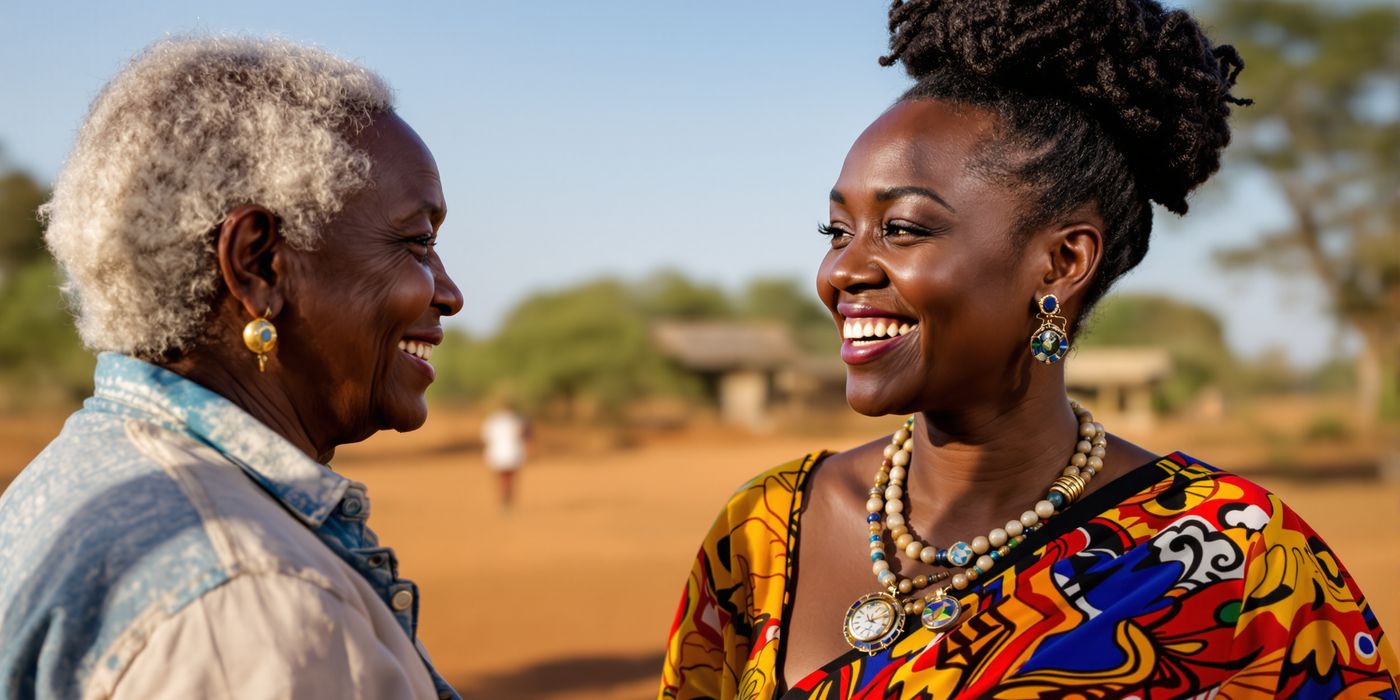
As a librarian and avid traveler with roots in Zimbabwe, I've always been fascinated by the intersection of culture and exploration. Cultural anthropology, the study of human societies and cultures and their development, offers a unique lens through which to view our travels. It's more than just seeing the sights; it's about understanding the people, their traditions, and the stories that shape their lives. Join me as we delve into how cultural anthropology can transform your travel experiences from superficial observations to profound connections.
What is Cultural Anthropology?
Cultural anthropology is a branch of anthropology focused on the study of cultural variation among humans. It seeks to understand how people in different societies live and make sense of their worlds. Unlike other approaches to travel that might focus solely on historical sites or tourist attractions, cultural anthropology encourages a deeper engagement with the living culture of a place. It's about understanding the values, beliefs, and practices that shape a community's way of life.
My own background has significantly influenced my approach to travel. Growing up in Gweru, Zimbabwe, I was immersed in a vibrant culture rich with traditions and stories. This upbringing instilled in me a deep curiosity about other cultures and a desire to understand the world from different perspectives. It's this curiosity that led me to cultural anthropology and, ultimately, to a more meaningful way of traveling.
Understanding Cultural Nuances Through Anthropology
Cultural anthropology encourages travelers to become keen observers, paying attention to the subtle details of daily life. It's about noticing the way people interact, the rituals they perform, and the symbols they use to communicate. These seemingly small details can offer profound insights into the underlying values and beliefs of a culture.
Every community operates based on a set of unspoken rules and shared values. Understanding these nuances is crucial for respectful and meaningful engagement. For example, in some cultures, direct eye contact is considered a sign of respect, while in others, it may be seen as confrontational. Similarly, gift-giving customs can vary widely, with some cultures emphasizing the act of giving while others place more importance on the thoughtfulness of the gift.
I remember visiting a small village in rural Zimbabwe where the concept of time was very different from what I was used to. Instead of adhering to a strict schedule, people operated on what they called 'African time,' which prioritized relationships and community over punctuality. Initially, I found this frustrating, but as I spent more time in the village, I began to appreciate the beauty of this more relaxed approach to life. This experience taught me the importance of adapting to local customs and embracing different ways of being.
Applying Anthropological Principles to Travel
One of the key methods in cultural anthropology is participant observation, which involves immersing oneself in a culture and participating in its daily activities. However, it's crucial to approach participant observation with ethical considerations in mind. Travelers should always seek informed consent from the people they are studying and be mindful of their own impact on the community.
Cultural relativism is another fundamental principle, which emphasizes the importance of understanding cultures on their own terms, without imposing one's own values or judgments. This doesn't mean condoning harmful practices, but rather striving to understand the cultural context in which they occur. It's about recognizing that what may seem strange or wrong from one perspective may be perfectly logical and meaningful from another.
Here are some practical tips for engaging respectfully with different cultures:
- Do your research: Learn about the local customs, traditions, and etiquette before you go.
- Be open-minded: Approach new experiences with curiosity and a willingness to learn.
- Listen more than you speak: Pay attention to what people are saying and how they are saying it.
- Ask questions: If you're unsure about something, don't be afraid to ask for clarification.
- Respect local customs: Dress modestly, follow local etiquette, and be mindful of your behavior.
The Benefits of Cultural Anthropology in Travel
By applying anthropological principles to travel, we can forge deeper connections with local communities. Instead of remaining detached observers, we become active participants, building relationships and fostering mutual understanding. This can lead to more authentic and enriching experiences for both travelers and locals alike.
Cultural anthropology promotes cross-cultural understanding and empathy by encouraging us to see the world from different perspectives. It helps us to recognize our shared humanity and to appreciate the diversity of human experience. This can be especially valuable in today's increasingly interconnected world, where misunderstandings and conflicts often arise from cultural differences.
Ultimately, cultural anthropology can lead to more meaningful and transformative travel experiences. By engaging with cultures on a deeper level, we can gain new insights into ourselves and the world around us. We can return home with a greater appreciation for the richness and complexity of human life and a stronger commitment to building a more just and equitable world.
Ethical Considerations for the Anthropological Traveler
It's important to acknowledge the potential for power imbalances between travelers and local communities. Travelers often come from positions of privilege and may inadvertently exert their influence in ways that are harmful or exploitative. It's crucial to be aware of these dynamics and to take steps to mitigate their negative effects.
Reciprocity is a key ethical principle in cultural anthropology. Travelers should strive to give back to the communities they visit, whether through volunteering, donating to local organizations, or simply supporting local businesses. It's about recognizing that travel is a two-way street and that we have a responsibility to contribute to the well-being of the places we visit.
Cultural commodification and exploitation are serious concerns in the tourism industry. Travelers should be mindful of the ways in which local cultures are being packaged and sold for profit and avoid participating in activities that perpetuate harmful stereotypes or disrespect cultural traditions. It's about seeking out authentic experiences that are respectful of local cultures and that benefit the communities involved.
Sustainable Tourism and Cultural Anthropology
Cultural anthropology can inform sustainable tourism practices by providing insights into the social and cultural impacts of tourism. By understanding how tourism affects local communities, we can develop strategies to minimize its negative effects and maximize its positive contributions.
Community engagement and empowerment are essential for sustainable tourism development. Local communities should be involved in all aspects of tourism planning and decision-making, ensuring that their voices are heard and their interests are protected. It's about empowering communities to control their own destinies and to benefit from tourism in a way that is sustainable and equitable.
There are many examples of sustainable tourism initiatives that incorporate anthropological principles. These include community-based tourism projects, cultural heritage preservation programs, and ecotourism ventures that promote environmental conservation and cultural understanding. By supporting these initiatives, travelers can contribute to a more sustainable and responsible tourism industry.
Practical Tips for Incorporating Cultural Anthropology into Your Travels
Before you embark on your next adventure, take the time to research the local customs and traditions of the place you'll be visiting. Read books, watch documentaries, and talk to people who have traveled there before. The more you know about a culture, the better prepared you'll be to engage with it respectfully and meaningfully.
Learning even a few basic phrases in the local language can go a long way in building rapport with locals. It shows that you're making an effort to connect with them on their own terms and that you're not just expecting them to speak your language. Even simple phrases like hello, thank you, and excuse me can make a big difference.
Seek out opportunities to interact with locals and participate in cultural events. Attend a local festival, take a cooking class, or volunteer with a community organization. These experiences will give you a deeper understanding of the culture and allow you to build meaningful relationships with the people who live there.
Explore how cultural anthropology offers valuable insights and perspectives that enhance travel experiences and cultural understanding.