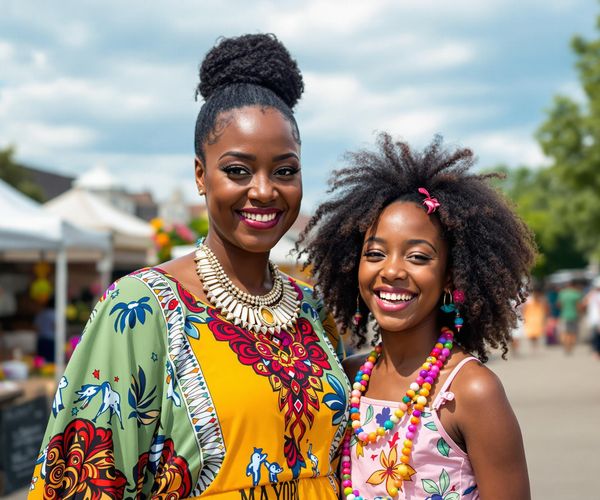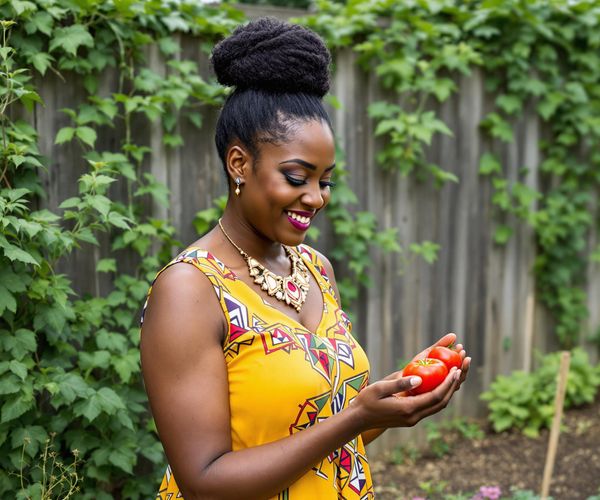
As someone who grew up surrounded by the vibrant landscapes and rich culture of Zimbabwe, I've always felt a deep connection to storytelling through imagery. Now living in Canada, I cherish every opportunity to capture the essence of my travels, both near and far. Photography is more than just taking pictures; it's about preserving memories, sharing experiences, and connecting with the world around us. Whether you're a seasoned traveler or just starting to explore, these tips will help you elevate your travel photography and capture the heart of your adventures.
Choosing the Right Equipment for Your Adventure
Selecting the right gear is the first step in your photography journey. The good news is, you don't need the most expensive equipment to take stunning travel photos. Let's break down your options:
- Smartphones vs. DSLRs/Mirrorless Cameras: Smartphones have come a long way in terms of camera quality. They're convenient and perfect for spontaneous shots. However, DSLRs and mirrorless cameras offer more control and better image quality, especially in challenging lighting conditions. If you're serious about photography, investing in a dedicated camera is worth it.
- Versatile Lenses: A versatile lens can make all the difference. A wide-angle lens (around 16-35mm) is great for capturing landscapes and architecture, while a zoom lens (like a 24-70mm or 70-200mm) allows you to get closer to your subject without physically moving. Having both can cover a wide range of shooting scenarios.
- Essential Accessories: Don't forget the accessories! Extra batteries are a must, as is a high-capacity memory card. A lightweight tripod can be invaluable for landscape shots and low-light situations. Also, consider weather protection gear like a rain cover to protect your equipment from the elements. A simple cleaning kit will keep your lenses and camera in top condition.
Understanding the Basics: Aperture, Shutter Speed, and ISO
Understanding the exposure triangle – aperture, shutter speed, and ISO – is crucial for taking well-exposed photos. Let's dive in:
- Aperture: Aperture refers to the opening in your lens that lets light into the camera. It's measured in f-stops (e.g., f/2.8, f/8, f/16). A wider aperture (smaller f-number) creates a shallow depth of field, blurring the background and making your subject stand out. It also lets in more light, which is great for low-light situations. A narrower aperture (larger f-number) increases the depth of field, keeping more of the scene in focus.
- Shutter Speed: Shutter speed is the amount of time the camera's shutter stays open, exposing the sensor to light. Fast shutter speeds (e.g., 1/500s) freeze motion, while slow shutter speeds (e.g., 1 second) can create motion blur. Experiment with different shutter speeds to see how they affect your images.
- ISO: ISO measures the sensitivity of your camera's sensor to light. Lower ISO settings (e.g., ISO 100) produce cleaner images with less noise, while higher ISO settings (e.g., ISO 3200) are useful in low-light situations but can introduce noise (grain) into your photos. Try to keep your ISO as low as possible to maintain image quality.
I highly recommend practicing using manual mode (M) on your camera. It might seem daunting at first, but it gives you full control over your images and helps you understand how aperture, shutter speed, and ISO interact.
Composition Techniques: Framing the Perfect Shot
Composition is key to creating visually appealing photos. Here are a few techniques to keep in mind:
- Rule of Thirds: Imagine dividing your frame into nine equal parts with two horizontal and two vertical lines. Place your main subject along these lines or at their intersections to create a balanced and engaging composition.
- Leading Lines: Use lines to guide the viewer's eye through the image. Roads, rivers, fences, and even shadows can serve as leading lines, drawing attention to your subject.
- Framing: Use natural elements like trees, doorways, or arches to frame your subject and add depth to your photos. Framing can help isolate your subject and draw the viewer's eye to it.
Don't be afraid to experiment with different perspectives. Try shooting from a high angle to get a bird's-eye view, or get down low to capture a unique perspective. Sometimes, the most interesting shots come from unexpected angles.
Storytelling Through Imagery: Capturing Culture and Emotion
Travel photography is about more than just capturing pretty pictures; it's about telling stories. Here’s how to capture culture and emotion in your shots:
- Capture Local Culture: Immerse yourself in the local culture and traditions. Attend festivals, visit markets, and try local cuisine. Photographing these experiences can add depth and authenticity to your travel photos.
- Photograph People in Their Environment: Instead of just taking portraits, try photographing people in their natural environment. Capture a street vendor selling their wares, a farmer working in their field, or children playing in the streets. This adds context and tells a story about their lives.
- Respectful Photography: Always be respectful when photographing people. Ask for permission before taking their picture, especially in more traditional communities. A simple smile and a gesture can go a long way.
- Capture Details: Pay attention to the small details that tell a story. Photograph the intricate patterns on a textile, the vibrant colors of a spice market, or the weathered hands of an elderly artisan. These details can add depth and texture to your images.
Lighting Essentials: Making the Most of Natural Light
Lighting can make or break a photograph. Understanding how to work with natural light is essential for travel photography:
- Golden Hours: The 'golden hours' – the hour after sunrise and the hour before sunset – are known for their warm, soft light. This is the best time to capture landscapes and portraits. The light is flattering and creates a beautiful, golden glow.
- Harsh Midday Sun: Midday sun can be harsh and create strong shadows. If you have to shoot during this time, look for shade or try to position your subject so that the sun is behind them. You can also use the harsh light to create interesting shadows and silhouettes.
- Light and Shadow: Use light and shadow to add drama and depth to your images. Look for patterns of light and shadow that create visual interest. Experiment with different angles to see how the light changes.
- Reflectors: A reflector can be a lifesaver when shooting portraits in natural light. Use it to bounce light onto your subject and fill in shadows. You can buy a dedicated reflector, or simply use a piece of white cardboard.
Enhance your travel photography skills with tips on capturing the essence and beauty of your adventures.