As someone who's journeyed from the vibrant landscapes of Zimbabwe to the welcoming embrace of Canada, I've come to realize that travel is more than just ticking off destinations on a map. It's about the connections we forge, the stories we share, and the impact we leave behind. This is the essence of purposeful travel, and it's an approach that has enriched my life in countless ways.
The Essence of Purposeful Travel
Purposeful travel is a mindful way of exploring the world, one that goes beyond the typical tourist experience. It's about traveling with intention, seeking out experiences that not only broaden your own horizons but also contribute positively to the places you visit. Unlike traditional tourism, which can sometimes prioritize personal enjoyment over local well-being, purposeful travel emphasizes the importance of impact. It's about asking yourself: How can my travels benefit the communities I encounter? How can I minimize my footprint and maximize my contribution?
For me, purposeful travel is deeply intertwined with personal growth. When we step outside our comfort zones and engage with different cultures, we challenge our own assumptions and expand our understanding of the world. It's an opportunity to learn, to empathize, and to develop a greater sense of global citizenship. Moreover, it's a chance to make a tangible difference, however small, in the lives of others.
Volunteering as a Bridge to Connection
One of the most rewarding ways to engage in purposeful travel is through volunteering. By dedicating your time and skills to a local cause, you can forge meaningful connections with the people you're helping and gain a deeper understanding of their lives and challenges. I've always believed that volunteering is more than just giving back; it's about building bridges of understanding and solidarity.
When selecting a volunteer project, it's crucial to do your research and choose an organization that aligns with your values and operates ethically. Look for projects that are community-led, sustainable, and respectful of local cultures. Avoid organizations that perpetuate harmful stereotypes or exploit vulnerable populations. Remember, the goal is to empower communities, not to impose your own ideas or agendas.
Cultural sensitivity is paramount when volunteering. Take the time to learn about the local customs, traditions, and beliefs before you arrive. Be respectful of the way people dress, speak, and interact with each other. Avoid making assumptions or judgments based on your own cultural norms. And most importantly, listen to the voices of the community members and let them guide your actions.
Cultural Exchange: Immersing Yourself in Local Life
Cultural exchange programs offer another fantastic opportunity to connect with people from different backgrounds and broaden your understanding of the world. These programs can take many forms, from homestays and language learning to traditional crafts workshops and cultural festivals. The key is to immerse yourself in the local culture and be open to new experiences.
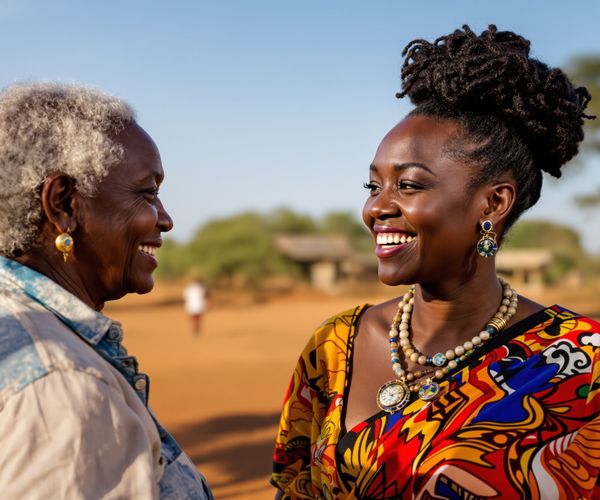
I believe that living with a local family is one of the most immersive ways to experience a new culture. You'll have the chance to share meals, participate in daily routines, and learn about the family's history and traditions. It's an opportunity to see the world through their eyes and to develop a deeper appreciation for their way of life. Learning the local language, even just a few basic phrases, can also greatly enhance your cultural exchange experience. It shows respect for the local culture and makes it easier to connect with people on a personal level.
Cultural exchange benefits both travelers and host communities. For travelers, it's a chance to learn new skills, broaden their perspectives, and develop lifelong friendships. For host communities, it's an opportunity to share their culture with the world, promote understanding, and generate income through tourism.
Supporting Community Initiatives: Making a Tangible Difference
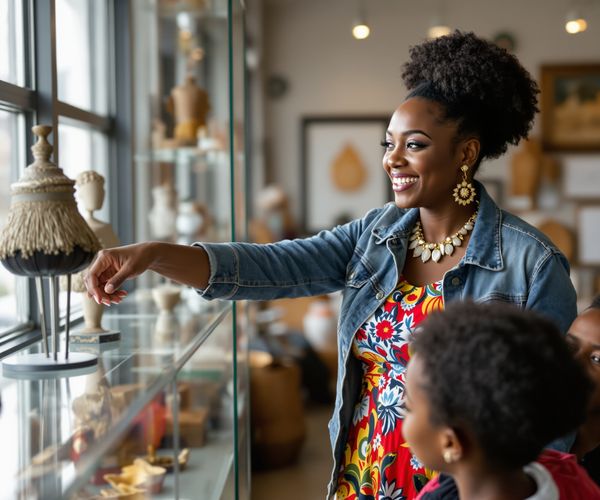
Another way to travel with purpose is to support local economies and community-based tourism initiatives. This could involve staying in locally owned guesthouses, eating at family-run restaurants, buying handicrafts from local artisans, or taking tours led by community members. By spending your money directly in the local economy, you can help to create jobs, support families, and preserve cultural traditions.
Responsible consumption is also essential. Be mindful of the products you buy and the services you use. Choose products that are locally made, ethically sourced, and environmentally friendly. Avoid products that are mass-produced, exploit workers, or damage the environment. And be sure to dispose of your waste responsibly.
There are many inspiring examples of sustainable tourism projects that benefit local communities. These projects often focus on preserving cultural heritage, protecting the environment, or promoting economic development. By supporting these projects, you can help to create a more sustainable and equitable tourism industry.
Sustainable Practices for Meaningful Travel
Sustainable tourism is an integral part of purposeful travel. It's about minimizing your environmental impact and respecting the natural resources of the places you visit. This includes reducing waste, conserving resources, and protecting wildlife. I always try to remember that we are guests in these places, and it's our responsibility to leave them as we found them, or even better.
There are many simple ways to practice eco-friendly travel. You can reduce waste by bringing your own reusable water bottle, shopping bag, and toiletries. You can conserve resources by turning off lights and air conditioning when you leave your room, taking shorter showers, and using public transportation whenever possible. And you can protect wildlife by avoiding activities that harm animals or disrupt their habitats.
Sustainable travel plays a crucial role in preserving cultural and natural heritage for future generations. By supporting sustainable tourism practices, we can help to protect the environment, preserve cultural traditions, and ensure that these places remain vibrant and accessible for all to enjoy.
Explore how to travel with purpose, emphasizing human connections, volunteering, cultural exchange, and supporting community initiatives for personal growth and global change.