Hey Evendo travelers! Annah here, ready to whisk you away on a culinary adventure around the globe. Forget just seeing the sights – let’s taste them! Food is so much more than just sustenance; it's a window into a culture's soul, a story told through flavors, and a memory you can recreate in your own kitchen. So, pack your bags (and your appetite!), because we're about to embark on a journey that will tantalize your taste buds and broaden your horizons.
The Allure of Culinary Travel
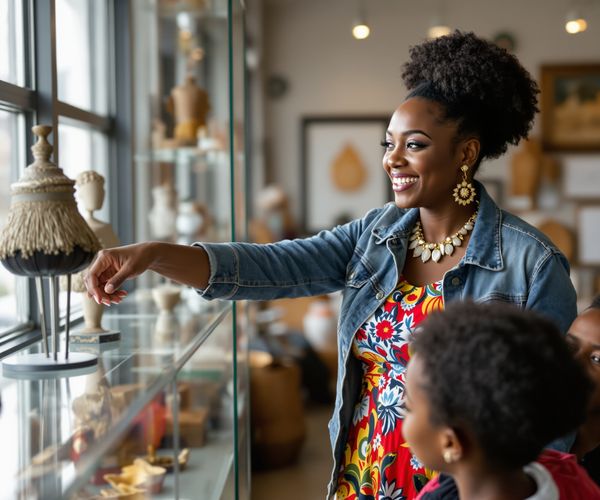
More and more, folks are realizing that travel isn't just about ticking off landmarks. It's about connecting with people, understanding their history, and experiencing their way of life. And what better way to do that than through food? Think about it: every dish tells a story. The ingredients, the preparation methods, even the way it's served – it all speaks volumes about a culture's traditions and values. I've noticed a real buzz around culinary tourism lately, with more people searching for authentic food experiences than ever before. {image1} It's a shift from simply seeing to truly experiencing.
Food acts as this incredible 'gateway'. It unlocks conversations, sparks curiosity, and creates connections that transcend language barriers. For me, as a Zimbabwean expat, food is a powerful link to my heritage. Sharing a plate of sadza and stew with friends is like sharing a piece of my heart.
Finding Authentic Local Food Experiences
Okay, so you're ready to dive into the world of culinary travel. But how do you find those truly authentic experiences? Here are a few tips I've learned along the way:
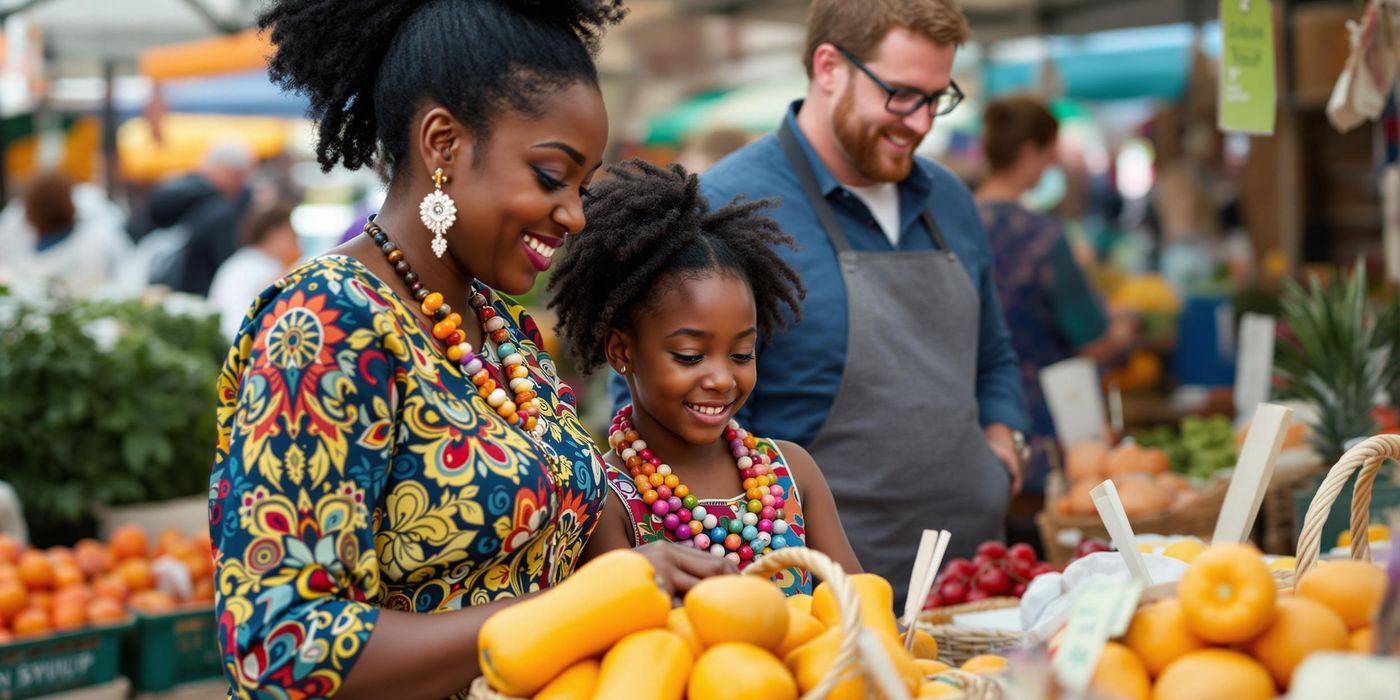
- Explore street food markets. This is where you'll find the real heart and soul of a cuisine. Don't be afraid to try something new – that's half the fun! {image2}
- Venture into local grocery stores and pharmacies. You'll discover unique ingredients, spices, and even traditional remedies that you won't find anywhere else.
- Seek out regional specialties. Every region has its own culinary gems, so do your research and ask locals for their recommendations.
- Consider platforms like EatWith or Traveling Spoon. These connect you with local cooks who offer home-cooked meals and cooking classes.
Remember, the best culinary experiences are often found off the beaten path. Be open to new flavors, embrace the unknown, and don't be afraid to get a little messy!
Participating in Cooking Classes Abroad
Taking a cooking class in a foreign country is like getting a backstage pass to a culture's kitchen. {image3} It's an opportunity to learn about local ingredients, master traditional techniques, and connect with people who share your passion for food.
Platforms like Airbnb Experiences and Cookly offer a wide range of cooking classes in destinations around the world. Imagine learning to make pasta from scratch in Tuscany, mastering the art of sushi in Tokyo, or discovering the secrets of Thai curries in Chiang Mai. Not only will you gain new culinary skills, but you'll also create lasting memories and forge new friendships.
These classes often provide insights that go beyond just the recipe. You'll learn about the history of the dish, the cultural significance of the ingredients, and the stories behind the food. It's a truly immersive and enriching experience.
Integrating Global Recipes into Your Home Cooking
The real magic happens when you bring those global flavors back home and start incorporating them into your own cooking. Don't feel like you need to become a master chef overnight. Start with simple dishes and gradually experiment with more complex recipes.
Online recipe-sharing platforms like Allrecipes and Cookpad are great sources of inspiration. {image4} Don't be afraid to adapt recipes to your own preferences and dietary needs. And remember, cooking should be fun! Experiment with flavor combinations, try new ingredients, and don't worry if things don't always turn out perfectly. The important thing is to keep learning and growing.
One of my favorite things to do is to find substitute ingredients when I can't find exactly what the recipe calls for. It forces me to be creative and often leads to unexpected culinary discoveries.
A Taste of Zimbabwe: Bringing It All Back Home
Of course, no culinary journey would be complete without a taste of home. As much as I love exploring new cuisines, my heart always belongs to Zimbabwean food. Maize, peanut butter stew, and mupunga (rice) are staples that remind me of my childhood and connect me to my heritage.
Zimbabwean dishes are more than just food; they're a celebration of community, family, and tradition. Sharing a meal together is an important part of Zimbabwean culture, and it's something I try to recreate in my own home here in Canada.
Sourcing Zimbabwean ingredients can be a challenge, but I've learned to be resourceful. {image5} I often visit African grocery stores in larger cities or order ingredients online. And when I can't find exactly what I need, I look for suitable substitutes. For example, I might use butternut squash instead of pumpkin in a stew or substitute millet flour for sorghum flour in a bread recipe.
I encourage you to explore the diverse flavors of Zimbabwean cuisine and share your experiences. You might be surprised at how much you enjoy it!
Embark on a culinary adventure around the globe and bring global flavors to your kitchen. Discover authentic local food experiences and learn how to integrate global recipes into your home cooking.