A Family Adventure in Kyoto: Discovering Japan's Cultural Heart
Day 4: A Day of Golden Reflections and Serene Gardens in Kyoto
Explore Kyoto's golden temples, serene rock gardens, and imperial history with family. A day of cultural immersion and culinary delights.

Glimmers of Gold and Whispers of Zen
Today in Kyoto was a journey through time and tranquility. From the shimmering Golden Pavilion to the meditative rock gardens and the majestic Nijō Castle, every stop was a deep dive into Japan's rich cultural tapestry. Despite the January chill, the day was warmed by the beauty around us and the joy of sharing it with Mei-Ling and Lin.
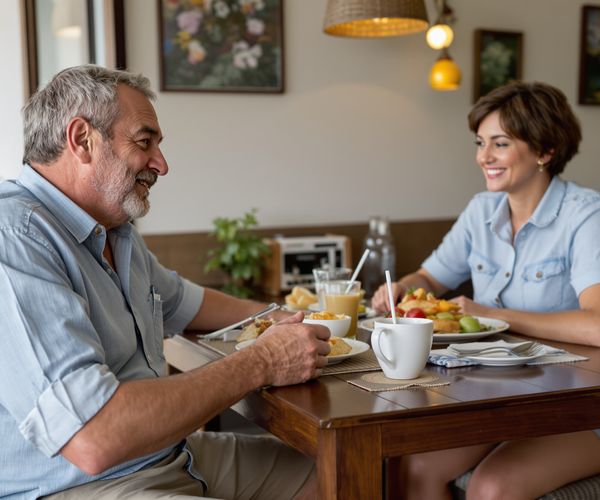
Our day began with a hearty breakfast at Hyoto Shijo Karasuma. It was a buffet, and Mei-Ling and I enjoyed the mix of Japanese and Western options. Lin, predictably, went straight for the pastries. I appreciated the Kyoto-style dishes like the pickles and obanzai, a delightful introduction to the local flavors. It's always a pleasure to start the day with a good meal, setting the tone for the adventures ahead. I made sure to fuel up properly, knowing we'd be doing a lot of walking.
Our first destination was Kinkaku-ji, the Golden Pavilion. As we approached, the sight of the temple shimmering in the morning light was breathtaking. The gold leaf reflecting off the pond created a mesmerizing scene. It felt like stepping into a postcard. Lin was especially captivated, her eyes wide with wonder. I explained to her the history of the temple, how it was originally built as a retirement villa for Shogun Ashikaga Yoshimitsu and later converted into a Zen temple. The blend of architectural styles on each floor—the Shinden style of the Heian aristocracy, the samurai's Bukke style, and the Zen temple style—was fascinating to observe. The fact that the pavilion had been rebuilt after being burned down by a monk in 1950 added a layer of resilience to its beauty. As we walked around the pond, taking in different angles of the pavilion, I couldn't help but feel a sense of peace and awe. It's moments like these that remind me why I love to travel, to experience the beauty and history of different cultures.

Explore Kinkaku-ji, the breathtaking Golden Pavilion in Kyoto, where history and nature blend beautifully in a tranquil setting.
The beauty of Kinkaku-ji lies not just in its golden exterior, but in its ability to evoke a sense of serenity and timelessness.
Next on our itinerary was Ryoan-ji, famous for its enigmatic Zen garden. After the opulence of Kinkaku-ji, the simplicity of Ryoan-ji was a stark contrast, yet equally captivating. The garden, a rectangle of raked white gravel with fifteen strategically placed stones, invited contemplation. We sat on the veranda of the Hōjō, the abbot's former residence, and gazed at the garden, each of us trying to decipher its meaning. The stones are arranged in such a way that at least one is always hidden from view, no matter where you stand. Some say the garden represents islands in a sea, others a tiger carrying cubs. I found myself drawn into the meditative atmosphere, my mind quieting as I focused on the patterns in the gravel and the subtle variations in the stones. Lin, of course, was more interested in counting the stones and trying to figure out which one was hidden. Mei-Ling, ever the pragmatist, was fascinated by the engineering of the garden, how the designers had created such a sense of depth and perspective with so few elements. It was a reminder that beauty can be found in simplicity, and that sometimes the greatest insights come from quiet contemplation. I thought of the tea plantations back home in Douliu, and how the simple act of tending to the tea plants could be a form of meditation.

Discover the tranquility of Ryōan-ji, a Zen Buddhist temple in Kyoto, featuring a world-famous rock garden and serene landscapes that inspire peace and reflection.
From Ryoan-ji, we made our way to Ninna-ji Temple. Founded in 888 by Emperor Uda, this temple has a rich history intertwined with the imperial family. Walking through the temple grounds, I was struck by the serene atmosphere and the beautiful architecture. The five-story pagoda was particularly impressive, a testament to the craftsmanship of the Edo period. We explored the various halls and gardens, each with its own unique charm. I learned that Ninna-ji was rebuilt in the 17th century after being destroyed in the Ōnin War, a conflict that ravaged much of Kyoto. The temple is also known for its late-blooming Omuro cherry trees, which unfortunately wouldn't be in bloom until April. I made a mental note to return in the spring to witness their beauty. As we strolled through the gardens, I couldn't help but feel a sense of connection to the past, to the emperors and monks who had walked these same paths centuries ago. It was a reminder that history is not just something we read about in books, but something we can experience firsthand.

Discover the tranquility and beauty of Ninna-ji Temple, a UNESCO World Heritage Site in Kyoto, showcasing stunning architecture and serene gardens.
Our final stop of the day was Nijō Castle, built in 1603 as the Kyoto residence of Tokugawa Ieyasu, the first shogun of the Edo period. This castle is a masterpiece of feudal architecture, showcasing the power and wealth of the Tokugawa shogunate. As we entered the castle grounds through the Karamon Gate, I was immediately impressed by the scale and grandeur of the complex. We explored the Ninomaru Palace, the main attraction of the castle, with its multiple buildings connected by corridors with nightingale floors that squeak when stepped upon, a clever security measure against intruders. The rooms were adorned with tatami mats, decorated ceilings, and beautifully painted sliding doors. I explained to Lin the significance of Nijō Castle, how it was not only a residence but also a symbol of the shogun's authority. It was here that Tokugawa Yoshinobu declared the end of Tokugawa rule and returned power to the emperor, marking a turning point in Japanese history. Walking through the castle, I could almost imagine the shoguns and their retinues, the sounds of their footsteps echoing through the halls. It was a powerful reminder of the rise and fall of empires, and the enduring legacy of history.
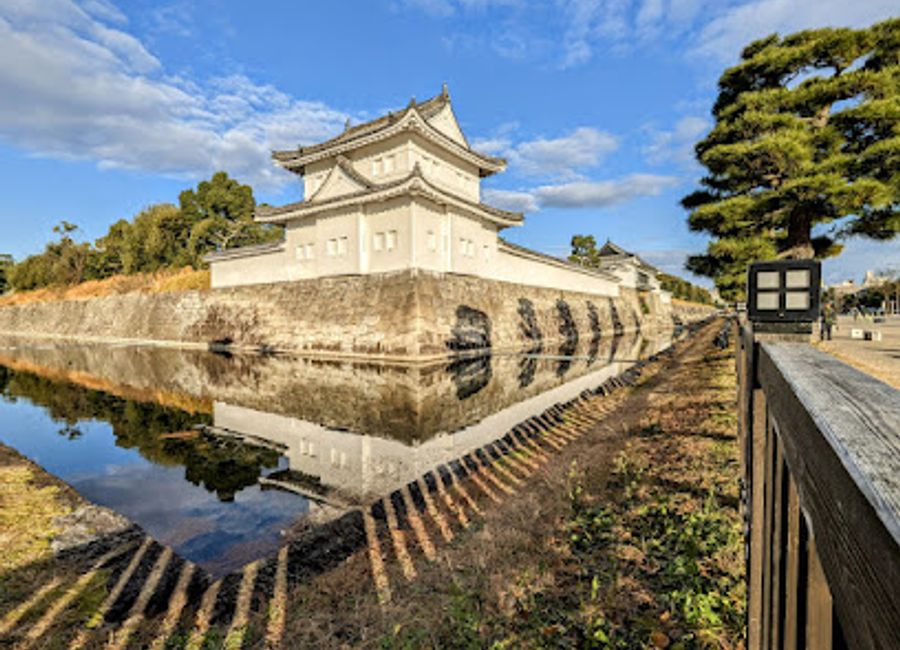
Explore the grandeur of Nijō Castle, a UNESCO World Heritage Site in Kyoto, showcasing the beauty of feudal Japan's architecture and gardens.
Before dinner, we ventured into Nishiki Market, known as Kyoto's Kitchen. The narrow, bustling street was lined with over a hundred shops and stalls, each offering a variety of culinary delights. The market has a history of over 400 years, evolving from a fish wholesale district to a retail market catering to both locals and tourists. We sampled various delicacies, from fresh sashimi to Kyoto pickles. Lin was particularly fond of the tamagoyaki, a sweet and savory Japanese omelet. I enjoyed trying the kyo-yasai, Kyoto vegetables, which are said to be more nutritious and delicious than vegetables from other regions. Mei-Ling, ever the adventurous eater, tried some dried seafood and declared it surprisingly tasty. The market was crowded and lively, a sensory overload of sights, smells, and sounds. It was a perfect way to immerse ourselves in the local culture and get a taste of Kyoto's culinary heritage. As we strolled through the market, I couldn't help but feel grateful for the opportunity to share these experiences with my family, to create memories that would last a lifetime.
We ended our day with dinner at Hafuu, a restaurant renowned for its exquisite meat dishes. The owner's family runs a meat wholesale business, ensuring high-quality Wagyu steaks and katsu sandwiches at reasonable prices. I opted for the Hafuu Course, which included a main steak, appetizers, seasonal soup, bread, a dessert assortment, and a drink. The steak was cooked to perfection, tender and juicy, with a rich, melt-in-your-mouth flavor. Mei-Ling chose the beef cutlet, which was equally delicious, crispy on the outside and tender on the inside. Lin, predictably, ordered the hamburger steak, which she devoured with gusto. The atmosphere of the restaurant was warm and inviting, the service impeccable. It was the perfect way to end a day of exploring Kyoto, savoring the flavors of Japan and enjoying the company of my loved ones. As we walked back to our hotel, the Travelodge Kyoto Shijo Kawaramachi, I felt a sense of contentment and gratitude. Today had been a day of golden reflections and serene gardens, a day of cultural immersion and culinary delights. And tomorrow, we explore the Kyoto Imperial Palace and the Philosopher's Path.

Experience the vibrant culture of Kyoto at Travelodge Kyoto Shijo Kawaramachi—your ideal base for exploring historic sites, shopping, and dining.
Tomorrow promises another day of exploration, with a visit to the Kyoto Imperial Palace and a stroll along the Philosopher's Path. I'm looking forward to uncovering more of Kyoto's hidden gems and sharing them with you all. The city continues to surprise and enchant, offering a glimpse into a world where ancient traditions meet modern sensibilities. It's a journey I'm grateful to be on, and one I hope to inspire others to embark on as well.

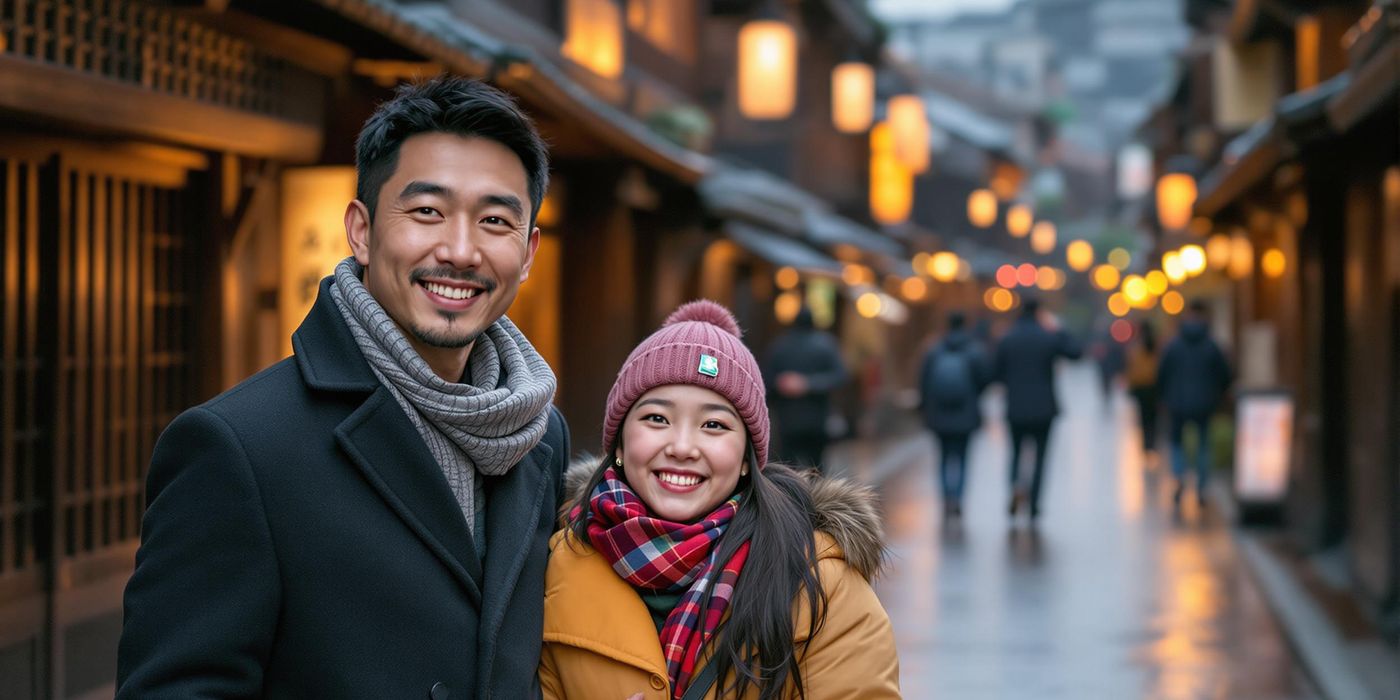
Join us as we explore Kyoto's rich cultural tapestry, from ancient temples to modern comforts, perfect for a family adventure in Japan.
Meet this Featured Explorer

-
 Occupation:
Orchard Manager
Occupation:
Orchard Manager
-
 Country:
Canada
Country:
Canada
-
 Age:
41
Age:
41
Ni hao! I'm Chih-Ming Huang, a Taiwanese native now living in beautiful Kelowna, Canada. As an orchard manager, I'm deeply passionate about sustainable living and connecting with nature. But my other great love is travel! I love sharing my travel experiences with you, hoping to inspire you to explore the world, embrace different cultures, and discover the beauty in every corner of our planet. Whether you're an eco-conscious traveler, a foodie, or simply someone seeking new adventures, I hope my blog can provide you with valuable insights and inspiration for your next journey.
- Sustainable agriculture
- Taiwanese history and culture
- Modern architecture
- Gourmet coffee
- Local wineries
Find Similar Travel Diaries
Explore locations from this diary
-
Travelodge Kyoto Shijo Kawaramachi
Experience the vibrant culture of Kyoto at Travelodge Kyoto Shijo Kawaramachi—your ideal base for exploring historic sites, shopping, and dining.
-
Kinkaku-ji
Explore Kinkaku-ji, the breathtaking Golden Pavilion in Kyoto, where history and nature blend beautifully in a tranquil setting.
-
Ryōan-ji
Discover the tranquility of Ryōan-ji, a Zen Buddhist temple in Kyoto, featuring a world-famous rock garden and serene landscapes that inspire peace and reflection.
-
Ninna-ji Temple
Discover the tranquility and beauty of Ninna-ji Temple, a UNESCO World Heritage Site in Kyoto, showcasing stunning architecture and serene gardens.
-
Nijō Castle
Explore the grandeur of Nijō Castle, a UNESCO World Heritage Site in Kyoto, showcasing the beauty of feudal Japan's architecture and gardens.
-
Hyoto Shijo Karasuma
Experience authentic Japanese flavors with exquisite hot pot and Kaiseki dishes at Hyoto Shijo Karasuma in Kyoto.
-
Katsukura Tonkatsu Sanjo Main Store
Savor the best tonkatsu in Kyoto at Katsukura Tonkatsu Sanjo Main Store—where tradition meets flavor.
-
Hafuu
Discover Hafuu in Kyoto: where premium Japanese beef meets culinary excellence in an elegant setting.
-
Kyoto Shinkyogoku Shopping Street
Explore Kyoto Shinkyogoku Shopping Street, a vibrant hub of traditional crafts, delicious street food, and unique shopping experiences in the heart of Kyoto.