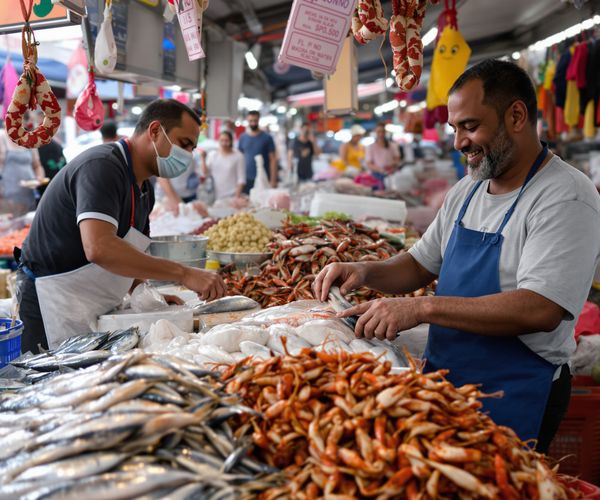
Family Pilgrimage: Exploring Kumano Kodo
Day 3: Echoes of Pilgrims: Discovering the Heart of Kumano Kodo
Immerse yourself in the spiritual heart of Japan as we explore Kumano Hongu Taisha and Oyunohara, where history and nature intertwine.
In the Footsteps of Ancient Pilgrims
Today was a day steeped in history and spirituality, a chance to connect with the very essence of the Kumano Kodo pilgrimage. It’s remarkable to think of the countless feet that have trod these paths before me, each seeking solace, enlightenment, or simply a connection to something greater. Today, Mei-Ling, Lin and I were ready to make our own connections.
Our day began, as most have, with a traditional Japanese breakfast at Jokiin. The simple, yet nourishing meal of rice, miso soup, and pickles set us up perfectly for a day of exploration. I always appreciate these quiet moments with my family before we head out, a chance to center ourselves and prepare for whatever the day may bring.
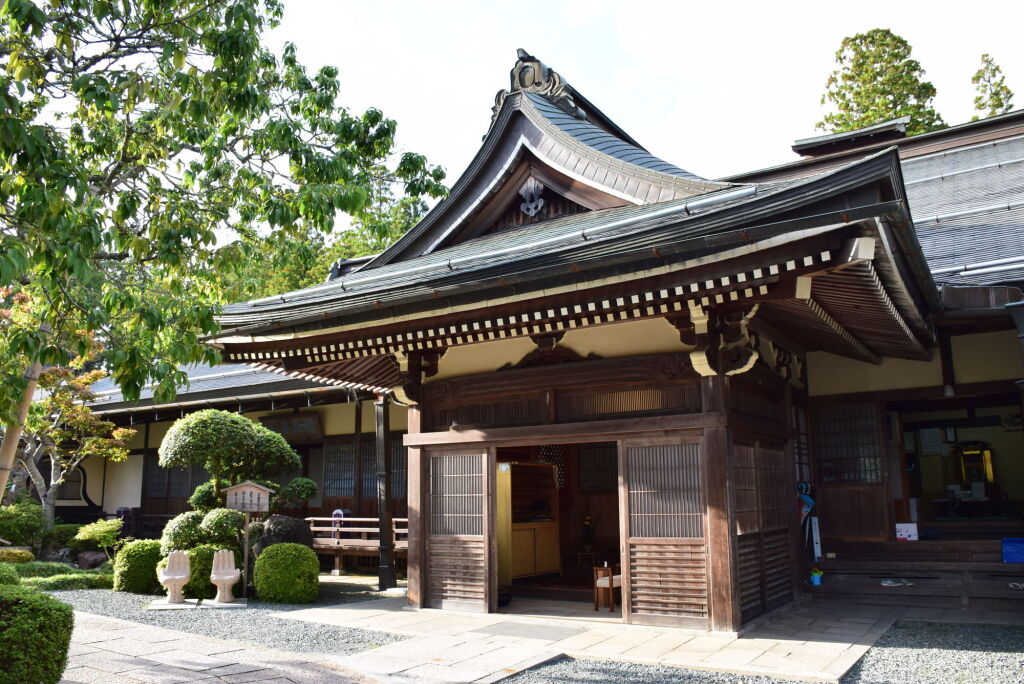
Discover Koya's serene charm at Jokiin, a welcoming guest house perfect for exploring the city's historic landmarks and natural beauty.
First on our itinerary was Kumano Hongu Taisha, one of the three grand shrines of Kumano. The air was thick with the scent of cedar as we approached the main hall. Climbing the 158 stone steps, lined with Kumano Daigongen banners, I couldn't help but feel a sense of reverence. The shrine itself is magnificent, with its cypress-thatched roof and austere pavilions, a testament to centuries of tradition and craftsmanship. We took our time visiting each of the five shrine buildings, offering our prayers and soaking in the peaceful atmosphere. Lin was especially fascinated by the Yatagarasu, the three-legged crow, which is the shrine's symbol and a messenger of the gods. I explained the legend to her, how the crow guided Emperor Jimmu, and she seemed captivated by the idea of an animal spirit guide.

Discover the spiritual beauty of Kumano Hongu Taisha, a historic Shinto shrine in Wakayama, Japan, renowned for its stunning architecture and serene landscapes.
The paths we walk today echo with the footsteps of countless pilgrims who sought solace and connection in this sacred landscape.
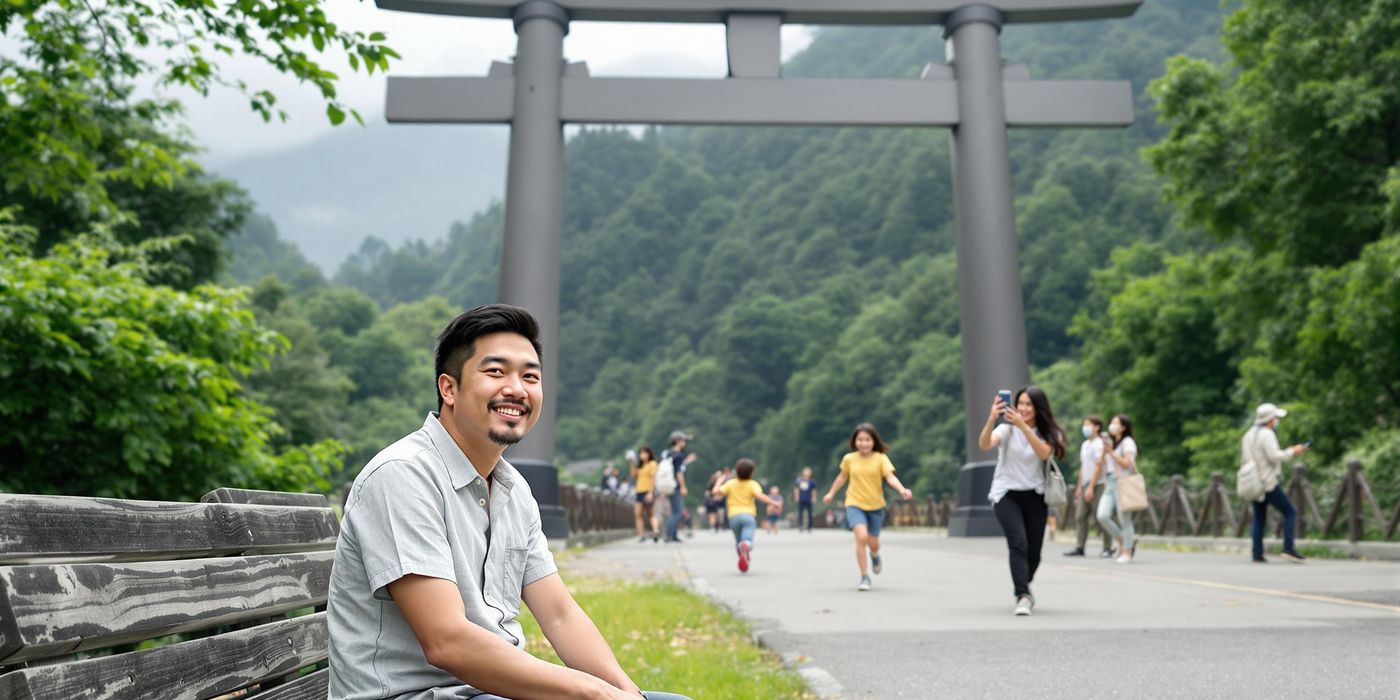
Afterward, we made our way to Oyunohara, the original location of Kumano Hongu Taisha. A devastating flood in 1889 swept away many of the shrine buildings, which were then relocated to the present site. Today, Oyunohara is marked by the Otorii, the largest torii gate in Japan, standing at an impressive 34 meters tall. As we stood beneath it, I felt a profound sense of awe. The sheer size of the gate is humbling, and it serves as a powerful reminder of the division between the secular and spiritual worlds.

Discover the spiritual essence of Japan at Oyunohara, a breathtaking Shinto shrine and historical landmark nestled in the heart of Wakayama's Kumano Kodo.
Mei-Ling and Lin spent some time taking photos near the giant Torii gate. Lin was running around the open space, while Mei-Ling tried to capture the best angle of the Torii. I sat on a nearby bench, just absorbing the atmosphere and thinking about the history of the place. I imagined the shrine in its former glory, a bustling center of worship and pilgrimage. It's hard to believe that such a significant site was almost lost to the forces of nature.
Our exploration continued at the Kumano Hongu Heritage Center. This modern building houses exhibits about the history of the shrine, the pilgrimage routes, and the cultural heritage of the region. The Kii Spirit exhibition was particularly informative, providing a comprehensive overview of the area's spiritual traditions and natural environment. Lin enjoyed the interactive displays, while Mei-Ling and I appreciated the detailed historical information. It was a great way to deepen our understanding of the Kumano Kodo and its significance.

Immerse yourself in the cultural heritage of the Kumano region at the Kumano Hongu Heritage Center, a gateway to the ancient pilgrimage routes.
For lunch, we stopped at Kumagoro, a local restaurant known for its Japanese cuisine. We enjoyed a variety of dishes, including sushi, tempura, and udon noodles. Lin, always a fan of noodles, particularly enjoyed the udon. Mei-Ling and I shared a sushi boat, a delightful assortment of fresh seafood and expertly prepared rice. The restaurant had a cozy atmosphere, and the staff was friendly and welcoming. It was the perfect place to refuel after a morning of exploring.
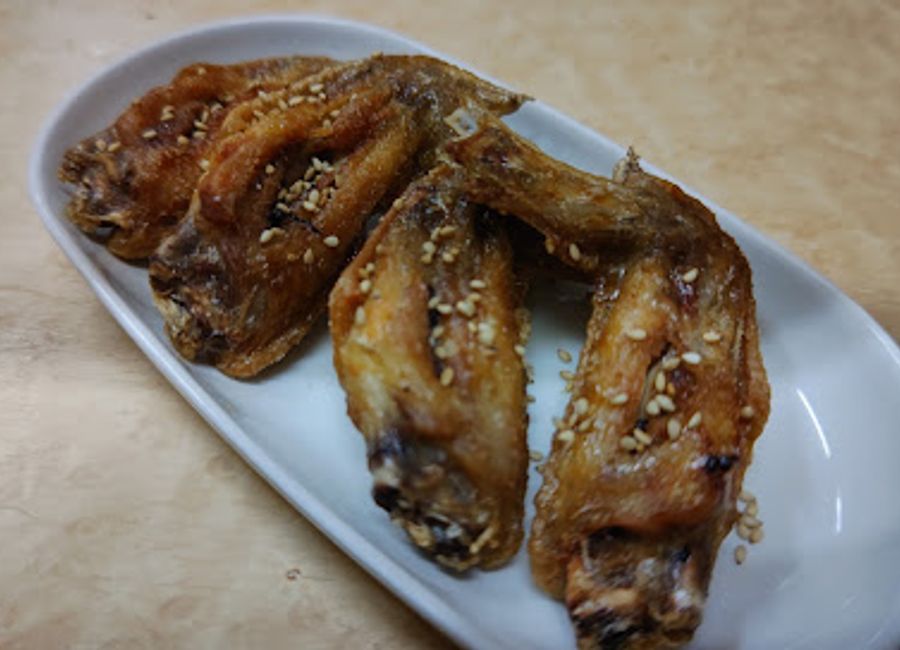
Experience the essence of traditional izakaya dining at Kumagoro in Shingu - where authentic flavors meet warm hospitality.
In the afternoon, we visited Road Station Oku-kumanokodo Hongu, a local shop offering a variety of regional products. I was hoping to find some Otonachi-cha tea, made from tea leaves grown in the Fushiogami district. We ended up buying some local crafts and snacks, supporting the local economy and taking home a few mementos of our trip. Lin picked out a small Yatagarasu figurine, a reminder of the three-legged crow we learned about at Kumano Hongu Taisha.

Discover local flavors and beautiful scenery at Road Station Oku-kumanokodo Hongu, the ideal rest stop in Wakayama Prefecture.
For dinner, we decided to try Tororoya, a restaurant specializing in mugitoro, a dish of barley rice topped with grated yam. It was a unique and delicious experience, a true taste of local cuisine. The restaurant had a warm and inviting atmosphere, and the staff was eager to explain the different types of yam and how they are prepared. I appreciated the opportunity to try something new and learn about the local culinary traditions.
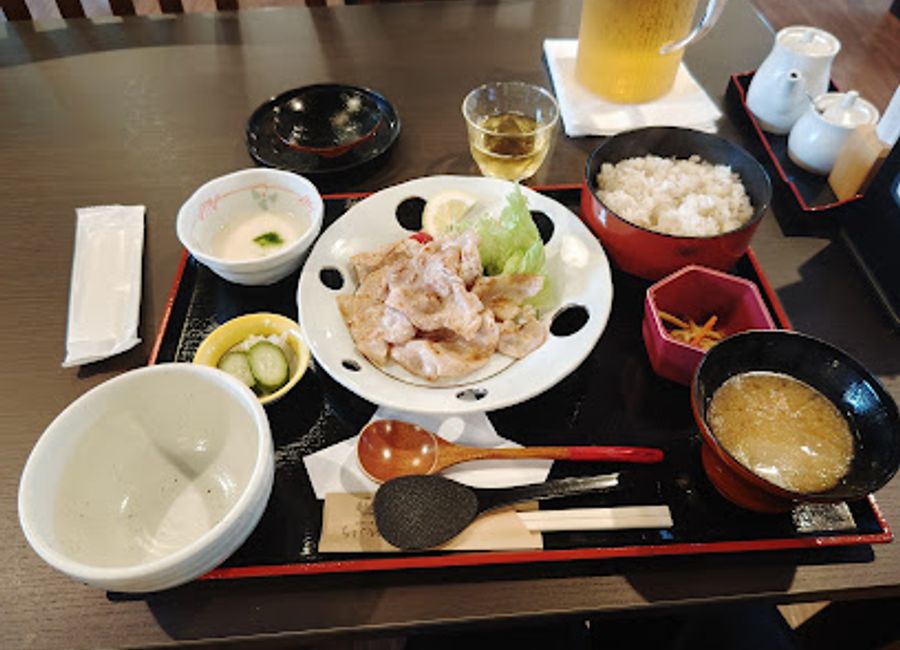
Experience authentic Japanese flavors at Tororoya in Tanabe, Wakayama—an essential stop on your culinary journey through Japan.
As the day drew to a close, we reflected on our experiences. We had walked in the footsteps of ancient pilgrims, explored sacred sites, and immersed ourselves in the rich cultural heritage of the Kumano Kodo. It was a day of connection – to history, to nature, and to each other.
Tomorrow, we plan to explore the Doro Kyo Gorge and take a Kumano Boat River Cruise [if last day of trip, merge in “Trip end”]. I'm looking forward to seeing more of the natural beauty of this region and experiencing the tranquility of the river. I am also curious to try the local wine at Wine Kumano [if last day of trip, merge in “Trip end”]. It promises to be another day filled with adventure and discovery.
This pilgrimage is not just about seeing the sights; it's about feeling the spirit of the place, connecting with the past, and finding a sense of peace within ourselves. And that's something I hope to carry with me long after we leave Kumano Kodo.
The Kumano Kodo is more than just a hiking trail; it's a journey into the heart of Japan's spiritual landscape. It's a chance to slow down, connect with nature, and reflect on the deeper meaning of life. As we continue our pilgrimage, I am grateful for the opportunity to share this experience with my family and to learn from the wisdom of the ancient pilgrims who walked these paths before us. It's a journey that I know will stay with us for a lifetime.
I am so glad that Mei-Ling suggested we take this trip. I was initially hesitant, given my work at the orchard, but she reminded me that it's important to take time for ourselves and to experience new things as a family. And she was right. This pilgrimage has already brought us closer together and given us a new appreciation for the beauty and spirituality of Japan. I am looking forward to what the rest of our journey holds.
And as I think of tomorrow, I realize that the journey is not just about the destinations we reach, but about the experiences we have along the way. And I am so grateful for the opportunity to share these experiences with my family and with you, my readers. Until tomorrow, may your own journeys be filled with wonder and discovery.



Join us on a family pilgrimage as we explore the ancient routes of Kumano Kodo in Japan, experiencing its spiritual and cultural wonders.
Meet this Featured Explorer

-
 Occupation:
Orchard Manager
Occupation:
Orchard Manager
-
 Country:
Canada
Country:
Canada
-
 Age:
41
Age:
41
Ni hao! I'm Chih-Ming Huang, a Taiwanese native now living in beautiful Kelowna, Canada. As an orchard manager, I'm deeply passionate about sustainable living and connecting with nature. But my other great love is travel! I love sharing my travel experiences with you, hoping to inspire you to explore the world, embrace different cultures, and discover the beauty in every corner of our planet. Whether you're an eco-conscious traveler, a foodie, or simply someone seeking new adventures, I hope my blog can provide you with valuable insights and inspiration for your next journey.
- Sustainable agriculture
- Taiwanese history and culture
- Modern architecture
- Gourmet coffee
- Local wineries
Find Similar Travel Diaries
Explore locations from this diary
-
Jokiin
Discover Koya's serene charm at Jokiin, a welcoming guest house perfect for exploring the city's historic landmarks and natural beauty.
-
Kumano Hongu Taisha
Discover the spiritual beauty of Kumano Hongu Taisha, a historic Shinto shrine in Wakayama, Japan, renowned for its stunning architecture and serene landscapes.
-
Oyunohara
Discover the spiritual essence of Japan at Oyunohara, a breathtaking Shinto shrine and historical landmark nestled in the heart of Wakayama's Kumano Kodo.
-
Kumano Hongu Heritage Center
Immerse yourself in the cultural heritage of the Kumano region at the Kumano Hongu Heritage Center, a gateway to the ancient pilgrimage routes.
-
Kumagoro
Experience the essence of traditional izakaya dining at Kumagoro in Shingu - where authentic flavors meet warm hospitality.
-
Tororoya
Experience authentic Japanese flavors at Tororoya in Tanabe, Wakayama—an essential stop on your culinary journey through Japan.
-
Road Station Oku-kumanokodo Hongu
Discover local flavors and beautiful scenery at Road Station Oku-kumanokodo Hongu, the ideal rest stop in Wakayama Prefecture.