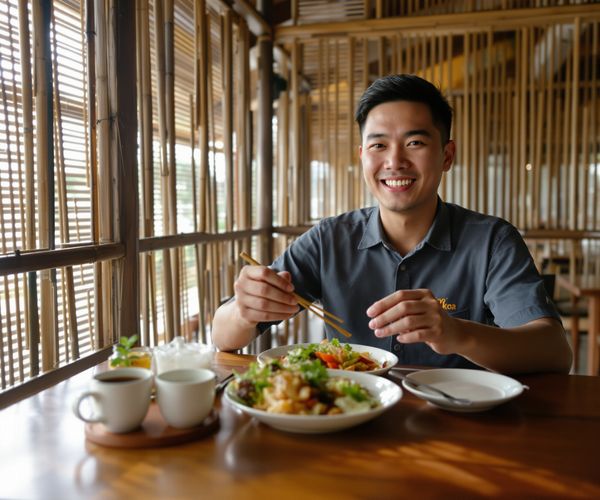
A Solo Pilgrimage on the Kumano Kodo
Day 3: Spiritual Echoes: Finding Peace at Kumano Hayatama Taisha and Tokei Shrine
Exploring ancient shrines and serene landscapes on the Kumano Kodo, a journey of reflection and cultural immersion in Japan.
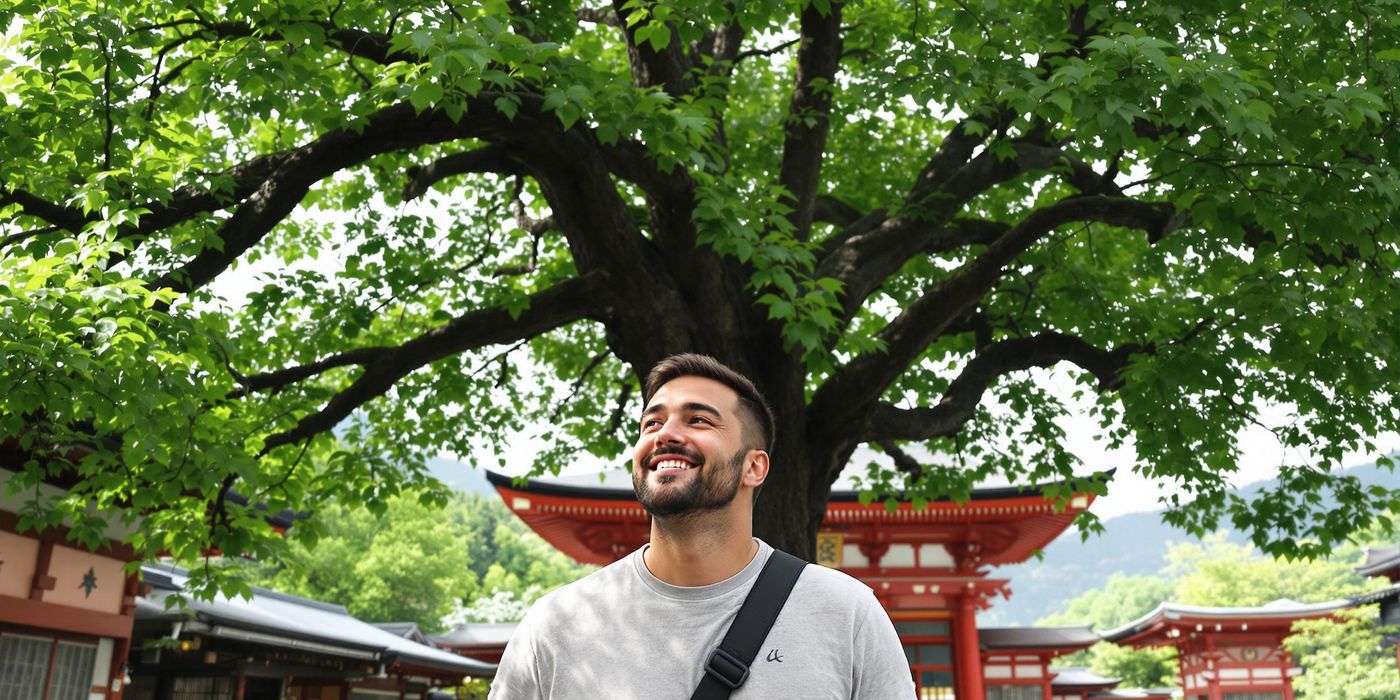
Whispers of the Ancients
Today, I delved deeper into the spiritual heart of Kumano Kodo, seeking the tranquility and historical resonance that this ancient pilgrimage route promises. It was a day of serene contemplation, exploring sacred sites that have echoed with the prayers and footsteps of pilgrims for centuries. The journey was more than just sightseeing; it was an immersion into the soul of Japan, a land where nature and spirituality intertwine seamlessly.
My day began with a hearty breakfast at Sansaro Cafe. It's a cozy little spot, popular with hikers and locals alike. I enjoyed a traditional Japanese breakfast set, which gave me plenty of energy for the day's explorations. Ms. Uzawa, the owner, was incredibly welcoming, sharing tips about the local area and making me feel right at home. It’s these kinds of personal touches that make traveling solo so rewarding; you really connect with the people and the place.

Experience warm hospitality at Sansaro Cafe in Shingu – your cozy retreat with delightful coffee and local charm along the Kumano Kodo.
First on the itinerary was Kumano Hayatama Taisha, one of the Kumano Sanzan – the three grand shrines of Kumano. As I approached, the vibrant vermilion color of the shrine stood out against the lush green backdrop of the Kii Peninsula. The air was thick with the scent of cedar and a sense of profound peace. The shrine is located at the mouth of the Kumano-gawa River, where the waters from the sacred mountains meet the Pacific Ocean. The setting alone is enough to inspire awe.
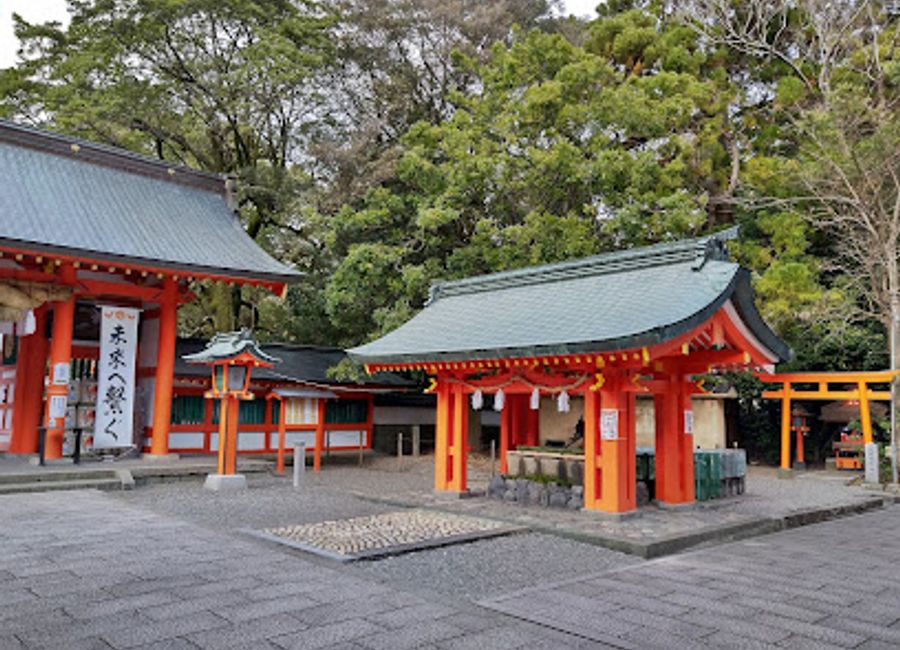
Explore Kumano Hayatama Taisha, a revered Shinto shrine in Wakayama, where ancient traditions and stunning landscapes converge for an unforgettable experience.
Kumano Hayatama Taisha is said to have been built to worship the gods who descended to earth on Gotobiki-iwa Rock in Kamikura-Jinja Shrine. The main deities enshrined here are Kumano Hayatama no Okami and Kumano Fusumi no Okami, husband and wife, representing the creation and harmony of life. The current structures, rebuilt in 1951, exude a sense of timelessness despite their relatively recent construction.
One of the most striking features of the shrine is the sacred Nagi tree, believed to be over 1,000 years old. Its leaves, with their symmetrical shape, are said to bring luck to married couples. I spent a few moments beneath its branches, reflecting on the enduring power of nature and the deep-rooted traditions of Shintoism.
The essence of Kumano Kodo lies not just in the physical journey, but in the spiritual transformation it inspires.
Inside the shrine's Treasure Hall, I saw a display of national treasures, including offerings brought by pilgrims over centuries. Each artifact told a story of devotion and perseverance, underscoring the significance of this pilgrimage route. I learned that Kumano Hayatama Taisha has occupied this sacred spot since at least the 12th century, with evidence of worship dating back even further to the 3rd century.
After leaving Kumano Hayatama Taisha, I made my way to Tokei Shrine. In contrast to the grand scale of Hayatama Taisha, Tokei Shrine is a more modest and intimate space. But what it lacks in size, it more than makes up for in history and charm. Tokei Shrine is known as the gateway to the Kumano Kodo, added to the UNESCO World Heritage list in 2016.
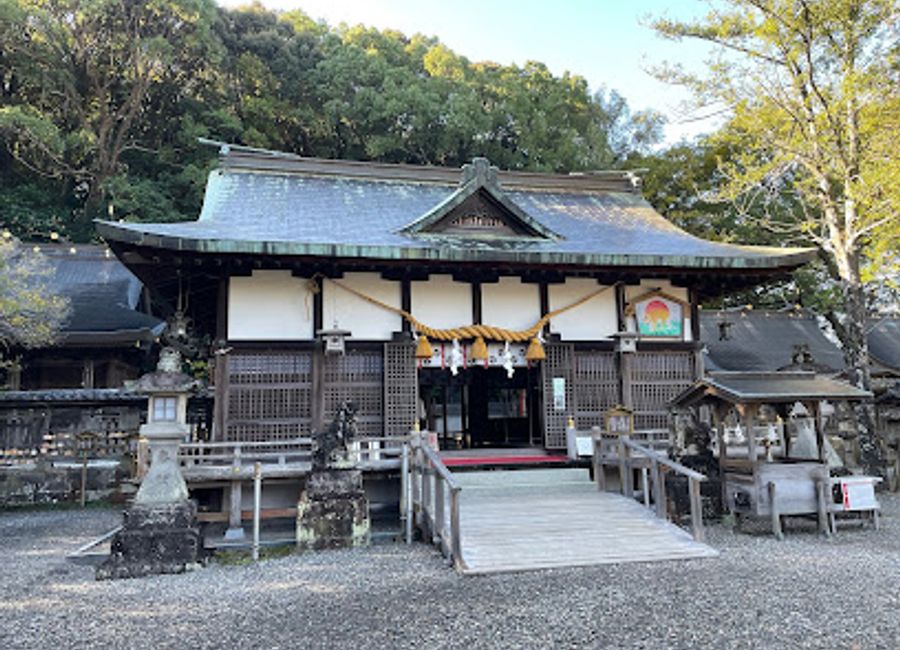
Experience the tranquil beauty of Tokei Shrine in Tanabe, Wakayama—an essential spiritual and historical attraction for every traveler.
The shrine was built in 419, with its name originating from a cockfight organized by Kumanobetto Tanzo, the father of the famous warrior monk Benkei. According to legend, Tanzo used the outcome of the cockfight to decide which side to support in the Genpei War. The shrine enshrines all the kami (gods) that are enshrined in the Kumano Sanzan, making it a significant place for pilgrims seeking safe travels.
The grounds of Tokei Shrine are home to ancient camphor trees, with the oldest estimated to be around 1200 years old. These majestic trees create a serene atmosphere, their gnarled branches reaching towards the sky like ancient guardians. I wandered among them, feeling a sense of connection to the past and the countless pilgrims who have sought blessings here.
I learned that pilgrims would often pray at Tokei Shrine for a safe journey into the interior, especially during times when bandits roamed the pilgrimage routes. Some would even worship from afar, considering Tokei Shrine the furthest they could safely venture. This history added a layer of reverence to the site, making it feel like a place of both hope and protection.
For lunch, I stopped by Kumagoro, a local restaurant known for its traditional Japanese cuisine made with local ingredients. I tried their Katsuura tuna with neck meat, a regional specialty, along with a side of mehari-zushi, a type of pickled mustard leaf sushi. The relaxed atmosphere and friendly staff made it a perfect spot to recharge before continuing my explorations. It reminded me a bit of some of my favorite spots in Berlin, where the food is simple, honest, and full of flavor.

Experience the essence of traditional izakaya dining at Kumagoro in Shingu - where authentic flavors meet warm hospitality.
In the afternoon, I visited Daimonzaka Chaya, a charming shop where visitors can rent Heian period costumes. Although I didn’t rent a costume myself, I enjoyed browsing the shop and imagining what it must have been like to walk the Kumano Kodo in the attire of ancient nobles. It’s a unique way to immerse oneself in the history and culture of the area.
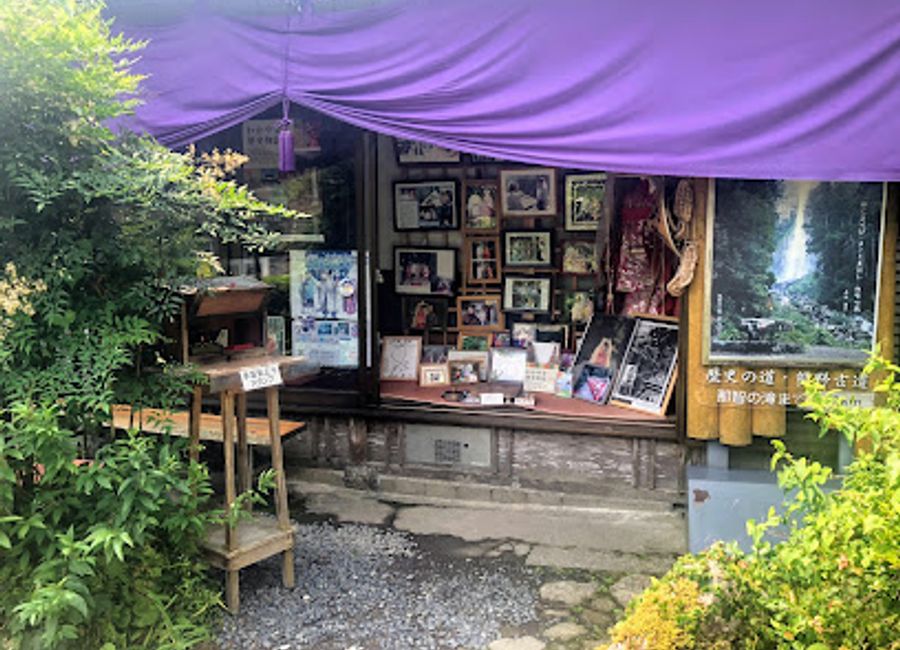
Experience the elegance of traditional Japanese attire at Daimonzaka Chaya, the premier costume rental service in Wakayama for your cultural adventure.
I finished my day with dinner at Akihei, a restaurant founded in 1870. The serene, traditional Japanese-style interior provided a perfect setting to reflect on the day’s experiences. I enjoyed a delicious meal of tempura and sushi, savoring the fresh, local flavors. The owner’s wife, who speaks English and Chinese, was incredibly welcoming, making me feel like a valued guest.
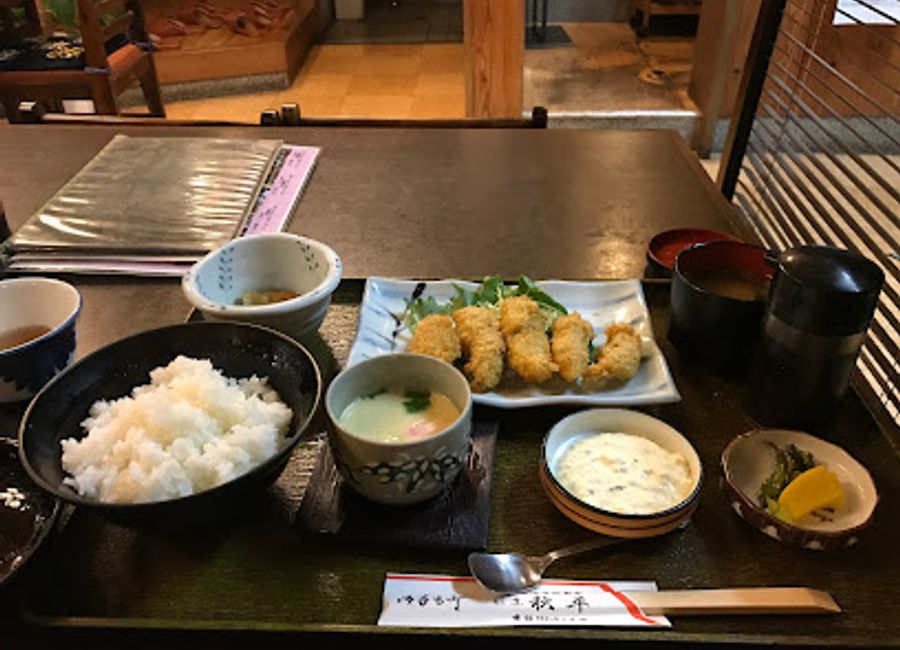
Discover the essence of Japanese culinary art at Akihei in Tanabe - where tradition meets flavor in every exquisite dish.
As I headed back to Jokiin in Koya, I thought about tomorrow’s itinerary, which includes crossing the Shiomi-togego’e Mountain Pass and exploring Kumano Kodo Park. The mountain pass promises a challenging hike through stunning natural scenery, and I’m eager to experience the panoramic views from the summit. Kumano Kodo Park, on the other hand, offers a more relaxed exploration of the region’s diverse flora and fauna. I’m particularly interested in learning more about the unique ecosystem of the Kii Peninsula.
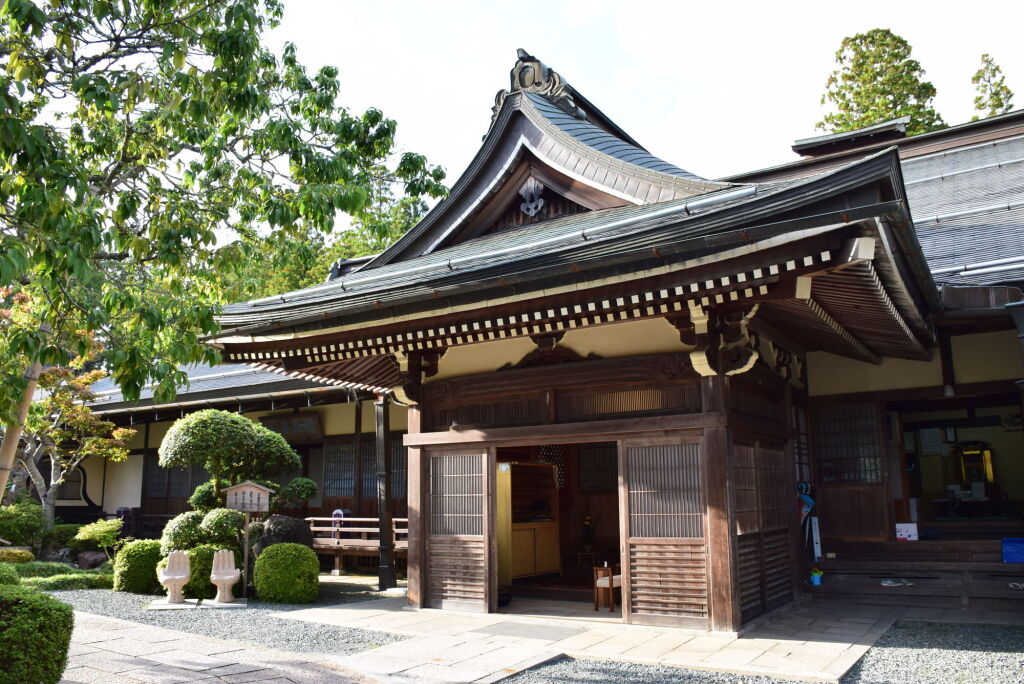
Discover Koya's serene charm at Jokiin, a welcoming guest house perfect for exploring the city's historic landmarks and natural beauty.
Before heading to bed, I spent some time writing in my travel journal, capturing the essence of the day and the lessons I’ve learned along the way. The Kumano Kodo is more than just a physical journey; it’s a spiritual quest, a chance to disconnect from the noise of modern life and reconnect with oneself. It’s a reminder that sometimes the greatest adventures are the ones that take place within.
Tomorrow, I plan to start my day with breakfast at Yunomine Onsen Shop/Dining Hall, followed by a hike across the Shiomi-togego'e Mountain Pass. I'm also looking forward to lunch at Watarase Onsen Cafe and dinner at Kumano Winery Guest House/Dal Chef’s Table. The day promises a blend of natural beauty, cultural immersion, and culinary delights.
As I drift off to sleep, I feel grateful for the opportunity to experience the Kumano Kodo and the profound impact it has had on my soul. It’s a journey I’ll cherish for years to come, a reminder that sometimes the most meaningful experiences are the ones that take us off the beaten path and into the heart of something ancient and sacred.
I am also looking forward to visit KUMANOYASAI CAFE tomorrow.



Embark on a transformative solo journey along Japan's sacred Kumano Kodo, blending cultural exploration with spiritual reflection.
Meet this Featured Explorer

-
 Occupation:
Freelance Software Developer
Occupation:
Freelance Software Developer
-
 Country:
Germany
Country:
Germany
-
 Age:
32
Age:
32
Hey everyone, I'm Daniel, a software developer by day and a travel blogger by night (and weekends!). Originally from Ocala, Florida, I now call Berlin home. I'm passionate about exploring the intersection of culture, history, and technology, and I love sharing my experiences and insights with you. Whether I'm visiting historical sites, attending tech meetups, or just wandering through a new city, I'm always looking for unique and authentic experiences. Join me as I explore the world, one byte at a time!
Find Similar Travel Diaries
Explore locations from this diary
-
Jokiin
Discover Koya's serene charm at Jokiin, a welcoming guest house perfect for exploring the city's historic landmarks and natural beauty.
-
Kumano Hayatama Taisha
Explore Kumano Hayatama Taisha, a revered Shinto shrine in Wakayama, where ancient traditions and stunning landscapes converge for an unforgettable experience.
-
Tokei Shrine
Experience the tranquil beauty of Tokei Shrine in Tanabe, Wakayama—an essential spiritual and historical attraction for every traveler.
-
Sansaro Cafe
Experience warm hospitality at Sansaro Cafe in Shingu – your cozy retreat with delightful coffee and local charm along the Kumano Kodo.
-
Kumagoro
Experience the essence of traditional izakaya dining at Kumagoro in Shingu - where authentic flavors meet warm hospitality.
-
Akihei
Discover the essence of Japanese culinary art at Akihei in Tanabe - where tradition meets flavor in every exquisite dish.
-
Daimonzaka Chaya
Experience the elegance of traditional Japanese attire at Daimonzaka Chaya, the premier costume rental service in Wakayama for your cultural adventure.