Solo Cultural Exploration in Kyoto
Day 6: A Day of Shoguns, Markets, and Manga in Kyoto
Delving into Kyoto's historical depths at Nijō Castle, savoring local flavors at Nishiki Market, and exploring the world of manga.
Kyoto's Kaleidoscope: Castles, Cuisine, and Comics
Today was a testament to Kyoto's ability to seamlessly blend history, culture, and the utterly unexpected. From the grandeur of a shogun's residence to the vibrant chaos of a bustling market and the whimsical world of manga, Kyoto continues to surprise and delight at every turn. Each experience offered a unique lens through which to view this fascinating city, and I found myself constantly captivated by the contrasts and harmonies that define its character.
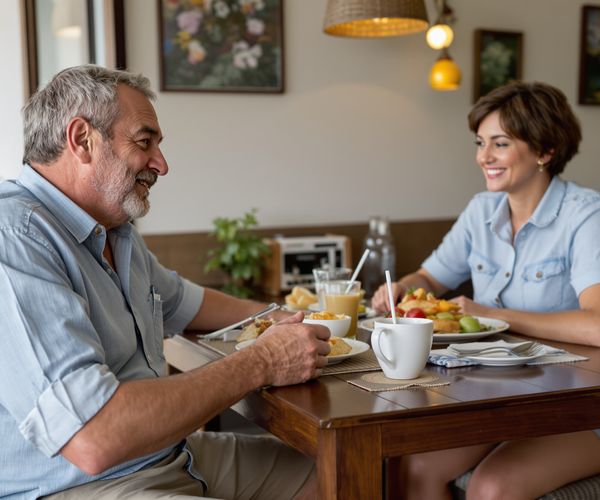
My day began with a hearty breakfast at Oryori Menami. While there wasn't an English menu, the staff were incredibly welcoming, creating a memorable *omakase* experience. The *obanzai* was a delicious introduction to traditional Kyoto cuisine, with each small dish offering a unique flavor and texture. It was a delightful start to a day filled with exploration.

Experience authentic Obanzai cuisine in Kyoto's Nakagyo Ward at Oryori Menami - where tradition meets taste.
Nijō Castle: A Step Back in Time
My first stop was Nijō Castle, a UNESCO World Heritage site that served as the Kyoto residence of Tokugawa Ieyasu, the first shogun of the Edo Period. The castle is an imposing structure, surrounded by impressive stone walls and moats. As I walked through the large gate, I rented an English audio guide to help me navigate the historical significance of the site. I must admit, even with my years as a cultural liaison, Japanese history can sometimes feel like navigating a complex maze. The audio guide certainly helped!

Explore Nijo Castle, a UNESCO World Heritage Site in Kyoto, where history meets beauty in stunning gardens and exquisite Edo-period architecture.
The Karamon Gate, with its intricate Chinese-style design, marked the entrance to the Ninomaru, the secondary circle of defense. Here stood the main attraction: Ninomaru Palace. This palace served as the shogun's residence and office during his visits to Kyoto. Stepping inside felt like traveling back in time. The palace comprises multiple buildings connected by corridors with 'nightingale floors,' designed to chirp underfoot to alert the inhabitants of intruders. I chuckled, imagining the shifty-footed ninjas of old being thwarted by creaky floorboards. The rooms were covered in tatami mats and adorned with decorated ceilings and beautifully painted sliding doors (fusuma).
The past is never dead. It's not even past.
The audio guide explained that only the highest-ranked visitors were allowed into the main audience room, where the shogun would sit on an elevated floor, flanked by bodyguards hidden behind doors. It painted a vivid picture of the power and formality of the shogunate. I took my time wandering through the Ninomaru Garden, a traditional Japanese landscape garden with a large pond, ornamental stones, and meticulously manicured pine trees. The plum orchard was just beginning to bloom, adding a touch of delicate color to the serene setting. It was easy to imagine the shogun strolling through these gardens, contemplating matters of state.
Leaving the Ninomaru, I explored the Honmaru, the main circle of defense. Although the original palace complex and five-story castle keep were destroyed by fires centuries ago, an imperial residence moved here after the fall of the shogunate. It offered a glimpse into a different era of Japanese history. I learned that in 1867, the last Tokugawa shogun, Tokugawa Yoshinobu, ceded the castle to the emperor, marking the end of the shogunate and the beginning of the Meiji Restoration. This act was carried out in the main hall of the Ninomaru Palace, witnessed by all the important feudal lords of Japan.
As I left Nijō Castle, I couldn't help but reflect on the weight of history contained within its walls. It was a powerful reminder of the rise and fall of empires, the shifting tides of power, and the enduring legacy of the past. I felt a sense of gratitude for the opportunity to witness such an important piece of Japanese history firsthand.
Nishiki Market: A Culinary Adventure
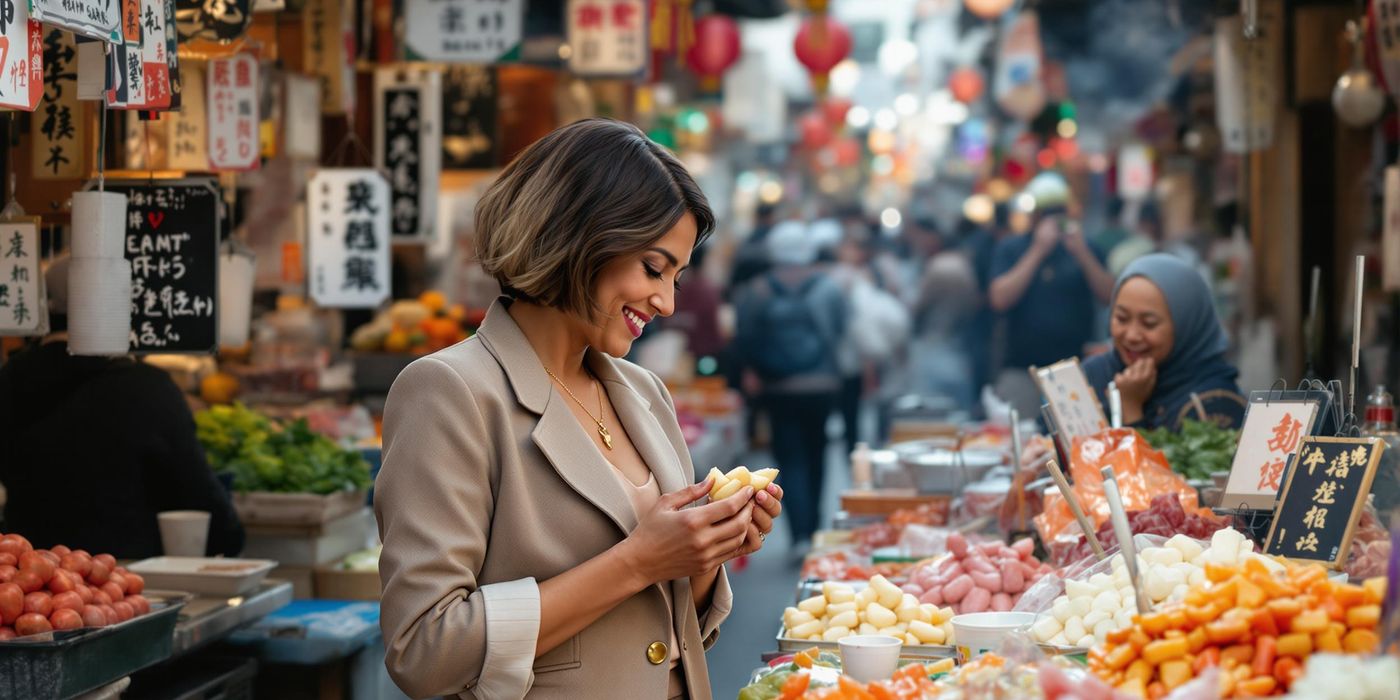
After immersing myself in history, I was ready for a change of pace. I headed to Nishiki Market, also known as Kyoto's Kitchen. This narrow, five-block-long shopping street is lined with over one hundred shops and restaurants specializing in all things food-related. It was a feast for the senses.
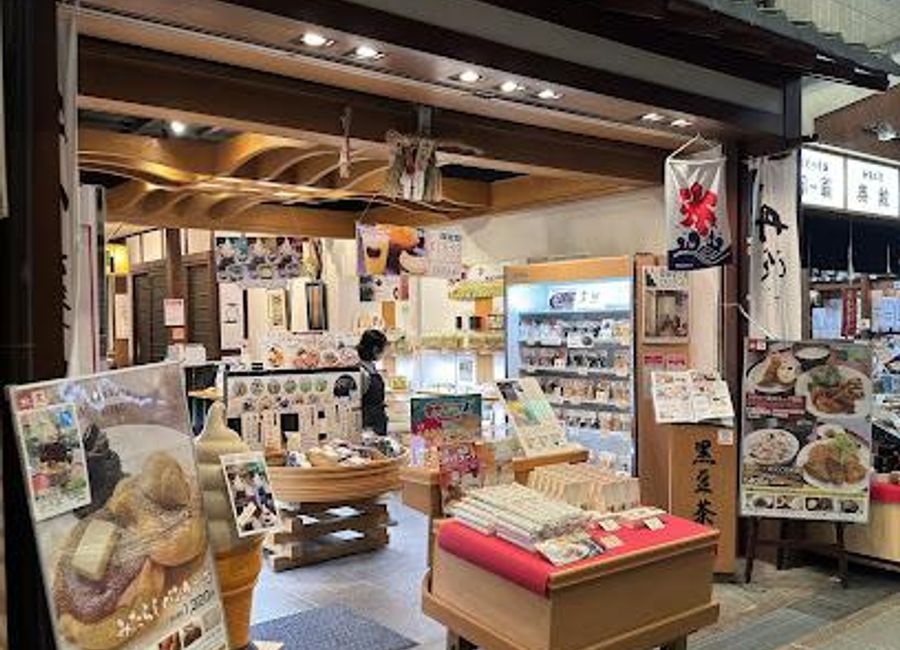
Discover the flavors of Kyoto at Nishiki Market, a bustling hub of traditional food and local crafts, perfect for culinary adventurers and culture lovers.
The market was bustling with locals and tourists alike, creating a vibrant and energetic atmosphere. The air was filled with the aroma of grilled seafood, pickled vegetables, and sweet pastries. Stalls displayed a dazzling array of fresh seafood, produce, knives, cookware, and Kyoto specialties. I wandered through the narrow aisles, taking in the sights, sounds, and smells. It was a sensory overload in the best possible way. Many shops offered free samples, and I eagerly accepted, trying everything from *tsukemono* (Japanese pickles) to *yuba* (tofu skin). One of the stalls offered skewered sea bream (*tai-kushi*), which I happily devoured.
I sampled *dashimaki tamago* (rolled omelet with dashi), which was fluffy, savory, and utterly delicious. I also tried *tako tamago* (octopus eggs), a peculiar but surprisingly tasty treat. I watched as vendors prepared fresh *yuba* cream croquettes and *mushi fu manju* (wheat gluten buns).
I paused at a stall selling *senbei* (rice crackers), sampling a variety of crispy, crunchy, and spicy flavors. I couldn't resist trying a *soymilk doughnut* from Konna Monja. It was rich, decadent, and utterly satisfying. I bought a selection of Japanese sweets (*wagashi*) to take back to my hotel, including strawberry mochi (*ichigo daifuku*) and *taiyaki* (fish-shaped pastry).
As I strolled through the market, I noticed signs reminding visitors to refrain from eating while walking, a custom I respected. I made a mental note to return to Nishiki Market on a future trip to Kyoto. It was a true culinary adventure, a chance to sample the flavors and textures of Kyoto's vibrant food scene.
Kyoto International Manga Museum: A Whimsical Escape
My final stop of the day was the Kyoto International Manga Museum, housed in a former elementary school. As someone who has always appreciated the power of storytelling, I was eager to explore this unique institution.

Discover the captivating world of manga at Kyoto International Manga Museum, featuring vast collections, exhibitions, and a delightful café.
The museum boasts a collection of approximately 300,000 manga items, including 50,000 volumes available for free reading. I wandered through the halls, browsing the shelves and admiring the colorful covers. The museum aims to collect and preserve a wide range of manga for cultural and research purposes. There were Edo period caricatures, Meiji period magazines, post-war rental books, and popular modern series from around the world. Although most of the displays and available literature were in Japanese, there was a growing international section offering manga in English and other languages.
I explored the permanent exhibition, What Is Manga? which examined the role manga has played in Japanese society over the decades. The exhibition demonstrated how manga has changed, displayed the different tools used to create manga, and examined the impact that manga has had internationally. I also visited a temporary exhibition showcasing manga, anime, and related items from multiple artists.
I learned about *kamishibai*, a traditional type of street entertainment that uses pictures to tell a story. It was particularly popular between the 1930s and 1950s and is considered a precursor to manga. The museum hosts *kamishibai* performances twice a day on weekdays and three times a day on weekends.
I spent a pleasant hour browsing the manga collection, taking in the artistry and imagination on display. It was a lighthearted and whimsical end to a day filled with history and culture. I even found a manga series that Jan might enjoy, something to bring back to Delft.
Evening Reflections
Before returning to the GRAN Ms KYOTO, I stopped by the Kyoto Station ASTY Kyoto Kyoani Goods Store. Although the pop-up shop I had read about last year is no longer open, I found some lovely souvenirs. I then decided to finish the day at Bar Rinto, known for its Kyoto atmosphere. It was the perfect place to unwind and reflect on the day's adventures. Sipping a carefully crafted cocktail, I savored the memories of shoguns, markets, and manga.

Discover the lively charm of Bar Rinto in Kyoto, where traditional hospitality meets a modern bar experience.
Tomorrow marks the final day of my solo cultural exploration in Kyoto. I plan to visit Fushimi Inari Taisha, Higashiyama Jisho-ji, and Kodaiji Temple. I'm also looking forward to exploring the Sanjo Meiten-gai Shopping Arcade and enjoying a final Kyoto evening at Caamm bar. It's hard to believe my journey is coming to an end. Kyoto has captured my heart, and I know I will return someday. Until then, I will cherish the memories and experiences I have gained during this unforgettable trip.
As I prepare for my final day in this captivating city, I am filled with a sense of gratitude and anticipation. Kyoto has offered me a unique blend of history, culture, and unexpected delights, and I am eager to see what tomorrow holds.

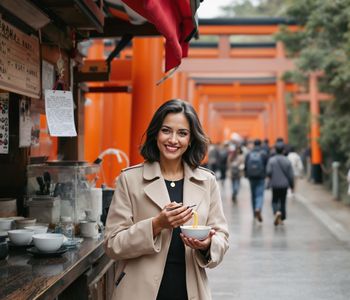
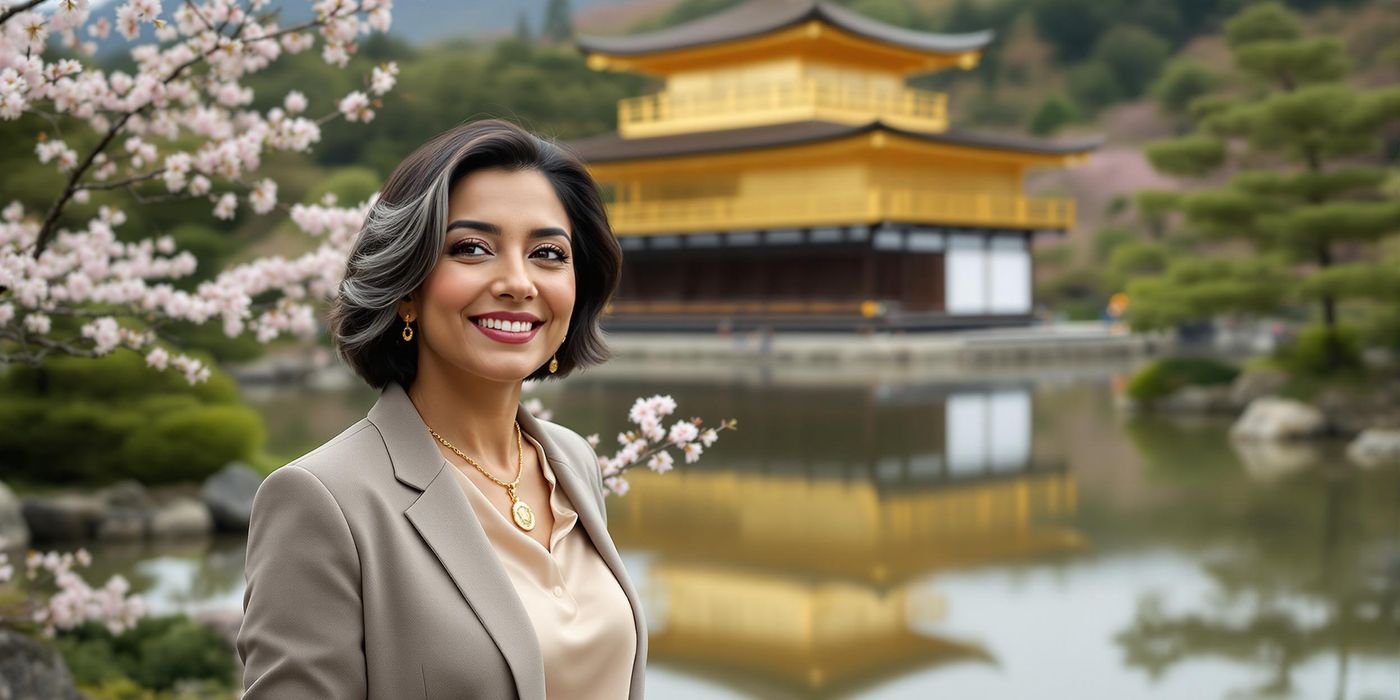
Embark on a solo cultural journey in Kyoto, exploring historical sites, serene gardens, and rich traditions while staying in comfort and style.
Meet this Featured Explorer

-
 Occupation:
Cultural Liaison for an International NGO
Occupation:
Cultural Liaison for an International NGO
-
 Country:
Netherlands
Country:
Netherlands
-
 Age:
55
Age:
55
Ahlan wa Sahlan! I'm Farida, a Saudi Arabian native living in the charming city of Delft, Netherlands. My journey has been one of cultural immersion, bridging traditions, and discovering the world's hidden gems. As a cultural liaison, I've developed a deep appreciation for the diverse tapestry of human experience, and through this blog, I share my adventures, insights, and reflections on travel, culture, and the beauty of our global community. Join me as I explore historical sites, savor local cuisines, and uncover the stories that connect us all.
- Cultural heritage preservation
- International relations
- Modern art and design
- Sustainable living
- Middle Eastern cuisine
Find Similar Travel Diaries
Explore locations from this diary
-
GRAN Ms KYOTO
Discover GRAN Ms KYOTO, a tranquil retreat offering modern comforts, wellness services, and easy access to Kyoto's cultural treasures.
-
Nijō Castle
Explore Nijo Castle, a UNESCO World Heritage Site in Kyoto, where history meets beauty in stunning gardens and exquisite Edo-period architecture.
-
Nishiki Market
Discover the flavors of Kyoto at Nishiki Market, a bustling hub of traditional food and local crafts, perfect for culinary adventurers and culture lovers.
-
Kyoto International Manga Museum
Discover the captivating world of manga at Kyoto International Manga Museum, featuring vast collections, exhibitions, and a delightful café.
-
Oryori Menami
Experience authentic Obanzai cuisine in Kyoto's Nakagyo Ward at Oryori Menami - where tradition meets taste.
-
Kakyo
Experience exquisite kaiseki cuisine at Kakyo, where tradition meets creativity in the heart of Kyoto's historic Higashiyama Ward.
-
Premium Pound Gion
Experience culinary artistry at Premium Pound Gion – where French cuisine meets Japanese teppanyaki in the heart of Kyoto's historic Gion district.
-
Kyoto Station ASTY Kyoto Kyoani Goods Store
Explore Kyoto Station ASTY Kyoto Kyoani Goods Store for exclusive anime merchandise and a taste of Japan's vibrant pop culture.
-
Bar Rinto
Discover the lively charm of Bar Rinto in Kyoto, where traditional hospitality meets a modern bar experience.