Exploring the Spiritual Trails of Kumano Kodo
Day 3: A Day of Pilgrimage and Reflection at Kumano Hongu Taisha
Immerse yourself in the spiritual heart of Kumano Kodo. Explore the sacred grounds of Kumano Hongu Taisha and the serene Oyunohara.

Echoes of the Past, Whispers of the Future
Today was a day of deep reflection and spiritual connection as Lena and I continued our journey along the Kumano Kodo. The ancient paths led us to Kumano Hongu Taisha, a site brimming with history and reverence, and Oyunohara, the original location of the grand shrine. It was a day filled with quiet contemplation, delicious local flavors, and the gentle embrace of nature. The sounds of the day seemed to echo the whispers of pilgrims past, guiding our steps and filling our hearts with a sense of peace that only a place like this can offer.

Discover the spiritual beauty of Kumano Hongu Taisha, a historic Shinto shrine in Wakayama, Japan, renowned for its stunning architecture and serene landscapes.
Our day began with a hearty breakfast at the Yunomine Onsen Shop Dining Hall. The simple fare of local dishes provided a perfect start, fueling us for the day's explorations. I savored the flavors, a comforting blend of traditional Japanese cuisine, while Lena enjoyed her coffee, remarking on the peaceful atmosphere of the dining hall. I made a mental note to try and recreate some of these dishes back in Potsdam; perhaps Lena and I could host a Japanese-themed dinner party for our friends. It would be a fun way to share our travel experiences and introduce them to the unique tastes of Kumano Kodo.

Discover authentic Japanese cuisine at Yunomine Onsen Shop/Dining Hall, where tradition meets tranquility in Wakayama's historic hot spring town.
Fueled and ready, we set off for Kumano Hongu Taisha, one of the three grand shrines of Kumano. The path leading to the shrine was lined with towering cedar and cypress trees, creating a mystical ambiance. The air was fresh and crisp, carrying the scent of damp earth and ancient wood. As we ascended the stone steps, I couldn't help but feel a sense of awe and reverence. The weight of history pressed down in a tangible way, reminding me of the countless pilgrims who had walked this path before us.
The shrine itself was a masterpiece of traditional Japanese architecture. Its austere pavilions exuded a sense of timelessness and serenity. We took our time exploring the grounds, admiring the intricate details of the buildings and soaking in the peaceful atmosphere. I found myself particularly drawn to the main hall, where the deities of the three Kumano shrines are enshrined. Standing there, I felt a connection to something larger than myself, a sense of belonging to the long and unbroken chain of humanity that has sought solace and inspiration in this sacred place.
We learned that Kumano Hongu Taisha also enshrines the deities of Kumano Hayatama Taisha and Kumano Nachi Taisha, as well as the Sun Goddess Amaterasu, and serves as the head shrine for over 3,000 Kumano shrines across Japan. The shrine's origins date back to the 9th century, with the current location established after the devastating floods of 1889.
Sometimes, the most profound journeys are those that lead us back to ourselves.
After exploring Kumano Hongu Taisha, we made our way to Oyunohara, the original site of the shrine. A massive flood in 1889 swept away most of the shrine buildings, leading to its relocation. Today, only two small stone shrines remain, guarded by the largest torii gate in the world. The Otorii gate, standing at an impressive 33.9 meters tall and 42 meters wide, marks the entrance to this sacred area, symbolizing the division between the secular and spiritual worlds.
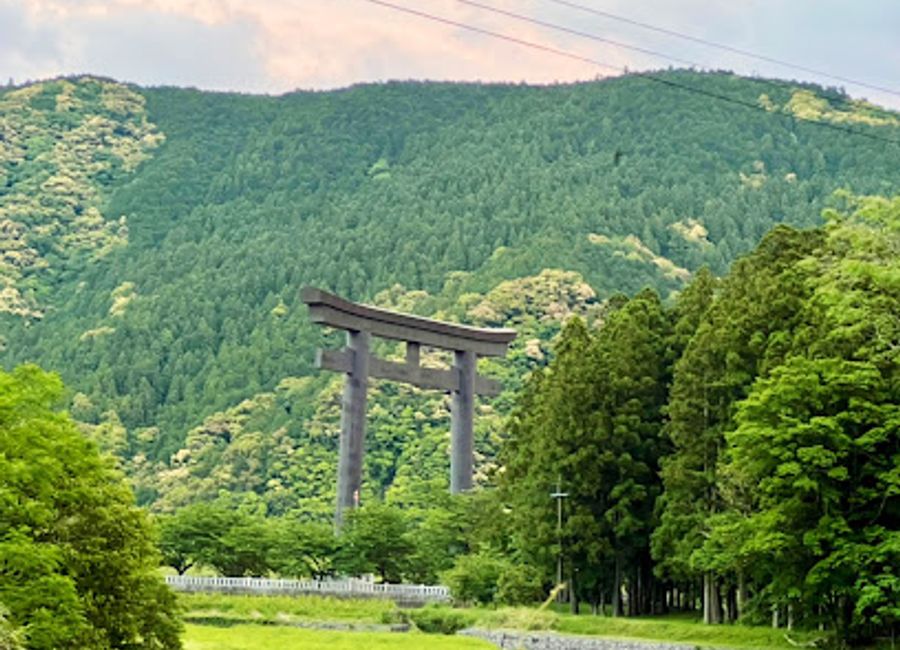
Discover the spiritual essence of Japan at Oyunohara, a revered Shinto shrine and the starting point of the Kumano Kodo pilgrimage routes.
Walking through the torii gate was like stepping into another dimension. The vast expanse of Oyunohara was both humbling and awe-inspiring. I could almost imagine the grand shrine that once stood here, its pavilions and halls echoing with the prayers and chants of pilgrims. Despite the absence of the original structures, the site retained a palpable sense of sacredness. Lena and I wandered around, taking in the serene beauty of the landscape and reflecting on the impermanence of all things.
Oyunohara is located at the confluence of the Kumano and Otonashi Rivers. According to legend, the Kumano deities descended into the branches of a giant oak tree in this clearing. The atmosphere is serene, traditional, and inspiring, with Yamabushi mountain ascetics performing fire rituals during special occasions. The area is also known as a power spot, attracting those seeking to recharge their spiritual energy.
For lunch, we stopped at Kakinoate, a charming restaurant specializing in persimmon leaf sushi. This local delicacy, made with salmon and mackerel, was a delightful treat. Lena, always the more adventurous eater, particularly enjoyed the mackerel sushi, while I found myself favoring the salmon. We also sampled their hand-kneaded soba noodles, which were equally delicious. The restaurant was located in front of the torii gate to Kumano Hayatama Taisha Grand Shrine, making it a perfect spot to soak in the local atmosphere.
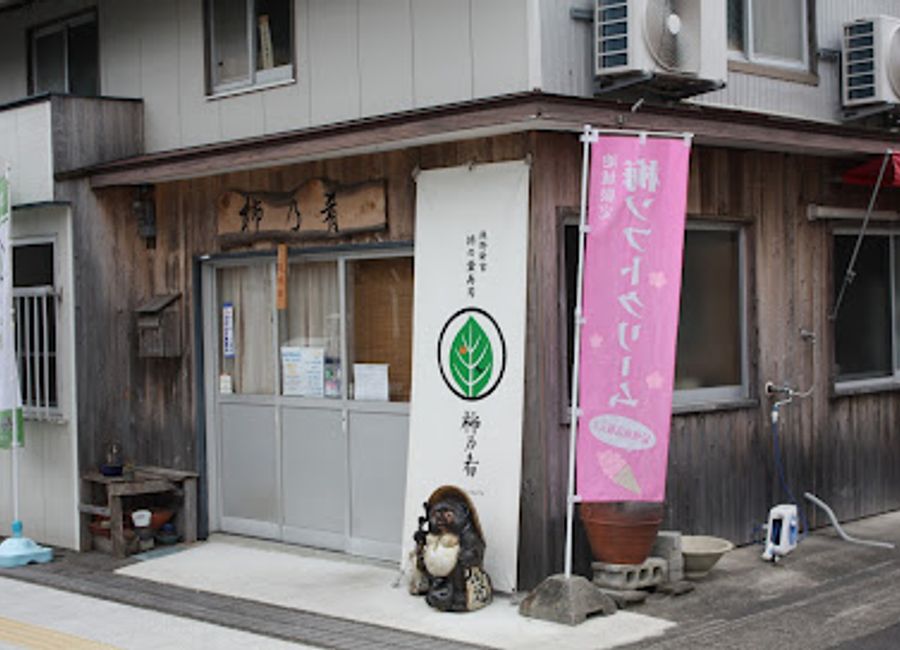
Experience authentic Japanese cuisine at Kakinoate in Shingu, where every dish tells a story of tradition and flavor.
In the afternoon, we visited the Road Station Oku-kumanokodo Hongu, a local shop offering a variety of regional products. I was particularly interested in finding some unique souvenirs to take back home. We browsed through the selection of local crafts, including Kumano Japanese washi paper and Minachi-gasa conical headpieces. Lena picked up some Otonachi-cha tea, grown in the Fushiogami district of Hongu, while I opted for a bottle of Kumano soda pop, made with local plums and oranges.

Discover local flavors and beautiful scenery at Road Station Oku-kumanokodo Hongu, the ideal rest stop in Wakayama Prefecture.
As evening approached, we made our way to Akihei for dinner. This restaurant, founded in 1870, offered a traditional Japanese-style interior and a menu featuring a variety of authentic dishes. We decided to try their set meals, which were reasonably priced and highly recommended. I savored the tender cuts of raw fish and beef, while Lena raved about the homemade matcha ice cream. The friendly hosts and chefs provided valuable tips on local attractions, making us feel especially welcome.
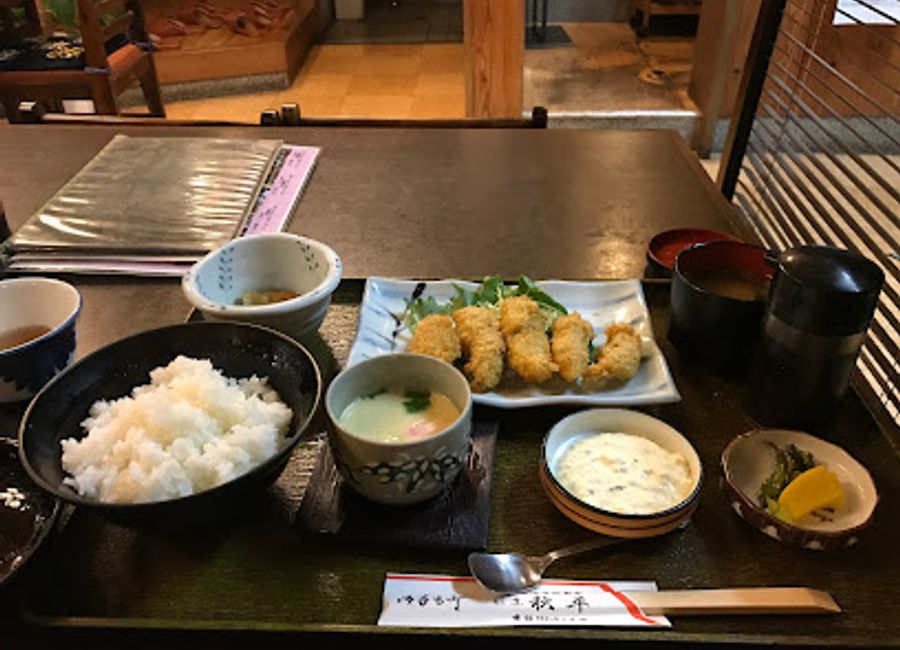
Discover the essence of Japanese culinary art at Akihei in Tanabe - where tradition meets flavor in every exquisite dish.
One of the highlights of Akihei was their ability to cater to various dietary preferences. They offered vegan, vegetarian, and pescatarian options, making it a welcoming place for all diners. The owner's wife, who handled customer service, was fluent in English and Chinese, ensuring a warm and accommodating experience for all guests. It was a testament to the inclusive and welcoming nature of the Kumano Kodo region.
As we walked back to our accommodation, the stars began to emerge, casting a soft glow over the landscape. The air was filled with the sounds of crickets and the gentle rustling of leaves. I felt a deep sense of gratitude for the experiences of the day, for the opportunity to connect with the history, culture, and spirituality of this remarkable place. The Kumano Kodo was more than just a pilgrimage route; it was a journey of self-discovery, a chance to slow down, reflect, and appreciate the simple beauty of life.
Tomorrow, we plan to explore the Doro Kyo Gorge and take a Kumano Boat River Cruise [Tomorrow Itinerary]. I'm excited to see what new adventures await us as we continue our exploration of this enchanting region. Lena is particularly excited about the boat ride; she's always loved being on the water. We might even stop by the KUMANOYASAI CAFE for a drink in the evening [Tomorrow Itinerary].
The weather today was mild, with highs around 77°F (25°C) and lows around 67°F (19°C). There was a slight chance of rain, but thankfully, we remained dry throughout the day. The humidity was high, as expected in June, but it didn't detract from our enjoyment of the day. It seems like we packed appropriately, though I still wish I hadn't forgotten the insect repellent [Trip Essentials Forgotten].
As I write this, Lena is already asleep, her face peaceful and content. I can't help but smile, knowing that we are sharing something truly special together. The Kumano Kodo has a way of bringing people closer, of stripping away the superficial and revealing the essence of what truly matters. And for that, I am eternally grateful.



Join us on a 15-day cultural journey through Japan's sacred Kumano Kodo trails, discovering ancient traditions and breathtaking landscapes.
Meet this Featured Explorer

-
 Occupation:
Sound Engineer specializing in Foley Art
Occupation:
Sound Engineer specializing in Foley Art
-
 Country:
Germany
Country:
Germany
-
 Age:
33
Age:
33
Ah, hello there! I'm Georgios, a sound engineer with a passion for capturing the world's symphony. Born in Greece but now based in Germany, I spend my days crafting soundscapes for films and my free time exploring the globe with my amazing wife, Lena. I love diving deep into local cultures, savoring unique cuisines, and discovering the hidden sounds of each destination. Join me as I share my travel stories, tips, and sensory experiences from around the world!
- Acoustic Ecology
- Independent Film
- Mediterranean Cuisine
- Urban Exploration
- Sustainable Living
Find Similar Travel Diaries
Explore locations from this diary
-
Jokiin
Discover Koya's serene charm at Jokiin, a welcoming guest house perfect for exploring the city's historic landmarks and natural beauty.
-
Kumano Hongu Taisha
Discover the spiritual beauty of Kumano Hongu Taisha, a historic Shinto shrine in Wakayama, Japan, renowned for its stunning architecture and serene landscapes.
-
Oyunohara
Discover the spiritual essence of Japan at Oyunohara, a revered Shinto shrine and the starting point of the Kumano Kodo pilgrimage routes.
-
Yunomine Onsen Shop/Dining Hall
Discover authentic Japanese cuisine at Yunomine Onsen Shop/Dining Hall, where tradition meets tranquility in Wakayama's historic hot spring town.
-
Kakinoate
Experience authentic Japanese cuisine at Kakinoate in Shingu, where every dish tells a story of tradition and flavor.
-
Akihei
Discover the essence of Japanese culinary art at Akihei in Tanabe - where tradition meets flavor in every exquisite dish.
-
Road Station Oku-kumanokodo Hongu
Discover local flavors and beautiful scenery at Road Station Oku-kumanokodo Hongu, the ideal rest stop in Wakayama Prefecture.