Cultural Immersion in Kyoto: A Family Adventure
Day 3: Kyoto's Cultural Tapestry: From Shoguns to Manga Heroes
Exploring Kyoto's rich history at Nijo Castle and diving into the vibrant world of manga at the Kyoto International Manga Museum.
Day 3: Echoes of the Past and the Voices of Today
Today was a day of contrasts, a deep dive into Kyoto's historical roots followed by an exploration of its modern, vibrant culture. It's amazing how this city manages to hold onto its traditions while still embracing the new and exciting. Join me as I share the wonders of my day.
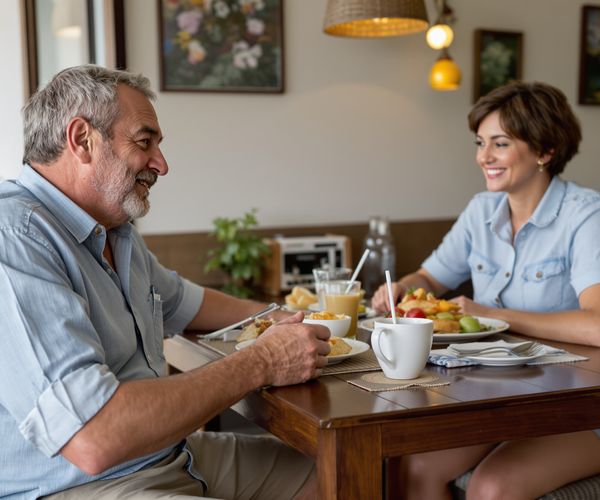
Our morning began with a hearty breakfast at Komefuku. With a menu featuring an assortment of local dishes, it was the perfect way to fuel up for a day of exploration. I opted for a traditional Japanese breakfast set, complete with grilled fish, miso soup, and, of course, perfectly cooked rice. Lena enjoyed a similar set, while Kai, ever the adventurous eater, tried some pickled vegetables I couldn't quite identify. After breakfast, we set off to explore the majestic Nijō Castle.
Komefuku

Experience authentic Japanese cuisine at Komefuku in Kyoto, renowned for its fresh seafood and exquisite tempura dishes.
Nijō Castle is an imposing structure, a testament to the power and authority of the Tokugawa shogunate. Built in 1603 by Tokugawa Ieyasu, it served as the Kyoto residence for the shoguns during the Edo period. As we walked through the vast complex, I couldn't help but feel a sense of awe at the history that unfolded within these walls. The intricate details of the architecture, the meticulously maintained gardens, and the sheer scale of the castle transported us back in time. The castle can be divided into three areas: the Honmaru (main circle of defense), the Ninomaru (secondary circle of defense) and some gardens around them. The entire castle grounds and the Honmaru are surrounded by stone walls and moats.
The Ninomaru Palace, a designated National Treasure, is the heart of Nijō Castle. Stepping inside, we were immediately struck by the opulence of the interior. The tatami mat floors, the decorated ceilings, and the beautifully painted sliding doors (fusuma) all spoke of a bygone era of wealth and power. One of the most fascinating features of the palace is the 'nightingale floors'. These corridors were designed to squeak underfoot, acting as a built-in security system to alert the occupants to any intruders. As we walked through the palace, the sound of the nightingale floors echoed through the halls, adding an eerie yet captivating element to our experience.
The past is never dead. It's not even past.
Lena, with her background as a museum curator, was particularly interested in the history and architecture of the castle. She pointed out the subtle details in the artwork and explained the significance of the different rooms. Kai, on the other hand, was more interested in the defensive features of the castle. He peppered me with questions about the moats, the walls, and the hidden doors where bodyguards could emerge. I did my best to answer, drawing on my (admittedly limited) knowledge of Japanese history.
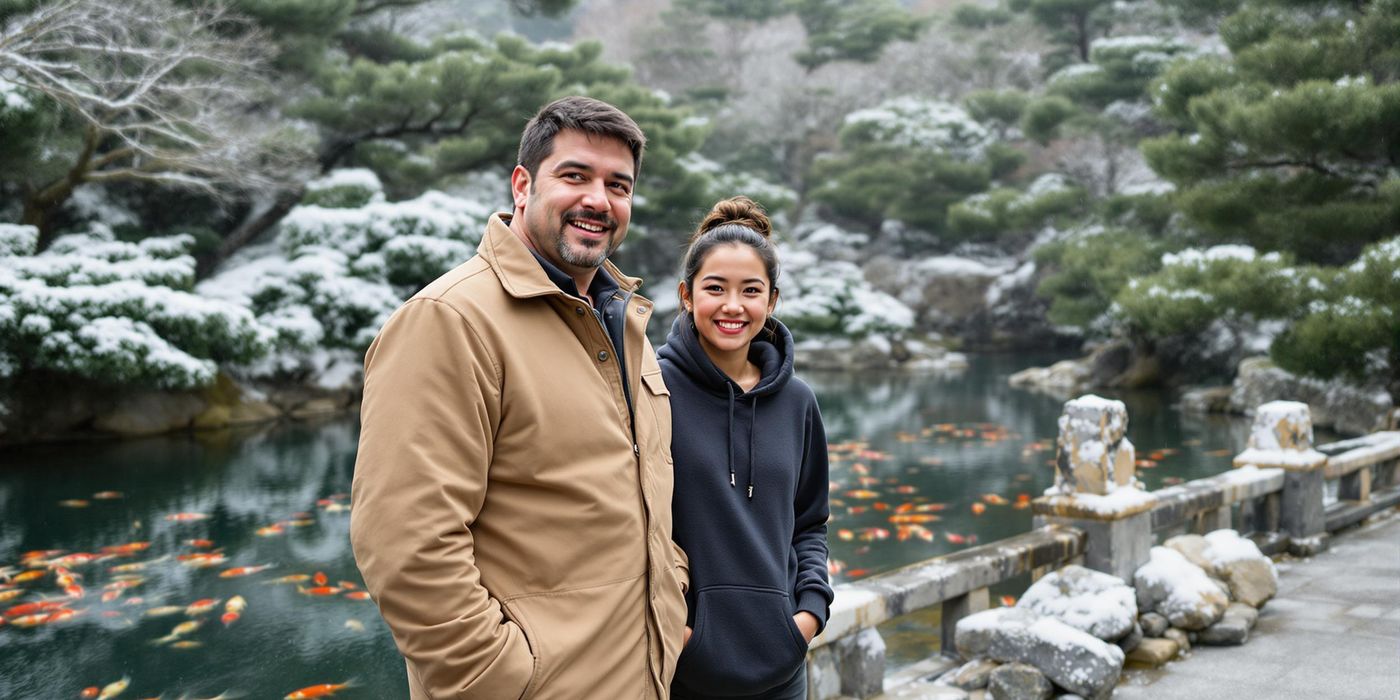
After exploring the Ninomaru Palace, we took a stroll through the Ninomaru Garden, a traditional Japanese landscape garden surrounding the palace, with a large pond, ornamental stones and manicured pine trees. The serene atmosphere and the carefully arranged elements of the garden offered a moment of tranquility amidst the grandeur of the castle. We spent some time admiring the koi fish swimming in the pond and the perfectly sculpted trees. I tried to explain to Kai the concept of *wabi-sabi*, the Japanese aesthetic that embraces imperfection and impermanence, but I'm not sure he quite grasped it.
Leaving Nijō Castle, we headed towards our next destination: the Kyoto International Manga Museum. After immersing ourselves in the world of shoguns and samurai, it was time to dive into the vibrant and colorful world of manga.
Kyoto International Manga Museum

Explore the rich world of Japanese comics at Kyoto International Manga Museum, a cultural gem in Kyoto offering extensive manga collections and engaging exhibitions.
The Kyoto International Manga Museum is housed in a renovated elementary school, a charming detail that adds to its unique atmosphere. The museum's collection boasts over 300,000 manga-related items, including books, periodicals, and woodblock prints. One of the most impressive features of the museum is the 'Wall of Manga,' a towering display of approximately 50,000 manga volumes that are available for visitors to read. The manga Hall of Fame part of the collection features popular manga from 1912 through 2005.
As we entered the museum, we were immediately greeted by a sense of excitement and energy. The walls were lined with colorful manga covers, and visitors of all ages were engrossed in reading. Kai, a manga enthusiast, was in his element. He eagerly grabbed a stack of his favorite titles and settled down in a quiet corner to read. Lena and I, while not as familiar with manga as Kai, were equally fascinated by the museum's collection. We explored the different exhibits, learning about the history of manga and its cultural significance. We saw a room of plaster casts of the hands of manga and anime artists who have visited the museum, and an exhibition called 'What is Manga?' that features influential manga published between 1912 and 2005.
I was particularly intrigued by the museum's collection of *kamishibai*, a traditional Japanese storytelling format that uses a combination of narration and hand-drawn paper cards. It reminded me of the storytelling traditions of my own Hawaiian culture, where stories are passed down through generations through oral tradition and performance.
For lunch, we decided to try Pound Sanjo-Kiyamachi, a restaurant not far from the Manga Museum. The restaurant had a retro atmosphere. We enjoyed some delicious steaks. It was the perfect way to recharge after a morning of exploring.
Pound Sanjo-Kiyamachi

Experience Kyoto's vibrant food scene with authentic yakiniku at Pound Sanjo-Kiyamachi, where every bite tells a delicious story.
After spending several hours at the Manga Museum, it was time for some retail therapy. We headed to the Daimaru Kyoto Store, a large department store in the Karasuma area. The store offers a wide range of high-quality items across various categories, including apparel, miscellaneous goods, cosmetics, furniture and appliances, sports equipment, stationery, jewelry, and gourmet food. Lena was on the hunt for some traditional Japanese crafts, while Kai was more interested in the latest anime merchandise. I was hoping to find some unique souvenirs to bring back to Berlin. The food department on the basement floor is perfect for souvenir hunting, featuring stalls from Kyoto's long-established and popular stores.
Daimaru Kyoto Store

Explore the heart of Kyoto shopping at Daimaru Kyoto Store, where tradition meets modernity in a vibrant department store experience.
We spent a couple of hours browsing the different departments, marveling at the quality and craftsmanship of the goods on display. Lena found some beautiful lacquerware bowls, while Kai snagged a limited-edition anime figure. I picked up some green tea snacks, a must-buy, the popular Kyoto-only Male Branche 'Tea Snacks'.
As evening approached, we made our way to Kikunoi Roan for dinner. This Michelin-starred restaurant offers a modern take on traditional Kaiseki cuisine. From the moment we stepped inside, we were transported to a world of culinary artistry. The restaurant is run by Yoshiharu Murata, the younger brother of Kikunoi chef Yoshihiro Murata. The first floor has two elevated seating areas and a ten-seat counter. The chefs are passionate about their work. With the help of the staff, we scored dinner reservations at Roan Kikunoi.
Kikunoi Roan

Experience the art of kaiseki dining at Kikunoi Roan in Kyoto - where seasonal flavors meet exquisite presentation.
Each dish was a work of art, beautifully presented and bursting with flavor. The chef used seasonal ingredients to create a symphony of tastes and textures that delighted our senses. The meal started with a sake aperitif. The Hassun course followed: a beautifully presented dish of various seasonal seafood and vegetables, accented by the last of the cherry blossoms. The pace of the meal was perfect, allowing us to savor each dish and appreciate the skill and artistry that went into its creation. The staff were attentive and knowledgeable, explaining the ingredients and techniques used in each dish.
As we savored our final course, I reflected on the incredible day we had experienced. From the grandeur of Nijō Castle to the vibrant energy of the Manga Museum, Kyoto had once again captivated us with its blend of tradition and modernity. It was a day that perfectly encapsulated the essence of this remarkable city.
Tomorrow, we plan to take a leisurely stroll along the Philosopher's Path, visit the enchanting Gion district, and perhaps even sneak into the Kyoto Star Bar for a nightcap. Stay tuned for more adventures!
For now, *Aloha nui loa* from Kyoto!

Embark on a cultural journey in Kyoto with my family, exploring historic temples, local cuisine, and serene gardens for an unforgettable experience.
Meet this Featured Explorer

-
 Occupation:
Cultural Consultant & Freelance Translator
Occupation:
Cultural Consultant & Freelance Translator
-
 Country:
Germany
Country:
Germany
-
 Age:
47
Age:
47
Aloha! I'm Walter Keahi, a Hawaiian transplant living in Berlin. As a cultural consultant and freelance translator, I've always been fascinated by the intersection of language, culture, and travel. This blog is my way of sharing my experiences and insights with fellow travelers who are curious about the world and passionate about authentic cultural immersion. Join me as I explore new destinations, delve into local traditions, and uncover the stories that connect us all.
- Linguistics
- Cultural Anthropology
- History
- Sustainable Living
- Ocean Conservation
Find Similar Travel Diaries
Explore locations from this diary
-
Hotel Gimmond Kyoto
Discover comfort and convenience at Hotel Gimmond Kyoto, perfect for travelers seeking relaxation after exploring the city's rich culture.
-
Kyoto Imperial Palace
Explore the historical elegance and natural beauty of Kyoto Imperial Palace, a cultural landmark reflecting Japan's royal history.
-
Kyoto International Manga Museum
Explore the rich world of Japanese comics at Kyoto International Manga Museum, a cultural gem in Kyoto offering extensive manga collections and engaging exhibitions.
-
Komefuku
Experience authentic Japanese cuisine at Komefuku in Kyoto, renowned for its fresh seafood and exquisite tempura dishes.
-
Pound Sanjo-Kiyamachi
Experience Kyoto's vibrant food scene with authentic yakiniku at Pound Sanjo-Kiyamachi, where every bite tells a delicious story.
-
Kikunoi Roan
Experience the art of kaiseki dining at Kikunoi Roan in Kyoto - where seasonal flavors meet exquisite presentation.
-
Daimaru Kyoto Store
Explore the heart of Kyoto shopping at Daimaru Kyoto Store, where tradition meets modernity in a vibrant department store experience.