Gonur Tepe, Bactria Travel Guide
Explore Gonur Tepe, an ancient archaeological site in Turkmenistan, revealing the rich history of a forgotten Bronze Age civilization in the Karakum Desert.
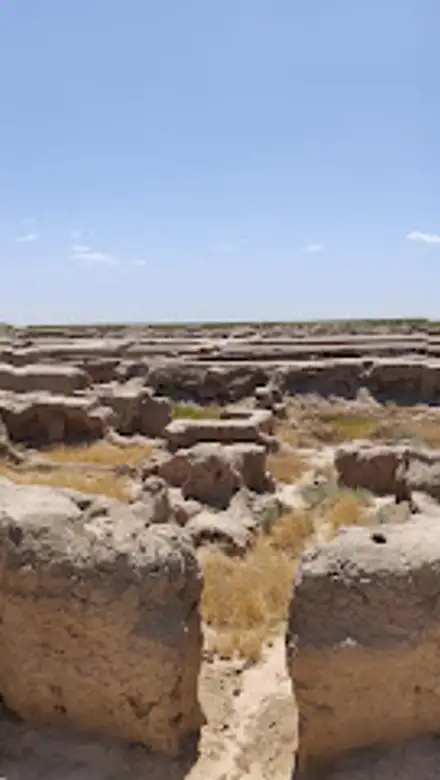
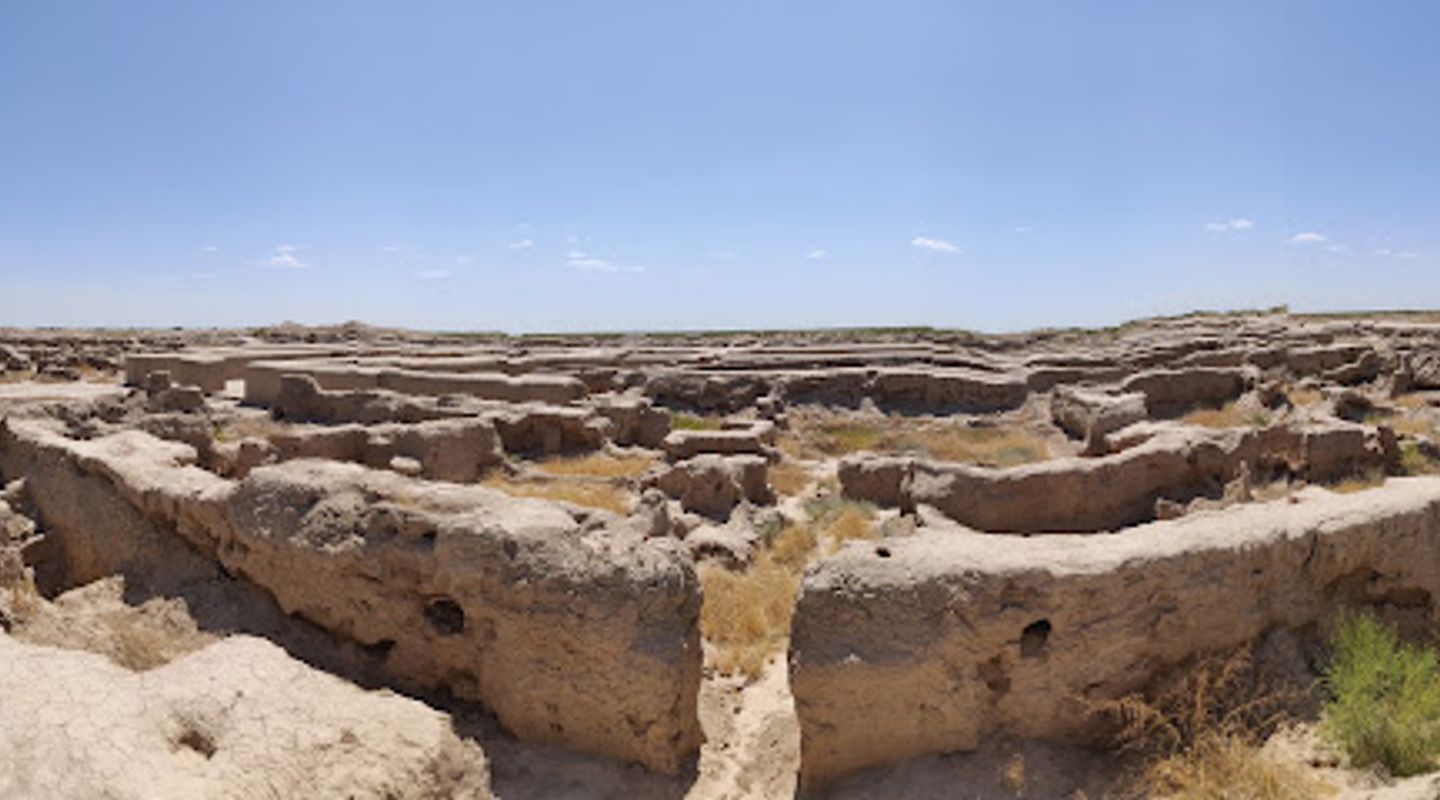
Gonur Tepe, or 'Grey Hill' in Turkmen, is a significant Bronze Age archaeological site near Mary, Turkmenistan [5, 6]. Dating back to 2500-1700 BCE, it was a major settlement within the Margiana civilization, offering insights into early urban development and complex societies [2, 3]. Excavations reveal a sprawling complex of palaces, temples, and burial sites, showcasing the advanced culture that once thrived in the Karakum Desert [2, 4].
A brief summary to Gonur Tepe
- 627Q+H4Q, Yakeper, TM
- Click to display

Know before you go
Hi, I'm Eve. Here are a few practical things to know before exploring Gonur Tepe.
- The best time to visit Gonur Tepe is during the spring (April to June) or autumn (September to November) when the weather is more comfortable [2].
- Given the historical complexity and remote location, it is highly recommended to visit the site with a knowledgeable guide [2].
- Facilities at Gonur Tepe itself are very basic due to its remote desert location. Bring your own food, water, and other necessities [2].
- Ensure that you have the necessary permits to visit Gonur Tepe, as areas with archaeological significance may have restrictions or special requirements [2, 8].
Do you manage this location?
Take control to get all the benefits, like improved information, better appearance, and stronger visibility across AI-powered discovery. Learn more about listing your business on Evendo
Activate your presenceOther nearby places you may find interesting
The closest places of the same kind, if this one is not quite what you had in mind.

Explore Gonur Tepe on the Map
A handpicked selection of must-see spots near Gonur Tepe, mapped for you.
Getting There
-
Car
From Mary, the most practical way to reach Gonur Tepe is by arranging a guided tour or hiring a private vehicle [2, 8]. Renting a car with a driver familiar with the local area is recommended due to the challenging desert terrain [8]. The drive from Mary to Gonur Tepe is approximately three hours, including two hours on a bumpy asphalt road and one hour through desert scrub [10]. Expect to pay around US$40 for the car and driver [13]. A 4WD vehicle is generally required [7, 13].
-
Public Transport
From Ashgabat, take a domestic flight to Mary Airport (MYP) [8]. Alternatively, you can take a train or bus from Ashgabat to Mary, though these options are considerably slower [8]. From Mary, the most practical way to reach Gonur Tepe is by arranging a guided tour or hiring a private vehicle [2, 8]. Expect to pay around US$40 for the car and driver [13].
Discover more about Gonur Tepe













Your all‑in‑one travel companion app
Explore expert travel guides, compare and book tours, experiences, hotels, and more—all from the palm of your hand. Download now for seamless trip planning wherever your wanderlust takes you.


Explore More of Bactria
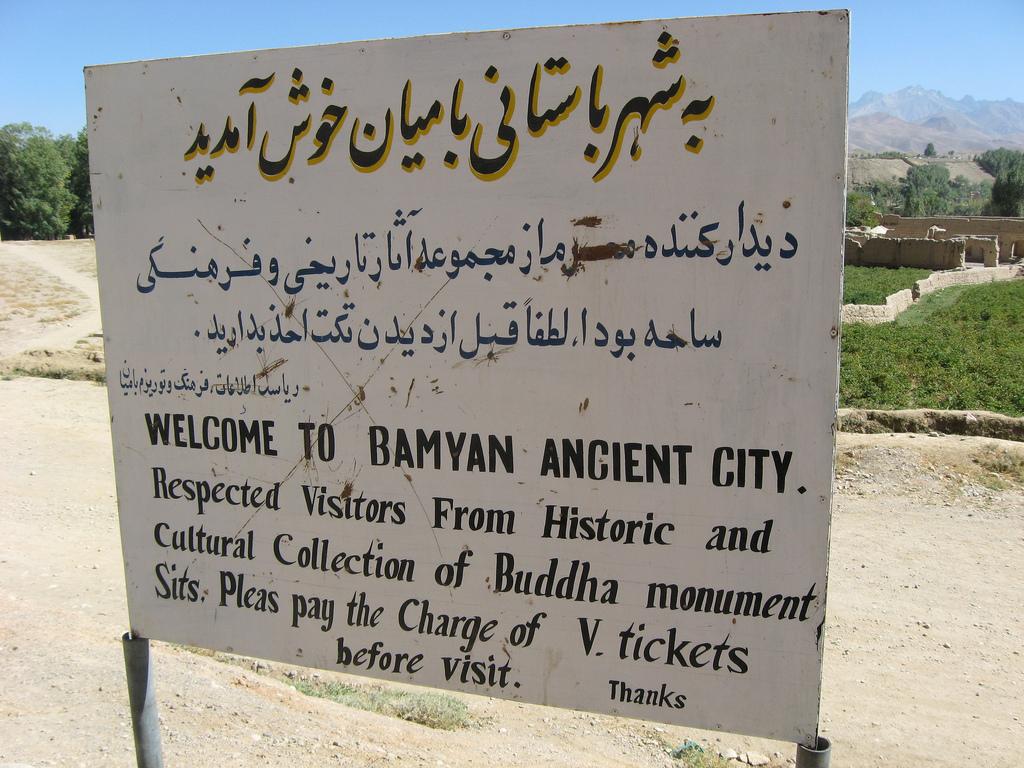
Looking beyond Gonur Tepe? Discover Bactria for broader travel guides, local hot-spots, and regional highlights.
Explore Bactria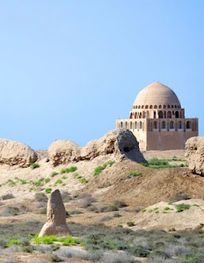
Discover the grandeur of the Soltan Sanjar Mausoleum, a historical jewel of Merv, showcasing exquisite Seljuk architecture and rich cultural heritage.

Explore the ancient ruins and rich history of Kulmergen-kala, a captivating historical place museum in Kelyadzhi, Turkmenistan.