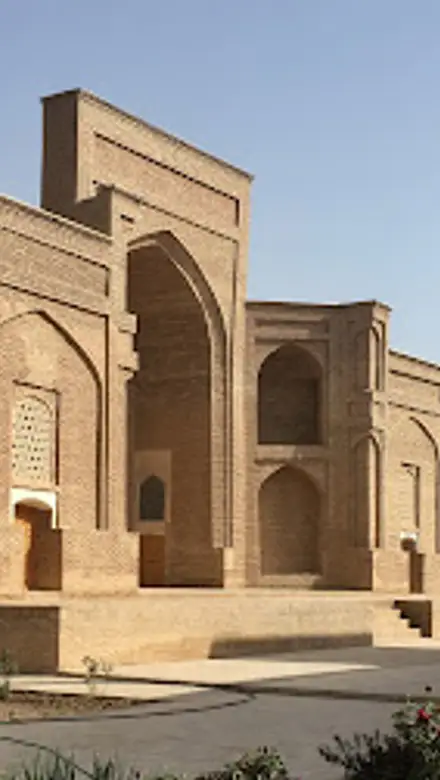
Sultan Saodat Mausoleum Travel Guide
Free Guide: Explore the historical Sultan Saodat Mausoleum in Termez, a sacred complex of mausoleums, mosques, and khanaqas dating back to the 11th century.


A brief summary of Sultan Saodat Mausoleum
Explore the historical Sultan Saodat Mausoleum in Termez, a sacred complex of mausoleums, mosques, and khanaqas dating back to the 11th century.
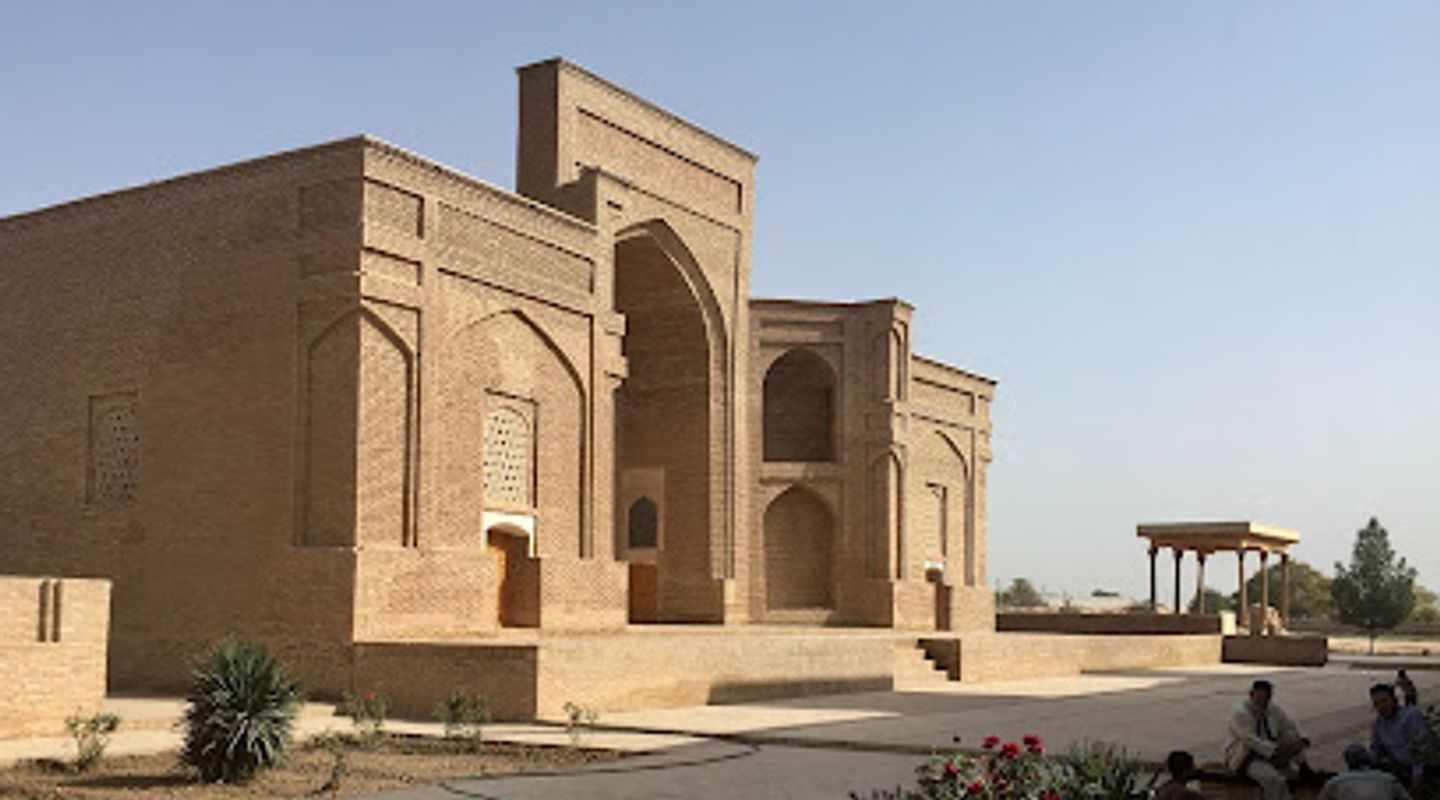
The Sultan Saodat Mausoleum is a historical complex on the outskirts of Termez, Uzbekistan, featuring a collection of seventeen mausoleums, mosques, and khanaqas constructed between the 11th and 17th centuries [3, 7]. It serves as the family burial place for the Termez Sayyids, a dynasty that claimed descent from the Prophet Muhammad [4, 5].
- Address
- 7875+6QF, Termez, Surxondaryo Region, Uzbekistan
Getting there
Taxi
Public Transport
Discover more about Sultan Saodat Mausoleum
Overview
The Sultan Saodat Mausoleum, located on the outskirts of Termez, is a significant religious complex that evolved between the 11th and 17th centuries [3, 4]. This ensemble of seventeen mausoleums, mosques, and khanaqas (hostels for Sufi holy men) marks the final resting place of the Termez Sayyids, an influential dynasty who claimed direct lineage from the Islamic prophet Muhammad [3, 4, 7]. The complex is reminiscent of the Shah-i-Zinda in Samarkand, though perhaps less adorned with glazed tiles [7].The Sayyids of Termez held considerable political and religious power, reaching their peak in the 13th and 14th centuries [3]. The founder of the dynasty, Sayyid Hasan al-Amir, a descendant of Muhammad's grandson, Hussein ibn Ali, was buried here in the 9th century, establishing a tradition for his descendants [3, 4, 5]. It is said that even Tamerlane numbered among their followers [3]. The two original mausoleums are believed to have attracted the settlement of post-Mongol Termez [3].The architecture of Sultan Saodat showcases a unique style characterized by modestly decorated mausoleums with brick wall textures [8, 11]. The earliest structures feature three-part domed constructions [6, 11]. Over the centuries, the complex expanded, incorporating various architectural styles [5]. The ensemble's structures are arranged around an elongated courtyard, creating a harmonious composition [5, 6, 8]. Inside the domes, intricate brick arrangements symbolize the connection between the earthly and divine [5]. Despite renovations, little of the original tilework remains, save for the portico of one tomb [3, 7].Today, Sultan Saodat stands as a testament to faith and history, attracting both pilgrims and tourists [5, 18]. The serene atmosphere inspires a sense of peace, offering visitors a chance to connect with the spiritual essence of the location [5].
Evendo Review Centre
 Google
Guest reviews
Explore Sultan Saodat Mausoleum on the map
A handpicked selection of must-see spots near Sultan Saodat Mausoleum, mapped for you.
Get your free copy of our complete guide to Sultan Saodat Mausoleum, delivered straight to you.
Everything on this page, from opening hours and how to get there to Eve’s tips and the best time to go, in one PDF you can read offline, print or share.
Already have an account? Sign in
Your Sultan Saodat Mausoleum guide is ready.
We'll send it to · Not you? Sign out

Getting your guide ready…
We are putting together a fresh copy of the Sultan Saodat Mausoleum guide. This can take up to a minute.
This can take a few moments. If your browser asks, choose Allow so the download can start. You'll find the guide in your Downloads folder.
Nothing happened? Download it again
Sorry, the guide is taking longer than usual. Please try again in a minute, or get it by email instead.
Unlock the best of Sultan Saodat Mausoleum
Skip-the-line tickets, guided tours with entry, and walking tours of the area, booked in a few clicks.

Other nearby places you may find interesting
The closest places of the same kind, if this one is not quite what you had in mind.
-
Babur Garden Explore Kabul's historic Bagh-e Babur: a Mughal emperor's garden and final resting place, offering serene beauty and cultural richness.
-
The National Museum of Afghanistan Discover millennia of Afghan history and cultural heritage at the National Museum of Afghanistan, a symbol of resilience and a treasure trove of Silk Road artifacts.
-
Band-e-Amir National Park Discover Afghanistan's natural wonder: Band-e-Amir National Park, a stunning landscape of turquoise lakes and dramatic canyons in the heart of the Hindu Kush.
-
Ancient Wall of Balkh Discover the ancient world at the Ancient Wall of Balkh, a Silk Road landmark with over 2,500 years of history and stunning panoramic views.
-
Herat Citadel Explore the ancient Herat Citadel, a majestic fortress with roots in Alexander the Great's era, offering a glimpse into Afghanistan's rich history.
Swipe for more places
More to explore near Sultan Saodat Mausoleum
-
 Best experiences near Sultan Saodat Mausoleum
-
 Best hotels near Sultan Saodat Mausoleum
-
 Best landmarks near Sultan Saodat Mausoleum
-
 Best attractions near Sultan Saodat Mausoleum
-
 Best shops near Sultan Saodat Mausoleum
-
 Best restaurants near Sultan Saodat Mausoleum
-
 Best bars near Sultan Saodat Mausoleum







Do you manage this location?
Take control to get all the benefits, like improved information, better appearance, and stronger visibility across AI-powered discovery.
Explore more

Explore more of Bactria
Explore Bactria in Afghanistan: A Journey Through Ancient Civilizations and Stunning Landscapes.
Explore Bactria
Explore more of Afghanistan
Discover Afghanistan's rich history, stunning landscapes, and diverse cultures. From ancient cities to breathtaking nature, this Central Asian gem offers a unique travel experience.
Explore Afghanistan