Wakhan National Park: Afghanistan's Untamed Heart
Explore Afghanistan's Wakhan National Park: a remote alpine paradise with stunning landscapes, unique wildlife, and vibrant cultural heritage.
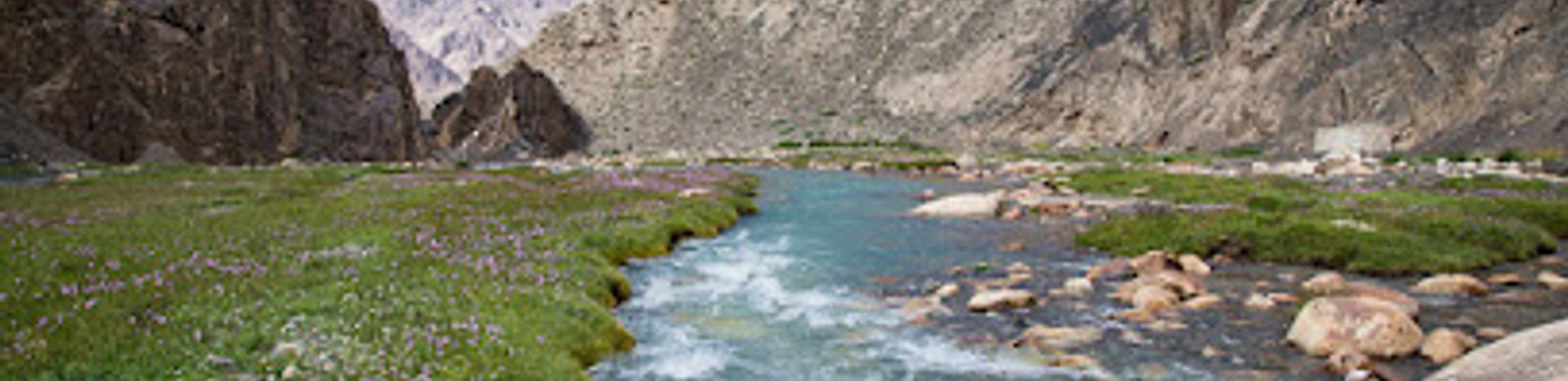
Established in 2014, Wakhan National Park in northeastern Afghanistan is a remote and rugged expanse encompassing the Wakhan Corridor. It boasts dramatic alpine scenery, diverse wildlife, and unique cultural interactions with Wakhi and Kyrgyz communities, offering a glimpse into Afghanistan's untouched natural beauty [6, 7].
A brief summary to Wakhan National Park
- 5QFC+9GG, Ptūkh, AF
Local tips
- Visit during the summer months (June-August) for the most accessible trekking conditions and milder weather, but be prepared for unpredictable conditions [3, 5].
- Obtain necessary permits and register with local authorities in Ishkashim before venturing deeper into the Wakhan Corridor; this process can take time, so plan accordingly [3, 5, 24].
- Hire a local guide; their expertise is invaluable for navigating the terrain, arranging logistics, communicating with communities, and ensuring a safe and enriching experience [3, 5].
- Respect local customs and traditions when interacting with communities. Dress modestly and ask permission before photographing locals [5, 16].
- Be self-sufficient and carry all necessary gear, food, and supplies, as amenities are limited within the park [3, 5].

Getting There
-
Public Transport
The most common way to access Wakhan National Park is via public transport from Faizabad to Ishkashim [3, 5]. Take a shared taxi or minibus from Faizabad to Ishkashim, which costs approximately 500 AFN (Afghan Afghani) per person and takes about 4-5 hours [5]. Upon arrival in Ishkashim, hire a local 4x4 taxi to reach Wakhan National Park, as public transport does not directly serve the park [5]. Negotiate the fare with the driver beforehand; expect to pay around 1,000-1,500 AFN for the trip to Ptūkh, the closest village to the park [5]. From Ptūkh, it's a 5-kilometer walk to the park entrance [5].
-
Driving
The most common starting point for accessing Wakhan National Park is from Faizabad, the capital of Badakhshan Province [5, 7]. From Faizabad, drive east along the A76 towards Ishkashim [5, 7]. The journey to Ishkashim is approximately 4-5 hours [5, 7]. From Ishkashim, continue north towards Ptūkh, the village closest to the park entrance [5, 7]. This final stretch is about 50 kilometers and requires a 4x4 vehicle due to the rough terrain [5, 7]. Hiring a local driver in Ishkashim is recommended [5, 7]. Expect to pay around 4,000-6,000 AFN for a round trip from Ishkashim to the park entrance, depending on negotiation and the length of stay [5, 7].
Discover more about Wakhan National Park
Iconic landmarks you can’t miss

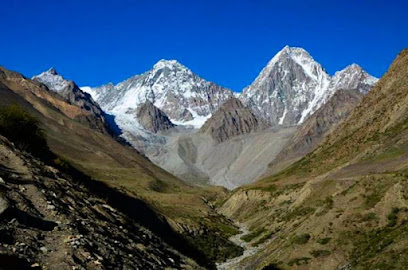
Hindu Raj Range
59.2 km
Experience the breathtaking beauty and adventure of the Hindu Raj Range in Khyber Pakhtunkhwa, Pakistan, a paradise for nature lovers and outdoor enthusiasts.
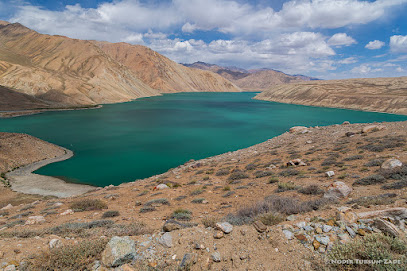
Yashikul
99.4 km
Discover the breathtaking allure of Yashikul Lake in Tajikistan, where majestic mountains meet tranquil waters in a stunning natural paradise.
Unmissable attractions to see

Kohe Belandtarin
49.4 km
Discover the majestic Kohe Belandtarin in Afghanistan's Pamir Mountains: a challenging climb or trek through untouched landscapes and breathtaking views.
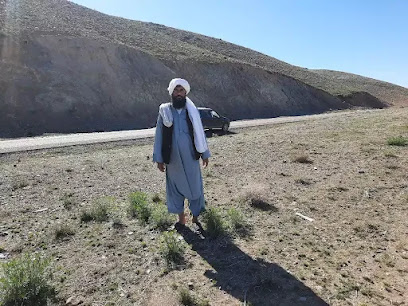
Hindu Kush
54.9 km
Explore the majestic Hindu Kush: a crossroads of history, culture, and breathtaking mountain scenery in Central Asia.
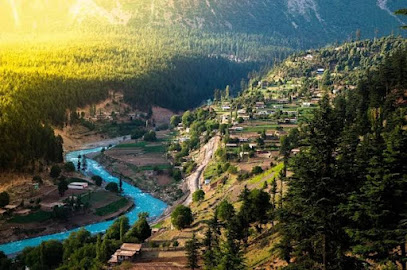
Darkot Pass
57.0 km
Explore Darkot Pass in Khyber Pakhtunkhwa, Pakistan - a breathtaking mountain pass offering stunning views and unforgettable trekking experiences.
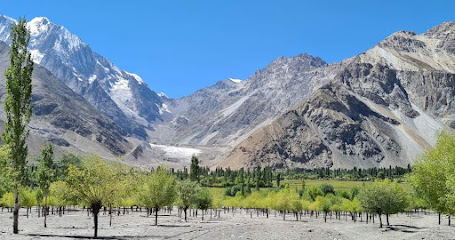
Wakhjir Pass
63.7 km
Discover Wakhjir Pass: A remote and historic Silk Road mountain pass on the Afghanistan-China border, offering stunning views and challenging adventures.
Umalsat
74.2 km
Explore the breathtaking beauty of Umalsat in Yasin Valley, a hidden treasure offering serene landscapes and thrilling outdoor adventures.
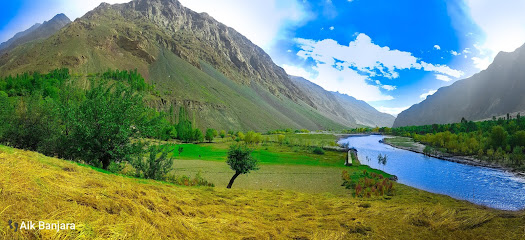
Aazey Makhduring
78.9 km
Discover the breathtaking beauty and rich culture of Aazey Makhduring in Yasin Valley, a perfect blend of adventure and tranquility.
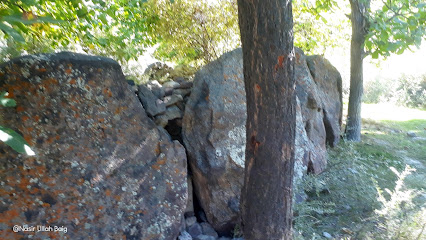
Mayna Old House
83.3 km
Explore Mayna Old House in Yasin Valley, a historical attraction surrounded by breathtaking landscapes in Gilgit-Baltistan.
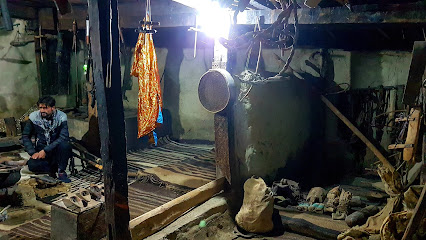
Shorbulak Observatory
90.6 km
Explore the cosmos at Shorbulak Observatory in Tajikistan, where the beauty of the night sky meets scientific discovery in breathtaking surroundings.
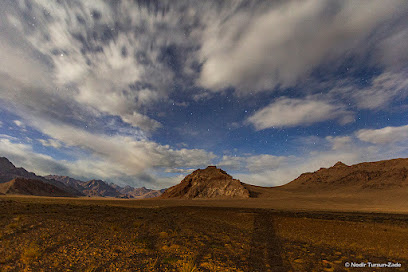
Kalam Darchi Fort Pakistan
92.3 km
Explore Kalam Darchi Fort in Gilgit-Baltistan: A Historical Fortress Surrounded by Majestic Mountains and Rich Cultural Heritage.
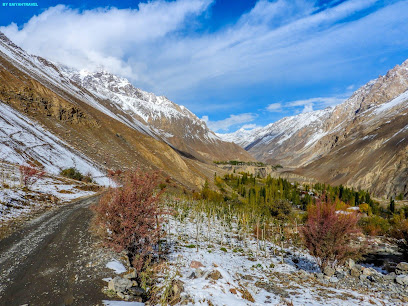
Mintaka Pass
97.5 km
Explore Mintaka Pass: A breathtaking mountain pass between Pakistan and China, offering stunning landscapes, adventure, and cultural experiences.
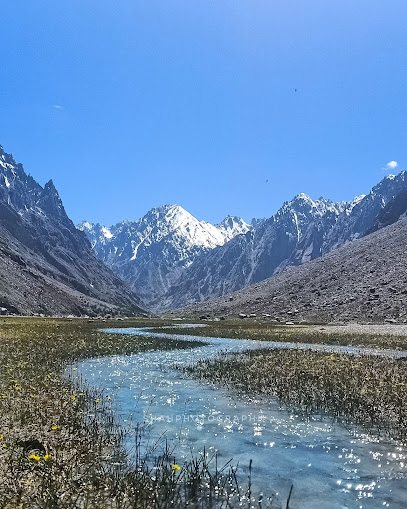
Kharchanai
97.7 km
Discover the breathtaking beauty of Kharchanai, a majestic mountain peak perfect for hiking, photography, and connecting with nature.
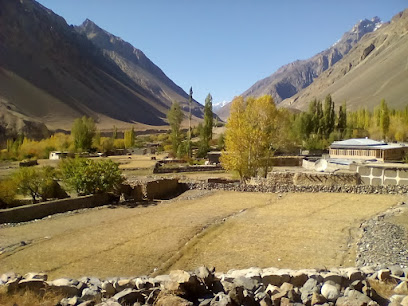
Misgar Ideal Place for Tourist
98.3 km
Discover the enchanting village of Misgar in Hunza Valley, where breathtaking landscapes meet rich cultural experiences, perfect for every traveler.
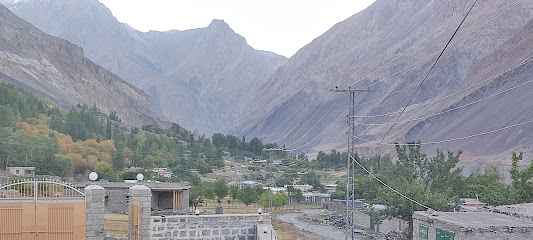
Chiporsun
98.7 km
Explore the breathtaking Chiporsun Ravine in Hunza Nagar, where natural beauty meets cultural richness in the heart of the Himalayas.
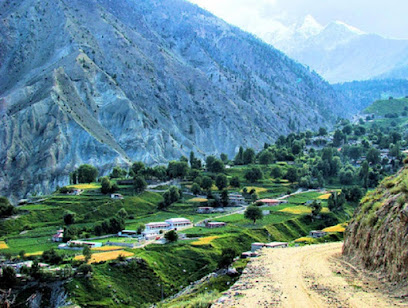
Hasis Valley
98.8 km
Explore Hasis Valley, a breathtaking tourist attraction in Gilgit-Baltistan, known for its stunning landscapes and rich cultural heritage.
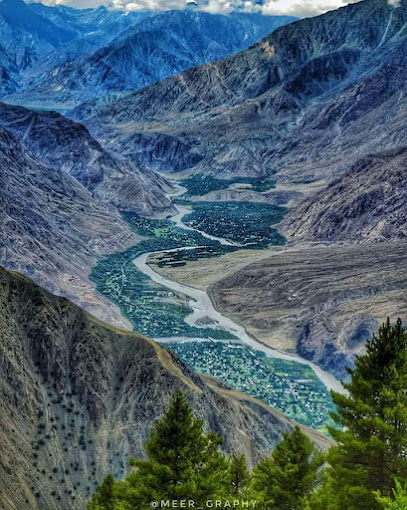
Batura Sar
99.6 km
Discover the breathtaking grandeur of Batura Sar, a majestic mountain peak in Hunza Nagar, perfect for adventurers and nature lovers.
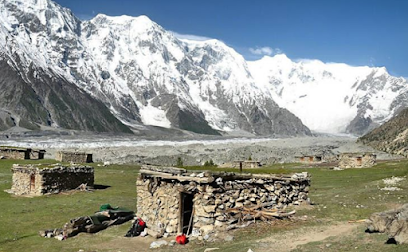
Markets, malls and hidden boutiques

Three Star Departmental Store Darkut
65.9 km
Explore local treasures at Three Star Departmental Store Darkut, your ultimate shopping stop in Gilgit-Baltistan's stunning Yasin Valley.

ABU AKA MINI-SHOO
78.5 km
Explore the vibrant culture of Tajikistan at Abu Aka Mini-Shoo, your destination for unique souvenirs and local treasures.
JOHAR GENERAL STORE
88.4 km
Explore Johar General Store in Yasin Valley: Your local shopping destination in the heart of Gilgit-Baltistan's stunning landscapes.
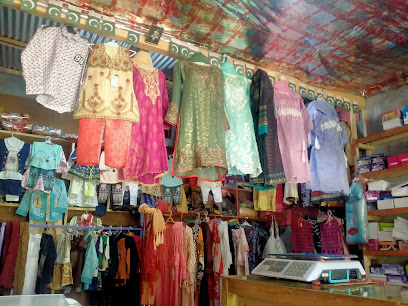
الجنت شاپنگ سنٹر
93.1 km
Explore unique clothing styles at الجنت شاپنگ سنٹر in Gilgit, where local culture meets vibrant fashion in a charming shopping experience.

ghizer handicraft and ladies shop
93.8 km
Discover the authentic craftsmanship of Gilgit-Baltistan at Ghizer Handicraft and Ladies Shop, where tradition meets artistry.
Yasin Departmental Store
96.4 km
Discover the essence of Yasin Valley with a visit to Yasin Departmental Store, your gateway to local treasures and cultural experiences.
Chitral General Store
96.8 km
Explore unique local products at Chitral General Store in Yasin Valley, the hub of culture and convenience in Gilgit-Baltistan.
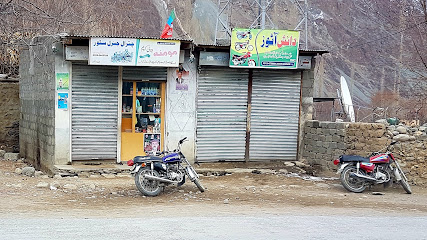
Sehat Rahim Super store
97.7 km
Explore the exquisite Sehat Rahim Super Store in Hunza Valley for unique gift baskets that embody the beauty and culture of this enchanting region.
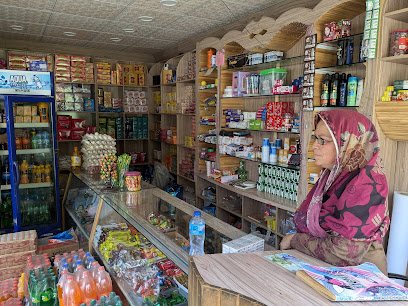
Mohii's Mart
97.8 km
Discover the enchanting flavors of Mohii's Mart, a bakery in Yasin Valley, Gilgit, offering a delightful array of freshly baked goods and traditional sweets.
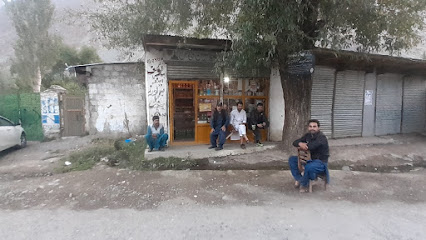
Yasin Valley Dry Fruit Shop
97.8 km
Discover the authentic taste of Gilgit-Baltistan at Yasin Valley Dry Fruit Shop, where local flavors meet hospitality.
Badakhshani general store and bakers
98.4 km
Experience local flavors and culture at Badakhshani General Store and Bakers in Yasin Valley, Gilgit-Baltistan.
YasHkun market bujayot
99.1 km
Discover local culture and unique treasures at YasHkun Market in Yasin Valley, a vibrant hub of commerce and community.
Jublee Gernal store
99.2 km
Explore the authentic Yasin Valley experience at Jublee General Store, where local goods and warm hospitality await every traveler.
Bismillah super store
99.4 km
Discover the essence of Yasin Valley at Bismillah Super Store – your one-stop shop for local goods and unique souvenirs in breathtaking Gilgit-Baltistan.
Insaf general store
99.4 km
Explore local life at Insaf General Store in Yasin Valley, a charming stop for essentials and unique handicrafts in breathtaking Gilgit-Baltistan.
Essential bars & hidden hideouts

Sangeet Hotel & Restaurant Taus, Pakistan
93.1 km
Experience authentic Pakistani flavors at Sangeet Hotel & Restaurant, a culinary oasis in Yasin Valley, Gilgit-Baltistan.
Yasin Walnut Cafe
97.8 km
Discover the charm of Yasin Walnut Cafe, where delicious food meets stunning views in the heart of Yasin Valley, Gilgit-Baltistan.