Spīn Ghar, Ghor Travel Guide
Explore the majestic Spīn Ghar, the White Mountains of Afghanistan, a land of history, culture, and breathtaking natural beauty along the Pakistan border.
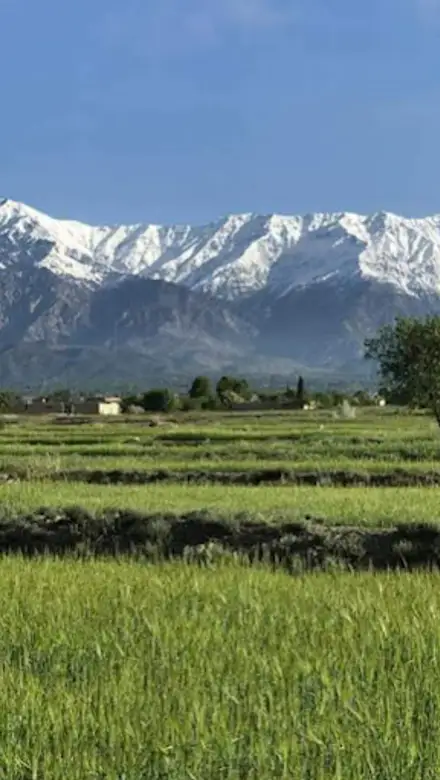
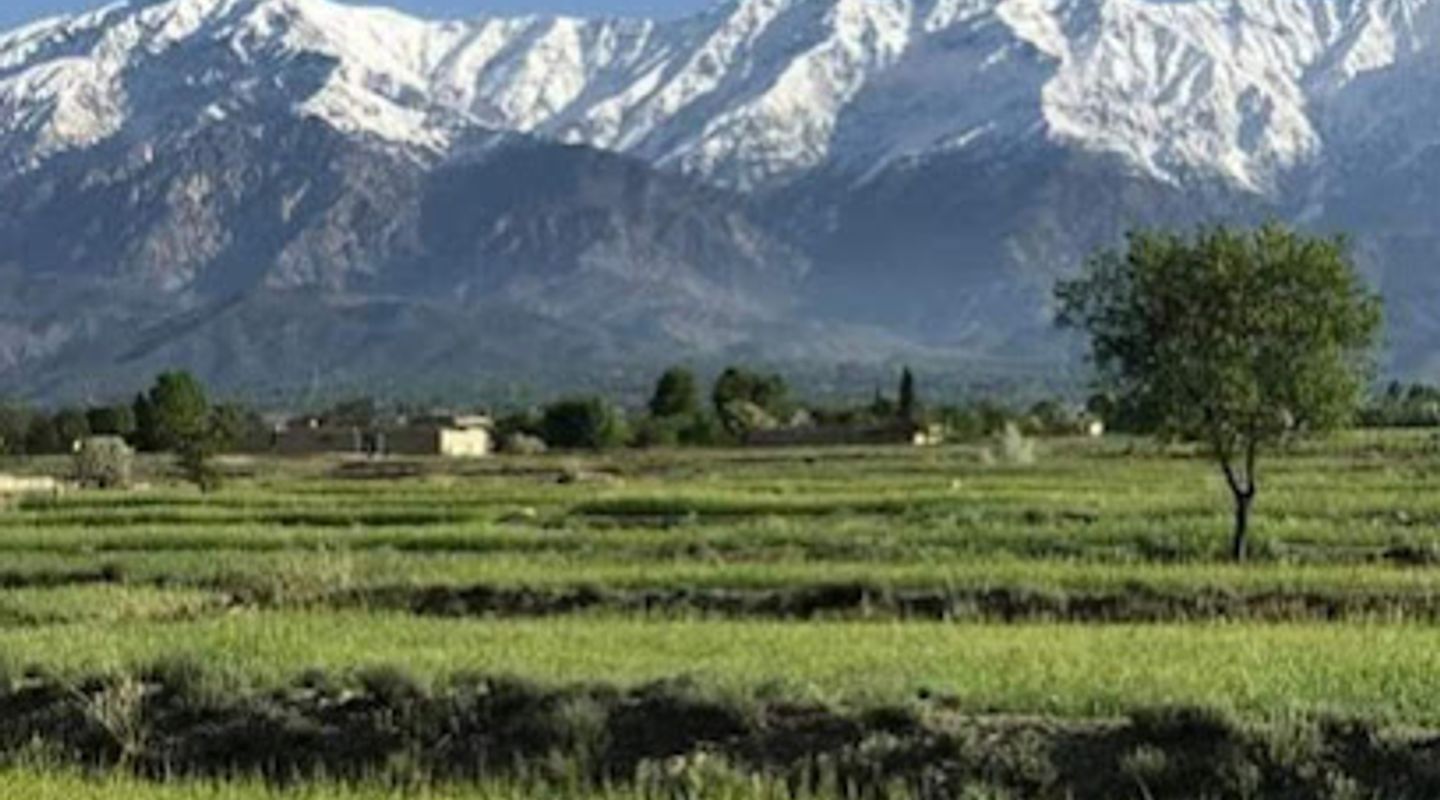
The Spīn Ghar, also known as the White Mountains, is a striking mountain range stretching 160 km along the Afghanistan-Pakistan border [7, 19]. Renowned for its snow-capped peaks, including Mount Sikaram, it has served as a vital passage and strategic military location throughout history [7]. The mountains are culturally significant to the local Pashtun communities, featuring in legends that symbolize strength and resilience [7].
A brief summary to Spīn Ghar
- AF

Know before you go
Hi, I'm Eve. Here are a few practical things to know before exploring Spīn Ghar.
- Visit during spring or autumn for the most pleasant weather for hiking and exploring [7].
- Engage with local Pashtun communities to learn about their rich cultural heritage and traditions [7, 19].
- Bring plenty of water and snacks, as facilities are limited in the mountain areas [7].
Do you manage this location?
Take control to get all the benefits, like improved information, better appearance, and stronger visibility across AI-powered discovery. Learn more about listing your business on Evendo
Activate your presenceOther nearby places you may find interesting
The closest places of the same kind, if this one is not quite what you had in mind.
Explore Spīn Ghar on the Map
A handpicked selection of must-see spots near Spīn Ghar, mapped for you.
Getting There
-
Public Transport
Transportation in Afghanistan is primarily by road [3]. From major cities like Jalalabad or Gardez, buses and taxis are available to reach the areas near the Spīn Ghar [3, 6]. Due to limited public transport options in remote areas, it's advisable to hire a local taxi or private car for the final approach [3, 6]. Costs vary, but a taxi from Jalalabad to a closer point in the Spīn Ghar may range from $30-$50 USD [6].
-
Driving
If driving, note that roads can be rough, and a 4x4 vehicle is recommended [6]. From Kabul, take the A1 highway towards Jalalabad, then follow local roads towards the mountain range [3]. Be prepared for checkpoints and allow extra time for travel. Fuel costs for a round trip from Jalalabad can be approximately $20-$40 USD. There are no parking fees, but parking may be limited in some areas [6].
Discover more about Spīn Ghar













Your all‑in‑one travel companion app
Explore expert travel guides, compare and book tours, experiences, hotels, and more—all from the palm of your hand. Download now for seamless trip planning wherever your wanderlust takes you.


Explore More of Ghor
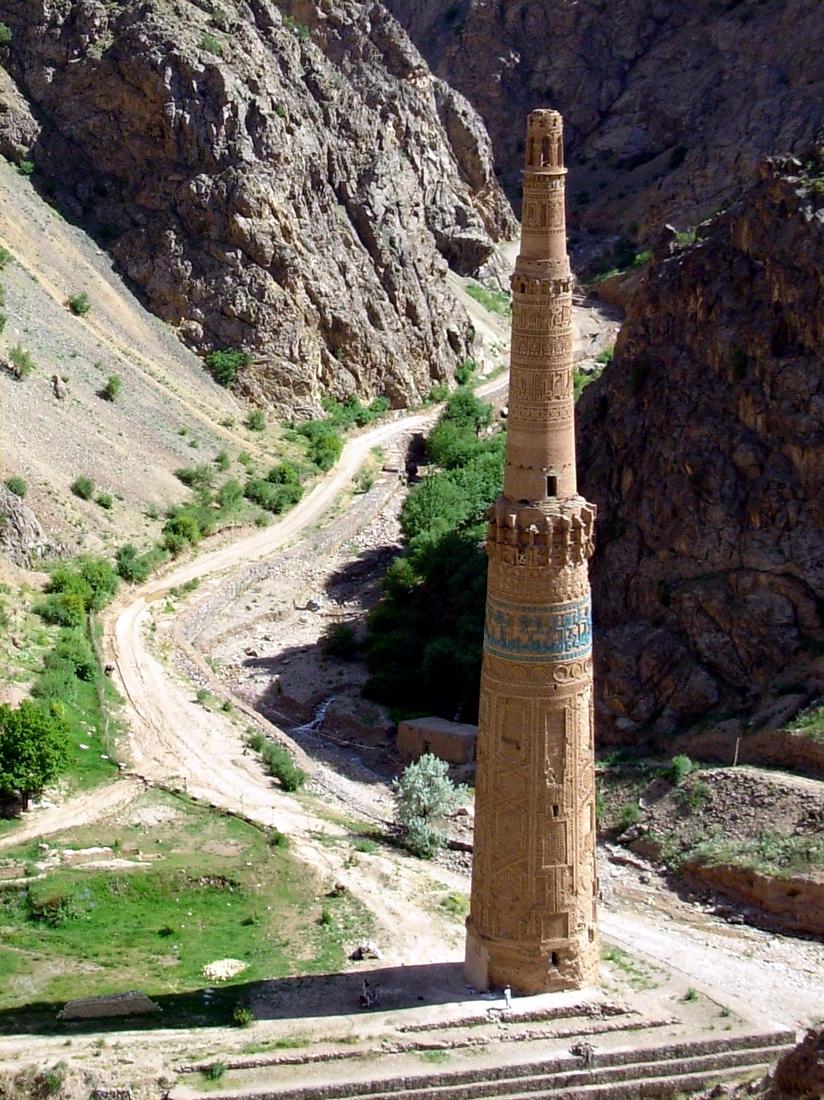
Looking beyond Spīn Ghar? Discover Ghor for broader travel guides, local hot-spots, and regional highlights.
Explore Ghor