

Free Laghman Travel Guide & Mobile App
Explore Laghman with free travel guides. Discover regional history, expert tips, proposed trips, and audio guides on web or mobile app.


Laghman introduces eastern Afghanistan through river valleys, mountain landscapes and layered history, but travel requires exceptional preparation and security advice.
Read more about Laghman
When is the best time to visit Laghman?
Best: April, September–October · 24–31°C| Month | High (°C) | Rainfall (mm) |
|---|---|---|
| January | 13 | 30 |
| February | 15 | 35 |
| March | 20 | 46 |
| April (best) | 24 | 51 |
| May | 30 | 30 |
| June | 35 | 10 |
| July | 36 | 5 |
| August | 36 | 6 |
| September (best) | 31 | 7 |
| October (best) | 24 | 8 |
| November | 17 | 16 |
| December | 12 | 20 |
Getting to and around Laghman
How to get there
Transportation
Explore Laghman on the map
Plan your trip on one map. See where the top cities, national parks and sights are, and book hotels and experiences in a few clicks.
Best hotels in Laghman
Best restaurants in Laghman
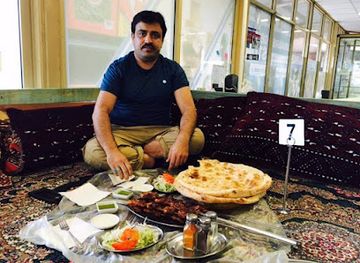
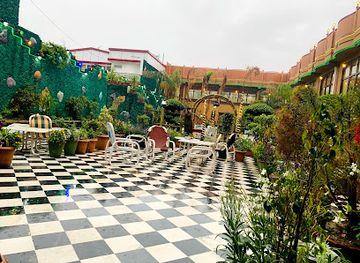
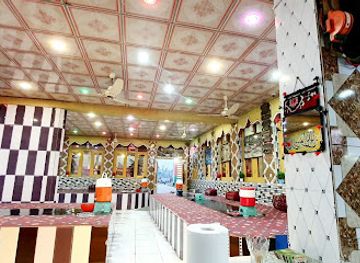
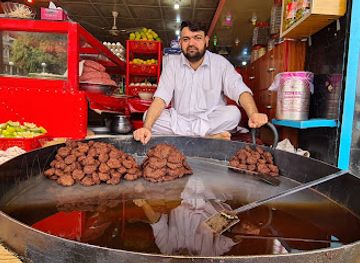
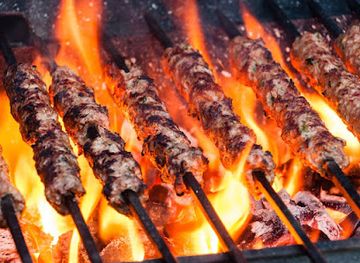
Laghman's food culture is based on the everyday Afghan cooking of the east, with rice dishes, naan, grilled meat, stews, yoghurt, pulses and seasonal vegetables forming the practical core of meals. The province's irrigated valleys support fruit, vegetables and grains, while rural households commonly draw on locally produced dairy and garden crops. In Mihtarlam and along the main road, visitors may find simple eateries serving kebabs, rice, tea and bread, but restaurant standards, hygiene, opening arrangements and ingredients cannot be assumed. Dining is generally informal and connected to family homes, roadside establishments or guesthouses rather than a developed restaurant scene. Meals offered to guests carry social importance, and accepting refreshments respectfully is usually appropriate when circumstances permit. Visitors should bring medically suitable supplies for dietary needs, use trusted food and water arrangements, and avoid treating local food availability as dependable during periods of insecurity, road disruption or market shortages.
-
Restaurant
Baba Wali Hotel بابا ولې هوټل
Discover the heart of Afghan cuisine at Baba Wali Hotel, where every dish tells a story of tradition and flavor.
-
Restaurant
Green Hut Pizza Restaurant
Savor the best pizzas and Afghan cuisine at Green Hut Pizza Restaurant in Jalalabad – where taste meets tradition.
-
Asian
Zeenat Restaurant زینت رستورانت
Experience the authentic flavors of Afghanistan at Zeenat Restaurant in Jalalabad - where every dish tells a story.
-
Restaurant
Afghan Hotel & Restaurant (افغان هوټل اؤ رستورانت)
Savor the authentic tastes of Afghanistan at Jalalabad's premier dining destination - Afghan Hotel & Restaurant.
Best bars in Laghman
Laghman has no conventional bar or nightclub scene. Alcohol is prohibited under the prevailing legal and social framework, and evening activity centres on family compounds, tea houses, small restaurants and private social gatherings rather than entertainment districts. Mihtarlam and major road settlements may have modest places where people drink tea, eat simple food or meet during daylight and early evening, but these are not tourist venues and arrangements can change without notice. In rural areas, darkness, limited electricity, security restrictions and long travel distances make night movement particularly inappropriate. Visitors should not seek nightlife as an independent activity, should respect prayer times and local customs, and should rely on a host organisation for any permitted evening movement.
-
Rokhan Sport House and Tikwando Club
Experience the thrill of sports at Rokhan Sport House and Tikwando Club in Jalalabad, a vibrant hub for athletes and enthusiasts alike.
-
Salar Restaurant
Experience the rich flavors of Afghan cuisine at Salar Restaurant in Jalalabad, a must-visit for food enthusiasts seeking authentic dishes.
-
Habib Gulazar Company
Discover the local nightlife at Habib Gulazar Company, a vibrant bar in Jalalabad offering authentic Afghan drinks and a warm atmosphere.
-
Restaurant
عنایت غروال کبانو پخلنځی
Experience authentic Afghan flavors in a cozy atmosphere at عنایت غروال کبانو پخلنځی, a must-visit restaurant in Darūntah.
Best nightclubs in Laghman
Laghman has no conventional bar or nightclub scene. Alcohol is prohibited under the prevailing legal and social framework, and evening activity centres on family compounds, tea houses, small restaurants and private social gatherings rather than entertainment districts. Mihtarlam and major road settlements may have modest places where people drink tea, eat simple food or meet during daylight and early evening, but these are not tourist venues and arrangements can change without notice. In rural areas, darkness, limited electricity, security restrictions and long travel distances make night movement particularly inappropriate. Visitors should not seek nightlife as an independent activity, should respect prayer times and local customs, and should rely on a host organisation for any permitted evening movement.
-
Night club
هرات افغانستان
Discover the dynamic nightlife of Herat, a captivating blend of tradition and modern fun in the heart of Afghanistan.
-
Night club
حمام حاجي مير احمد
Discover the warmth of Afghan culture at حمام حاجي مير احمد, where traditional drinks meet a vibrant social scene in Kabul.
-
Sports bar
Rokhan Sport House and Tikwando Club
Discover the spirit of local sports culture at Rokhan Sport House and Tikwando Club, a dynamic venue in Jalalabad, Afghanistan.
-
Habib Gulazar Company
Discover the vibrant nightlife at Habib Gulazar Company in Jalalabad, where local culture and refreshing drinks come together for an unforgettable experience.


Best shops in Laghman
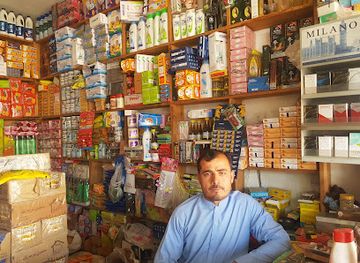
Shopping in Laghman is mainly practical and local, centred on markets and small commercial streets in Mihtarlam and settlements along the principal road. Visitors may encounter Afghan clothing, household goods, fresh produce, dried fruit, nuts, tea, bread and basic agricultural products, while rural markets reflect the needs of farming communities rather than souvenir demand. Handicrafts and locally made textiles may be available, but supply is irregular and provenance should not be assumed. There is no established luxury retail quarter or dependable tourist marketplace, and shops may close unexpectedly because of security conditions, religious observance or power shortages. If permitted to shop, carry modest amounts of Afghan afghani, ask before photographing stalls or goods and avoid purchasing archaeological objects, antiquities or items of uncertain origin. Purchases should remain discreet and comply with Afghan law and any export restrictions.
-
Grocery store
Emal Mohmand Chips And Marble Compny
Experience authentic Afghan snacks and immerse yourself in local culture at Emal Mohmand Chips and Marble Company in Kabul.
-
 Shopping mall
Interlink Store Afghanistan
Immerse yourself in culture at the Interlink Store, Jalalabad's vibrant shopping mall for unique souvenirs and local goods.
-
Store
zara qalah
Explore Zara Qalah in Shahidan for unique Afghan crafts and a warm local experience that showcases the beauty of Afghan culture.
-
General store
Ahmad zia
Discover Ahmad Zia, a charming general store in Mitarlam where local culture meets unique shopping experiences.
Get your free copy of our complete guide to Laghman, delivered straight to you.
Everything on this page, from attractions and restaurants to essentials and local phrases, in one PDF you can read offline, print or share.
Already have an account? Sign in
Your Laghman guide is ready.
We'll send it to · Not you? Sign out

Getting your guide ready…
We are putting together a fresh copy of the Laghman guide. This can take up to a minute.
This can take a few moments. If your browser asks, choose Allow so the download can start. You'll find the guide in your Downloads folder.
Nothing happened? Download it again
Sorry, the guide is taking longer than usual. Please try again in a minute, or get it by email instead.
Laghman essentials
Currency and Payment
Safety
Emergency Situations
Do's and Don'ts
Local Tips
From Eve
Local phrases worth knowing
You don't need to get them perfect. A few words go a long way, and locals appreciate the effort.
Basics
| English | Local | Say it |
|---|---|---|
| Hello | سلام | [Salam] |
| Goodbye | خدا حافظ | [Khuda Hafiz] |
| Yes | بله | [Bala] |
| No | نه | [Na] |
| Please/You're welcome | لطفا / خوش آمدید | [Lotfan / Khush Amadi] |
| Thank you | تشکر | [Tashakur] |
| Excuse me/Sorry | ببخشید | [Bebakhshid] |
| How are you? | چطور هستید؟ | [Chetor Hastid?] |
| Fine. And you? | خوبم. شما چطورید؟ | [Khobam. Shoma Chetorid?] |
| Do you speak English? | آیا شما انگلیسی صحبت میکنید؟ | [Aya Shoma Englisi Sohbat Mikonid?] |
| I don't understand | من نمیفهمم | [Man Namifahmam] |
Eating & Drinking
| English | Local | Say it |
|---|---|---|
| I'd like to see the menu, please | لطفا منوی غذا را ببینم | [Lotfan Menu Ghoza Ra Bibinam] |
| I don't eat meat | من گوشت نمیخورم | [Man Gusht Namikhoram] |
| Cheers! | به سلامتی! | [Be Salamati!] |
| I would like to pay, please | لطفا میخواهم پرداخت کنم | [Lotfan Mikhaham Pardakht Konam] |
Emergencies
| English | Local | Say it |
|---|---|---|
| Help! | کمک! | [Komak!] |
| Go away! | برو برو! | [Boro Boro!] |
| Call the Police! | پلیس را صدا کنید! | [Polis Ra Seda Konid!] |
| Call a doctor! | دکتر را صدا کنید! | [Doctor Ra Seda Konid!] |
| I'm lost | من گم شدهام | [Man Gom Shodeam] |
| I'm ill | من بیمار هستم | [Man Bimar Hastam] |
Shopping
| English | Local | Say it |
|---|---|---|
| I'd like to buy... | میخواهم بخرم... | [Mikhaham Bekharam...] |
| I'm just looking | فقط دارم نگاه میکنم | [Faghat Daram Negah Mikonam] |
| How much is it? | قیمتش چقدر است؟ | [Gheymatash Chaqadar Ast?] |
| That's too expensive | این خیلی گران است | [In Kheili Garan Ast] |
| Can you lower the price? | آیا میتوانید قیمت را پایین بیاورید؟ | [Aya Mitavanid Gheymat Ra Pain Biavarid?] |
Time & Numbers
| English | Local | Say it |
|---|---|---|
| What time is it? | ساعت چند است؟ | [Saat Chand Ast?] |
| It's one o'clock | ساعت یک است | [Saat Yak Ast] |
| Half past (10) | ده و نیم | [Dah Wa Nim] |
| Morning | صبح | [Sobh] |
| Afternoon | بعد از ظهر | [Bad Az Zohr] |
| Evening | عصر | [Asr] |
| Yesterday | دیروز | [Dirooz] |
| Today | امروز | [Emrooz] |
| Tomorrow | فردا | [Farda] |
| 1 | یک | [Yak] |
| 2 | دو | [Do] |
| 3 | سه | [Se] |
| 4 | چهار | [Char] |
| 5 | پنج | [Panj] |
| 6 | شش | [Shash] |
| 7 | هفت | [Haft] |
| 8 | هشت | [Hasht] |
| 9 | نه | [No] |
| 10 | ده | [Dah] |
Transport & Directions
| English | Local | Say it |
|---|---|---|
| Where's a/the...? | کجاست...؟ | [Kojast...?] |
| What's the address? | آدرس چیست؟ | [Address Chist?] |
| Can you show me (on the map)? | آیا میتوانید (روی نقشه) به من نشان دهید؟ | [Aya Mitavanid (Roi Naqsha) Be Man Nashan Dahid?] |
| When's the next (bus)? | دفعه بعدی (اتوبوس) کی میآید؟ | [Daf'e Bad (Otobus) Ki Miaayad?] |
| A ticket (to ....) | یک بلیط (به ...) | [Yak Belit (Be ...)] |
History of Laghman
Lamghan in the Ancient Eastern Borderlands
Laghman corresponds broadly to the historic region known in older sources as Lamghan or Lamghanat. Its position between the Kabul valley, the eastern mountain routes and the plains beyond made it a zone of contact between Central Asian, South Asian and Iranian cultural spheres. Ancient settlement developed around fertile river land and strategic approaches through the mountains. The historical name survives in accounts of the eastern Afghan frontier, although the boundaries of ancient Lamghan were not identical to those of the modern province.
Buddhist and Hindu Influences before Islam
Before the consolidation of Islam, eastern Afghanistan contained communities and religious institutions associated with Buddhism and Hindu traditions. Laghman's position near the Kabul valley and routes towards the Indian subcontinent allowed ideas, artistic forms and political influences to circulate through the region. Archaeological evidence is uneven and many locations remain difficult to investigate, but historical references confirm that the area belonged to a culturally diverse eastern frontier rather than an isolated mountain society.
The Spread of Islam and Medieval Laghman
Islam spread gradually through eastern Afghanistan from the early medieval period, aided by political change, trade and the activities of religious scholars. Laghman later formed part of shifting regional realms connected with Kabul, Ghazni and the Indo-Afghan plains. Its valleys supplied agricultural resources and provided routes into the mountains, while local communities retained strong settlement patterns based on irrigation, kinship and village landholding.
Mughal and Afghan Imperial Connections
From the sixteenth century, Laghman's eastern position brought it into the orbit of the Mughal Empire and other powers competing for control of Kabul and the routes towards India. The wider region was repeatedly affected by campaigns, taxation and changes in provincial authority. Laghman was not simply a battlefield zone: its cultivated valleys and access routes also helped sustain armies and communications moving between Kabul and the eastern lowlands.
The Durrani State and the Formation of Afghanistan
The expansion of the Durrani state in the eighteenth century helped establish the political framework from which modern Afghanistan developed. Laghman became part of a country whose authority was often strongest in major valleys and towns but negotiated locally in rural and mountainous districts. The province's present identity reflects this balance between central administration, local leadership, agricultural communities and difficult terrain.
Twentieth-Century Administration and Development
During the twentieth century, successive Afghan governments expanded provincial administration, road links, schools and irrigation schemes in eastern Afghanistan. Laghman's connection to the Kabul–Jalalabad route grew in importance, and Mihtarlam developed as the provincial capital. Modernisation remained uneven, however, particularly in the northern valleys, where geography limited access and state services. Agriculture, water management and road transport continued to shape everyday economic life.
War, Reconstruction and Continuing Instability
Laghman was affected by the conflicts that followed the 1978 coup, the Soviet intervention, the civil war and the rise of the Taliban. After 2001, reconstruction projects and international military operations brought new roads, public buildings and development programmes, but also intensified conflict in parts of the province. The Taliban's return to national power in 2021 changed the security and administrative environment again. Armed conflict has declined in some areas, yet serious risks, restrictions and uncertainty remain for visitors.
Laghman in Photos
Browse through our photo collection highlighting the charm and character of the destination.
Neighbouring regions of Laghman
The closest regions to Laghman, if you have time for more than one.
-

-

-

-

-


Swipe for more regions
Explore more

Explore more of Afghanistan
Discover Afghanistan's rich history, stunning landscapes, and diverse cultures. From ancient cities to breathtaking nature, this Central Asian gem offers a unique travel experience.
Explore Afghanistan