Herat Citadel, Logar Travel Guide
Explore the ancient Herat Citadel, a majestic fortress with roots stretching back to Alexander the Great, offering a glimpse into Afghanistan's rich history.
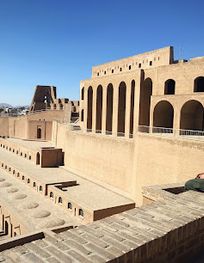
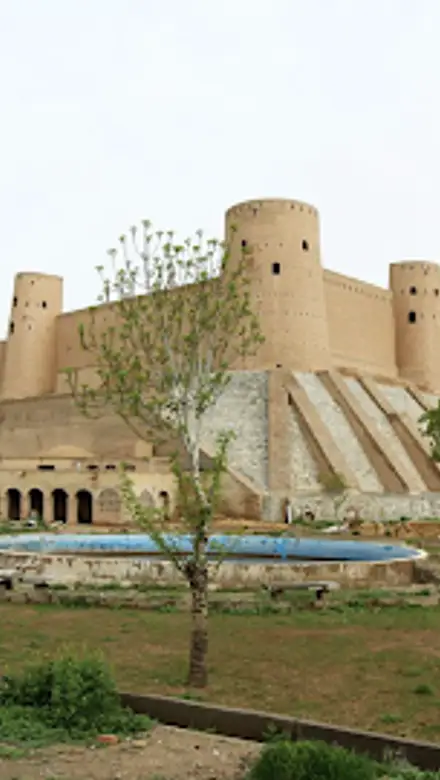
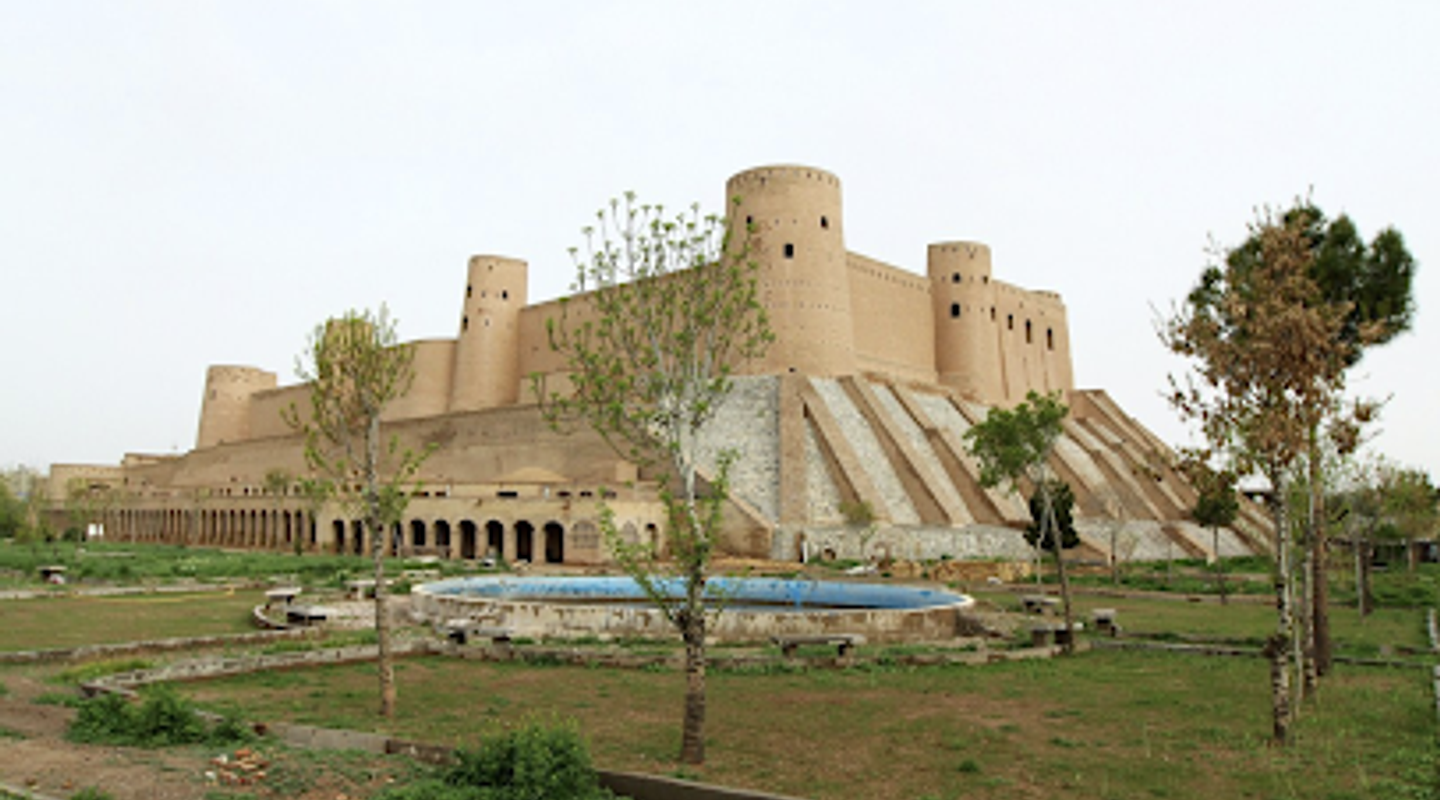
The Herat Citadel, also known as the Citadel of Alexander, is a historic fortress in the heart of Herat, Afghanistan. Believed to have been founded by Alexander the Great in 330 BC, it has been a silent witness to Afghanistan's turbulent past, serving as a seat of power, a military garrison, and even a prison [3, 4].
A brief summary to Herat Citadel
- 85WQ+753 قلعه اختیارالدین (ارگ تاریخی هرات)، جاده انصاری, Herat, Pay-e-Hesar, AF
- Click to display
- Monday 10 am-12 am
- Tuesday 10 am-12 am
- Wednesday 10 am-12 am
- Thursday 10 am-12 am
- Friday 12 am-12 am
- Saturday 10 am-4 am
- Sunday 10 am-12 am

Know before you go
Hi, I'm Eve. Here are a few practical things to know before exploring Herat Citadel.
- Check the current security situation and travel advisories before planning your visit, as conditions can change [5].
- The best times to visit are during spring (March to May) or fall (September to November) for pleasant weather [5, 12].
- Bargain with the guards for the entrance fee, as it may be possible to get a lower price or even free entry [7].
- Dress modestly to respect local customs and avoid unwanted attention [12].
Do you manage this location?
Take control to get all the benefits, like improved information, better appearance, and stronger visibility across AI-powered discovery. Learn more about listing your business on Evendo
Activate your presenceOther nearby places you may find interesting
The closest places of the same kind, if this one is not quite what you had in mind.
Explore Herat Citadel on the Map
A handpicked selection of must-see spots near Herat Citadel, mapped for you.
Getting There
-
Walking
The Herat Citadel is centrally located in Herat, making it accessible by walking from many points in the city [4, 8]. From the Friday Mosque (Masjid Jami), head north; the citadel is a prominent landmark [5, 9]. No costs are associated with walking.
-
Public Transport
Local buses and taxis are available in Herat [16]. From most locations in the city, you can take a local bus heading towards the city center and get off near the Citadel. Alternatively, a taxi can take you directly to the entrance. A short taxi ride within the city typically costs around 50-100 AFN [currency needed].
Discover more about Herat Citadel













Your all‑in‑one travel companion app
Explore expert travel guides, compare and book tours, experiences, hotels, and more—all from the palm of your hand. Download now for seamless trip planning wherever your wanderlust takes you.


Explore More of Logar

Looking beyond Herat Citadel? Discover Logar for broader travel guides, local hot-spots, and regional highlights.
Explore Logar