

Kunar, Afghanistan Travel Guide
Discover Kunar: A Land of Majestic Mountains, Flowing Rivers, and Rich Cultural Heritage in Eastern Afghanistan.
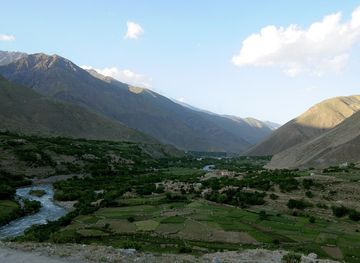
Nestled in the eastern part of Afghanistan, Kunar is a province filled with natural beauty and cultural richness. Known for its rugged mountains, lush valleys, and flowing rivers, Kunar offers a breathtaking landscape for tourists seeking adventure and tranquility. The province is home to the stunning Kunar River, which winds its way through verdant valleys and dramatic mountain gorges. This river is not only a lifeline for the local communities but also a picturesque spot for picnics and nature walks. The surrounding mountains, including the famous Hindu Kush range, provide excellent opportunities for trekking and mountaineering. Kunar is also steeped in history and culture. The region has been a crossroads of civilizations for centuries, with influences from Persian, Greek, and Islamic cultures. Visitors can explore ancient relics, traditional Afghan villages, and vibrant bazaars that showcase the local craftsmanship and way of life. The people of Kunar are known for their hospitality, making every visitor feel welcome and at home. Whether you are an adventure seeker, a history buff, or someone looking to experience Afghan culture, Kunar has something special to offer. Its untouched natural beauty and rich cultural heritage make it a must-visit destination for anyone exploring Afghanistan.

Know before you go
Hi, I'm Eve. Here are a few practical things to know before exploring Kunar.
- Plan your visit in spring or autumn to enjoy the best weather and scenic beauty.
- Hire a local guide to explore the hidden trails and learn about the history and culture of the area.
- Respect local customs and dress modestly, especially when visiting villages and religious sites.
- Try the local cuisine, including traditional Afghan dishes like kebabs and pilaf.
- Keep in mind that access to some areas may require special permits, so check in advance.
Destinations in Kunar
Resorts, valleys and scenic spots worth a trip of their own.

Explore Kunar: Things to Do, Places to Eat, Hotels & More
Handpicked recommendations for top attractions, local dining, accommodations, and more

Top Attractions & Sightseeing in Kunar


Best landmarks in Kunar
Top-rated picks
Best Landmarks

Babur Garden
Explore Kabul's Mughal heritage at Bagh-e Babur: a serene garden oasis with historic tombs, stunning architecture, and panoramic city views.

Nuristan National Park
Discover Afghanistan's hidden gem: Nuristan National Park offers dramatic landscapes, unique culture, and thrilling adventures in an untouched paradise.
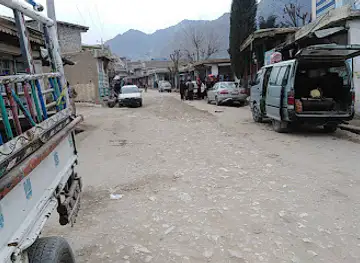
Nangalam Bazar
Experience the vibrant culture and resilient spirit of Afghanistan at Nangalam Bazar, a bustling marketplace in the heart of Nangalam.
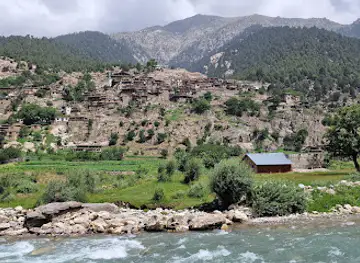
Shomash Hill
Discover panoramic views and serene landscapes at Shomash Hill, a hidden gem in Nuristan, Afghanistan, perfect for nature lovers and adventure seekers.

Best restaurants in Kunar
Top-rated picks
Best Restaurants

Salar Restaurant
Experience authentic Afghan flavors at Salar Restaurant in Jalalabad, where every dish tells a story.

Spogmai Restaurant سپوږمۍ هوټل او مېلمستون
Experience authentic Afghan flavors at Spogmai Restaurant in Asadabad - a culinary delight for every traveler.

Restaurant
Discover authentic Afghan cuisine in Parun at this charming restaurant known for its warm atmosphere and flavorful dishes.

Chief Burger Hostel & Restaurant
Experience delicious burgers and local Afghan cuisine at Chief Burger Hostel & Restaurant in Asadabad.

Best bars in Kunar
Top-rated picks
Best Bars

همایون ماما شیریخ
Experience the authentic taste of Afghan cuisine at همایون ماما شیریخ in Mosta'li, where every meal is a celebration of culture and flavor.

Habib Gulazar Company
Discover the lively atmosphere and local flavors at Habib Gulazar Company, a popular bar in Jalalabad, Afghanistan, perfect for relaxation and socializing.

Sutan, Dara-e-Noor
Experience the picturesque landscapes and rich cultural heritage of Sutan, Dara-e-Noor, a hidden gem in Afghanistan.

Spogmai Restaurant سپوږمۍ هوټل او مېلمستون
Savor authentic Afghan dishes in a warm and welcoming atmosphere at Spogmai Restaurant in Asadabad.

Best nightclubs in Kunar
Top-rated picks
Best Nightclubs

Habib Gulazar Company
Discover the vibrant nightlife at Habib Gulazar Company in Jalalabad, where local culture and socializing come together in a lively bar atmosphere.

Ziarat
Explore the vibrant nightlife and cultural beats at Ziarat, a premier night club in Afghanistan that promises unforgettable experiences.

کمیته مردمی کمیسیون برگزاری جشن استقلال
Explore the lively nightlife of Kabul at کمیته مردمی کمیسیون برگزاری جشن استقلال, where music, dance, and fun await.

Sports outlet سپورتي وسایلو پلورنځی
Discover the excitement of sports culture at سپورتي وسایلو پلورنځی, a vibrant sports bar in Asadabad, perfect for fans and tourists alike.

Best shops in Kunar
Top-rated picks
Best Shops

Amir Hassan
Explore Amir Hassan Supermarket in Asdabad for a rich selection of local delicacies, fresh produce, and a taste of Afghan culture.

Sajad safi
Explore the vibrant local culture of Bar Kanday at Sajad Safi Grocery Store, where traditional Afghan flavors come to life.

Farhad Tailors
Discover the art of Afghan tailoring at Farhad Tailors in Asadabad, where tradition meets modern style for a unique shopping experience.

Fawad pardis foods shop
Experience the authentic flavors of Afghanistan at Fawad Pardis Foods Shop in Asadabad, a local gem with a welcoming atmosphere and quality products.

Explore Kunar on the Map
A handpicked selection of must-see spots in Kunar, mapped for you.
Kunar Essentials
-
Kunar is located in the eastern part of Afghanistan. The nearest international airport is Hamid Karzai International Airport in Kabul, which is approximately 200 kilometers away. From Kabul, you can travel to Kunar by road. There are bus services and private taxi options available, although the journey can take 4 to 6 hours depending on the road conditions and security checkpoints. Domestic flights to Jalalabad, which is closer to Kunar, are also an option, followed by a road trip of around 2 to 3 hours.
-
Within Kunar, transportation options include shared taxis, private taxis, and buses. Shared taxis are a common and cost-effective way to get around, but they can be crowded. Private taxis offer more comfort and can be hired for the day. Buses operate between major towns and villages, but schedules may be irregular. Renting a car with a driver is also an option, especially if you plan to explore remote areas.
-
The official currency in Afghanistan is the Afghan Afghani (AFN). While some larger hotels and businesses in Kunar may accept credit cards, cash is the preferred method of payment, especially in smaller establishments and rural areas. ATMs are available in major towns, but it is advisable to carry sufficient cash for your needs, as ATM reliability can vary. Exchanging money at licensed exchange offices is recommended.
-
Kunar has areas with security concerns, and it is important to stay informed about the current situation. Some areas may have a higher risk of crime or insurgent activity targeting tourists. It is advisable to travel with a local guide and avoid venturing out at night. Always check travel advisories from your home country and follow local advice. Stay vigilant, keep a low profile, and avoid discussing sensitive topics in public.
-
In case of emergency, dial the local emergency numbers: 119 for police and 102 for medical emergencies. It is advisable to have travel insurance that covers medical emergencies and evacuation. Local hospitals and clinics may have limited resources, so having access to a reliable healthcare provider is crucial. For non-emergency medical needs, pharmacies are available in major towns. It is also beneficial to have a local contact who can assist in navigating emergency situations.
-
Fashion: Do dress modestly, covering your shoulders and knees. Avoid wearing revealing clothing. Religion: Do respect local customs and traditions. Always ask for permission before entering mosques and remove your shoes. Public Transport: Do be respectful and observe local etiquette. Don’t eat or drink on public transport. Greetings: Do greet people with a handshake if offered, but wait for the other person to initiate. Eating & Drinking: Do try local food and accept hospitality graciously. Don’t refuse food or drink, as it is considered impolite.
-
To experience Kunar like a local, visit the bustling bazaars where you can find traditional Afghan goods and fresh produce. Engage with locals, who are often hospitable and willing to share stories about their culture and history. Don’t miss visiting historical sites such as the Asmar citadel and various ancient forts. Hiking in the picturesque Pech Valley offers stunning natural beauty and a glimpse into local life. Always travel with a local guide to enhance your experience and ensure safety.
When is the best time to visit Kunar?
Useful Local Phrases for Kunar
You don't need to speak the language perfectly. Even learning a few simple words can make conversations warmer—and locals usually appreciate the effort.
— Eve

Here are the phrases I use most often in Kunar. Try a few—you'll be surprised how far they go! 😊
❤️
-
- Helloسلام
[Salam] - Goodbyeخدای پامان
[Khoday Paman] - Yesهو
[Ha] - Noنه
[Na] - Please/You're welcomeمهرباني
[Mehrbani] - Thank youمننه
[Manana] - Excuse me/Sorryبښنه
[Bakhshna] - How are you?تاسو څنګه ياست؟
[Taso Tsenga Yast?] - Fine. And you?خير. ته څنګه يې؟
[Kher. Ta Tsenga Ye?] - Do you speak English?تاسو انګلیسي خبرې کوئ؟
[Taso Angrizi Khwbarey Kawi?] - I don't understandزه نه پوهیږم
[Za Na Pohiğam]
- Helloسلام
-
- I'd like to see the menu, pleaseزه غواړم چې مینو وګورم، مهرباني
[Za Ghararam Che Menu Wogoram, Mehrbani] - I don't eat meatزه غوښه نه خورم
[Za Ghoshta Na Khuram] - Cheers!پخير
[Pakhir] - I would like to pay, pleaseزه غواړم چې پیسې ورکړم، مهرباني
[Za Ghararam Che Pese Warkram, Mehrbani]
- I'd like to see the menu, pleaseزه غواړم چې مینو وګورم، مهرباني
-
- Help!کمک!
[Komak!] - Go away!لیرې شه!
[Lere She!] - Call the Police!پولیس ته زنګ ووهئ!
[Police Ta Zang Wawa!] - Call a doctor!ډاکټر ته زنګ ووهئ!
[Doktor Ta Zang Wawa!] - I'm lostزه لادرکه یم
[Za Ladraka Yam] - I'm illزه ناروغ یم
[Za Narogh Yam]
- Help!کمک!
-
- I'd like to buy...زه غواړم چې ... واخلم
[Za Ghararam Che ... Wakhulam] - I'm just lookingزه يوازې ګورم
[Za Yawaze Goram] - How much is it?دا څو پیسې دی؟
[Da Tsou Pese De?] - That's too expensiveدا ډېر ګران دی
[Da Der Gran De] - Can you lower the price?تاسو قیمت راکم کولی شئ؟
[Taso Qeemat Rakham Koli She?]
- I'd like to buy...زه غواړم چې ... واخلم
-
- What time is it?دا څو بجې دي؟
[Da Tsou Baje De?] - It's one o'clockدا یو بجې دي
[Da Yu Baje De] - Half past (10)د (۱۰) نیمه
[Da (10) Nima] - Morningسهار
[Sahar] - Afternoonماسپښين
[Maspehīn] - Eveningماښام
[Makhsham] - Yesterdayپرته
[Porte] - Todayنن
[Nan] - Tomorrowسبا
[Saba] - 1یوه
[Yawa] - 2دوې
[Dowe] - 3درې
[Dre] - 4څلور
[Tsalo] - 5پینځه
[Pinza] - 6شپږ
[Shpag] - 7اووه
[Awah] - 8اته
[Ata] - 9نوې
[Nowe] - 10لس
[Las]
- What time is it?دا څو بجې دي؟
-
- Where's a/the...?چېرته ... شته؟
[Cherhta ... Shte?] - What's the address?پته څه ده؟
[Patha Tsah De?] - Can you show me (on the map)?تاسو کولی شئ چې ما ته وښایئ (پر نقشه)?
[Taso Koli She Che Ma Ta Wakhai (Par Naqsha)?] - When's the next (bus)?بله (بس) کله ده؟
[Bala (Bus) Kala De?] - A ticket (to ....)یو ټکټ (ته ....)
[Yu Ticket (Ta ....)]
- Where's a/the...?چېرته ... شته؟
History of Kunar
-
Kunar, situated in the eastern part of Afghanistan, has a rich history dating back to ancient times. The region has been inhabited for thousands of years, with archaeological findings indicating the presence of early human settlements. These ancient communities developed along the banks of the Kunar River, taking advantage of the fertile lands and abundant natural resources.
-
In the 4th century BCE, Alexander the Great’s military campaign brought him to Kunar. The region’s rugged terrain posed significant challenges for his troops, yet it was strategically important. The encounters between Alexander’s forces and the local tribes were marked by fierce resistance, illustrating the indomitable spirit of Kunar’s inhabitants. This period left a lasting impact on the cultural and historical landscape of the region.
-
Kunar was once part of the Gandhara civilization, a major center of Buddhist learning and culture. From the 1st century BCE to the 7th century CE, the region flourished with Buddhist monasteries, stupas, and art. The remnants of this era can still be seen in the form of ancient Buddhist ruins and artifacts, which highlight the region's significance in the spread of Buddhism across Central and South Asia.
-
During the 10th and 11th centuries, the Islamic conquests reached Kunar, leading to the spread of Islam and integration into the Ghaznavid Empire. This period saw the construction of mosques and madrasas, and the region became a part of the Islamic world. The Ghaznavid influence brought new cultural and architectural developments, blending local traditions with Islamic art and learning.
-
In the 16th century, Kunar fell under the control of the Mughal Empire. The Mughals established administrative centers and fortifications in the region, contributing to its political and economic stability. The Mughal period also saw the introduction of new agricultural practices and trade routes, enhancing the region’s prosperity. Kunar’s historical sites from the Mughal era reflect the architectural grandeur and cultural richness of the time.
-
The 19th century saw Kunar become a significant battleground during the British-Afghan Wars. The region’s strategic position made it a focal point of conflict between British forces and Afghan tribal fighters. The rugged terrain and determined resistance of the local population played a crucial role in the outcomes of these wars. Historical accounts from this period highlight the bravery and resilience of Kunar’s inhabitants.
-
In the late 20th century, Kunar was heavily impacted by the Soviet invasion of Afghanistan. The region became a hotspot for Mujahideen resistance against Soviet forces. The mountainous terrain provided a natural stronghold for guerilla warfare, and Kunar’s valleys and passes saw intense battles. This period left deep scars but also highlighted the enduring spirit of resistance and survival among the local population.
-
Since the U.S.-led invasion of Afghanistan in 2001, Kunar has continued to experience conflict and instability. The region’s strategic location has made it a focal point in the ongoing struggle between Afghan government forces, international troops, and insurgent groups. Despite these challenges, the people of Kunar have shown remarkable resilience and adaptability, striving to preserve their cultural heritage and rebuild their communities amid adversity.
Neighbouring Regions of Kunar
The closest regions to Kunar, if you have time for more than one.


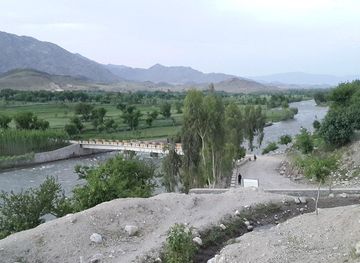
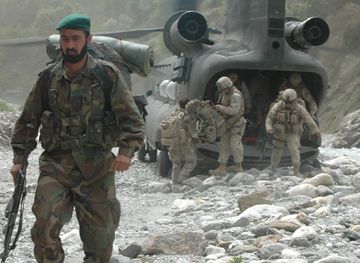

Your all‑in‑one travel companion app
Explore expert travel guides, compare and book tours, experiences, hotels, and more—all from the palm of your hand. Download now for seamless trip planning wherever your wanderlust takes you.


Explore More of Afghanistan

Looking beyond Kunar? Discover Afghanistan for broader travel guides, local hot-spots, and regional highlights.
Explore AfghanistanKunar in Photos
Browse through our photo collection highlighting the charm and character of the destination.


Kunar: The Hidden Gem of Afghanistan
Nestled in the eastern part of Afghanistan, Kunar is a province filled with natural beauty and cultural richness. Known for its rugged mountains, lush valleys, and flowing rivers, Kunar offers a breathtaking landscape for tourists seeking adventure and tranquility. The province is home to the stunning Kunar River, which winds its way through verdant valleys and dramatic mountain gorges. This river is not only a lifeline for the local communities but also a picturesque spot for picnics and nature walks. The surrounding mountains, including the famous Hindu Kush range, provide excellent opportunities for trekking and mountaineering. Kunar is also steeped in history and culture. The region has been a crossroads of civilizations for centuries, with influences from Persian, Greek, and Islamic cultures. Visitors can explore ancient relics, traditional Afghan villages, and vibrant bazaars that showcase the local craftsmanship and way of life. The people of Kunar are known for their hospitality, making every visitor feel welcome and at home. Whether you are an adventure seeker, a history buff, or someone looking to experience Afghan culture, Kunar has something special to offer. Its untouched natural beauty and rich cultural heritage make it a must-visit destination for anyone exploring Afghanistan.