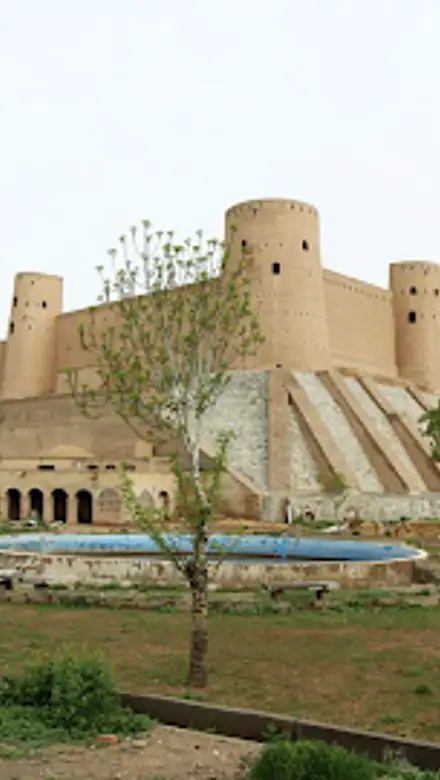
Herat Citadel Travel Guide
Free Guide: Explore the ancient Herat Citadel, a majestic fortress with roots tracing back to Alexander the Great, offering panoramic views of Herat.


A brief summary of Herat Citadel
Explore the ancient Herat Citadel, a majestic fortress with roots tracing back to Alexander the Great, offering panoramic views of Herat.
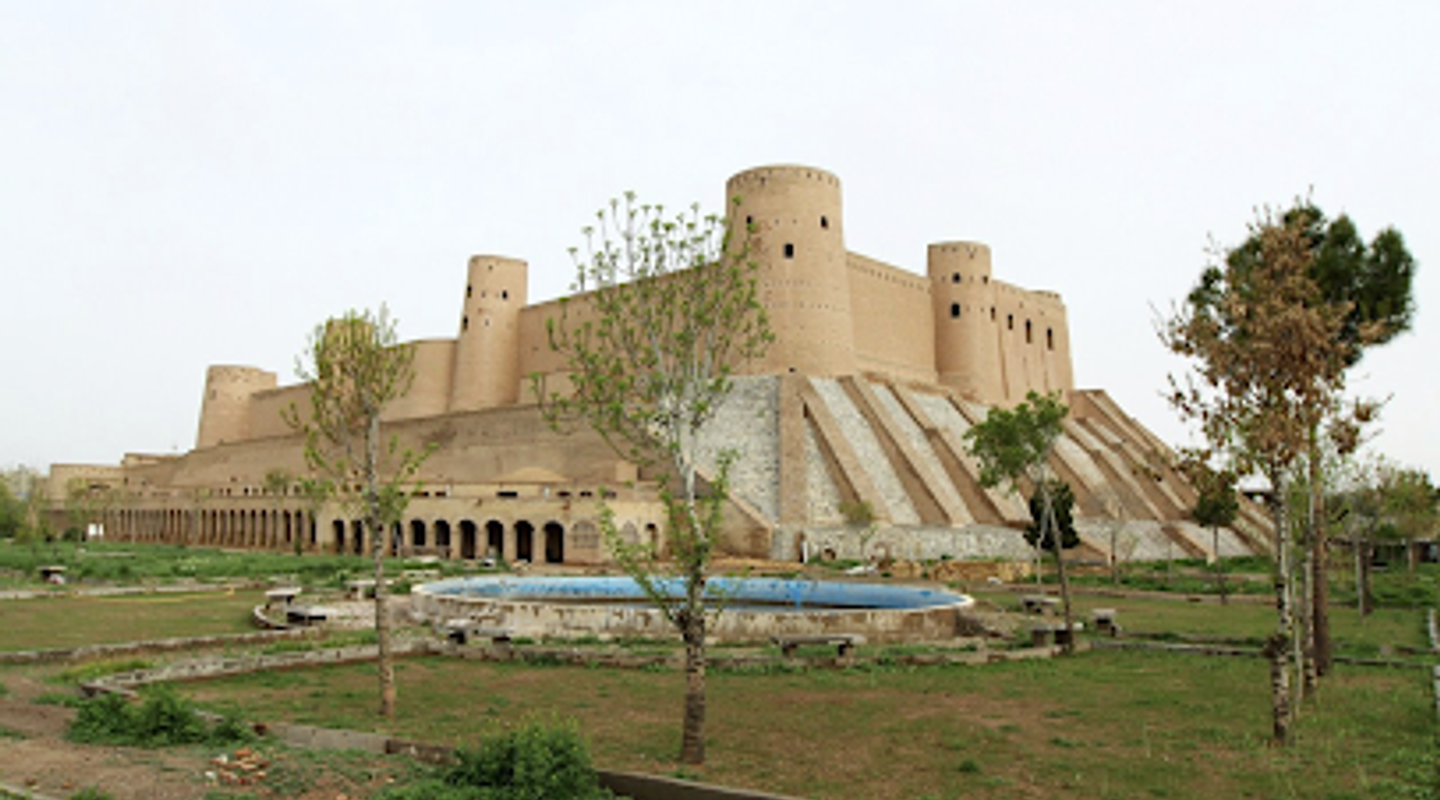
The Herat Citadel, also known as Qala Ikhtyaruddin, is a historic fortress in the heart of Herat, Afghanistan, dating back to 330 BC. Built by Alexander the Great, it has been renovated by various rulers, serving as a strategic military site and royal residence, and is now a major tourist attraction [5, 7, 11].
Opening hours
- Mon10 am–12 am
- Tue10 am–12 am
- Wed10 am–12 am
- Thu10 am–12 am
- FriOpen 24 hours
- Sat10 am–4 am
- Sun10 am–12 am
Opening hours as listed on the venue’s Google Business Profile. Hours can change for services and special events, so check with the venue before you go.
- Address
- 85WQ+753 قلعه اختیارالدین (ارگ تاریخی هرات)، جاده انصاری, Herat, Afghanistan
- Phone
Getting there
Walking
Taxi/Ride-Share
Discover more about Herat Citadel
Overview
Towering over Herat's Old City, the Herat Citadel has been a silent witness to the city's triumphs and tribulations for centuries [2]. Believed to stand on the foundations of a fort built by Alexander the Great around 330 BC, it is considered Herat's oldest structure [2, 5, 7, 8]. Throughout its history, the citadel has functioned as a seat of power, a military garrison, and even a prison [2].The present structure largely owes its form to Shah Rukh, who rebuilt it in 1415 after Timur's destruction [2, 4, 8]. The citadel's exterior once boasted a monumental Kufic script proclaiming its grandeur, though sadly, only a fragment remains on the northwest wall, known as the 'Timurid Tower' [2]. Repeated conquests led to pillaging, with locals repurposing roof beams and bricks [2]. In 1953, an order for complete demolition was thankfully halted by King Zahir Shah [2].Today, visitors enter through a modern western entrance, leading to the upper enclosure [2, 8]. Ongoing archaeological excavations occur in the main courtyard [2, 8, 12]. A small hammam features damaged but beautifully painted walls depicting flowers and peacocks [2, 8]. The main attraction is the massive curtain wall, offering panoramic views of Herat, including Chahar Su bazaar and the Musalla Complex minarets [2, 12]. The citadel stands as a symbol of the enduring spirit of the Afghan people, blending Persian, Greek, and Islamic architectural styles [8].
Evendo Review Centre
 Google
Guest reviews
Explore Herat Citadel on the map
A handpicked selection of must-see spots near Herat Citadel, mapped for you.
Get your free copy of our complete guide to Herat Citadel, delivered straight to you.
Everything on this page, from opening hours and how to get there to Eve’s tips and the best time to go, in one PDF you can read offline, print or share.
Already have an account? Sign in
Your Herat Citadel guide is ready.
We'll send it to · Not you? Sign out

Getting your guide ready…
We are putting together a fresh copy of the Herat Citadel guide. This can take up to a minute.
This can take a few moments. If your browser asks, choose Allow so the download can start. You'll find the guide in your Downloads folder.
Nothing happened? Download it again
Sorry, the guide is taking longer than usual. Please try again in a minute, or get it by email instead.
Other nearby places you may find interesting
The closest places of the same kind, if this one is not quite what you had in mind.
-
-
-
-
-


Swipe for more places
More to explore near Herat Citadel

 Best experiences near Herat Citadel
 Best hotels near Herat Citadel
 Best landmarks near Herat Citadel
 Best attractions near Herat Citadel
 Best shops near Herat Citadel
 Best restaurants near Herat Citadel
 Best bars near Herat Citadel
Do you manage this location?
Take control to get all the benefits, like improved information, better appearance, and stronger visibility across AI-powered discovery.
Explore more
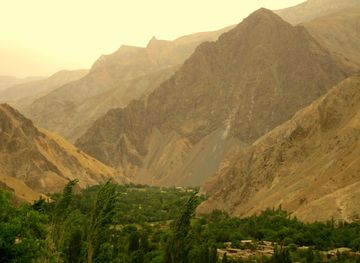
Explore more of Sar-e Pol
Discover Sar-e Pol, Afghanistan's hidden gem, offering a captivating blend of natural beauty, historical sites, and authentic Afghan culture.
Explore Sar-e Pol
Explore more of Afghanistan
Discover Afghanistan's rich history, stunning landscapes, and diverse cultures. From ancient cities to breathtaking nature, this Central Asian gem offers a unique travel experience.
Explore Afghanistan