

Free Sar-e Pol Travel Guide & Mobile App
Explore Sar-e Pol with free travel guides. Discover regional history, expert tips, proposed trips, and audio guides on web or mobile app.


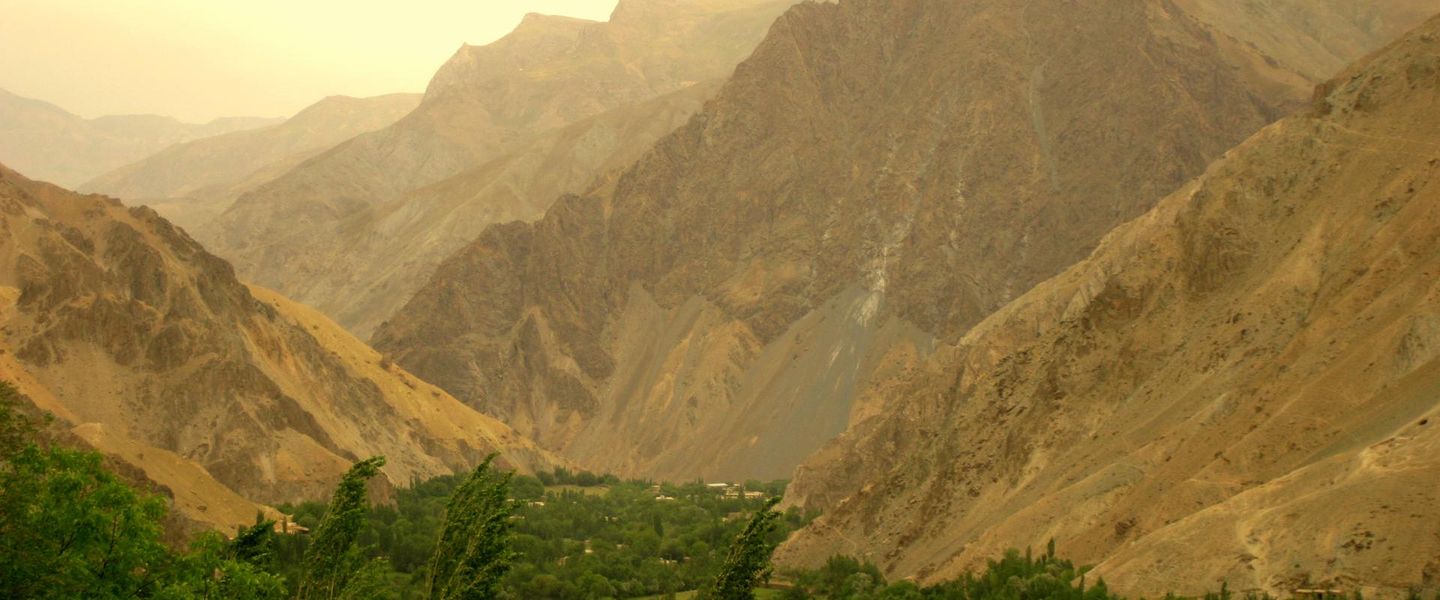

Sar-e Pol combines northern Afghan valleys, dry mountain landscapes and rural heritage, but severe security conditions make travel unsuitable for visitors.
Read more about Sar-e Pol
When is the best time to visit Sar-e Pol?
Best: May, September–October · 20–28°C| Month | High (°C) | Rainfall (mm) |
|---|---|---|
| January | 8 | 35 |
| February | 10 | 32 |
| March | 16 | 44 |
| April | 21 | 46 |
| May (best) | 27 | 23 |
| June | 32 | 5 |
| July | 35 | 2 |
| August | 34 | 1 |
| September (best) | 28 | 2 |
| October (best) | 20 | 3 |
| November | 13 | 12 |
| December | 8 | 23 |
Getting to and around Sar-e Pol
How to get there
Transportation
Best attractions in Sar-e Pol
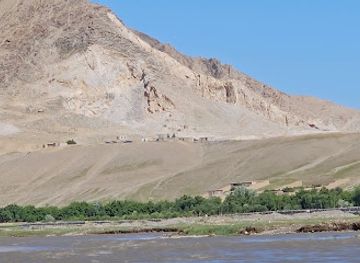
Sar-e Pol does not have a developed tourist attraction network, and its principal points of interest are landscapes and communities rather than established visitor sites. The dry plains around the provincial capital lead towards rugged hills, while the Balkhab valley provides some of the province’s most distinctive scenery, combining irrigated cultivation, river corridors and mountain slopes. Rural landscapes around Sayad and other districts illustrate the relationship between farming, livestock and seasonal water. The province’s historic interest lies in its position within northern Afghanistan’s network of valleys and routes linking Central Asian lowlands with the Hindu Kush. Qashqari and nearby energy fields are significant for understanding contemporary resource development, though industrial areas are not tourist attractions and may be restricted. Bazaars, agricultural settlements and religious buildings offer cultural context only when access is formally permitted and photography is acceptable. Because of insecurity, unexploded ordnance, poor roads and limited facilities, hiking, archaeological exploration and independent visits to rural areas are unsuitable for ordinary travellers. Sar-e Pol is therefore better approached as a subject for specialist research, remote study or carefully authorised professional work than as a conventional sightseeing destination.
-
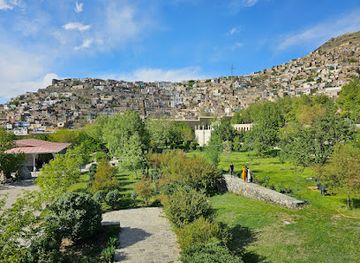
Pul-Saiad Mahmude Raqi
Escape to the serene beauty of Pul-Saiad Mahmude Raqi, a perfect picnic spot near Kabul offering tranquility and stunning landscapes.
-
Band-e Sabz
Discover the breathtaking beauty of Band-e Sabz, a majestic mountain peak in Afghanistan, perfect for nature lovers and adventurers seeking tranquility.
-
 Ravine
Darah-ye Palangi
Discover Darah-ye Palangi, a breathtaking ravine in Afghanistan offering stunning landscapes and a unique travel experience.
-
Mountain peak
Koh-e Bel-e Parandaz
Discover Koh-e Bel-e Parandaz, Afghanistan: a haven for adventure, nature, and cultural experiences in the heart of the Hindu Kush.
Best landmarks in Sar-e Pol
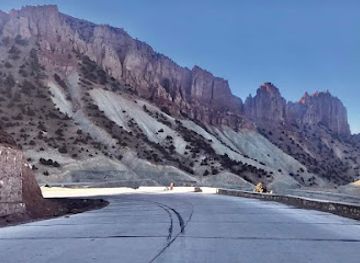
Sar-e Pol’s most meaningful landmarks are associated with its provincial capital, river valleys and working landscapes rather than with a concentration of monumental architecture. The city of Sar-e Pol functions as the province’s administrative and commercial centre, with its bazaar, public buildings and religious structures expressing the practical character of a northern Afghan provincial town. The Balkhab valley is a geographical landmark, where a cultivated river corridor contrasts with surrounding dry hills and demonstrates the importance of irrigation in sustaining settlement. The broader mountain horizons towards central Afghanistan provide a defining visual setting, while Qashqari’s oil-producing landscape represents a modern resource frontier. Religious buildings and local shrines may be important to residents, but their names, access arrangements and photographic rules should be confirmed locally rather than assumed from older travel material. There is no basis for presenting unverified archaeological ruins or inaccessible government and industrial facilities as tourist landmarks. Security restrictions, poor roads and the risk of unexploded ordnance mean that these places should be approached only through authorised, locally supported travel.
-
Historical place
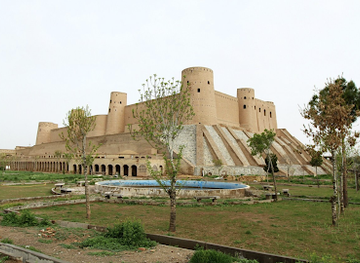
Herat Citadel
Explore the ancient Herat Citadel, a majestic fortress with roots tracing back to Alexander the Great, offering panoramic views of Herat.
-
Park
Babur Garden
Explore Kabul's serene Babur Garden, the final resting place of the Mughal emperor and a testament to Afghan history and beauty.
-
Mosque
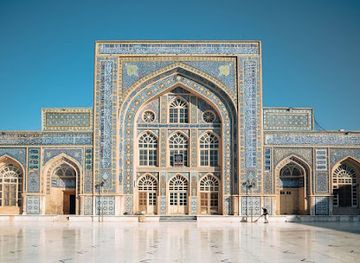
Herat Central Blue Mosque
Discover the mesmerizing Herat Central Blue Mosque, a stunning example of Islamic architecture and a symbol of Afghan resilience in Herat, Afghanistan.
-
National park
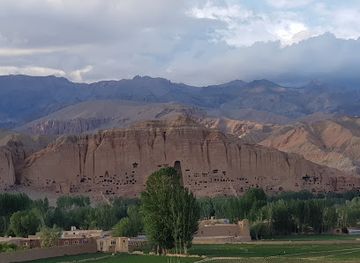
Band-e-Amir National Park
Experience the breathtaking beauty of Afghanistan's first national park, with its stunning turquoise lakes and dramatic mountain scenery.
Explore Sar-e Pol on the map
Plan your trip on one map. See where the top cities, national parks and sights are, and book hotels and experiences in a few clicks.
Best hotels in Sar-e Pol
Best restaurants in Sar-e Pol
Sar-e Pol has no established international dining scene, and food is generally served through family homes, local cafés, small eateries and market-based businesses rather than destination restaurants. Meals in the province reflect northern Afghan cooking, with rice, flatbreads, legumes, vegetables, yoghurt, meat and seasonal fruit forming the basis of everyday cuisine. Rural households may draw on locally grown wheat, grapes, melons and other produce where irrigation permits, while tea is an important part of hospitality and social exchange. Pilau-style rice dishes, dumplings, soups and grilled or stewed meats may be encountered across Afghanistan, but recipes and presentation vary by household and community. Visitors undertaking authorised professional travel should not expect consistent refrigeration, special diets, card payment or dependable supplies outside the provincial capital. Food and drinking water should be arranged with experienced local partners, particularly when travelling into remote districts. Alcohol is prohibited, and respectful acceptance or polite refusal of offered food and tea is preferable to making comparisons with familiar dining customs.
-
Restaurant
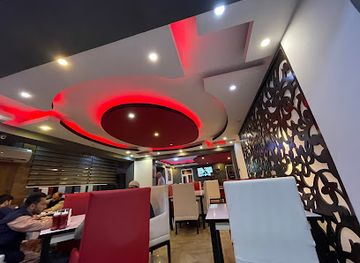
Mr.cook fast food
Savor delicious fast food delights at Mr. Cook Fast Food in Kabul—an inviting spot for locals and tourists alike.
-
Afghani
Sufi Mahal Restaurant ( رستورانت صوفی محل )
Experience authentic Afghan flavors at Sufi Mahal Restaurant in Kabul - where tradition meets taste.
-
Afghani
Herat Restaurant
Discover the authentic taste of Afghanistan at Herat Restaurant in Kabul – where tradition meets flavor in every dish.
-
Restaurant
Silk Road Hotel Restaurant
Experience authentic Asian and Japanese cuisine at Bamyan's scenic Silk Road Hotel Restaurant, where culture meets culinary excellence.

Best bars in Sar-e Pol
Sar-e Pol has no conventional bar, nightclub or international nightlife scene. Alcohol is prohibited in Afghanistan, and evening social life generally centres on family gatherings, tea, religious and community settings, and small local eateries or bazaars that operate according to local conditions. In the provincial capital, cafés and tea rooms may provide modest meeting places, but opening arrangements, gender access, security and access to electricity can vary. Rural districts are quieter still, with movement often constrained after dark by insecurity, poor roads and local expectations. Visitors should not seek nightlife as an independent activity or photograph social gatherings without permission. For authorised professional travellers, evenings are best used for secure accommodation, communications checks and next-day planning rather than for unaccompanied movement. Any public behaviour should be conservative and guided by trusted local advisers.
-
Le Bistro
Discover the flavors of Afghanistan at Le Bistro, a culinary haven in Kabul offering a delightful fusion of local and international dishes.
-
Restaurant
دوستان رستورانت و مزار شیریخ
Enjoy authentic Afghan cuisine at دوستان رستورانت و مزار شیریخ in Sheberghan, where delicious flavors and warm hospitality await every visitor.
-
Restaurant
حمام حاجي مير احمد
Discover the tranquil charm of Hamam Haji Mir Ahmad, a unique bar in Kabul offering a blend of tradition and modern relaxation.
-
Restaurant
انبیر سوپر مارکیت
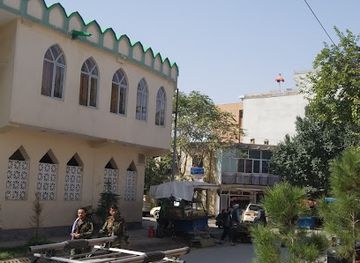
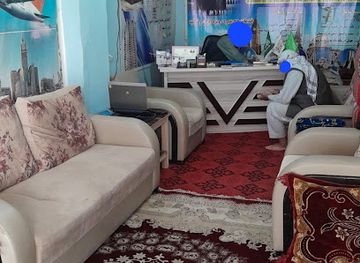
Experience the local flavors and vibrant culture at انبیر سوپر مارکیت in Sar-e Pol, a must-visit supermarket for every traveler.
Best nightclubs in Sar-e Pol
Sar-e Pol has no conventional bar, nightclub or international nightlife scene. Alcohol is prohibited in Afghanistan, and evening social life generally centres on family gatherings, tea, religious and community settings, and small local eateries or bazaars that operate according to local conditions. In the provincial capital, cafés and tea rooms may provide modest meeting places, but opening arrangements, gender access, security and access to electricity can vary. Rural districts are quieter still, with movement often constrained after dark by insecurity, poor roads and local expectations. Visitors should not seek nightlife as an independent activity or photograph social gatherings without permission. For authorised professional travellers, evenings are best used for secure accommodation, communications checks and next-day planning rather than for unaccompanied movement. Any public behaviour should be conservative and guided by trusted local advisers.
-
Night club
حمام حاجي مير احمد
Hamam Hajji Mir Ahmad: A cozy bar in Kabul offering local drinks and a taste of Afghan hospitality amidst traditional decor.
-
Night club
Ziarat
Experience Ziarat: The vibrant nightlife gem of Pitav, Afghanistan, blending local culture with modern entertainment.
-
Sports club
iCue Snooker & Cafe
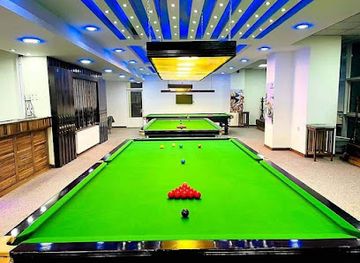
Experience the thrill of snooker and the joy of camaraderie at iCue Snooker & Cafe, Kabul's leading sports club and social venue.
-
Asian
Abrisham Restaurant
Experience the flavors of Asia at Abrisham Restaurant, a culinary delight in the heart of Kabul, Afghanistan.

Best shops in Sar-e Pol
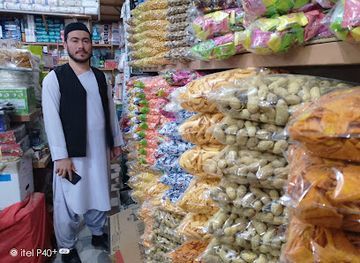
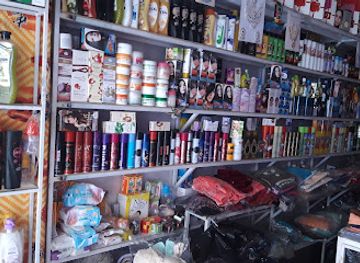
Shopping in Sar-e Pol is primarily practical and local, centred on the provincial bazaar, small food shops, roadside traders and periodic market activity rather than on dedicated tourist retail. Visitors may encounter rice, dried fruit, nuts, tea, textiles, household goods, traditional clothing and locally produced agricultural goods, with selection varying according to season and supply routes. Items associated with northern Afghan craft traditions may be available through local contacts, but authenticity, provenance and legal export should be checked carefully before purchase. There is no dependable luxury-shopping sector or established souvenir industry, and card payment should not be expected. Bargaining may occur in informal markets, but it should be conducted courteously and without turning ordinary local trade into a spectacle. Do not buy antiquities, archaeological objects, weapons, protected wildlife products or items whose export status is unclear. For essential professional travel, prioritise supplies, medicines, batteries and communications equipment over souvenirs, since reliable retail access may diminish sharply outside Sar-e Pol city.
-
Supermarket
تمیم سوپرمارکیتTamim supermarket
Discover the essence of Afghan cuisine at Tamim Supermarket in Sar-e Pol, your go-to destination for local and international products.
-
Market
مرکز تجارتی سخی ظاهرزاده / Sakhi Zahir Zada Business Center
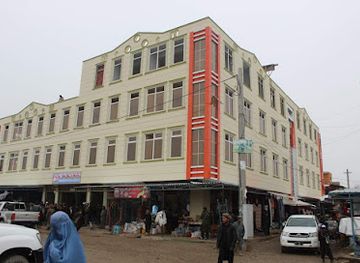
Discover the lively Sakhi Zahir Zada Business Center in Sar-e Pol, Afghanistan, where local culture and commerce thrive.
-
Computer store
ENAMULLAH MOMO AGENT
Explore the latest tech at Enamullah Momo Agent, Sar-e Pol's leading computer store known for exceptional service and diverse offerings.
-
Clothing store
Rahmani market
Experience the essence of Afghan culture at Rahmani Market, where vibrant clothing and local craftsmanship meet.
Get your free copy of our complete guide to Sar-e Pol, delivered straight to you.
Everything on this page, from attractions and restaurants to essentials and local phrases, in one PDF you can read offline, print or share.
Already have an account? Sign in
Your Sar-e Pol guide is ready.
We'll send it to · Not you? Sign out

Getting your guide ready…
We are putting together a fresh copy of the Sar-e Pol guide. This can take up to a minute.
This can take a few moments. If your browser asks, choose Allow so the download can start. You'll find the guide in your Downloads folder.
Nothing happened? Download it again
Sorry, the guide is taking longer than usual. Please try again in a minute, or get it by email instead.
Sar-e Pol essentials
Currency and Payment
Safety
Emergency Situations
Do's and Don'ts
Local Tips
From Eve
Local phrases worth knowing
You don't need to get them perfect. A few words go a long way, and locals appreciate the effort.
Basics
| English | Local | Say it |
|---|---|---|
| Hello | سلام | [Salam] |
| Goodbye | خداحافظ | [Khuda hafiz] |
| Yes | بله | [Bale] |
| No | نه | [Na] |
| Please/You're welcome | لطفا/خواهش میکنم | [Lotfan/Khaahesh mikonam] |
| Thank you | تشکر | [Tashakur] |
| Excuse me/Sorry | ببخشید | [Bebakhshid] |
| How are you? | چطوری؟ | [Chetori?] |
| Fine. And you? | خوبم. شما چطورید؟ | [Khobam. Shoma chetorid?] |
| Do you speak English? | آیا انگلیسی صحبت میکنید؟ | [Aya Englisi sohbat mikonid?] |
| I don't understand | من نمیفهمم | [Man nemifahmam] |
Eating & Drinking
| English | Local | Say it |
|---|---|---|
| I'd like to see the menu, please | لطفا منوی غذا را ببینم | [Lotfan menuye ghaza ra bebinam] |
| I don't eat meat | من گوشت نمیخورم | [Man gusht nemikhoram] |
| Cheers! | به سلامتی! | [Be salamati!] |
| I would like to pay, please | لطفا میخواهم پرداخت کنم | [Lotfan mikhahham pardakht konam] |
Emergencies
| English | Local | Say it |
|---|---|---|
| Help! | کمک! | [Komak!] |
| Go away! | برو کنار! | [Boro kenar!] |
| Call the Police! | پلیس را صدا کنید! | [Polis ra seda konid!] |
| Call a doctor! | دکتر را صدا کنید! | [Doktor ra seda konid!] |
| I'm lost | گم شدم | [Gom shodam] |
| I'm ill | من بیمارم | [Man bimaram] |
Shopping
| English | Local | Say it |
|---|---|---|
| I'd like to buy... | میخواهم بخرم... | [Mikhahham bekharam...] |
| I'm just looking | فقط نگاه میکنم | [Faghat negah mikonam] |
| How much is it? | قیمتش چقدر است؟ | [Gheymatesh chقدر ast?] |
| That's too expensive | خیلی گران است | [Kheli geran ast] |
| Can you lower the price? | آیا میتوانید قیمت را پایین بیاورید؟ | [Aya mitavanid gheymat ra paein biavarid?] |
Time & Numbers
| English | Local | Say it |
|---|---|---|
| What time is it? | ساعت چند است؟ | [Saat chand ast?] |
| It's one o'clock | ساعت یک است | [Saat yek ast] |
| Half past (10) | نیم ساعت (۱۰) | [Nim saat (10)] |
| Morning | صبح | [Sob] |
| Afternoon | بعد از ظهر | [Bad az zohr] |
| Evening | عصر | [Asr] |
| Yesterday | دیروز | [Dirooz] |
| Today | امروز | [Emrooz] |
| Tomorrow | فردا | [Farda] |
| 1 | ۱ | [1] |
| 2 | ۲ | [2] |
| 3 | ۳ | [3] |
| 4 | ۴ | [4] |
| 5 | ۵ | [5] |
| 6 | ۶ | [6] |
| 7 | ۷ | [7] |
| 8 | ۸ | [8] |
| 9 | ۹ | [9] |
| 10 | ۱۰ | [10] |
Transport & Directions
| English | Local | Say it |
|---|---|---|
| Where's a/the...? | کجا است ...؟ | [Koja ast ...?] |
| What's the address? | آدرس چیست؟ | [Adres chist?] |
| Can you show me (on the map)? | میتوانید به من نشان دهید (روی نقشه)؟ | [Mitavanid be man neshan dahid (ruye naqsha)?] |
| When's the next (bus)? | کی اتوبوس بعدی میآید؟ | [Ki otobus ba'di miayad?] |
| A ticket (to ....) | یک بلیط (به ...) | [Yek belit (be ...)] |
History of Sar-e Pol
Ancient Northern Afghan Crossroads
The territory of present-day Sar-e Pol formed part of the wider cultural zone of northern Afghanistan, where routes connected Central Asia with the valleys leading towards the Iranian plateau and the Hindu Kush. Long before modern provincial boundaries, communities combined farming in irrigated valleys with pastoral movement across the uplands. Archaeological knowledge of the province is less developed than that of better-known Afghan centres, but its geography places it within a region shaped by successive Iranian, Central Asian and Indian cultural influences.
Kushan and Late Antique Influences
During the centuries when Kushan power and later Iranian and Central Asian states influenced northern Afghanistan, the region participated in networks of trade, agriculture and religious exchange. Buddhism, Zoroastrian traditions and local practices coexisted across the broader north, although surviving evidence is uneven and many sites remain insufficiently documented. Sar-e Pol’s valleys were connected to these wider movements rather than functioning as an isolated frontier.
Islamisation and Medieval State Formation
From the early medieval period, Islam gradually became the principal religious tradition across northern Afghanistan. The region was affected by the rise and fall of Persianate and Turkic dynasties, including powers based in Khorasan and Transoxiana. Urban settlements, agricultural estates and routes through the valleys were repeatedly reorganised as political authority shifted. The religious and linguistic landscape visible in modern Sar-e Pol is part of this long process of interaction between Persian-speaking and Turkic-speaking communities.
Mongol, Timurid and Uzbek Successions
The Mongol conquests caused major disruption across Afghanistan and Central Asia, after which Timurid rulers restored important urban and commercial networks in parts of the region. In later centuries, northern Afghan districts were influenced by Uzbek khanates and other Central Asian powers. Control was often strongest in settled valleys and market centres, while mountain communities retained considerable local autonomy. These successive political traditions helped shape the province’s connections with Balkh, Jowzjan and the broader Oxus region.
Durrani and Afghan State Consolidation
The formation of the Durrani state in the eighteenth century began the development of a more recognisable Afghan political framework, though effective control over remote northern districts remained uneven. During the nineteenth and early twentieth centuries, Kabul’s rulers progressively incorporated northern territories through taxation, appointed officials and military administration. Population movements and administrative resettlement during this period contributed to the complex ethnic and linguistic composition of modern northern Afghanistan.
A Modern Province and Resource Frontier
Sar-e Pol became a distinct province within Afghanistan’s modern administrative system, with the city of Sar-e Pol serving as its capital. In the late twentieth and early twenty-first centuries, the province was affected by war, shifting armed control, displacement and weak infrastructure. Hydrocarbon exploration around Qashqari and other northern fields renewed attention to its natural resources, while insecurity and limited investment continued to restrict development. Today, agriculture, livestock, local trade and public administration remain central to provincial life.
Sar-e Pol in Photos
Browse through our photo collection highlighting the charm and character of the destination.
Neighbouring regions of Sar-e Pol
The closest regions to Sar-e Pol, if you have time for more than one.
-

-

-

-

-


Swipe for more regions
Explore more

Explore more of Afghanistan
Discover Afghanistan's rich history, stunning landscapes, and diverse cultures. From ancient cities to breathtaking nature, this Central Asian gem offers a unique travel experience.
Explore Afghanistan