Talladega National Forest: Alabama's Appalachian Escape
Explore Alabama's Talladega National Forest: Hike scenic trails, discover waterfalls, and experience the beauty of the Appalachian Mountains.
Escape to the Talladega National Forest, a sprawling natural wonderland at the southern edge of the Appalachian Mountains. Hike scenic trails, camp under the stars, and discover Alabama's highest point at Cheaha Mountain.
A brief summary to Talladega National Forest
- 9901 AL-5, Brent, Alabama, 35034, US
- +1205-926-9765
- Visit website
- Monday 12 am-12 am
- Tuesday 12 am-12 am
- Wednesday 12 am-12 am
- Thursday 12 am-12 am
- Friday 12 am-12 am
- Saturday 12 am-12 am
- Sunday 12 am-12 am
Local tips
- Check the USDA Forest Service website for alerts, closures, and fire restrictions before your visit [27].
- Bring plenty of water, especially when hiking, as water sources may be limited [2, 19].
- Wear sturdy hiking shoes and be prepared for varied terrain [2].
- Be aware of hunting seasons and take necessary precautions, such as wearing bright clothing [8].
- Store food properly to avoid attracting wildlife, especially when camping [28].

Getting There
-
Driving
To reach Talladega National Forest, driving is the most common option. From Birmingham, take I-20 East and then follow the appropriate state highways (e.g., AL-21, AL-281) depending on which area of the forest you plan to visit. For the Oakmulgee District, take I-20 to Centreville [5, 23]. For the Shoal Creek District, head towards Heflin [13]. The Talladega District is accessible via Talladega [24]. There are no entrance fees for the majority of Talladega National Forest [3, 5]. However, some recreation areas like Payne Lake may have a day-use fee of around $3 per vehicle [5]. Camping fees vary depending on the campground, ranging from $8 to $18 per night [5]. Parking is generally free at trailheads and recreation areas.
Discover more about Talladega National Forest
Iconic landmarks you can’t miss

Talladega Mountains
6.1 km
Explore Alabama's Talladega Mountains: Hike scenic trails, discover rich history, and experience breathtaking views from the state's highest point.

McDill Point
7.0 km
Hike the Pinhoti Trail to McDill Point for panoramic views, camping, and a historic plane crash site in Alabama's Talladega National Forest.
Clay County Lake
11.5 km
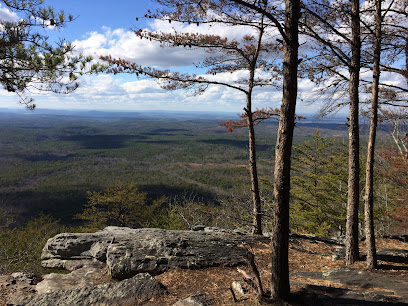
Experience serene outdoor adventures at Clay County Lake in Alabama, a natural paradise for fishing, hiking, and peaceful retreats.
High Falls Trail Head
16.3 km
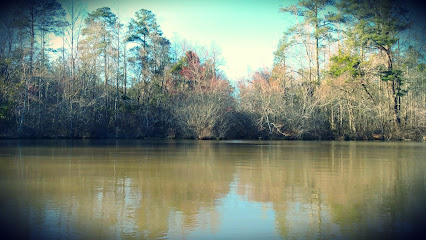
Hike to a beautiful, multi-tiered waterfall in Alabama's Talladega National Forest. A moderate, scenic trail for nature lovers.
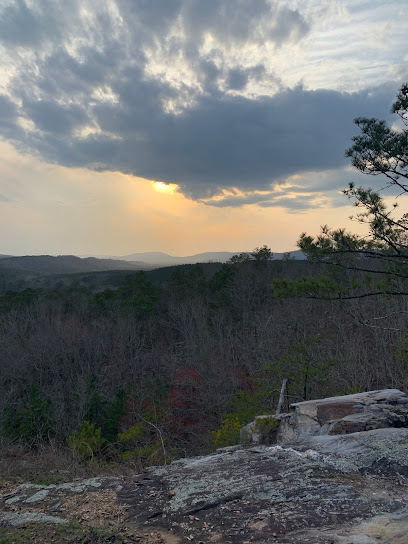
Talladega National Forest; Shoal Creek Ranger District
20.9 km
Explore the breathtaking landscapes and diverse wildlife of Talladega National Forest, a premier destination for outdoor adventures in Alabama.
Lineville City Park
21.8 km
Discover scenic beauty and community spirit at Lineville City Park, offering outdoor activities and events with mountain views.
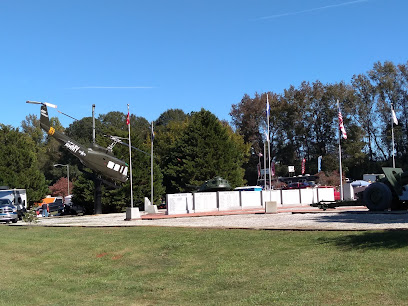
Talladega Creekside Resort
23.6 km
Experience the natural beauty and adventure at Talladega Creekside Resort, your perfect camping destination in Alabama.
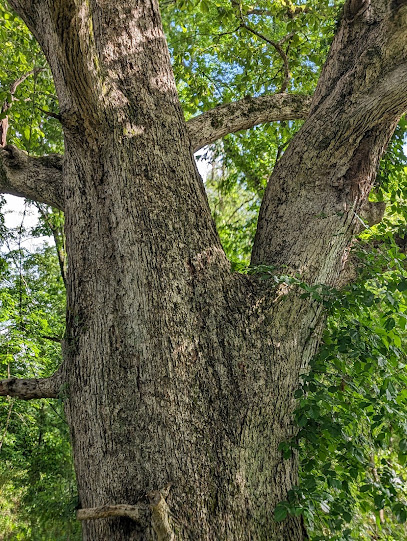
Oldest tree in Alabama
24.5 km
Discover Alabama's oldest tree near Heflin, a natural monument offering a serene escape and a tangible connection to the past.
Top Trails OHV Park
26.2 km
Discover the thrill of off-roading at Top Trails OHV Park in Talladega, Alabama - a paradise for adventure lovers and outdoor enthusiasts alike.
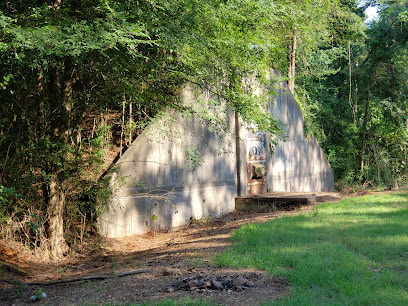
Rob Roy Falls
26.8 km
Experience the serene beauty of Rob Roy Falls in Talladega, Alabama, where nature's tranquility meets stunning scenic vistas.
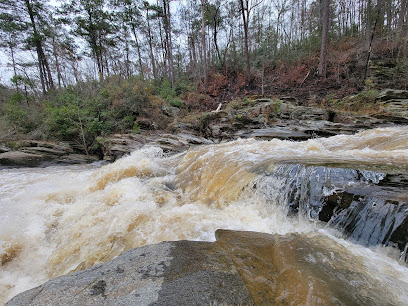
CMP Talladega Marksmanship Park
27.6 km
Discover the ultimate shooting sports destination at CMP Talladega Marksmanship Park, offering diverse ranges, training, and a pro shop for all enthusiasts.
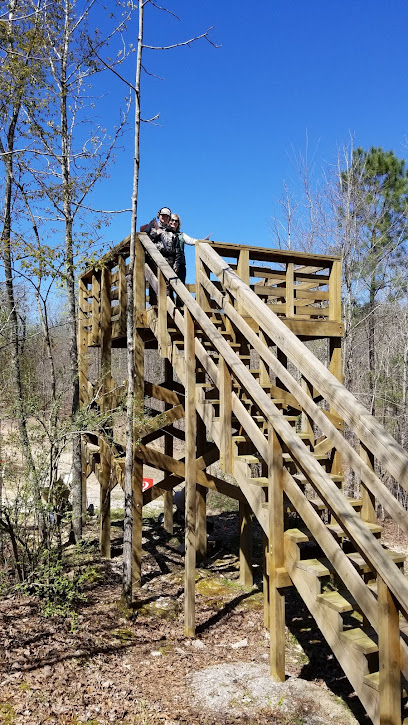
Pinhoti Trail Chandler Springs
27.6 km
Discover the natural beauty of Pinhoti Trail Chandler Springs in Talladega, Alabama, offering hiking, wildlife, and serene outdoor experiences.
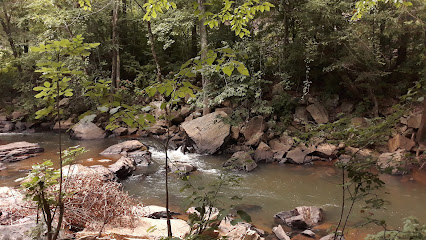
Silk Stocking District (Talladega)
30.3 km
Explore the Silk Stocking District in Talladega, Alabama, where history meets Southern charm in beautifully preserved streetscapes.
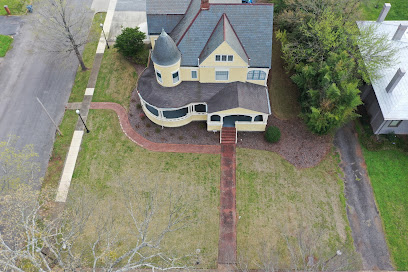
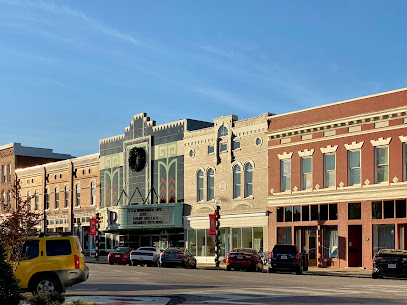
Ritz Theatre
30.6 km
Discover the magic of The Ritz Theatre in Talladega, a historic venue offering captivating performances and a rich cultural experience.
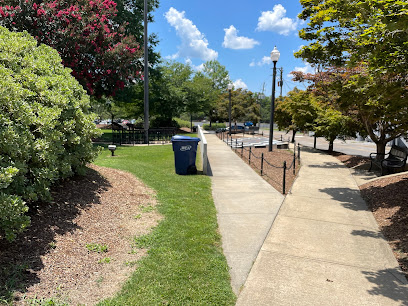
Davey Allison Memorial
30.7 km
Explore the Davey Allison Memorial in Talladega, Alabama - a heartfelt tribute to NASCAR's legacy and a must-see for racing enthusiasts.
Unmissable attractions to see

Cheaha Scenic Lookout
2.3 km
Experience Alabama's rooftop at Cheaha Scenic Lookout, offering panoramic views and a rich history amidst the Talladega National Forest.
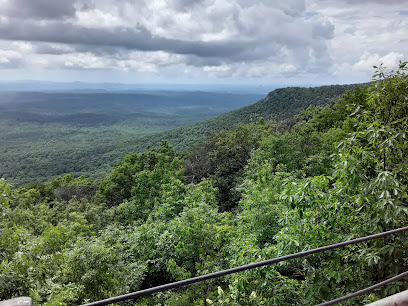
Bald Rock
2.6 km
Experience breathtaking panoramic views from atop Alabama's highest point at Bald Rock in Cheaha State Park. A must-see natural wonder!
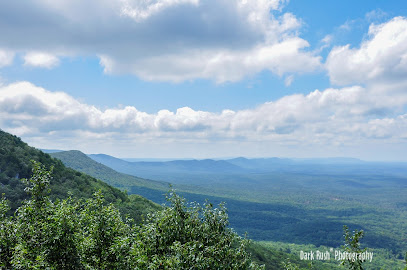
Cheaha State Park Observation Tower
3.3 km
Ascend to Alabama's highest point for panoramic views and a glimpse into the state's rich history at Cheaha State Park Observation Tower.
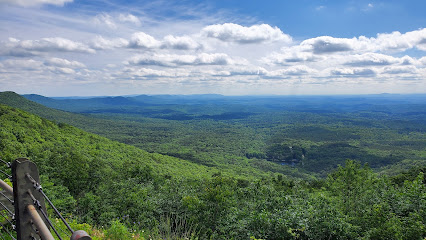
Highest Point in Alabama
3.3 km
Experience breathtaking views and the beauty of nature at the Highest Point in Alabama, a scenic gem for outdoor enthusiasts and photographers.

Cheaha Mountain
3.4 km
Discover Alabama's highest point at Cheaha Mountain, where breathtaking views, rich history, and outdoor adventures await in the heart of Cheaha State Park and the Talladega National Forest.
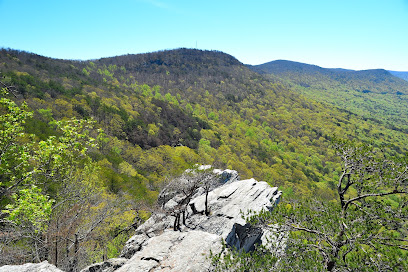
Cheaha State Park
4.0 km
Discover Alabama's highest point at Cheaha State Park: panoramic views, historic CCC architecture, and outdoor adventures in the Talladega National Forest.
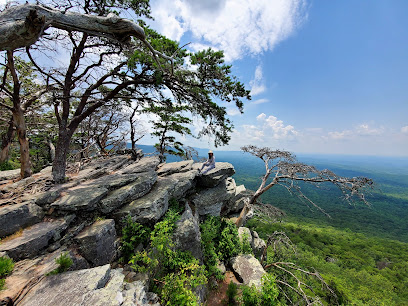
Cheaha Resort State Park
4.1 km
Discover Alabama's highest peak at Cheaha Resort State Park. Breathtaking views, historic landmarks, and outdoor adventures await in Talladega National Forest.
Pulpit Rock - Cheaha Mountain
4.3 km
Hike to breathtaking panoramic views from atop Cheaha Mountain at Pulpit Rock, a natural wonder in Alabama's oldest state park.
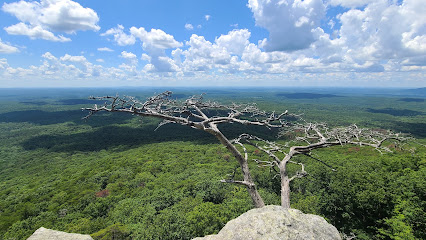
Cheaha Trailhead Pinhoti Trail
4.6 km
Embark on an adventure at Cheaha Trailhead, your gateway to the Pinhoti Trail and the scenic wonders of Alabama's highest peaks.
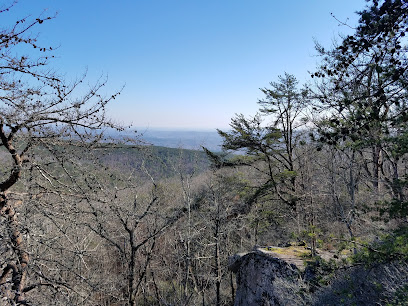
Cheaha Lake
5.2 km
Escape to Cheaha Lake: Swim, fish, and relax in the heart of Alabama's highest state park, surrounded by stunning mountain scenery.
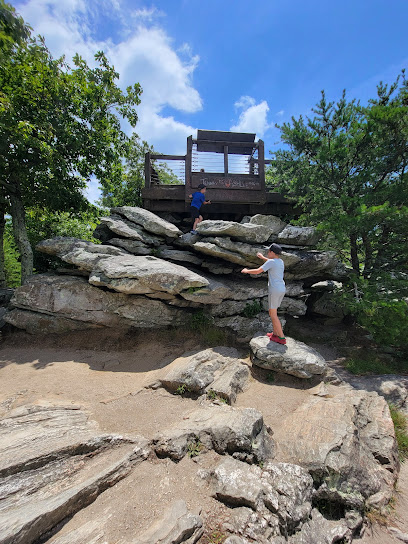
Cheaha Falls
8.7 km
Discover Cheaha Falls in Alabama's Talladega National Forest: a gentle cascade, scenic hikes, and a tranquil escape into nature.
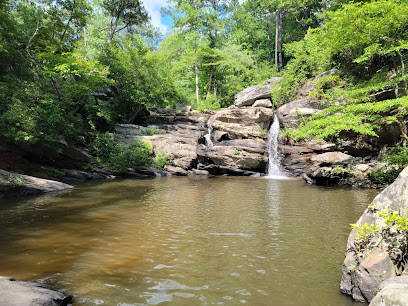
Chinnabee Silent Trail Parking Lot
8.8 km
Discover Alabama's natural beauty on the Chinnabee Silent Trail, a scenic hike through waterfalls, forests, and the Talladega National Forest near Cheaha State Park.
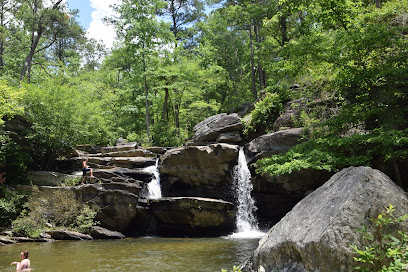
Devil's Den Falls
9.6 km
Escape to the serene beauty of Devil's Den Falls in Lineville, Alabama. Hike the Chinnabee Silent Trail and discover a hidden oasis in Talladega National Forest.
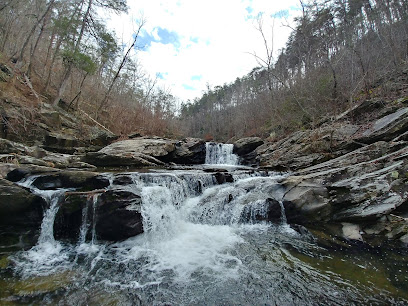
Cheaha Wilderness
10.7 km
Discover Alabama's wild side in Cheaha Wilderness: Hike scenic trails, experience breathtaking views, and connect with nature.
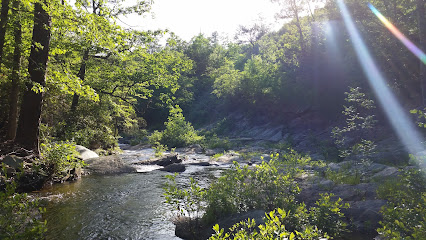
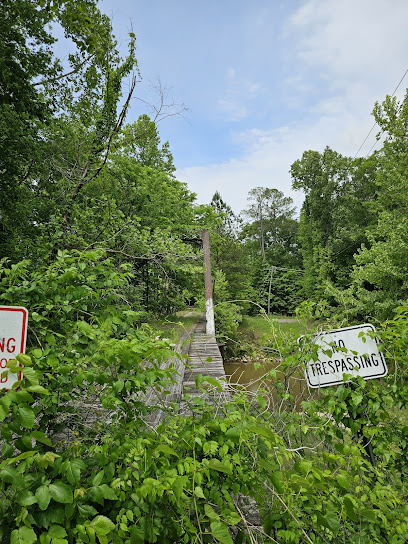
Hells Gate Bridge
10.9 km
Discover the haunted history of Hells Gate Bridge in Oxford, Alabama, where eerie legends and ghostly encounters await those who dare to visit.
Essential places to dine

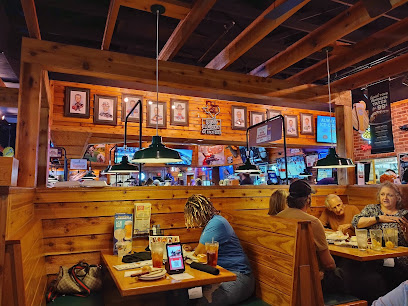
Texas Roadhouse
11.3 km
Experience authentic Texas-style cuisine at Texas Roadhouse in Oxford, AL - where every meal is an occasion!
LongHorn Steakhouse
11.3 km
Experience the best of American cuisine at LongHorn Steakhouse in Oxford - where every meal feels like a celebration.
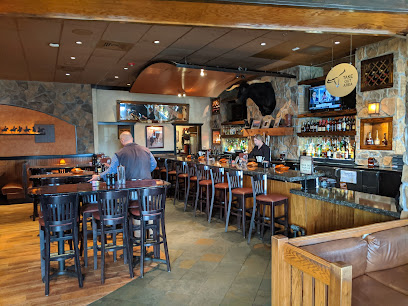
Mellow Mushroom Oxford - Anniston
11.4 km
Discover gourmet pizzas and diverse menu options at Mellow Mushroom Oxford - where flavor meets fun!
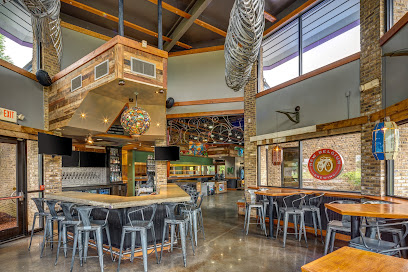
Cracker Barrel Old Country Store
11.6 km
Discover authentic Southern dining at Cracker Barrel Old Country Store with delicious comfort food and charming country decor.
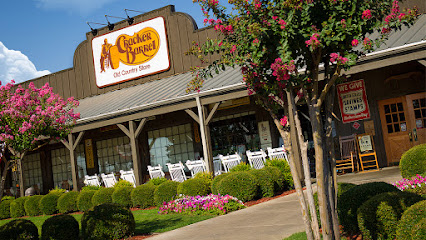
Garfrerick's Cafe and Catering
12.6 km
Discover the exquisite flavors of American cuisine at Garfrerick's Cafe and Catering in Oxford - where every meal is a celebration.
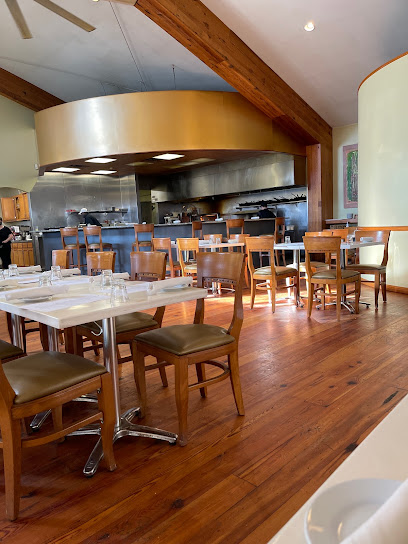
Hubbard's Off Main
12.7 km
Discover delicious American cuisine with a Southern twist at Hubbard's Off Main in Oxford, Alabama - where every meal tells a story.
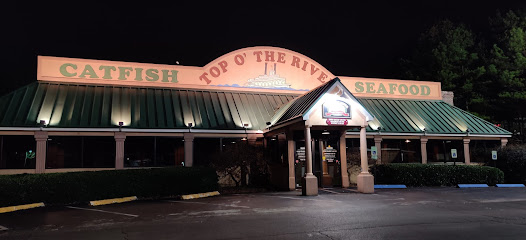
Top O' the River
20.6 km
Discover fresh seafood delights at Top O' the River in Anniston, Alabama—where every meal is paired with stunning riverside views.
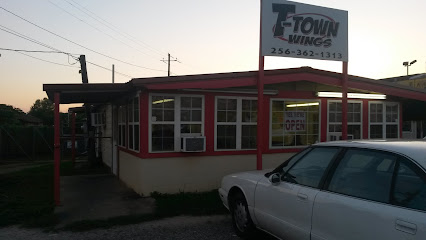
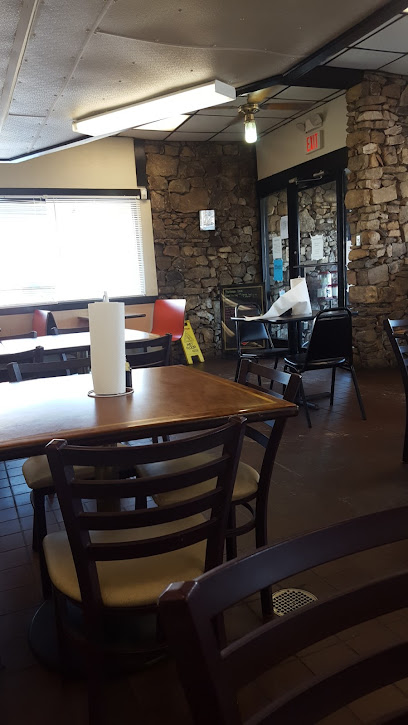
T Town Wings
28.7 km
Discover Talladega's hidden gem for chicken wings at T Town Wings—where flavor meets affordability in a casual dining experience.
Buddy's BBQ
28.7 km
Experience authentic Southern barbecue at Buddy's BBQ in Talladega – where smoky flavors meet warm hospitality.
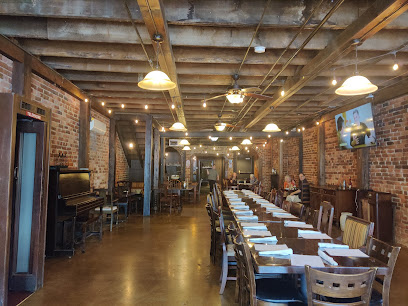
Stampede Steakhouse
29.3 km
Discover Talladega's premier steakhouse featuring mouthwatering cuts of meat in a cozy atmosphere perfect for gatherings.
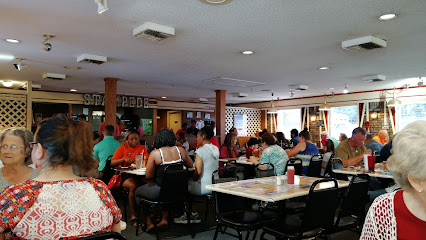
Campbells BBQ
29.7 km
Experience the best Southern barbecue at Campbells BBQ in Talladega - where smoky flavors meet Southern hospitality.
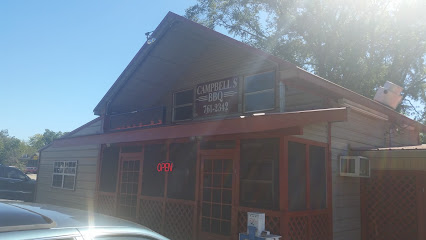
Matehuala Mexican Restaurant
30.6 km
Discover authentic Mexican cuisine at Matehuala Mexican Restaurant in Talladega - where flavor meets hospitality.
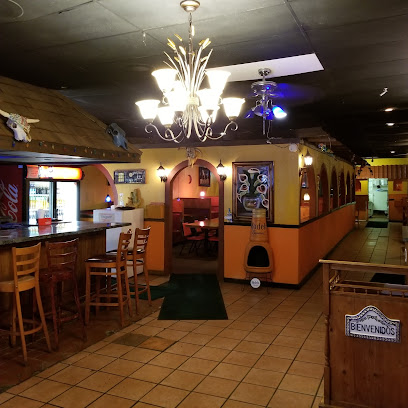
Cook Out
33.8 km
Discover Cook Out in Jacksonville, AL: where Southern comfort meets fast food delight with burgers, barbecue & delicious milkshakes.
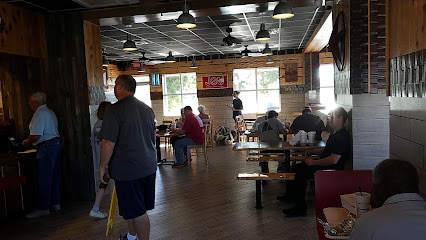
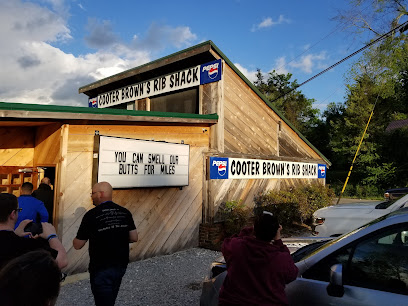
Cooter Brown's Rib Shack
35.1 km
Experience the authentic taste of Southern BBQ at Cooter Brown's Rib Shack – where every bite tells a story.
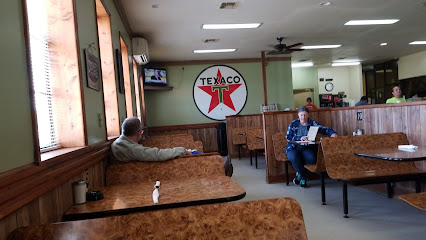
The Broiler Room
36.2 km
Experience a taste of America at The Broiler Room - where hearty breakfasts meet warm hospitality in Lincoln, Alabama.
Markets, malls and hidden boutiques

Cheaha State Park Store
4.1 km
Discover Cheaha State Park Store – your gateway to adventure, local treats, and stunning vistas in Alabama's breathtaking landscapes.
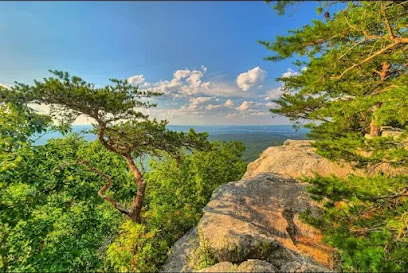
Walmart Supercenter
11.0 km
Discover unbeatable value and variety at Walmart Supercenter in Oxford, Alabama, your essential shopping stop for all your travel needs.

Ross Dress for Less
11.0 km
Explore unbeatable fashion deals at Ross Dress for Less in Oxford, Alabama – your go-to destination for stylish clothing and accessories.
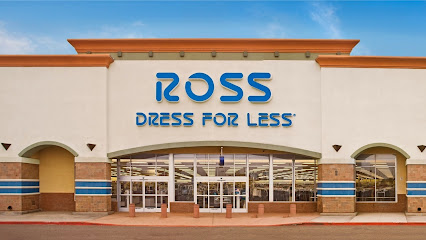
Target
11.2 km
Explore Target in Oxford, Alabama – a versatile department store offering everything from clothing and electronics to home goods and toys for all ages.

Bath & Body Works
11.2 km
Explore Bath & Body Works in Oxford for a delightful assortment of candles, cosmetics, and fragrant gifts, perfect for pampering yourself or loved ones.
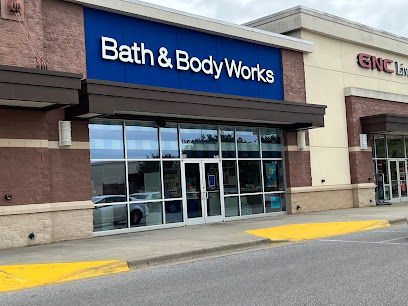
Oxford Exchange
11.2 km
Discover the vibrant shopping experience at Oxford Exchange in Alabama, featuring diverse stores, dining options, and family-friendly fun.
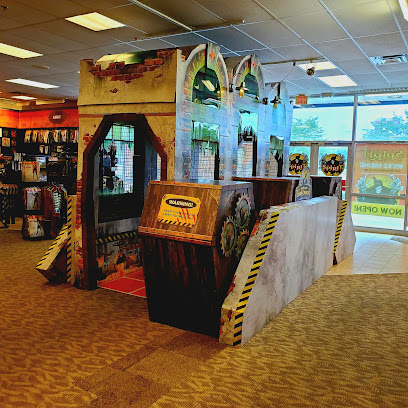
DICK'S Sporting Goods
11.2 km
Discover the best sporting goods and outdoor equipment at DICK'S Sporting Goods in Oxford, AL, your ultimate destination for active lifestyles.

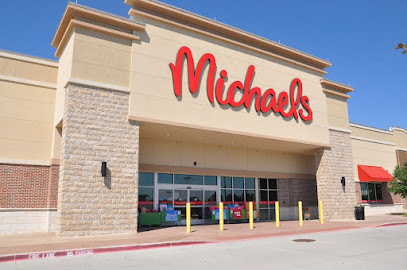
Michaels
11.3 km
Explore your creativity at Michaels, the ultimate craft store in Oxford, AL, offering art supplies, seasonal decor, and DIY inspiration for all.
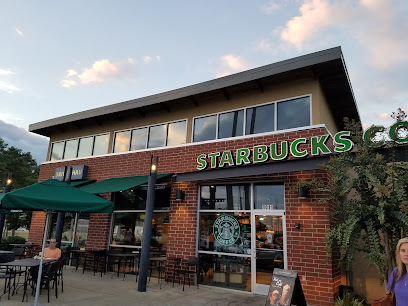
Starbucks
11.7 km
Discover a cozy coffee haven at Starbucks in Oxford, Alabama, where quality brews and delightful treats await every visitor.
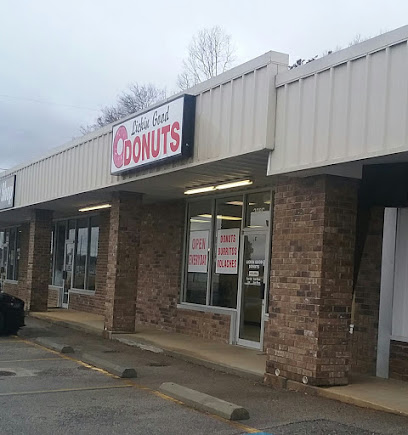
Lickin Good Donuts
11.9 km
Indulge in the sweetest experience at Lickin Good Donuts, where every bite is a taste of happiness in Oxford, Alabama.
Addons Boutique
12.0 km
Explore Addons Boutique in Oxford, Alabama, for unique fashion that captures local style and trendy apparel for all occasions.

Martin's Family Clothing
12.1 km
Explore unbeatable fashion and friendly service at Martin's Family Clothing in Oxford, Alabama – your go-to shopping destination for the whole family.
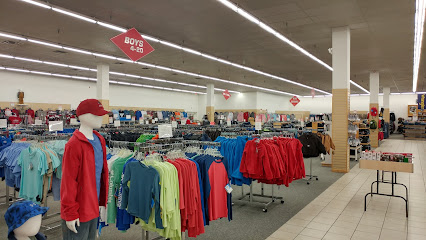
Quintard Mall
12.2 km
Discover Quintard Mall in Oxford, Alabama – a vibrant shopping hub featuring diverse retail stores, delightful dining, and entertainment options for every traveler.
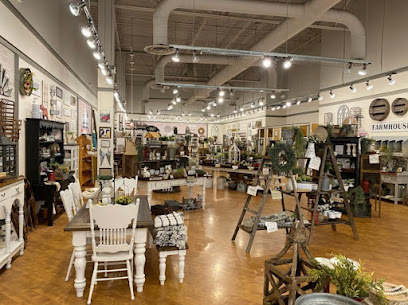
The Rustic Farmhouse
12.2 km
Explore The Rustic Farmhouse, a charming home goods store in Oxford, Alabama, offering unique decor and handcrafted treasures that embody Southern hospitality.
Fun Wheels Inc
12.3 km
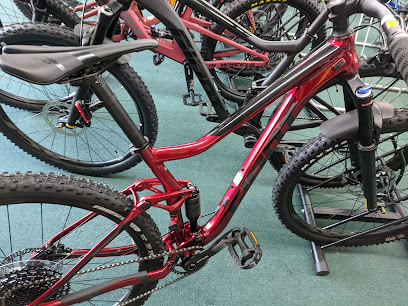
Discover the best bicycles and accessories at Fun Wheels Inc in Oxford, Alabama, where cycling adventures await for riders of all levels.
Essential bars & hidden hideouts

Struts of Oxford
11.8 km
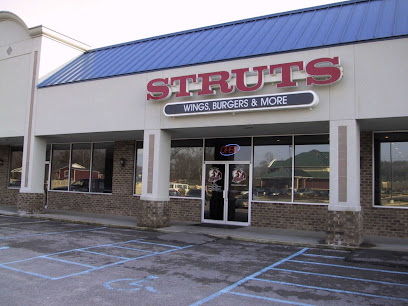
Indulge in mouthwatering chicken wings, delicious burgers, and a vibrant sports bar atmosphere at Struts of Oxford in Alabama.
Logan's Roadhouse
11.9 km
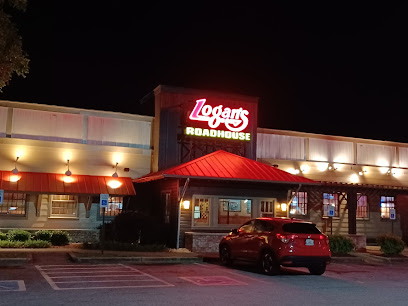
Experience the heart of American cuisine at Logan's Roadhouse, where every meal is a celebration of flavors in a family-friendly atmosphere.
Brad's Bar-B-Que
12.0 km
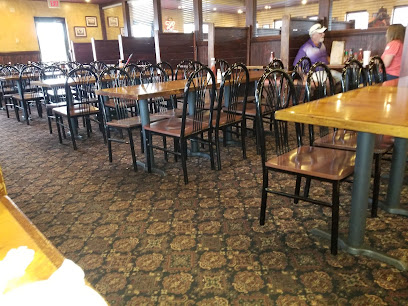
Discover the authentic taste of Southern barbecue at Brad's Bar-B-Que in Oxford, Alabama, where smoky flavors and warm hospitality await.
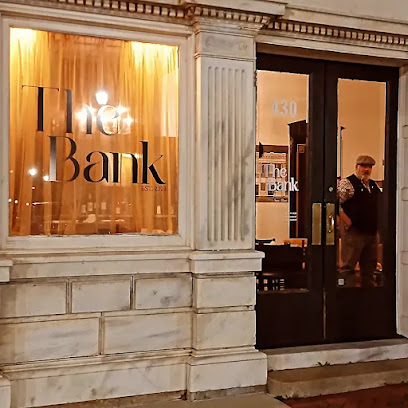
The Bank
12.8 km
Experience the blend of charcuterie and craft cocktails at The Bank in Oxford, Alabama, where culinary excellence meets Southern hospitality.
PURE Sports Bar & Grill
13.5 km
Savor the best grill flavors at PURE Sports Bar & Grill in Anniston, Alabama, where good food meets great company.

Partner's Lounge
14.7 km
Experience the vibrant nightlife at Partner's Lounge, Anniston's favorite bar known for its friendly atmosphere and affordable drinks.

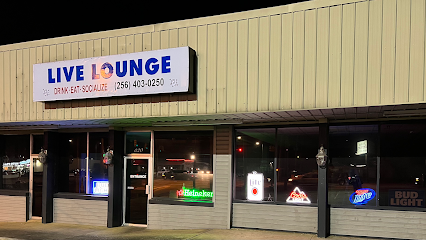
LIVE Lounge
15.4 km
Discover the vibrant nightlife at LIVE Lounge in Anniston, AL, where cocktails and good vibes create unforgettable memories.
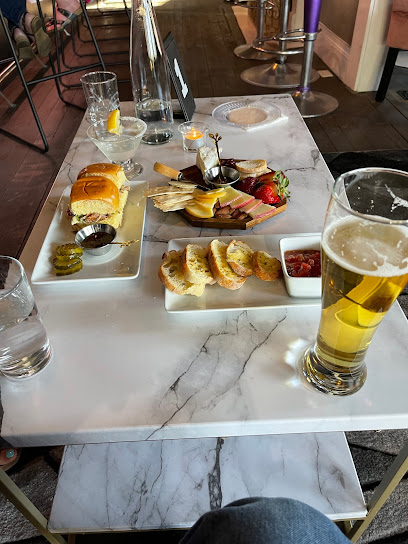
The Lush Garden Wine Bar and Lounge
16.6 km
Discover the elegance of fine wines and gourmet tapas at The Lush Garden Wine Bar and Lounge in Anniston, Alabama, the perfect retreat for food and wine lovers.
202 Lounge
16.9 km
Experience the lively nightlife and vibrant atmosphere at 202 Lounge in Anniston, Alabama, where great drinks and good times await.
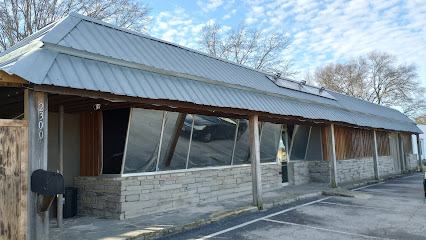
Rack & Roll Billiards and Sports Bar
17.0 km
Discover the ultimate sports bar experience at Rack & Roll Billiards, where games, drinks, and great food come together in Anniston, Alabama.

The Peerless Saloon & Grille
17.1 km
Experience delicious Southern cuisine at The Peerless Saloon & Grille in Anniston, Alabama, where great food meets warm hospitality.
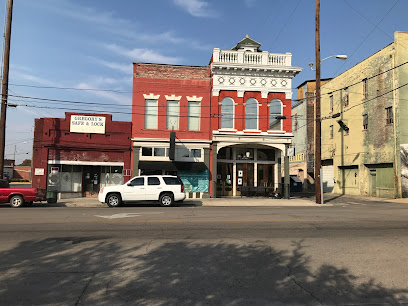
The Parlormint
17.1 km
Experience the vibrant nightlife of Anniston at The Parlormint, a stylish bar offering craft cocktails and local brews in a welcoming atmosphere.
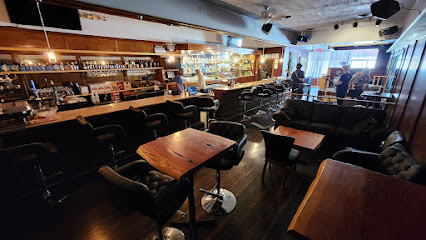
Grand Central
17.2 km
Discover the heart of Anniston at Grand Central, where delicious grill favorites and a cozy atmosphere await every visitor.
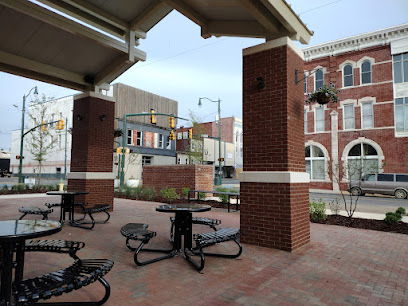
Dark Horse Saloon
17.2 km
Discover the lively nightlife at Dark Horse Saloon in Anniston, Alabama, where great drinks and live music create unforgettable experiences.
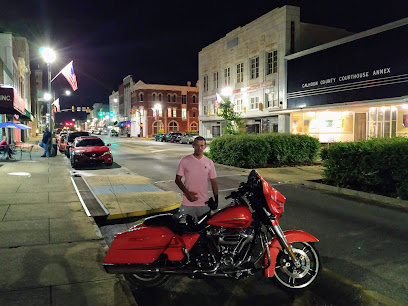
The Three Legged Monkey Lounge
17.2 km
Experience the vibrant nightlife at The Three Legged Monkey Lounge in Anniston, Alabama, your go-to spot for crafted cocktails and live music.
Nightclubs & after hour spots

MB Lounge and Grill LLC
29.8 km
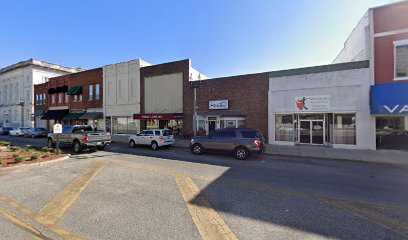
Experience the vibrant atmosphere and delicious cuisine at MB Lounge and Grill LLC, a must-visit restaurant and lounge in Talladega, Alabama.
El Muchacho Alegre Bar
32.0 km
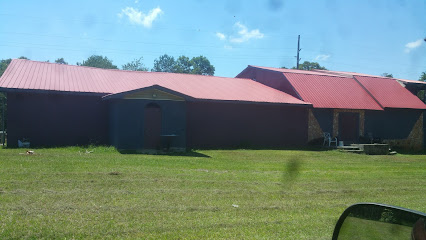
Discover the vibrant flavors and welcoming atmosphere at El Muchacho Alegre Bar, a premier grill in Alexandria, Alabama, perfect for food lovers.
Elks Lodge
32.6 km
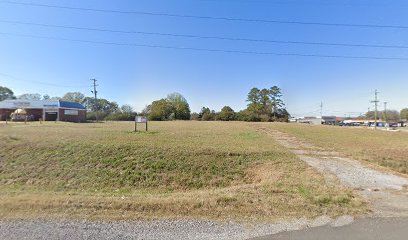
Experience the warmth of community at Elks Lodge in Talladega, Alabama, where friendships flourish and local traditions come alive.
Bootleggers lounge LLC
39.5 km
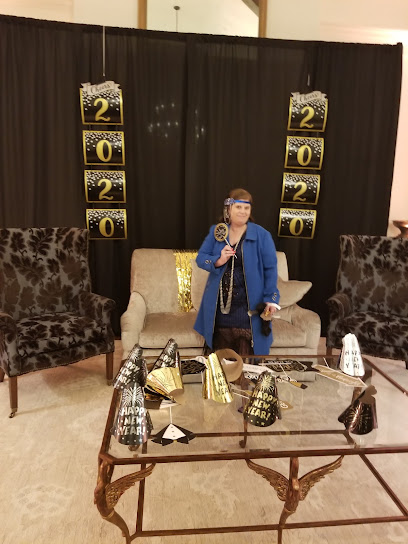
Discover Bootleggers Lounge in Riverside, a lively cocktail bar serving creative drinks in a friendly atmosphere perfect for unwinding and socializing.
Road House Lounge
44.8 km
Discover the flavors of Pell City at Road House Lounge, where delicious grilled dishes and a lively atmosphere await every visitor.
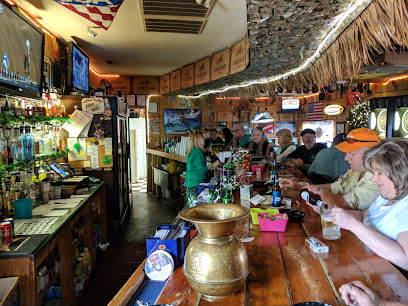
Killin' Time
45.6 km
Discover the lively atmosphere and drink variety at Killin' Time Bar in Pell City, Alabama, where locals and tourists gather for unforgettable nights.
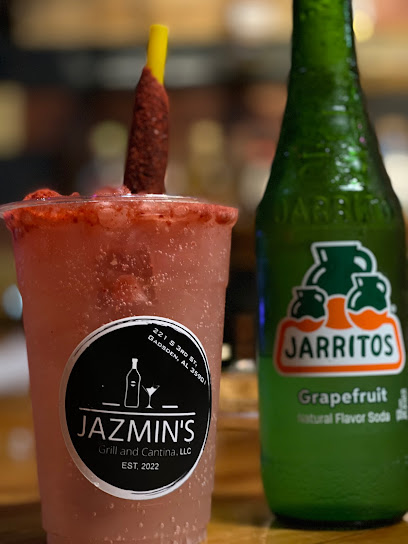
Jazmin's Grill and Cantina, LLC
59.4 km
Jazmin's Grill and Cantina: Where Great Food Meets Vibrant Nightlife in Gadsden, Alabama.
Gadsden Shrine Club
59.4 km
Discover the lively Gadsden Shrine Club, where community spirit meets vibrant nightlife in the heart of Alabama.
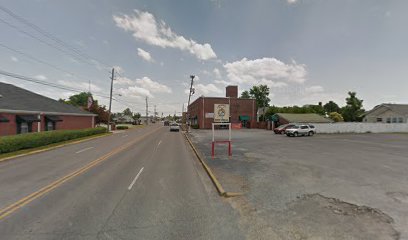
Tut Hookah Lounge
60.0 km
Discover the vibrant atmosphere of Tut Hookah Lounge in Gadsden, Alabama, where relaxation meets a rich selection of flavorful hookah experiences.
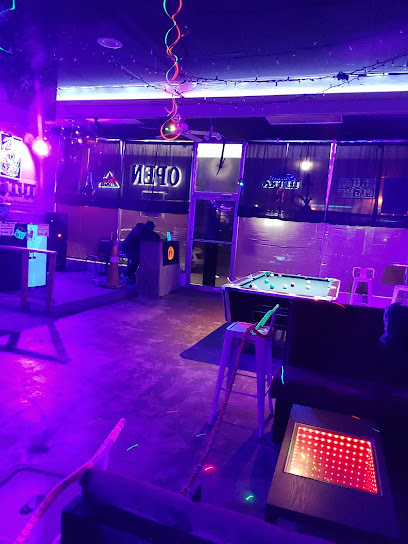
The Gentlemans Club
62.6 km
Immerse yourself in the lively nightlife of Attalla at The Gentlemans Club, a premier destination for music, dancing, and unforgettable evenings.
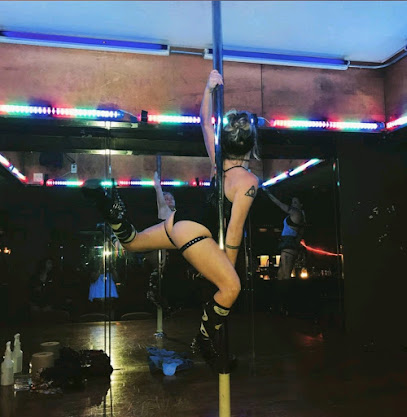
Shaneyfelts Place
63.4 km
Discover the vibrant nightlife of Gadsden, Alabama at Shaneyfelts Place, a premier night club offering great music, drinks, and unforgettable experiences.
Lake Martin
86.7 km
Explore the serene beauty of Lake Martin in Alabama, a perfect destination for outdoor fun, relaxation, and stunning natural scenery.
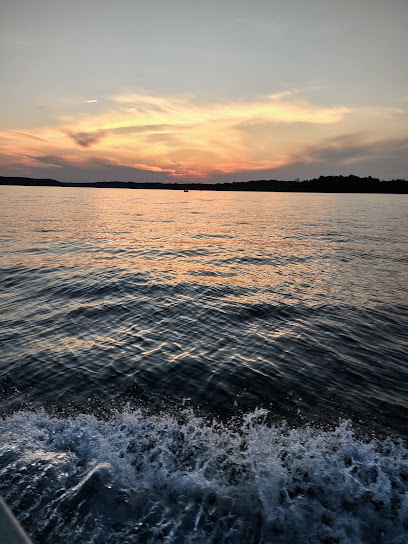
Al's on 7th
93.2 km
Discover the heartbeat of Birmingham's nightlife at Al's on 7th, a vibrant night club and gay bar offering unforgettable entertainment.
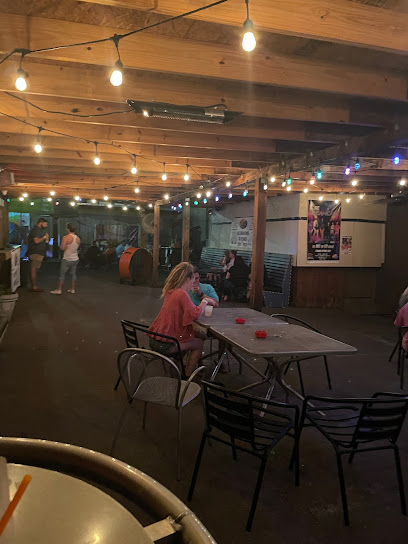
The Quest Club
93.8 km
Experience Birmingham's nightlife at The Quest Club, a lively gay night club offering vibrant events and an inclusive atmosphere for all.
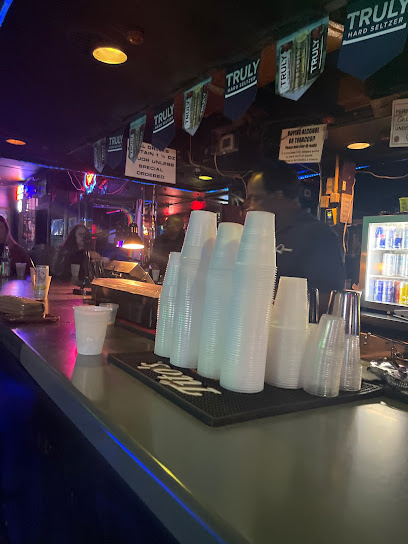
V lounge The Vault Bar and Lounge
94.8 km
Discover the vibrant nightlife of Birmingham at V Lounge The Vault Bar and Lounge, where chic decor meets a lively atmosphere and exceptional drinks.