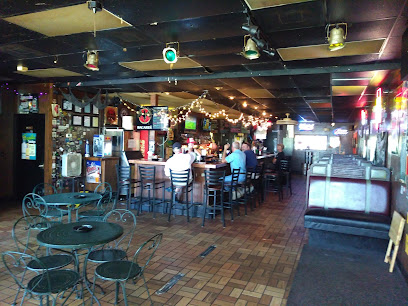
Huntsville Museum of Art: A Cultural Cornerstone
Discover a world of art in the heart of Huntsville at the Huntsville Museum of Art, showcasing American masterpieces and diverse collections in a vibrant cultural hub.
The Huntsville Museum of Art, nestled in Big Spring International Park in downtown Huntsville, Alabama, is a vibrant center for visual arts and cultural enrichment. Founded in 1970, the museum boasts a collection of over 3,200 objects, primarily focusing on 19th- and 20th-century American art, with a special emphasis on Southeastern art. Visitors can explore diverse exhibitions throughout the year, including prestigious traveling shows and works by nationally and regionally acclaimed artists. Beyond its impressive collection, the museum offers art classes for all ages, lectures, and musical performances, making it a dynamic community hub. With its beautiful setting and diverse offerings, the Huntsville Museum of Art provides a rich and engaging experience for art lovers of all backgrounds, solidifying its place as a top cultural destination in North Alabama.
A brief summary to Huntsville Museum of Art
- 300 Church St SW, Huntsville, Quigley, Alabama, 35801, US
- +1256-535-4350
- Visit website
- Tuesday 10 am-5 pm
- Wednesday 10 am-5 pm
- Thursday 10 am-8 pm
- Friday 10 am-5 pm
- Saturday 10 am-5 pm
- Sunday 12 pm-5 pm
Local tips
- Check the museum's website for a calendar of events, including special exhibitions, lectures, and workshops, to enhance your visit.
- Take advantage of the free parking available for museum guests by registering at the front desk upon arrival.
- Visit on Thursday evenings for extended hours and reduced admission, making it an affordable way to experience the museum.
- Explore Big Spring International Park surrounding the museum for a relaxing stroll and scenic views after your visit.
- Consider a docent-led tour for a deeper understanding of the museum's collection and the stories behind the artworks.

Getting There
-
Walking
From the Von Braun Center or any downtown hotel, the Huntsville Museum of Art is easily accessible on foot. Head south toward Big Spring International Park. The museum is located on the park's perimeter near Church Street and Williams Avenue. The walk is generally flat and should take approximately 5-10 minutes from most downtown locations.
-
Public Transport
The Huntsville Orbit bus system has several routes that stop near Big Spring International Park. Check the Orbit bus schedule for the most convenient route and stop. From the bus stop closest to the Huntsville Museum Of Art / Pane E Vino, it's a short walk to the museum entrance. A single ride on the Orbit bus costs $1.25.
-
Taxi/Ride-Share
Taxi and ride-sharing services like Uber and Lyft are readily available throughout Huntsville. Request a ride to the Huntsville Museum of Art at 300 Church St SW. The fare from most downtown locations will likely range from $8 to $12, depending on traffic and distance.
-
Driving
If driving, navigate to 300 Church St SW, Huntsville, AL 35801. Limited parking is available directly at the museum. Guests park for free during Museum hours by registering through PMC PAY and entering a validation code from the front desk. Additional metered parking can be found along the street on Church Street, Williams Street and Fountain Row. Download the Passport parking app to pay for public parking meters and locate all public parking lots on the City of Huntsville's website. Paid parking is also available in the city's garage under the Truist bank building. Metered parking costs $0.50 per hour, enforced Monday through Friday from 8 a.m. to 5 p.m. Garage parking typically costs $0.50 per hour with a maximum of $4 per day.
Discover more about Huntsville Museum of Art
Iconic landmarks you can’t miss

Alabama Historical Marker
0.2 km
Explore Huntsville's past at this historical marker, one of many that tell the stories of the city and Madison County.

Mark C. Smith Concert Hall
0.3 km
Experience world-class performances at the Mark C. Smith Concert Hall in Huntsville's Von Braun Center. A premier venue for arts and entertainment.
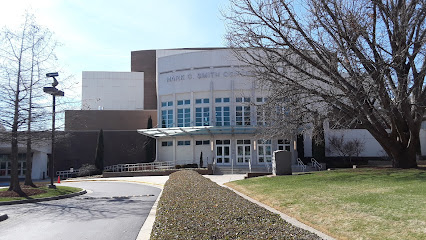
Von Braun Center
0.3 km
Huntsville's premier multi-purpose venue for concerts, conventions, sports, and entertainment in the heart of downtown.
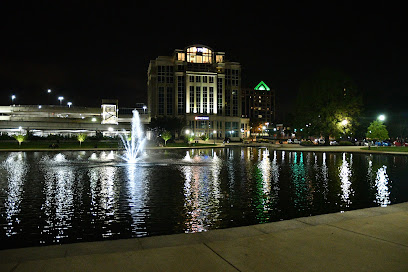
Mars Music Hall
0.4 km
Experience live music in an intimate setting at Mars Music Hall, downtown Huntsville's premier venue for concerts, comedy, and more.
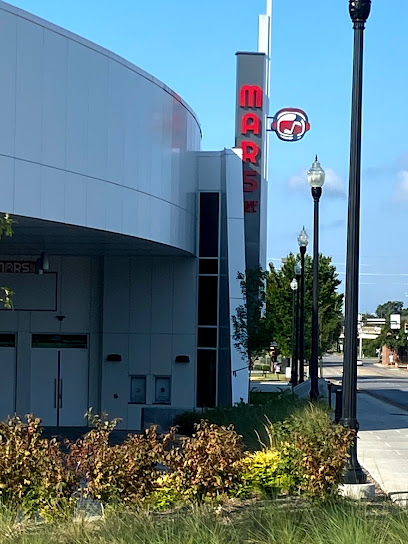
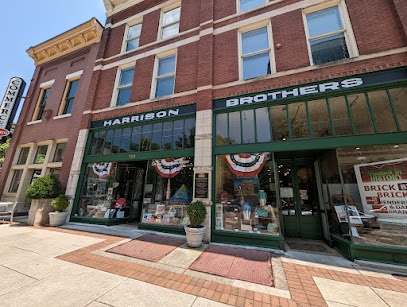
Harrison Brothers Hardware
0.4 km
Experience Huntsville's history at Harrison Brothers Hardware, a unique gift shop with local art, vintage wares, and old-fashioned charm since 1879.
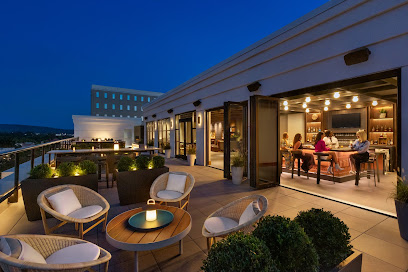
106 Jefferson Huntsville, Curio Collection by Hilton
0.4 km
Experience Huntsville's spirit at 106 Jefferson, a Curio Collection hotel offering luxurious accommodations, chef-driven dining, and a rooftop lounge with stunning city views in the heart of downtown.
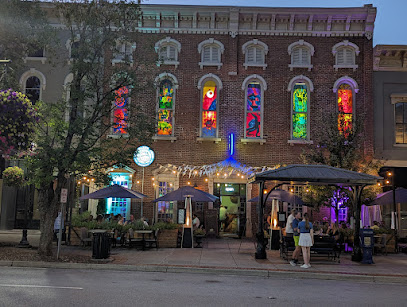
Donegan Block
0.4 km
Explore Huntsville's history at the Donegan Block, a landmark of 19th-century Italianate architecture on the historic Courthouse Square.
W. T. Hutchens Building
0.4 km
Explore Huntsville's history at the W. T. Hutchens Building, a landmark of early 20th-century commercial architecture and a tribute to William Thomas Hutchens.
Schiffman Building
0.4 km
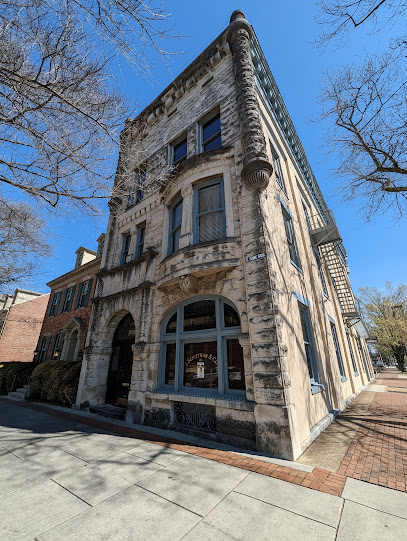
Explore the historic Schiffman Building in Huntsville's Eastside Square, a unique example of Richardsonian Romanesque architecture with a rich past.
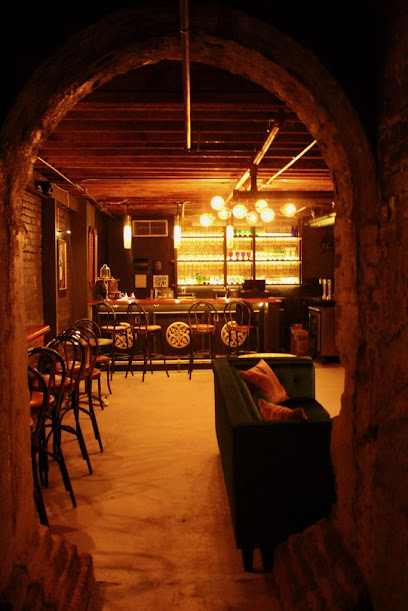
Catacomb 435
0.5 km
Step back in time at Huntsville's hidden speakeasy, where bespoke cocktails and a 1920s vibe create an unforgettable underground experience.
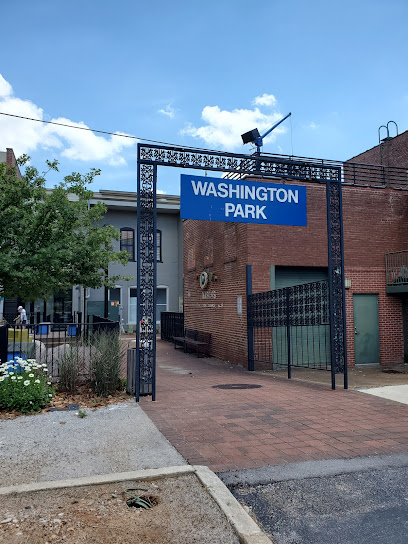
Washington Park
0.6 km
Escape to a tranquil downtown oasis in Huntsville's Washington Park, offering lush greenery and a calming atmosphere for an urban retreat.
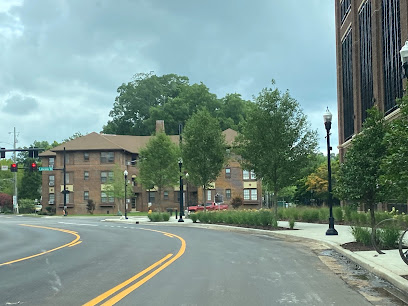
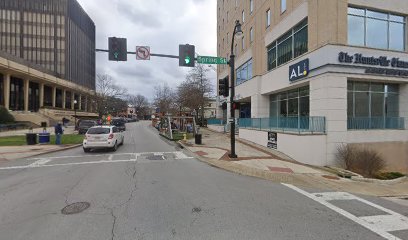
Times Building
0.7 km
Discover Huntsville's architectural gem, the Times Building: a historic Art Deco skyscraper embodying the city's vibrant past in the heart of downtown [3].
Lombardo Building
0.7 km
Explore Huntsville's past at the Lombardo Building, home to Railroad Station Antiques and a treasure trove of vintage finds in a historic setting.
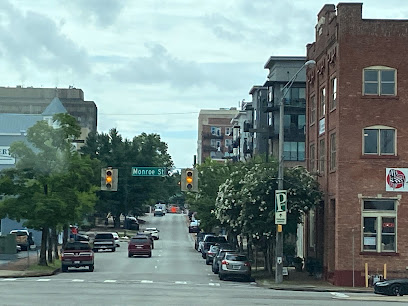
Railroad Station Antiques
0.7 km
Discover unique antiques and vintage treasures in Huntsville's historic Lombardo Building. A family-owned business since 1984.
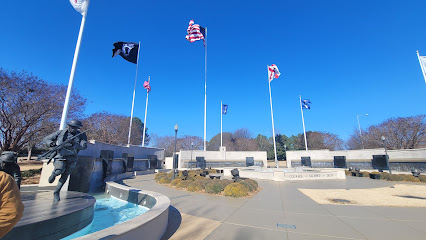
Lowe Mansion
0.8 km
Discover the Lowe Mansion in Huntsville's Twickenham Historic District, a beautiful example of Chateauesque Revival architecture with a rich history.
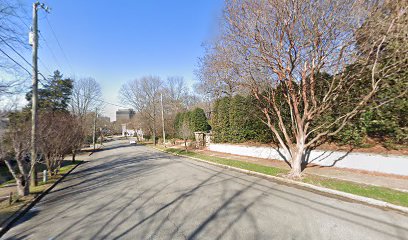
Unmissable attractions to see

Big Spring International Park
0.2 km
Discover Huntsville's historic heart at Big Spring International Park, a beautiful downtown oasis with international charm and year-round events.
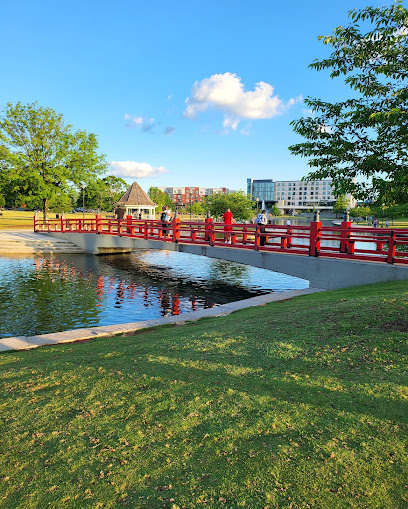
Bicentennial Park
0.2 km
A downtown Huntsville park featuring a children's splash pad, green space, and community events, perfect for family fun and relaxation.
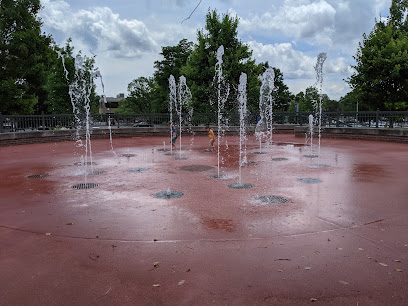
Big Spring Park East
0.2 km
Discover Huntsville's birthplace at Big Spring Park East, a historic green space in the heart of downtown.
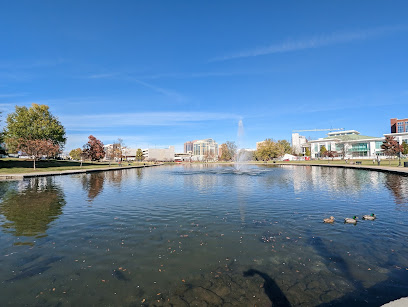
Thrasher Memorial Fountain
0.3 km
A serene landmark in Huntsville's Big Spring International Park, symbolizing community, remembrance, and healthy living.
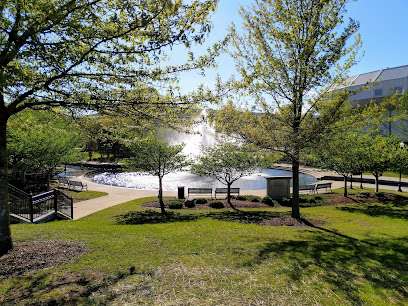
EarlyWorks Children's Museum
0.3 km
Explore history and science through hands-on play at Huntsville's EarlyWorks Children's Museum, where learning is an adventure for kids of all ages.
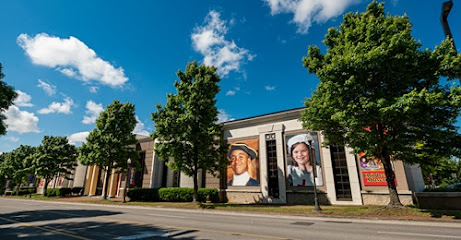
Alabama Constitution Hall Park
0.4 km
Experience 1819 Alabama at this living history museum in Huntsville, where the state's first constitution was drafted. Guided tours available!
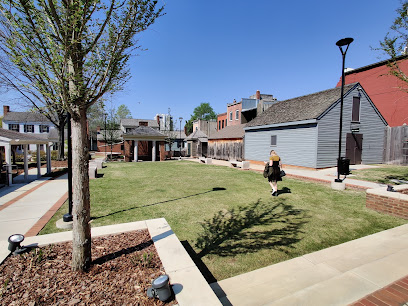
Huntsville Escape Rooms
0.5 km
Experience thrilling escape room adventures in Huntsville! Solve puzzles, crack codes, and race against the clock for an unforgettable time.
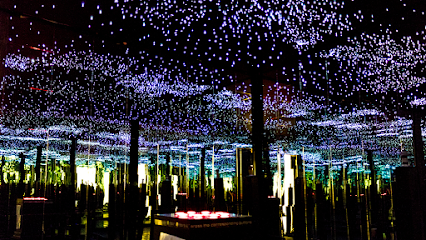
Weeden House Museum and Garden
0.5 km
Discover Huntsville's history through the eyes of artist Maria Howard Weeden at this beautifully preserved 1819 home and garden.
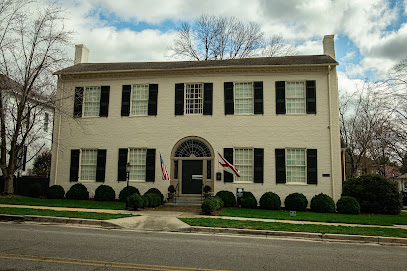
Downtown Huntsville, Inc.
0.6 km
Explore Huntsville's historic heart: museums, art, parks, dining, and nightlife in a vibrant, walkable downtown.
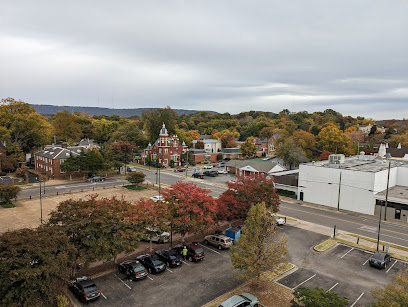
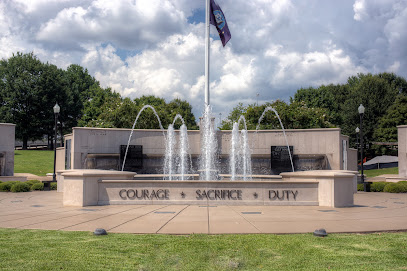
Huntsville Madison County Veterans Memorial
0.9 km
Honor, respect, and remembrance converge at this Huntsville memorial, a tribute to the brave veterans of Madison County. Open daily, free admission.
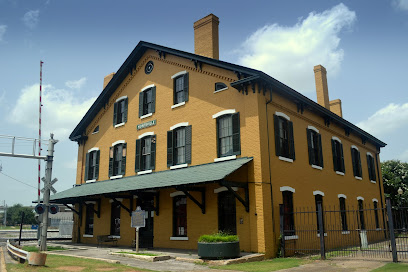
Huntsville Depot Museum
0.9 km
Discover Alabama's oldest railway depot, from Civil War stories to the dawn of the space age, in downtown Huntsville.
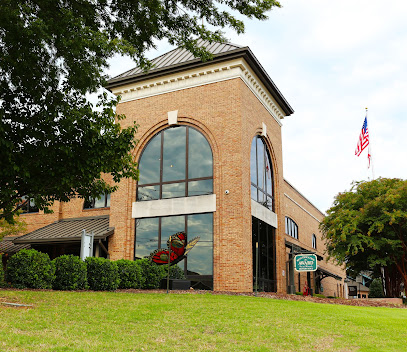
Huntsville/Madison County Visitor Center - Downtown
1.1 km
Your gateway to exploring Huntsville and Madison County: information, brochures, and expert advice for an unforgettable Rocket City experience.
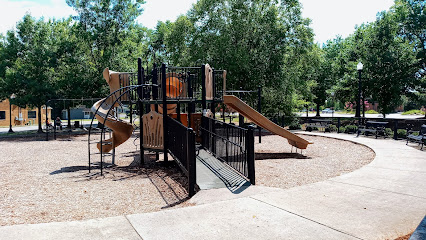
Bud Cramer Park
1.2 km
Escape to Bud Cramer Park in Huntsville's Old Town: playgrounds, trails, and history in a serene green space.
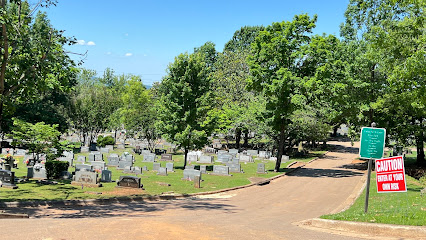
Maple Hill Cemetery
1.4 km
Explore Huntsville's history at Maple Hill Cemetery, Alabama's largest and oldest municipal cemetery, with over 80,000 graves.
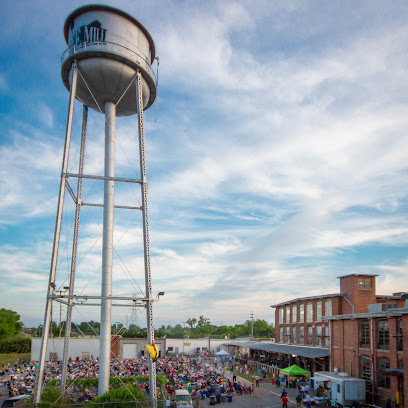
Lowe Mill ARTS & Entertainment
1.6 km
Explore art, culture, and history at Lowe Mill ARTS & Entertainment in Huntsville, AL—the South's largest privately-owned arts facility and a vibrant community hub.
Essential places to dine

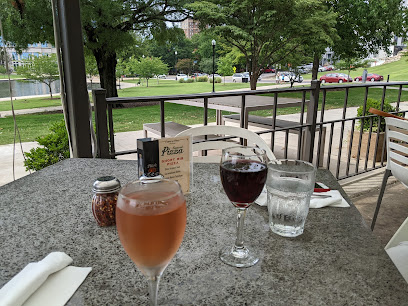
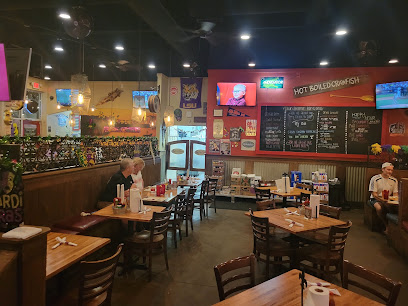
Pane E Vino Pizzeria
0.0 km
Experience authentic Italian cuisine at Pane E Vino Pizzeria in Huntsville - where gourmet pizzas meet delightful ambiance.
Mazzara's Vinoteca
0.2 km
Experience Southern hospitality blended with authentic Italian flavors at Mazzara's Vinoteca in Huntsville.
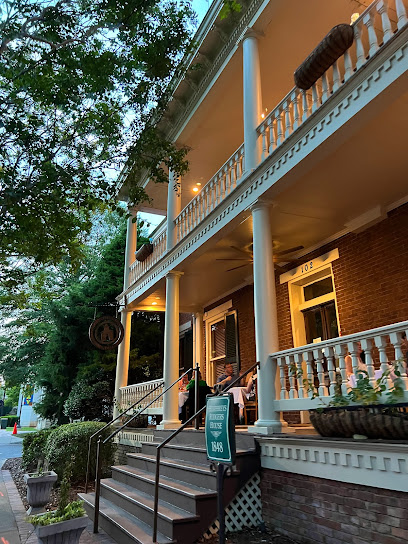
Cotton Row
0.3 km
Experience culinary excellence at Cotton Row in Huntsville—where innovative American cuisine meets sophisticated ambiance.
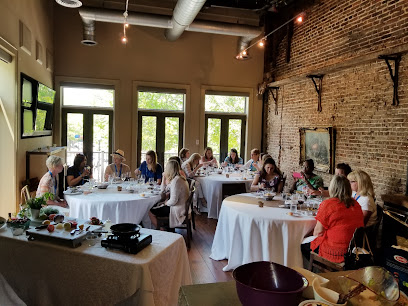
Domaine South
0.3 km
Discover exquisite cheeses and fine wines at Domaine South - Huntsville's premier culinary destination for food lovers.
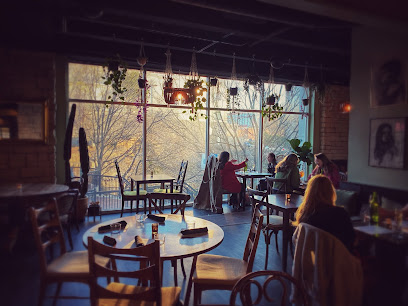
CO/OP Community Table + Bar
0.3 km
Experience Huntsville's vibrant culinary scene at CO/OP Community Table + Bar—where brunch meets innovative cocktails in a lively atmosphere.
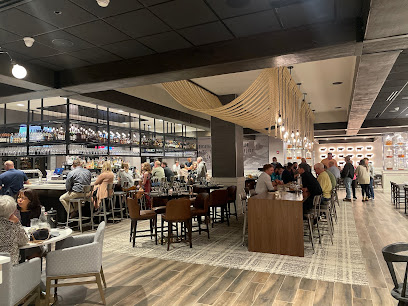
Rhythm on Monroe
0.4 km
Discover Rhythm on Monroe in Huntsville, AL – where American cuisine meets lively entertainment in a vibrant setting.
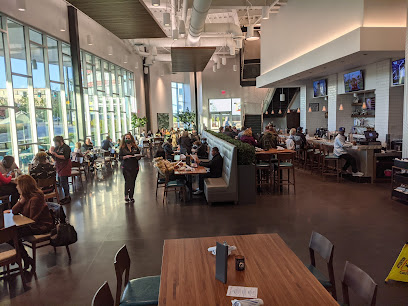
Revivalist
0.4 km
Discover Revivalist in Huntsville - where Southern charm meets innovative cuisine for an unforgettable dining experience.
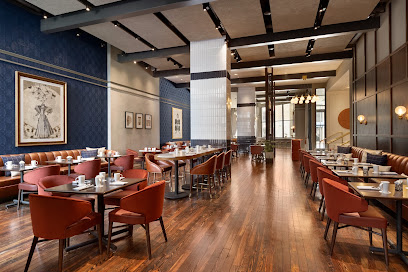
Commerce Kitchen
0.4 km
Discover authentic Southern flavors at Commerce Kitchen in Huntsville - where tradition meets modern culinary art.
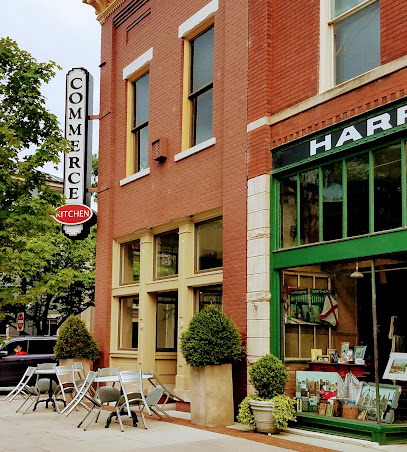
Phat Sammy's
0.4 km
Discover Phat Sammy's: A Tiki Bar Restaurant Offering Tropical Flavors and Laid-Back Vibes in Huntsville.
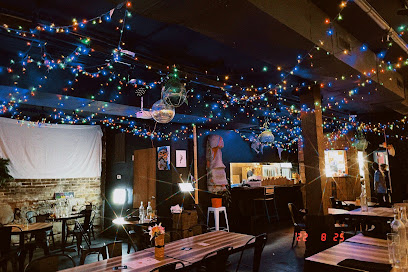
BeeZr
0.4 km
Discover the vibrant flavors at BeeZr in Huntsville – where local ingredients meet innovative cuisine in a cozy atmosphere.
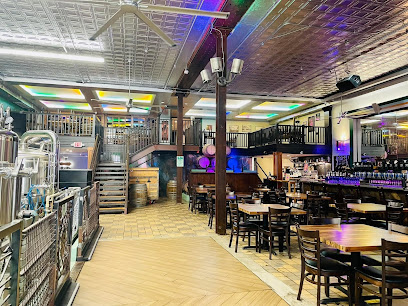
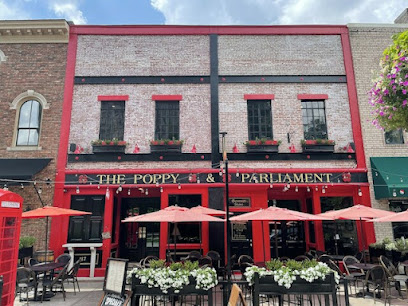
The Poppy and Parliament
0.5 km
Discover the flavors of England at The Poppy and Parliament in Huntsville – where traditional meets contemporary in every bite.
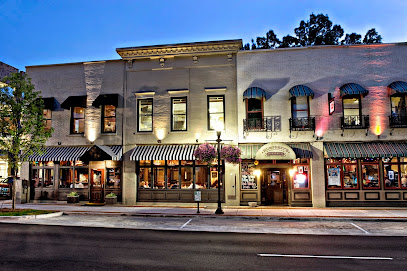
The Martin
0.5 km
Experience Huntsville's vibrant dining scene at The Martin – where delicious food meets lively sports entertainment!
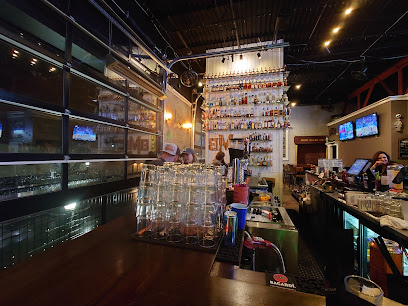
The Bottle
0.5 km
Discover exquisite American cuisine at The Bottle in Huntsville, where every dish tells a story of local flavor and culinary innovation.
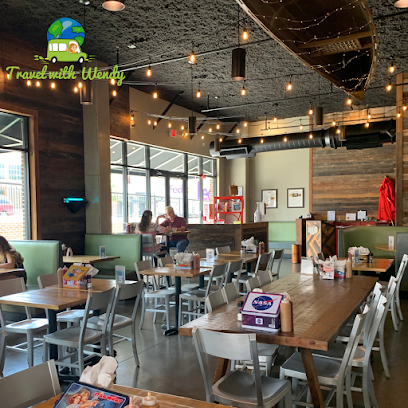
MELT HUNTSVILLE
0.6 km
Experience innovative American cuisine at MELT Huntsville – where generous portions meet unique flavor fusions.
Cajun Steamer Bar & Grill
0.6 km
Savor authentic Cajun cuisine at Cajun Steamer Bar & Grill in Huntsville - where vibrant flavors meet Southern hospitality.
Markets, malls and hidden boutiques

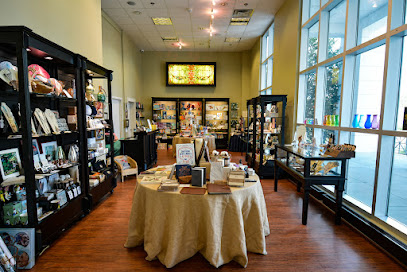
Museum Store
0.0 km
Explore Huntsville's Museum Store for unique gifts, local art, and souvenirs that capture the spirit of Alabama.
Turkish Treasures
0.4 km
Explore the authentic charm of Turkish Treasures in Huntsville, a boutique offering unique crafts and cultural experiences in Alabama.
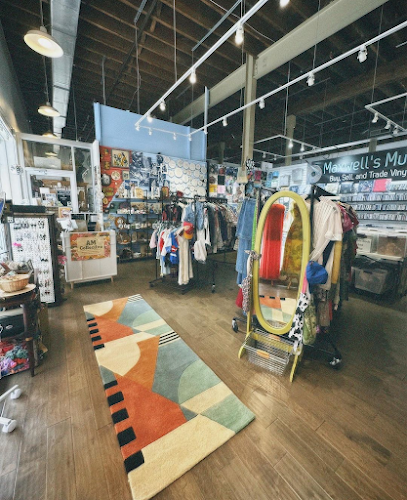
AM Collective
0.5 km
Explore AM Collective in Huntsville, AL: a unique gift shop and vintage clothing store offering local artistry and unforgettable shopping experiences.
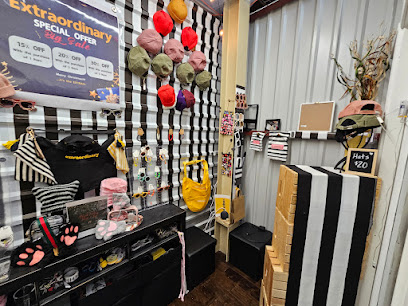
Extraordinary
0.5 km
Experience Huntsville's local flair at Extraordinary, a boutique offering unique fashion, art, and home decor for all tastes.
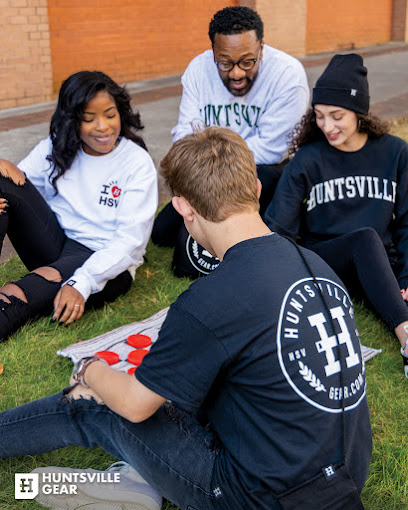
Huntsville Gear
0.5 km
Discover unique souvenirs and locally crafted treasures at Huntsville Gear, the premier souvenir store in Huntsville, Alabama.
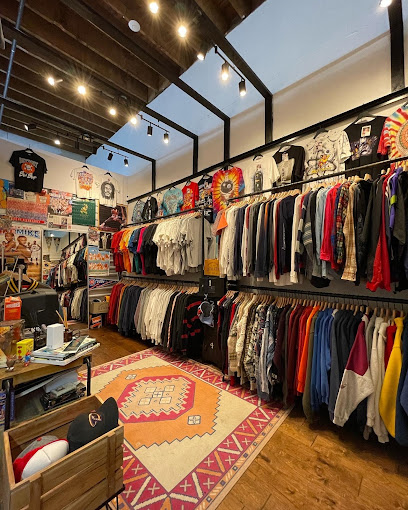
One Man's Vintage
0.5 km
Discover unique vintage clothing and accessories at One Man's Vintage in Huntsville, Alabama, where fashion history comes alive.
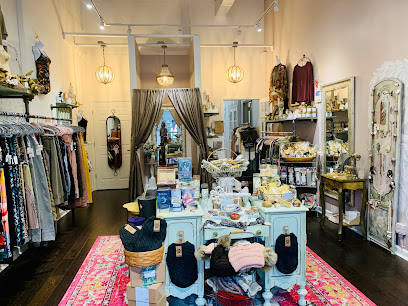
Silhouette For The Goddess In You Darling
0.5 km
Discover chic women's fashion at Silhouette For The Goddess In You Darling, Huntsville's boutique gem offering style, quality, and personalized service.
Creative State
0.5 km
Discover unique handmade gifts and local artistry at Creative State, the premier gift shop in Huntsville, Alabama.
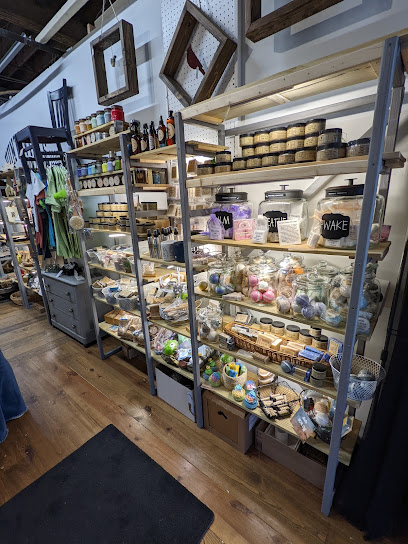
Caley Paige
0.5 km
Explore Caley Paige in Huntsville for unique gifts and trendy clothing that capture the spirit of Alabama's local artistry.
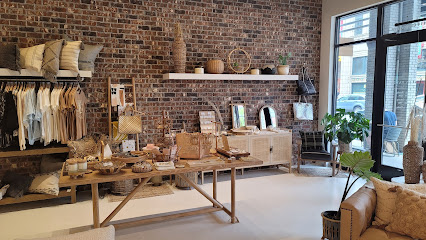
Elitaire Boutique
0.5 km
Discover unique gifts and stylish treasures at Elitaire Boutique, Huntsville's charming shop for women's clothing, jewelry, and baby items.
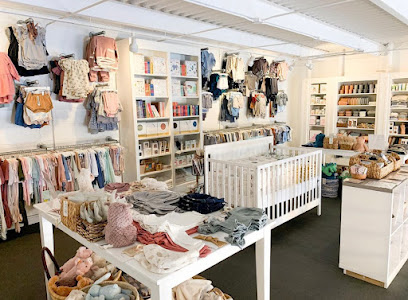
Rivenbark & Roper Antiques
0.7 km
Explore Rivenbark & Roper Antiques in Huntsville, AL - a vintage haven for collectible furniture and timeless treasures.
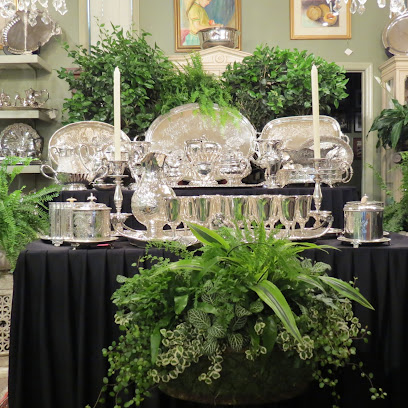
Lawren*s
0.9 km
Explore Lawren*s Gift Shop in Huntsville for unique, handcrafted treasures and local souvenirs that capture the spirit of Alabama.
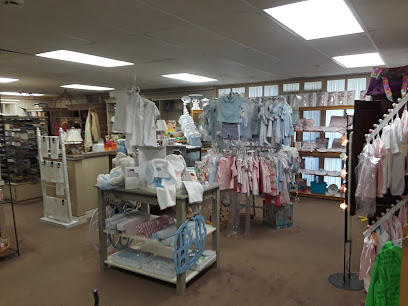
Golden Griffin
1.3 km
Explore the Golden Griffin, Huntsville’s premier destination for unique interior decor and thoughtful gifts that capture the essence of Southern charm.
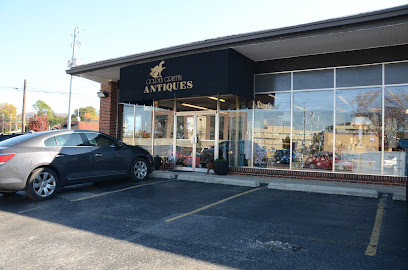
Huntsville Hospital for Women & Children Gift Shop
1.4 km
Discover unique gifts and comforting essentials at the Huntsville Hospital for Women & Children Gift Shop, a special place for patients and visitors alike.
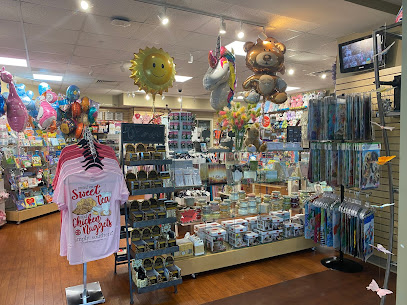
Mary's
1.5 km
Explore the enchanting world of beads and antiques at Mary's in Huntsville, Alabama - a treasure trove for every creative spirit.
Essential bars & hidden hideouts

Voodoo Lounge Bar & Grill
0.3 km
Experience the vibrant nightlife at Voodoo Lounge Bar & Grill in Huntsville, where great food meets live music in a welcoming atmosphere.
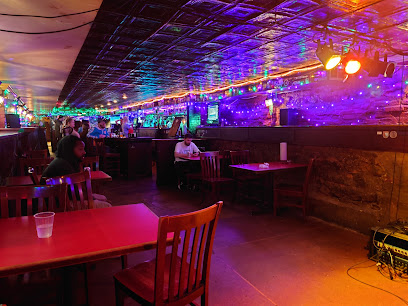
Domaine South wine shop & wine bar
0.4 km
Experience a delightful selection of wines at Domaine South Wine Shop & Wine Bar, where every sip tells a story in the heart of Huntsville.
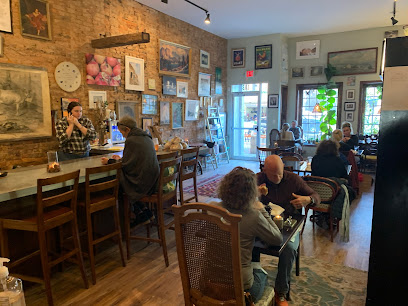
Baker & Able
0.4 km
Discover the vibrant nightlife at Baker & Able, Huntsville's premier cocktail bar offering inventive drinks in a stylish setting.
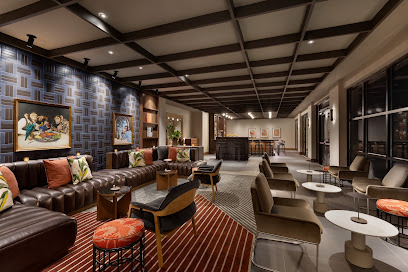
Jefferson Street Pub
0.5 km
Discover the lively atmosphere and delicious fare at Jefferson Street Pub, a top bar and pub in Huntsville, Alabama, where great times await.
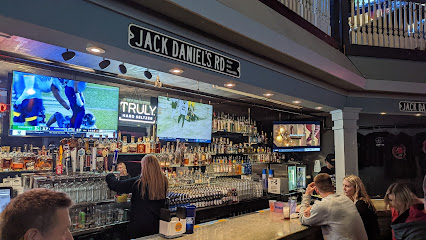
Stella's Elixir Lounge
0.5 km
Discover the lively atmosphere of Stella's Elixir Lounge, Huntsville's premier cocktail bar featuring unique drinks, dance floors, and a welcoming vibe for all.
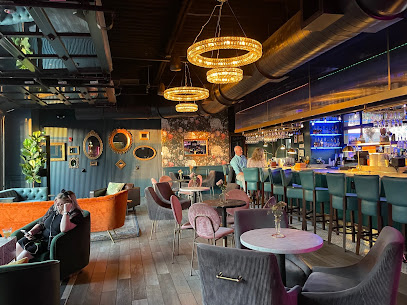
Whiskey Bottom saloon
0.5 km
Discover Whiskey Bottom Saloon, a vibrant bar in Huntsville, AL, offering a lively atmosphere, craft cocktails, and a taste of local nightlife.
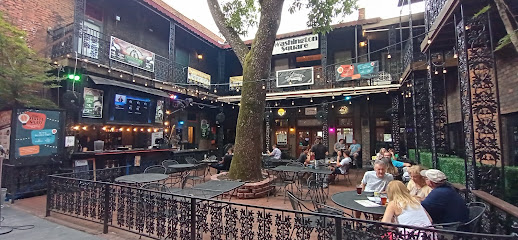
Miller's Tavern
0.5 km
Discover Huntsville's vibrant nightlife at Miller's Tavern, where great drinks and karaoke await in a lively atmosphere.
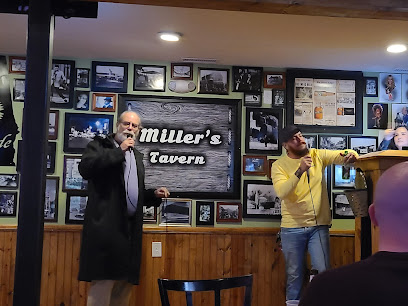
SiP Fine Spirits & Cigar Lounge
0.7 km
Experience luxury and relaxation at SiP Fine Spirits & Cigar Lounge in Huntsville, where exquisite cocktails and premium cigars await.
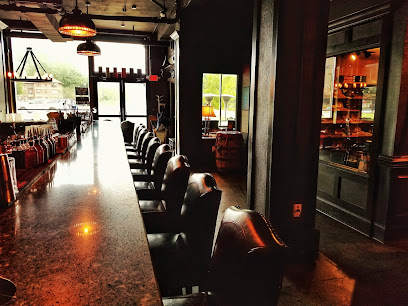
Lenae's Place
1.7 km
Experience the vibrant nightlife of Huntsville at Lenae's Place, where expertly crafted cocktails meet live music and a welcoming atmosphere.
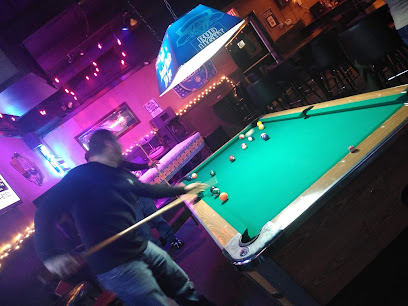
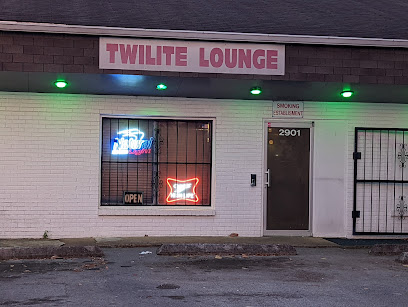
Twilite Restaurant & Lounge
1.8 km
Experience the vibrant nightlife of Huntsville at Twilite Restaurant & Lounge, where exquisite cocktails and a lively atmosphere await every visitor.
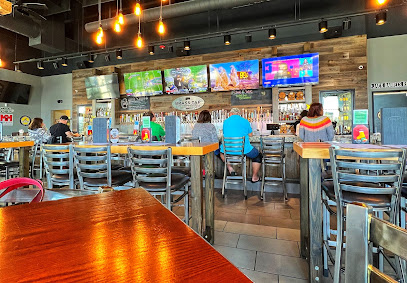
The Brass Tap
1.9 km
Explore The Brass Tap in Huntsville, a premier bar offering over 80 craft beers on tap, live music, and a vibrant atmosphere for all beer enthusiasts.
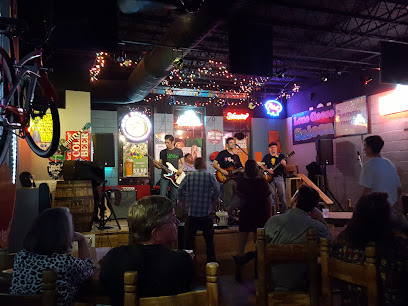
Lone Goose Saloon
2.1 km
Discover Lone Goose Saloon in Huntsville, AL - a lively bar with craft drinks, live music, and a welcoming atmosphere perfect for tourists.
708 Bar and Grille
2.2 km
A lively bar in Huntsville, AL, offering delicious food, refreshing drinks, and a friendly atmosphere for an unforgettable experience.
Pourhouse Huntsville
2.4 km
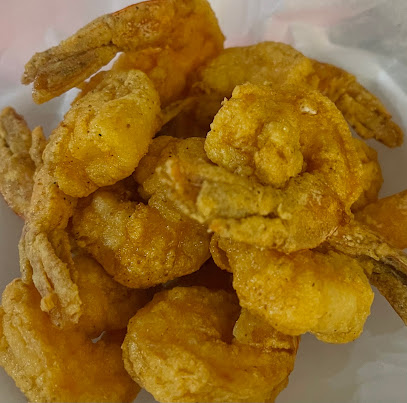
Discover the charm of Pourhouse Huntsville, a cozy bar offering craft cocktails and a welcoming ambiance in the heart of Alabama.
Copper Top Bar & Grill
2.4 km
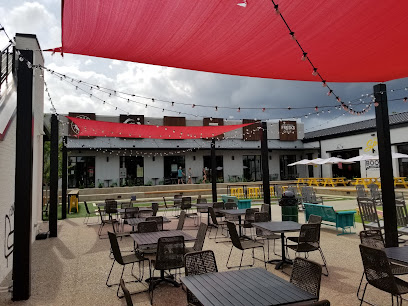
Discover Copper Top Bar & Grill in Huntsville, Alabama – a delightful fusion of grilled flavors and vibrant nightlife awaits you.