Lower Commerce Street Historic District: A Walk Through Time
Discover Montgomery's Lower Commerce Street Historic District: Architecture, commerce, and history in the heart of Alabama.
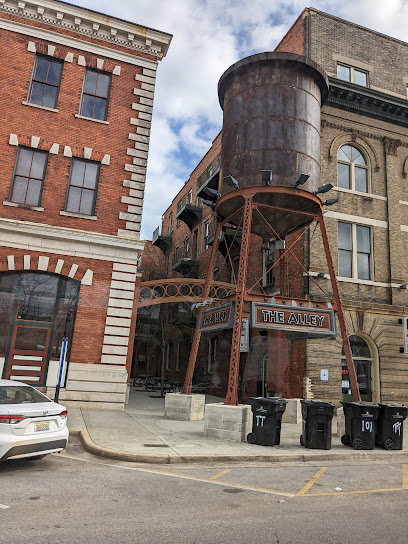
Explore Montgomery's Lower Commerce Street Historic District, a captivating area showcasing the city's 19th and early 20th-century commercial architecture and its complex history related to river trade and the Civil War era [3, 7].
A brief summary to Lower Commerce Street Historic District
- 121 Coosa St, Montgomery, Alabama, 36104, US
Local tips
- Take a self-guided walking tour to appreciate the architectural details of the historic buildings [3].
- Visit nearby attractions like the Riverfront Park and the Montgomery Union Station to enhance your historical experience [3].
- Check out local events and festivals that often take place in the district [3].

Getting There
-
Walking
From the Montgomery Riverwalk, head north on Commerce Street [3]. The Lower Commerce Street Historic District will be on your left, starting around Coosa Street [3]. Walking is the best way to explore the district's architectural details [3]. No costs involved [3].
-
Taxi/Ride-share
Taxis and ride-sharing services like Uber and Lyft are available in Montgomery [3, 12, 14]. A short ride from downtown hotels or the Civil Rights Memorial to the Lower Commerce Street Historic District will cost approximately $8-$12, depending on traffic [3].
-
Public Transport
The M, Montgomery's transit system, provides transportation to locations throughout the city [10]. Check The M's website or call for specific routes and schedules [10]. A single ride fare is around $1.50 [14].
Discover more about Lower Commerce Street Historic District
Iconic landmarks you can’t miss

Lower Commerce Street Historic District
0.0 km
Explore the Lower Commerce Street Historic District in Montgomery, Alabama, where rich history meets stunning architecture in a vibrant cultural hub.
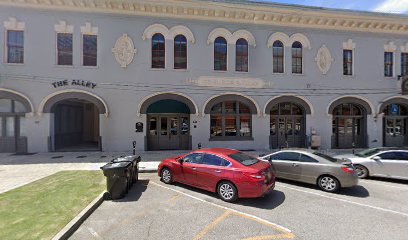
Alley Station
0.1 km
Montgomery's premier event venue, Alley Station, offers a unique blend of historic charm and modern amenities for unforgettable celebrations.
Murphy House
0.1 km
Explore the Murphy House, a historic Greek Revival mansion in Montgomery, AL, with ties to the Confederacy, Union Army, and city development.
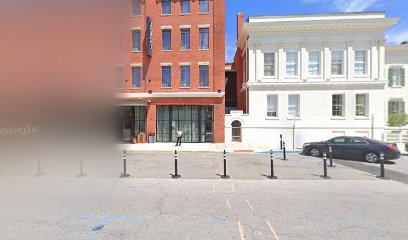
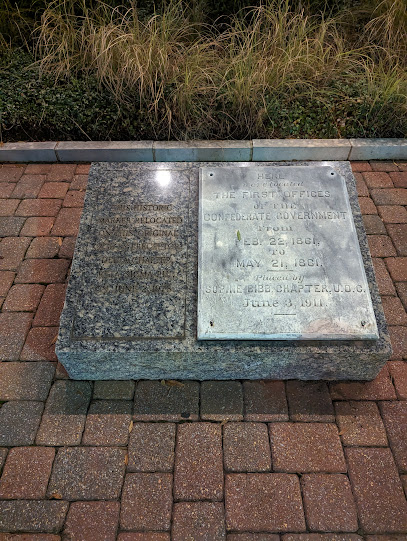
Site of the First Confederate Government Buildings
0.1 km
Explore the Site of the First Confederate Government Buildings, a pivotal historical landmark in Montgomery, Alabama, rich with Civil War history and architectural beauty.
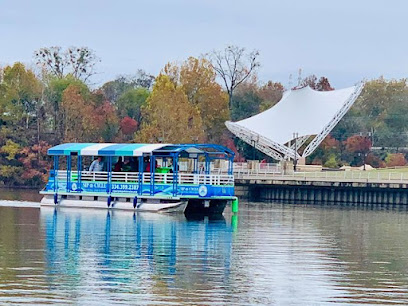
Sip-n-Cycle Pedal Cruise
0.3 km
Pedal, sip, and see Montgomery from the Alabama River! A unique party boat experience with drinks, music, and unforgettable views.
Montgomery Alabama
0.3 km
Discover Montgomery, Alabama: A journey through civil rights history, Southern charm, and a vibrant cultural scene awaits in the heart of the South, where past and present converge.
Rainbow Division Statue
0.3 km
Honoring the Alabamians of the Rainbow Division: A powerful World War I memorial at Montgomery's historic Union Station.
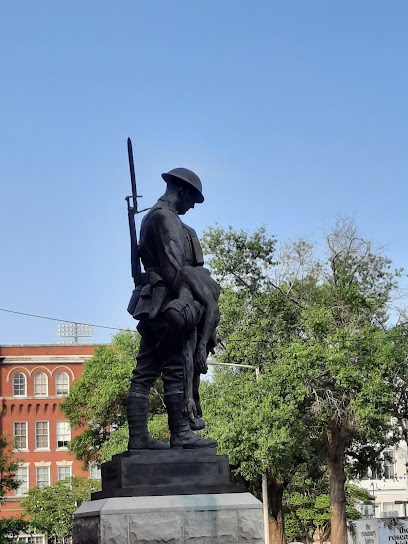
Experience Montgomery Visitor Center
0.3 km
Discover Montgomery's history, culture, and Southern charm at the Experience Montgomery Visitor Center, your gateway to the capital city.
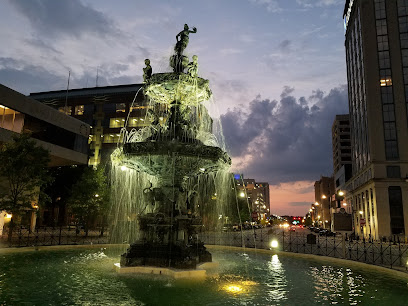
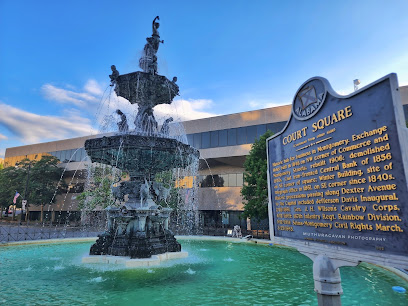
Court Square Fountain - Artesian Basin
0.3 km
Explore the historic Court Square Fountain in Montgomery, Alabama, a serene landmark that embodies the city's rich heritage and charm.
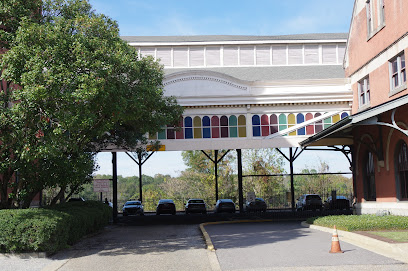
Union Station Train Shed
0.3 km
Explore Montgomery's Union Station Train Shed: A preserved landmark showcasing the city's rich railway heritage and architectural grandeur.
1 Court Square
0.4 km
Explore the historic Court Square in Montgomery, Alabama, where rich history, beautiful architecture, and vibrant community life come together.
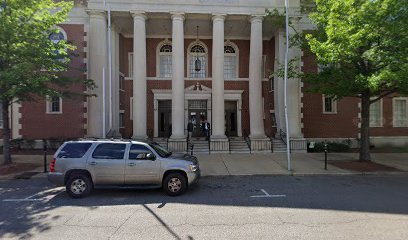
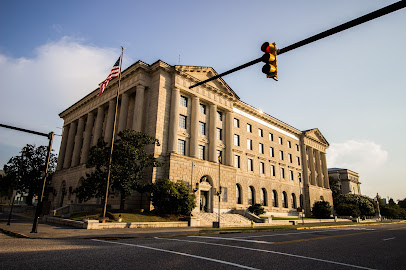
United States Post Office and Courthouse—Montgomery
0.6 km
A historic courthouse in Montgomery, Alabama, renowned for its Renaissance Revival architecture and pivotal role in the Civil Rights Movement.
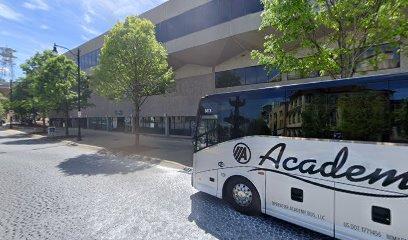
Alabama Historical Tours
0.6 km
Discover Alabama's rich heritage at Old Alabama Town in Montgomery, a captivating living history museum showcasing 19th-century life through authentic, restored buildings and engaging stories.
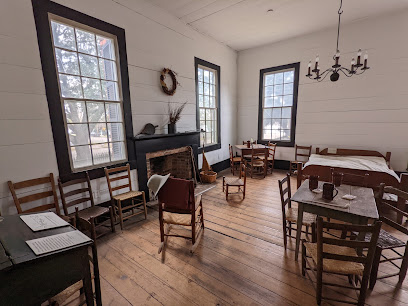
Lucas Tavern
0.7 km
Explore the rich history of Montgomery at Lucas Tavern, a non-profit organization dedicated to preserving local heritage through engaging tours and events.
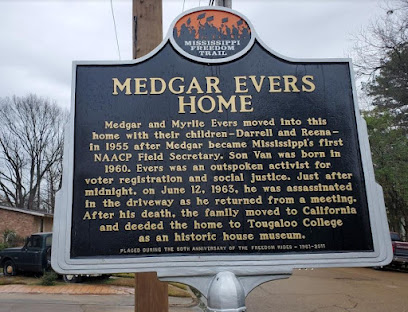
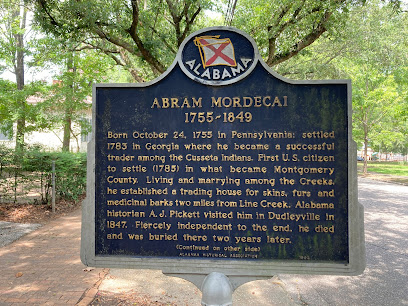
Abram Mordecai Historical Marker
0.7 km
Explore the Abram Mordecai Historical Marker in Montgomery, Alabama, a tribute to cultural heritage and a significant figure in the region's history.
Unmissable attractions to see

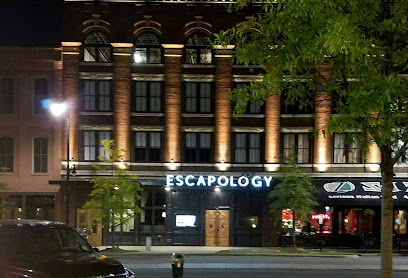
Escapology Montgomery
0.1 km
Experience Montgomery's premier escape room adventures! Solve puzzles, crack codes, and escape the room in 60 minutes of thrilling fun.
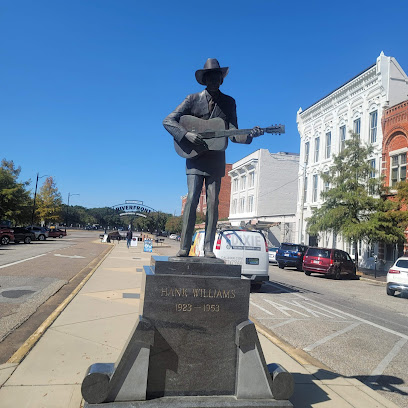
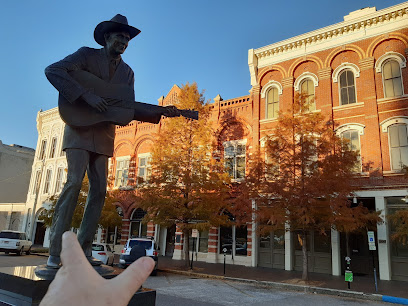
Hank Williams Statue
0.2 km
Pay homage to the legendary Hank Williams at this iconic statue in downtown Montgomery, a tribute to his enduring influence on country music and Alabama's rich musical heritage.
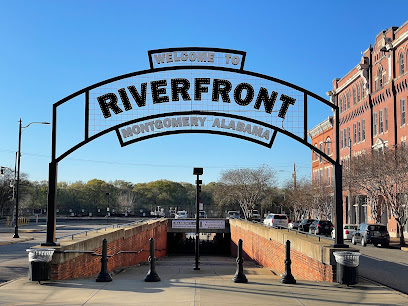
Riverwalk
0.2 km
Explore Montgomery's Riverwalk: Where history, culture, and scenic beauty converge along the Alabama River for an unforgettable experience.
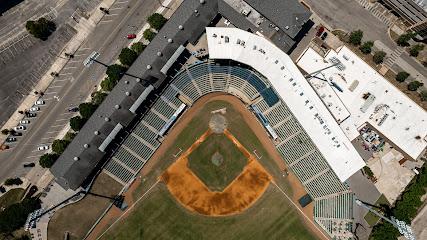
Montgomery Riverwalk Stadium
0.2 km
Experience baseball in a historic train shed at Montgomery's Riverwalk Stadium, home of the Biscuits!
The Legacy Museum
0.3 km
Explore America's history of racial injustice, from slavery to mass incarceration, through powerful exhibits and first-person narratives at this Montgomery museum.
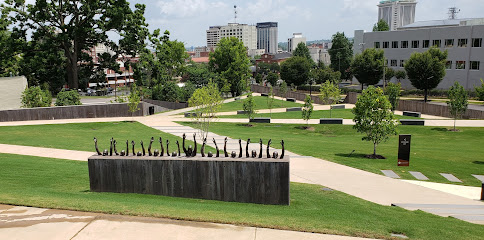
Rosa Parks Bus Stop
0.3 km
Visit the Rosa Parks Bus Stop in Montgomery, AL, a historic landmark commemorating a pivotal moment in the Civil Rights Movement.
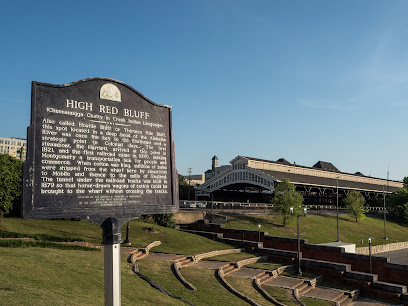
High Red Bluff
0.3 km
Discover Montgomery's rich history and stunning riverfront views at High Red Bluff, a landmark that shaped the Southeast's economic and social evolution.
Rosa Parks Library & Museum Childrens Wing
0.4 km
Interactive exhibits bring Civil Rights history to life for young visitors at the Rosa Parks Museum Children's Wing in Montgomery, Alabama.
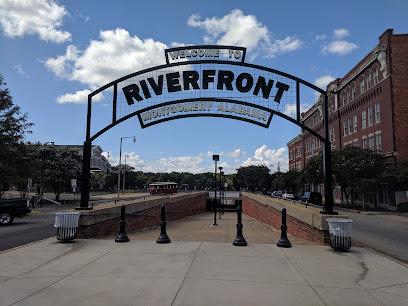
Riverfront Park
0.4 km
Explore Montgomery's vibrant heart at Riverfront Park: history, entertainment, and scenic river views await!
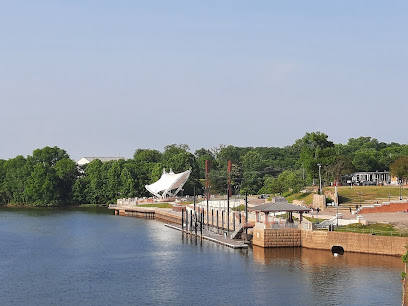
River walk observation tower
0.4 km
Panoramic views of Montgomery's riverfront, blending history and revitalization.
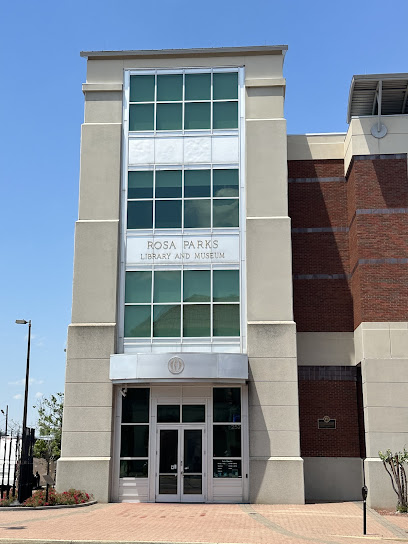
Rosa Parks Museum
0.4 km
Explore the life, legacy, and impact of Rosa Parks and the Montgomery Bus Boycott at this moving and educational museum.
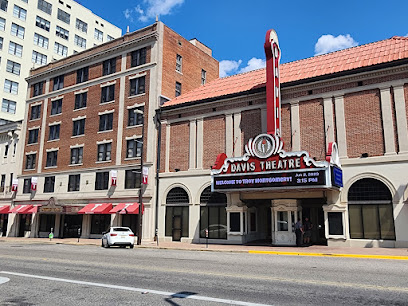
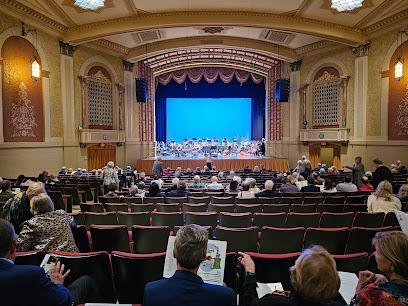
Davis Theatre for the Performing Arts
0.4 km
Experience the magic of performing arts at the historic Davis Theatre in downtown Montgomery, Alabama. A cultural gem offering diverse entertainment.
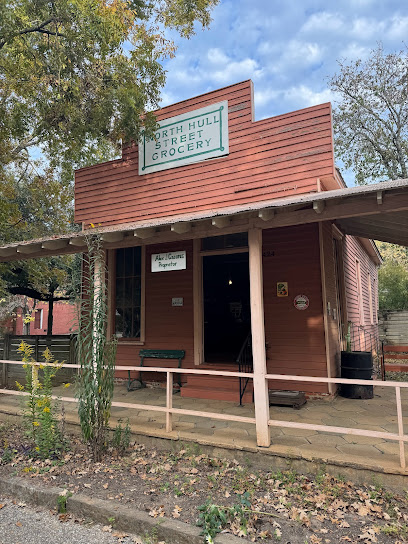
Old Alabama Town
0.6 km
Step back in time and experience 19th-century life at Old Alabama Town, a living history museum in the heart of Montgomery, Alabama.
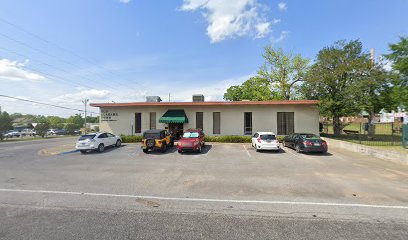
Landmarks Foundation of Montgomery
0.6 km
Discover Montgomery's architectural and historical treasures with the Landmarks Foundation. Explore preserved landmarks and learn about the city's rich heritage.
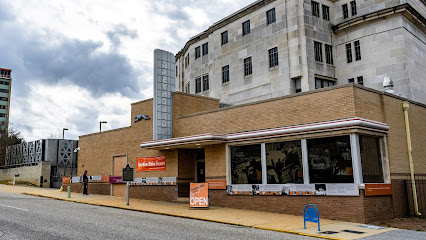
Freedom Rides Museum
0.6 km
Experience the courage and impact of the 1961 Freedom Riders at this pivotal Civil Rights landmark in Montgomery, Alabama.
Essential places to dine

Central Restaurant
0.0 km
Discover exquisite Traditional American cuisine at Central Restaurant in Montgomery - where culinary artistry meets elegant dining.
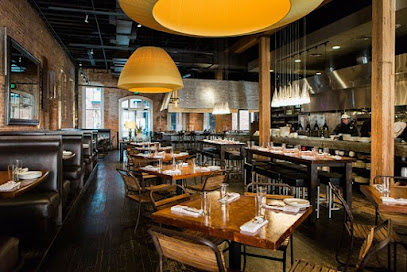
SaZa Serious Italian Food
0.1 km
Experience the essence of Italy at SaZa Serious Italian Food in Montgomery – where every bite tells a story.
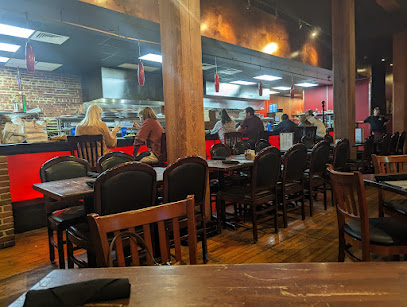
Waterworks Rooftop Restaurant and Bar
0.1 km
Experience stunning skyline views while savoring delicious cuisine at Montgomery's premier rooftop restaurant and bar.
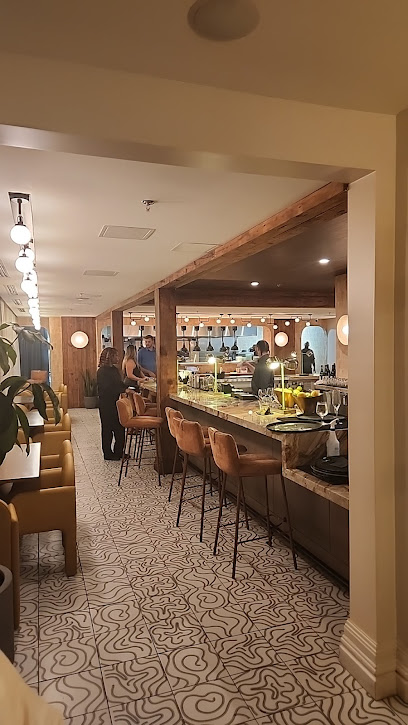
Kinsmith
0.1 km
Experience Southern hospitality at Kinsmith, where diverse flavors meet inviting ambiance in the heart of Montgomery.
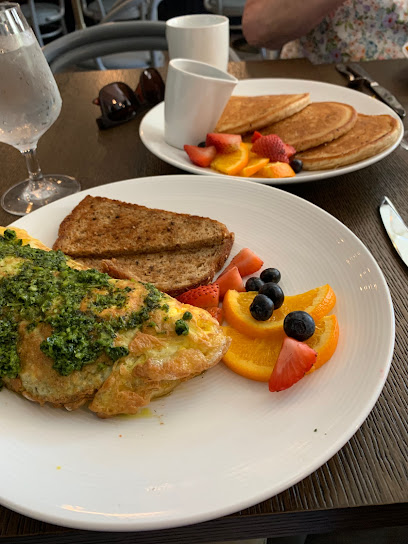
The House Restaurant
0.1 km
Discover exquisite dining at The House Restaurant in Montgomery - where Southern charm meets modern cuisine in an unforgettable atmosphere.
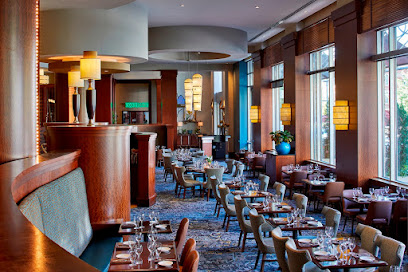
Dreamland BBQ
0.1 km
Experience the authentic taste of Southern barbecue at Dreamland BBQ in Montgomery - where every bite tells a story.
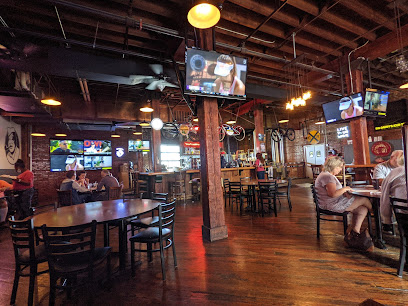
Wintzell's Oyster House
0.1 km
Experience authentic Gulf Coast cuisine at Wintzell's Oyster House – Montgomery's premier destination for fresh oysters and seafood delicacies.
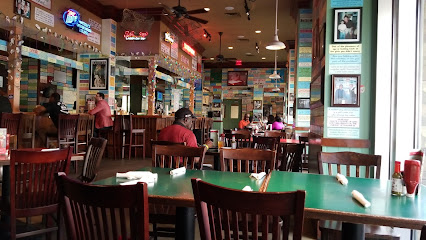
Taste Too
0.2 km
Experience the vibrant flavors of America at Taste Too in Montgomery – where every meal is crafted with passion.
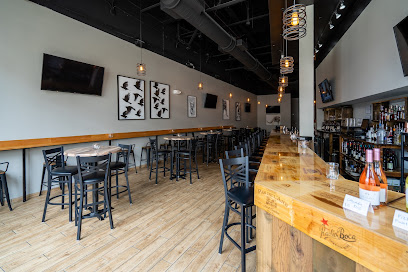
Ravello Ristorante
0.2 km
Experience authentic Italian fine dining at Ravello Ristorante in Montgomery, AL—where exquisite flavors meet elegant ambiance.
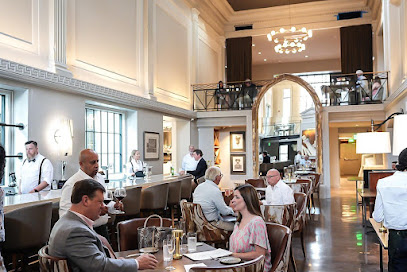
Pannie-George's Kitchen Inc - Montgomery
0.3 km
Discover authentic Southern flavors at Pannie-George's Kitchen Inc in Montgomery - A must-visit restaurant for culinary enthusiasts.
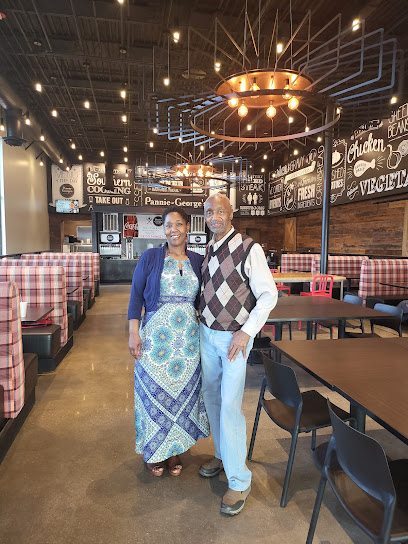
D'Road Cafe
0.3 km
Experience authentic Venezuelan flavors at D'Road Cafe in downtown Montgomery - a must-visit breakfast destination!
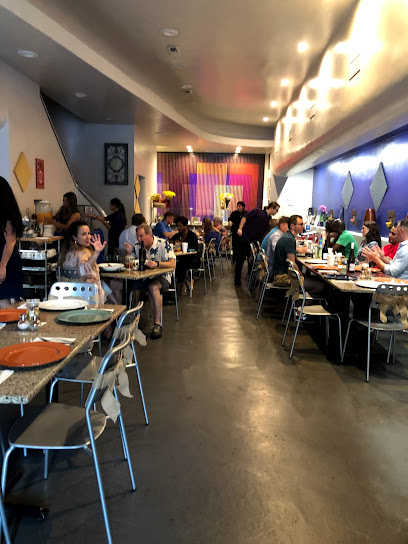
Railroad Thai
0.4 km
Experience authentic Thai cuisine at Railroad Thai in Montgomery - where flavor meets tradition in a cozy setting.
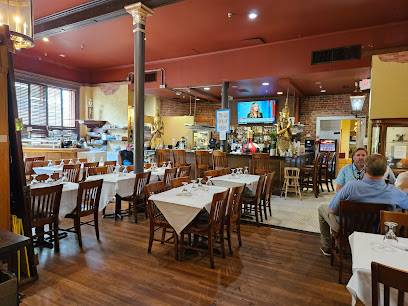
Island Delight
0.4 km
Discover authentic Jamaican flavors at Island Delight in Montgomery - where every dish tells a story.
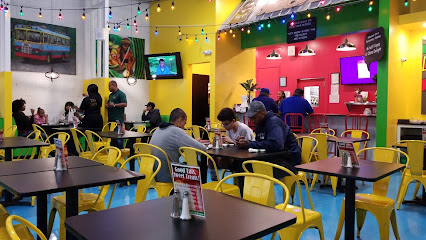
Plant Bae
0.4 km
Discover Plant Bae in Montgomery - where delicious vegan dishes meet sustainable practices in a welcoming atmosphere.
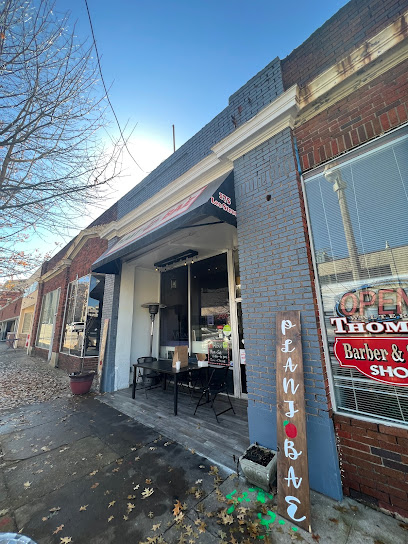
Cahawba House
0.4 km
Experience authentic Southern breakfasts at Cahawba House, where each dish tells a story of tradition and flavor.
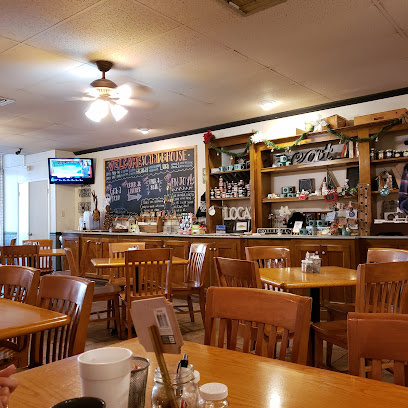
Markets, malls and hidden boutiques

Naturally Necessary Soaps & Co
0.3 km
Explore Montgomery's Naturally Necessary Soaps & Co for exquisite handmade soaps and natural skincare treasures that capture the essence of local artistry.
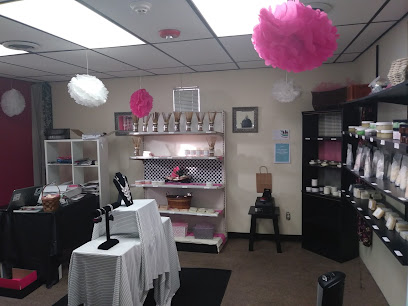
Weil's Inc
0.3 km
Explore Weil's Inc in Montgomery for a stylish selection of men's clothing, where quality meets fashion in a welcoming atmosphere.
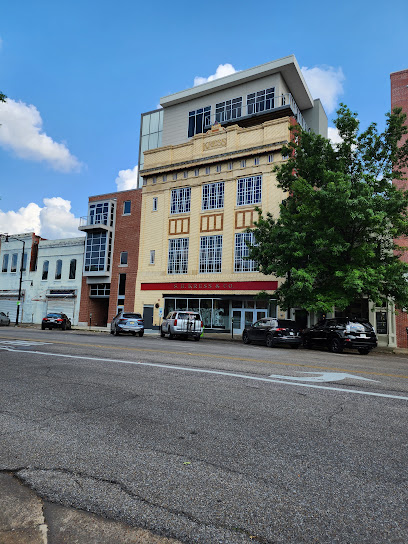
The BeYOUtiful Boutiques
0.3 km
Explore The BeYOUtiful Boutiques for stylish women's clothing and unique plus-size fashion in Montgomery, Alabama.
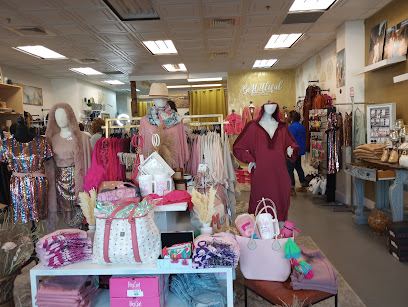
Looking Good
0.4 km
Explore Montgomery's fashion scene at Looking Good, the ultimate destination for stylish men's clothing and accessories.
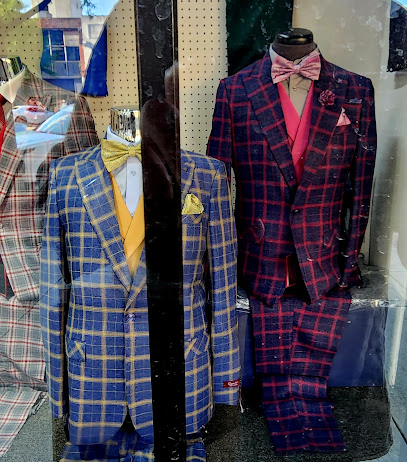
Besties Boutique(shopbestiess)
0.4 km
Explore Besties Boutique in Montgomery for unique fashion pieces and delightful gifts that showcase Southern charm and style.
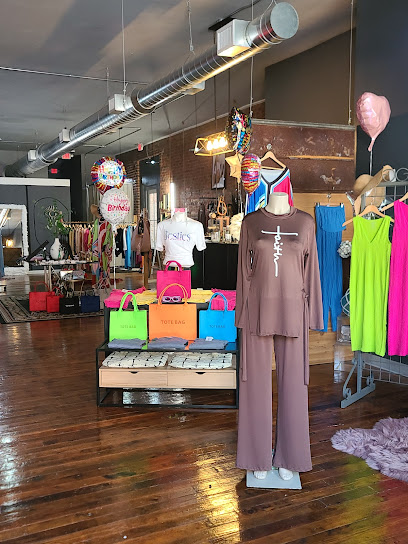
Keller Boutique
0.4 km
Discover the charm of Southern fashion at Keller Boutique in Montgomery, Alabama, featuring unique styles and personalized service for every shopper.
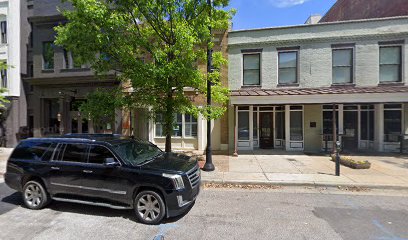
AfriAmeri Gift Shop
0.5 km
Explore the vibrant culture of Africa at AfriAmeri Gift Shop - a unique destination for authentic African crafts and gifts in Montgomery, Alabama.
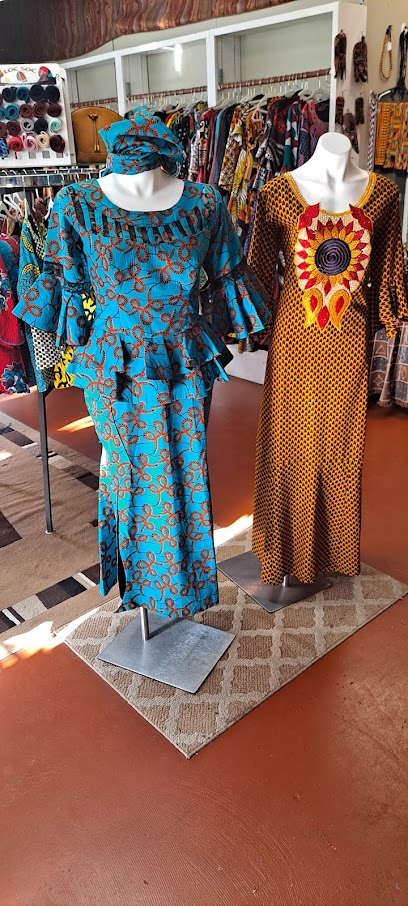
Bits N Pieces
0.7 km
Explore Bits N Pieces in Montgomery, AL for unique gifts and local treasures that capture the essence of Alabama's culture and charm.
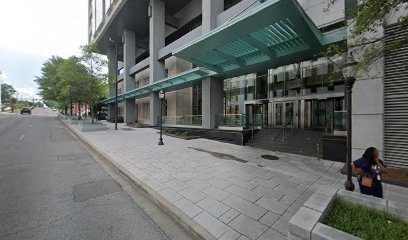
Alabama Tourism Gift Shop
0.9 km
Explore Alabama's rich culture and history at the Tourism Gift Shop, your go-to destination for unique souvenirs and local treasures.
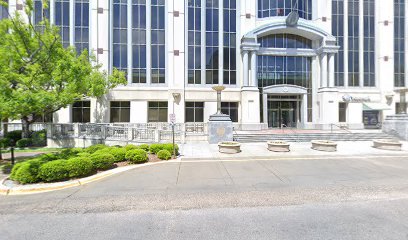
Goat Hill Museum Store
1.0 km
Explore the Goat Hill Museum Store in Montgomery, Alabama, for unique gifts and treasures that showcase the state's rich culture and artistry.
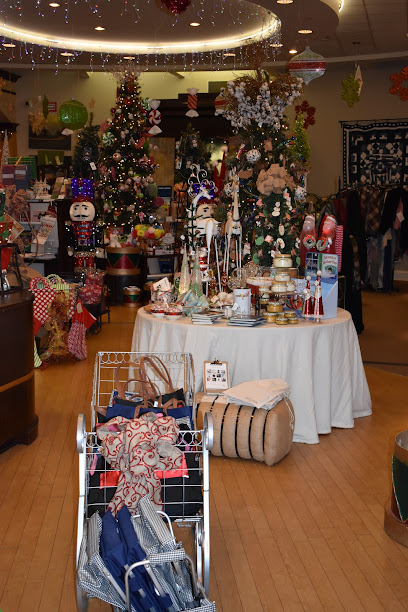
Tours of Montgomery
1.6 km
Discover the heart of Montgomery with unique souvenirs reflecting the rich culture and history of Alabama at Tours of Montgomery.
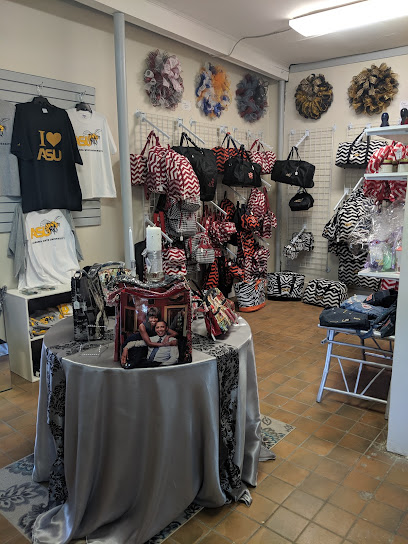
Trenae's Boutique
2.0 km
Explore Trenae's Boutique in Montgomery, AL for unique fashion accessories, clothing, and local artistry that define Southern elegance.
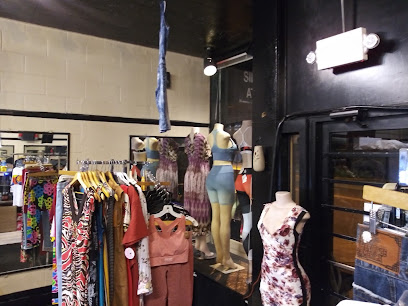
Limitless Options Boutique
2.4 km
Explore Limitless Options Boutique in Montgomery, AL, where unique women's fashion meets Southern charm in a delightful shopping experience.
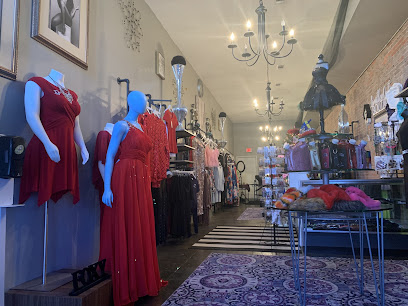
Capitol Heights Mini Mart
2.5 km
Discover the convenience of Capitol Heights Mini Mart, your one-stop shop for snacks, drinks, and essential services in Montgomery, Alabama.
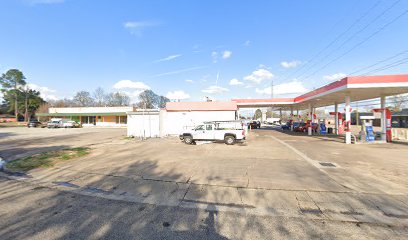
Jorja's Creations
2.5 km
Discover handcrafted treasures at Jorja's Creations, the charming gift shop in Montgomery, Alabama, filled with unique local artistry.
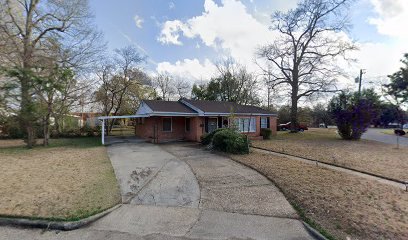
Essential bars & hidden hideouts

AlleyBAR
0.0 km
Discover AlleyBAR in Montgomery, AL - a lively bar with live music, offering a unique blend of local culture and vibrant nightlife for an unforgettable experience.
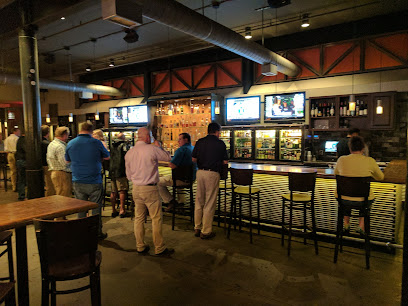
The Alley
0.1 km
Explore The Alley in Montgomery, Alabama, a vibrant entertainment district filled with lively bars, restaurants, and cultural experiences for every tourist.
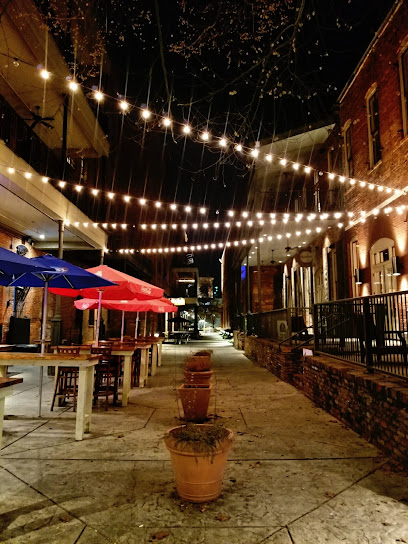
Lower Lounge
0.1 km
Discover Montgomery's Lower Lounge, a chic cocktail bar offering expertly crafted drinks and a vibrant atmosphere for an unforgettable night out.
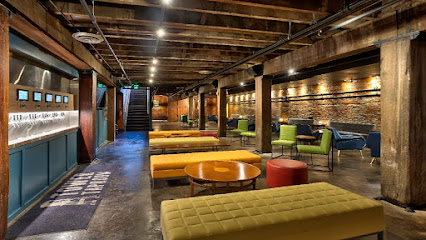
Aviator Bar
0.1 km
Experience Montgomery's vibrant nightlife at Aviator Bar, where craft cocktails and live music create an unforgettable atmosphere.
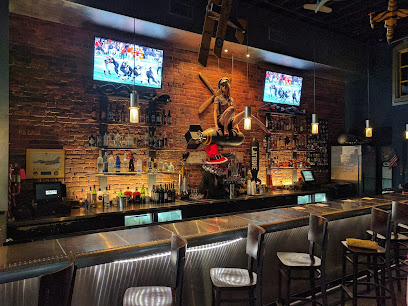
Tower Taproom
0.1 km
Discover Tower Taproom in Montgomery, a vibrant beer hall with an extensive craft beer selection and delicious gourmet burgers perfect for foodies and beer lovers.
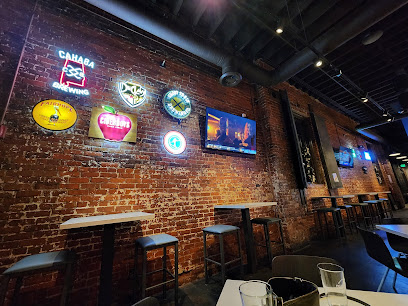
The Exchange Bar
0.2 km
Experience the charm of Montgomery at The Exchange Bar, a stylish lounge offering exquisite cocktails and a vibrant atmosphere for relaxation and socializing.
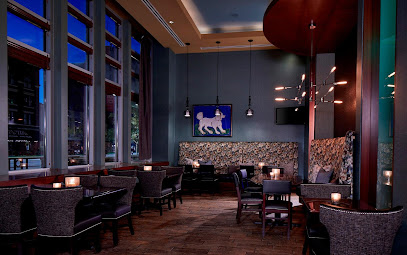
Bar Attico
0.2 km
Discover the heart of Montgomery's cocktail culture at Bar Attico, where vibrant drinks meet a lively atmosphere for an unforgettable night out.
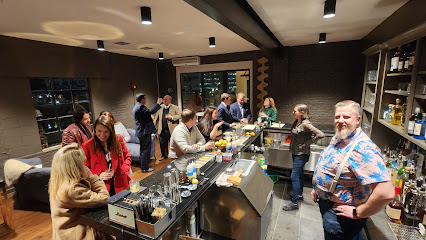
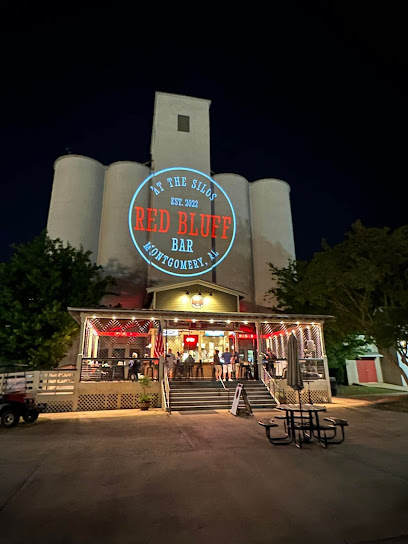
Red Bluff Bar at the Silos
0.3 km
Experience the vibrant flavors of Montgomery at Red Bluff Bar at the Silos, where Southern hospitality meets delightful grilled cuisine.
23 Court
0.4 km
Discover the lively atmosphere and craft cocktails of 23 Court, Montgomery's premier bar for socializing and relaxation.
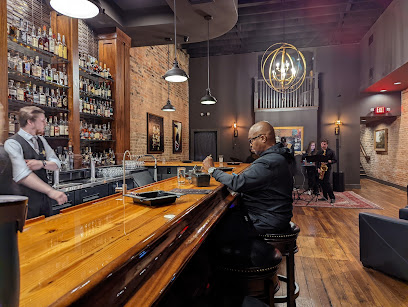
The Statesman
0.5 km
Experience the best of Montgomery's nightlife at The Statesman, where expertly crafted cocktails meet a chic and inviting atmosphere.
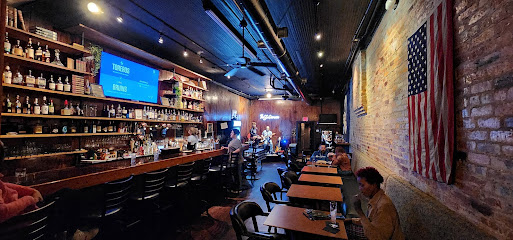
Hilltop Public House
0.8 km
Discover Hilltop Public House in Montgomery: A delightful bar and café offering an array of delicious bagels, coffee, cocktails, and a warm, inviting atmosphere.
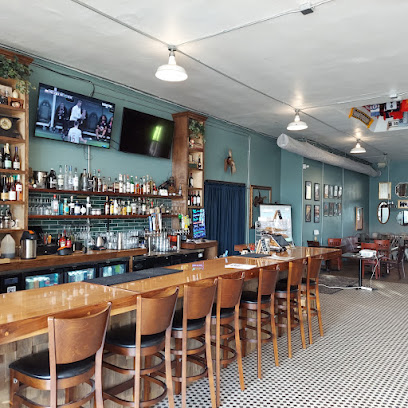
VIP Hookah Lounge
2.0 km
Discover relaxation and vibrant nightlife at VIP Hookah Lounge, Montgomery's premier hookah bar and social hotspot.
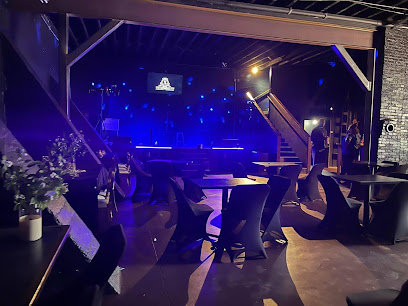
Rob's Pockets
2.5 km
Discover the laid-back charm of Rob's Pockets, a local bar in Montgomery, Alabama, known for its friendly atmosphere and affordable drinks.
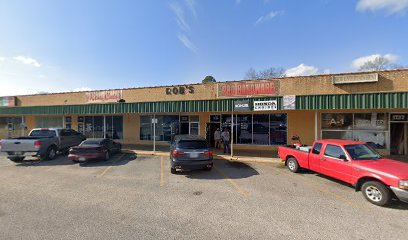
Pine Bar Old Cloverdale
2.7 km
Discover the vibrant atmosphere and delightful drinks at Pine Bar Old Cloverdale, a must-visit bar in Montgomery, Alabama for tourists and locals alike.
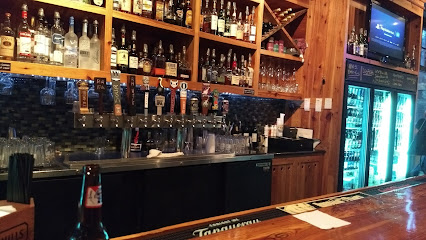
Macs Tavern
3.0 km
Discover the local charm and vibrant atmosphere of Macs Tavern, a must-visit bar in Montgomery offering delicious food and refreshing drinks.