Magnolia Cemetery: Mobile's City of the Dead
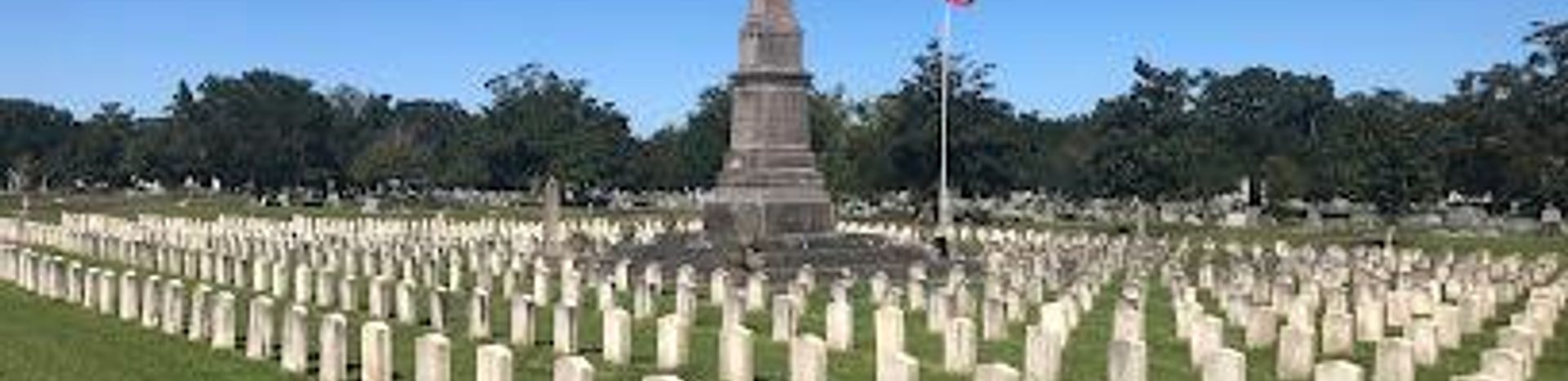
Explore Mobile's history at Magnolia Cemetery, a 120-acre outdoor museum of Victorian funerary art and notable figures.
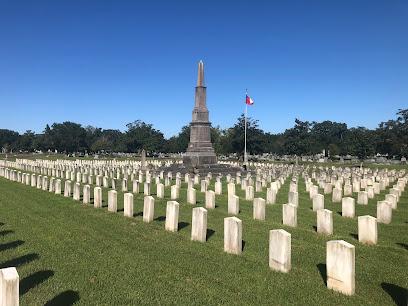
Magnolia Cemetery, established in 1836, is a sprawling 120-acre historic cemetery in Mobile, Alabama, serving as the final resting place for over 80,000 individuals. It showcases elaborate Victorian-era monuments and sculptures, reflecting Mobile's rich history and culture.
A brief summary to Magnolia Cemetery
- 1202 Virginia St, Mobile, Washington Square, Alabama, 36660, US
- +1251-432-8672
- Visit website
Local tips
- Wear comfortable shoes, as the cemetery spans 120 acres and involves a good amount of walking.
- Bring water, especially during warmer months, as there are limited facilities for refreshments within the cemetery.
- Consider a guided tour by the Friends of Magnolia Cemetery for in-depth historical insights.
- Check the Friends of Magnolia Cemetery website for special events like 'Whispers of Magnolia' for a unique historical experience.
- Visit during the spring to see azaleas and camellias in bloom, adding to the cemetery's beauty.

Getting There
-
Driving
If driving from downtown Mobile, head west on Government Street. Turn left onto Ann Street, then left again onto Virginia Street. The cemetery entrance will be on your left. Parking is available along the roadside within the cemetery grounds free of charge.
-
Public Transport
The Wave Transit System operates buses in Mobile. From downtown, take a bus that stops near the intersection of Ann Street and Virginia Street. From there, it's a short walk east on Virginia Street to the cemetery entrance. A single ride fare is $1.25.
-
Taxi/Ride-Share
Taxis and ride-sharing services like Uber and Lyft are readily available in Mobile. Request a ride to Magnolia Cemetery at 1202 Virginia Street. The fare from downtown Mobile typically ranges from $8 to $12, depending on traffic and demand.
-
Walking
From downtown Mobile, walking to Magnolia Cemetery is possible but will take approximately 30-40 minutes. Head west on Government Street, turn left onto Ann Street, and then turn right onto Virginia Street. Continue walking east on Virginia Street until you reach the cemetery entrance on your left. Be aware of traffic and pedestrian safety.
Discover more about Magnolia Cemetery
Iconic landmarks you can’t miss

Magnolia Cemetery
0.0 km
Explore the serene beauty and historical significance of Magnolia Cemetery in Mobile, Alabama, a peaceful retreat steeped in rich heritage.
Oakleigh Historic District
0.8 km
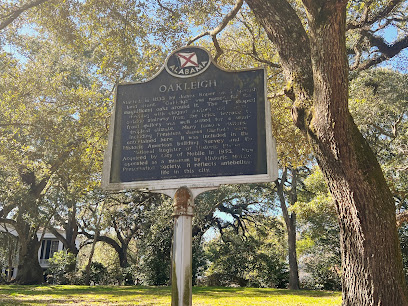
Experience Mobile's past in the Oakleigh Historic District, a treasure trove of 19th-century architecture and Southern charm.
Maysville Historic District (Mobile, Alabama)
1.5 km
Discover the rich history and charming architecture of the Maysville Historic District, a hidden gem in Mobile, Alabama.
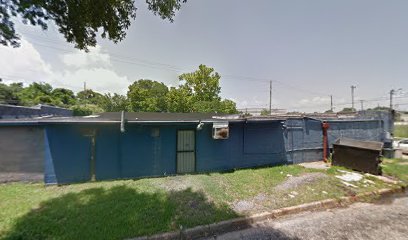
Monterey Place
1.5 km
Discover Monterey Place in Mobile's Old Dauphin Way: A Queen Anne masterpiece with a rich history and architectural charm.
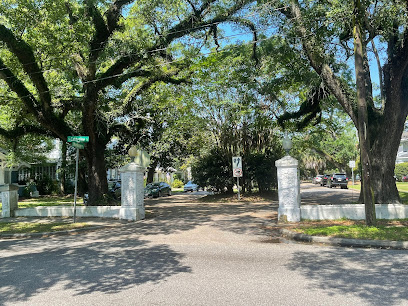
Raphael Semmes House
1.6 km
Discover the historical significance and architectural beauty of the Raphael Semmes House, a key landmark in Mobile's rich heritage.
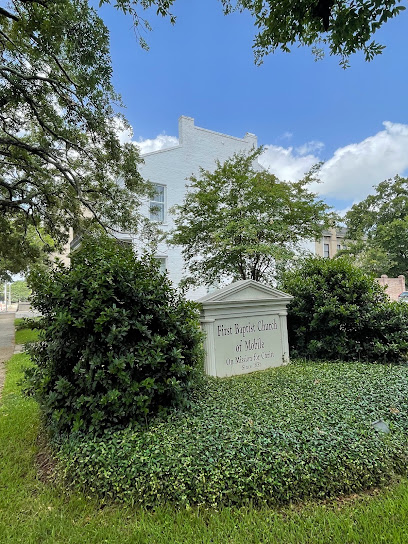
Church Street Graveyard
1.7 km
Explore Mobile's history at Church Street Graveyard, a serene and historic final resting place of city founders and notable figures since 1819.
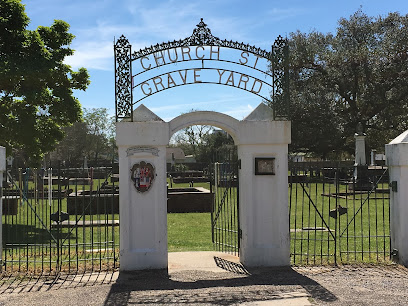
Quigley House
1.7 km
Discover Mobile's architectural heritage at the Quigley House, a beautifully preserved landmark in the heart of the city's Central Business District, showcasing its rich history and cultural evolution.
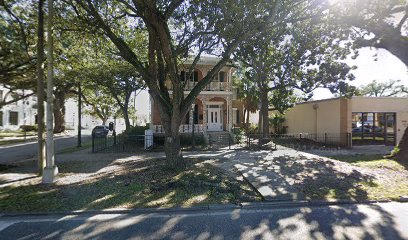
Kennedy-Cox House
1.9 km
Discover Mobile's golden age at the Kennedy-Cox House, a beautifully preserved 1857 landmark showcasing Greek Revival and Italianate architecture.
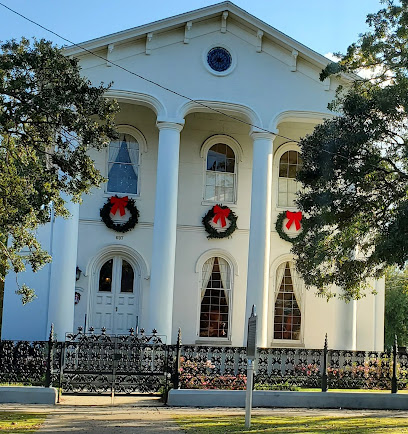
Monterey North
1.9 km
Discover the historic charm of Monterey North in Mobile, Alabama, where every corner reveals a treasure trove of Southern heritage and architectural beauty.
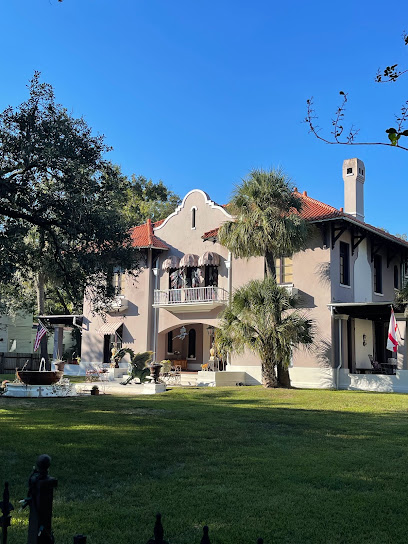
George Fearn House
1.9 km
Experience Mobile's architectural history at the George Fearn House, a stunning example of Spanish Colonial Revival design from 1904.
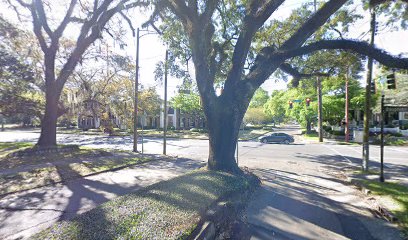
Hannon Park
1.9 km
Discover a peaceful retreat in Mobile's historic heart at Hannon Park, surrounded by stunning architecture and a vibrant community atmosphere.
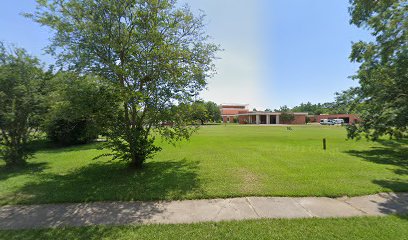
The Pollock-Altmayer House
2.1 km
Explore the Pollock-Altmayer House, an exquisite historical landmark in Mobile, Alabama, showcasing architectural beauty and rich local history.
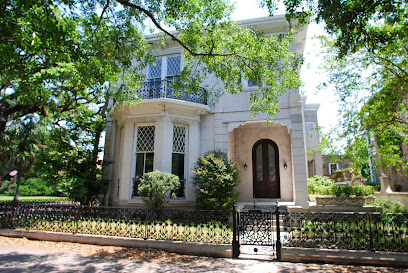
Bettie Hunter House
2.2 km
Discover the inspiring story of Bettie Hunter, a former slave who became a successful businesswoman in post-Civil War Mobile.
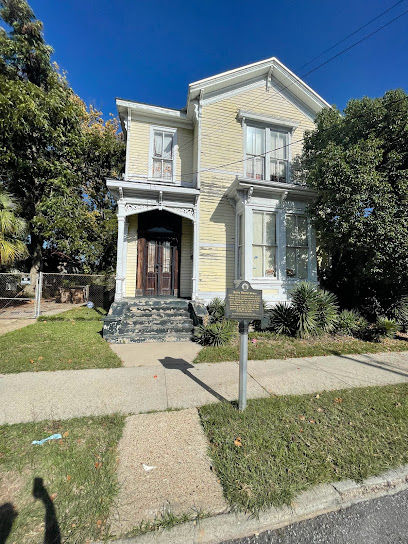
Chighizola House
2.3 km
Explore the architectural beauty and historical significance of Chighizola House in Mobile, Alabama, a must-visit for history enthusiasts and urban explorers.
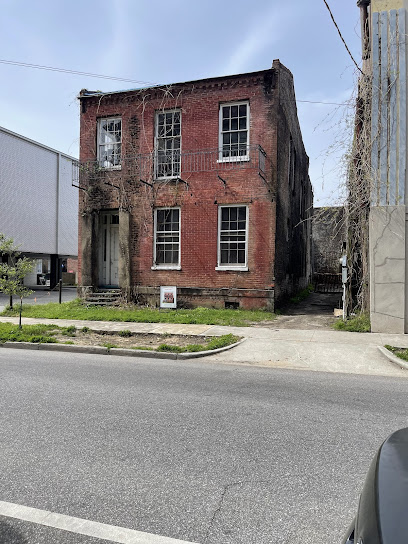
The Temple Downtown
2.4 km
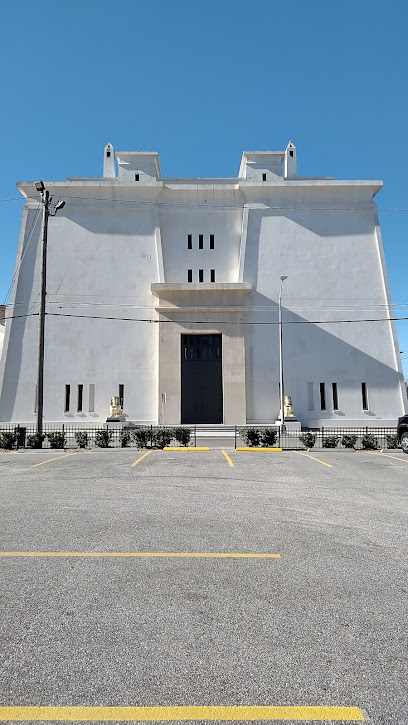
Experience the grandeur of Egyptian Revival architecture at The Temple Downtown, Mobile's premier historic event venue.
Unmissable attractions to see

Historic Mobile Preservation Society
0.8 km
Preserving Mobile's architectural heritage through education, advocacy, and the stewardship of historic landmarks in the Oakleigh Garden Historic District.
Washington Square Park
1.0 km
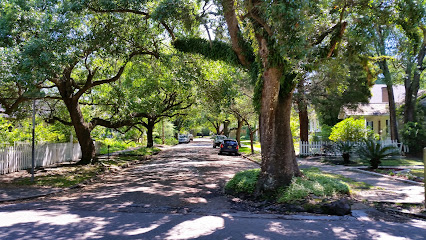
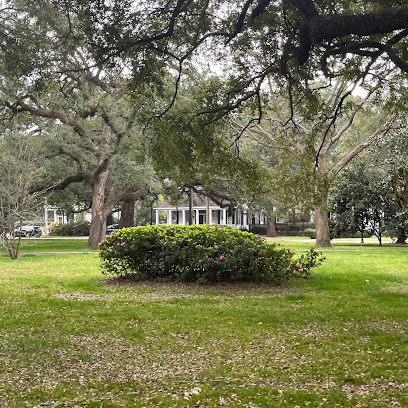
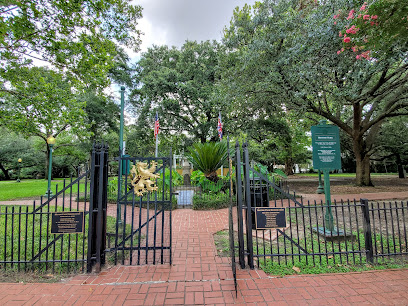
Discover a serene escape in Mobile's historic Oakleigh Garden District at Washington Square Park, featuring stunning architecture and tranquil beauty.
Greer’s MuralPublic Art
1.5 km
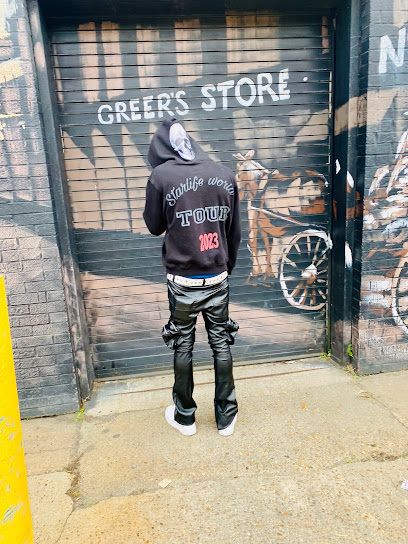
Discover Mobile's vibrant history at Greer's Mural, a colorful landmark celebrating the city's heritage and the enduring legacy of a local family business.
British Park
1.8 km
Discover a tranquil oasis in the heart of Mobile's Central Business District, celebrating peace and community.
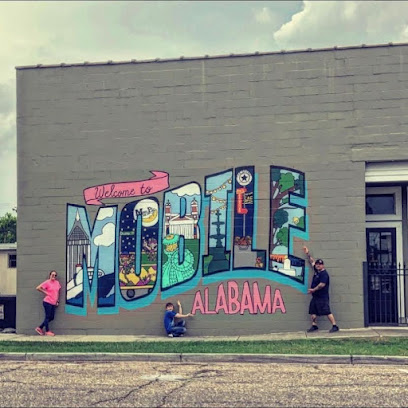
Welcome to Mobile Alabama Mural
1.8 km
Snap a photo at Mobile's iconic 'Welcome' mural on Dauphin Street, a vibrant symbol of the city's culture and community spirit in the LoDa district.
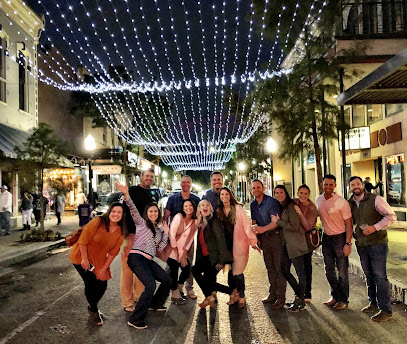
Bienville Bites Food Tour
1.9 km
Discover Mobile, Alabama's culinary heritage with a delicious food tour that blends local flavors, history, and culture for an unforgettable experience.
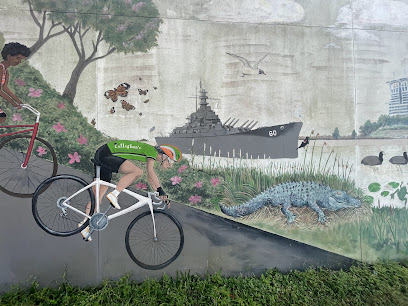
Mobile City Mural
2.1 km
Experience Mobile's soul through vibrant art: a captivating mural that weaves together history, culture, and the spirit of the Port City.
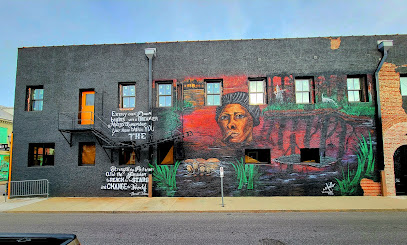
Harriet Tubman Mural Public Art by Apollo
2.2 km
A vibrant mural in Mobile, AL, honoring Harriet Tubman's legacy of courage, freedom, and the fight for equality. A powerful public art experience.
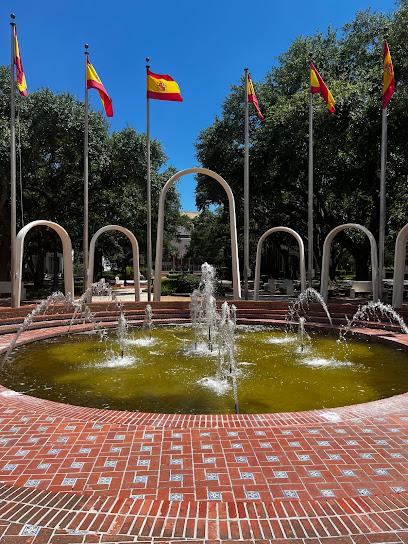
Spanish Plaza Park
2.2 km
Explore Spanish Plaza Park, a tranquil escape in Mobile, Alabama, where nature meets culture and serenity awaits at every turn.
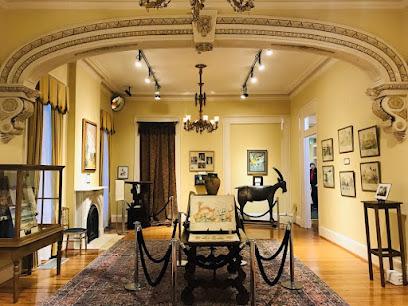
Mobile Carnival Museum
2.2 km
Discover the colorful heritage of Mardi Gras at the Mobile Carnival Museum, where history and festivity come alive in a vibrant celebration of culture.
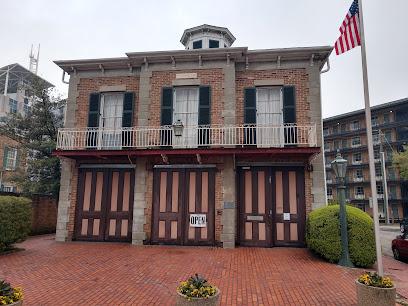
Phoenix Fire Museum
2.3 km
Discover the captivating history of firefighting at the Phoenix Fire Museum in Mobile, AL, where bravery and community converge in fascinating exhibits.
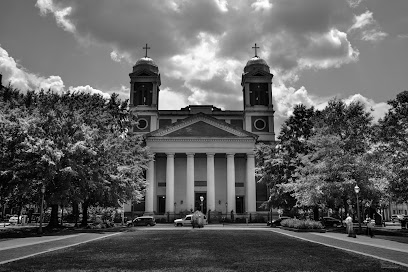
Cathedral-Basilica of the Immaculate Conception
2.3 km
Experience the architectural splendor and spiritual serenity of Mobile's Cathedral-Basilica of the Immaculate Conception, a Gothic Revival masterpiece.
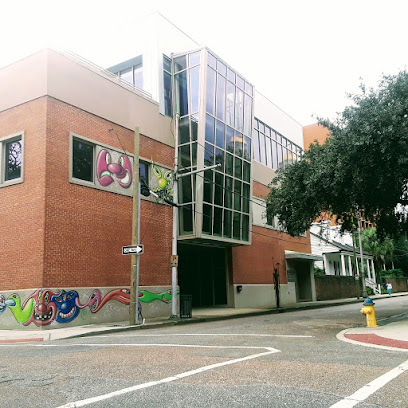
Alabama Contemporary Art Center
2.4 km
Explore diverse contemporary art at the Alabama Contemporary Art Center in Mobile. Rotating exhibitions, community events, and artistic expression await!
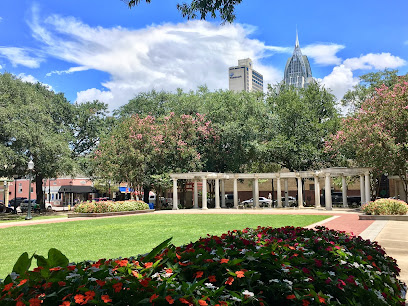
Cathedral Square
2.4 km
Discover a historic green space in downtown Mobile, perfect for relaxation, events, and enjoying the city's vibrant atmosphere.
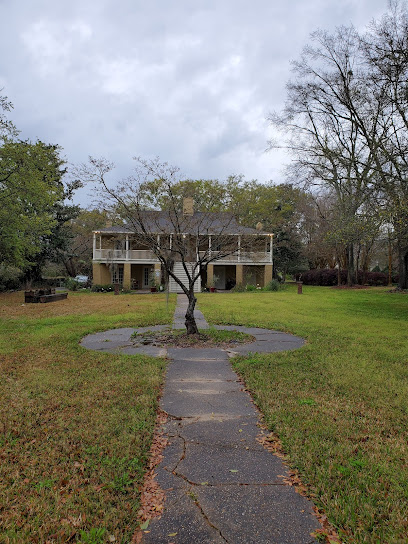
Mobile Medical Museum
2.4 km
Explore the fascinating history of medicine at the Mobile Medical Museum. Discover medical artifacts and exhibits in the historic Gordon-Smith House.
Essential places to dine

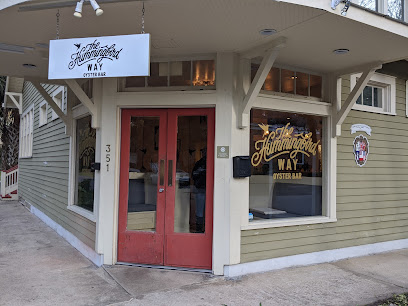
The Hummingbird Way Oyster Bar
0.7 km
Experience exquisite seafood dining at The Hummingbird Way Oyster Bar—where tradition meets culinary excellence in Mobile.
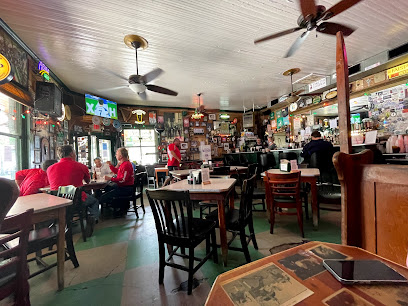
Callaghan's Irish Social Club
1.2 km
Discover authentic Irish cuisine and lively entertainment at Callaghan's Irish Social Club in Mobile, Alabama - your gateway to Ireland!
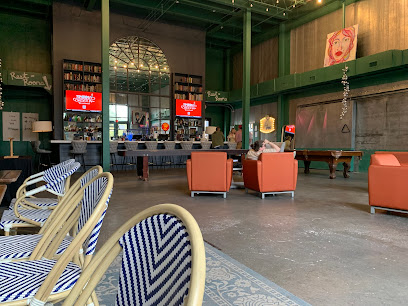
Velvet Pig
1.6 km
Discover Velvet Pig in Mobile - where Southern flavors meet modern cuisine in a cozy atmosphere perfect for any occasion.
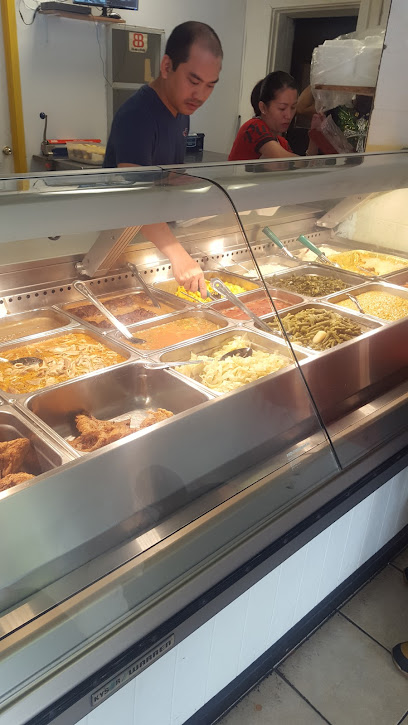
Michigan Seafood
1.6 km
Discover the freshest seafood delights at Michigan Seafood in Mobile, Alabama – where quality meets affordability!
Shu Bam
1.6 km
Experience authentic Southern cuisine at Shu Bam in Mobile, Alabama – where flavor meets affordability in a vibrant atmosphere.
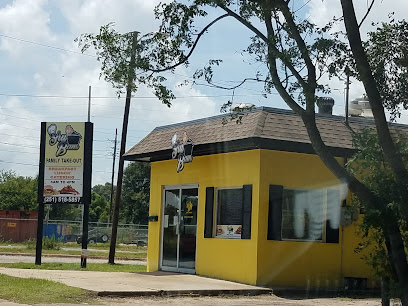
Wintzell's Oyster House
2.0 km
Experience authentic Southern seafood at Wintzell's Oyster House in downtown Mobile - where fresh flavors meet coastal charm.
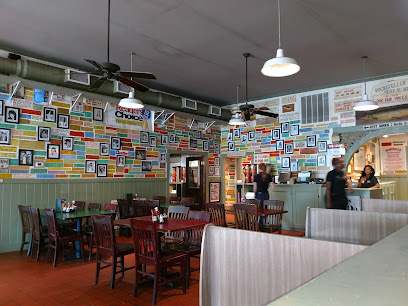
JERMAINTOLBERT
2.0 km
Discover the rich flavors of Southern cuisine at Jermaintolbert in Mobile - where every dish tells a story.
POST
2.0 km
Experience the best of Mobile's culinary scene at POST – where exquisite dishes meet creative cocktails in an inviting atmosphere.
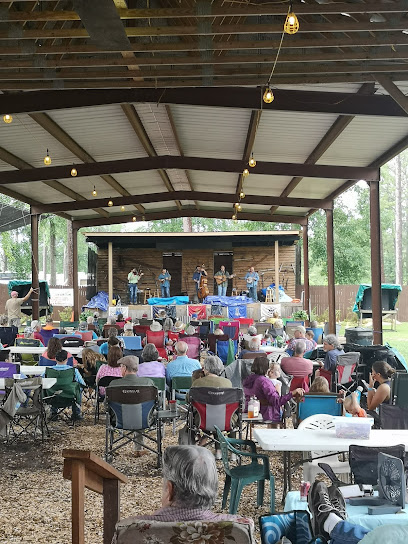
Grace
2.0 km
Discover Grace in Mobile: A vibrant restaurant offering innovative New American cuisine and delightful cocktails in a festive atmosphere.
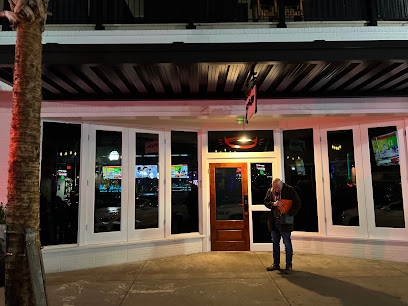
Chuck's Fish Mobile
2.1 km
Discover the best seafood dining experience in Mobile at Chuck's Fish, where every meal celebrates Gulf Coast flavors.
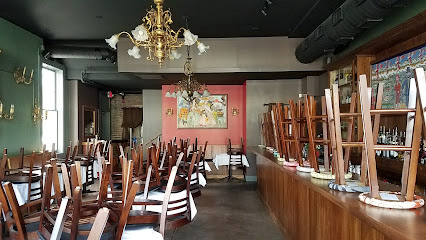
Hammered Cow
2.1 km
Savor gourmet burgers and creative comfort food in Mobile's lively Central Business District at Hammered Cow.
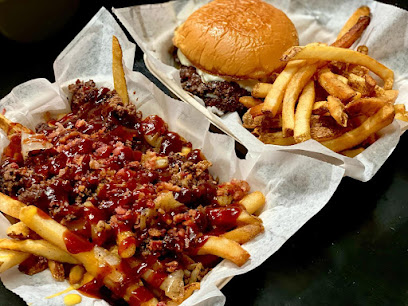
Pizzeria Delphina at the Insider Food Hall
2.1 km
Experience authentic Italian pizza at Pizzeria Delphina in Mobile - where every slice tells a delicious story!
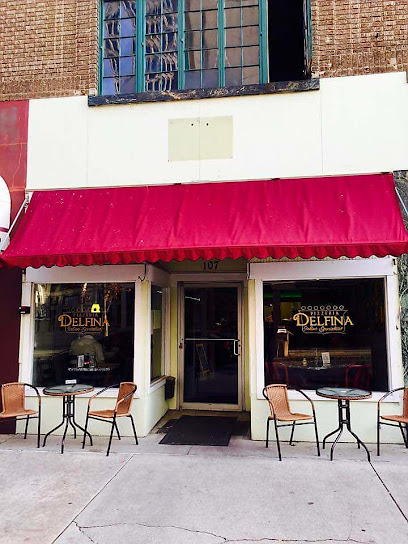
The Cheese Cottage
2.1 km
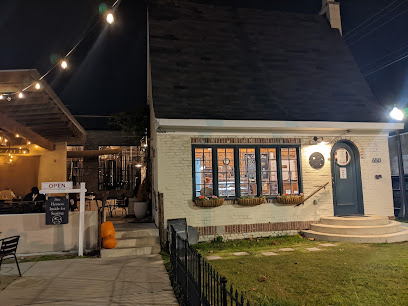
Experience gourmet cheeses, artisan sandwiches, and fine wines at The Cheese Cottage in Mobile – where every bite tells a story.
Nixon's Midtown
2.3 km
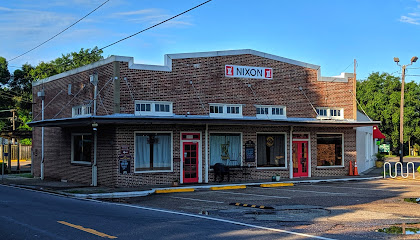
Experience Southern hospitality and modern culinary delights at Nixon's Midtown in Mobile, Alabama - where every meal is a celebration.
Dew Drop Inn Restaurant
2.4 km
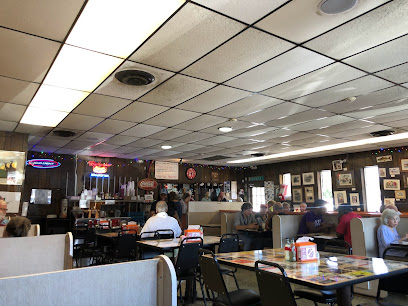
Experience classic American comfort food at Dew Drop Inn Restaurant in Mobile, AL – a local favorite known for its delicious burgers and friendly atmosphere.
Markets, malls and hidden boutiques

Samagree
1.2 km
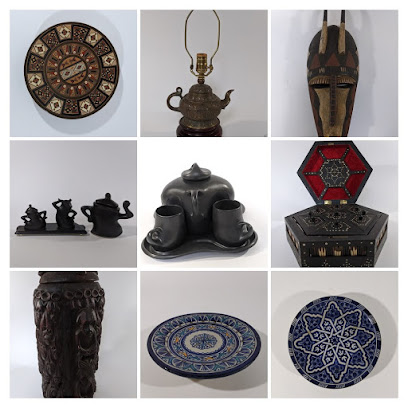
Explore Samagree in Mobile, AL, where timeless antiques and artistic handicrafts await, offering unique treasures for every collector and visitor.
Atchison Home
1.4 km
Explore Atchison Home, a hidden gem in Mobile, Alabama, offering exquisite antique furniture and unique decor to elevate your home.
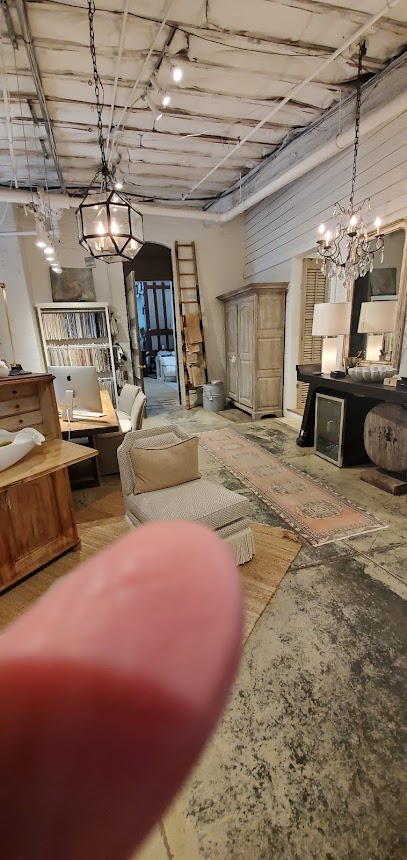
Joyous Goat Coffee & Tea Gift Shop
1.5 km
Experience the best of Mobile at Joyous Goat Coffee & Tea Gift Shop, where quality beverages meet charming local gifts in a cozy atmosphere.
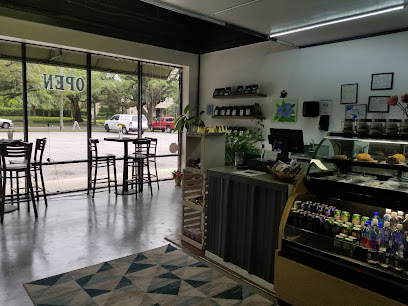
Paul's Trading Post
2.0 km
Explore Mobile's vibrant music scene at Paul's Trading Post, a beloved record store and consignment shop brimming with vintage finds and local charm.
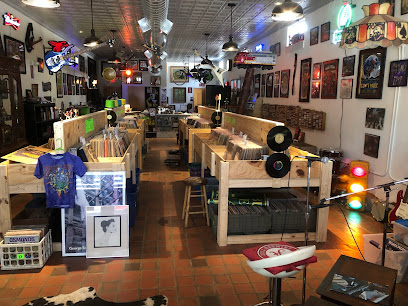
Olde Mobile Antiques Gallery & Estate Sales
2.0 km
Explore Olde Mobile Antiques Gallery & Estate Sales: A treasure trove of antique furniture, collectibles, and rare books in the heart of Mobile, Alabama.
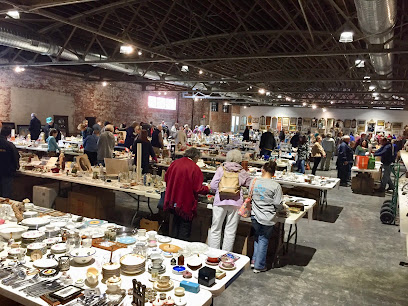
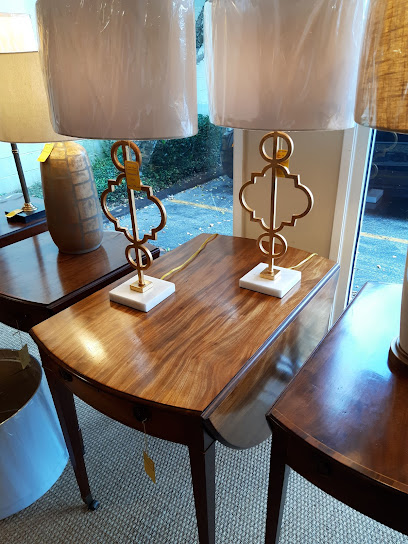
Yellow House Antiques
2.1 km
Explore Yellow House Antiques in Mobile, AL – a haven for antique lovers with unique vintage furniture and exceptional restoration services.
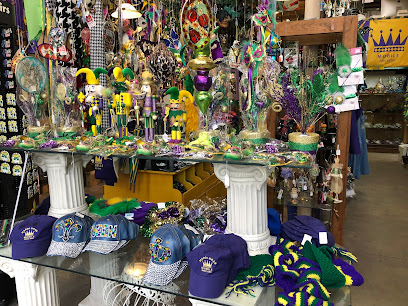
Mardi Gras and More Gift Shop
2.2 km
Discover a unique blend of local culture and festive spirit at Mardi Gras and More Gift Shop, Mobile's premier destination for authentic souvenirs.
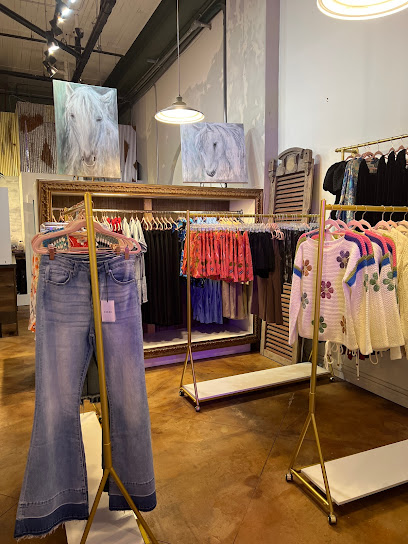
Mariposa Boutique LLC
2.3 km
Explore Mariposa Boutique LLC: A unique gift shop in Mobile, AL offering stylish women's clothing and accessories that capture Southern charm.
American Pop! Midtown
2.4 km
Explore American Pop! Midtown in Mobile, AL for unique vintage finds and affordable treasures that reflect the charm of thrift shopping.
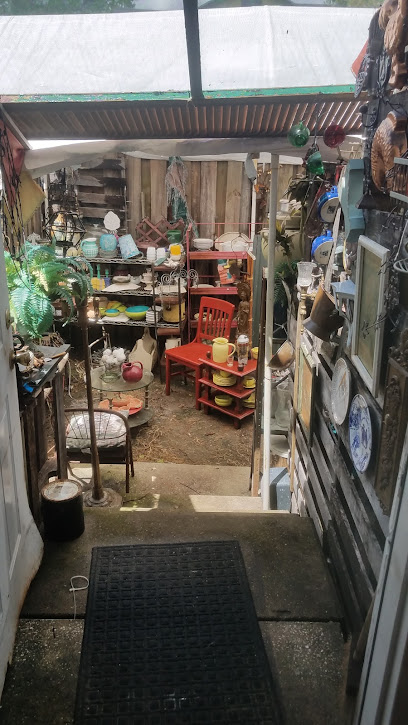
Mary Parker Antiques
2.4 km
Uncover unique antiques and vintage treasures at Mary Parker Antiques, a must-visit destination in Mobile, Alabama for collectors and history enthusiasts.
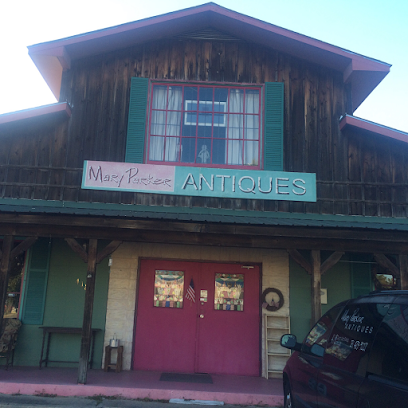
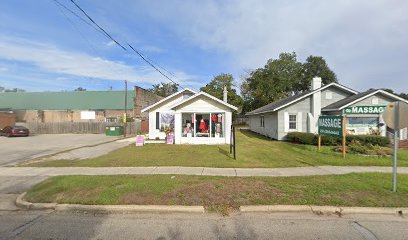
Midtown Girls
2.4 km
Explore Midtown Girls in Mobile, Alabama - your ultimate shopping destination for trendy clothing and unique local fashion finds.
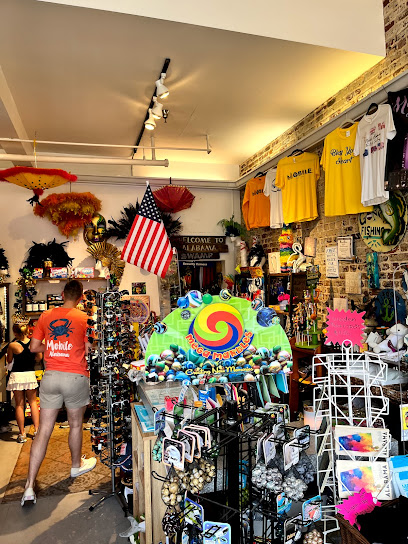
Bienville Souvenir & Gifts
2.5 km
Explore the essence of Mobile at Bienville Souvenir & Gifts, where unique local treasures await every traveler.
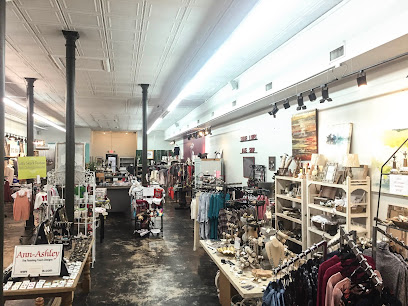
Urban Emporium LLC
2.5 km
Explore the charm of Mobile with unique gifts and fashion at Urban Emporium, your go-to boutique in Alabama's vibrant Central Business District.
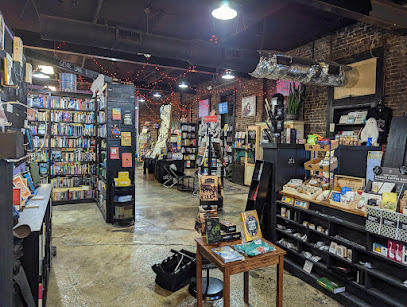
The Haunted Book Shop
2.5 km
Explore the enchanting world of literature and ghostly tales at The Haunted Book Shop in Mobile, Alabama, a unique bookstore with character.
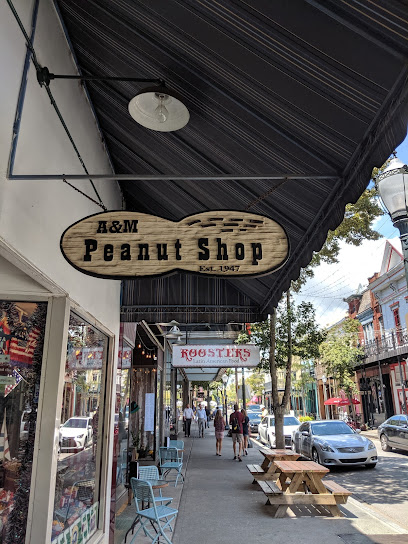
A & M Peanut Shop
2.6 km
Experience the sweet charm of A & M Peanut Shop in Mobile, Alabama, where delectable peanut treats and nostalgic candies await every visitor.
Essential bars & hidden hideouts

Garage
1.9 km
Experience the vibrant atmosphere and eclectic drink selection at The Garage, Mobile's go-to bar for locals and tourists alike.
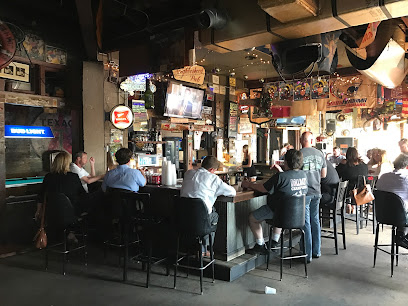
Draft Picks Tap Room
2.0 km
Join the excitement at Draft Picks Tap Room, Mobile's favorite sports bar offering great food, drinks, and lively atmosphere for sports enthusiasts.
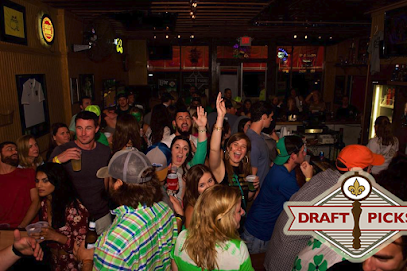
O'Daly's Irish Pub
2.1 km
Discover the charm of Ireland at O'Daly's Irish Pub in Mobile, where delicious food, drinks, and live entertainment await.
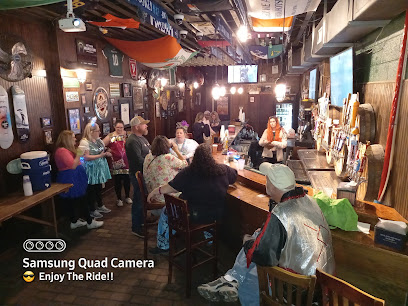
Kazoola Eatery & Entertainment
2.1 km
Discover the lively atmosphere at Kazoola Eatery & Entertainment, a top bar in Mobile, Alabama, offering great food, drinks, and vibrant entertainment.
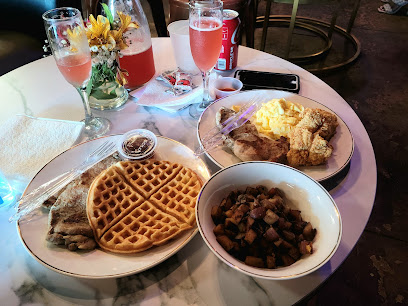
the Outsider • sports lounge
2.1 km
Experience the thrill of game day at The Outsider Sports Lounge, where great food, drinks, and an electric atmosphere await in Mobile, Alabama.
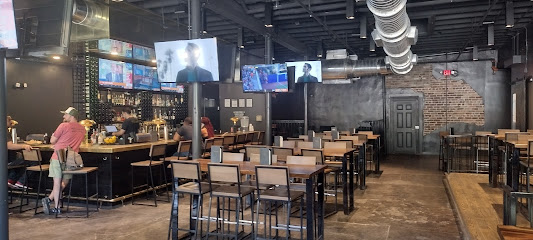
Cedar Street Social
2.1 km
Discover Cedar Street Social, Mobile's vibrant lounge that offers expertly crafted cocktails and a lively atmosphere in the heart of the city.
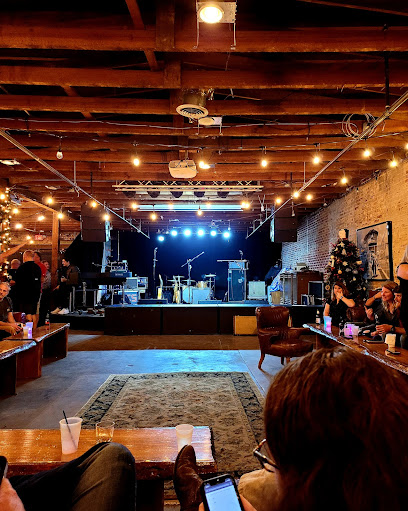
The Stables Bar
2.4 km
Experience the ultimate sports bar atmosphere at The Stables Bar in Mobile, where great food and thrilling games come together for an unforgettable night.
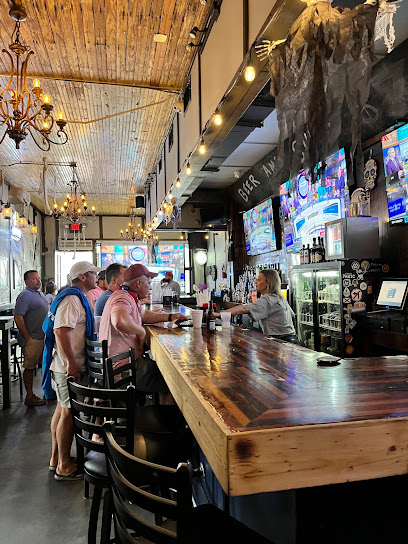
Bar IX / Bar Nine
2.5 km
Discover the lively ambiance and diverse drink selection at Bar IX in Mobile, Alabama, a must-visit destination for nightlife enthusiasts.

Hayley's Bar
2.5 km
Discover the lively spirit of Hayley's Bar in Mobile, AL, where great drinks, friendly faces, and unforgettable memories await.
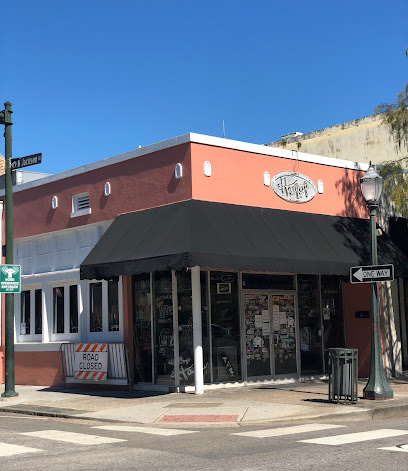
The Electric Piano Parlor
2.5 km
Experience the vibrant nightlife at The Electric Piano Parlor in Mobile, where live music meets a cozy bar atmosphere, perfect for all music lovers.
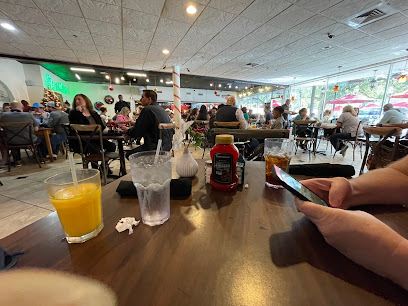
Brickyard
2.5 km
Experience the lively nightlife of Mobile at Brickyard, a vibrant bar offering craft cocktails and a welcoming atmosphere for all.
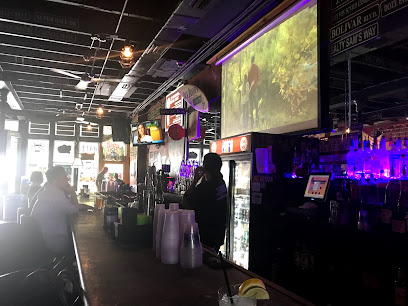
Alchemy Tavern
2.5 km
Experience the vibrant nightlife of Mobile at Alchemy Tavern, where craft drinks and a welcoming atmosphere await you.
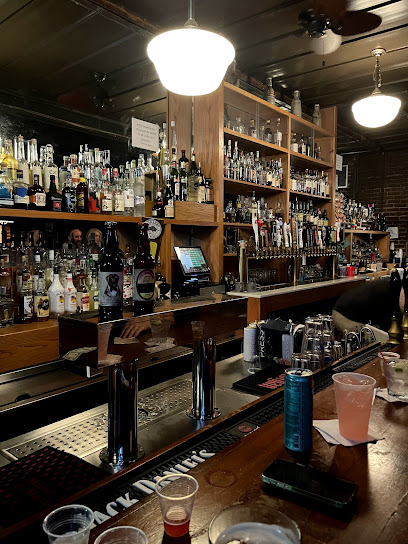
Flip Side Bar & Patio
2.6 km
Discover Flip Side Bar & Patio - Mobile's lively spot for drinks, delicious bites, and vibrant atmosphere in the heart of Alabama.
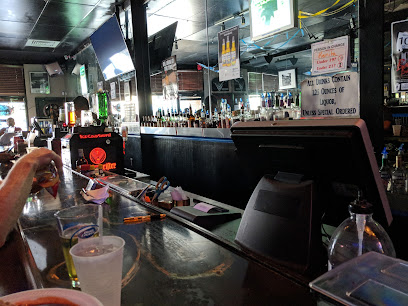
VEETS
2.7 km
Discover the lively VEETS in Mobile, where exceptional cocktails and live music create an unforgettable nightlife experience.
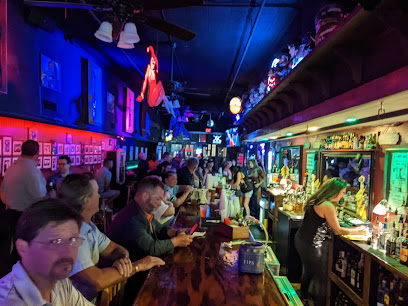
The Haberdasher
2.8 km
Experience the vibrant nightlife of Mobile, Alabama at The Haberdasher, where expertly crafted cocktails and a cozy atmosphere await.