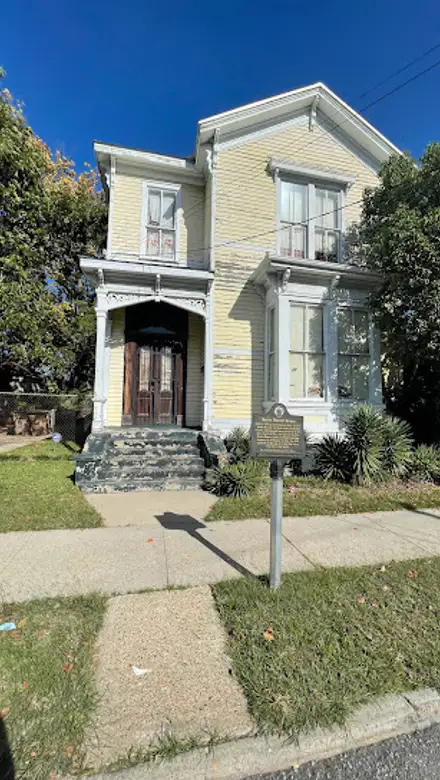
Bettie Hunter House, Mobile Travel Guide
Free Guide: Visit the historic Bettie Hunter House in Mobile, AL, a symbol of Black entrepreneurship and resilience in the post-Civil War South. A landmark on the African-American Heritage Trail.


A brief summary of Bettie Hunter House
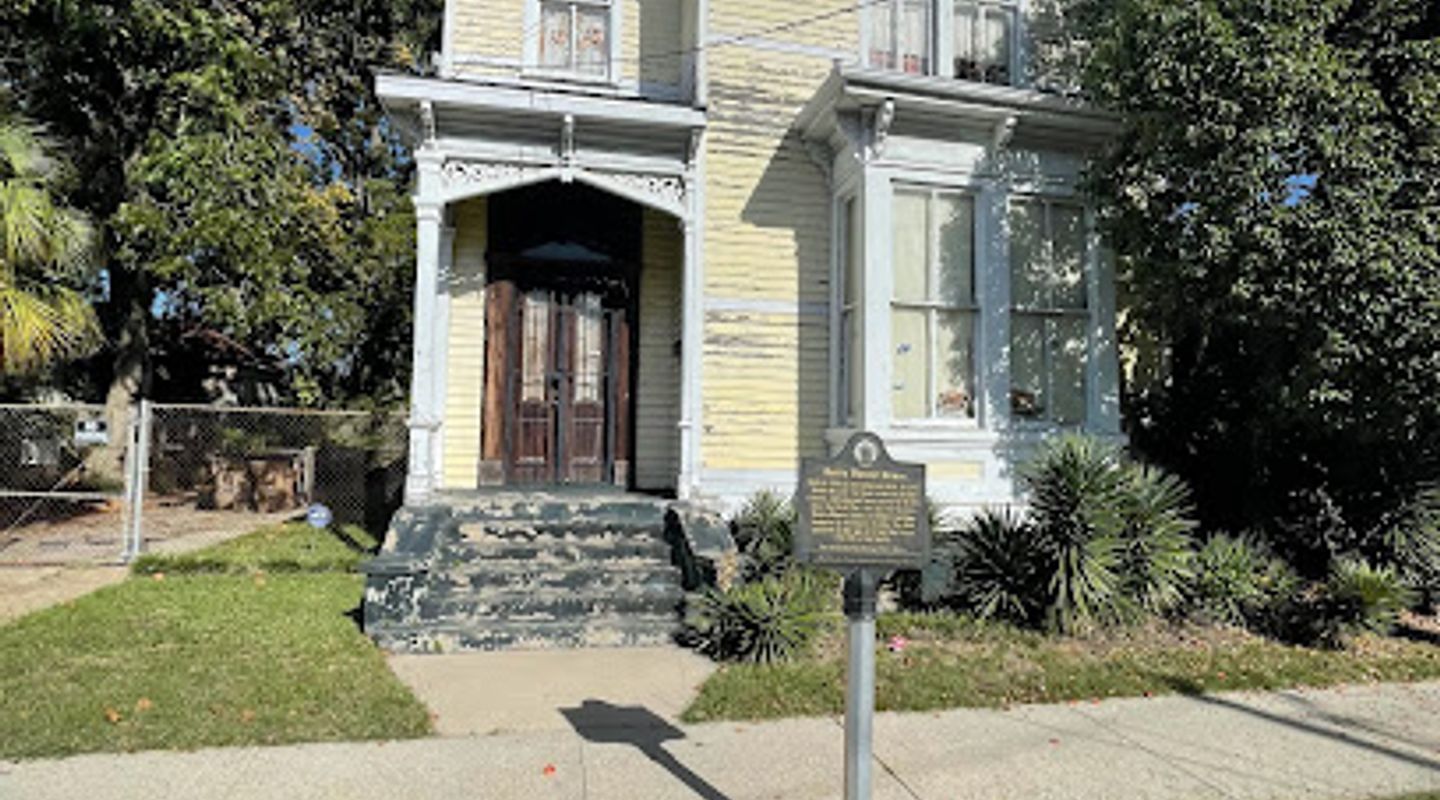
Visit the historic Bettie Hunter House in Mobile, AL, a symbol of Black entrepreneurship and resilience in the post-Civil War South. A landmark on the African-American Heritage Trail.
The Bettie Hunter House in Mobile, Alabama, stands as a powerful reminder of Black resilience and entrepreneurial success in the post-Civil War South. Built in 1878 by Bettie Hunter, a formerly enslaved woman who made her fortune in the transportation business, this Italianate-style home symbolizes her remarkable achievements against immense odds.
- Address
- 504 St Francis St, Mobile, AL 36602
Getting there
Walking
Public Transport
Driving
Discover more about Bettie Hunter House
Overview
The Bettie Hunter House, located on St. Francis Street in Mobile, Alabama, is more than just a historic building; it's a symbol of resilience, entrepreneurship, and the enduring legacy of a remarkable woman. Constructed in 1878, the two-story Italianate house stands as a testament to the life of Bettie Hunter, a formerly enslaved African American who defied the odds to become a successful businesswoman in the post-Civil War South.Born into slavery in Dallas County, Alabama, in 1852, Bettie Hunter experienced the harsh realities of bondage from a young age. After the Civil War, she moved to Mobile with her family, seeking opportunities beyond the limitations of agricultural life. Mobile had become a major port city, and Bettie recognized a need for transportation services. Together with her brother Henry, Bettie established a hack and carriage business, transporting goods from the bustling port to warehouses and markets throughout the city. Despite it being illegal for women to own businesses at the time, Bettie Hunter thrived.At the age of 27, Bettie Hunter purchased a plot of land at auction and commissioned the construction of her home. The Italianate style, characterized by its elaborate detailing and symmetrical design, reflected her hard-earned success and social standing. The home features a wood-frame construction with intricate decorative elements, reflecting the architectural trends of the late 19th century.Tragically, Bettie Hunter's life was cut short; she died of anemia on November 2, 1879, just a year after her house was completed. She was only 27 years old. Childless, she bequeathed her property to her family, ensuring that her legacy would endure. The home was partially damaged by Hurricane Frederic in 1979, and the family hopes to restore the home soon for use as an event space or art gallery, returning it to its former glory.Today, the Bettie Hunter House is listed on the National Register of Historic Places and is a stop on the Dora Franklin Finley African-American Heritage Trail, ensuring its recognition and preservation for future generations. While the house is a private residence and not open for tours, its exterior serves as a powerful symbol of hope, perseverance, and the pursuit of the American dream.
Evendo Review Centre
 Google
Guest reviews
Explore Bettie Hunter House on the map
A handpicked selection of must-see spots near Bettie Hunter House, mapped for you.
Get your free copy of our complete guide to Bettie Hunter House, delivered straight to you.
Everything on this page, from opening hours and how to get there to Eve’s tips and the best time to go, in one PDF you can read offline, print or share.
Already have an account? Sign in
Your Bettie Hunter House guide is ready.
We'll send it to · Not you? Sign out

Getting your guide ready…
We are putting together a fresh copy of the Bettie Hunter House guide. This can take up to a minute.
This can take a few moments. If your browser asks, choose Allow so the download can start. You'll find the guide in your Downloads folder.
Nothing happened? Download it again
Sorry, the guide is taking longer than usual. Please try again in a minute, or get it by email instead.
Other nearby places you may find interesting
The closest places of the same kind, if this one is not quite what you had in mind.
-
Richards-DAR House Museum Explore Mobile's opulent past at the Richards-DAR House Museum, an Italianate masterpiece showcasing antebellum elegance and period furnishings.
-
Bragg-Mitchell Mansion Step back in time at Mobile's Bragg-Mitchell Mansion, a beautifully preserved antebellum home showcasing the elegance of the Old South.
-
History Museum of Mobile Discover 300 years of history at the History Museum of Mobile, from Native American settlements to the modern Port City.
-
Condé-Charlotte Museum Explore Mobile's captivating history through five flags at the Condé-Charlotte Museum, a gateway to the city's past and architectural gem.
-
Colonial Fort Condé Explore Mobile's colonial past at this partially reconstructed 18th-century French fort in the heart of downtown.
Swipe for more places
More to explore near Bettie Hunter House

 Best experiences near Bettie Hunter House
 Best hotels near Bettie Hunter House
 Best landmarks near Bettie Hunter House
 Best attractions near Bettie Hunter House
 Best shops near Bettie Hunter House
 Best restaurants near Bettie Hunter House
 Best bars near Bettie Hunter House
Do you manage this location?
Take control to get all the benefits, like improved information, better appearance, and stronger visibility across AI-powered discovery.
Explore more

Explore more of Mobile
Discover Mobile, Alabama: A historic city on the Gulf Coast with rich cultural heritage, stunning natural beauty, and vibrant Mardi Gras celebrations.
Explore Mobile
Explore more of Alabama
Discover Alabama: A Southern state rich in history, culture, and natural beauty, offering unforgettable experiences from vibrant cities to serene beaches and majestic mountains.
Explore Alabama