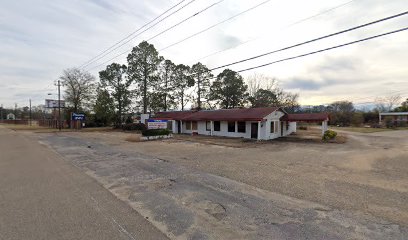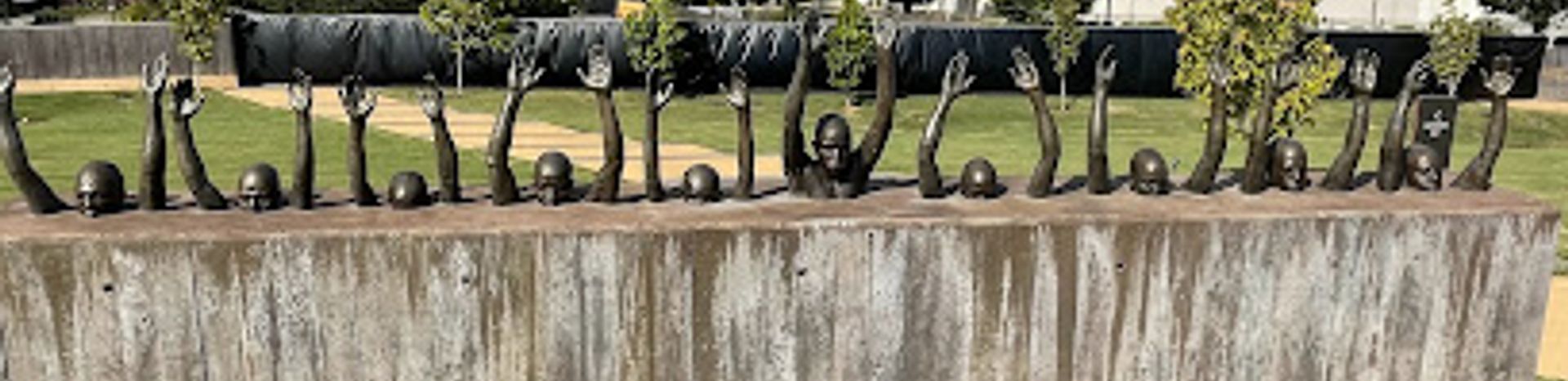
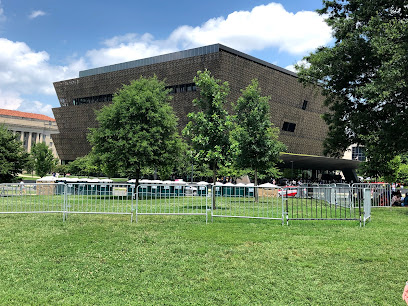
National Memorial for Peace and Justice
A solemn and essential monument in Montgomery, AL, honoring victims of racial terror lynchings and promoting justice and reconciliation.
The National Memorial for Peace and Justice in Montgomery, Alabama, is the nation's first memorial dedicated to the legacy of enslaved Black people and those terrorized by lynching. It serves as a somber and essential monument to the victims of racial terror lynchings in the United States.
A brief summary to The National Memorial for Peace and Justice
- 417 Caroline St, Montgomery, Alabama, 36104, US
- +1334-386-9100
- Visit website
- Wednesday 9 am-4:30 pm
- Thursday 9 am-4:30 pm
- Friday 9 am-4:30 pm
- Saturday 9 am-4:30 pm
- Sunday 9 am-4:30 pm
Local tips
- Allow ample time for your visit; plan for at least 1-2 hours to fully experience the memorial.
- Consider visiting the Legacy Museum before the memorial to gain a deeper understanding of the historical context.
- Take advantage of the free shuttle service from the Legacy Museum to avoid parking fees near the memorial.
- Wear comfortable shoes, as the memorial is a mostly outdoor space with a good amount of walking.
- Check the weather forecast and dress accordingly, as the memorial is primarily an outdoor experience.

Getting There
-
Walking
If you are already in downtown Montgomery, walking to the National Memorial for Peace and Justice is feasible. From the Legacy Museum (400 N. Court Street), the memorial is approximately a 16-minute walk. Head south on N Court Street, then turn right onto Caroline Street. The memorial will be on your left. Be aware that the walk involves a slight uphill climb. There is no cost associated with walking.
-
Shuttle
The most convenient way to reach the National Memorial for Peace and Justice from downtown Montgomery is by utilizing the free shuttle service provided by the Equal Justice Initiative. The shuttle runs regularly from the Legacy Museum (400 N. Court Street) to the memorial. The shuttle runs every 15 minutes. This service is included with your admission ticket to the Legacy Sites, which costs $5.
-
Driving
If driving, navigate to 417 Caroline Street, Montgomery, AL 36104. Limited parking is available near the memorial. Parking fees in the vicinity typically range from $5 to $10 per hour. Free parking is available at the Legacy Museum, with a free shuttle to the Memorial.
Discover more about The National Memorial for Peace and Justice
Iconic landmarks you can’t miss

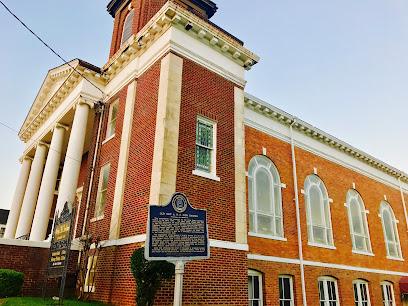
Old Ship A.M.E. Zion Church
0.1 km
Discover a landmark of faith and civil rights history at Montgomery's Old Ship A.M.E. Zion Church, a testament to community resilience and heritage.
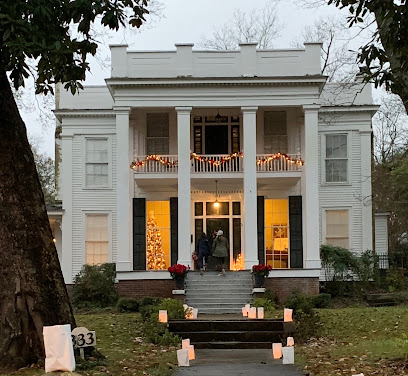
McBryde-Screws-Tyson House
0.3 km
Discover Montgomery's architectural heritage at the McBryde-Screws-Tyson House, a Greek Revival mansion in the Cottage Hill District.
Winter Place
0.3 km
Explore Winter Place in Montgomery, AL: A historic landmark showcasing 19th-century architecture and rich Southern heritage in the heart of Cottage Hill.
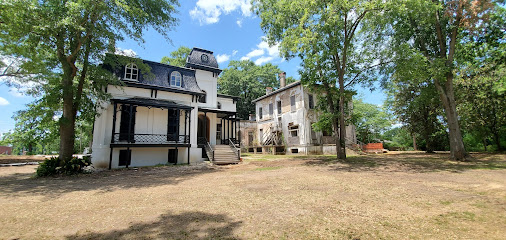
Montgomery County Historical
0.4 km
Discover Montgomery County's captivating past through exhibits, archives, and educational programs at the Historical Society.
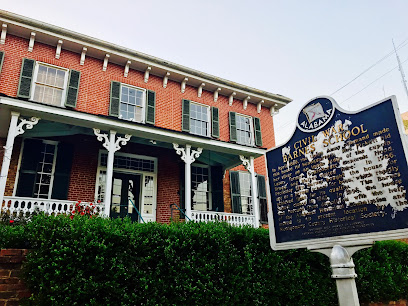
United States Post Office and Courthouse—Montgomery
0.4 km
A historic courthouse in Montgomery, Alabama, renowned for its Renaissance Revival architecture and its role in the Civil Rights Movement.
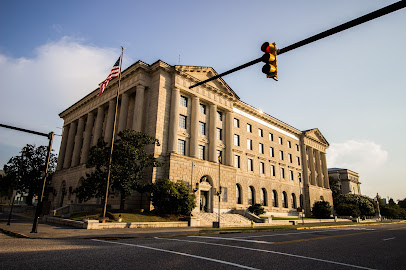
Alabama Historical Commission
0.5 km
Protecting and promoting Alabama's rich history through preservation, education, and heritage tourism.
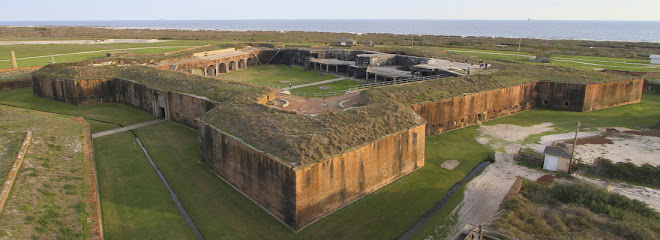
1 Court Square
0.6 km
Explore the historic Court Square in Montgomery, Alabama, where rich history, beautiful architecture, and vibrant community life come together.
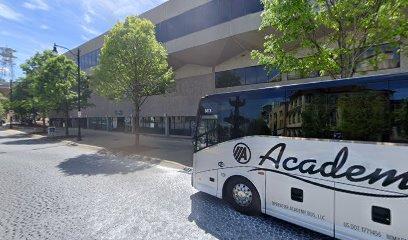
Experience Montgomery Visitor Center
0.6 km
Discover Montgomery's rich history, vibrant culture, and Southern charm at the Experience Montgomery Visitor Center in the heart of downtown.
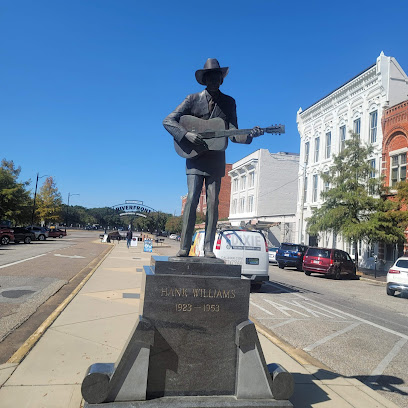
Court Square Fountain - Artesian Basin
0.7 km
Explore the historic Court Square Fountain in Montgomery, Alabama, a serene landmark that embodies the city's rich heritage and charm.
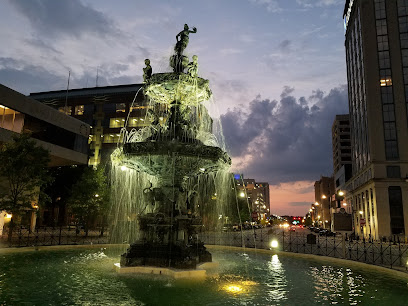
Site of the First Confederate Government Buildings
0.8 km
Visit the site where the Confederate States of America was founded in 1861, a pivotal moment in American history.
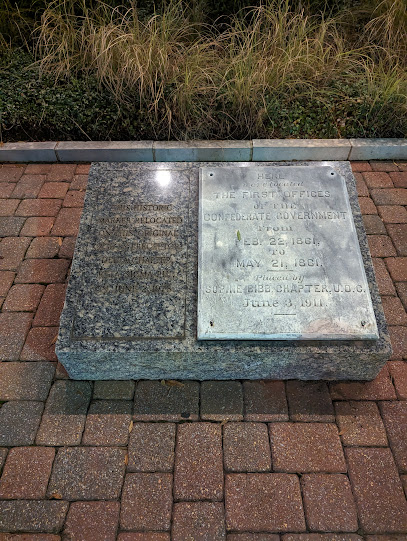
Alley Station
0.8 km
Downtown Montgomery's premier event venue, offering versatile spaces for weddings, corporate events, and social gatherings in a historic setting.
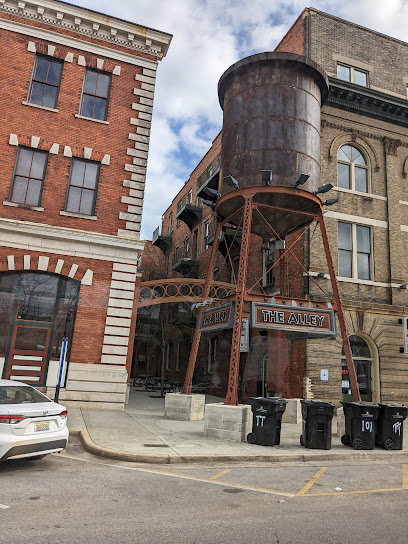
Lower Commerce Street Historic District
0.9 km
Explore the Lower Commerce Street Historic District in Montgomery, Alabama, where rich history meets stunning architecture in a vibrant cultural hub.
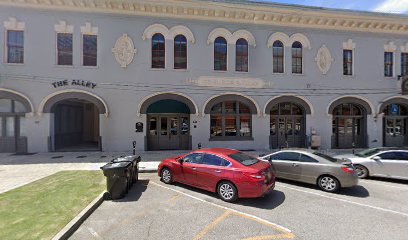
Montgomery Alabama
0.9 km
Explore Montgomery, AL: A blend of pivotal history, Southern charm, and vibrant culture awaits in Alabama's capital city.
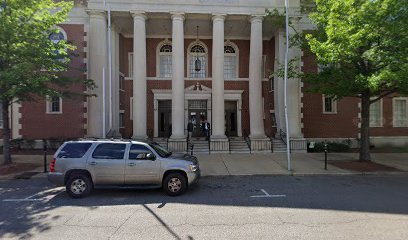
The Dowe Houses
0.9 km
Explore the legacy of the Dowe family through these well-preserved historic homes in the heart of Montgomery, Alabama.
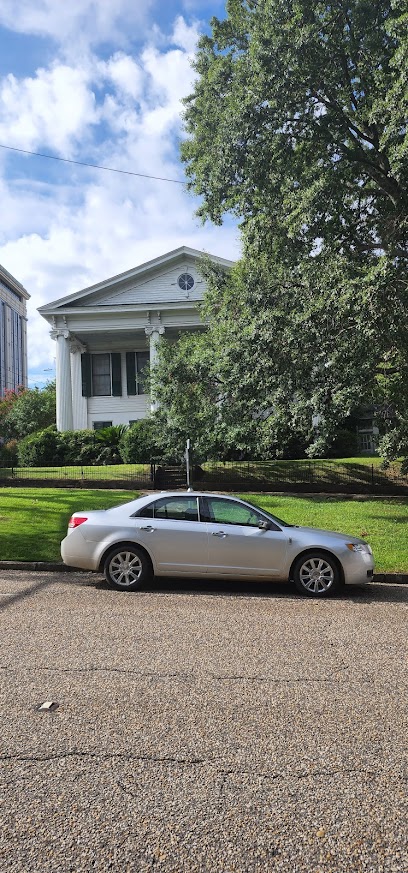
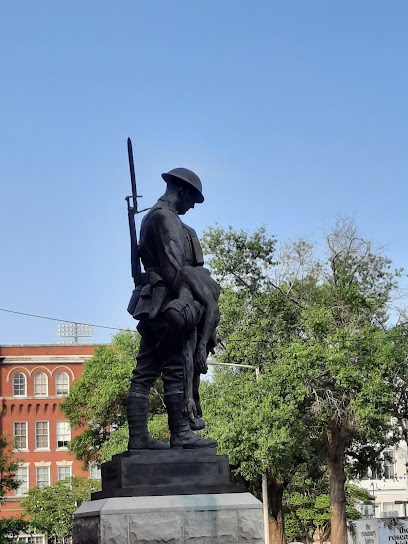
Rainbow Division Statue
0.9 km
Honoring the Alabamians of the Rainbow Division: A powerful World War I memorial at Montgomery's historic Union Station.
Unmissable attractions to see

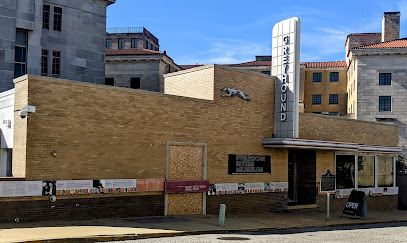
Freedom Rides Museum
0.4 km
Explore the pivotal story of the 1961 Freedom Rides at the Montgomery Greyhound Bus Station, where courage and nonviolent protest changed American history.
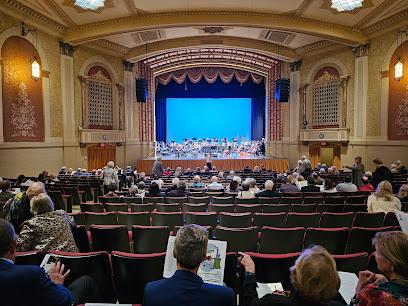
Davis Theatre for the Performing Arts
0.5 km
A beautifully restored historic theater in downtown Montgomery offering diverse entertainment, from musicals to symphony orchestras, for all ages.
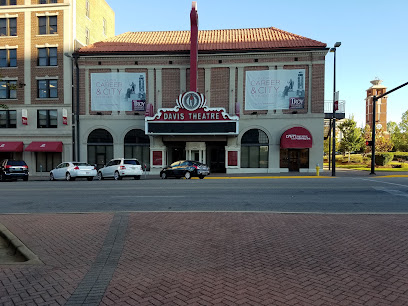
Rosa Parks Museum
0.5 km
Explore the Rosa Parks Museum in Montgomery, AL, and discover the story of a pivotal moment in the Civil Rights Movement.
Rosa Parks Library & Museum Childrens Wing
0.5 km
Engage young minds with interactive exhibits exploring the Civil Rights Movement at the Rosa Parks Library & Museum Children's Wing in Montgomery, Alabama.
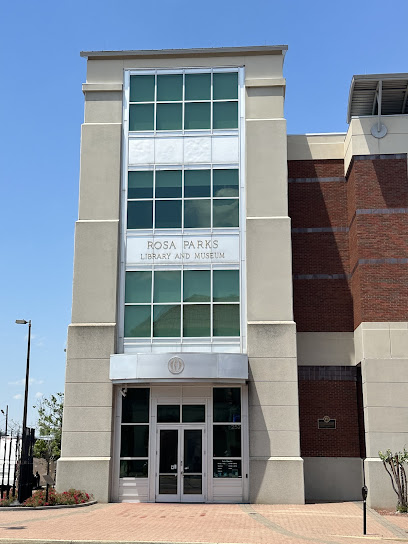
Rosa Parks Bus Stop
0.7 km
Visit the Rosa Parks Bus Stop in Montgomery, AL, and reflect on a moment that sparked the Civil Rights Movement.
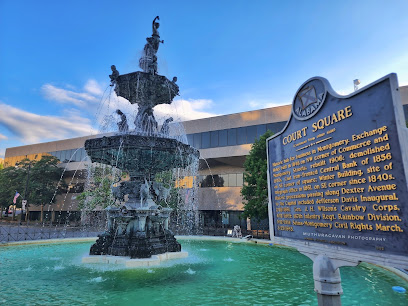
The Hank Williams Museum
0.8 km
Experience the life and legacy of country music icon Hank Williams at his Montgomery museum, featuring his Cadillac, stage suits, and personal memorabilia.
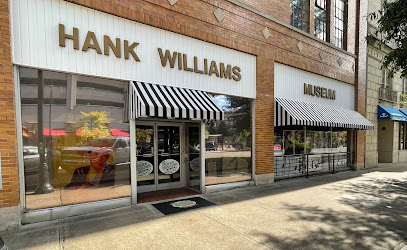
Escapology Montgomery
0.8 km
Experience thrilling escape room adventures in downtown Montgomery! Solve puzzles, crack codes, and race against the clock at Escapology.
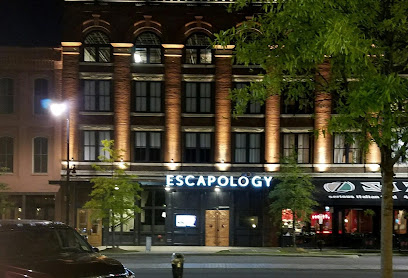
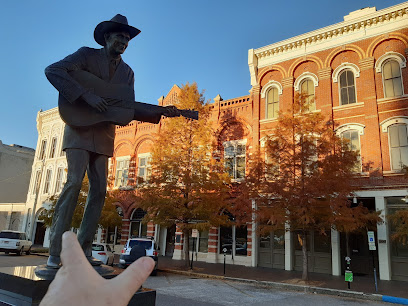
Hank Williams Statue
0.9 km
Pay homage to Hank Williams, the King of Country Music, at this iconic statue in downtown Montgomery, Alabama. A tribute to a musical legend.
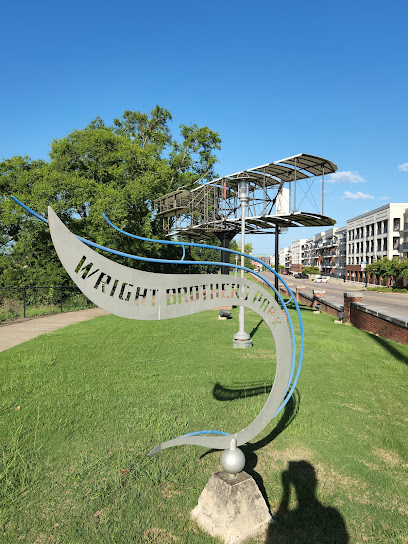
Wright Brothers Park
0.9 km
Commemorating the Wright Brothers' aviation legacy in Montgomery, with scenic river views and a full-scale Wright Flyer replica.
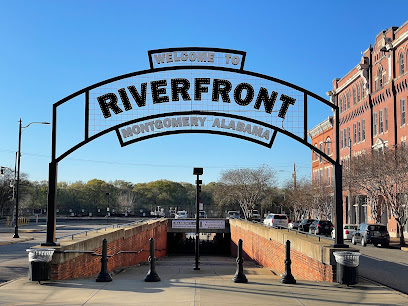
Riverwalk
1.0 km
Explore Montgomery's Riverwalk: Where history, culture, and recreation converge along the scenic Alabama River in the heart of downtown.
Civil Rights Memorial
1.0 km
Reflect on the heroes and events of the Civil Rights Movement at this moving memorial in Montgomery, Alabama. A testament to the fight for equality and justice.
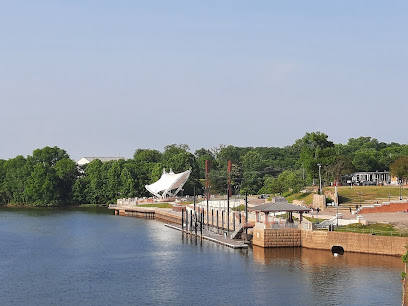
River walk observation tower
1.1 km
Panoramic views of Montgomery's history and revitalized riverfront from this modern landmark next to the historic Riverfront Tunnel.
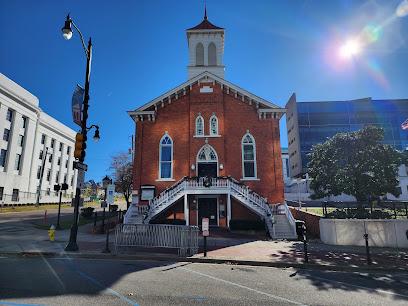
Dexter Avenue King Memorial Baptist Church
1.1 km
Visit the Dexter Avenue King Memorial Baptist Church, a cornerstone of the Civil Rights Movement and the site where Martin Luther King Jr. led change.
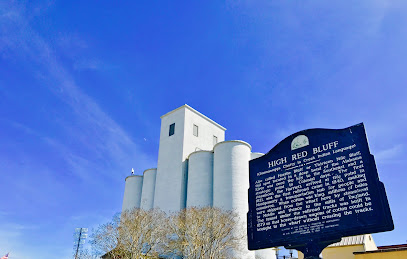
High Red Bluff
1.1 km
Explore Montgomery's High Red Bluff: A historic landmark with river views, offering a glimpse into the past and a connection to the city's vibrant culture.
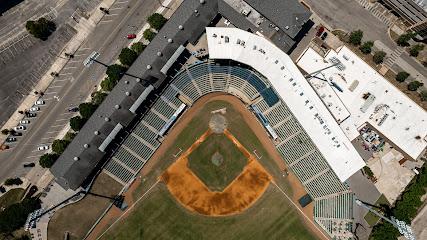
Montgomery Riverwalk Stadium
1.1 km
Experience baseball with a side of history at Montgomery's Riverwalk Stadium, home of the Biscuits!
Essential places to dine

Plant Bae
0.5 km
Discover Plant Bae in Montgomery - where delicious vegan dishes meet sustainable practices in a welcoming atmosphere.
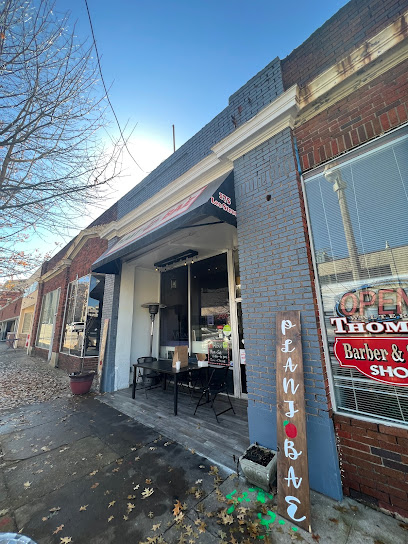
D'Road Cafe
0.6 km
Experience authentic Venezuelan flavors at D'Road Cafe in downtown Montgomery - a must-visit breakfast destination!
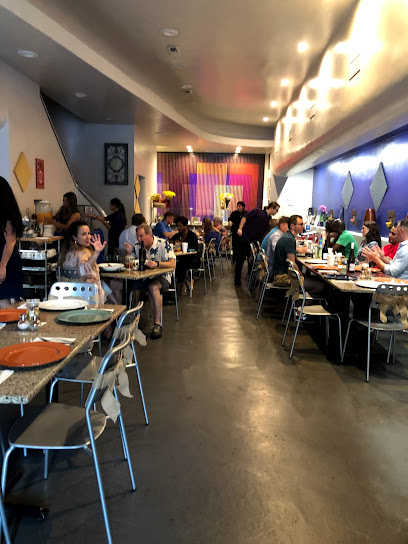
Cahawba House
0.6 km
Experience authentic Southern breakfasts at Cahawba House, where each dish tells a story of tradition and flavor.
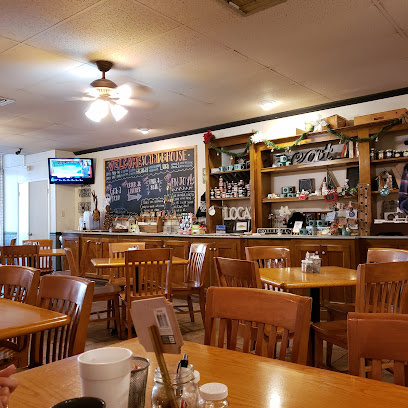
Island Delight
0.7 km
Discover authentic Jamaican flavors at Island Delight in Montgomery - where every dish tells a story.
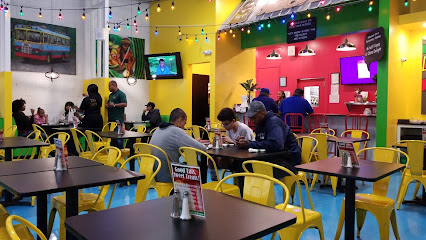
Taste Too
0.7 km
Experience the vibrant flavors of America at Taste Too in Montgomery – where every meal is crafted with passion.
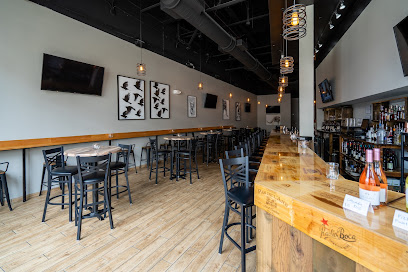
Ravello Ristorante
0.7 km
Experience authentic Italian fine dining at Ravello Ristorante in Montgomery, AL—where exquisite flavors meet elegant ambiance.
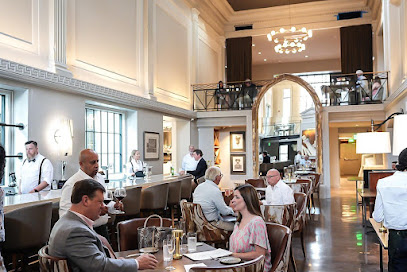
Wintzell's Oyster House
0.8 km
Experience authentic Gulf Coast cuisine at Wintzell's Oyster House – Montgomery's premier destination for fresh oysters and seafood delicacies.
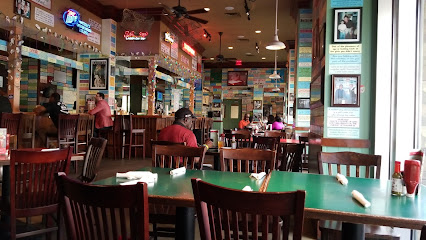
The House Restaurant
0.8 km
Discover exquisite dining at The House Restaurant in Montgomery - where Southern charm meets modern cuisine in an unforgettable atmosphere.
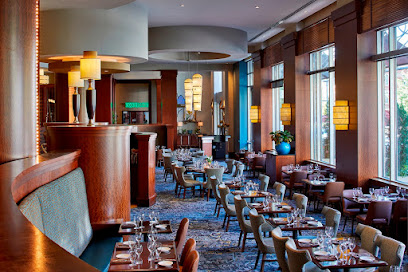
SaZa Serious Italian Food
0.9 km
Experience the essence of Italy at SaZa Serious Italian Food in Montgomery – where every bite tells a story.
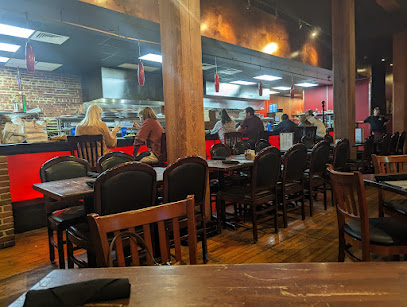
Central Restaurant
0.9 km
Discover exquisite Traditional American cuisine at Central Restaurant in Montgomery - where culinary artistry meets elegant dining.
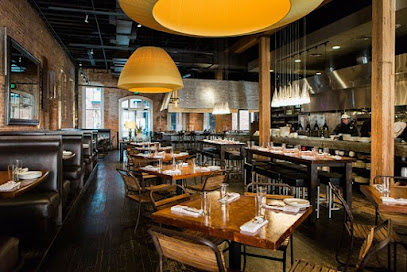
Kinsmith
0.9 km
Experience Southern hospitality at Kinsmith, where diverse flavors meet inviting ambiance in the heart of Montgomery.
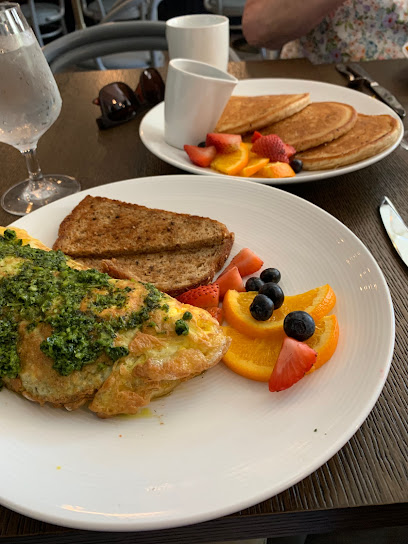
Railroad Thai
0.9 km
Experience authentic Thai cuisine at Railroad Thai in Montgomery - where flavor meets tradition in a cozy setting.
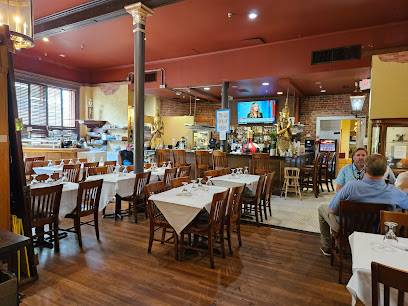
Waterworks Rooftop Restaurant and Bar
0.9 km
Experience stunning skyline views while savoring delicious cuisine at Montgomery's premier rooftop restaurant and bar.
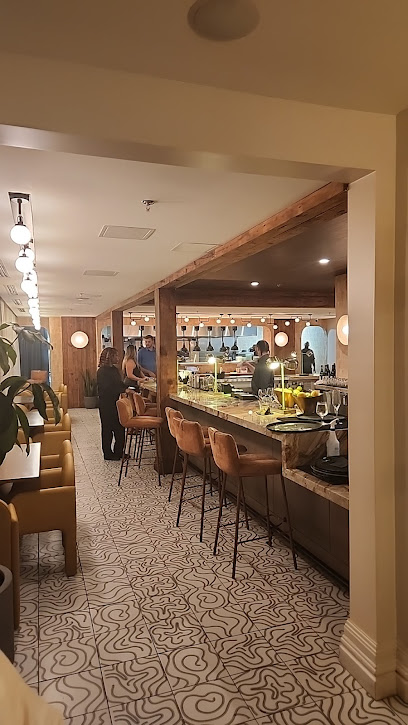
Dreamland BBQ
1.0 km
Experience the authentic taste of Southern barbecue at Dreamland BBQ in Montgomery - where every bite tells a story.
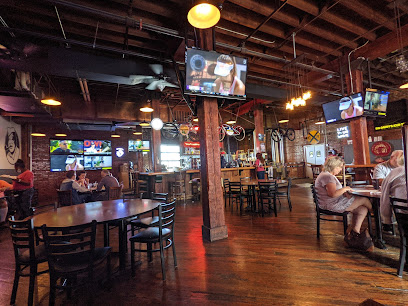
Pannie-George's Kitchen Inc - Montgomery
1.2 km
Discover authentic Southern flavors at Pannie-George's Kitchen Inc in Montgomery - A must-visit restaurant for culinary enthusiasts.
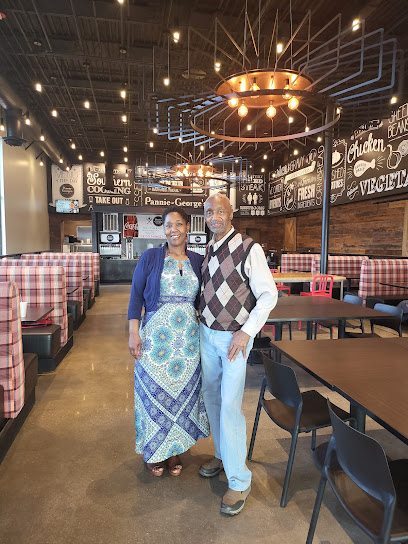
Markets, malls and hidden boutiques

Keller Boutique
0.6 km
Discover the charm of Southern fashion at Keller Boutique in Montgomery, Alabama, featuring unique styles and personalized service for every shopper.
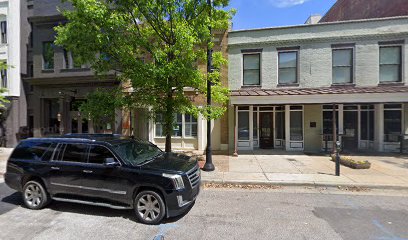
Besties Boutique(shopbestiess)
0.6 km
Explore Besties Boutique in Montgomery for unique fashion pieces and delightful gifts that showcase Southern charm and style.
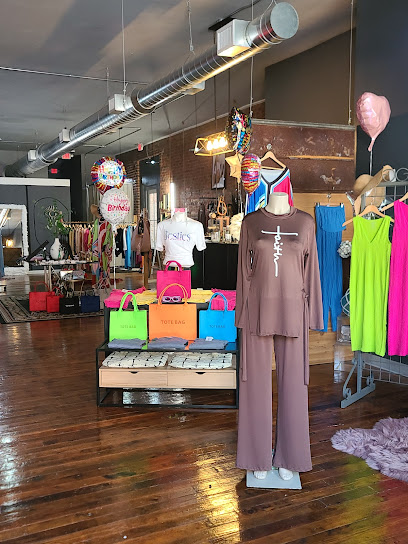
The BeYOUtiful Boutiques
0.6 km
Explore The BeYOUtiful Boutiques for stylish women's clothing and unique plus-size fashion in Montgomery, Alabama.
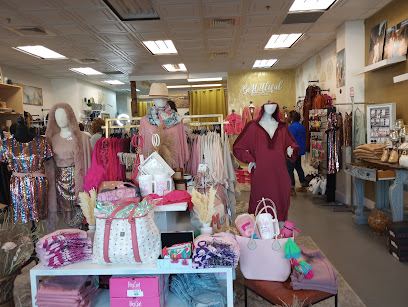
Looking Good
0.8 km
Explore Montgomery's fashion scene at Looking Good, the ultimate destination for stylish men's clothing and accessories.
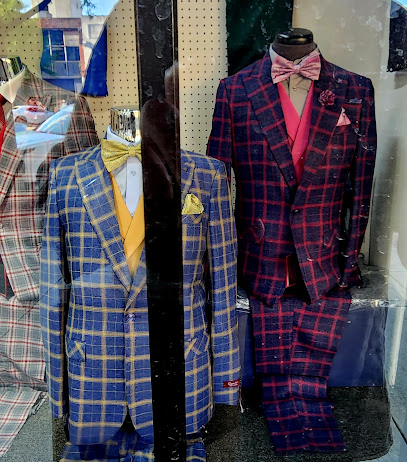
Weil's Inc
0.8 km
Explore Weil's Inc in Montgomery for a stylish selection of men's clothing, where quality meets fashion in a welcoming atmosphere.
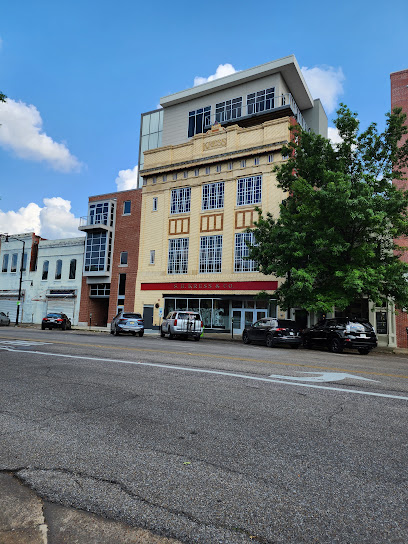
Naturally Necessary Soaps & Co
0.9 km
Explore Montgomery's Naturally Necessary Soaps & Co for exquisite handmade soaps and natural skincare treasures that capture the essence of local artistry.
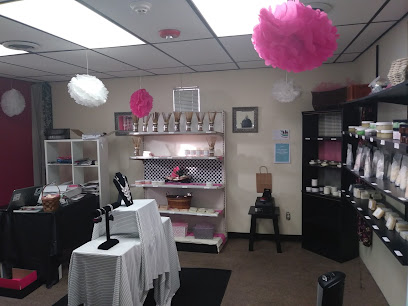
Alabama Tourism Gift Shop
1.0 km
Explore Alabama's rich culture and history at the Tourism Gift Shop, your go-to destination for unique souvenirs and local treasures.
Bits N Pieces
1.1 km
Explore Bits N Pieces in Montgomery, AL for unique gifts and local treasures that capture the essence of Alabama's culture and charm.
AfriAmeri Gift Shop
1.2 km
Explore the vibrant culture of Africa at AfriAmeri Gift Shop - a unique destination for authentic African crafts and gifts in Montgomery, Alabama.
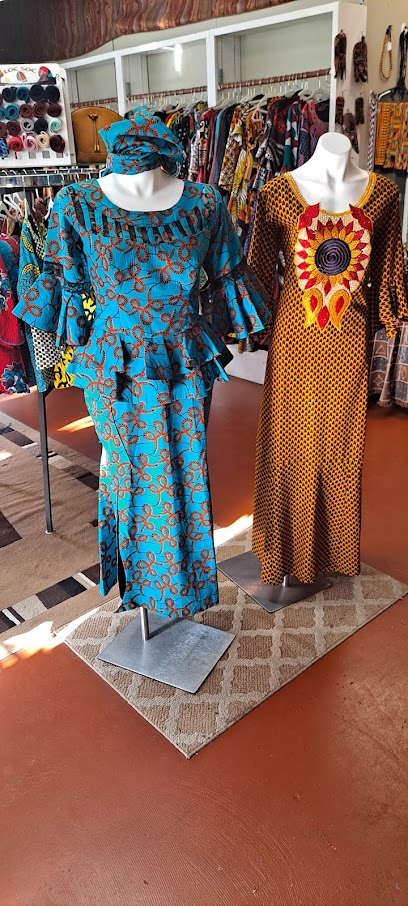
Goat Hill Museum Store
1.4 km
Explore the Goat Hill Museum Store in Montgomery, Alabama, for unique gifts and treasures that showcase the state's rich culture and artistry.
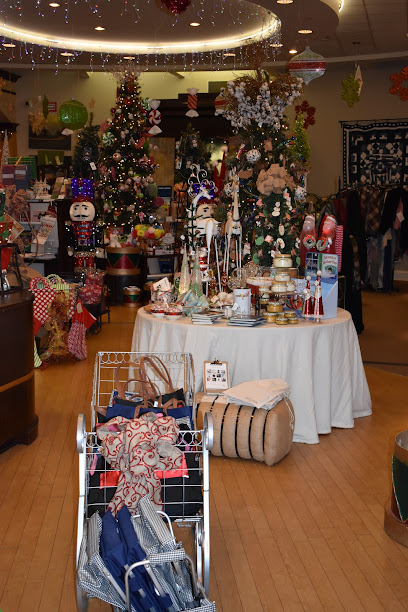
Tours of Montgomery
1.6 km
Discover the heart of Montgomery with unique souvenirs reflecting the rich culture and history of Alabama at Tours of Montgomery.
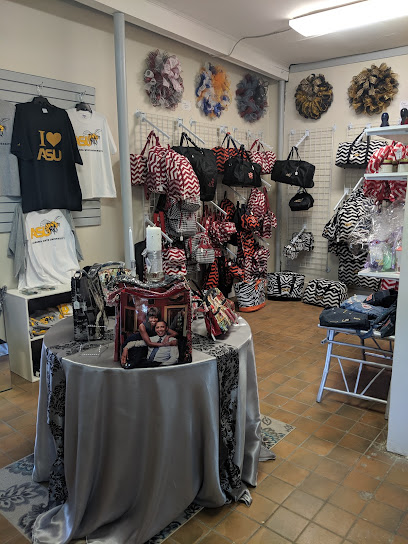
Trenae's Boutique
1.6 km
Explore Trenae's Boutique in Montgomery, AL for unique fashion accessories, clothing, and local artistry that define Southern elegance.
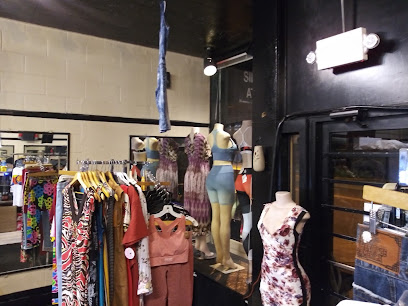
New Hob Nob
1.9 km
Explore Montgomery's New Hob Nob, where unique hats and stylish accessories await every fashion-forward traveler.

Apropos
2.0 km
Explore a charming boutique in Montgomery, AL, offering unique handcrafted gifts and local art that capture the spirit of the South.
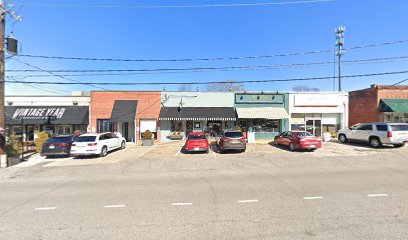
Vintage Cafe
2.0 km
Discover Vintage Cafe, a cozy Montgomery gem offering delicious breakfasts, artisanal gifts, and a welcoming atmosphere for every traveler.
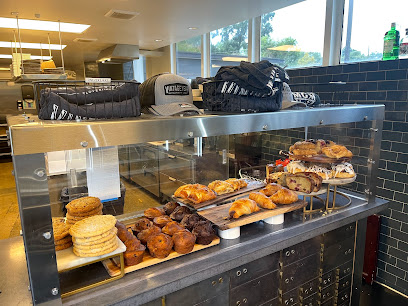
Essential bars & hidden hideouts

Hilltop Public House
0.3 km
Discover Hilltop Public House in Montgomery: A delightful bar and café offering an array of delicious bagels, coffee, cocktails, and a warm, inviting atmosphere.
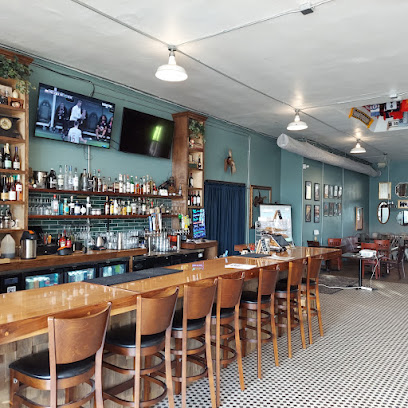
The Statesman
0.5 km
Experience the best of Montgomery's nightlife at The Statesman, where expertly crafted cocktails meet a chic and inviting atmosphere.
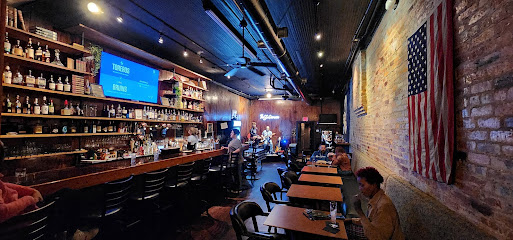
23 Court
0.6 km
Discover the lively atmosphere and craft cocktails of 23 Court, Montgomery's premier bar for socializing and relaxation.
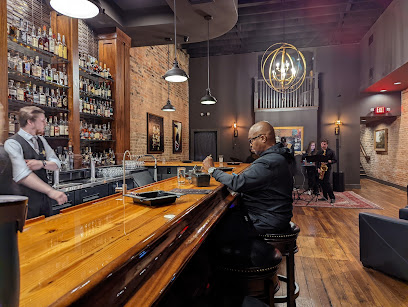
Bar Attico
0.7 km
Discover the heart of Montgomery's cocktail culture at Bar Attico, where vibrant drinks meet a lively atmosphere for an unforgettable night out.
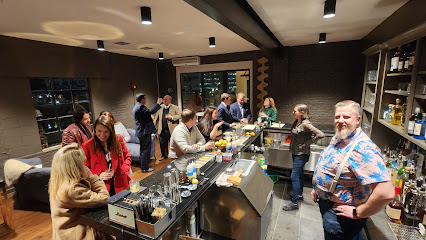
The Exchange Bar
0.8 km
Experience the charm of Montgomery at The Exchange Bar, a stylish lounge offering exquisite cocktails and a vibrant atmosphere for relaxation and socializing.
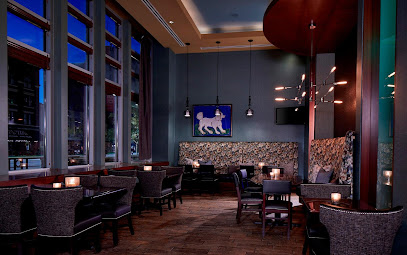
The Alley
0.8 km
Explore The Alley in Montgomery, Alabama, a vibrant entertainment district filled with lively bars, restaurants, and cultural experiences for every tourist.
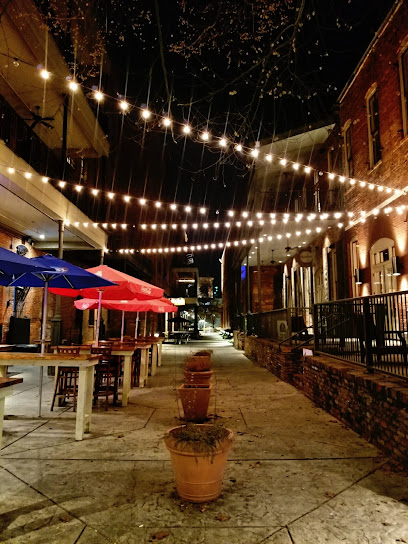
Aviator Bar
0.9 km
Experience Montgomery's vibrant nightlife at Aviator Bar, where craft cocktails and live music create an unforgettable atmosphere.
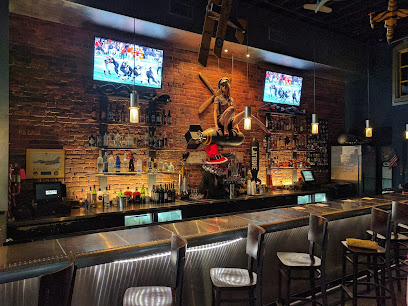
AlleyBAR
0.9 km
Discover AlleyBAR in Montgomery, AL - a lively bar with live music, offering a unique blend of local culture and vibrant nightlife for an unforgettable experience.
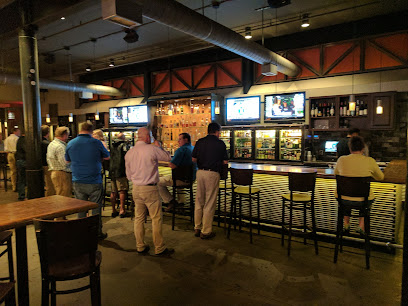
Lower Lounge
0.9 km
Discover Montgomery's Lower Lounge, a chic cocktail bar offering expertly crafted drinks and a vibrant atmosphere for an unforgettable night out.
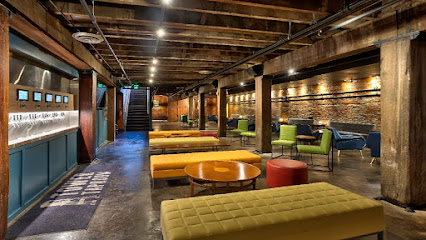
Tower Taproom
0.9 km
Discover Tower Taproom in Montgomery, a vibrant beer hall with an extensive craft beer selection and delicious gourmet burgers perfect for foodies and beer lovers.
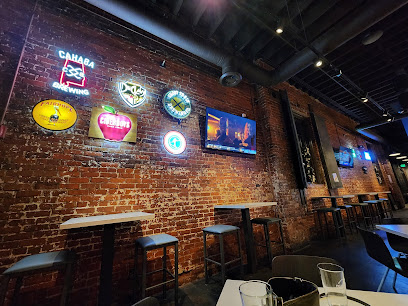
Red Bluff Bar at the Silos
1.1 km
Experience the vibrant flavors of Montgomery at Red Bluff Bar at the Silos, where Southern hospitality meets delightful grilled cuisine.
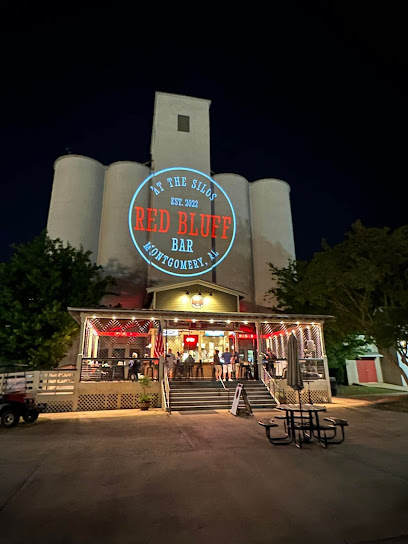
Pine Bar Old Cloverdale
2.0 km
Discover the vibrant atmosphere and delightful drinks at Pine Bar Old Cloverdale, a must-visit bar in Montgomery, Alabama for tourists and locals alike.
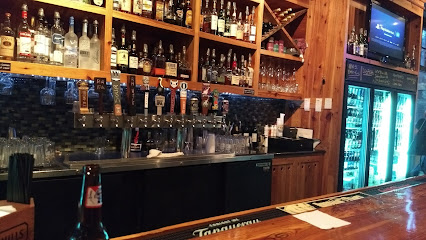
VIP Hookah Lounge
2.4 km
Discover relaxation and vibrant nightlife at VIP Hookah Lounge, Montgomery's premier hookah bar and social hotspot.
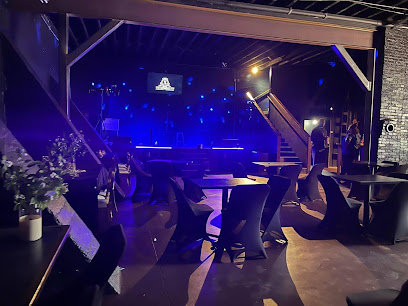
Leroy
3.0 km
Discover Leroy Lounge in Montgomery: A stylish bar with creative cocktails and a vibrant atmosphere perfect for a night out.
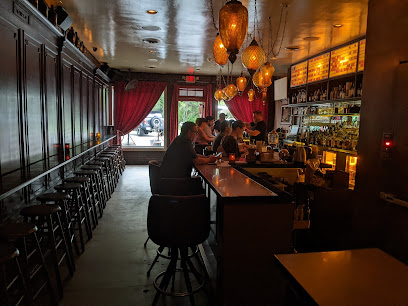
Dino's
3.0 km
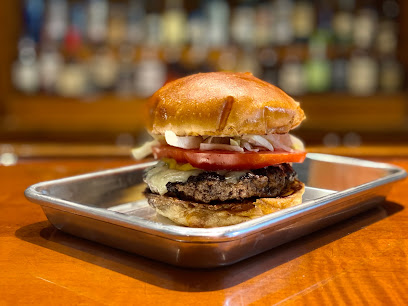
Experience the best bar food in Montgomery at Dino's, where flavorful dishes and a lively atmosphere meet.
Nightclubs & after hour spots

Whittier's Sports Lounge
0.7 km
Whittier's Sports Lounge: The ultimate sports bar experience in Montgomery, Alabama, where delicious food meets thrilling live sports.
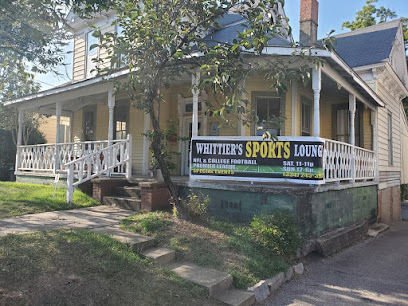
Cotton club
5.5 km
Discover the electric atmosphere of Cotton Club, Montgomery's hottest night club, offering unforgettable nights filled with music, dancing, and fun.
Club G's
5.6 km
Discover Montgomery's nightlife at Club G's, a vibrant night club featuring lively music, crafted cocktails, and an unforgettable atmosphere for party enthusiasts.
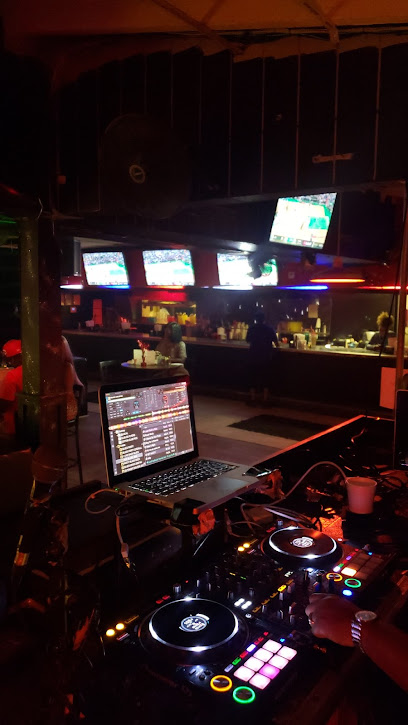
TD Kennedy LLC
6.7 km
Discover the electric nightlife of Montgomery at TD Kennedy LLC, a vibrant night club with pulsating music and an inviting atmosphere.

Envi Ultra Lounge
7.8 km
Discover the chic ambiance, creative cocktails, and vibrant nightlife at Envi Ultra Lounge in Montgomery, Alabama.
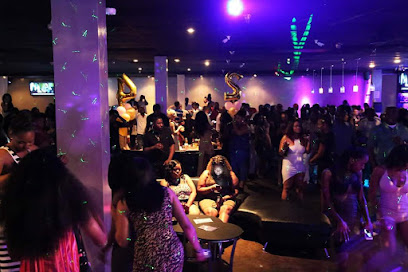
Club Boomerangs
9.5 km
Experience the lively atmosphere of Club Boomerangs, a top night club and sports bar in Montgomery, AL, where unforgettable nights await.
Sage
9.8 km
Experience the sophistication and comfort of Sage, Montgomery's premier lounge offering creative cocktails and a vibrant atmosphere for all visitors.
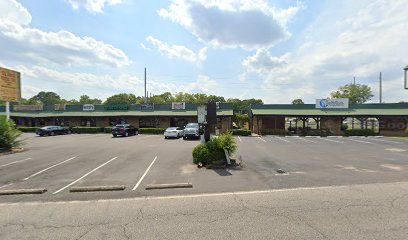
Mingles Lounge
12.5 km
Experience Montgomery's nightlife at Mingles Lounge, where great drinks, sports, and a welcoming atmosphere await.
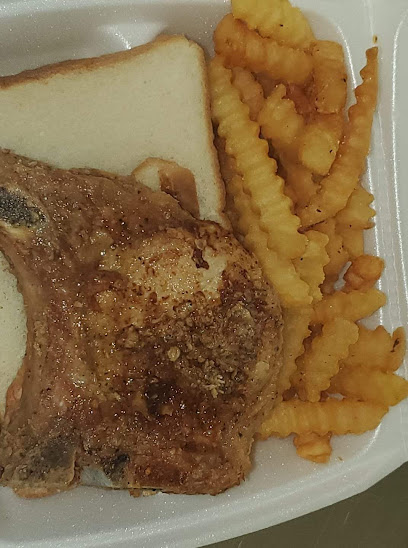
Magdalandia
16.0 km
Discover the vibrant nightlife at Magdalandia in Prattville, Alabama, where music, dance, and unforgettable moments await.
Prattville Promenaders
16.8 km
Discover the lively atmosphere of Prattville Promenaders, where dance meets community in an exciting club setting in Alabama.
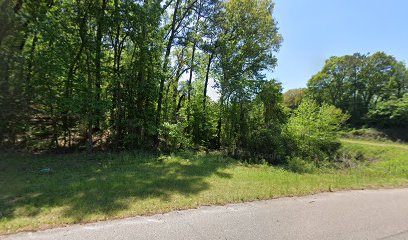
Lake Martin
52.5 km
Explore the serene beauty of Lake Martin in Alabama, a perfect destination for outdoor fun, relaxation, and stunning natural scenery.
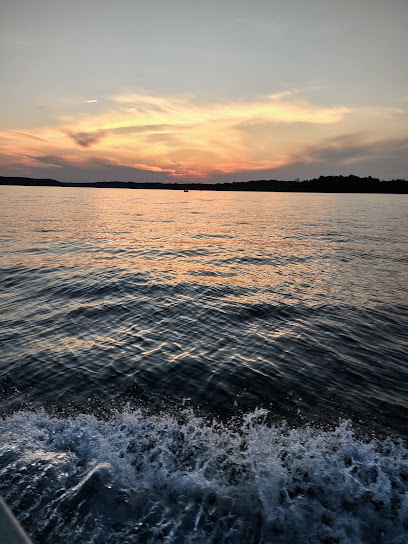
Dallas County Moose Lodge 1737
62.9 km
Experience Southern hospitality at Dallas County Moose Lodge 1737, a vibrant bar in Selma where community and camaraderie flourish.
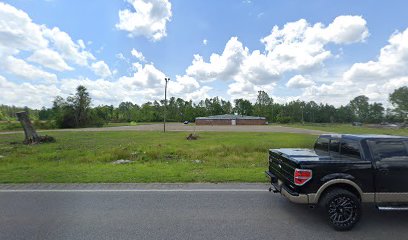
Roger's Lounge
64.0 km
Discover the lively nightlife at Roger's Lounge in Selma, Alabama, where great music and a vibrant atmosphere await your arrival.
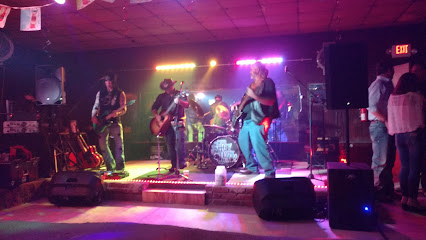
Southern Comfort Lounge
64.4 km
Southern Comfort Lounge in Selma: A vibrant bar offering local brews and a lively atmosphere perfect for unwinding and socializing.
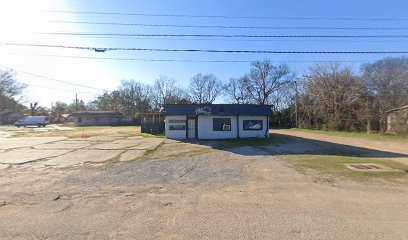
Jerryco Hall
65.4 km
Discover the vibrant nightlife of Selma at Jerryco Hall, where music, dancing, and unforgettable memories await you.