Fort Payne Cabin Historic Site: A Window to the Trail of Tears
Explore the poignant history of the Cherokee Nation at the Fort Payne Cabin Historic Site, a certified site on the Trail of Tears.
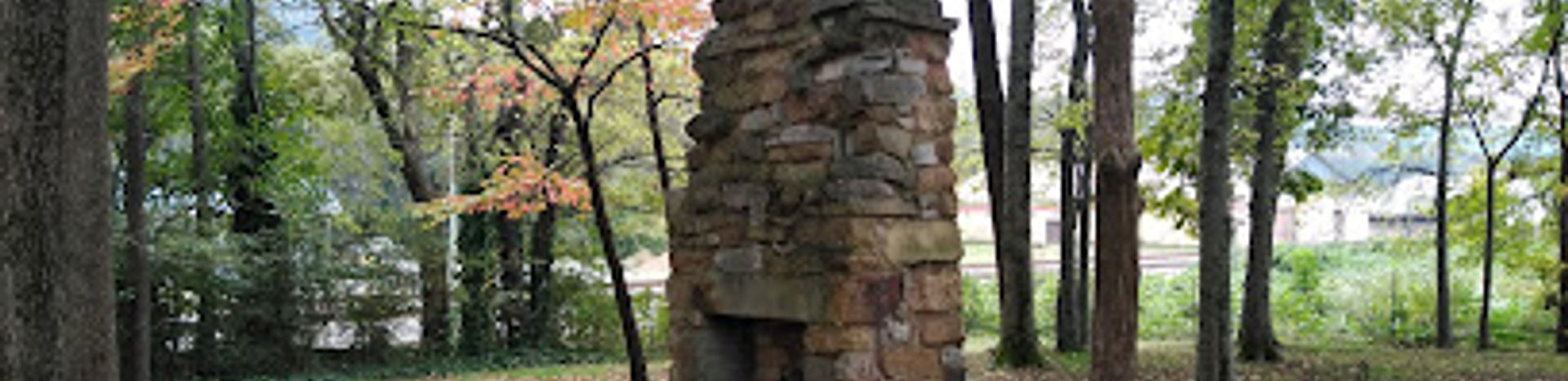
The Fort Payne Cabin Historic Site marks a poignant location tied to the Cherokee removal in the 1830s. Here, a cabin seized by federal troops as part of Fort Payne stands as a reminder of the Trail of Tears. Visitors can see the remains of the cabin's foundation, chimney, and a historic well, offering a tangible connection to this sorrowful chapter in American history.
A brief summary to Fort Payne Cabin Historic Site
- 106 4th St, Fort Payne, Alabama, 35967, US
- +1256-845-6888
- Visit website
Local tips
- Visit the site to pay respects to those who suffered during the Trail of Tears.
- Take time to read the informative signs detailing the history of the cabin and its role in the Cherokee removal.
- Combine your visit with other historical sites in Fort Payne, such as the Fort Payne Depot Museum.

Getting There
-
Walking
The Fort Payne Cabin Historic Site is located at the end of 4th Street S. and Gault Ave in Fort Payne, Alabama. From downtown Fort Payne, head south on Gault Avenue. Turn left onto 4th Street S.E. The site is located at the end of the road. There is no admission fee.
-
Driving
From Interstate 59, take exit 218 for Fort Payne. Follow the signs to Fort Payne. Once in Fort Payne, follow Gault Avenue south. Turn left onto 4th Street S.E. The site is located at the end of the road. Parking is free and available on-site.
Discover more about Fort Payne Cabin Historic Site
Iconic landmarks you can’t miss

Fort Payne Opera House
0.9 km
Experience history and culture at Alabama's oldest continuously operating theater, the beautifully restored Fort Payne Opera House.
Fort Payne Hosiery Museum
0.9 km
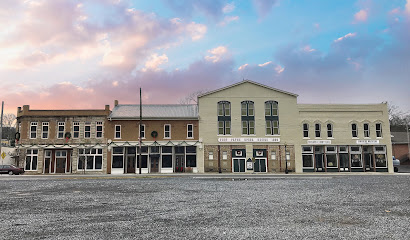
Step back in time at the Fort Payne Hosiery Museum, exploring the city's rich textile history as the 'Sock Capital of the World'.
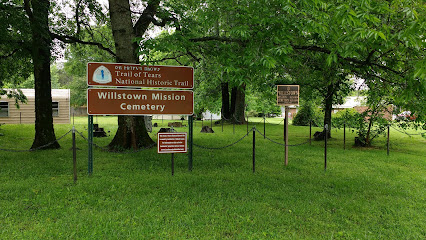
Willstown Mission Cemetery
5.7 km
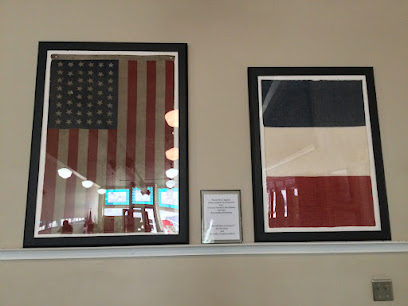
Discover the rich history of Fort Payne, Alabama at the Willstown Mission Cemetery, a serene historical landmark steeped in heritage.
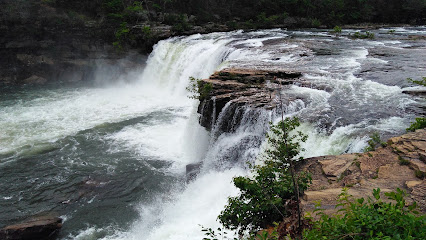
Little River Falls Bridge Overlook
10.0 km
Witness the majestic Little River Falls from an easily accessible overlook, marking the start of the Little River Canyon in Fort Payne, Alabama.
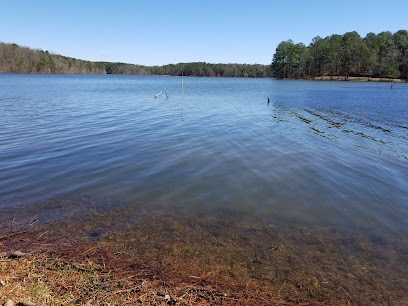
DeKalb County Public Lake
16.9 km
Escape to DeKalb County Public Lake for a day of fishing and family fun in a beautiful Sand Mountain setting.
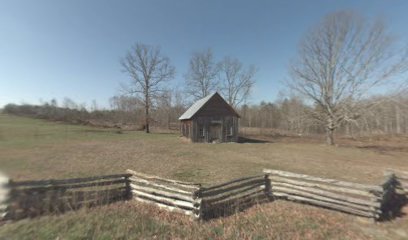
Council Bluff School
16.9 km
Discover Alabama's rural educational heritage at the Council Bluff School, the last one-room schoolhouse in DeKalb County.
Cherokee Rock Village
29.9 km
Explore the geological wonderland of Cherokee Rock Village in Leesburg, Alabama. Hike, climb, and discover breathtaking views atop Lookout Mountain.
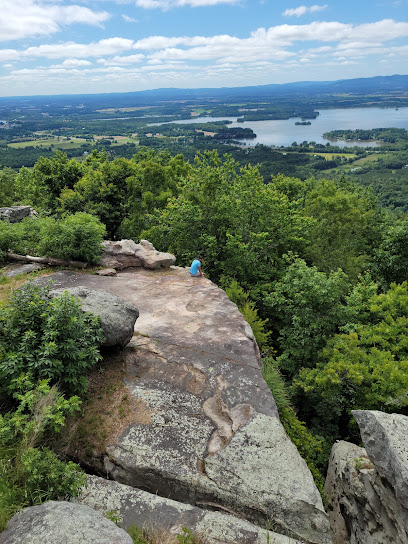
Weathington Park
30.5 km
Discover breathtaking views of the Tennessee River Valley at Weathington Park in Section, Alabama, a scenic overlook perfect for nature lovers.
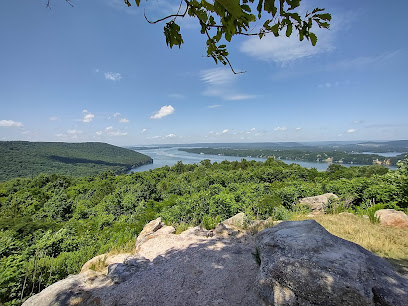
Buck's Pocket State Park
30.6 km
Discover scenic overlooks, hiking trails, and a peaceful campground in this hidden gem of the Appalachian Mountain foothills in northeast Alabama.
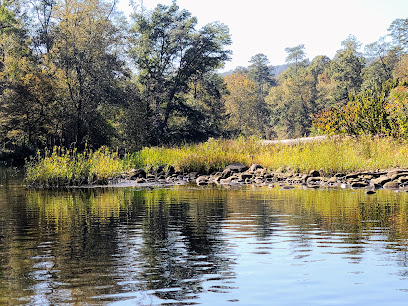
Unmissable attractions to see

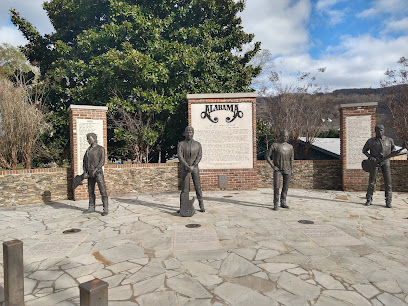
Alabama Band Statues
0.7 km
A tribute to the legendary country music band Alabama, these statues celebrate their roots and musical legacy in their hometown of Fort Payne.
Alabama Walking Trail Park
0.8 km
A modern park in Fort Payne with playgrounds, walking trails, and a splash pad, perfect for family fun and outdoor activities.
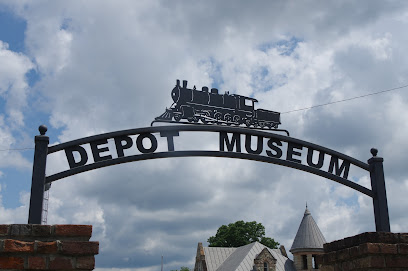
Fort Payne Depot Museum
0.9 km
Step back in time at the Fort Payne Depot Museum, exploring railroad history, Native American artifacts, and local heritage in a stunning 1891 depot.
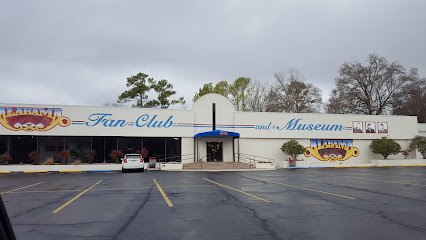
Alabama Fan Club And Museum
0.9 km
Explore the history of Alabama, the Country Music Group of the Century, at their fan club and museum in Fort Payne, Alabama.
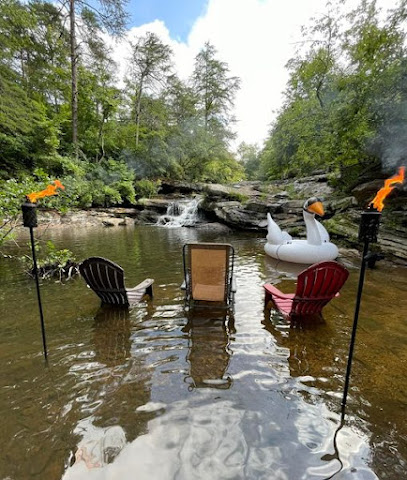
The Secret Place
3.2 km
Discover a hidden gem in Fort Payne, Alabama: a tranquil park offering a peaceful retreat with scenic beauty and secluded charm on Lookout Mountain.
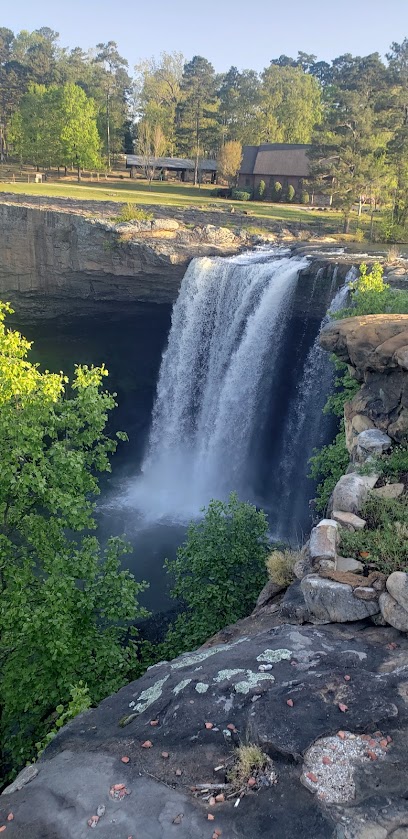
Little River Canyon Center
9.3 km
Explore the breathtaking beauty and rich natural history at Little River Canyon Center, a must-visit for outdoor enthusiasts in Alabama.
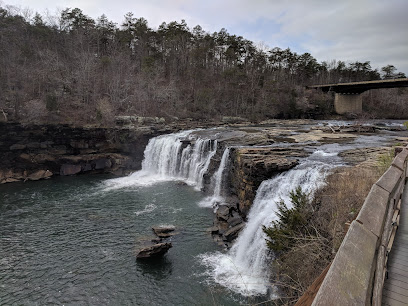
Greg's Two Falls
9.6 km
Discover the beauty of Greg's Two Falls near Fort Payne, Alabama, a perfect natural escape in the Appalachian foothills.
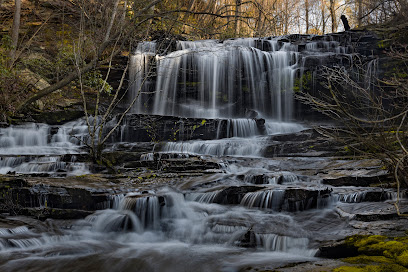
Graces High Falls
9.9 km
Explore Graces High Falls, a breathtaking scenic spot in Alabama's Little River Canyon, perfect for nature lovers and adventure seekers.
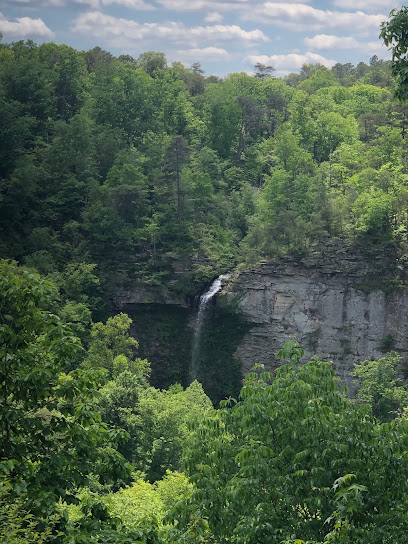
Wolf Creek Overlook
10.0 km
Experience stunning vistas and serene landscapes at Wolf Creek Overlook, a must-visit scenic spot in Fort Payne, Alabama.
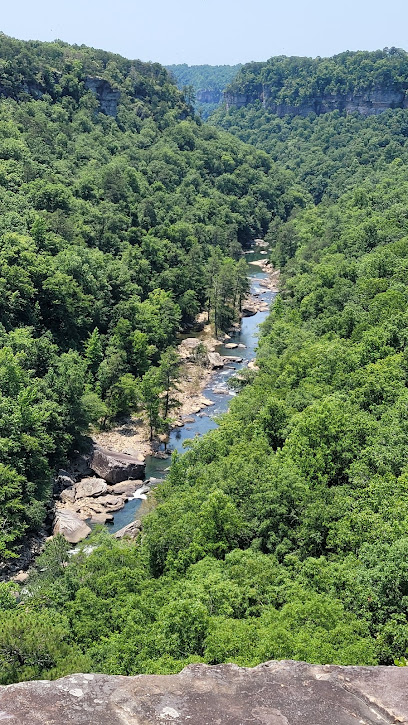
Little River Canyon
10.1 km
Discover Alabama's deepest canyon: breathtaking views, hiking trails, and the unique Little River flowing atop Lookout Mountain.
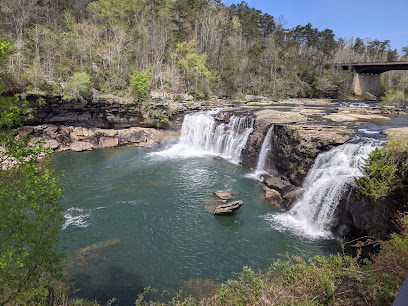
Canyon View Overlook
10.1 km
Experience the grandeur of Little River Canyon at Canyon View Overlook, a scenic spot offering breathtaking views and a connection with nature in Fort Payne, Alabama.
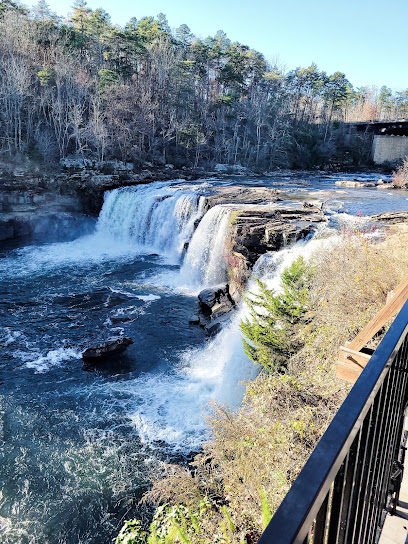
Little River Falls Observation Deck
10.1 km
Witness the raw beauty of Little River Falls from an easily accessible observation deck. A must-see natural landmark in Alabama's Little River Canyon.
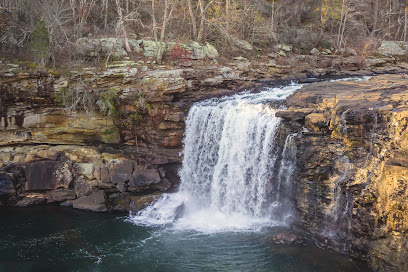
Little River Canyon Falls Park
10.2 km
Discover the beauty of Little River Canyon Falls Park in Fort Payne, Alabama. Explore scenic overlooks, hiking trails, and a stunning 45-foot waterfall.
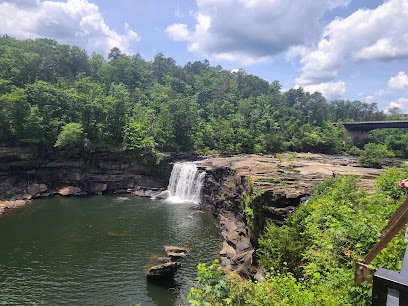
Little River Falls Overlook
10.4 km
Experience the majesty of Little River Falls Overlook in Alabama's Little River Canyon National Preserve: breathtaking views, scenic drives, and outdoor adventures await in this natural paradise.
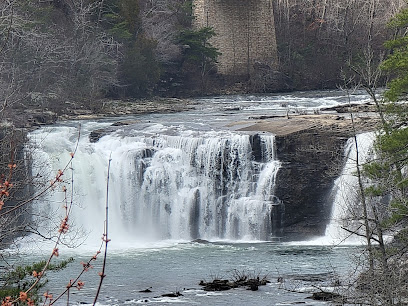
Little River Canyon Kayak Put In
10.5 km
Launch your kayak into the heart of Little River Canyon, where thrilling whitewater and stunning scenery await experienced paddlers.
Essential places to dine

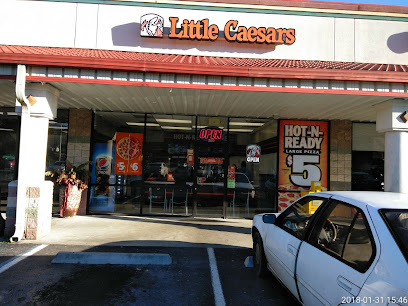
Little Caesars Pizza
0.3 km
Discover deliciously affordable pizza at Little Caesars Pizza in Fort Payne - perfect for travelers craving fast food delights.
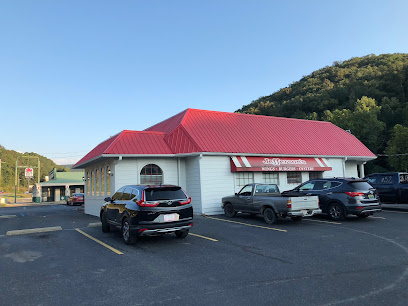
Jefferson's
1.5 km
Experience mouthwatering chicken wings and juicy burgers at Jefferson's in Fort Payne—where American flavors come alive!
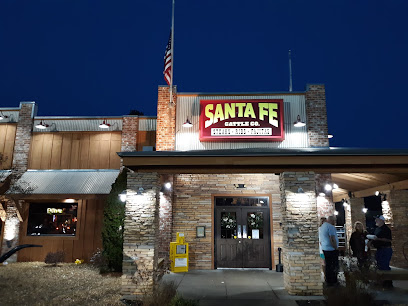
Santa Fe Cattle Company
2.2 km
Discover delicious steaks and BBQ delights at Santa Fe Cattle Company in Fort Payne - perfect for families and food lovers alike.
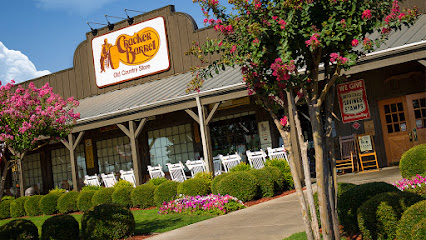
Cracker Barrel Old Country Store
2.3 km
Experience authentic Southern cuisine at Cracker Barrel Old Country Store in Fort Payne - where nostalgia meets delicious comfort food.
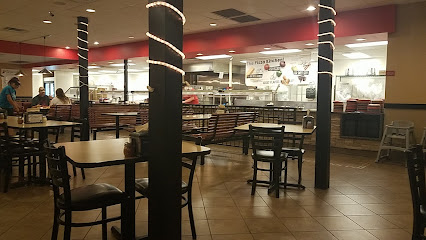
Barone's Pizza and Arcade
3.4 km
Discover delicious pizzas and endless fun at Barone's Pizza and Arcade in Fort Payne, AL - where family dining meets gaming excitement!
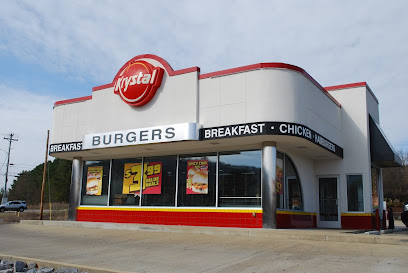
Krystal
3.7 km
Experience the best of fast food at Krystal in Fort Payne—delicious burgers, chicken wings, and breakfast delights await you.
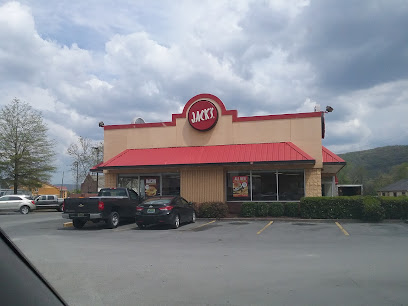
Jack's
3.9 km
Experience authentic Southern fast food at Jack's in Fort Payne—where delicious breakfasts meet hearty hamburgers in a welcoming atmosphere.
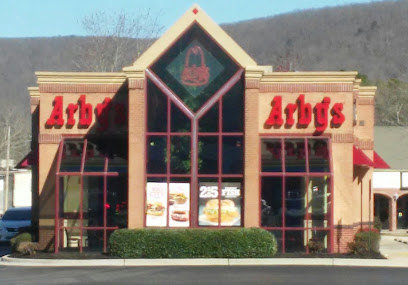
Arby's
3.9 km
Experience delicious fast food delights at Arby's in Fort Payne, where quick bites meet satisfying flavors.
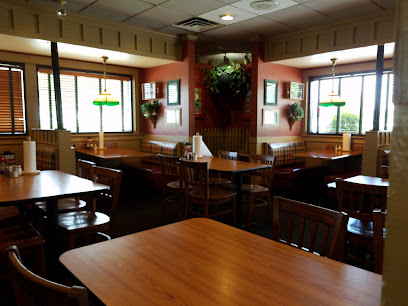
Pizza Hut
4.0 km
Enjoy delicious pizza and chicken wings at Pizza Hut in Fort Payne - the perfect spot for families seeking tasty American comfort food.
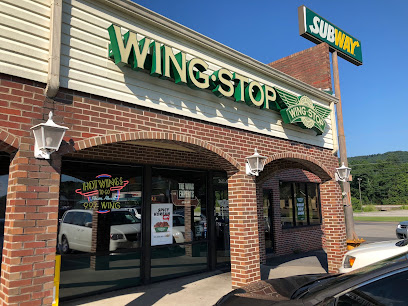
Wingstop
4.0 km
Savor deliciously crafted chicken wings at Wingstop in Fort Payne - a paradise for wing lovers with unique flavors and casual vibes.
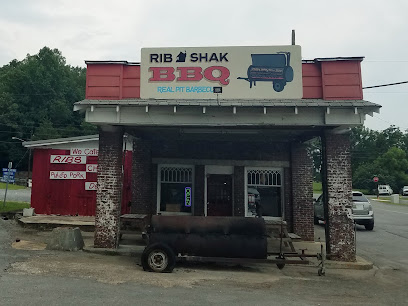
Rib Shak
17.7 km
Discover authentic Southern barbecue at Rib Shak in Valley Head—where smoky flavors meet heartfelt hospitality.
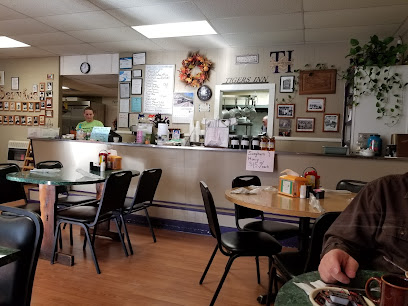
Tiger’s Inn
17.7 km
Experience authentic American dining at Tiger's Inn in Valley Head – where comfort food meets Southern hospitality.
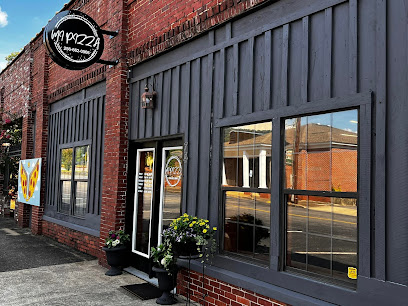
MI Pizza
17.7 km
Experience delicious homemade pizzas in Valley Head at MI Pizza – where quality meets affordability.
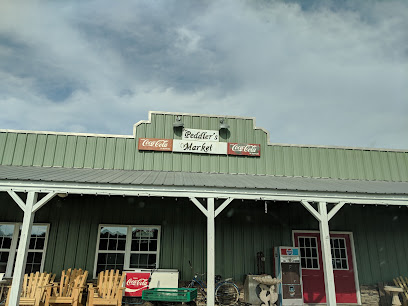
Mountain Parkway Grill
24.9 km
Discover delightful comfort food at Mountain Parkway Grill in Sand Rock, Alabama – perfect for family gatherings and local flavors.
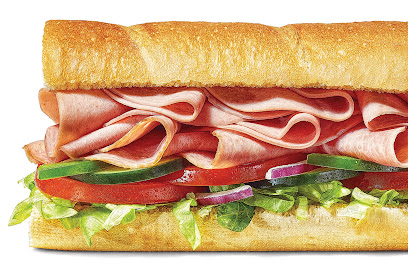
Subway
26.8 km
Discover fresh flavors at Subway in Cedar Bluff - where customization meets convenience in every bite.
Markets, malls and hidden boutiques

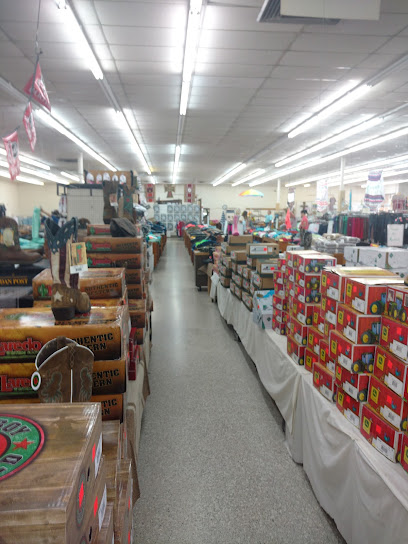
Hammers Department Store
0.7 km
Discover the charm of Hammers Department Store in Fort Payne, Alabama, where unique finds and unbeatable prices await every shopper.
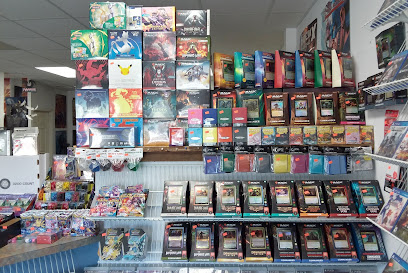
Gaming Etc.
5.4 km
Discover Gaming Etc. in Fort Payne, Alabama - your ultimate destination for video games, comics, and collectibles in a vibrant community atmosphere.
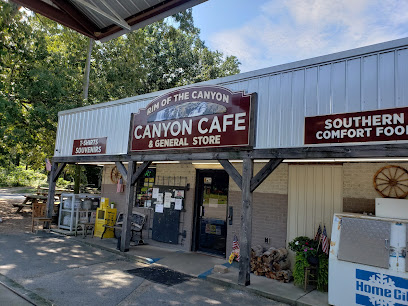
Rim of the Canyon Cafe & Grocery
9.3 km
Discover local flavors and convenience at Rim of the Canyon Cafe & Grocery in Fort Payne, Alabama – a perfect stop for travelers and food lovers alike.
Cupboard Antiques
16.6 km
Explore Cupboard Antiques in Fyffe, AL for a captivating collection of vintage treasures and unique home decor that tells a story.
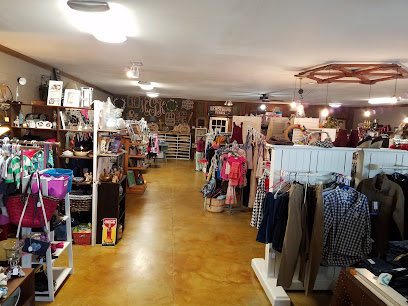
The Cupboard LLC
16.6 km
Explore The Cupboard LLC in Fyffe, AL, a unique consignment shop filled with eclectic treasures and friendly service, perfect for every treasure hunter.
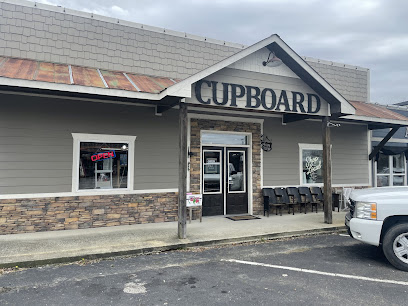
The Rock
22.6 km
Discover local flavors and warm hospitality at The Rock grocery store in Sand Rock, Alabama, a perfect stop for travelers seeking authentic regional products.
Harton Nursery & Grocery Center
24.0 km
Discover fresh produce, vibrant plants, and local charm at Harton Nursery & Grocery Center in Cedar Bluff, Alabama—a true hidden gem for travelers.
Global Electronics
25.0 km
Discover top-notch electronics and gadgets at Global Electronics in Cedar Bluff, Alabama, the ultimate destination for tech enthusiasts.
The Secret Bed and Breakfast Lodge
25.9 km
Discover the perfect blend of comfort and Southern hospitality at The Secret Bed and Breakfast Lodge in Leesburg, Alabama.

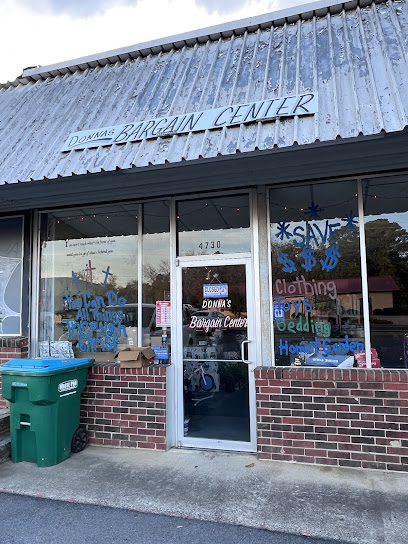
Donna’s bargain center
26.3 km
Explore unbeatable deals and hidden treasures at Donna’s Bargain Center in Cedar Bluff, Alabama - a shopper's paradise for every budget.
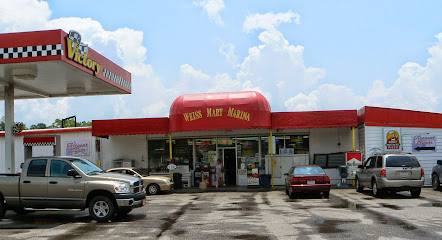
Weiss Mart Marina
26.8 km
Experience the charm of Weiss Mart Marina in Cedar Bluff, Alabama—a perfect blend of convenience, recreation, and scenic beauty.
Kellz Designz
26.8 km
Discover your creativity at Kellz Designz, Cedar Bluff's premier custom t-shirt store, where every design tells your story.
Rise Boutique
26.9 km
Explore the best of women's fashion at Rise Boutique in Leesburg, Alabama, where style meets comfort and local charm.
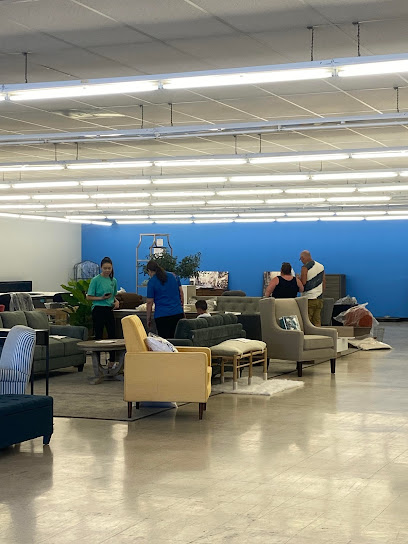
Maria's Furniture
27.0 km
Explore a charming selection of Southern-style furniture and decor at Maria's Furniture in Cedar Bluff, Alabama, perfect for every home.
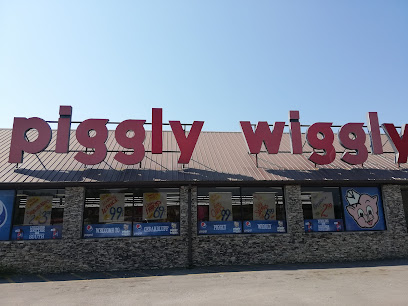
Piggly Wiggly
27.0 km
Experience southern hospitality and local flavors at Piggly Wiggly, Cedar Bluff's favorite grocery store with fresh produce and quality products.
Essential bars & hidden hideouts

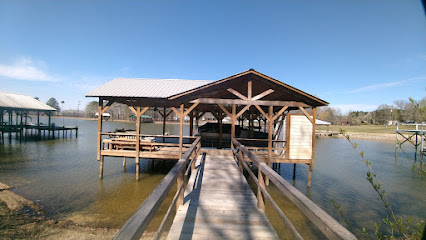
Little River Marina & Lodge
23.8 km
Discover the charm of Little River Marina & Lodge in Cedar Bluff, Alabama—your ultimate destination for outdoor adventures and lakeside relaxation.
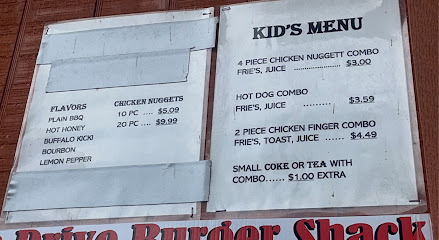
Canyon Drive Burger Shack
24.3 km
Discover delicious, budget-friendly burgers at Canyon Drive Burger Shack in the heart of Gaylesville, Alabama - a tasty stop for every traveler.
Black's Karaoke
24.3 km
Experience the joy of singing at Black's Karaoke in Gaylesville, Alabama, where every night is a celebration of music and camaraderie.
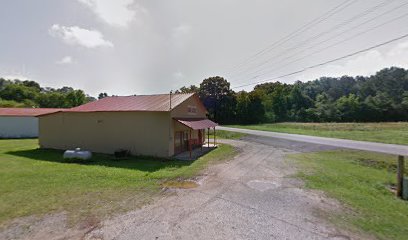
KT Pho Asian Restaurant - Cedar Bluff, AL
26.3 km
Discover the vibrant and authentic flavors of Asian cuisine at KT Pho Asian Restaurant in Cedar Bluff, AL.
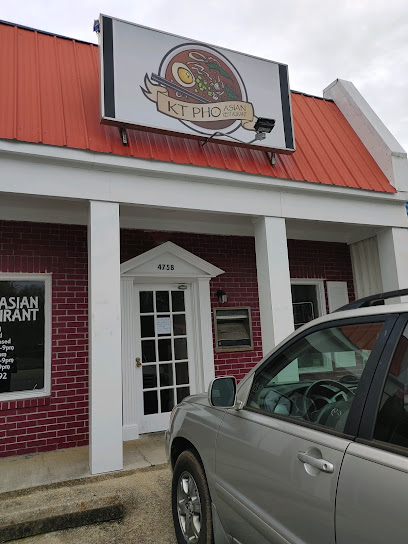
The Big Chill
26.6 km
Discover the sweet delights of The Big Chill in Cedar Bluff, Alabama, where every scoop of ice cream is a taste of happiness.
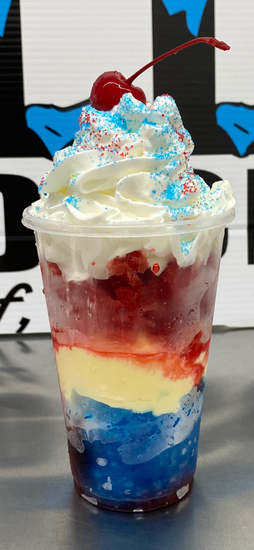
La Cabaña
26.8 km
Experience the vibrant flavors of Mexico at La Cabaña, Cedar Bluff's premier destination for authentic Latin American cuisine.
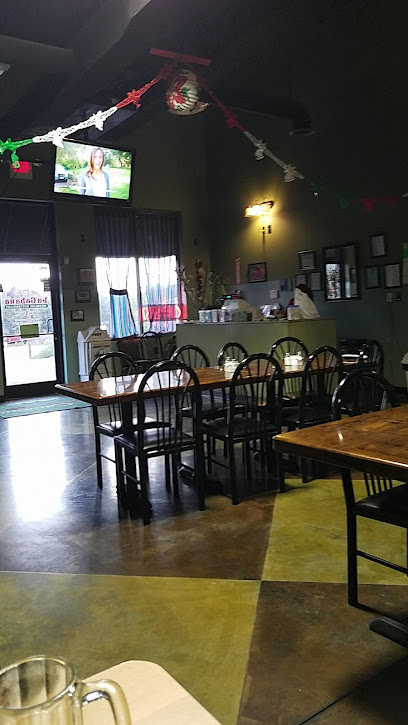
The Burger Shack
26.8 km
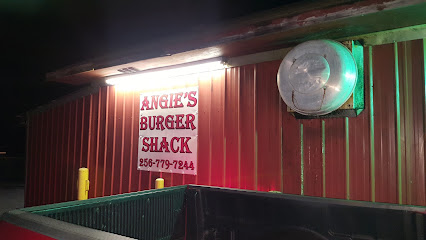
Experience the ultimate burger bliss at The Burger Shack, Cedar Bluff's top destination for delicious American fast food and cozy dining.
WEISS LAKE MOTEL
26.8 km
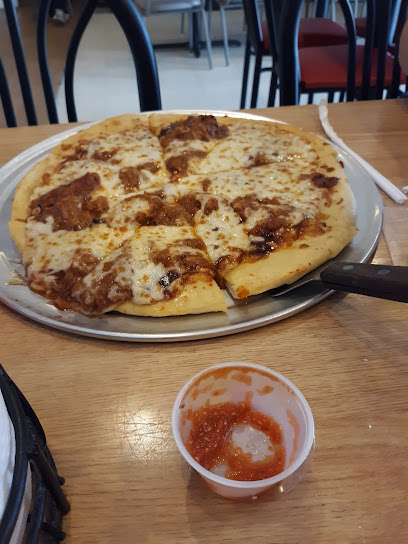
Experience the serene beauty of Weiss Lake at Weiss Lake Motel, your cozy retreat in Cedar Bluff, Alabama, perfect for relaxation and adventure.
Tony's Pizza & Subs
27.0 km
Discover Cedar Bluff's cherished Tony's Pizza & Subs, where delicious pizza and subs await in a warm, welcoming atmosphere.
La Marina
28.6 km
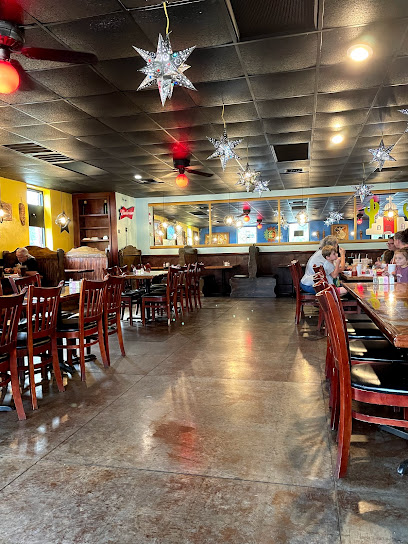
Discover La Marina in Leesburg, Alabama, where authentic Mexican cuisine meets a vibrant atmosphere, perfect for food lovers of all kinds.
The Cove at Riverside RV Park & Campground
29.4 km
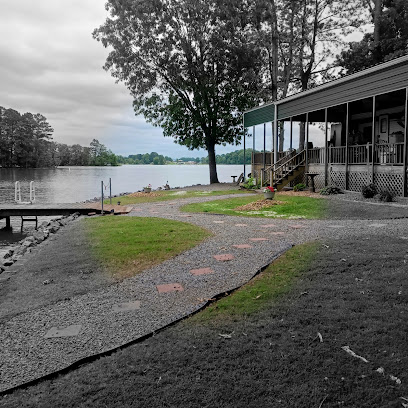
Experience the tranquility of nature at The Cove at Riverside RV Park & Campground, where adventure and relaxation await in beautiful Alabama.
Guppy's Seafood
31.2 km
Savor the taste of the sea at Guppy's Seafood in Centre, Alabama, where fresh ingredients meet Southern hospitality.
Whistle Stop Cafe'
31.5 km
Experience the heart of Southern cuisine at Whistle Stop Cafe, where delicious comfort food meets warm hospitality in Centre, Alabama.
StateLine Tavern & Grill
32.5 km
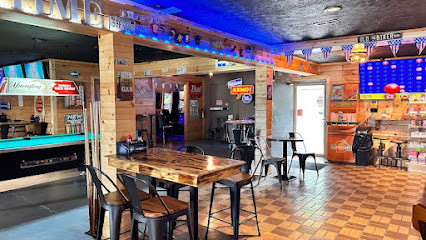
Discover the lively ambiance at StateLine Tavern & Grill, where delicious food, karaoke, and live music await in Rome, Georgia.
Kloe’s
35.6 km
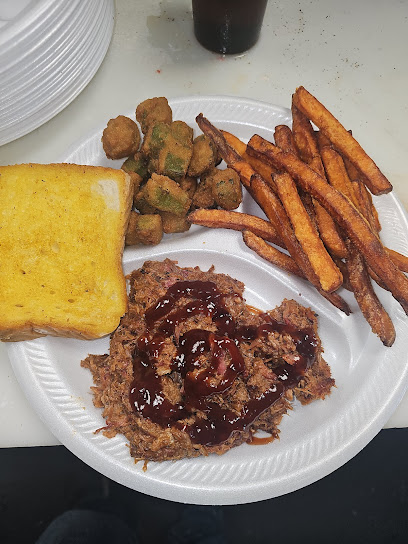
Savor the flavors of Southern comfort food at Kloe's, a cozy restaurant in Centre, Alabama, known for its hearty dishes and warm hospitality.