National Voting Rights Museum and Institute: A Testament to Courage
Explore the pivotal history of the Voting Rights Movement at this essential Selma museum, honoring the brave activists who fought for equality.
Located in Selma, Alabama, the National Voting Rights Museum and Institute stands as a permanent memorial to the courageous individuals who fought for voting rights for disenfranchised Americans. The museum chronicles the events leading up to the Selma to Montgomery marches and the passage of the 1965 Voting Rights Act.
A brief summary to National Voting Rights Museum and Institute
- 6 US-80 East, Selma, Alabama, 36701, US
- +1334-526-4340
- Visit website
- Monday 10 am-4 pm
- Tuesday 10 am-4 pm
- Wednesday 10 am-4 pm
- Thursday 10 am-4 pm
Local tips
- Allow at least 2-3 hours to fully experience the museum's exhibits and absorb the historical information.
- Check the museum's website for information on special events, workshops, and guided tours.
- Consider visiting the Edmund Pettus Bridge, a short distance from the museum, to further understand the context of the Selma to Montgomery marches.

Getting There
-
Walking
The National Voting Rights Museum and Institute is located at 6 US-80 East, a short walk from many downtown Selma attractions. If you are near the Edmund Pettus Bridge or the Selma Interpretive Center, simply walk east along US-80 Business (also known as Broad Street) towards the bridge. The museum is located at the foot of the bridge on the right-hand side. This is a free and easily accessible option for those already in the immediate downtown area.
-
Taxi/Ride-Share
From anywhere in Selma, a taxi or ride-share service (like Uber or Lyft) provides a convenient way to reach the museum. A ride from the St. James Hotel, located in downtown Selma, would typically cost around $5 - $10, depending on demand and specific route. Be sure to confirm the fare before starting your trip.
-
Driving
If driving, navigate to 6 US-80 East, Selma, AL 36701. The museum is located right off Broad Street (US-80). Limited street parking is available near the museum. Additional parking can be found in public lots within a few blocks of the museum. Parking fees in these lots typically range from $1-2 per hour.
Discover more about National Voting Rights Museum and Institute
Iconic landmarks you can’t miss

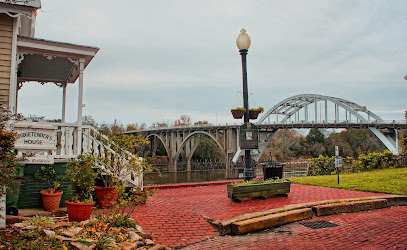
Bridgetender's House
0.5 km
Step back in time at the Bridgetender's House in Selma, AL – a historic cottage with stunning river views and a rich past.
Organpi Farms Farmhouse
0.5 km
Explore the bounty of Selma at Organpi Farms Farmhouse, where fresh produce meets local flavor and community spirit.
Queen City Kale
0.5 km
Experience the flavors of Selma at Queen City Kale, where fresh ingredients and creative dishes come together in a vibrant setting.
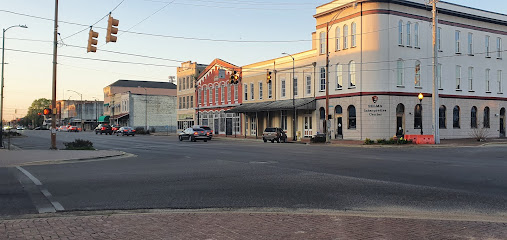
St. James Hotel Selma, Tapestry Collection by Hilton
0.5 km
Experience Southern charm at St. James Hotel Selma, where history meets modern comfort along the beautiful Alabama River.

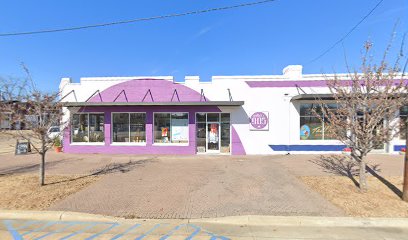
905 Gallery
0.5 km
Discover curated Southern art at Gallery 905 in Selma, Alabama, where community and creativity thrive.
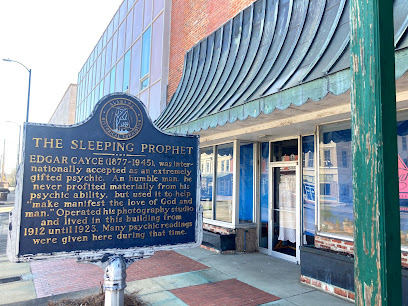
Sleeping Prophet Edgar Cayce Memorial
0.6 km
Explore the Edgar Cayce Memorial in Selma, Alabama, a historic landmark celebrating the legacy of America's most famous clairvoyant and his insights on spirituality and healing.
The Coffee Shoppe
1.0 km
Discover the heart of Selma at The Coffee Shoppe, where delightful brews and local charm create the perfect café experience.
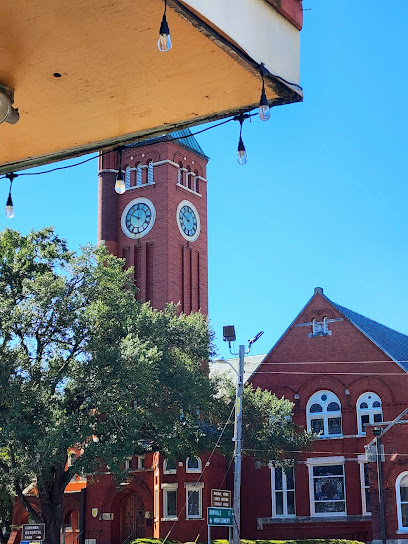
Temple Mishkan Israel
1.2 km
Discover Temple Mishkan Israel in Selma, AL: a historic synagogue, a monument to Jewish heritage, and a landmark of Civil Rights history.
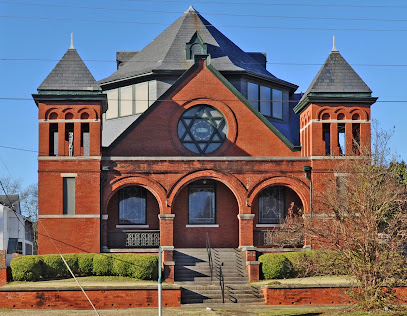
Riverview Historic District
1.3 km
Experience the rich history and stunning architecture of Riverview Historic District in Selma, Alabama, a testament to the nation's past.
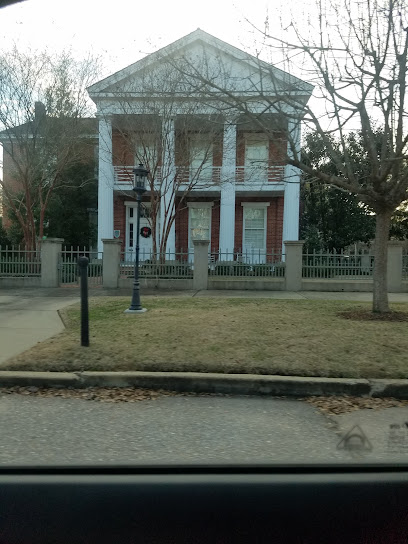
Mabry-Jones House
1.5 km
Discover Selma's history at the Mabry-Jones House, a beautiful example of Greek Revival architecture and home to notable figures.
Icehouse Historic District
1.6 km
Discover the rich history and architectural beauty of the Icehouse Historic District in Selma, Alabama—a must-visit for history enthusiasts and curious travelers.
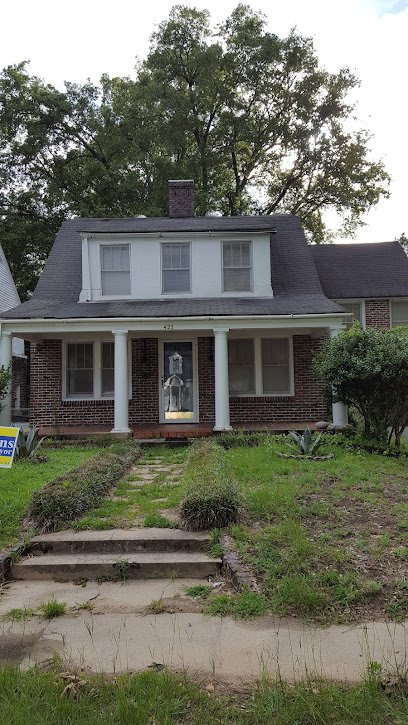
John Tyler Morgan House
1.6 km
Visit the historic John Tyler Morgan House in Selma, Alabama, home to a Confederate General and long-serving U.S. Senator.
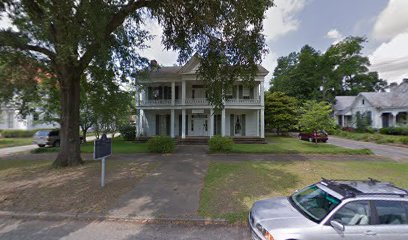
Bloch Park
1.9 km
Discover Selma's historic Bloch Park: a green oasis offering recreation, sports, and community events for all ages.
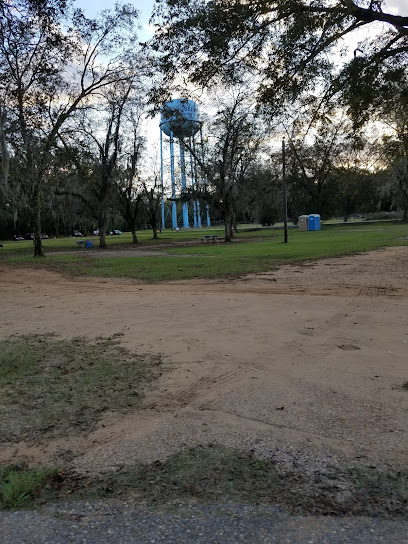
Lannie's Bar-B-Q Spot
2.0 km
Discover authentic Southern barbecue at Lannie's Bar-B-Q Spot in Selma, Alabama, a must-visit for food lovers seeking delicious flavors.
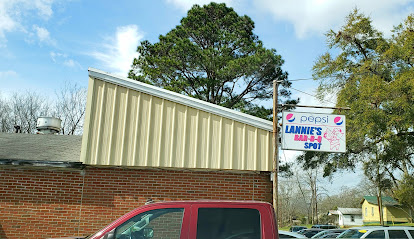
Edmundite Missions
2.0 km
Discover the heart of community service at Edmundite Missions in Selma, Alabama, where faith meets action for social justice.
Unmissable attractions to see

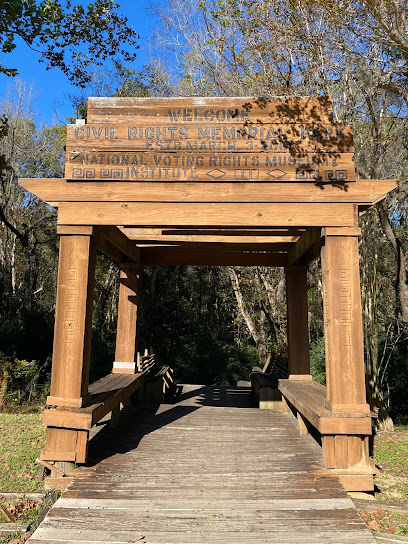
Civil Rights Memorial Park
0.1 km
Reflect on the courageous fight for equality at Selma's Civil Rights Memorial Park, honoring pivotal events and figures of the movement.
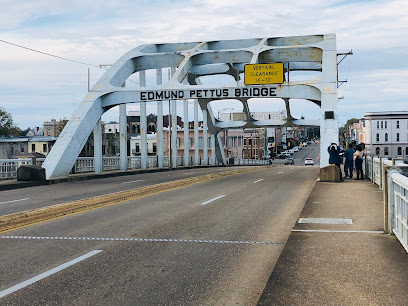
Edmund Pettus Bridge
0.4 km
Walk in the footsteps of civil rights heroes on this iconic bridge, a powerful symbol of the fight for voting rights and equality in Selma, Alabama.
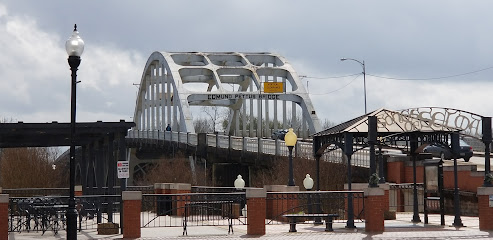
Selma Interpretive Center of the Selma to Montgomery National Historic Trail
0.5 km
Discover the starting point of the historic Selma to Montgomery march, a pivotal landmark in the Civil Rights Movement.
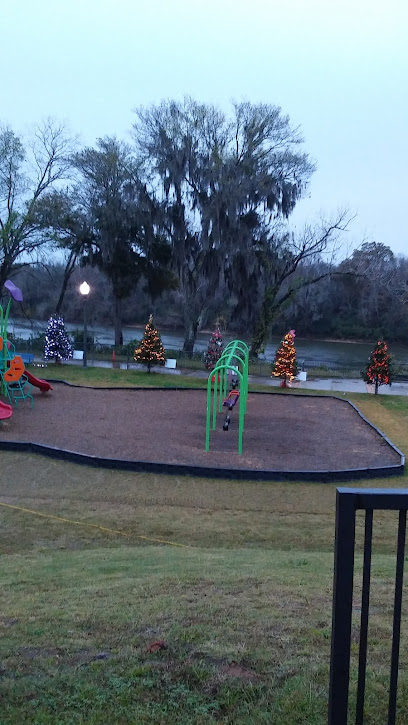
Historic Riverfront Park
0.5 km
Explore Selma's Historic Riverfront Park: A scenic waterfront park with Civil Rights history, river views, and a peaceful atmosphere.
Bridge Crossing Jubilee
0.6 km
Commemorating the Selma to Montgomery marches and the Voting Rights Act, honoring civil rights history and the fight for equality.
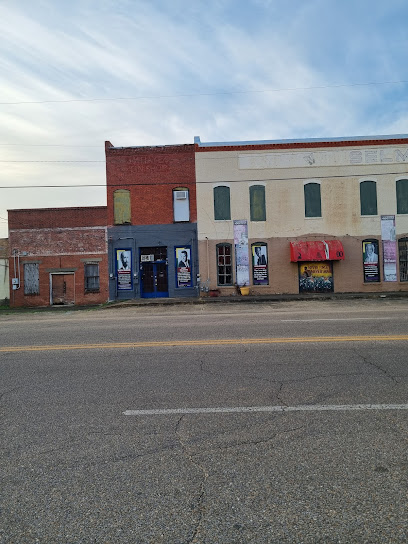
Enslavement & Civil War Museum
0.6 km
Explore the compelling history of African Americans from ancient Africa through enslavement and the Civil War at this Selma museum.
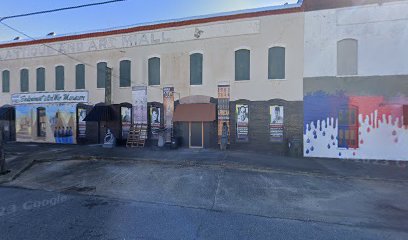
Old Depot Museum
0.8 km
Explore Selma's vibrant history at the Old Depot Museum, from Native American artifacts to the Civil Rights Movement.
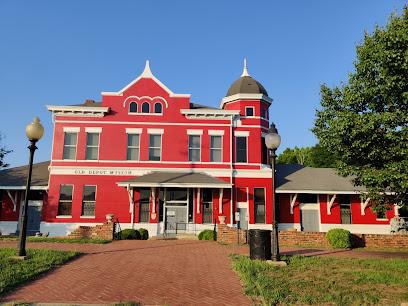
Vaughan Smitherman Museum
0.9 km
Explore Selma's vibrant past within the walls of this historic Greek Revival landmark, from Civil War relics to hospital artifacts.
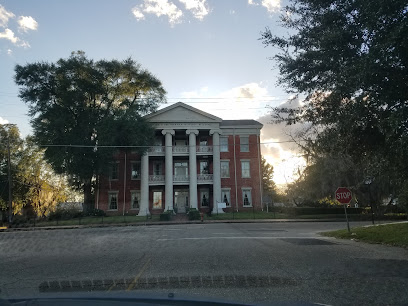
Old Town Historic District
0.9 km
Explore Selma's Old Town Historic District: A journey through time, architecture, and the heart of the Civil Rights Movement.
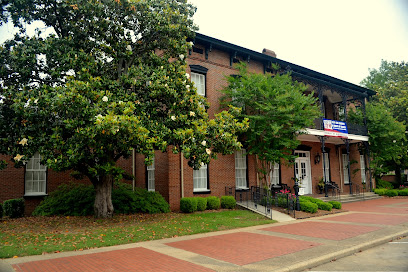
Brown Chapel AME Church
1.1 km
Visit the historic Brown Chapel AME Church in Selma, Alabama, a pivotal landmark in the Civil Rights Movement and the fight for voting rights.
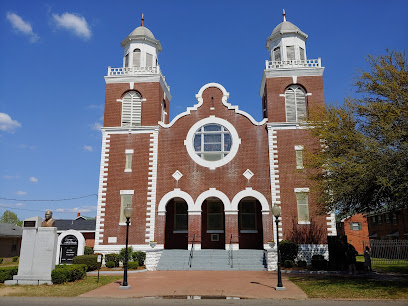
Sturdivant Hall Museum
1.6 km
Experience the grandeur of the Old South at Sturdivant Hall, a beautifully preserved Greek Revival mansion in historic Selma, Alabama.
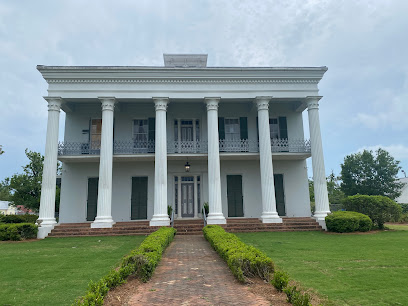
Tabernacle Baptist Church
2.0 km
Visit Tabernacle Baptist Church in Selma, a historic landmark and pivotal site in the Civil Rights Movement, showcasing courage and resilience.
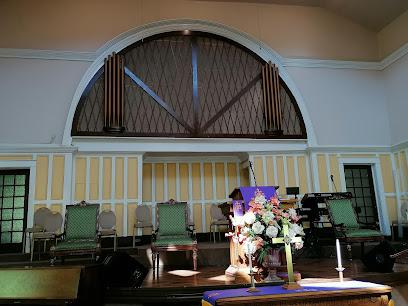
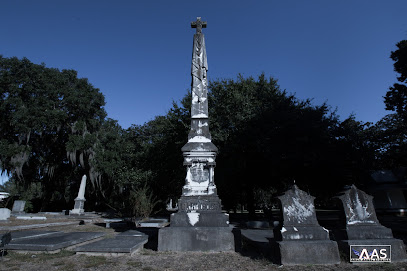
New Live Oak Cemetery
2.7 km
Discover Selma's past in a serene setting, where history and nature intertwine among the monuments and ancient trees of New Live Oak Cemetery.
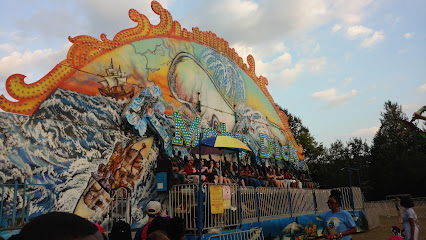
Lions Fair Park
5.1 km
A community hub in Selma, Alabama, hosting the annual Central Alabama Fair and various local events.
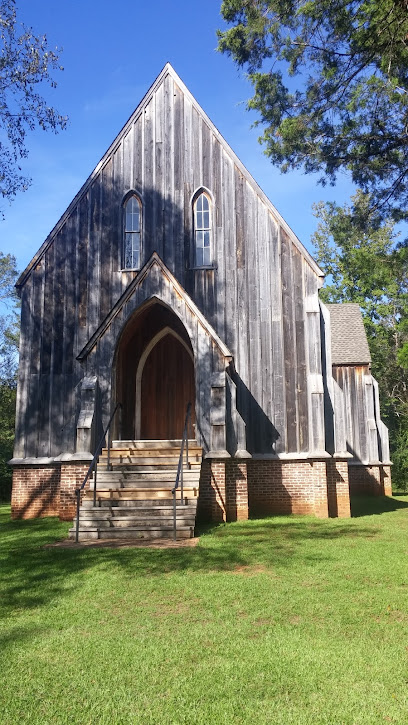
Old Cahawba Archaeological Park
12.3 km
Explore Alabama's first capital, a ghost town where history and nature intertwine. Discover ruins, trails, and stories of the past.
Essential places to dine

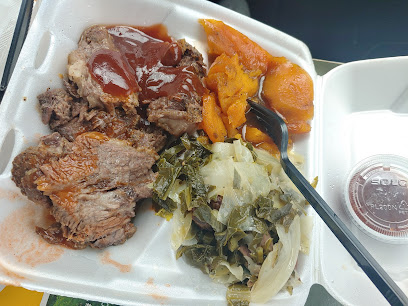
Dallas Bar-B-Que
0.3 km
Experience authentic Southern barbecue at Dallas Bar-B-Que in Selma - where smoky flavors meet hearty hospitality.
Reflections Coffee Shoppe
0.5 km
Experience warmth and flavor at Reflections Coffee Shoppe in Selma – your go-to spot for delicious coffee and local charm.
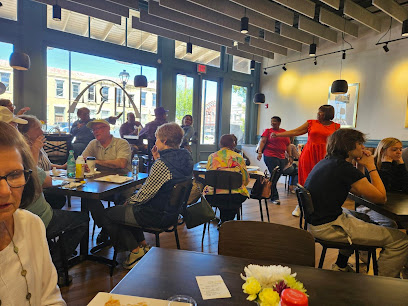
Sterling's
0.5 km
Discover the heart of American cuisine at Sterling's in Selma - where Southern hospitality meets delicious home-cooked meals.
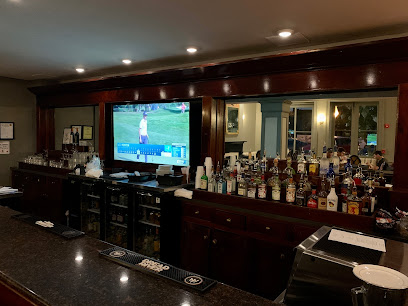
Gab n grab
0.5 km
Experience the heart of American cuisine at Gab n Grab in Selma, Alabama – where comfort food meets Southern hospitality.
Munch Box
0.7 km
Discover Munch Box: A cozy breakfast spot in Selma offering delicious meals that capture the essence of Southern hospitality.
Macks Amillion Daiquiri shop
0.7 km
Discover refreshing frozen daiquiris at Macks Amillion Daiquiri Shop in Selma, Alabama - where flavor meets fun in a vibrant setting.
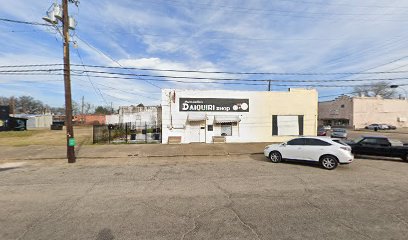
Xpression
0.7 km
Discover Xpression in Selma: A culinary gem offering delicious Southern cuisine and warm hospitality in a vibrant setting.
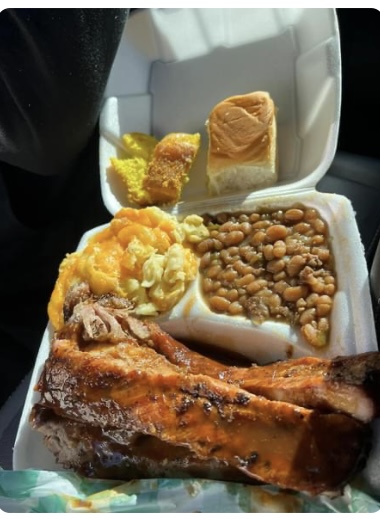
Bistro Manila (and Boba Manila)
0.8 km
Experience authentic Filipino cuisine and delicious bubble tea at Bistro Manila in Selma, Alabama – where every meal tells a story.
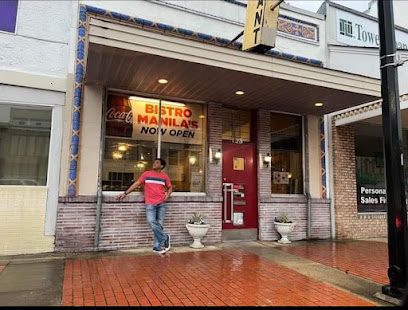
The Downtowner Restaurant
0.8 km
Experience family-friendly dining at The Downtowner Restaurant in Selma – where delicious comfort food meets warm hospitality.
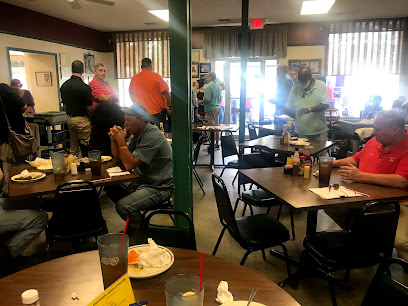
5 & Dime
0.8 km
Experience authentic American cuisine at 5 & Dime in Selma, Alabama - where every meal tells a story.
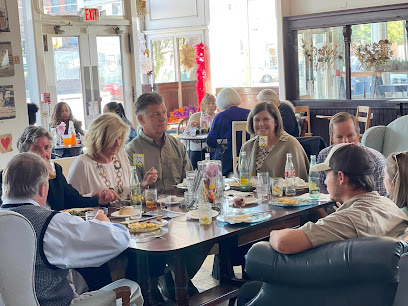
MK87
0.9 km
Discover MK87 in Selma: A delightful sandwich shop offering locally-sourced flavors in a welcoming atmosphere.
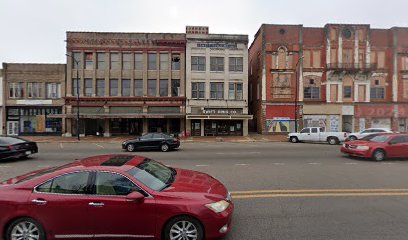
Hickory Pit
1.1 km
Experience authentic Southern barbecue at Hickory Pit in Selma – where smoky flavors meet warm hospitality.
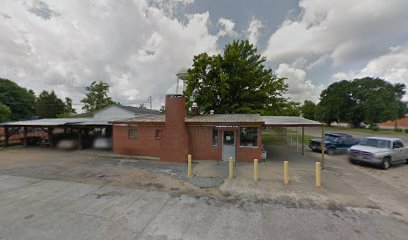
Church's Texas Chicken
1.8 km
Discover the delicious taste of Southern comfort food at Church's Texas Chicken in Selma - where every meal is a celebration!
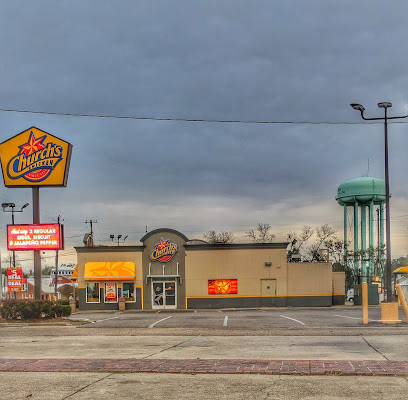
Hibachi Xpress
1.9 km
Experience authentic hibachi cuisine at Hibachi Xpress in Selma – fresh ingredients and skilled chefs create memorable meals.
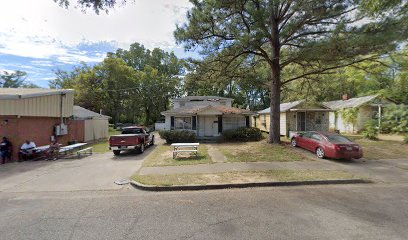
Pizza Hut Express
2.2 km
Discover delicious pizzas at Pizza Hut Express in Selma, Alabama - a perfect spot for quick bites while exploring rich Southern history.
Markets, malls and hidden boutiques

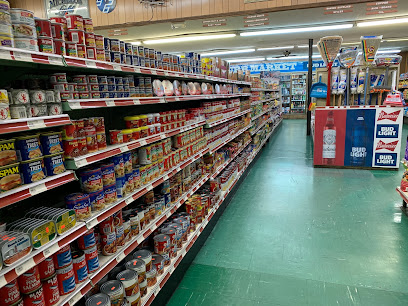
Selma Curb Market
0.2 km
Explore local flavors and community spirit at Selma Curb Market, your go-to grocery store in Selma, Alabama, offering fresh produce and unique artisanal goods.
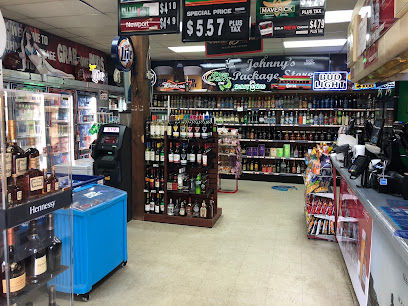
Johnny's Package Store
0.3 km
Explore Johnny's Package Store in Selma, AL - your go-to spot for local liquor, convenience services, and a taste of Southern hospitality.
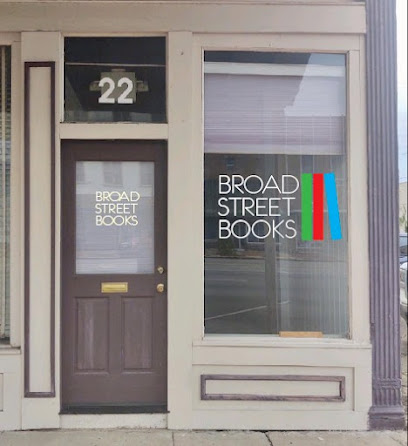
Broad Street Books
0.6 km
Explore Broad Street Books, Selma's charming bookstore offering a diverse selection of literature in a cozy atmosphere.
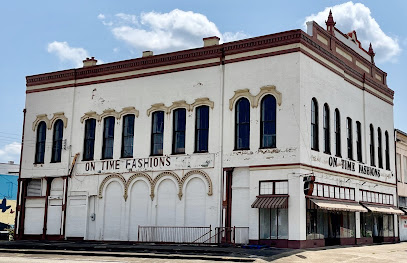
On Time Fashions
0.6 km
Discover the latest trends in men's fashion at On Time Fashions, Selma's go-to destination for stylish clothing and accessories.
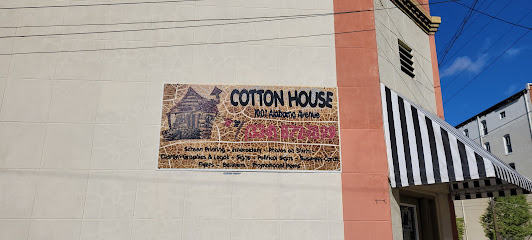
Cotton House
0.7 km
Discover Cotton House in Selma, Alabama - a boutique clothing store offering unique fashion pieces and a warm shopping experience.
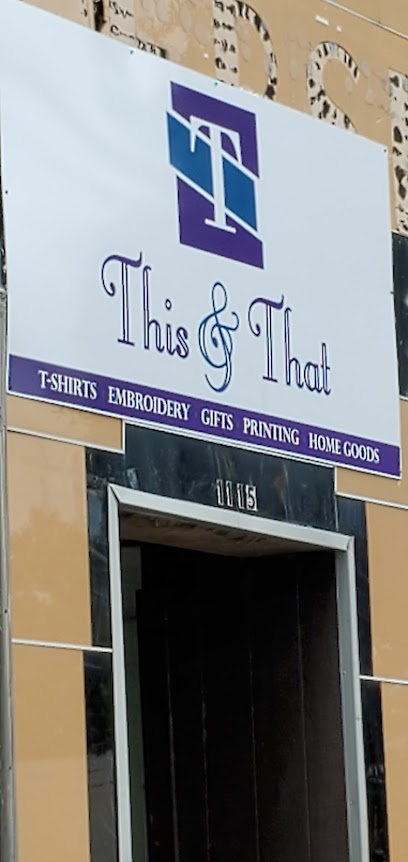
This & That
0.7 km
Discover unique home goods and local treasures at This & That, a charming store in Selma, Alabama, where Southern hospitality meets quality craftsmanship.
Snack Store
0.7 km
Explore Selma's Snack Store for quick bites, refreshments, and local products in a convenient, friendly setting.
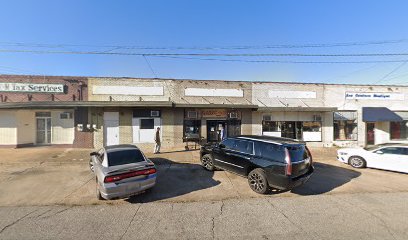
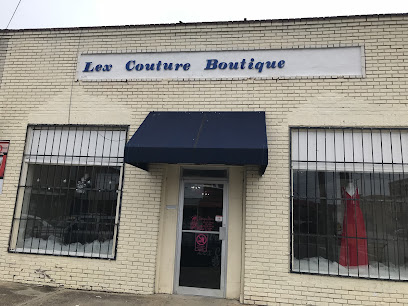
Lex Couture Boutique
0.7 km
Discover elegance and style at Lex Couture Boutique in Selma, Alabama, your destination for bridal gowns, tuxedos, and formal wear.
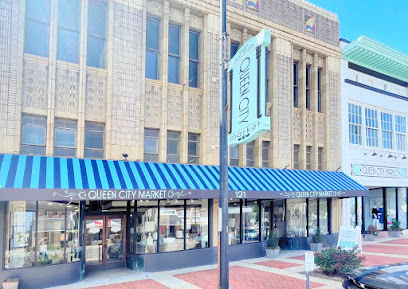
Queen City Market
0.7 km
Explore unique clothing and home goods at Queen City Market, Selma's charm-filled boutique offering local fashion and gifts.
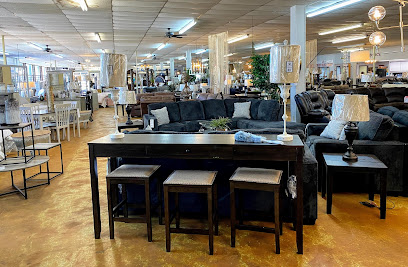
Spiller Furniture Co
0.7 km
Explore Spiller Furniture Co in Selma, Alabama - where quality craftsmanship meets stylish design in a welcoming atmosphere.
Odds and Ends Gift Shop
0.7 km
Explore Selma’s Odds and Ends Gift Shop for unique local gifts, handcrafted treasures, and a taste of Southern charm.
allez-oup
0.8 km
Discover unique gifts and stylish finds at Allez-Oup, Selma's charming gift shop and boutique featuring baby clothing and women's fashion.
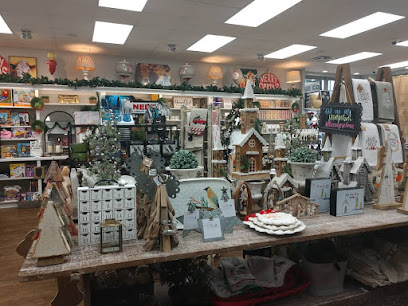
Express Shop
1.2 km
Discover the ultimate convenience at Express Shop in Selma, Alabama—your one-stop destination for snacks, drinks, and fuel.
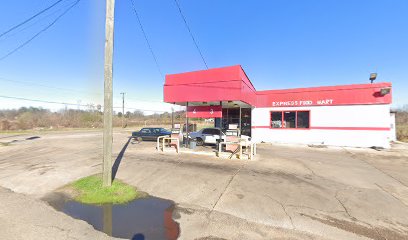
Frames 'N Things
1.2 km
Discover unique gifts and custom picture frames at Frames 'N Things in Selma, Alabama – a beloved local destination for shoppers of all kinds.
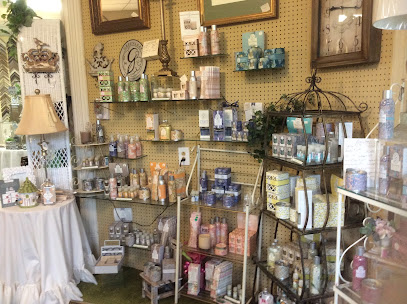
The Salvation Army Family Store
1.3 km
Explore unique second-hand treasures at The Salvation Army Family Store in Selma, Alabama, while supporting community initiatives and sustainability.
Essential bars & hidden hideouts

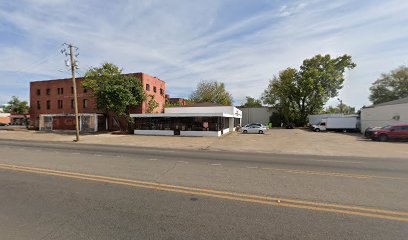
Sparkle's Saloon
0.6 km
Discover the lively atmosphere of Sparkle's Saloon, a charming bar in Selma, Alabama, offering refreshing drinks and a taste of local culture.
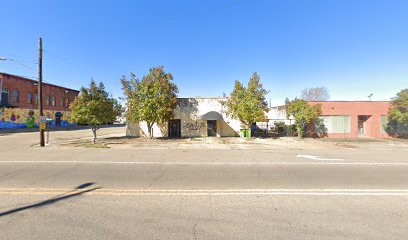
Dripz Lounge
0.6 km
Discover the charm of Dripz Lounge in Selma, Alabama – your go-to bar for a taste of local nightlife and a cozy atmosphere.
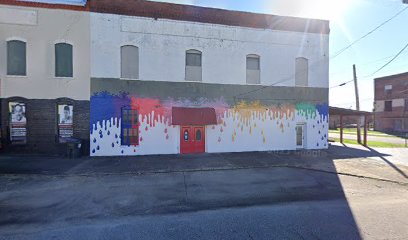
Dallas County
1.3 km
Experience the vibrancy of Dallas County's gay bar scene in Selma, Alabama, a celebration of diversity, culture, and community.
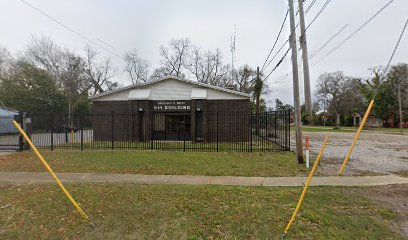
Southern Comfort Lounge
2.2 km
Experience Southern charm at the Southern Comfort Lounge in Selma, Alabama, where live music and delicious cocktails create unforgettable moments.
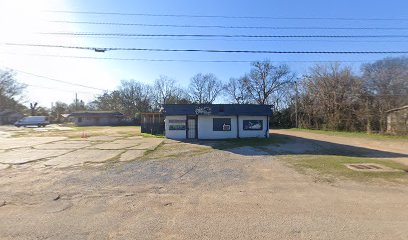
XPLOSION
3.8 km
Experience the thrill of sports at XPLOSION, Selma's go-to sports bar with delicious bites and a vibrant atmosphere.
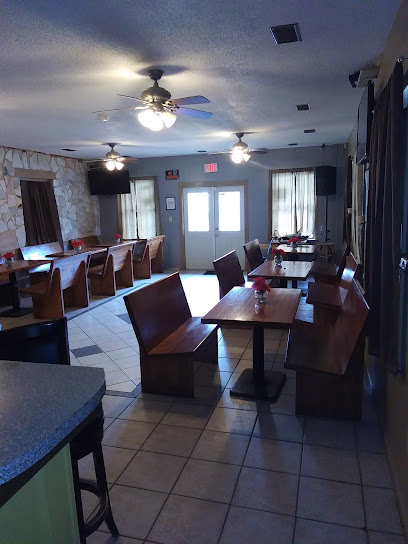
Dallas County Moose Lodge 1737
4.8 km
Discover the warmth and camaraderie of the Dallas County Moose Lodge 1737 in Selma, a perfect spot for drinks and local culture.
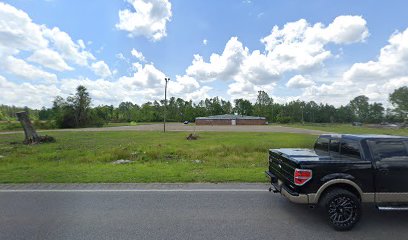
Michael's Pub
6.9 km
Discover the lively nightlife and warm atmosphere of Michael's Pub in Selma, Alabama, where great drinks and good company await you.
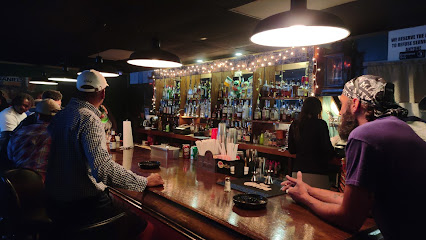
King Bar
16.0 km
Discover the wonders of King Bar, a vibrant reef destination in Alabama offering stunning marine life and a relaxing atmosphere for every tourist.
Mary Taylor Bar
18.6 km
Experience the vibrant atmosphere and delicious seafood at Mary Taylor Bar, a hidden gem in Alabama's coastal beauty.
Mitchell Bar
18.8 km
Explore the vibrant underwater world of Mitchell Bar, a stunning reef in Alabama, where adventure and marine beauty await every visitor.
Upper Sister Bar
22.7 km
Explore the vibrant marine life and stunning coral formations at Upper Sister Bar, a must-visit reef destination in Alabama for nature lovers and adventure seekers.
Rifleman Bar
22.9 km
Experience the heart of Alabama at Rifleman Bar - a cozy retreat for drinks, stories, and local culture.
Middle Sister Bar
26.9 km
Explore the serene beauty of Middle Sister Bar in Alabama, a stunning reef destination perfect for adventure and relaxation.
Providence Bar
27.2 km
Explore the stunning reef landscapes of Providence Bar in Alabama, a serene escape for nature lovers and adventure seekers alike.
Upper Portland Bar
29.4 km
Discover the serene beauty of Upper Portland Bar in Alabama, a perfect retreat for relaxation and local flavor amidst stunning landscapes.
Nightclubs & after hour spots

Goddess Hookah Bar
0.5 km
Discover the tranquil oasis of Goddess Hookah Bar in Selma, Alabama, where an extensive selection of flavors meets a cozy, inviting atmosphere.
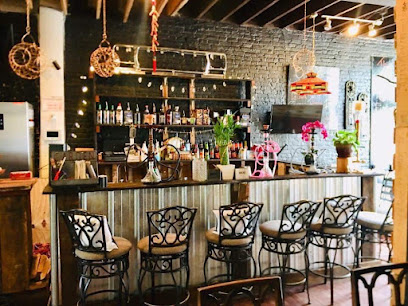
The One Club Spot #2
2.1 km
Discover an electrifying nightlife experience at The One Club Spot #2, where vibrant music and lively ambiance meet for unforgettable nights.
Jerryco Hall
3.3 km
Discover the vibrant nightlife of Selma at Jerryco Hall, where music, dancing, and unforgettable memories await you.
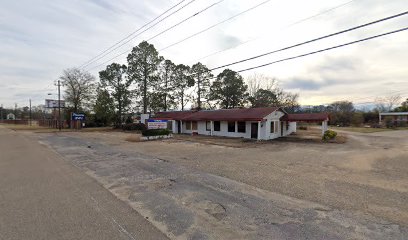
The One Club
4.1 km
Discover the vibrant nightlife at The One Club in Selma, Alabama, where music and excitement create unforgettable moments.
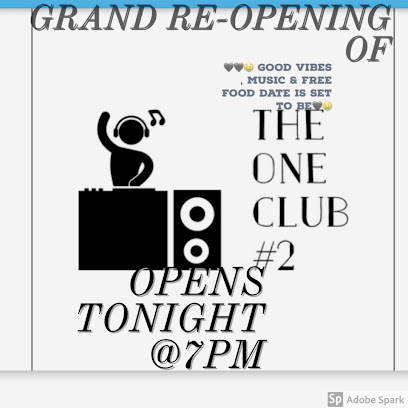
Roger's Lounge
4.1 km
Discover the lively nightlife at Roger's Lounge in Selma, Alabama, where great music and a vibrant atmosphere await your arrival.
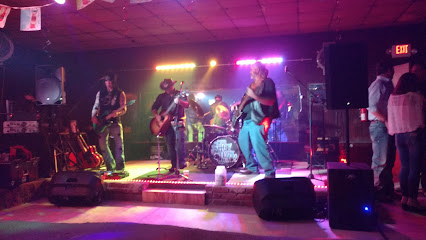
Prattville Promenaders
52.8 km
Discover the lively atmosphere of Prattville Promenaders, where dance meets community in an exciting club setting in Alabama.
Magdalandia
53.8 km
Discover the vibrant nightlife at Magdalandia in Prattville, Alabama, where music, dance, and unforgettable moments await.
Club G's
64.1 km
Discover Montgomery's nightlife at Club G's, a vibrant night club featuring lively music, crafted cocktails, and an unforgettable atmosphere for party enthusiasts.
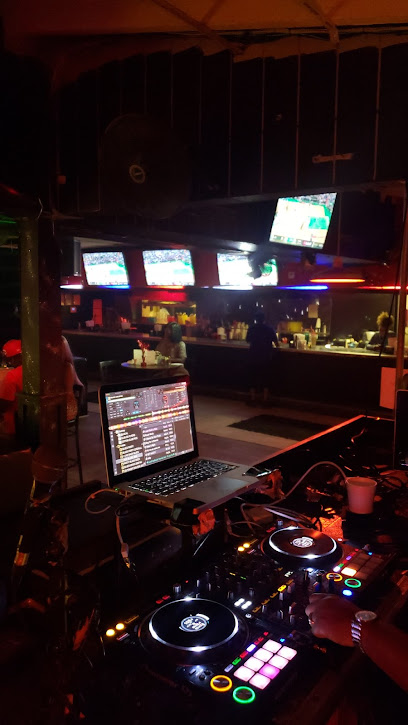
Whittier's Sports Lounge
65.7 km
Whittier's Sports Lounge: The ultimate sports bar experience in Montgomery, Alabama, where delicious food meets thrilling live sports.
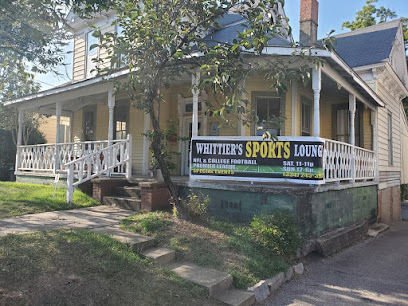
Pine Bar Old Cloverdale
67.7 km
Discover Pine Bar Old Cloverdale, a lively bar in Montgomery, AL, known for its craft cocktails and vibrant atmosphere perfect for socializing.
Cotton club
68.0 km
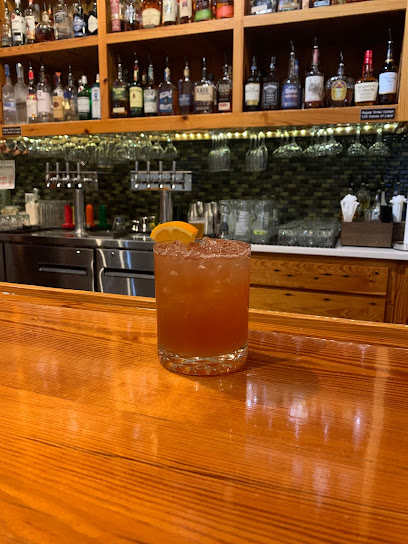
Discover the electric atmosphere of Cotton Club, Montgomery's hottest night club, offering unforgettable nights filled with music, dancing, and fun.
VIP Hookah Lounge
68.4 km
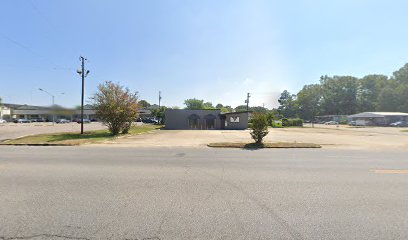
Discover the lively ambiance and premium hookah offerings at VIP Hookah Lounge, the perfect spot for relaxation and socializing in Montgomery.
Leroy
68.4 km
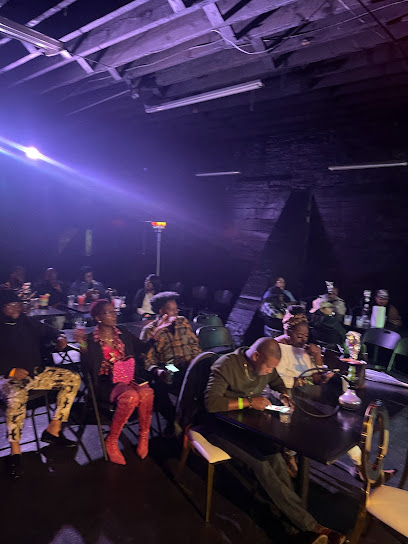
Discover the vibrant nightlife at Leroy, a premier bar in Montgomery offering exceptional drinks, live entertainment, and a welcoming atmosphere.
1048 Jazz & Blues
68.5 km
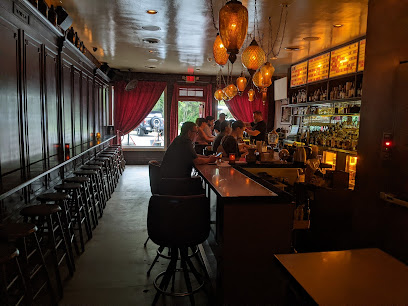
Discover the vibrant nightlife and soulful sounds of 1048 Jazz & Blues, Montgomery's premier destination for live jazz and blues music.
KRU on Mt. Meigs
69.5 km
Discover KRU on Mt. Meigs, Montgomery's premier bar with expertly crafted cocktails and a vibrant atmosphere for a perfect night out.