

Free Chamëria Travel Guide & Mobile App
Explore Chamëria with free travel guides. Discover regional history, expert tips, proposed trips, and audio guides on web or mobile app.


Discover Chamëria: Where Albania's stunning landscapes and ancient history come together. Explore coastal towns, pristine beaches, and the rich cultural heritage of this hidden gem.
Read more about Chamëria
When is the best time to visit Chamëria?
Best: May–June, September · 23–28°C| Month | High (°C) | Rainfall (mm) |
|---|---|---|
| January | 11 | 80 |
| February | 12 | 70 |
| March | 15 | 60 |
| April | 18 | 50 |
| May (best) | 23 | 40 |
| June (best) | 28 | 30 |
| July | 31 | 20 |
| August | 31 | 20 |
| September (best) | 27 | 30 |
| October | 22 | 40 |
| November | 17 | 50 |
| December | 13 | 70 |
Getting to and around Chamëria
How to get there
Transportation
Best attractions in Chamëria
Chamëria, a region steeped in history and natural beauty, offers visitors a rich tapestry of experiences, from exploring the ancient ruins of Butrint, a UNESCO World Heritage site, to wandering the charming cobblestone streets of Gjirokastër, a city known for its well-preserved Ottoman architecture. Adventure seekers can hike through the lush landscapes of the Llogara Pass, where breathtaking views of the Ionian Sea and Albanian Riviera unfold at every turn. The pristine beaches of Ksamil invite relaxation with their crystal-clear waters and secluded coves, while the mystical Blue Eye spring captivates with its mesmerizing deep blue hues. Chamëria's culinary delights, featuring fresh seafood and traditional Albanian dishes, are best enjoyed in local taverns where the warm hospitality of the Cham people ensures an unforgettable experience.
-
National park
Butrint National Archaeological Park
Explore Butrint National Park: A UNESCO World Heritage site where ancient ruins meet stunning natural beauty in the heart of the Albanian Riviera.
-
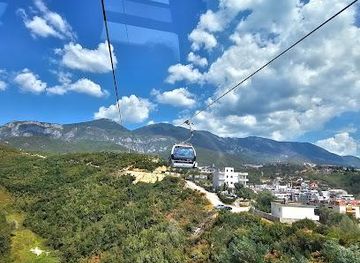
Dajti Ekspres (Stacioni i poshtëm/Lower station)
Escape to Dajti Mountain with a scenic cable car ride offering panoramic views, outdoor adventures, and a refreshing break from Tirana.
-
Tourist attraction
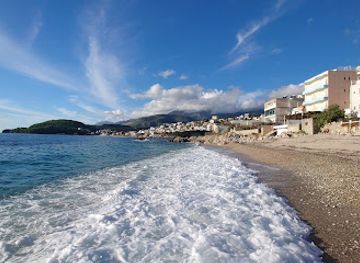
Potami beach
Experience the Ionian Sea at Potami Beach in Himarë, Albania – a blend of relaxation, culture, and stunning sunsets.
-
Tourist attraction
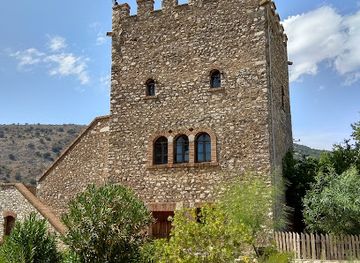
Venetian Castle
Explore the Venetian Castle in Butrint National Park: History, panoramic views, and archaeological treasures await!

Best landmarks in Chamëria
Nestled in the mesmerizing landscape of southern Albania, Chamëria offers a captivating blend of natural beauty and historical intrigue. Visitors can explore the ancient city of Butrint, a UNESCO World Heritage site, where ruins of a Greek and Roman city lie surrounded by lush forest and tranquil waters. The vibrant town of Gjirokastër, known as the 'City of Stone,' features well-preserved Ottoman-era houses and an imposing castle offering panoramic views of the Drino valley. Nature enthusiasts can hike through the stunning Llogara Pass, where the mountains meet the Ionian Sea, or relax on the pristine beaches of Ksamil, renowned for their crystal-clear waters and picturesque islets. The Blue Eye Spring, a mesmerizing natural phenomenon, invites travelers to marvel at its deep turquoise waters, while the Ali Pasha Castle in Porto Palermo offers a glimpse into the region’s tumultuous past. Chamëria's rich tapestry of history, culture, and natural beauty ensures an unforgettable experience for every visitor.
-
National park
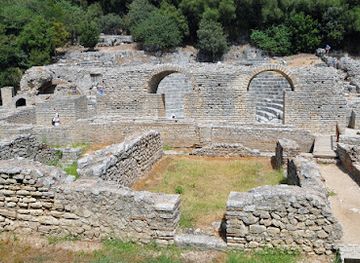
Butrint National Archaeological Park
Discover ancient civilizations and natural beauty at Butrint National Park, a UNESCO World Heritage site in Albania with Greek, Roman, and Venetian ruins.
-
Tourist attraction
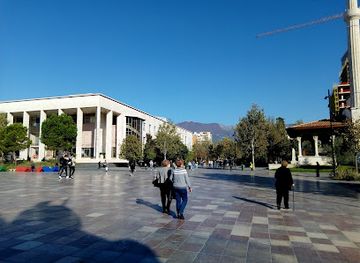
Skanderbeg Square
Discover Skanderbeg Square in Tirana: a vibrant hub where Albania's history, culture, and modern life converge in the heart of the capital.
-
Castle
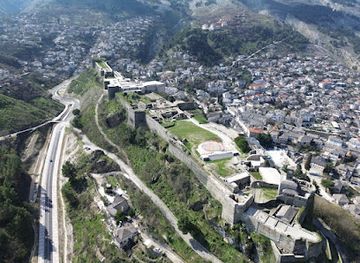
Castle of Gjirokastra
Explore Gjirokastra Castle, a Balkan fortress with centuries of history, military relics, and stunning views of Albania's 'City of Stone'.
-
Castle
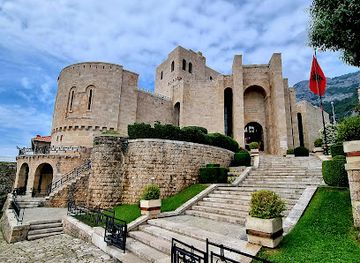
Castle of Kruja
Explore Kruja Castle, a symbol of Albanian resistance, with panoramic views, museums, and a vibrant bazaar.
Explore Chamëria on the map
Plan your trip on one map. See where the top cities, national parks and sights are, and book hotels and experiences in a few clicks.
Best hotels in Chamëria
Best restaurants in Chamëria
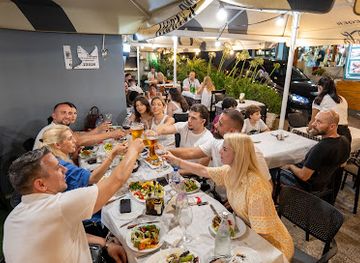
Chamëria offers a captivating dining experience that blends the rich culinary traditions of Albania with unique regional flavors. Visitors can expect to savor a variety of dishes featuring fresh seafood caught from the Ionian Sea, succulent lamb roasted with wild herbs, and an array of vibrant vegetable dishes seasoned with local olive oil. Charming tavernas and family-run eateries dot the landscape, where you can enjoy hearty servings of byrek (savory pastries), trahana (fermented grain soup), and the renowned Cham cheese. The region's culinary delights are often accompanied by homemade raki or a glass of local wine, making each meal a feast for the senses. The influence of Greek and Ottoman cuisine is palpable, creating an intriguing fusion that is both familiar and exotic. As you dine al fresco under the shade of olive trees or in quaint village squares, the warm hospitality of Chamëria will make every meal an unforgettable experience.
-
Restaurant
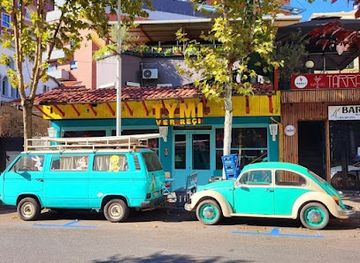
Restorant Tymi
Discover authentic Greek and Mediterranean flavors at Restorant Tymi in Tirana - where every meal is a celebration of taste.
-
Restaurant
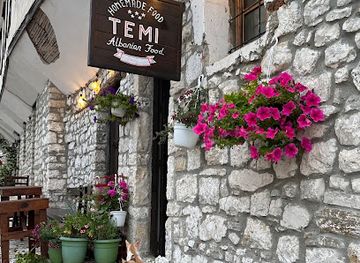
Temi Albanian Food
Discover authentic Albanian cuisine at Temi Albanian Food in Berat - where tradition meets flavor in every dish.
-
Restaurant
Taverna Labëria
Discover authentic Albanian cuisine at Taverna Labëria in Saranda—where every meal is a celebration of flavor and hospitality.
-
Restaurant
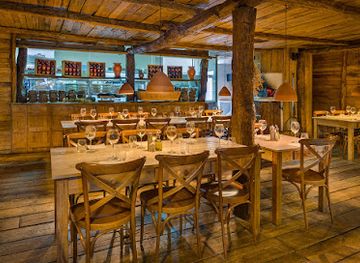
Mullixhiu
Discover authentic Albanian flavors at Mullixhiu in Tirana's scenic lakeside setting.
Best bars in Chamëria
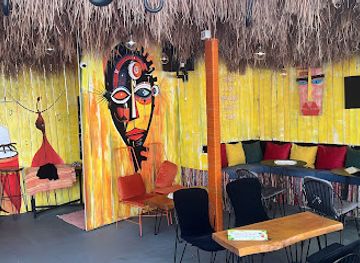
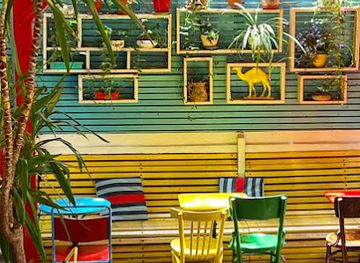
Chamëria's nightlife is an enchanting blend of traditional charm and modern vibrancy, offering an unforgettable experience for night owls. Start your evening with a cozy dinner at a taverna where you can savor local dishes accompanied by live folk music, setting the perfect mood for the night ahead. As the night deepens, make your way to the bustling bars and elegant lounges that dot the coastal towns, where you can enjoy expertly crafted cocktails while taking in stunning views of the Ionian Sea. For those looking to dance the night away, Chamëria boasts several lively nightclubs featuring both international DJs and local talent, ensuring a diverse musical experience that caters to all tastes. Whether you're in the mood for a laid-back evening or a high-energy night out, Chamëria's nightlife scene promises to leave you with memories that will last a lifetime.
-
Cocktail bar
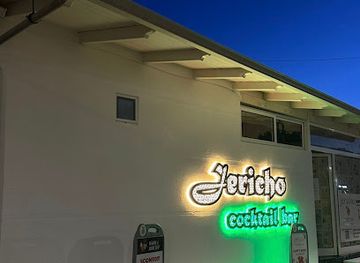
Jericho Cocktail Bar
Experience the lively atmosphere and exquisite cocktails at Jericho Cocktail Bar in Sarandë, Albania, where every sip is a taste of paradise.
-
Bar
Vamos Cocktail Bar
Experience the vibrant nightlife at Vamos Cocktail Bar in Ksamil, where expertly crafted cocktails meet an energetic atmosphere.
-
Cocktail bar
Radio bar Tirana
Discover the vibrant nightlife of Tirana at Radio Bar, a cocktail haven with a unique atmosphere and innovative drinks that embody the spirit of the city.
-
Irish pub
New Irish Pub
Discover the vibrant ambiance of New Irish Pub in Tirana, where live music, delicious food, and a welcoming atmosphere await you.

Best nightclubs in Chamëria
Chamëria's nightlife is an enchanting blend of traditional charm and modern vibrancy, offering an unforgettable experience for night owls. Start your evening with a cozy dinner at a taverna where you can savor local dishes accompanied by live folk music, setting the perfect mood for the night ahead. As the night deepens, make your way to the bustling bars and elegant lounges that dot the coastal towns, where you can enjoy expertly crafted cocktails while taking in stunning views of the Ionian Sea. For those looking to dance the night away, Chamëria boasts several lively nightclubs featuring both international DJs and local talent, ensuring a diverse musical experience that caters to all tastes. Whether you're in the mood for a laid-back evening or a high-energy night out, Chamëria's nightlife scene promises to leave you with memories that will last a lifetime.
-
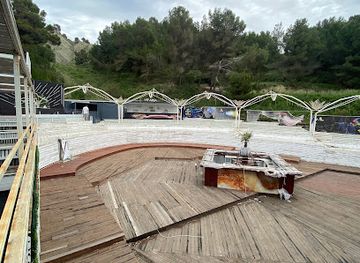
Night club
Cinco Cavalli Premium Club
Discover the vibrant nightlife of Cinco Cavalli Premium Club in Sauk, Albania, where luxury meets lively entertainment for an unforgettable experience.
-
Night club
Sky Club
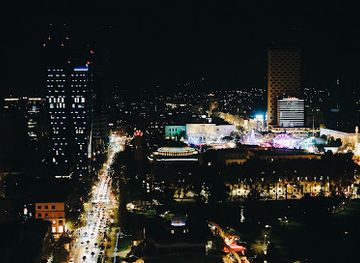
Sky Club: A vibrant nightlife experience with stunning views and electrifying atmosphere in Tirana, Albania.
-
Adult entertainment club
Lust Night Club ( Strip )
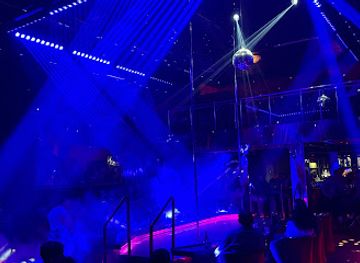
Dive into the vibrant nightlife of Tirana at Lust Night Club, where captivating performances and a lively atmosphere await.
-
Night club
Cinco Cavalli Summer Club
Dive into the exhilarating nightlife of Durrës at Cinco Cavalli Summer Club, where music and fun come alive under the stars.

Best shops in Chamëria
Chamëria's shopping scene is a delightful blend of traditional craftsmanship and vibrant, local culture, offering visitors an array of unique and authentic experiences. As you stroll through its bustling markets and charming boutiques, you'll find handwoven textiles, intricate silver jewelry, and beautifully crafted ceramics that reflect the region's rich heritage. The aroma of fresh spices and local delicacies wafts through the air as vendors enthusiastically display their goods, from organic honey and olive oil to vibrant fruits and vegetables. Each purchase tells a story of the area's history and people, making shopping in Chamëria not just an activity, but a journey through time and tradition.
-
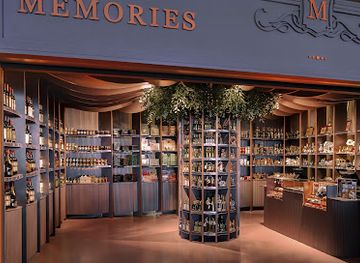
Souvenir store
Memories Shop at Tirana Airport
Discover authentic Albanian souvenirs and gifts at the Memories Shop in Tirana Airport, a perfect last-minute stop for travelers.
-
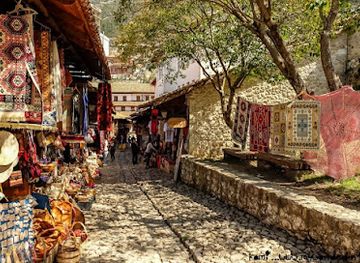
Souvenir store
Souvenir Albani
Discover unique Albanian crafts and jewelry at Souvenir Albani – a charming store in the heart of Krujë, rich in culture and heritage.
-
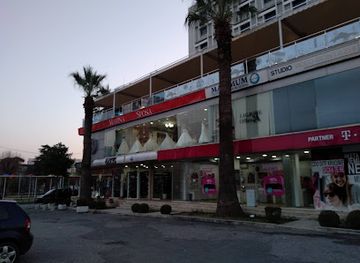
Shopping mall
Elbasani Store
Experience the vibrant shopping culture of Elbasan at the Elbasani Store, where local charm meets modern retail.
-
Souvenir store
Dea Souvenir Main Shop
Discover authentic Albanian souvenirs at Dea Souvenir Main Shop in Tirana, where culture meets craftsmanship in every unique piece.

Get your free copy of our complete guide to Chamëria, delivered straight to you.
Everything on this page, from attractions and restaurants to essentials and local phrases, in one PDF you can read offline, print or share.
Already have an account? Sign in
Your Chamëria guide is ready.
We'll send it to · Not you? Sign out

Getting your guide ready…
We are putting together a fresh copy of the Chamëria guide. This can take up to a minute.
This can take a few moments. If your browser asks, choose Allow so the download can start. You'll find the guide in your Downloads folder.
Nothing happened? Download it again
Sorry, the guide is taking longer than usual. Please try again in a minute, or get it by email instead.
Chamëria essentials
Currency and Payment
Safety
Emergency Situations
Do's and Don'ts
Local Tips
From Eve
Local phrases worth knowing
You don't need to get them perfect. A few words go a long way, and locals appreciate the effort.
Basics
| English | Local | Say it |
|---|---|---|
| Hello | Përshëndetje | [Për-shen-de-tye] |
| Goodbye | Mirupafshim | [Mee-roo-paf-sheem] |
| Yes | Po | [Po] |
| No | Jo | [Yo] |
| Please/You're welcome | Të lutem/Asht e mirë | [Të loo-tem/Ash-t e mee-r] |
| Thank you | Faleminderit | [Fa-le-min-de-rit] |
| Excuse me/Sorry | Më falni | [Më fal-nee] |
| How are you? | Si je? | [See yeh?] |
| Fine. And you? | Mirë. Ti si? | [Meer. Tee see?] |
| Do you speak English? | A flet anglisht? | [A flet an-glisht?] |
| I don't understand | Nuk kuptoj | [Nook koop-toy] |
Eating & Drinking
| English | Local | Say it |
|---|---|---|
| I'd like to see the menu, please | Do doja të shoh menu, të lutem | [Do do-yah të shoh meh-noo, të loo-tem] |
| I don't eat meat | Nuk ha mish | [Nook ha meesh] |
| Cheers! | Gëzuar! | [Gë-zoo-ar!] |
| I would like to pay, please | Do doja të paguaj, të lutem | [Do do-yah të pa-goo-eye, të loo-tem] |
Emergencies
| English | Local | Say it |
|---|---|---|
| Help! | Ndihmë! | [Ndee-më!] |
| Go away! | Shko larg! | [Shko larg!] |
| Call the Police! | Thirri Policinë! | [Thee-ree Po-lee-keen!] |
| Call a doctor! | Thirri një doktor! | [Thee-ree nyay dok-tor!] |
| I'm lost | Jam i humbur | [Yam ee hum-bur] |
| I'm ill | Jam i sëmurë | [Yam ee sëm-oorë] |
Shopping
| English | Local | Say it |
|---|---|---|
| I'd like to buy... | Do doja të blej... | [Do do-yah të bleh...] |
| I'm just looking | Po shikoj vetëm | [Po shee-koy ve-tëm] |
| How much is it? | Sa kushton? | [Sa koosh-ton?] |
| That's too expensive | Kjo është shumë e shtrenjtë | [Kyo esht shoom e shtrenjtë] |
| Can you lower the price? | Mund të ulni çmimin? | [Moond të ool-nee chmee-nin?] |
Time & Numbers
| English | Local | Say it |
|---|---|---|
| What time is it? | Sa është ora? | [Sa esht oh-ra?] |
| It's one o'clock | Është një orë | [Esht nee orë] |
| Half past (10) | Gjashtë e gjysmë | [Gyasht e ghee-sëm] |
| Morning | Mëngjes | [Mën-gjes] |
| Afternoon | Pasdite | [Pas-dee-te] |
| Evening | Mbrëmje | [M-bre-mye] |
| Yesterday | Dje | [Dye] |
| Today | Sot | [Sot] |
| Tomorrow | Nesër | [Nes-er] |
| 1 | Një | [Nyay] |
| 2 | Dy | [Dye] |
| 3 | Tre | [Tre] |
| 4 | Katër | [Ka-tër] |
| 5 | Pesë | [Pe-së] |
| 6 | Gjashtë | [Gyasht] |
| 7 | Shtatë | [Shta-të] |
| 8 | Tetë | [Te-të] |
| 9 | Nëntë | [Nëntë] |
| 10 | Dhjetë | [Dhee-të] |
Transport & Directions
| English | Local | Say it |
|---|---|---|
| Where's a/the...? | Ku është një...? | [Ku esht nyay...?] |
| What's the address? | Cila është adresa? | [Tsee-lah esht ah-dre-sah?] |
| Can you show me (on the map)? | Mund të më tregoni (në hartë)? | [Moond të më tre-go-nee (në har-ta)?] |
| When's the next (bus)? | Kur është autobusi tjetër? | [Koor esht au-to-boo-see tee-eh-ter?] |
| A ticket (to ....) | Një biletë (për ....) | [Nyay bee-le-të (për ....)] |
History of Chamëria
Ancient Epirus
Chamëria, situated in the region historically known as Epirus, has a rich ancient history. This area was once home to the Epirote tribes, including the Chaonians, who played significant roles in the ancient world. The city of Butrint, a UNESCO World Heritage site, showcases the region's archaeological wealth with its ancient Greek, Roman, Byzantine, and Venetian ruins.
Roman and Byzantine Rule
Following the Roman conquest in the 2nd century BCE, Chamëria became part of the Roman Empire and later the Byzantine Empire. The region flourished as a vital trade and cultural hub, with numerous churches, monasteries, and fortresses built during this era. The Byzantine influence is evident in the architecture and religious art that can still be seen today.
Ottoman Era
Chamëria fell under Ottoman rule in the late 15th century, a period that lasted for more than four centuries. This era significantly impacted the region's culture, architecture, and demographics. The Ottomans built many mosques and other structures, some of which still stand today. The cultural blend of Ottoman and local traditions is a unique aspect of Chamëria's heritage.
Cham Albanian Population
The Cham Albanians, or Chams, are an ethnic Albanian group native to Chamëria. Their history is marked by periods of prosperity and hardship. Under Ottoman rule, many Chams converted to Islam, while others remained Christian. The 20th century brought significant turmoil, especially during World War II and its aftermath, when many Chams were expelled from their homes.
World War II and Post-War Expulsions
During World War II, Chamëria experienced intense conflict. The region was occupied by Italian and later German forces. The Chams faced persecution from various sides, including Greek resistance groups. After the war, many Cham Albanians were expelled from their homes and fled to Albania. This mass displacement left a lasting impact on the region's demographic and cultural landscape.
Cultural Heritage
Chamëria's cultural heritage is a vibrant tapestry of influences from its diverse history. Traditional music, dance, and folklore reflect the blend of ancient, Byzantine, Ottoman, and Albanian elements. The region is known for its polyphonic singing, a UNESCO-recognized tradition, and its unique culinary practices that combine Mediterranean and Balkan flavors.
Modern Chamëria
Today, Chamëria is a region that strives to preserve its rich historical and cultural heritage while embracing modernity. Efforts to document and promote Cham history and culture are evident in local museums, cultural festivals, and academic studies. The region's picturesque landscapes, historic sites, and vibrant traditions make it a compelling destination for travelers seeking a deep understanding of its past and present.
Chamëria in Photos
Browse through our photo collection highlighting the charm and character of the destination.
Neighbouring regions of Chamëria
The closest regions to Chamëria, if you have time for more than one.
-

-

-

-

-


Swipe for more regions
Explore more

Explore more of Albania
Discover Albania: A land of untamed beauty, rich history, and warm hospitality, offering stunning beaches, rugged mountains, and vibrant cities.
Explore Albania