

Free Tepelena Travel Guide & Mobile App
Explore Tepelena with free travel guides. Discover regional history, expert tips, proposed trips, and audio guides on web or mobile app.


Tepelena combines an Ottoman fortress, the Vjosa River and rugged Kurvelesh landscapes in one of southern Albania's most rewarding inland stops.
Read more about Tepelena
When is the best time to visit Tepelena?
Best: June–July, September · 25–31°C| Month | High (°C) | Rainfall (mm) |
|---|---|---|
| January | 11 | 150 |
| February | 12 | 120 |
| March | 16 | 130 |
| April | 19 | 110 |
| May | 23 | 100 |
| June (best) | 27 | 60 |
| July (best) | 31 | 40 |
| August | 30 | 50 |
| September (best) | 25 | 80 |
| October | 19 | 110 |
| November | 14 | 130 |
| December | 11 | 160 |
Getting to and around Tepelena
How to get there
Transportation
Top city travel guides in Tepelena
The cities of Tepelena, and the easiest places to base yourself.

Swipe for more cities
Destinations in Tepelena
Resorts, valleys and scenic spots worth a trip of their own.

Swipe for more destinations
Best attractions in Tepelena
Tepelena's attractions are led by landscape and local history rather than by a large concentration of museums or commercial visitor facilities. Tepelena Castle provides the principal historical visit, with its strategic setting and association with Ali Pasha explaining the town's importance during the Ottoman period. Nearby Ujë i Ftohtë offers a cool spring and a pleasant pause close to the road, while the Vjosa valley supplies opportunities for photography, birdwatching and carefully planned riverside exploration. The surrounding slopes and ravines are suited to walking, although routes can be rough and should not be approached as fully serviced hiking trails. South and east, the Kurvelesh area introduces a more remote landscape of limestone mountains, pastoral valleys and traditional villages, with excursions depending heavily on road conditions and local guidance. The municipality also provides access to the wider Vjosa Wild River National Park landscape, whose value lies in natural river processes and habitats rather than built attractions. Tepelena works particularly well for travellers who enjoy combining a small historic town with scenic driving, rural food and outdoor discovery.
-
Tourist attraction
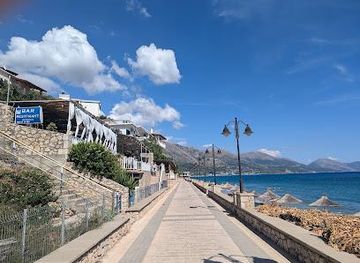
Qeparo Beach
Discover Qeparo Beach: turquoise waters, historic villages, and stunning Albanian Riviera scenery await!
-
Historical landmark
Tepelena Castle
Explore Tepelena Castle, a historical gem in Albania offering breathtaking views, rich history, and a glimpse into the past.
-
Public beach
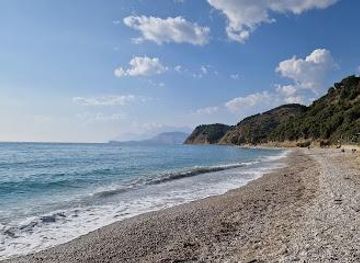
Lukova Beach
Discover Lukova Beach: A serene Albanian Riviera escape with turquoise waters, pebbled shores, and breathtaking mountain views.
-
Mountain peak
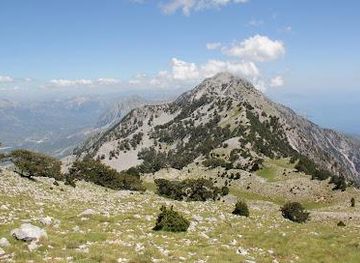
Mount Çika
Discover the breathtaking views and outdoor adventures at Mount Çika, Albania’s ultimate nature escape and hiking destination.

Best landmarks in Tepelena
Tepelena Castle is the defining built landmark of the town. Its fortified walls occupy a commanding position above the meeting of important river routes and are closely linked with Ali Pasha of Tepelena, whose eighteenth- and early nineteenth-century power shaped much of southern Albania and Epirus. The fortress is significant not only for its association with one historical figure but also for showing how Ottoman authorities and regional rulers used geography to control movement. The Vjosa River is Tepelena's principal natural landmark, cutting through the valley in a broad, shifting course framed by mountains and river terraces. Its importance is now ecological as well as geographical, particularly following the creation of Vjosa Wild River National Park. Ujë i Ftohtë, the cold-water spring near the town, is another recognisable local feature and a reminder of the region's relationship with mountain water sources. Beyond the urban area, the limestone ridges and high valleys of Kurvelesh form a rugged visual counterpoint to the open Vjosa corridor, with stone villages and pastoral landscapes contributing to the area's cultural identity.
-
Nature preserve
Cold Water Nature Monument
Discover Albania's hidden gem: Cold Water Nature Monument in Lekël, where crystal springs and lush landscapes create a serene escape.
-
Historical landmark
Tepelena Castle
Explore Tepelena Castle, a historic Albanian fortress with Byzantine and Ottoman roots, offering stunning views and a glimpse into Ali Pasha's era.
-
Greek Orthodox church
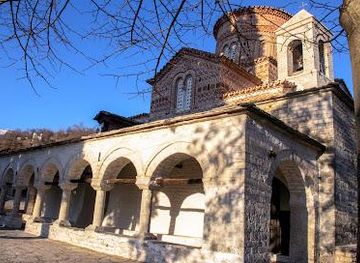
St Mary Church
Discover St Mary Church in Labovë e Poshtme: A timeless testament to Albanian heritage and exquisite Byzantine architecture.
-
City park
Tepelenë City
Escape to Tepelenë's tranquil city park: nature, culture, and relaxation await in this Albanian gem. #TepelenePark #AlbaniaTravel



Explore Tepelena on the map
Plan your trip on one map. See where the top cities, national parks and sights are, and book hotels and experiences in a few clicks.
Best hotels in Tepelena
Best restaurants in Tepelena
Dining in Tepelena is centred on Albanian home cooking, modest restaurants, cafés and family-run establishments rather than a formal restaurant quarter. Menus commonly draw on grilled meat, seasonal vegetables, beans, rice, yoghurt, fresh bread and local cheeses, with mountain herbs and lamb or goat appearing more often in upland areas. Along the Vjosa corridor, simple meals and refreshments are useful during road journeys, while town cafés provide a place for coffee and conversation throughout the day. Visitors may encounter dishes associated with southern Albanian cooking, including byrek, tavë-style baked dishes and preparations using peppers, aubergines or tomatoes, though recipes vary by household and season. Local produce is best appreciated through straightforward cooking rather than elaborate presentation. In rural villages, opening arrangements can be flexible, so do not rely on finding a late meal after an evening excursion. A small gratuity is welcome for good service, but tipping practices are not as formalised as in some European destinations.
-
Restaurant
Restaurant Taverna Kala
Discover authentic Albanian cuisine at Taverna Kala in Elbasan - where every meal tells a story of tradition and flavor.
-
Restaurant
Keli BAR RESTAURANT Xhuli
Discover authentic Albanian flavors at Keli BAR RESTAURANT Xhuli in Luftinjë – where delicious cuisine meets warm hospitality.
-
Restaurant
Oda e Hasan Beut
Experience authentic Albanian flavors at Oda e Hasan Beut in Toç, Memaliaj—where every dish tells a story.
-
Restaurant
Bar - Restorant "Gjahtari®"
Experience authentic Albanian cuisine at Bar - Restorant 'Gjahtari®', where every dish tells a story.


Best bars in Tepelena
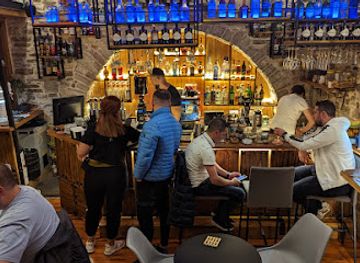
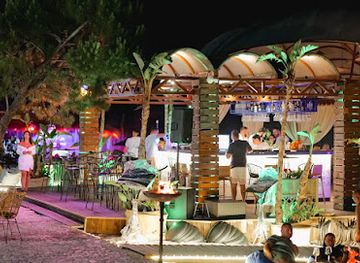
Tepelena has a quiet evening culture, with cafés, casual restaurants and small bars providing the main social spaces rather than a substantial nightclub scene. Coffee remains important at different times of day, and summer evenings may bring more activity around outdoor seating and the town centre. Traditional Albanian hospitality is often expressed through conversation, shared food and an unhurried drink, while local restaurants may serve beer, wine and spirits alongside dinner. Nightlife becomes still quieter in the surrounding villages, where evenings are shaped by family life and the rural setting. Travellers seeking larger selections of bars, live music or late venues will generally find more choice in Gjirokastër or other larger Albanian towns outside Tepelena. Because the region includes remote roads and mountain routes, arrange transport before drinking and avoid driving at night on unfamiliar winding roads.
-
Bar
Uji i Ftohtë Tepelenë
Discover the serene charm of Uji i Ftohtë Tepelenë, a delightful bar in Albania offering refreshing drinks and stunning natural views.
-
Bar
Hangover Cocktail Bar
Discover the vibrant nightlife at Hangover Cocktail Bar in Gjirokaster, where expertly crafted cocktails meet a lively atmosphere, perfect for unwinding.
-
Restaurant
Bar Restorant Zoi & Teri
Discover the rich flavors of Albania at Bar Restorant Zoi & Teri in Tepelenë, where exceptional cuisine meets breathtaking views.
-
Restaurant
Zgara Tepelena
Discover the rich flavors of traditional Albanian cuisine at Zgara Tepelena, a must-visit restaurant in Tepelenë offering grilled delights and warm hospitality.



Best nightclubs in Tepelena
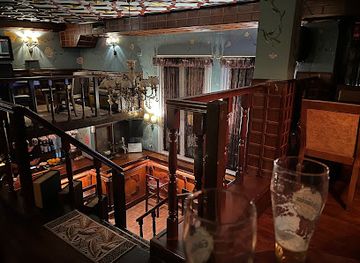
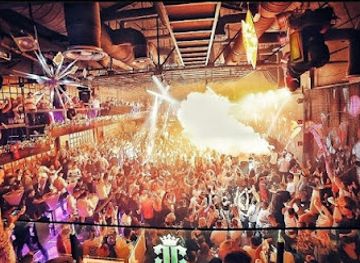
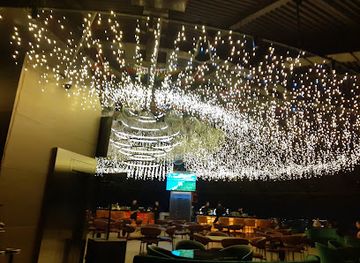
Tepelena has a quiet evening culture, with cafés, casual restaurants and small bars providing the main social spaces rather than a substantial nightclub scene. Coffee remains important at different times of day, and summer evenings may bring more activity around outdoor seating and the town centre. Traditional Albanian hospitality is often expressed through conversation, shared food and an unhurried drink, while local restaurants may serve beer, wine and spirits alongside dinner. Nightlife becomes still quieter in the surrounding villages, where evenings are shaped by family life and the rural setting. Travellers seeking larger selections of bars, live music or late venues will generally find more choice in Gjirokastër or other larger Albanian towns outside Tepelena. Because the region includes remote roads and mountain routes, arrange transport before drinking and avoid driving at night on unfamiliar winding roads.
-
Night club
Living Room Antik
Experience the vibrant nightlife at Living Room Antik, Tirana's premier night club and beer hall, where unforgettable memories await.
-
Night club
Cinco Cavalli Premium Club
Discover the vibrant nightlife at Cinco Cavalli Premium Club, the ultimate destination for music, dance, and unforgettable experiences in Albania.
-
Night club
Sky Club
Experience the electrifying nightlife of Tirana at Sky Club, where stunning city views meet vibrant music and an upscale atmosphere.
-
Night club
Salinas Beach Bar
Discover the vibrant nightlife at Salinas Beach Bar, where stunning views, refreshing cocktails, and lively entertainment await in Dhërmi, Albania.
Best shops in Tepelena
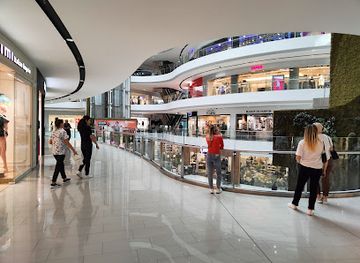
Shopping in Tepelena is practical and local in character, with small food shops, bakeries, cafés and everyday stores rather than a broad retail district. The most useful purchases include regional food products such as cheese, honey, mountain herbs, preserves and olive-based goods when available from reputable local sellers. Seasonal fruit and vegetables may be found through informal roadside or village trading, although availability changes throughout the year. Craft and souvenir choices are modest, but visitors may encounter handmade textiles, woollen items or small artisanal products in rural communities and local markets. Tepelena is not a major destination for fashion or luxury shopping, so travellers should buy specialist equipment, medicines and substantial supplies in a larger Albanian town before heading into Kurvelesh. For a wider choice of books, crafts, antiques and tourist-oriented products, Gjirokastër outside the region is a more developed nearby option. Cash in lek remains useful for small purchases, particularly away from the main road.
-
Shopping mall
Toptani
Explore Toptani Shopping Mall in Tirana - a vibrant hub for shopping, dining, and entertainment in the heart of Albania's capital.
-
Shopping mall
TEG - Tirana East Gate
Discover TEG - Tirana East Gate, the ultimate shopping and entertainment destination in Albania, offering a unique blend of brands, dining, and fun for all ages.
-
Shopping mall
Tirana Ring Center
Discover Tirana Ring Center, a vibrant shopping mall in Albania, offering diverse shops, dining, and entertainment options for every traveler.
-
Shopping mall
Kristal Center
Discover Kristal Center in Tirana, where shopping meets dining and entertainment in a vibrant, modern atmosphere.


Get your free copy of our complete guide to Tepelena, delivered straight to you.
Everything on this page, from attractions and restaurants to essentials and local phrases, in one PDF you can read offline, print or share.
Already have an account? Sign in
Your Tepelena guide is ready.
We'll send it to · Not you? Sign out

Getting your guide ready…
We are putting together a fresh copy of the Tepelena guide. This can take up to a minute.
This can take a few moments. If your browser asks, choose Allow so the download can start. You'll find the guide in your Downloads folder.
Nothing happened? Download it again
Sorry, the guide is taking longer than usual. Please try again in a minute, or get it by email instead.
Tepelena essentials
Currency and Payment
Safety
Emergency Situations
Do's and Don'ts
Local Tips
From Eve
Local phrases worth knowing
You don't need to get them perfect. A few words go a long way, and locals appreciate the effort.
Basics
| English | Local | Say it |
|---|---|---|
| Hello | Përshëndetje | [Për-shen-de-tye] |
| Goodbye | Mirupafshim | [Mee-roo-paf-sheem] |
| Yes | Po | [Poh] |
| No | Jo | [Yoh] |
| Please/You're welcome | Të lutem | [Teh loo-tem] |
| Thank you | Faleminderit | [Fah-leh-min-deh-reet] |
| Excuse me/Sorry | Më fal | [Muh fah-l] |
| How are you? | Si jeni? | [See yeh-nee] |
| Fine. And you? | Mirë. Edhe ti? | [Meer. Ed-he tee] |
| Do you speak English? | A flisni anglisht? | [Ah flees-nee ahng-leesht] |
| I don't understand | Nuk kuptoj | [Nook koop-toy] |
Eating & Drinking
| English | Local | Say it |
|---|---|---|
| I'd like to see the menu, please | Do doja të shihni menu, ju lutem | [Doh doh-yah tuh shee-nee meh-noo, yoo loo-tem] |
| I don't eat meat | Nuk ha mish | [Nook hah meesh] |
| Cheers! | Gëzuar! | [Geh-zoo-ar] |
| I would like to pay, please | Do doja të paguaj, ju lutem | [Doh doh-yah tuh pah-goo-eye, yoo loo-tem] |
Emergencies
| English | Local | Say it |
|---|---|---|
| Help! | Ndihmë! | [Ndee-muh] |
| Go away! | Shkoni! | [Sh-koh-nee] |
| Call the Police! | Thërritni policinë! | [Thuh-reet-nee poh-lee-chee-neh] |
| Call a doctor! | Thërritni një mjek! | [Thuh-reet-nee nyuh myek] |
| I'm lost | Jam i humbur | [Yahm ee hoom-boor] |
| I'm ill | Jam i sëmurë | [Yahm ee suh-moor-eh] |
Shopping
| English | Local | Say it |
|---|---|---|
| I'd like to buy... | Do doja të blej... | [Doh doh-yah tuh bleh...] |
| I'm just looking | Po shikoj | [Poh shee-koy] |
| How much is it? | Sa kushton? | [Sah koosh-ton] |
| That's too expensive | Kjo është shumë e shtrenjtë | [Kyoh esht shoom eh shtrayn-t] |
| Can you lower the price? | Mund të ulni çmimin? | [Moond tuh ool-nee chmee-min] |
Time & Numbers
| English | Local | Say it |
|---|---|---|
| What time is it? | Sa është ora? | [Sah esht or-ah] |
| It's one o'clock | Është një orë | [Eh-sht nyuh or-eh] |
| Half past (10) | Gjashtë e gjysmë | [Jah-sht eh joo-smeh] |
| Morning | Mëngjes | [Muhn-jes] |
| Afternoon | Pasdite | [Pahs-dee-teh] |
| Evening | Mbrëmje | [M-brehm-yeh] |
| Yesterday | Dje | [Dyeh] |
| Today | Sot | [Sot] |
| Tomorrow | Nesër | [Neh-sur] |
| 1 | Një | [Nyuh] |
| 2 | Dy | [Dih] |
| 3 | Tre | [Tre] |
| 4 | Katër | [Kah-ter] |
| 5 | Pesë | [Pehs-eh] |
| 6 | Gjashtë | [Jah-sht] |
| 7 | Shtatë | [Shta-teh] |
| 8 | Tetë | [Teh-teh] |
| 9 | Nëntë | [Nuhn-teh] |
| 10 | Dhjetë | [Dhee-teh] |
Transport & Directions
| English | Local | Say it |
|---|---|---|
| Where's a/the...? | Ku është një/...? | [Koo esht nyuh/...?] |
| What's the address? | Cila është adresa? | [Tsee-lah esht ah-dreh-sah] |
| Can you show me (on the map)? | A mund të më tregoni (në hartë)? | [Ah moond tuh meh treh-goh-nee (nuh har-tay)?] |
| When's the next (bus)? | Kur është autobusi tjetër? | [Koorr esht ow-toh-boo-see tee-tare?] |
| A ticket (to ....) | Një biletë (për ....) | [Nyuh bee-let-eh (puhr ....)] |
History of Tepelena
Ancient and Roman-era routes
The Vjosa valley has long provided a natural corridor through southern Albania, linking inland settlements with routes towards the coast and Epirus. Communities in the wider region farmed river terraces and used the surrounding mountains for grazing, while later Roman administration strengthened road connections across the southern Balkans. Although the most visible remains associated with antiquity are scattered rather than concentrated in modern Tepelena, the town's strategic position reflects this older geography: control of the valley meant influence over movement between the coast, southern Albania and the interior.
Medieval mountain communities
During the medieval period, the valleys and uplands around Tepelena were shaped by shifting regional powers, Orthodox Christian institutions and semi-rural communities whose livelihoods combined farming, livestock and seasonal movement. The Vjosa and Drino corridors connected settlements that were often separated by difficult mountain terrain. Stone construction, village layouts and religious buildings surviving in parts of southern Albania reflect the continuity of local building traditions, even though many structures have been altered or lost through later rebuilding and earthquakes.
Ottoman incorporation and regional administration
Southern Albania became integrated into the Ottoman imperial system from the late medieval period, bringing new administrative arrangements, taxation patterns and commercial links. Tepelena's position became increasingly important because roads through the valley connected coastal and inland districts. Ottoman influence remains visible in the town's historic architecture and in the fortress tradition that developed around strategic settlements. The region's cultural history also reflects interaction between Muslim and Christian communities, local Albanian customs and broader Ottoman institutions.
Ali Pasha of Tepelena and the fortress
Ali Pasha was born at Tepelena in the eighteenth century and rose to become the powerful Ottoman governor of much of Epirus and adjacent territories. His authority depended on military force, political alliances and control of strategic routes, and Tepelena became closely associated with his rule. The castle, expanded and strengthened during the Ottoman period, is the principal physical reminder of this era. Ali Pasha's legacy is interpreted in different ways: he is remembered both as a formidable regional ruler and within the wider history of coercive power, conflict and local political change.
Pastoral life and the Kurvelesh uplands
For centuries, the highlands south and east of Tepelena sustained communities through sheep and goat herding, small-scale farming and the use of seasonal grazing grounds. The difficult limestone terrain encouraged dispersed settlement and strong links between upland villages and valley markets. Traditional stone houses, dry-stone walls and communal practices are part of this rural inheritance, although depopulation and economic migration have transformed many villages. The mountain landscape remains essential to understanding Tepelena beyond its town centre.
Twentieth-century upheaval and modern transition
The twentieth century brought war, state socialism, collectivised agriculture and major changes in settlement and employment across southern Albania. Under communist rule, movement and private enterprise were tightly controlled, while roads, public buildings and agricultural systems were reorganised. After the early 1990s, migration and the growth of private business altered the demographic and economic life of Tepelena and its surrounding villages. Today, the municipality combines a small administrative town with rural communities seeking opportunities in tourism, agriculture and services while maintaining links with residents abroad.
The Vjosa as a contemporary environmental landmark
The Vjosa's free-flowing character became increasingly important in regional conservation debates during the twenty-first century. Concerns about dams, extraction and river alteration helped draw international attention to the valley's ecological value. In 2023, the Vjosa Wild River National Park was established, protecting a large river system and associated habitats in southern Albania. Parts of the river landscape around Tepelena are now understood not simply as scenery or a transport corridor, but as part of a nationally significant natural system requiring careful management.
Tepelena in Photos
Browse through our photo collection highlighting the charm and character of the destination.
Neighbouring regions of Tepelena
The closest regions to Tepelena, if you have time for more than one.
-

-

-

-

-


Swipe for more regions
Explore more

Explore more of Albania
Discover Albania: A land of untamed beauty, rich history, and warm hospitality, offering stunning beaches, rugged mountains, and vibrant cities.
Explore Albania