

Free Laberia Travel Guide & Mobile App
Explore Laberia with free travel guides. Discover regional history, expert tips, proposed trips, and audio guides on web or mobile app.


Discover Laberia, Albania's hidden gem, where rugged landscapes meet rich culture and timeless traditions in a captivating blend of history and natural beauty.
Read more about Laberia
When is the best time to visit Laberia?
Best: May–June, September · 24–28°C| Month | High (°C) | Rainfall (mm) |
|---|---|---|
| January | 11 | 110 |
| February | 12 | 101 |
| March | 16 | 91 |
| April | 20 | 81 |
| May (best) | 24 | 71 |
| June (best) | 28 | 61 |
| July | 30 | 51 |
| August | 29 | 61 |
| September (best) | 26 | 70 |
| October | 21 | 80 |
| November | 15 | 90 |
| December | 12 | 101 |
Getting to and around Laberia
How to get there
Transportation
Top city travel guides in Laberia
The cities of Laberia, and the easiest places to base yourself.
-

-

-

-

-

-


Swipe for more cities
Destinations in Laberia
Resorts, valleys and scenic spots worth a trip of their own.
-

-

-

-
-

-


Swipe for more destinations
Best attractions in Laberia
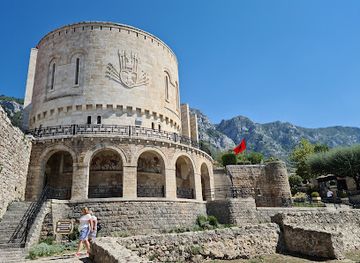
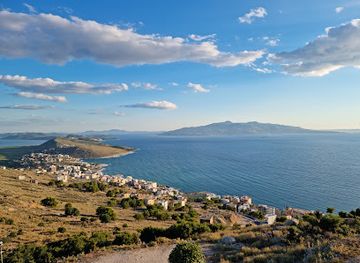
Laberia, nestled in the rugged landscapes of southern Albania, beckons with its tapestry of natural beauty and rich history. Visitors will be enchanted by the dramatic vistas of the Ceraunian Mountains meeting the azure Ionian Sea, creating a stunning backdrop for hiking and exploration. The ancient city of Amantia offers a glimpse into the region's storied past with its well-preserved ruins, including the impressive acropolis and ancient theater. In the villages, such as Vuno and Himara, traditional stone houses and cobbled streets whisper tales of centuries-old customs and folklore. Laberia's lush olive groves and vineyards provide not only picturesque scenery but also the opportunity to indulge in locally-produced wines and olive oils, reflecting the region's agricultural heritage. The area is also famous for its lively polyphonic music, a UNESCO-recognized cultural treasure, often performed spontaneously in village squares. Combined with pristine beaches, such as those in Porto Palermo Bay, and the warm hospitality of the locals, Laberia promises a captivating and immersive travel experience.
-
Historical landmark
The Achilleion Palace
Discover the enchanting Achilleion Palace in Corfu, a historical gem blending stunning architecture with breathtaking views of the Ionian Sea.
-
Public beach
Canal d'Amour
Discover Corfu's romantic Canal d'Amour: swim in the 'Channel of Love,' explore unique sandstone formations, and soak in the crystal-clear waters.
-
Monastery
Monastery of Paleokastritsa
Explore the historical Monastery of Paleokastritsa, a serene retreat offering stunning views, rich culture, and a glimpse into Greek Orthodox traditions.
-
Water park
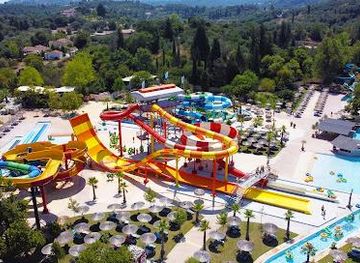
Aqualand
Dive into a world of fun at Aqualand Corfu, one of Europe's largest water parks, offering thrilling slides and relaxing pools for all ages.


Best landmarks in Laberia
Nestled in the rugged terrains of southern Albania, Laberia offers an enchanting blend of historical intrigue and natural beauty that promises to captivate any traveler. Visitors can explore the ancient ruins of Amantia, a city that dates back to the 5th century BC, and marvel at its well-preserved theater and acropolis. The stunning canyon of the Shushica River provides a breathtaking backdrop for hiking and adventure, while the traditional stone houses of the village of Kuç offer a glimpse into the region's rich cultural heritage. The Byzantine churches scattered across Laberia, including the Church of Saint Mary in Dhërmi, are adorned with exquisite frescoes that narrate centuries-old stories. For those who seek a serene retreat, the pristine beaches along the Ionian coast, such as the secluded Gjipe Beach, provide a perfect escape. This picturesque region, with its fusion of history, culture, and natural wonders, promises an unforgettable journey for all who visit.
-
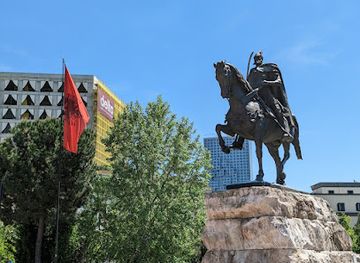
Tourist attraction
Skanderbeg Square
Discover Skanderbeg Square in Tirana: a vibrant hub of Albanian history, culture, and modern life, surrounded by iconic landmarks and attractions.
-
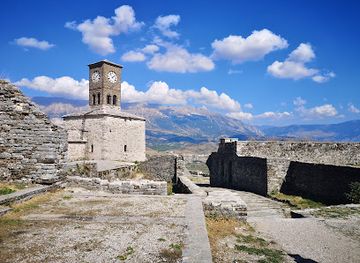
Castle
Castle of Gjirokastra
Explore the mighty Gjirokastra Castle, a Balkan fortress with centuries of history, stunning views & unique museums in the UNESCO city of Gjirokastra, Albania.
-
Castle
Castle of Kruja
Explore Kruja Castle: a historic Albanian fortress offering stunning views and a glimpse into the nation's heroic past.
-
Castle
Kalaja e Lëkurësit
Explore Kalaja e Lëkurësit in Sarandë: a historic castle offering breathtaking views, rich history, and a taste of Albanian culture.
Explore Laberia on the map
Plan your trip on one map. See where the top cities, national parks and sights are, and book hotels and experiences in a few clicks.
Best hotels in Laberia
Best restaurants in Laberia
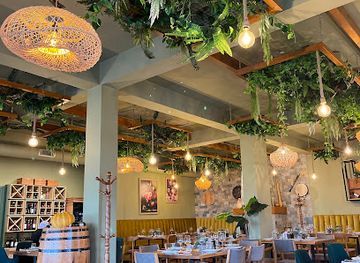
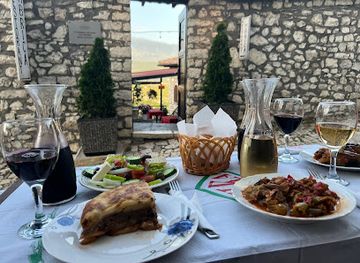
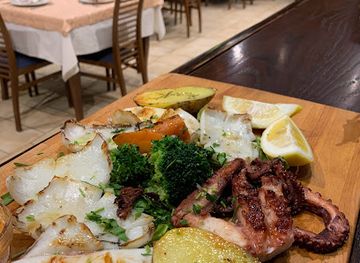
Nestled in the rugged landscapes of southern Albania, Laberia offers a culinary journey that is as rich and diverse as its history. Visitors can expect to be enchanted by the region's traditional tavernas, where rustic decor meets the tantalizing aroma of slow-cooked lamb and wild herbs. The dining scene is a celebration of Albania’s bounty, with fresh, local ingredients taking center stage – think succulent meats, artisanal cheeses, and a variety of foraged greens. Seafood enthusiasts will find delight in the coastal villages, where the catch of the day is grilled to perfection and often paired with the region’s exquisite olive oil and robust red wines. Don’t miss out on tasting the unique byrek pastries, filled with savory combinations of spinach, cheese, or meat, and the indulgent desserts like baklava, dripping with honey and nuts. Laberia’s restaurants offer not just meals, but an immersive experience into the heart of Albanian culture, with warm hospitality and often spontaneous performances of traditional iso-polyphonic music.
-
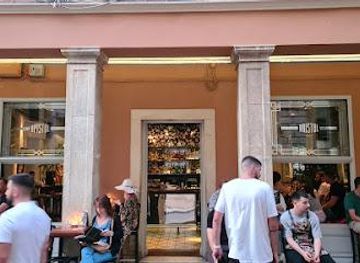
Cafe
Liston Gastrotheque
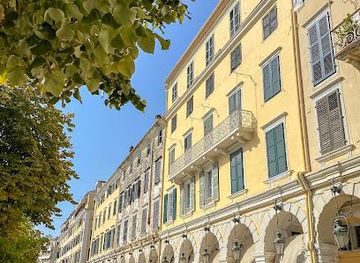
Elegant gastrotheque on Corfu's Liston promenade, blending cafe culture, cocktails, and Mediterranean bites with prime people-watching in a historic arcade setting.
-
Restaurant
Restorant DeviselD
Experience authentic Albanian flavors at Restorant DeviselD in Elbasan - where tradition meets taste in every dish.
-
Restaurant
Temi Albanian Food
Experience authentic Albanian cuisine at Temi Albanian Food in Berat - where every dish tells a story.
-
Restaurant
Bar-Restorant Spiranca
Experience authentic Albanian cuisine at Bar-Restorant Spiranca in Durrës – fresh seafood and traditional dishes with stunning sea views.
Best bars in Laberia
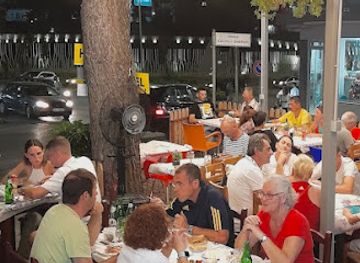
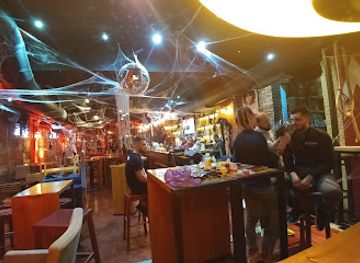
Laberia's nightlife scene is a hidden gem, offering a vibrant blend of traditional and contemporary experiences that captivate visitors. As the sun sets, the streets come alive with the rhythmic sounds of Albanian folk music and the latest international hits, seamlessly blending the old with the new. Cozy taverns, known as 'konaks,' serve up local specialties and house-made raki, where you can mingle with friendly locals sharing tales of the region's storied past. For those seeking a more modern vibe, chic lounges and bars offer expertly crafted cocktails and a lively atmosphere, perfect for dancing the night away. The region's unique topography adds to the charm, with many venues boasting stunning views of the surrounding mountains and valleys, creating an unforgettable backdrop for an evening out.
-
Restaurant
Taverna Labëria
Discover authentic Albanian flavors at Taverna Labëria, a culinary treasure in the historic city of Gjirokaster.
-
Night club
Whisky Bar Tirana
Discover the vibrant nightlife of Tirana at Whisky Bar, a trendy spot for whiskey lovers and party enthusiasts alike.
-
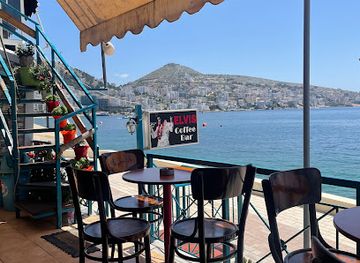
Bar
Elvis Bar
Experience the vibrant nightlife at Elvis Bar in Sarandë, a lively spot for drinks, music, and meeting locals & travelers alike.
-
Bar
Bufe Wine Bar
Discover the perfect blend of local wines and exquisite flavors at Bufe Wine Bar in Tirana, Albania, a must-visit destination for wine lovers.

Best nightclubs in Laberia
Laberia's nightlife scene is a hidden gem, offering a vibrant blend of traditional and contemporary experiences that captivate visitors. As the sun sets, the streets come alive with the rhythmic sounds of Albanian folk music and the latest international hits, seamlessly blending the old with the new. Cozy taverns, known as 'konaks,' serve up local specialties and house-made raki, where you can mingle with friendly locals sharing tales of the region's storied past. For those seeking a more modern vibe, chic lounges and bars offer expertly crafted cocktails and a lively atmosphere, perfect for dancing the night away. The region's unique topography adds to the charm, with many venues boasting stunning views of the surrounding mountains and valleys, creating an unforgettable backdrop for an evening out.
-
Night club
Living Room Antik
Experience the vibrant nightlife at Living Room Antik, Tirana's premier night club and beer hall, where unforgettable memories await.
-
Night club
Cinco Cavalli Premium Club
Cinco Cavalli Premium Club: Where the Heart of Albanian Nightlife Beats Strong with Unforgettable Parties and Top DJs.
-
Night club
Sky Club
Discover Tirana's vibrant nightlife at Sky Club, where electrifying beats and stunning views create an unforgettable experience.
-
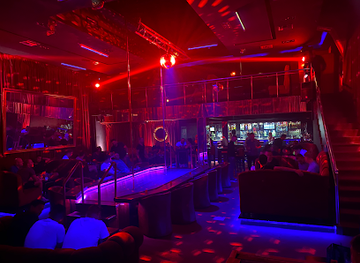
Adult entertainment club
Lust Night Club ( Strip )
Dive into the electrifying nightlife of Tirana at Lust Night Club, where adult entertainment and disco vibes create unforgettable memories.


Best shops in Laberia
Laberia offers visitors a unique shopping experience that combines the charm of its traditional roots with a touch of modernity. Wander through bustling open-air markets where local vendors showcase an array of handcrafted goods, from intricate silver jewelry to beautifully woven textiles. The scent of fresh herbs and spices fills the air as you navigate through stalls filled with organic produce and artisanal cheeses. Boutique shops dot the cobblestone streets, offering everything from contemporary Albanian fashion to unique souvenirs that capture the spirit of Laberia. Don’t miss the chance to visit family-owned stores where you can witness traditional craftsmanship firsthand, making every purchase a piece of Laberia's rich cultural tapestry.
-
Market
Corfu Central Market
Experience the vibrant Corfu Central Market, where local flavors, crafts, and culture come alive in a bustling atmosphere.
-
Store
Sweet 'N Spicy Organic Shop
Explore Sweet 'N Spicy Organic Shop in Corfu for a delightful selection of organic spices, local delicacies, and authentic Greek flavors.
-
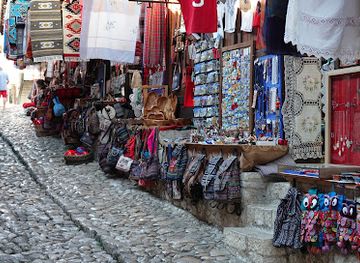
Souvenir store
Souvenir Albani
Explore Souvenir Albani in Krujë for unique jewelry and authentic Albanian crafts, perfect treasures to remember your visit.
-
Store
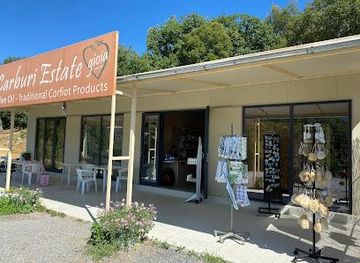
Carburi Estate
Explore Carburi Estate in Corfu: A beautiful destination for local products, stunning landscapes, and an unforgettable cultural experience.

Get your free copy of our complete guide to Laberia, delivered straight to you.
Everything on this page, from attractions and restaurants to essentials and local phrases, in one PDF you can read offline, print or share.
Already have an account? Sign in
Your Laberia guide is ready.
We'll send it to · Not you? Sign out

Getting your guide ready…
We are putting together a fresh copy of the Laberia guide. This can take up to a minute.
This can take a few moments. If your browser asks, choose Allow so the download can start. You'll find the guide in your Downloads folder.
Nothing happened? Download it again
Sorry, the guide is taking longer than usual. Please try again in a minute, or get it by email instead.
Laberia essentials
Currency and Payment
Safety
Emergency Situations
Do's and Don'ts
Local Tips
From Eve
Local phrases worth knowing
You don't need to get them perfect. A few words go a long way, and locals appreciate the effort.
Basics
| English | Local | Say it |
|---|---|---|
| Hello | Hello | [həˈloʊ] |
| Goodbye | Goodbye | [ɡʊdˈbaɪ] |
| Yes | Yes | [jɛs] |
| No | No | [noʊ] |
| Please/You're welcome | Please | [pliːz] |
| Thank you | Thank you | [θæŋk juː] |
| Excuse me/Sorry | Excuse me | [ɪkˈskjuːz mi] |
| How are you? | How are you? | [haʊ ɑːr ju] |
| Fine. And you? | Fine. And you? | [faɪn. ənd ju] |
| Do you speak English? | Do you speak English? | [du jʊ spiːk ˈɪŋɡlɪʃ] |
| I don't understand | I don't understand | [aɪ doʊnt ˌʌndərˈstænd] |
Eating & Drinking
| English | Local | Say it |
|---|---|---|
| I'd like to see the menu, please | I'd like to see the menu, please | [aɪd laɪk tu si ðə ˈmɛnju, pliz] |
| I don't eat meat | I don't eat meat | [aɪ doʊnt it miːt] |
| Cheers! | Cheers! | [tʃɪrz] |
| I would like to pay, please | I would like to pay, please | [aɪ wʊd laɪk tu peɪ, pliz] |
Emergencies
| English | Local | Say it |
|---|---|---|
| Help! | Help! | [hɛlp] |
| Go away! | Go away! | [ɡoʊ əˈweɪ] |
| Call the Police! | Call the Police! | [kɔl ðə pəˈliːs] |
| Call a doctor! | Call a doctor! | [kɔl ə ˈdɑktər] |
| I'm lost | I'm lost | [aɪm lɔst] |
| I'm ill | I'm ill | [aɪm ɪl] |
Shopping
| English | Local | Say it |
|---|---|---|
| I'd like to buy... | I'd like to buy... | [aɪd laɪk tu baɪ...] |
| I'm just looking | I'm just looking | [aɪm dʒʌst ˈlʊkɪŋ] |
| How much is it? | How much is it? | [haʊ mʌtʃ ɪz ɪt] |
| That's too expensive | That's too expensive | [ðæts tu ɪkˈspɛnsɪv] |
| Can you lower the price? | Can you lower the price? | [kæn jʊ ˈloʊər ðə praɪs] |
Time & Numbers
| English | Local | Say it |
|---|---|---|
| What time is it? | What time is it? | [wʌt taɪm ɪz ɪt] |
| It's one o'clock | It's one o'clock | [ɪts wʌn əˈklɑk] |
| Half past (10) | Half past (10) | [hæf pæst (10)] |
| Morning | Morning | [ˈmɔrnɪŋ] |
| Afternoon | Afternoon | [ˌæftərˈnun] |
| Evening | Evening | [ˈiːvnɪŋ] |
| Yesterday | Yesterday | [ˈjɛstərdeɪ] |
| Today | Today | [təˈdeɪ] |
| Tomorrow | Tomorrow | [təˈmɔroʊ] |
| 1 | 1 | [wʌn] |
| 2 | 2 | [tuː] |
| 3 | 3 | [θriː] |
| 4 | 4 | [fɔːr] |
| 5 | 5 | [faɪv] |
| 6 | 6 | [sɪks] |
| 7 | 7 | [sɛvən] |
| 8 | 8 | [eɪt] |
| 9 | 9 | [naɪn] |
| 10 | 10 | [tɛn] |
Transport & Directions
| English | Local | Say it |
|---|---|---|
| Where's a/the...? | Where's a/the...? | [wɛrz ə/ðə...?] |
| What's the address? | What's the address? | [wʌts ði ˈædrɛs] |
| Can you show me (on the map)? | Can you show me (on the map)? | [kæn jʊ ʃoʊ mi (ɒn ðə mæp)?] |
| When's the next (bus)? | When's the next (bus)? | [wɛn ʌz ðə nɛkst (bʌs)?] |
| A ticket (to ....) | A ticket (to ....) | [ə ˈtɪkɪt (tu ....)] |
History of Laberia
Ancient Roots
Laberia, a region in southern Albania, traces its roots back to ancient times. It was inhabited by the Illyrians, an ancient group of tribes who played a significant role in the early history of the Balkans. The area was known for its strategic location and fertile lands, which made it a valuable region for both settlement and defense.
Medieval Era and the Despotate of Epirus
During the medieval period, Laberia was part of the Despotate of Epirus, a Byzantine successor state that emerged following the Fourth Crusade in 1204. The region experienced a flourishing of culture and trade under the rule of the Despots, who maintained their independence and resisted both Latin and Byzantine influence.
Ottoman Rule
In the late 15th century, Laberia fell under Ottoman rule, which lasted for several centuries. The Ottomans introduced new administrative structures and cultural influences. Despite the imposition of Ottoman control, the people of Laberia maintained a strong sense of identity and often participated in revolts against the empire.
League of Lezhë and Albanian Resistance
Laberia played a crucial role in the League of Lezhë, an alliance of Albanian principalities formed in 1444 to resist Ottoman rule. Key figures such as Gjergj Kastrioti, known as Skanderbeg, became national heroes for their leadership in the struggle for independence. The region's rugged terrain provided a natural fortress for resistance fighters.
War of Independence
The early 20th century was marked by a renewed struggle for Albanian independence. Laberia was a significant center of the Albanian National Awakening, with many local leaders participating in the fight against Ottoman rule. The region celebrated the declaration of Albanian independence in 1912, which marked the end of centuries of foreign domination.
World War II and Communist Era
During World War II, Laberia became a hotspot for resistance against Italian and later German occupation. The local population supported partisan groups that fought to liberate the country. Following the war, Albania fell under communist rule, and Laberia experienced significant social and economic changes during the regime of Enver Hoxha.
Cultural Heritage
Laberia is renowned for its rich cultural heritage, including traditional music, dance, and folklore. The region is famous for its polyphonic singing, a form of vocal music that has been recognized by UNESCO as an Intangible Cultural Heritage of Humanity. The unique artistic expressions of Laberia continue to be celebrated and preserved by its people.
Modern Developments
In recent decades, Laberia has undergone significant transformations as Albania has moved towards a more open market economy and democratic governance. The region has seen improvements in infrastructure and tourism, drawing visitors interested in its historical sites, natural beauty, and cultural richness.
Laberia in Photos
Browse through our photo collection highlighting the charm and character of the destination.
Neighbouring regions of Laberia
The closest regions to Laberia, if you have time for more than one.
-

-

-

-

-


Swipe for more regions
Explore more

Explore more of Albania
Discover Albania: A land of untamed beauty, rich history, and warm hospitality, offering stunning beaches, rugged mountains, and vibrant cities.
Explore Albania