

Free Përmet Travel Guide & Mobile App
Explore Përmet with free travel guides. Discover regional history, expert tips, proposed trips, and audio guides on web or mobile app.


Explore Përmet in southern Albania for Vjosa River landscapes, Langarica’s thermal springs, mountain villages and distinctive regional food.
Read more about Përmet
When is the best time to visit Përmet?
Best: June–July, September · 24–28°C| Month | High (°C) | Rainfall (mm) |
|---|---|---|
| January | 6 | 73 |
| February | 7 | 62 |
| March | 11 | 67 |
| April | 15 | 61 |
| May | 20 | 52 |
| June (best) | 25 | 41 |
| July (best) | 28 | 31 |
| August | 28 | 36 |
| September (best) | 24 | 47 |
| October | 18 | 62 |
| November | 11 | 67 |
| December | 7 | 78 |
Getting to and around Përmet
How to get there
Transportation
Destinations in Përmet
Resorts, valleys and scenic spots worth a trip of their own.

Swipe for more destinations
Best attractions in Përmet
Përmet’s attractions are shaped by the meeting of river, mountain and rural culture. The Langarica valley and Bënjë thermal springs form the region’s best-known natural outing, combining warm mineral water, a dramatic gorge and the historic Katiu Bridge. The Vjosa River provides a changing backdrop for walks, viewpoints and nature-focused excursions, although its currents and riverbanks demand caution. Around town, visitors can explore the streets, gardens and small-scale cultural life of Përmet before travelling to the church and village setting of Leusë. The uplands offer a different experience: Frashër and the Fir of Hotovë-Dangëlli National Park lead towards forest, pasture and mountain scenery, with hiking opportunities that depend on route conditions and local guidance. Guesthouses and rural hosts add a cultural dimension through regional food, preserves, cheese, honey, wine and raki. The area is better suited to landscape, heritage and slow travel than to a dense programme of ticketed attractions, and its rewards come from combining a few established sites with time spent travelling through the valleys.
-
Thermal baths
Llixhat e Bënjës - Thermal Baths
Discover the therapeutic Llixhat e Bënjës Thermal Baths in Albania: a natural spa experience surrounded by stunning landscapes and historical charm.
-
Rafting
Albturist: Vjosa Rafting & Ecocamping in Përmet, Albania
Experience Albania's wild side with rafting on the Vjosa River and eco-friendly camping near Përmet. Adventure and relaxation await!
-
Tourist attraction
Qeparo Beach
Discover Qeparo Beach: Where turquoise waters meet historic charm on the Albanian Riviera. Sunsets, serenity, and cultural richness await!
-
Rafting
Rafting Vjosa Albania
Experience thrilling rafting adventures on Europe's last wild river, the Vjosa, with stunning scenery and eco-friendly tours in Përmet, Albania.



Best landmarks in Përmet
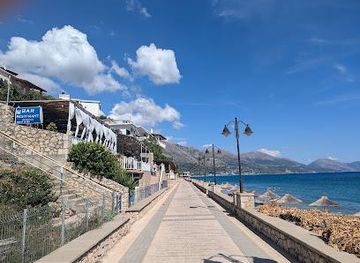
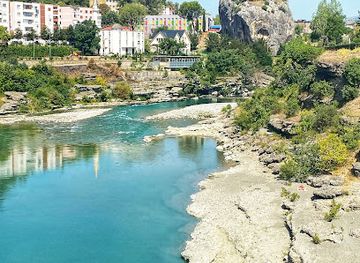
The Vjosa River is Përmet’s defining natural landmark, cutting a broad route through the southern Albanian interior and giving the town and surrounding settlements their geographical character. Near Bënjë, the Katiu Bridge is a notable Ottoman-era stone structure spanning the Langarica and remains one of the region’s most recognisable historic sights. The Langarica gorge itself is a geological and visual landmark, with steep limestone walls framing the thermal springs and river corridor. Above Përmet, the church of Leusë is valued for its historic setting and religious art, making the hillside village an important cultural counterpoint to the town below. Frashër carries national symbolic importance through its association with Abdyl, Naim and Sami Frashëri, whose writings and political ideas influenced modern Albanian identity. In the wider uplands, the forests and mountain forms of the Fir of Hotovë-Dangëlli National Park provide a landmark landscape rather than a single monument, illustrating the region’s deep connection between natural heritage and rural settlement.
-
Tourist attraction
Langarica Canyon
Discover Langarica Canyon: A stunning Albanian natural wonder with dramatic cliffs, thermal springs, and pristine river, perfect for adventure and relaxation.
-
National park
Fir of Hotova-Dangëlli National Park
Discover Albania's largest national park: a haven of fir forests, canyons, thermal springs, and diverse wildlife near Frashër.
-
Nature preserve
Guri i Qytetit
Discover the iconic Guri i Qytetit in Përmet, Albania: panoramic views, ancient history, and captivating legends await!
-
Archaeological site
Archaeological Park of Antigonea
Discover Antigonea: An ancient city born of love and destroyed by war, offering stunning ruins and panoramic views of the Drino Valley.



Explore Përmet on the map
Plan your trip on one map. See where the top cities, national parks and sights are, and book hotels and experiences in a few clicks.
Best hotels in Përmet
Best restaurants in Përmet
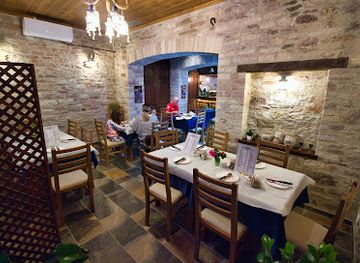
Dining in Përmet reflects the produce of southern Albania’s river valleys and mountain farms. Restaurants and guesthouses commonly serve byrek, seasonal vegetables, beans, grilled meat, lamb or goat, mountain cheeses and fresh bread, with menus changing according to availability. Gliko, a preserve made from fruit or other carefully prepared produce, is a recognised local speciality and may be offered with coffee, cheese or as a sweet finish. Honey, walnuts and herbs also feature in the region’s rural food culture. Përmet and nearby villages are associated with wine and raki production, while local cheeses such as kaçkavall may appear on traditional tables. The most useful places to eat range from simple town restaurants and cafés to family-run guesthouses where advance notice can help with a full meal. Visitors should distinguish locally produced items from generic Albanian dishes and ask about ingredients, particularly when eating in homes or small rural establishments.
-
Restaurant
Taverna Tradicionale KARDHASHI
Discover authentic Albanian flavors at Taverna Tradicionale KARDHASHI in Gjirokaster - a culinary gem celebrating traditional cuisine.
-
Restaurant
Restorant Tradicional Urat
Discover the heart of Albanian cuisine at Restorant Tradicional Urat in Gjirokaster – where tradition meets flavor.
-
Restaurant
Vojsava Restaurant
Experience authentic Albanian cuisine at Vojsava Restaurant in Gjirokaster - where tradition meets flavor.
-
Restaurant
Restorant Antigonea
Discover authentic Albanian cuisine at Restorant Antigonea in Përmet—where tradition meets flavor in every dish.



Best bars in Përmet
Përmet has a modest evening scene rather than a large nightclub culture. In the town centre, cafés and bars provide places for coffee, conversation, beer, wine or raki, and evenings are often more social and unhurried than entertainment-led. Restaurants and guesthouses may stay open later during the warmer months, especially when visitors are exploring the Vjosa valley and Bënjë. The main opportunities for live music or busier nightlife are likely to be occasional and locally organised rather than concentrated in a permanent club district. Rural villages generally become quiet after dinner, although a guesthouse meal can extend into conversation and tasting local wine or spirits. Visitors should ask locally about current cultural events and avoid assuming that seasonal activity or a particular venue operates throughout the year.
-
Restaurant
Restorant Antigonea
Discover the authentic flavors of Albania while enjoying stunning views at Restorant Antigonea in Përmet.
-
Restaurant
Sofra Përmetare
Discover authentic Albanian flavors at Sofra Përmetare, a charming restaurant in Përmet, showcasing the best of local cuisine and hospitality.
-
Restaurant
Bar Restaurant Trifilia
Discover the culinary delights of Albania at Bar Restaurant Trifilia, where authentic flavors meet warm hospitality in the heart of Permet.
-
Restaurant
“Te Culi” Slow Food dishes
Discover the authentic taste of Albanian cuisine at 'Te Culi', where slow food meets tradition in the heart of Përmet.


Best nightclubs in Përmet
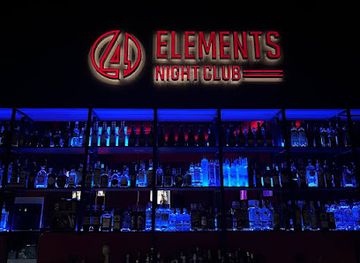
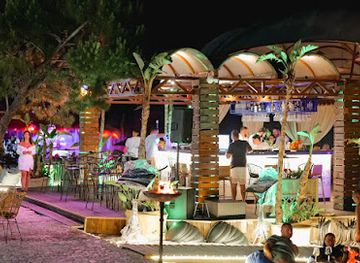
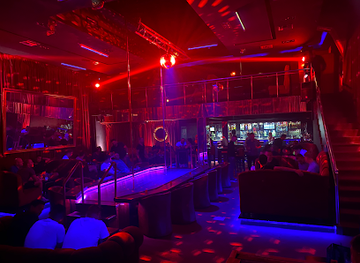
Përmet has a modest evening scene rather than a large nightclub culture. In the town centre, cafés and bars provide places for coffee, conversation, beer, wine or raki, and evenings are often more social and unhurried than entertainment-led. Restaurants and guesthouses may stay open later during the warmer months, especially when visitors are exploring the Vjosa valley and Bënjë. The main opportunities for live music or busier nightlife are likely to be occasional and locally organised rather than concentrated in a permanent club district. Rural villages generally become quiet after dinner, although a guesthouse meal can extend into conversation and tasting local wine or spirits. Visitors should ask locally about current cultural events and avoid assuming that seasonal activity or a particular venue operates throughout the year.
-
Adult entertainment club
4 Elements Night Clubs ( Strip Club )
Discover the electrifying nightlife at 4 Elements Night Club in Sarandë, Albania - where entertainment and sophistication meet.
-
Night club
Sky Club
Experience Tirana's vibrant nightlife at Sky Club, where stunning views and electrifying beats create an unforgettable nightlife experience.
-
Night club
Salinas Beach Bar
Experience the vibrant nightlife and stunning beach views at Salinas Beach Bar, the ultimate coastal destination in Dhërmi, Albania.
-
Adult entertainment club
Lust Night Club ( Strip )
Discover Tirana's nightlife at Lust Night Club, where electrifying performances and vibrant music create an unforgettable adult entertainment experience.

Best shops in Përmet
Shopping in Përmet is centred on everyday town life, small independent businesses and locally produced food rather than large commercial centres. Seek out gliko, honey, mountain herbs, cheese, wine, raki and seasonal preserves, checking provenance and packaging when buying products to take home. Small shops and market-style vendors may also offer fruit, vegetables and other produce from the surrounding valleys. Handcrafted or homemade goods are more likely to be found through guesthouses, village visits or local recommendations than in a dedicated craft quarter. The town’s cafés and food shops can be useful places to observe the rhythm of local commerce, while purchases from rural producers should be made respectfully and with clear agreement on price. Travellers heading across borders should check customs rules for alcohol, food and plant products before carrying regional goods internationally.
-
Bakery
Bakery / Byrektore "Byrek Çasti"
Experience the authentic flavors of Albania at Byrek Çasti Bakery in Përmet, where every pastry tells a story of tradition and taste.
-
Pastries
Pastiçeri Bleta
Experience the delightful flavors of Albania at Pastiçeri Bleta, a must-visit pastry shop in the charming town of Përmet.
-
Pastries
Pastiçeri Londo
Discover the sweet side of Albania at Pastiçeri Londo, where traditional pastries and delightful treats await every visitor.
-
Gift shop
Alma Souvenir
Explore Alma Souvenir in Gjirokaster for unique, handcrafted gifts that embody the rich culture and artistry of Albania.


Get your free copy of our complete guide to Përmet, delivered straight to you.
Everything on this page, from attractions and restaurants to essentials and local phrases, in one PDF you can read offline, print or share.
Already have an account? Sign in
Your Përmet guide is ready.
We'll send it to · Not you? Sign out

Getting your guide ready…
We are putting together a fresh copy of the Përmet guide. This can take up to a minute.
This can take a few moments. If your browser asks, choose Allow so the download can start. You'll find the guide in your Downloads folder.
Nothing happened? Download it again
Sorry, the guide is taking longer than usual. Please try again in a minute, or get it by email instead.
Përmet essentials
Currency and Payment
Safety
Emergency Situations
Do's and Don'ts
Local Tips
From Eve
Local phrases worth knowing
You don't need to get them perfect. A few words go a long way, and locals appreciate the effort.
Basics
| English | Local | Say it |
|---|---|---|
| Hello | Përshëndetje | [Per-shen-deh-ye] |
| Goodbye | Mirupafshim | [Mee-roo-paf-sheem] |
| Yes | Po | [Poh] |
| No | Jo | [Yoh] |
| Please/You're welcome | Të lutem/Mirë se erdhët | [Tuh loo-tem/Mee-r seh er-dhet] |
| Thank you | Faleminderit | [Fah-leh-min-deh-reet] |
| Excuse me/Sorry | Më falni | [Meh fahl-nee] |
| How are you? | Si jeni? | [See yen-ee?] |
| Fine. And you? | Mirë. Edhe ti? | [Meer. Edh-eh tee?] |
| Do you speak English? | A flisni anglisht? | [Ah flees-nee ahn-gleesht?] |
| I don't understand | Nuk kuptoj | [Nook koop-toy] |
Eating & Drinking
| English | Local | Say it |
|---|---|---|
| I'd like to see the menu, please | Do doja të shoh menunë, të lutem | [Doh doh-yah tuh shoh meh-noon-eh, tuh loo-tem] |
| I don't eat meat | Nuk ha mish | [Nook hah meesh] |
| Cheers! | Gëzuar! | [Geh-zoo-ar!] |
| I would like to pay, please | Do doja të paguaj, të lutem | [Doh doh-yah tuh pah-goo-eye, tuh loo-tem] |
Emergencies
| English | Local | Say it |
|---|---|---|
| Help! | Ndihmë! | [Ndee-muh!] |
| Go away! | Shko larg! | [Shk-oh lahrg!] |
| Call the Police! | Thirri policinë! | [Thee-ree poh-lee-cheen-eh!] |
| Call a doctor! | Thirri një doktor! | [Thee-ree nyah dok-tor!] |
| I'm lost | Jam humbur | [Yahm hoom-bur] |
| I'm ill | Jam i sëmurë | [Yahm ee suh-moor-eh] |
Shopping
| English | Local | Say it |
|---|---|---|
| I'd like to buy... | Do doja të blej... | [Doh doh-yah tuh bleh...] |
| I'm just looking | Po shoh vetëm | [Poh shoh veh-tem] |
| How much is it? | Sa kushton? | [Sah koosh-ton?] |
| That's too expensive | Kjo është shumë e shtrenjtë | [Kyo esht shoom eh shtrayn-t] |
| Can you lower the price? | A mund të ulni çmimin? | [Ah moond tuh ool-nee chmee-meen?] |
Time & Numbers
| English | Local | Say it |
|---|---|---|
| What time is it? | Sa është ora? | [Sah esht or-ah?] |
| It's one o'clock | Është një orë | [Eh-sht nyah or-eh] |
| Half past (10) | Pjesë pas (10) | [Pye-seh pahs (deh)] |
| Morning | Mëngjes | [Men-jess] |
| Afternoon | Pasdite | [Pahs-dee-teh] |
| Evening | Mbrëmje | [Mbrehm-yeh] |
| Yesterday | Dje | [Dyeh] |
| Today | Sot | [Sot] |
| Tomorrow | Nesër | [Neh-sir] |
| 1 | 1 | [1] |
| 2 | 2 | [2] |
| 3 | 3 | [3] |
| 4 | 4 | [4] |
| 5 | 5 | [5] |
| 6 | 6 | [6] |
| 7 | 7 | [7] |
| 8 | 8 | [8] |
| 9 | 9 | [9] |
| 10 | 10 | [10] |
Transport & Directions
| English | Local | Say it |
|---|---|---|
| Where's a/the...? | Ku është një...? | [Koo esht nyah...?] |
| What's the address? | Cila është adresa? | [Tsee-lah esht ah-dreh-sah?] |
| Can you show me (on the map)? | A mund të më tregoni (në hartë)? | [Ah moond tuh meh treh-goh-nee (nuh hahr-t)?] |
| When's the next (bus)? | Kur është autobusi tjetër? | [Koorr esht ah-oo-boo-see tee-eht-er?] |
| A ticket (to ....) | Një biletë (për ....) | [Nyah bee-leh-tuh (purr ....)] |
History of Përmet
Ancient and Illyrian-Epirus Borderlands
The valleys around present-day Përmet formed part of the wider cultural landscape of southern Illyria and Epirus, a region shaped by movement through river corridors and mountain passes. Archaeological evidence in the broader area points to long settlement and agricultural use, although ancient political boundaries did not correspond neatly with modern Albanian municipalities. The Vjosa corridor later connected inland communities with settlements farther south and west. The surviving landscape of terraces, pasture and routes through the mountains reflects a much longer history of adapting settlement to difficult but strategically important terrain.
Roman and Byzantine Connections
Roman administration and later Byzantine influence reached the southern Albanian interior through roads, river valleys and ecclesiastical networks. Përmet was not an isolated mountain enclave: its position connected the Vjosa basin with routes towards Gjirokastër, Korçë and Epirus. Christianity became an important part of the region’s cultural history, leaving a legacy visible in churches and religious art. Medieval political control shifted among Byzantine, local and regional powers, while communities continued to depend on farming, pastoralism and movement across the surrounding passes.
Ottoman Rule and the Valley Towns
Southern Albania was incorporated into the Ottoman Empire during the late medieval period, and Ottoman rule shaped administration, trade and architecture in the Përmet area for several centuries. The region’s valleys supported agricultural exchange and links between inland settlements, while bridges and routes helped people cross the rivers and gorges. The Katiu Bridge near Bënjë belongs to this Ottoman-era architectural tradition. Religious and domestic buildings from the period, together with older Christian monuments, illustrate the coexistence of different historical influences in the area.
The Frashëri Family and the Albanian National Movement
The mountain village of Frashër is associated with the Frashëri brothers, prominent intellectuals and writers of the nineteenth-century Albanian national movement. Abdyl Frashëri, Naim Frashëri and Sami Frashëri contributed to political thought, literature, education and the development of modern Albanian national consciousness. Their connection gives the Përmet region significance beyond its landscape. Frashër’s remote setting also conveys the rural environment from which important strands of Albanian cultural and political life emerged during the late Ottoman period.
Independence and the Modern Albanian State
Albania declared independence in 1912, but the early twentieth century brought political uncertainty, economic hardship and disruption across the southern interior. Përmet’s communities remained closely tied to farming, livestock, seasonal movement and small-scale trade. The Vjosa valley also functioned as a route between larger centres, although mountainous terrain limited rapid transport and industrial development. The pattern of compact towns, dispersed villages and cultivated valley floors that visitors see today owes much to these long-standing economic conditions.
The Second World War and Communist Transformation
During the Second World War, southern Albania was affected by occupation, resistance and conflict between competing forces. After 1944, the communist government reorganised landholding, agriculture and village life, while restricting private enterprise and religious activity. Nationalisation and collectivisation altered the relationship between households and the countryside, and many religious buildings suffered damage or closure. Following the end of communism in the early 1990s, population movement and economic change reshaped the region, while tourism, hospitality and interest in its natural heritage became increasingly important.
Përmet in Photos
Browse through our photo collection highlighting the charm and character of the destination.
Neighbouring regions of Përmet
The closest regions to Përmet, if you have time for more than one.
-

-

-

-

-


Swipe for more regions
Explore more

Explore more of Albania
Discover Albania: A land of untamed beauty, rich history, and warm hospitality, offering stunning beaches, rugged mountains, and vibrant cities.
Explore Albania