

Free Durres Coast Travel Guide & Mobile App
Explore Durres Coast with free travel guides. Discover regional history, expert tips, proposed trips, and audio guides on web or mobile app.


Explore the Durrës Coast for Adriatic beaches, Roman ruins, seafood dining and easy access to Albania’s historic port city.
Read more about Durres Coast
When is the best time to visit Durres Coast?
Best: May–June, October · 25–29°C| Month | High (°C) | Rainfall (mm) |
|---|---|---|
| January | 15 | 90 |
| February | 16 | 80 |
| March | 18 | 70 |
| April | 21 | 60 |
| May (best) | 25 | 50 |
| June (best) | 29 | 40 |
| July | 32 | 30 |
| August | 32 | 30 |
| September | 29 | 40 |
| October (best) | 25 | 60 |
| November | 21 | 70 |
| December | 17 | 80 |
Getting to and around Durres Coast
How to get there
Transportation
Top city travel guides in Durres Coast
The cities of Durres Coast, and the easiest places to base yourself.

Swipe for more cities
Best attractions in Durres Coast
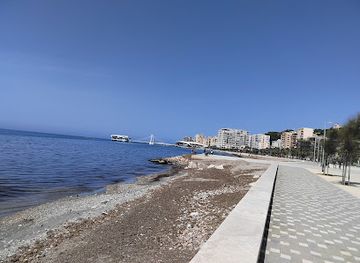
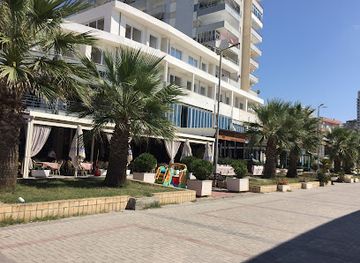
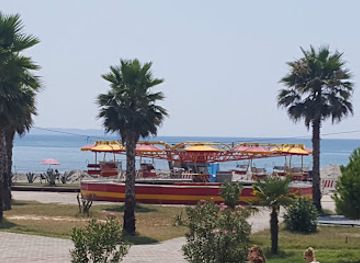
The Durrës Coast combines an urban archaeological destination with a broad Adriatic beach resort area. In central Durrës, the Roman amphitheatre is the principal historical attraction, while the archaeological museum and surviving sections of the ancient and Byzantine city help explain the importance of the port. The old walls, Venetian Tower and Byzantine Forum add further evidence of the city’s layered past. South of the centre, the long urban beach gives way to the resort belt around Shkëmbi i Kavajës and Golem, where swimming, promenades, casual dining and family-oriented seaside accommodation dominate. The coast is generally flat and accessible rather than rugged, making it suitable for relaxed walking and beach time rather than dramatic cliff scenery. Visitors interested in everyday Albanian life can combine the shoreline with markets, cafés and the working port atmosphere of Durrës. The surrounding coastal plain also provides views towards low hills and agricultural land, although development is dense in the principal resort sections. Cultural sightseeing is strongest in Durrës itself, while the southern shore is primarily oriented towards leisure, accommodation and seasonal seaside activity.
-
Historical landmark
Durrës Amphitheatre
Discover the ancient Durrës Amphitheatre, the largest Roman arena in the Balkans, and explore Albania's captivating Roman and Christian history.
-
Castle
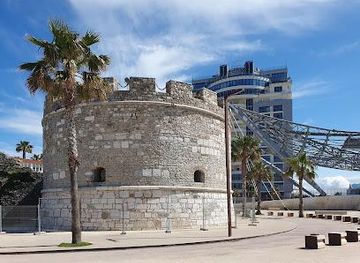
Venetian Tower of Durrës
Explore the Venetian Tower of Durrës: A historical sentinel offering panoramic views and a glimpse into Albania's rich past.
-
Tourist attraction
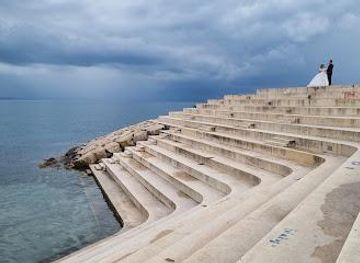
Sfinksi
A modern coastal landmark in Durrës, offering panoramic sea views and a vibrant atmosphere on the popular Vollga promenade.
-
Archaeological museum
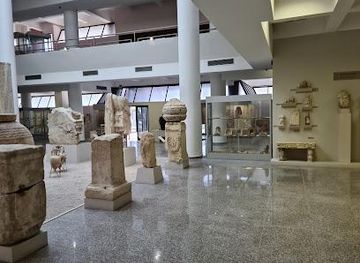
National Archaeological Museum
Discover Albania's ancient past at the National Archaeological Museum in Durrës, home to a vast collection of artifacts from Illyrian, Roman, and Byzantine eras.

Best landmarks in Durres Coast
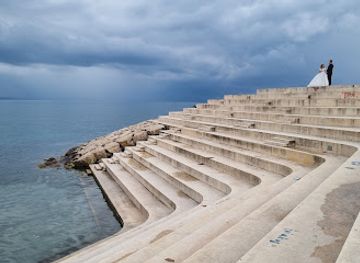
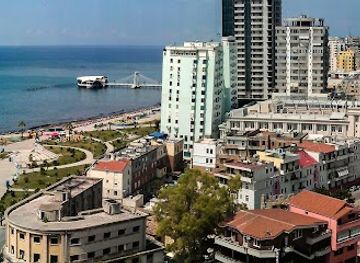
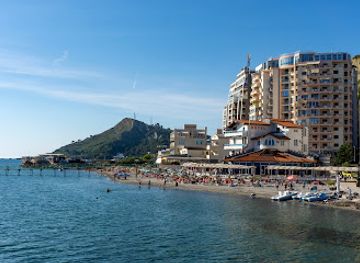
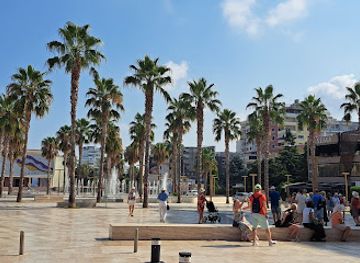
The Roman Amphitheatre of Durrës is the coast’s defining landmark, a substantial ancient structure built within the city and a visible reminder of Dyrrachium’s Roman importance. Nearby sections of the Byzantine and medieval walls show how the settlement was repeatedly fortified as control of the Adriatic shifted between empires and regional powers. The Venetian Tower, incorporated into the historic defensive landscape, is one of the most recognisable surviving structures in the centre. The remains of the Byzantine Forum are less visually complete but historically important, revealing the civic scale of late antique Durrës. The broad city waterfront and long sandy beach form the principal modern landmarks, contrasting sharply with the dense historic core. Further south, the Shkëmbi i Kavajës coastal area and Golem shoreline are recognisable for their continuous resort development and open Adriatic outlook, although they are contemporary holiday landscapes rather than ancient monuments. Together, these places express the coast’s central contrast: a port city built over millennia beside a modern, heavily seasonal beach destination.
-
Historical landmark
Durrës Amphitheatre
Explore the ancient Roman Amphitheatre of Durrës, the largest in the Balkans, and discover its hidden chapel and rich history.
-
Castle
Venetian Tower of Durrës
Explore Durrës' Venetian Tower: a historic fortress transformed into a modern heritage center with stunning views and immersive multimedia experiences.
-
Tourist attraction
Sfinksi
Discover Sfinksi in Durrës: Where modern architecture meets the Adriatic, offering stunning views and a vibrant coastal experience.
-
Archaeological museum
Muzeu Kombëtar Arkeologjik
Discover Albania's ancient past at Durrës Archaeological Museum: Explore artifacts from prehistoric, Greek, Roman, and Byzantine eras.
Explore Durres Coast on the map
Plan your trip on one map. See where the top cities, national parks and sights are, and book hotels and experiences in a few clicks.
Best hotels in Durres Coast
Best restaurants in Durres Coast
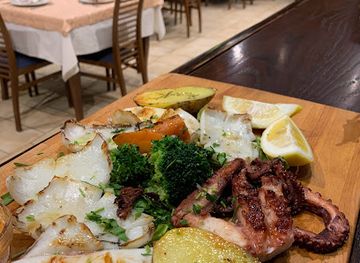
Dining along the Durrës Coast is shaped by the Adriatic, with fish, prawns, squid, mussels and other seafood appearing prominently in restaurants around the waterfront and resort belt. Menus often combine Mediterranean preparation with Albanian home cooking, including grilled meats, salads, vegetable dishes, byrek and tavë kosi. Durrës has the broadest choice, from cafés and bakeries to family-run restaurants and more polished establishments, while Golem and Shkëmbi i Kavajës focus heavily on casual seaside dining and hotel restaurants. Albanian wines, local spirits and strong coffee are widely available, and fresh produce from the agricultural plain regularly appears in seasonal dishes. Prices, portions and service styles vary considerably between the historic city, the main promenade and the larger resorts, so reading the menu carefully is sensible. Fish is not necessarily locally caught, and the availability of particular species changes with season and supply.
-
Restaurant
Bar-Restorant Spiranca
Discover authentic Albanian cuisine at Bar-Restorant Spiranca in Durrës - where fresh seafood meets traditional flavors.
-
Restaurant
Kodra e Kuajve
Experience exquisite dining at Kodra e Kuajve in Durrës—where stunning views meet exceptional Albanian cuisine.
-
Italian
Spaghetteria Luli
Experience the best of Italian cuisine at Spaghetteria Luli in Durrës, Albania – where flavor meets hospitality on the Adriatic coast.
-
Restaurant
Meison Bistro
Experience the authentic taste of Albania at Meison Bistro in Durrës - where local flavors meet Mediterranean charm.
Best bars in Durres Coast
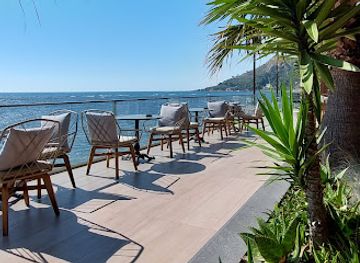
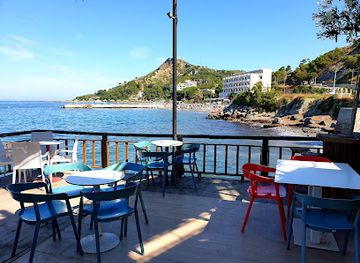
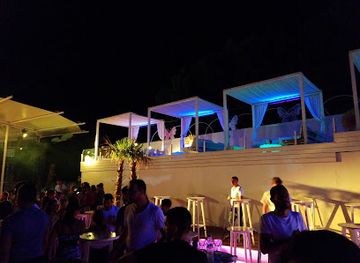
Evening life is concentrated in Durrës and along the developed beachfronts south of the city. Central Durrës offers cafés, gelaterias, bars and restaurants around the waterfront and promenade, with activity continuing later during the summer season. Golem and Shkëmbi i Kavajës have a more resort-based evening scene, centred on hotel bars, casual cocktail venues, beach cafés and restaurants rather than a dense, year-round club district. Some establishments add music or dancing in high season, but opening arrangements and venue identities can change. Outside summer, nightlife is noticeably quieter, particularly in the resort belt, where locals and visitors tend to spend evenings in restaurants or cafés. A relaxed drink overlooking the sea is more characteristic of the coast than an extensive nightclub circuit, while Durrës provides the widest choice of late venues and cultural entertainment.
-
Lounge
W Vollga Lounge
Discover the charm of W Vollga Lounge in Durrës, where relaxation meets style amidst a vibrant atmosphere.
-
Bar
ZINS
Experience the vibrant atmosphere and stunning coastal views at ZINS, a top bar and lounge in Durrës, Albania.
-
Lounge
Sunset Bar
Experience the mesmerizing sunset views at Sunset Bar, a perfect lounge for relaxation by the beautiful Currila Beach in Durrës, Albania.
-
Restaurant
Rooftop XV
Discover Rooftop XV in Durrës, Albania – where breathtaking views meet delicious cuisine in a vibrant rooftop setting.
Best nightclubs in Durres Coast
Evening life is concentrated in Durrës and along the developed beachfronts south of the city. Central Durrës offers cafés, gelaterias, bars and restaurants around the waterfront and promenade, with activity continuing later during the summer season. Golem and Shkëmbi i Kavajës have a more resort-based evening scene, centred on hotel bars, casual cocktail venues, beach cafés and restaurants rather than a dense, year-round club district. Some establishments add music or dancing in high season, but opening arrangements and venue identities can change. Outside summer, nightlife is noticeably quieter, particularly in the resort belt, where locals and visitors tend to spend evenings in restaurants or cafés. A relaxed drink overlooking the sea is more characteristic of the coast than an extensive nightclub circuit, while Durrës provides the widest choice of late venues and cultural entertainment.
-
Lounge
W Vollga Lounge
Experience the stylish ambiance of W Vollga Lounge in Durrës, where modern elegance meets the charm of Albanian hospitality.
-
Cocktail bar
Illyrian Garden
Discover the vibrant Illyrian Garden in Durrës, a cocktail bar and lounge perfect for relaxation, socializing, and unforgettable moments.
-
Night club
Cinco Cavalli Summer Club
Discover the electrifying nightlife at Cinco Cavalli Summer Club, a premier beach club in Durrës, Albania, where unforgettable dance and music await.
-
Lounge
Posh Lounge
Discover the elegance of Posh Lounge in Durrës, Albania—a chic haven for relaxation with exquisite cocktails and delightful ambiance.

Best shops in Durres Coast
Shopping on the Durrës Coast is practical and predominantly local in character. Central Durrës has the broadest selection of everyday shops, bakeries, supermarkets, cafés and small independent retailers, while the promenade and resort belt offer beachwear, footwear, souvenirs, toys and seasonal holiday goods. Visitors can look for Albanian olive oil, honey, mountain herbs, preserves, wine and raki, although quality and provenance vary, so specialist food shops are preferable to anonymous souvenir displays. Small markets and produce stalls reflect the agricultural hinterland around the coastal plain, with fruit and vegetables changing according to season. Golem and Shkëmbi i Kavajës are oriented towards visitors and accommodation supplies rather than distinctive craft shopping. For antiques, books, clothing and a wider range of services, Durrës is more useful than the resort areas. Bargaining is not standard in established shops, but prices at informal stalls should be clarified before purchase.
-
Historical landmark
Durrës Amphitheatre
Explore the Durrës Amphitheatre, a monumental Roman relic that embodies the rich cultural heritage of Albania, perfect for history lovers and curious travelers.
-
Archaeological museum
Muzeu Kombëtar Arkeologjik
Explore the rich history of Albania at Muzeu Kombëtar Arkeologjik, an archaeological museum in Durrës showcasing fascinating artifacts from ancient times.
-
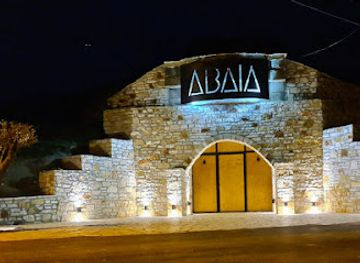
Winery
Abaia Winery and Vineyard
Discover the flavors of Albania at Abaia Winery and Vineyard, where exquisite wines and authentic cuisine await in a picturesque setting.
-
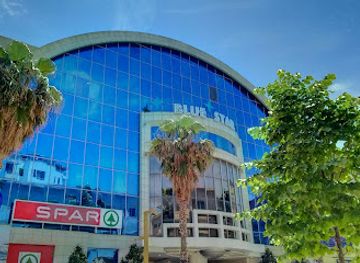
Shopping mall
Qendra Tregtare Blue Star
Experience the vibrant shopping and dining culture at Qendra Tregtare Blue Star in Durrës, a perfect blend of local charm and modern amenities.
Get your free copy of our complete guide to Durres Coast, delivered straight to you.
Everything on this page, from attractions and restaurants to essentials and local phrases, in one PDF you can read offline, print or share.
Already have an account? Sign in
Your Durres Coast guide is ready.
We'll send it to · Not you? Sign out

Getting your guide ready…
We are putting together a fresh copy of the Durres Coast guide. This can take up to a minute.
This can take a few moments. If your browser asks, choose Allow so the download can start. You'll find the guide in your Downloads folder.
Nothing happened? Download it again
Sorry, the guide is taking longer than usual. Please try again in a minute, or get it by email instead.
Durres Coast essentials
Currency and Payment
Safety
Emergency Situations
Do's and Don'ts
Local Tips
From Eve
Local phrases worth knowing
You don't need to get them perfect. A few words go a long way, and locals appreciate the effort.
Basics
| English | Local | Say it |
|---|---|---|
| Hello | Përshëndetje | [Për-shen-de-tje] |
| Goodbye | Mirupafshim | [Mee-roo-paf-sheem] |
| Yes | Po | [Po] |
| No | Jo | [Yo] |
| Please/You're welcome | Të lutem/ S'ka përse | [Te loo-tem/ S'ka per-se] |
| Thank you | Faleminderit | [Fa-le-min-de-rit] |
| Excuse me/Sorry | Më falni | [Me fal-nee] |
| How are you? | Si jeni? | [See ye-nee?] |
| Fine. And you? | Mirë. Edhe ju? | [Meer. Edh-e yoo?] |
| Do you speak English? | A flisni anglisht? | [A flee-snee an-glisht?] |
| I don't understand | Nuk kuptoj | [Nook koop-toy] |
Eating & Drinking
| English | Local | Say it |
|---|---|---|
| I'd like to see the menu, please | Do doja të shoh menunë, të lutem | [Do do-ya te shoh me-nu-ne, te loo-tem] |
| I don't eat meat | Nuk ha mish | [Nook ha meesh] |
| Cheers! | Gëzuar! | [Ghe-zu-ar!] |
| I would like to pay, please | Do doja të paguaj, të lutem | [Do do-ya te pa-gua-y, te loo-tem] |
Emergencies
| English | Local | Say it |
|---|---|---|
| Help! | Ndihmë! | [Ndee-hme!] |
| Go away! | Shkoni! | [Shko-nee!] |
| Call the Police! | Thirrni policinë! | [Theer-nee po-lee-chee-neh!] |
| Call a doctor! | Thirrni një mjek! | [Theer-nee nye myek!] |
| I'm lost | Jam humbur | [Yam hoom-boor] |
| I'm ill | Jam i sëmurë | [Yam ee s'emoor-eh] |
Shopping
| English | Local | Say it |
|---|---|---|
| I'd like to buy... | Do doja të blej... | [Do do-ya te bleh...] |
| I'm just looking | Po shikoj vetëm | [Po shee-koy vet-em] |
| How much is it? | Sa kushton? | [Sa koosh-ton?] |
| That's too expensive | Kjo është shumë e shtrenjtë | [Kyo esht shoom e shtrayn-të] |
| Can you lower the price? | A mund të ulni çmimin? | [A moond te ul-nee chmee-nin?] |
Time & Numbers
| English | Local | Say it |
|---|---|---|
| What time is it? | Sa është ora? | [Sa esht ora?] |
| It's one o'clock | Është një orë | [Esht nye or-ë] |
| Half past (10) | Gjashtë e gjysmë | [Jasht e ghee-sme] |
| Morning | Mëngjes | [Mun-jes] |
| Afternoon | Dita e mesme | [Dee-ta e mes-me] |
| Evening | Mbrëmje | [Mbreem-ye] |
| Yesterday | Dje | [Dye] |
| Today | Sot | [Sot] |
| Tomorrow | Nesër | [Nes-er] |
| 1 | Një | [Nye] |
| 2 | Dy | [Dye] |
| 3 | Tre | [Tre] |
| 4 | Katër | [Ka-ter] |
| 5 | Pesë | [Pe-se] |
| 6 | Gjashtë | [Jasht] |
| 7 | Shtatë | [Shta-te] |
| 8 | Tetë | [Te-te] |
| 9 | Nëntë | [Nën-te] |
| 10 | Dhjetë | [Dhe-te] |
Transport & Directions
| English | Local | Say it |
|---|---|---|
| Where's a/the...? | Ku është një...? | [Koo esht nye...?] |
| What's the address? | Cila është adresa? | [Tsee-la esht a-dre-sa?] |
| Can you show me (on the map)? | A mund të më tregoni (në hartë)? | [A moond te me tre-go-nee (ne har-te)?] |
| When's the next (bus)? | Kur është autobusi tjetër? | [Koor esht au-to-boo-see tye-ter?] |
| A ticket (to ....) | Një biletë (për ...) | [Nye bee-le-ta (per ...)] |
History of Durres Coast
Epidamnus and the Greek Colonial Period
Ancient Epidamnus was founded on the site of modern Durrës in the late seventh century BC by settlers associated with Corinth and Corcyra. Its harbour and position on the Adriatic made it an important centre of exchange between the Greek world and the inland Balkans. The city’s political history was significant beyond its size: internal conflict at Epidamnus contributed to the chain of events that helped trigger the Peloponnesian War. Archaeological remains beneath modern Durrës testify to the density and importance of the ancient settlement.
Roman Dyrrachium and the Via Egnatia
Rome took control of Dyrrachium during the second century BC, and the city became one of the western gateways to the Balkans. It served as the Adriatic starting point of the Via Egnatia, the major Roman route running eastwards through Macedonia and Thrace towards Byzantium. The harbour supported military movement and commercial exchange, while the urban fabric expanded with theatres, public buildings and infrastructure. The Roman amphitheatre surviving in central Durrës is the clearest monumental reminder of this period.
Late Antiquity and Byzantine Dyrrachium
Dyrrachium remained strategically important after the division of the Roman Empire and became a major Byzantine stronghold on the Adriatic. Earthquakes and political change repeatedly altered the city, but its harbour, walls and administrative role endured. The Byzantine Forum and sections of the defensive circuit reflect the city’s late antique and medieval importance. Durrës was also an ecclesiastical centre, linking the Adriatic coast with the wider religious and political networks of the eastern Mediterranean.
Medieval Rivalries and Venetian Influence
During the Middle Ages, Durrës was contested by Byzantine rulers, Norman and Angevin powers, Venetian interests and regional Albanian lordships. Its harbour made it a valuable point of access to the interior, while control of the city influenced maritime routes across the Adriatic. Venetian influence became especially visible in the fortifications and urban administration, although the city’s political allegiance changed repeatedly. These rivalries left a layered defensive landscape rather than a single, uniform medieval identity.
Ottoman Durrës
The Ottoman conquest brought Durrës into a new imperial system, although the city’s importance fluctuated as harbours and trade routes changed. Fortifications, religious buildings and elements of the urban structure were adapted to Ottoman needs, while the surrounding plain remained connected to agriculture and regional commerce. The Ottoman period lasted for several centuries and shaped the city’s demographic, architectural and economic development. Modern Durrës retains only fragments of this landscape, partly because later rebuilding transformed much of the historic centre.
Independence and the Modern Port
Following the creation of the Albanian state in 1912–13, Durrës became increasingly important as Albania’s principal maritime gateway. Improvements to the port, roads and rail connections strengthened links with Tirana and the interior. During the twentieth century, particularly under communist rule, the coast developed as a domestic holiday area, with organised accommodation and public beaches. After the 1990s, rapid private construction and international tourism transformed the shoreline, producing the dense resort character visible today south of the historic city.
Durres Coast in Photos
Browse through our photo collection highlighting the charm and character of the destination.
Neighbouring regions of Durres Coast
The closest regions to Durres Coast, if you have time for more than one.
-

-

-

-

-


Swipe for more regions

