

Kruja, Albania Travel Guide
Explore Kruja, the historic Albanian town known for its rich heritage, stunning vistas, and vibrant bazaars, nestled in the foothills of Mount Kruja.
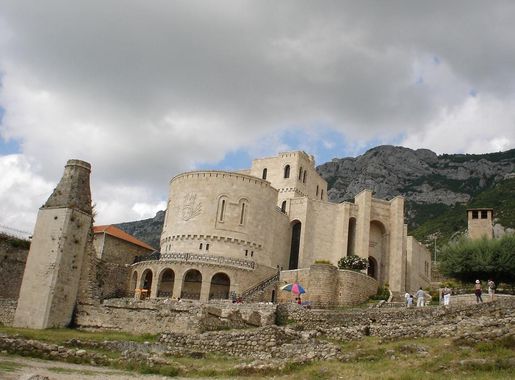
Kruja is a small, picturesque town in Albania, nestled in the foothills of Mount Kruja. Known as the hometown of Albania’s national hero, Skanderbeg, Kruja offers a rich tapestry of history and culture. Its cobbled streets and historic buildings transport visitors back in time, making it a must-visit for history enthusiasts and curious travelers alike. A highlight of Kruja is the Skanderbeg Museum, housed within the Kruja Castle. The museum offers a fascinating insight into the life and legacy of Skanderbeg, who led the resistance against the Ottoman Empire in the 15th century. The castle itself provides stunning views over the surrounding landscape, making it a perfect spot for photographers. Another gem in Kruja is the Old Bazaar, where you can wander through narrow alleys filled with shops selling traditional Albanian crafts, antiques, and souvenirs. The bazaar has a vibrant atmosphere, and it's a great place to buy unique gifts and taste local delicacies. Kruja also offers many opportunities for outdoor activities. Hiking trails around Mount Kruja provide scenic routes for nature lovers. The Ethnographic Museum, located in a beautifully preserved Ottoman-era house, is a delightful peek into traditional Albanian life. This blend of natural beauty and historical significance makes Kruja a captivating destination for all types of travelers.

Know before you go
Hi, I'm Eve. Here are a few practical things to know before exploring Kruja.
- Visit early in the morning to avoid crowds, especially at popular sites like the Skanderbeg Museum and Kruja Castle.
- Wear comfortable walking shoes as the town's cobbled streets can be uneven.
- Don't miss out on the local cuisine. Try traditional dishes like Tave Kosi and Byrek at local restaurants.
- Bring cash, as some shops in the Old Bazaar may not accept credit cards.
- Hire a local guide for a more in-depth understanding of Kruja's history and culture.
Top City Travel Guides in Kruja
The cities of Kruja, and the easiest places to base yourself.

Explore Kruja: Things to Do, Places to Eat, Hotels & More
Handpicked recommendations for top attractions, local dining, accommodations, and more

Top Attractions & Sightseeing in Kruja
Top-rated picks
Best Attractions

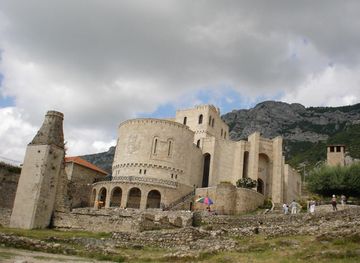
Castle of Kruja
Explore Kruja Castle: a symbol of Albanian resistance, offering history, stunning views & cultural immersion in a medieval setting.

Gjergj Kastrioti National Museum (Skanderbeg)
Explore Albanian history and honor the legendary Skanderbeg at this museum within the historic Krujë Castle. A symbol of resistance and national pride.

Dajti Ekspres (Stacioni i poshtëm/Lower station)
Ascend to the peaks of Dajti Mountain via the Balkans' longest cable car for panoramic views, outdoor adventures, and a breath of fresh air above Tirana.

Ethnographic Museum of Kruja
Discover Albania's cultural heritage at the Ethnographic Museum of Kruja, housed in an Ottoman-era building with authentic artifacts & interactive exhibits.

Best landmarks in Kruja
Top-rated picks
Best Landmarks
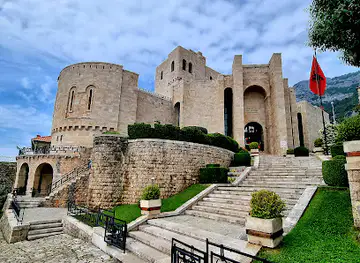
Castle of Kruja
Explore the historic Castle of Kruja, a symbol of Albanian resistance and home to the Skanderbeg Museum, offering stunning views and cultural experiences.

Gjergj Kastrioti National Museum (Skanderbeg)
Explore the life of Albania's national hero, Skanderbeg, within the walls of the historic Krujë Castle. A journey through Albanian history and resilience.

Kruja Bazaar
Discover traditional Albanian crafts and souvenirs in the historic Kruja Bazaar, a vibrant marketplace with centuries of trading history.
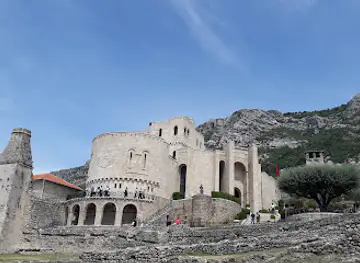
Ethnographic Museum of Kruja
Discover Albania's rich cultural heritage at the Ethnographic Museum of Kruja, showcasing traditions, crafts, and daily life through the centuries.

Best restaurants in Kruja
Top-rated picks
Best Restaurants

Bar Restorant Bardhi Agroturizëm
Experience authentic Albanian cuisine at Bar Restorant Bardhi Agroturizëm in Krujë - where tradition meets flavor in every dish.

Rooms&Restaurant "EMILIANO" (Castle of Kruja)
Savor exquisite Albanian cuisine with breathtaking views at Rooms & Restaurant 'Emiliano' in the historic Castle of Kruja.

Brazil Restaurant
Experience authentic Albanian cuisine at Brazil Restaurant in Arrameras - a must-visit for food lovers exploring Albania.

Bar Restaurant Horizont Kruje
Experience authentic Albanian cuisine with stunning views at Bar Restaurant Horizont in beautiful Krujë.

Best bars in Kruja
Top-rated picks
Best Bars

Bar Restorant Bardhi Agroturizëm
Discover the flavors of Albania at Bar Restorant Bardhi Agroturizëm, where traditional dishes and pizza come together in a stunning Krujë setting.

Bar Restaurant Horizont Kruje
Discover the flavors of Albania at Bar Restaurant Horizont in Krujë, where delicious cuisine meets breathtaking views.

Bar Restaurant Horizont & Free Camping Kruje
Discover the flavors of Albania at Bar Restaurant Horizont & Free Camping in picturesque Krujë, a perfect blend of culinary delight and nature.

Restaurant KROI
Experience the authentic flavors of Albania at Restaurant KROI, offering delicious local cuisine and stunning views in Krujë.

Best nightclubs in Kruja
Top-rated picks
Best Nightclubs

Living Room Antik
Discover the lively nightlife of Tirana at Living Room Antik, a top-rated night club and beer hall known for its exceptional cocktails and vibrant atmosphere.

Cinco Cavalli Premium Club
Experience the electrifying nightlife of Albania at Cinco Cavalli Premium Club, a top destination for unforgettable dance and entertainment.

Sky Club
Discover Tirana's vibrant nightlife at Sky Club, where breathtaking views meet electrifying beats for an unforgettable experience.

Magic Club
Discover the electrifying nightlife of Tirana at Magic Club, a vibrant hub for music lovers and party enthusiasts alike.

Best shops in Kruja
Top-rated picks
Best Shops

Kruja Bazaar
Discover the charm of Kruja Bazaar, a vibrant marketplace filled with handcrafted treasures and a taste of Albanian culture.

Souvenir EAS
Discover unique Albanian souvenirs at Souvenir EAS, where cultural heritage meets exquisite craftsmanship for your perfect keepsake.

Souvenir Albani
Discover unique handcrafted souvenirs and jewelry at Souvenir Albani in Krujë, where local artistry meets cultural heritage.

Old Bazaar of Kruja
Explore the Old Bazaar of Kruja, a vibrant marketplace filled with history, artisan shops, and the essence of Albanian culture.

Explore Kruja on the Map
A handpicked selection of must-see spots in Kruja, mapped for you.
Kruja Essentials
-
Kruja is conveniently located about 20 kilometers northwest of Tirana, the capital city of Albania. The nearest airport is Tirana International Airport (TIA), also known as Mother Teresa Airport. From the airport, you can take a taxi directly to Kruja, which typically takes around 30-40 minutes. Alternatively, you can take a bus or a shuttle service to Tirana and then transfer to a bus or taxi to reach Kruja. Public buses from Tirana to Kruja depart from the Regional Bus Terminal (North and South Albania) and the journey takes approximately 1 hour.
-
Kruja is a small town, making it easy to explore on foot. The historical center, including the bazaar and the castle, is best navigated by walking. For longer distances or visits to surrounding areas, taxis are readily available and reasonably priced. Public buses and minibuses (furgons) also operate within the region, connecting Kruja to nearby towns and villages. Car rentals are available in Tirana for those who prefer to explore at their own pace.
-
The official currency in Albania is the Albanian Lek (ALL). While credit cards are accepted in some hotels, restaurants, and larger shops, it is advisable to carry cash, especially when shopping at local markets or eating at smaller establishments. ATMs are available in Kruja, but it is a good idea to withdraw sufficient cash in Tirana before heading to Kruja to ensure you have enough funds for your trip.
-
Kruja is generally a safe destination for tourists. However, it is wise to take standard precautions to ensure a trouble-free visit. Avoid walking alone at night in unfamiliar areas and keep an eye on your belongings in crowded places, such as the bazaar. While Kruja does not have specific high-crime areas targeting tourists, it is always best to stay vigilant and aware of your surroundings.
-
In case of emergency, dial 112 for immediate assistance. The local police station and medical facilities are available in Kruja. It is recommended to have travel insurance that covers medical emergencies. For minor health issues, there are pharmacies in the town where you can purchase over-the-counter medications. Be sure to know the location of your country's embassy or consulate in Albania for additional support if needed.
-
Fashion: Do dress modestly, especially when visiting religious sites. Avoid wearing overly revealing clothing. Religion: Do respect local customs and traditions. When visiting mosques or religious sites, dress conservatively and remove your shoes if required. Public Transport: Do be respectful and give up your seat to elderly passengers. Don't eat or drink on public transport. Greetings: Do greet people with a handshake; a simple 'Përshëndetje' (Hello) is appreciated. Eating & Drinking: Do try local delicacies and accept food offerings graciously. Don't refuse hospitality, as it is considered impolite.
-
To experience Kruja like a local, visit the Old Bazaar (Pazari i Vjetër) where you can buy traditional Albanian crafts and souvenirs. Engage with locals, who are often friendly and willing to share stories about the town's history and culture. Don't miss visiting the Kruja Castle and the Skanderbeg Museum, which offer insights into Albania's national hero. For a unique experience, hike up to the top of Mount Kruja for panoramic views of the surrounding area. Try local dishes such as 'tavë kosi' (baked lamb with yogurt) and 'byrek' (savory pastry).
When is the best time to visit Kruja?
Useful Local Phrases for Kruja
You don't need to speak the language perfectly. Even learning a few simple words can make conversations warmer—and locals usually appreciate the effort.
— Eve

Here are the phrases I use most often in Kruja. Try a few—you'll be surprised how far they go! 😊
❤️
-
- HelloPërshëndetje
[Për-shën-de-tje] - GoodbyeMirupafshim
[Mi-ru-paf-shim] - YesPo
[Po] - NoJo
[Jo] - Please/You're welcomeTë lutem/Me kënaqësi
[Të lu-tem/Me kë-naq-si] - Thank youFaleminderit
[Fa-le-min de-rit] - Excuse me/SorryMë falni
[Më fal-ni] - How are you?Si jeni?
[Si ye-ni?] - Fine. And you?Mirë. Edhe ti?
[Mir-ë. E-dhe ti?] - Do you speak English?A flisni anglisht?
[A flis-ni an-glisht?] - I don't understandNuk kuptoj
[Nuk kup-toj]
- HelloPërshëndetje
-
- I'd like to see the menu, pleaseDo doja të shoh menunë, të lutem
[Do do-ja të sho-h me-nu-në, të lu-tem] - I don't eat meatNuk ha mish
[Nuk ha mish] - Cheers!Gëzuar!
[Gë-zu-ar] - I would like to pay, pleaseDo doja të paguaj, të lutem
[Do do-ja të pa-guaj, të lu-tem]
- I'd like to see the menu, pleaseDo doja të shoh menunë, të lutem
-
- Help!Ndihmë!
[Ndi-hmë] - Go away!Shkoni!
[Sh-ko-ni] - Call the Police!Thirrni policinë!
[Thir-rni po-li-ci-në] - Call a doctor!Thirrni një doktor!
[Thir-rni një dok-tor] - I'm lostJam humbur
[Jam hum-bur] - I'm illJam i sëmurë
[Jam i së-murë]
- Help!Ndihmë!
-
- I'd like to buy...Do doja të blej...
[Do do-ja të blej...] - I'm just lookingPo shoh vetëm
[Po sho-h ve-tëm] - How much is it?Sa kushton?
[Sa kushton?] - That's too expensiveKjo është shumë e shtrenjtë
[Kjo është shumë e shtrenjtë] - Can you lower the price?A mund ta ulni çmimin?
[A mund ta ul-ni ç-mi-n?]
- I'd like to buy...Do doja të blej...
-
- What time is it?Sa është ora?
[Sa është o-ra?] - It's one o'clockËshtë një orë
[Është një o-rë] - Half past (10)Gjysmë pas (10)
[Gjys-më pas (10)] - MorningMëngjes
[Më-ngjes] - AfternoonPasdite
[Pas-di-te] - EveningMbrëmje
[Mbrëm-je] - YesterdayDje
[Dje] - TodaySot
[Sot] - TomorrowNesër
[Ne-sër] - 1Një
[Një] - 2Dy
[Dy] - 3Tre
[Tre] - 4Katër
[Ka-tër] - 5Pesë
[Pe-së] - 6Gjashtë
[Gjashtë] - 7Shtatë
[Shta-të] - 8Tetë
[Te-të] - 9Nëntë
[Nën-të] - 10Dhjetë
[Dhi-e-të]
- What time is it?Sa është ora?
-
- Where's a/the...?Ku është një...?
[Ku është një...?] - What's the address?Cila është adresa?
[Ci-la është a-dre-sa?] - Can you show me (on the map)?Mund të më tregoni (në hartë)?
[Mund të më tre-go-ni (në har-të)?] - When's the next (bus)?Kur është autobuzi tjetër?
[Kur është au-to-bu-zi tjetër?] - A ticket (to ....)Një biletë (për....)
[Një bi-le-të (për....)]
- Where's a/the...?Ku është një...?
History of Kruja
-
Kruja, a town nestled in the mountains of north-central Albania, has a rich history that dates back to ancient times. It was an important center for the Illyrians, the ancient peoples who inhabited the western Balkans. Archaeological evidence suggests that Kruja was a fortified settlement as early as the 3rd century BC.
-
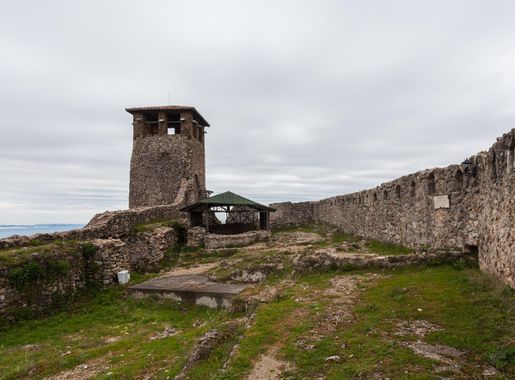
The Kruja Castle, known locally as Kalaja e Krujës, is one of the most significant historical landmarks in Albania. Constructed in the 5th or 6th century, the castle has witnessed numerous battles and served as a stronghold for various rulers. Its strategic location made it a focal point for defense against invaders.
-
Kruja is perhaps most famous for its association with Gjergj Kastrioti, better known as Skanderbeg. In the 15th century, Skanderbeg led a rebellion against the Ottoman Empire from Kruja Castle. Between 1443 and 1468, the castle withstood several major sieges by the Ottomans, becoming a symbol of Albanian resistance and national pride.
-
After Skanderbeg's death, Kruja eventually fell to the Ottomans in 1478. The town remained under Ottoman rule for several centuries, during which time it experienced significant cultural and architectural influences. Many buildings in Kruja, including mosques and traditional houses, reflect the Ottoman architectural style.
-
One of Kruja's cultural highlights is its old bazaar, known as Pazari i Vjetër. Dating back to the Ottoman period, the bazaar is a labyrinth of cobblestone streets lined with shops selling traditional Albanian crafts, including handmade rugs, silverware, and wooden carvings. The bazaar offers a glimpse into the town's vibrant commercial past.
-
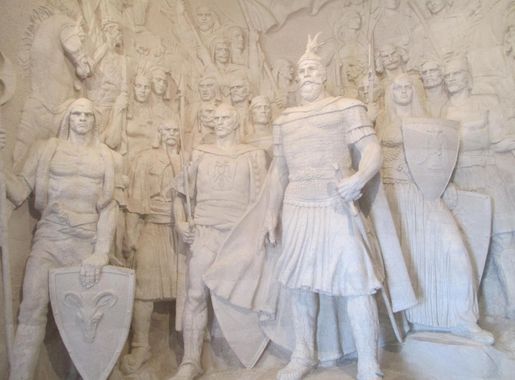
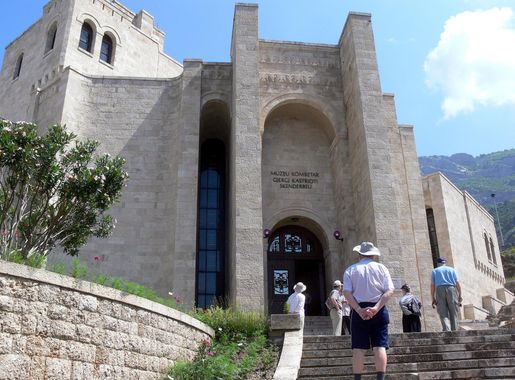
Located within the Kruja Castle, the National Museum of Skanderbeg is dedicated to the life and legacy of Albania's national hero. The museum houses an impressive collection of artifacts, documents, and exhibits that chronicle Skanderbeg's battles against the Ottoman Empire and his enduring impact on Albanian history.
-
Another significant cultural institution in Kruja is the Ethnographic Museum, situated in a traditional Ottoman-era house. The museum offers an in-depth look at the daily lives, customs, and traditions of the people of Kruja and the surrounding region. It features a variety of exhibits, including traditional clothing, household items, and tools.
-
In the early 20th century, Kruja played a role in the Albanian struggle for independence from the Ottoman Empire. The town has since evolved, balancing its rich historical heritage with modern development. Today, Kruja remains a vital cultural and historical center, attracting visitors from around the world.
Neighbouring Regions of Kruja
The closest regions to Kruja, if you have time for more than one.



Your all‑in‑one travel companion app
Explore expert travel guides, compare and book tours, experiences, hotels, and more—all from the palm of your hand. Download now for seamless trip planning wherever your wanderlust takes you.


Explore More of Albania

Looking beyond Kruja? Discover Albania for broader travel guides, local hot-spots, and regional highlights.
Explore AlbaniaKruja in Photos
Browse through our photo collection highlighting the charm and character of the destination.





Kruja: The Historic Heart of Albania
Kruja is a small, picturesque town in Albania, nestled in the foothills of Mount Kruja. Known as the hometown of Albania’s national hero, Skanderbeg, Kruja offers a rich tapestry of history and culture. Its cobbled streets and historic buildings transport visitors back in time, making it a must-visit for history enthusiasts and curious travelers alike. A highlight of Kruja is the Skanderbeg Museum, housed within the Kruja Castle. The museum offers a fascinating insight into the life and legacy of Skanderbeg, who led the resistance against the Ottoman Empire in the 15th century. The castle itself provides stunning views over the surrounding landscape, making it a perfect spot for photographers. Another gem in Kruja is the Old Bazaar, where you can wander through narrow alleys filled with shops selling traditional Albanian crafts, antiques, and souvenirs. The bazaar has a vibrant atmosphere, and it's a great place to buy unique gifts and taste local delicacies. Kruja also offers many opportunities for outdoor activities. Hiking trails around Mount Kruja provide scenic routes for nature lovers. The Ethnographic Museum, located in a beautifully preserved Ottoman-era house, is a delightful peek into traditional Albanian life. This blend of natural beauty and historical significance makes Kruja a captivating destination for all types of travelers.