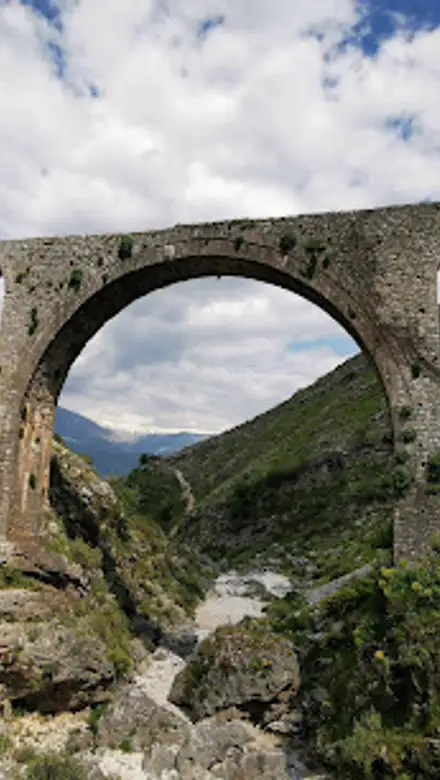
Ali Pasha Bridge Travel Guide
Free Guide: Discover the historical Ali Pasha Bridge near Gjirokaster, a hidden gem showcasing Ottoman engineering and offering a scenic escape.


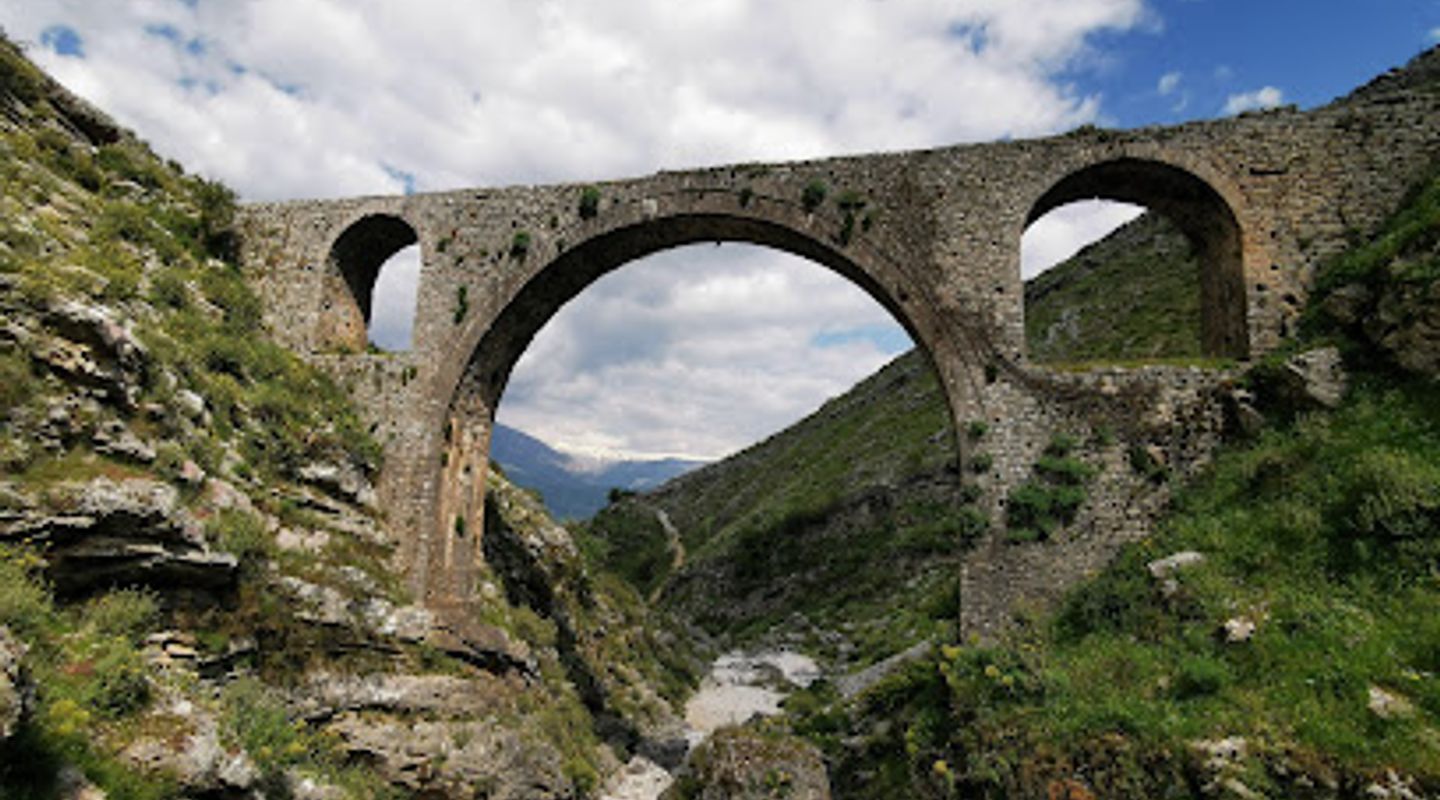
A brief summary of Ali Pasha Bridge
Discover the historical Ali Pasha Bridge near Gjirokaster, a hidden gem showcasing Ottoman engineering and offering a scenic escape.
The Ali Pasha Bridge, located near Gjirokaster, Albania, is a remnant of a 19th-century aqueduct system commissioned by Ali Pasha of Tepelenë to supply water to Gjirokaster Castle. Though much of the aqueduct was destroyed in 1932, the remaining bridge offers a glimpse into the region's Ottoman past and provides a scenic, off-the-beaten-path destination for tourists.
Opening hours
- Every dayOpen 24 hours
Opening hours as listed on the venue’s Google Business Profile. Hours can change for services and special events, so check with the venue before you go.
- Address
- 347J+VM5, Rruga Hito Lekdushi, Gjirokaster, Albania
Getting there
Walking
Taxi
Public Transport
Discover more about Ali Pasha Bridge
Overview
Nestled in a valley a short distance from Gjirokaster's cobblestone streets, the Ali Pasha Bridge stands as a reminder of Ottoman-era ingenuity. Constructed in the early 19th century under the patronage of Ali Pasha of Tepelenë, the bridge was part of an ambitious aqueduct system designed to provide a reliable water source for the Gjirokaster Castle. At the time, the castle lacked a natural water supply, making the aqueduct crucial for its function.The aqueduct, stretching approximately 12 kilometers, transported water from Mount Sopot to the castle's cisterns. The bridge itself is an impressive structure, measuring 40 meters in length, 2.3 meters in width, and 16 meters in height. Constructed from stone, it showcases the craftsmanship of Gjirokaster's stonemasons. Edward Lear, a British poet and painter, captured the bridge's original form in his mid-19th-century painting, offering a historical glimpse of the structure.While a significant portion of the aqueduct was destroyed in 1932, the remaining section, known as the Ali Pasha Bridge, has become a popular destination for those seeking to explore beyond Gjirokaster's main attractions. The bridge is accessible via a hiking trail, approximately a 30-minute walk from Gjirokaster, offering visitors a chance to immerse themselves in the natural beauty of the surrounding landscape. The bridge is also known as Manalat Bridge or Dunavat Bridge, named after neighborhoods of Gjirokaster.
Evendo Review Centre
 Google
Guest reviews
Explore Ali Pasha Bridge on the map
A handpicked selection of must-see spots near Ali Pasha Bridge, mapped for you.
Get your free copy of our complete guide to Ali Pasha Bridge, delivered straight to you.
Everything on this page, from opening hours and how to get there to Eve’s tips and the best time to go, in one PDF you can read offline, print or share.
Already have an account? Sign in
Your Ali Pasha Bridge guide is ready.
We'll send it to · Not you? Sign out

Getting your guide ready…
We are putting together a fresh copy of the Ali Pasha Bridge guide. This can take up to a minute.
This can take a few moments. If your browser asks, choose Allow so the download can start. You'll find the guide in your Downloads folder.
Nothing happened? Download it again
Sorry, the guide is taking longer than usual. Please try again in a minute, or get it by email instead.
Unlock the best of Ali Pasha Bridge
Skip-the-line tickets, guided tours with entry, and walking tours of the area, booked in a few clicks.


Other nearby places you may find interesting
The closest places of the same kind, if this one is not quite what you had in mind.
-
-
-
-
-


Swipe for more places
More to explore near Ali Pasha Bridge

 Best experiences near Ali Pasha Bridge
 Best hotels near Ali Pasha Bridge
 Best landmarks near Ali Pasha Bridge
 Best attractions near Ali Pasha Bridge
 Best shops near Ali Pasha Bridge
 Best restaurants near Ali Pasha Bridge
 Best bars near Ali Pasha Bridge
Do you manage this location?
Take control to get all the benefits, like improved information, better appearance, and stronger visibility across AI-powered discovery.
Explore more
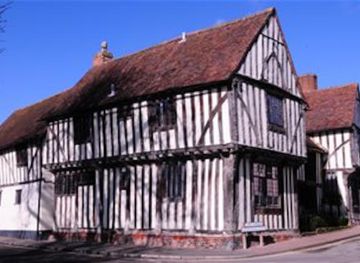
Explore more of Has
Experience the untouched beauty and rich cultural heritage of Has, Albania, a serene region perfect for nature lovers and history enthusiasts alike.
Explore Has
Explore more of Albania
Discover Albania: A land of untamed beauty, rich history, and warm hospitality, offering stunning beaches, rugged mountains, and vibrant cities.
Explore Albania