National Historical Museum: Albania's Story
Explore Albania's rich history at the National Historical Museum in Tirana, showcasing artifacts from ancient civilizations to the modern era.
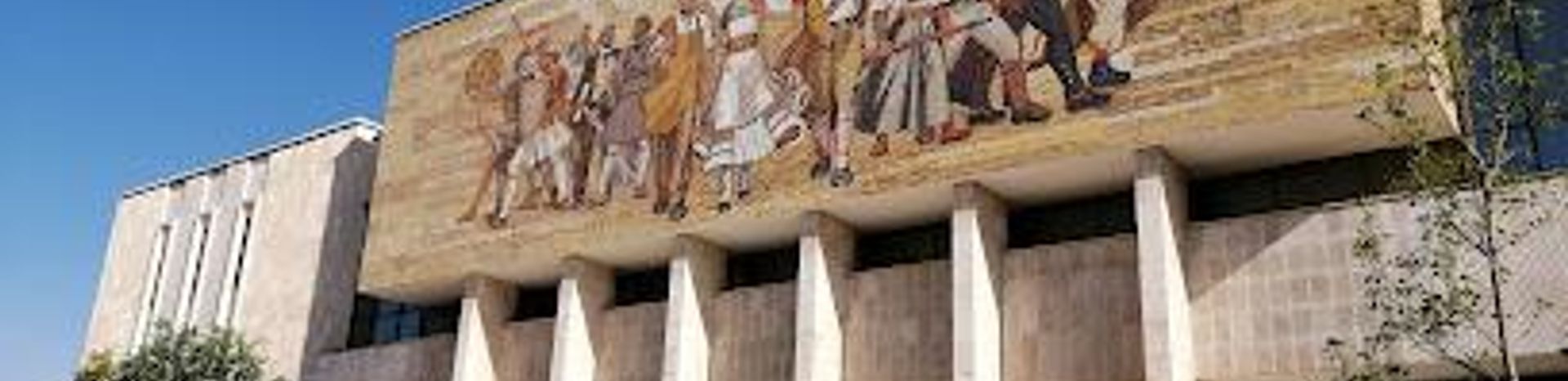
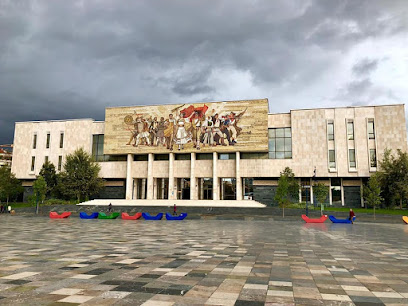
The National Historical Museum in Tirana is Albania's largest museum, offering a comprehensive journey through the country's history from ancient times to the post-communist era. Though currently undergoing renovations until 2028, its iconic facade and rich collection remain significant cultural landmarks.
A brief summary to National Historical Museum
- Sheshi Skënderbej 7, Tiranë, 1001, AL
- +35542223977
- Visit website
Local tips
- While the museum is closed for renovations until 2028, admire the iconic mosaic on the facade, a defining symbol of Tirana and Albanian pride.
- Check for updates on the museum's reopening and any temporary exhibits that may be displayed elsewhere during the renovation period.
- Explore other nearby attractions on Skanderbeg Square, such as the Et'hem Bey Mosque and the Palace of Culture.

Getting There
-
Walking
The National Historical Museum is located on Skanderbeg Square in the heart of Tirana, making it easily accessible on foot from most central locations. From the Opera and Ballet Theatre, walk north. The museum is on the same side of the square as the Et'hem Bey Mosque. Note that the museum is currently closed for renovations until 2028.
-
Public Transport
Many bus lines stop near Skanderbeg Square. Check local bus routes for the most convenient option. From the bus stop, walk towards Skanderbeg Square and the National Historical Museum. A single bus fare is 40 Lek.
-
Taxi
Taxis are readily available in Tirana. Ask the driver to take you to Sheshi Skënderbej (Skanderbeg Square). The National Historical Museum is located on the square. A short taxi ride within the city center typically costs around 500 Lek. Ensure the taximeter is activated or negotiate the fare beforehand.
Discover more about National Historical Museum
Iconic landmarks you can’t miss

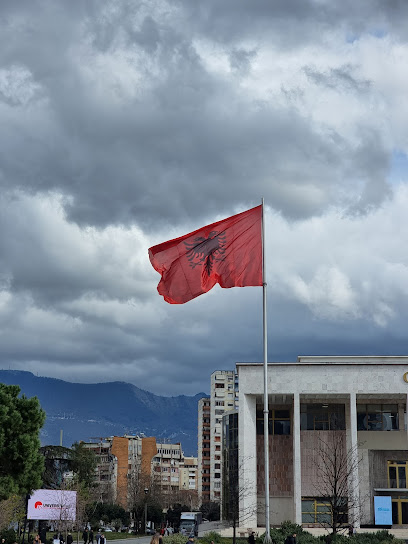
Albanian Flag
0.1 km
A powerful symbol of Albanian pride and resilience, representing the nation's rich history and cultural heritage in the heart of Tirana.
Tirana Free Walking Tour
0.2 km
Discover Tirana's hidden gems and rich history with engaging local guides on a free walking tour. Explore the heart of Albania's vibrant capital.
Banka e Shqipërisë
0.2 km
Explore the Bank of Albania, a symbol of financial stability and architectural beauty in the vibrant heart of Tirana's Skanderbeg Square.
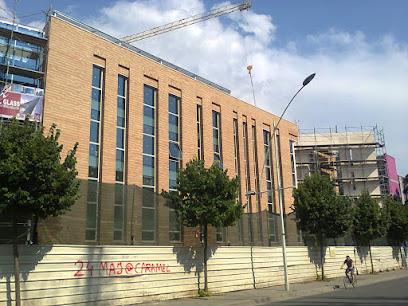
Kryqëzimi i rr. " Durrësit " me rr. " Mine Peza "
0.2 km
Explore Tirana's vibrant heart at Kryqëzimi i rr. Durrësit me rr. Mine Peza, where history, culture, and modern life converge in a lively atmosphere.
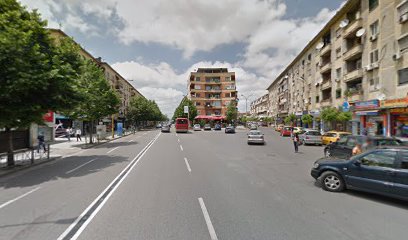
Things To Do in Albania
0.2 km
Experience the vibrant heart of Tirana at Sheshi Austria, a lively hub for culture, activities, and unforgettable experiences.
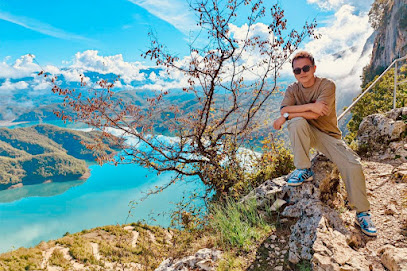
İskender Bey Meydanı
0.2 km
Discover Skanderbeg Square in Tirana: a vibrant hub of history, culture, and modern Albanian life, surrounded by iconic landmarks and attractions.
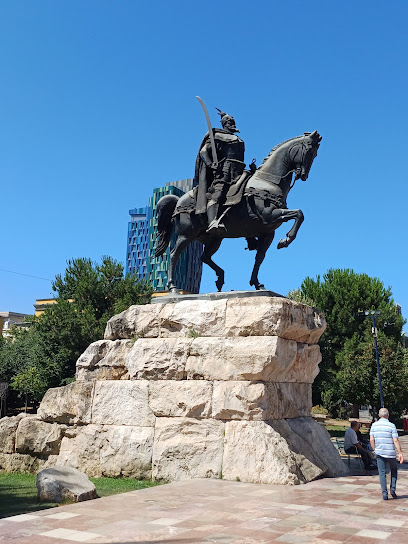
Skanderbeg Statue
0.2 km
A towering tribute to Albania's national hero, Skanderbeg, symbolizing the country's enduring spirit of resistance and independence in the heart of Tirana.
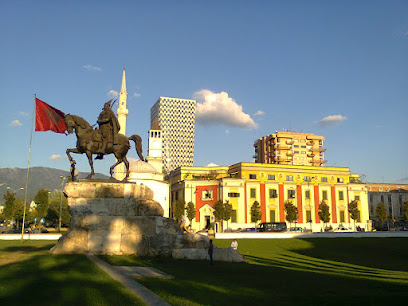
Godina e Parlamentit të parë Shqiptar
0.2 km
Explore the roots of Albanian democracy at the historic Building of the First Albanian Parliament in Tirana. A symbol of freedom and political evolution.
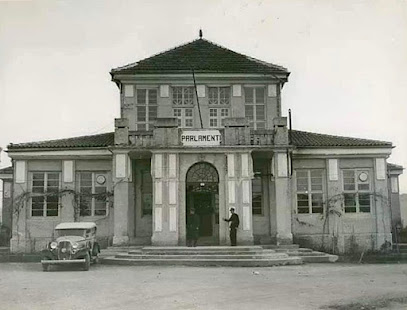
Tiranë
0.2 km
Discover Tirana: A vibrant blend of history, culture, and modern life in Albania's dynamic capital city. Explore colorful streets and hidden gems.

Unmissable attractions to see

Skanderbeg Square
0.1 km
Discover the vibrant culture and history at Skanderbeg Square, the heart of Tirana, where past and present beautifully converge.
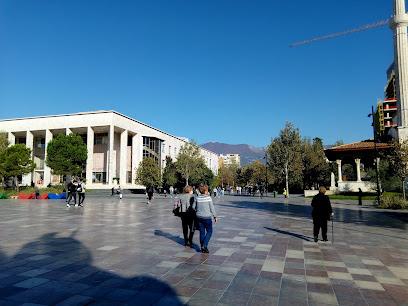
Piazza principale
0.1 km
Discover Tirana's central hub: Piazza Scanderbeg, where history, culture, and modern life converge in a vibrant public space.
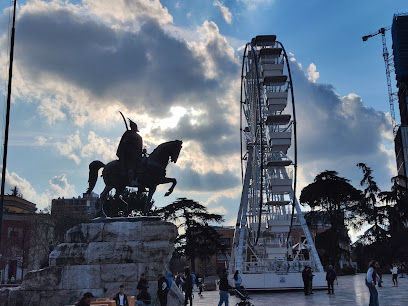
Tour Tirana
0.1 km
Experience the vibrant culture and rich history of Tirana with expertly guided tours that unveil Albania's capital like never before.
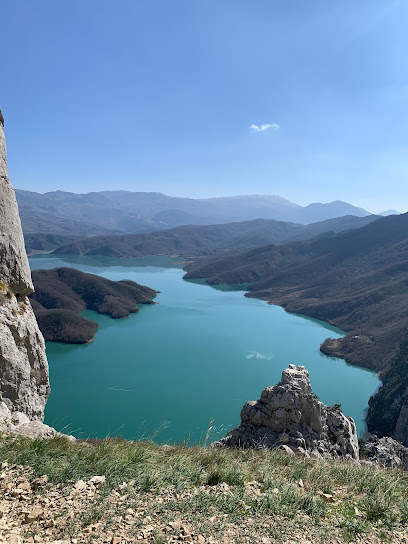
I love Tirana
0.2 km
Explore Tirana, a vibrant blend of history and modern culture in the heart of Albania, offering unique experiences and rich traditions for every traveler.
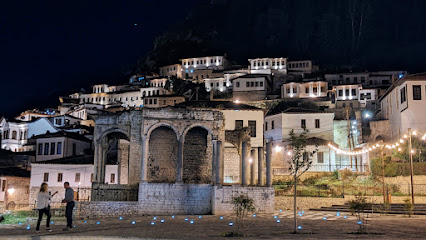
Opera & Ballet Theatre
0.2 km
Experience Albania's vibrant arts scene at the iconic Opera & Ballet Theatre in the heart of Tirana's Skanderbeg Square.
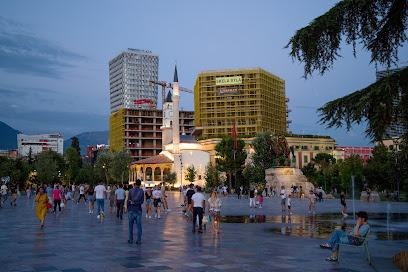
Beer Tasting Tirana
0.2 km
Discover Albania's craft beer scene: Taste regional brews, explore local bars, and enjoy a unique Tirana experience.
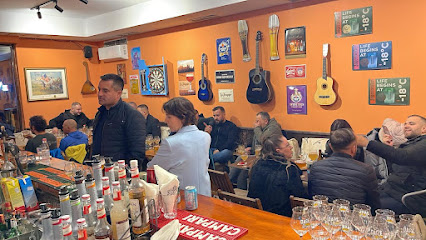
Bank of Albania Museum
0.2 km
Explore Albania's financial past, from ancient coinage to modern banking, at the Bank of Albania Museum in the heart of Tirana.
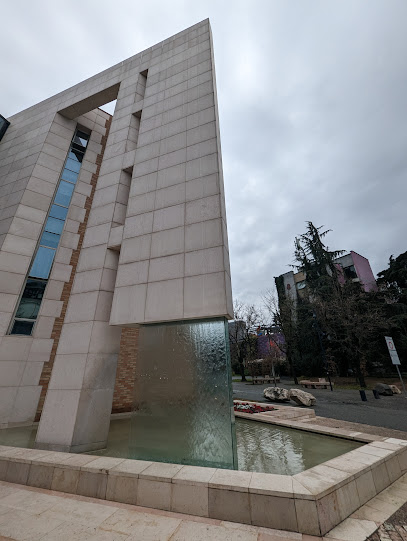
Palace of Culture
0.2 km
Discover Tirana's Palace of Culture: A landmark of socialist architecture housing the National Library and Opera and Ballet in Skanderbeg Square.
Mezuraj Museum
0.2 km
Discover the art of Gjelosh Mezuraj at this intimate Tirana museum, showcasing his unique contributions to Albanian painting and cultural heritage.
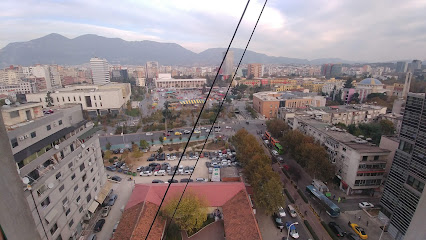
Albania 2024
0.2 km
Discover the vibrant culture and modern charm of Tirana at Albania 2024, a premier tourist attraction in the heart of Albania.
D&D Location
0.2 km
Explore the vibrant Skanderbeg Square in Tirana, where history meets modernity in the heart of Albania.
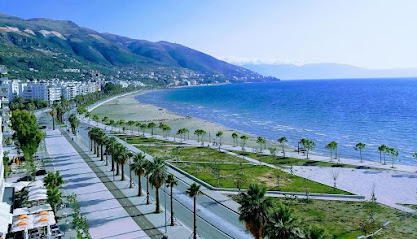
Plac Skanderberga
0.2 km
Experience the heart of Albania in Skanderbeg Square, Tirana: where history, culture, and modern life converge in a vibrant urban landscape.
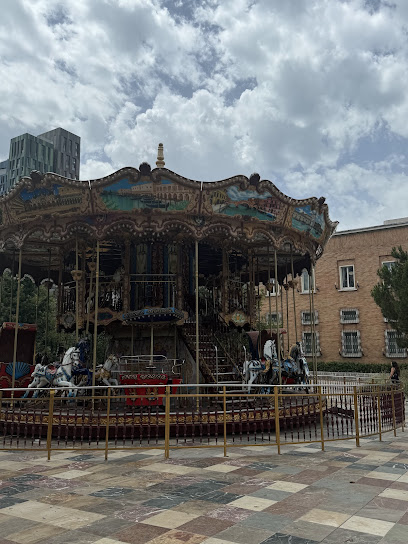
Center of Tirana
0.2 km
Discover Skanderbeg Square, the beating heart of Tirana, where Albania's history, culture, and vibrant modern life converge in a dynamic public space.
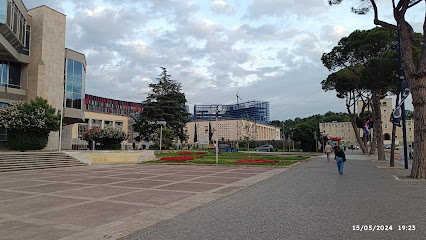
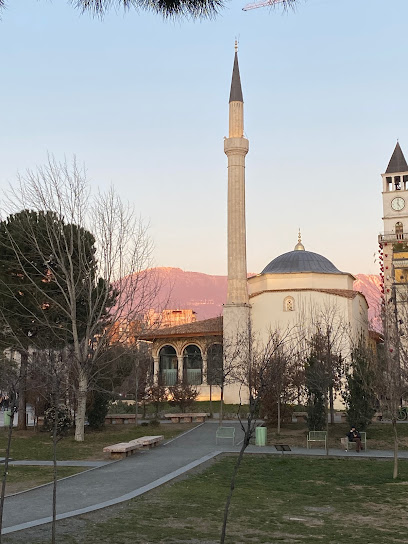
Et'hem Bej Mosque
0.2 km
Discover the serene beauty and rich history of the Et'hem Bej Mosque, a must-visit landmark in Tirana, Albania, showcasing exquisite Islamic architecture.
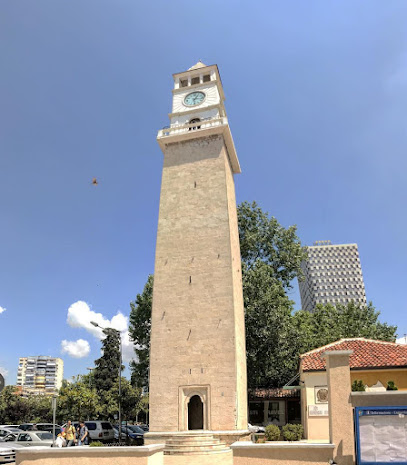
The Clock Tower of Tirana
0.3 km
Climb Tirana's historic Clock Tower for panoramic city views and a glimpse into Albania's Ottoman past. A timeless landmark in Skanderbeg Square.
Essential places to dine

TE MUZEU
0.1 km
Experience exquisite Albanian cuisine at TE MUZEU in Tirana – where tradition meets modern culinary artistry.
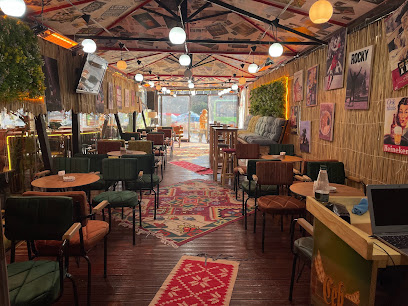
Restaurant Familja
0.2 km
Experience authentic Albanian flavors at Restaurant Familja in Tirana - where tradition meets culinary excellence.
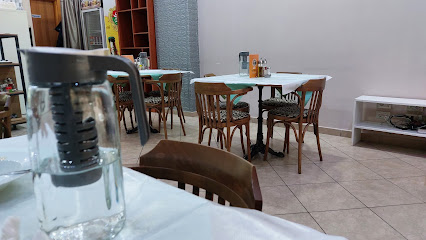
Momento
0.2 km
Experience authentic Italian cuisine in the heart of Tirana at Momento - where every dish tells a story.
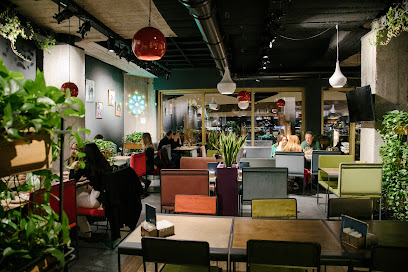
Taverna Paidhaqe DAJKUA
0.2 km
Discover authentic Albanian cuisine at Taverna Paidhaqe DAJKUA in Tirana – where tradition meets flavor.
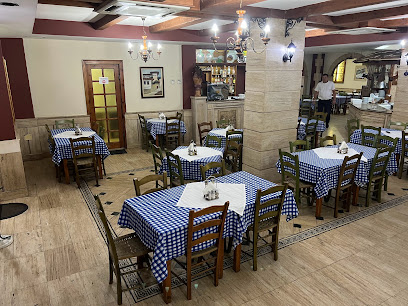
Restorant Ulqini
0.3 km
Discover authentic Albanian flavors at Restorant Ulqini in Tirana - a must-visit culinary destination.
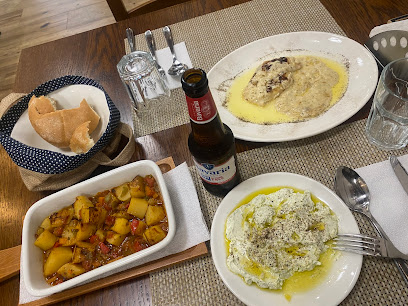
Destil Creative Hub Tirana
0.3 km
Experience the perfect blend of delicious brunch and creative coworking at Destil Creative Hub in Tirana.
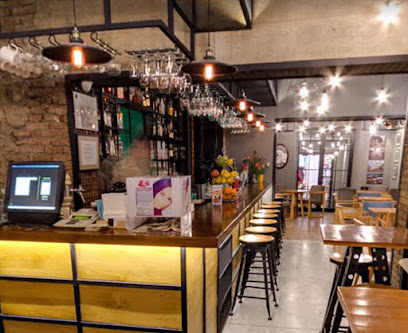
il Gusto Ristorante
0.3 km
Discover exceptional seafood dining at il Gusto Ristorante in Tirana – where every dish tells a story of flavor and tradition.
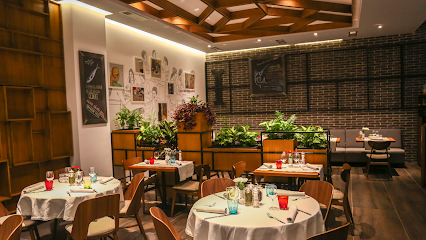
Bitter Bistro Bar & Restaurant
0.3 km
Discover delicious cuisine and vibrant atmosphere at Bitter Bistro Bar & Restaurant in Tirana – A culinary journey awaits you.
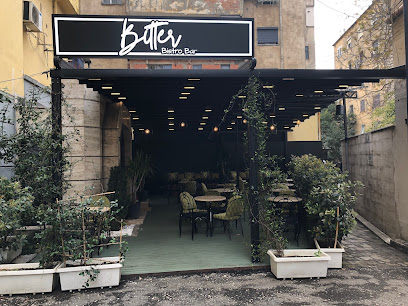
L'Osteria Restaurant
0.4 km
Experience authentic Italian cuisine at L'Osteria Restaurant in Tirana - where flavor meets hospitality in a charming setting.
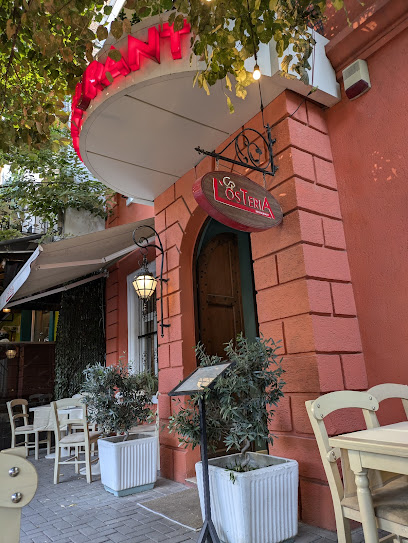
Shije Fshati - Taste of the Village
0.4 km
Experience traditional Albanian flavors at Shije Fshati - a cozy restaurant in Tirana serving authentic village-inspired dishes.
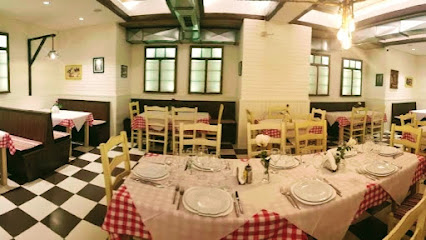
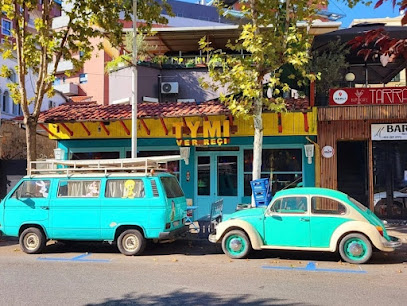
Restorant Tymi
0.4 km
Discover authentic Greek and Mediterranean flavors at Restorant Tymi in Tirana - where every meal is a celebration of taste.
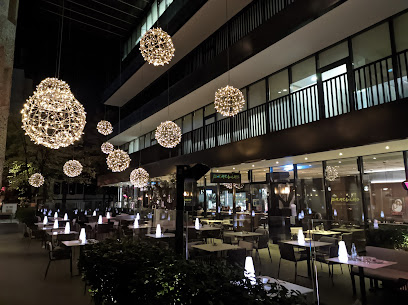
Grand Panevino
0.4 km
Discover authentic Mediterranean flavors at Grand Panevino – where every meal tells a story.
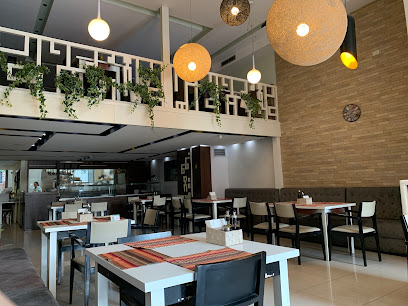
Ejsel Restaurant
0.4 km
Experience authentic halal cuisine at Ejsel Restaurant in Tirana – where tradition meets taste in every dish.
Painted Black The Italian Gastro Bar & Restaurant
0.4 km
Savor authentic Italian flavors in Tirana at Painted Black, where exquisite dishes meet a vibrant bar atmosphere for an unforgettable culinary journey.
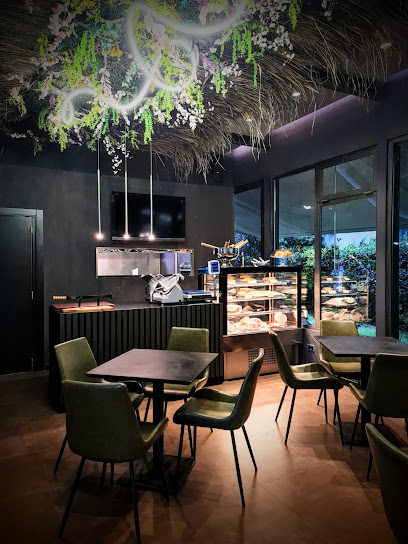
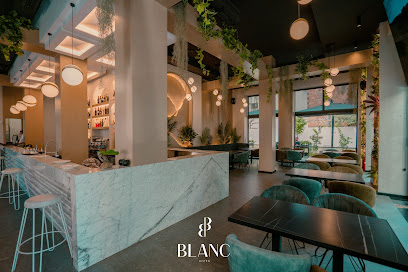
Blanc Bistro
0.4 km
Discover the exquisite flavors of Albanian cuisine at Blanc Bistro in Tirana—an unmissable dining experience for every traveler.
Markets, malls and hidden boutiques

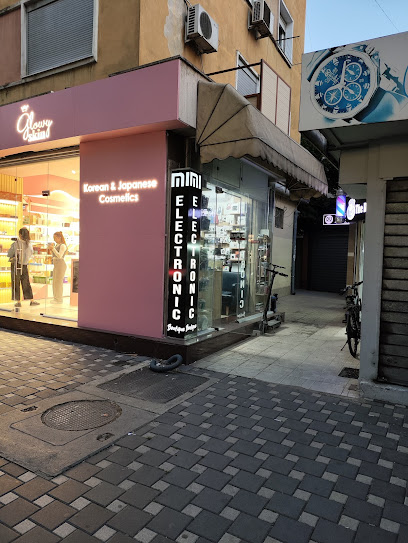
Electronic Boutique
0.2 km
Discover the ultimate destination for electronics and accessories in Tirana, where quality meets convenience in the heart of Albania.
Shopping Store
0.2 km
Explore the heart of Tirana's shopping scene with a mix of local boutiques and international brands in a vibrant atmosphere.
Unique gift shop
0.2 km
Explore Tirana's unique gift shop for authentic Albanian souvenirs and local crafts, celebrating the rich culture and artistry of Albania.
giftshopbyjeti
0.2 km
Discover authentic Albanian souvenirs at Gift Shop by Jeti in Tirana, where local craftsmanship meets unique gift ideas.
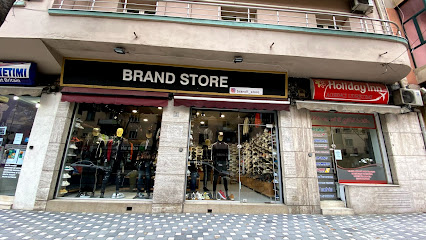
BRAND STORE • Butik Veshjesh & Atletesh
0.3 km
Explore the stylish world of Butik Veshjesh & Atletesh in Tirana, where fashion meets local charm in a unique shopping experience.
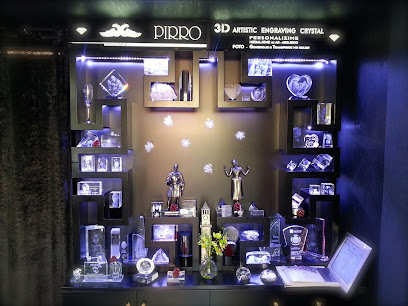
Artistic Jewellery Pirro - Rruga e Kavajës
0.3 km
Explore the artistry of Albania at Artistic Jewellery Pirro, where handcrafted jewelry meets unique design in the heart of Tirana.
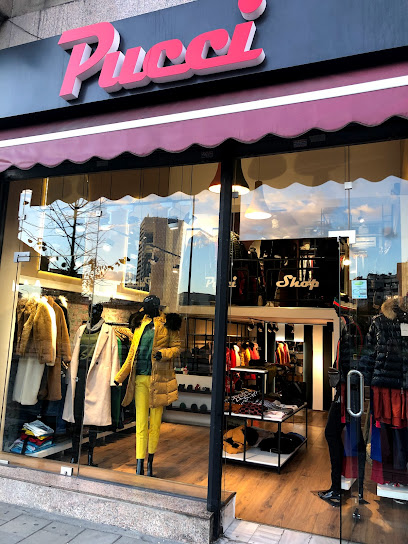
Pucci Shop
0.3 km
Explore the stylish offerings at Pucci Shop, a premier clothing store in Tirana, showcasing contemporary Albanian fashion in a vibrant shopping atmosphere.
Tirana Store
0.3 km
Discover unique fashion and trendy styles at Tirana Store, the ultimate clothing destination in the heart of Tirana, Albania.
Galeria Lounge Tirane
0.3 km
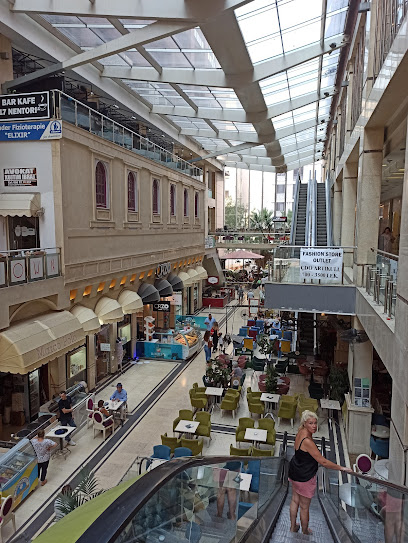
Experience the vibrant shopping scene at Galeria Lounge Tirane, a hub for fashion, electronics, and local delights in the heart of Albania's capital.
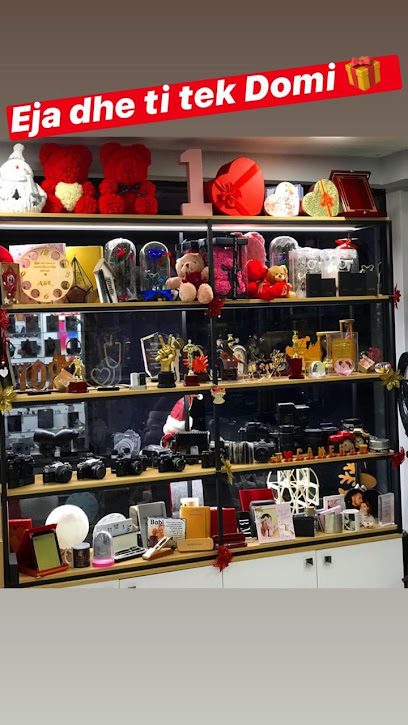
DOMI GIFTS - Dhurata te Personalizuara
0.3 km
Explore DOMI GIFTS in Tirana for unique personalized souvenirs that capture the spirit of your travels in Albania.
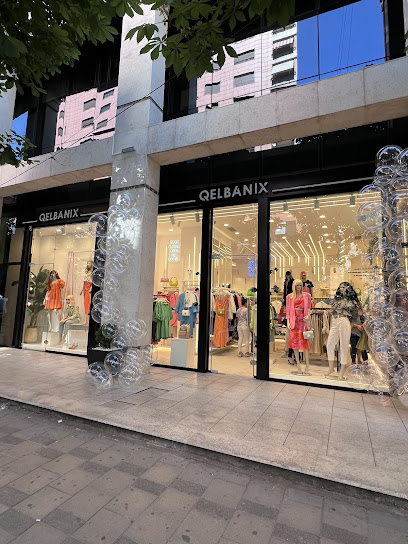
Qelbanix Store
0.4 km
Explore Qelbanix Store in Tirana for authentic Albanian crafts and unique shopping experiences that reflect the rich cultural heritage of Albania.
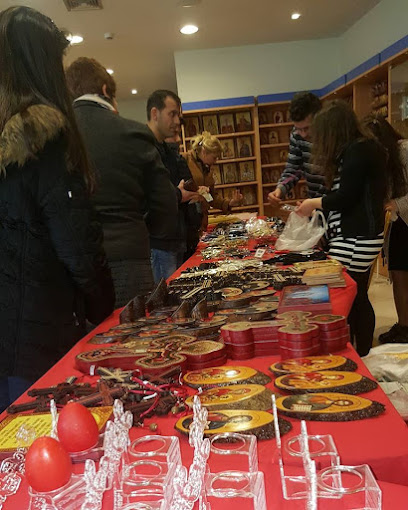
Orthodox Online Shop
0.4 km
Explore the Orthodox Online Shop for authentic religious artifacts and church supplies, enriching your spiritual journey while visiting.
Tradita.al
0.4 km
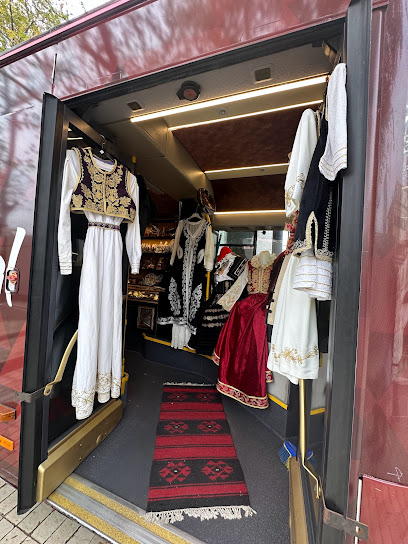
Explore the rich heritage of Albania at Tradita.al, a charming gift shop in Tirana offering unique handcrafted souvenirs and traditional artisan crafts.
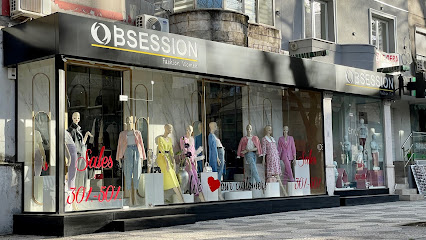
Boutique Obsession
0.4 km
Discover unique fashion pieces at Boutique Obsession, a stylish clothing store in Tirana, Albania, where local culture meets contemporary trends.
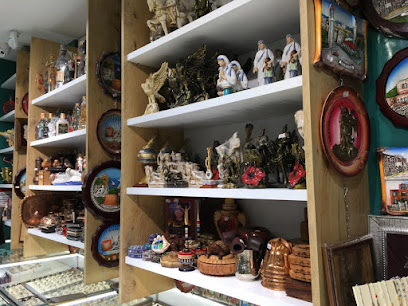
Silver Shop Albania
0.5 km
Explore exquisite handcrafted silver jewelry at Silver Shop Albania, where tradition meets modern elegance in the heart of Tirana.
Essential bars & hidden hideouts

Opera Cafe
0.2 km
Discover the charm of Tirana at Opera Cafe, where exquisite flavors meet a vibrant atmosphere in the heart of Skanderbeg Square.
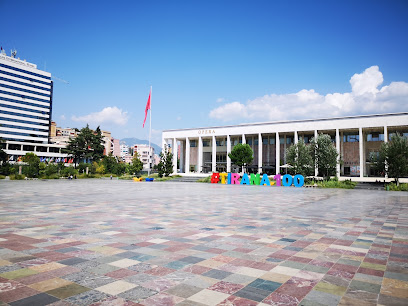
Book & Beer Albania
0.2 km
Discover the perfect fusion of culinary delights and literary treasures at Book & Beer Albania in the heart of Tirana.
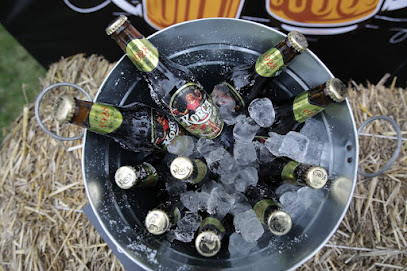
Melbourne Bar
0.3 km
Discover the heart of Tirana's nightlife at Melbourne Bar, offering lively entertainment, delicious drinks, and a welcoming atmosphere.
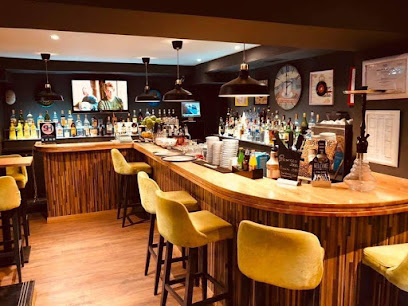
Dorgen Bar
0.4 km
Experience the vibrant nightlife of Tirana at Dorgen Bar, where great drinks and a welcoming atmosphere await you.
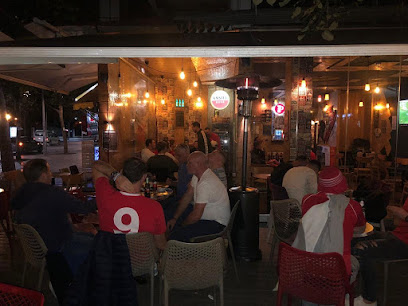
Mimoza Bar & Cocktails
0.4 km
Experience vibrant nightlife and expertly crafted cocktails at Mimoza Bar & Cocktails, the heartbeat of Tirana's social scene.
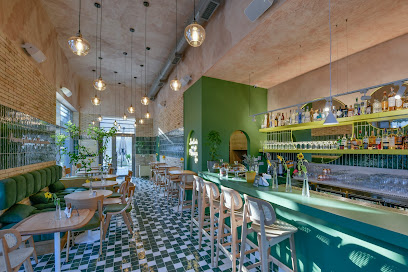
n’Mes
0.5 km
Discover n'Mes, Tirana's chic cocktail bar and bistro, offering a vibrant atmosphere, exquisite drinks, and delightful culinary experiences in a stunning setting.
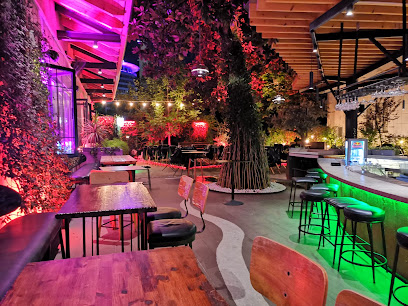
Segafredo Bar Restorant
0.5 km
Discover the vibrant flavors of Tirana at Segafredo Bar Restaurant, where Italian cuisine meets Albanian hospitality.
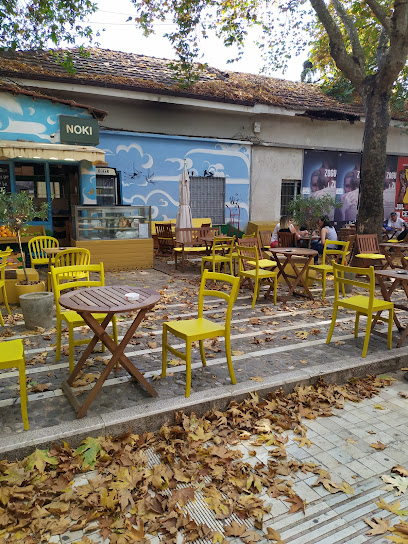
Oping's Cocktails & Beer
0.5 km
Discover Oping's Cocktails & Beer in Tirana for an unforgettable night of cocktails, local brews, and delicious dishes in a vibrant setting.
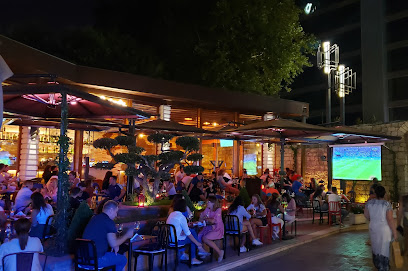
Shendeverë Wine Bar by Çobo
0.5 km
Experience the best of Albanian wine culture at Shendeverë Wine Bar by Çobo, an inviting destination for wine enthusiasts and casual visitors alike.
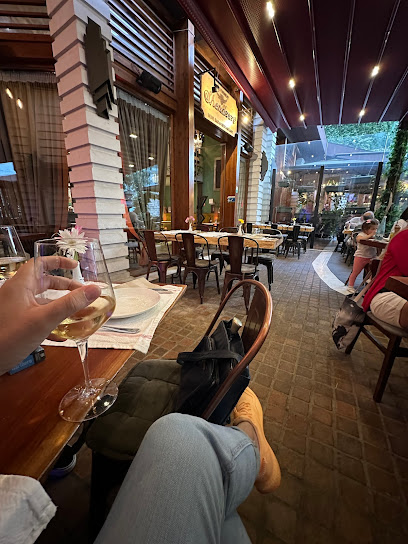
Balzac Bar Café - Bistro
0.5 km
Discover the perfect blend of café charm and bistro energy at Balzac Bar Café - Bistro in Tirana, where local flavors meet vibrant atmosphere.
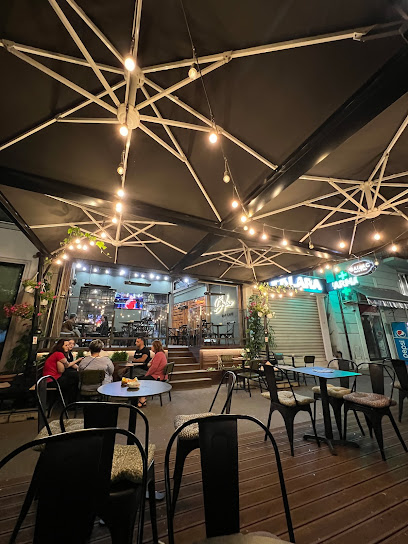
Piano Bar Elysee Tirana
0.6 km
Experience the elegance of live music and exquisite cocktails at Piano Bar Elysee, Tirana's premier piano bar for an unforgettable night out.
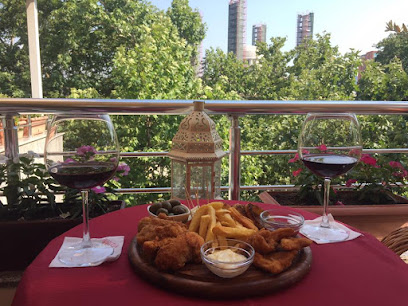
Bufe Wine Bar
0.7 km
Experience the essence of Albanian wine culture at Bufe Wine Bar, a cozy spot in Tirana perfect for relaxation and socializing.
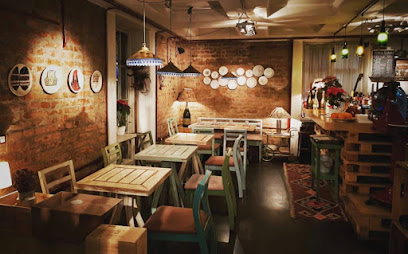
Nightclubs & after hour spots

Tunel Music Venue
0.3 km
Discover the vibrant nightlife at Tunel Music Venue in Tirana, where the music pulses and the dance floor never sleeps.
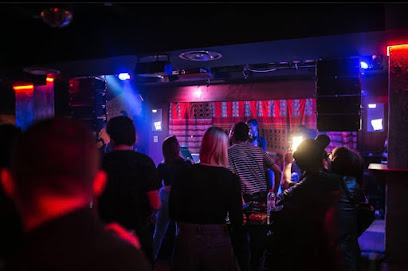
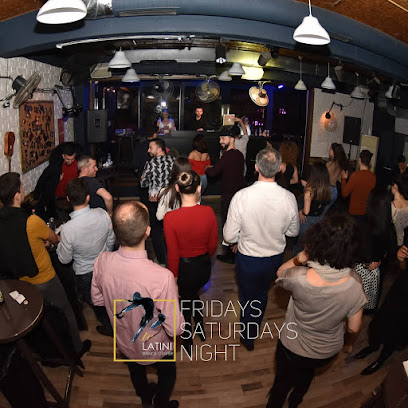
Te Latini Dance Center
0.3 km
Experience the vibrant nightlife at Te Latini Dance Center in Tirana, Albania, where Latin rhythms and dance create an unforgettable atmosphere.
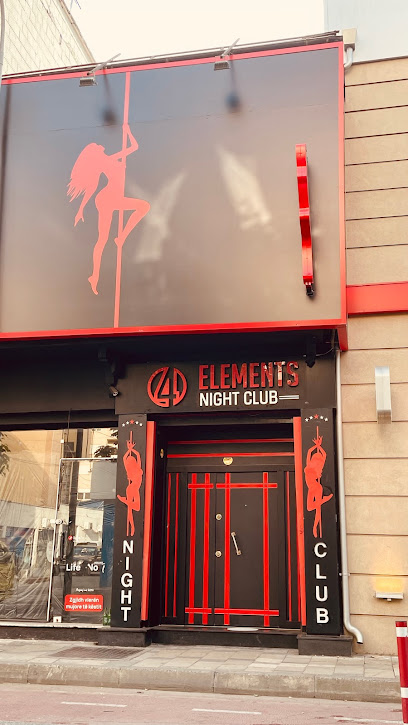
4 Elements Night Club Tirana
0.3 km
Discover the vibrant nightlife of Tirana at 4 Elements Night Club, where electrifying music and unforgettable experiences await you.
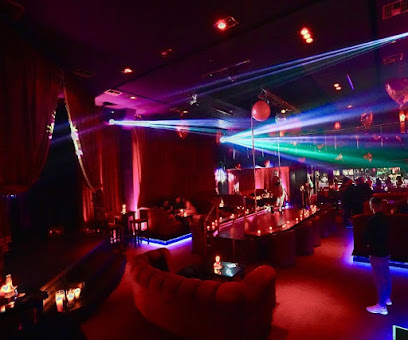
Lust Night Club ( Strip )
0.6 km
Discover the vibrant nightlife and unforgettable performances at Lust Night Club in Tirana, Albania, where entertainment meets elegance.
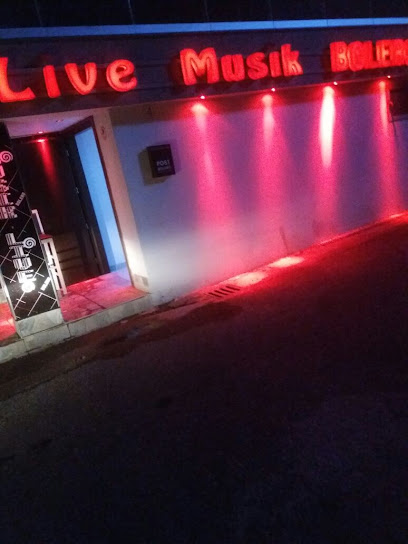
Boleros Club
0.6 km
Discover the vibrant nightlife of Tirana at Boleros Club, a premier night club offering unforgettable music and dance experiences.
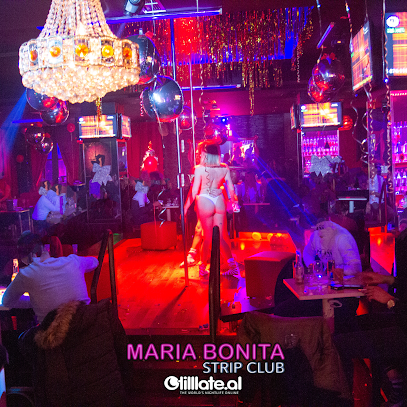
Maria Bonita Strip Club ️
0.7 km
Discover Tirana's nightlife at Maria Bonita Strip Club, a top adult entertainment venue with electrifying performances and an unforgettable atmosphere.
Club Amsterdami
0.7 km
Dive into Tirana's nightlife at Club Amsterdami, where exceptional music and a vibrant crowd create an unforgettable party experience.
The Jack
0.7 km
Unleash your night at The Jack, Tirana's premier night club with electrifying music, vibrant atmosphere, and unforgettable experiences.
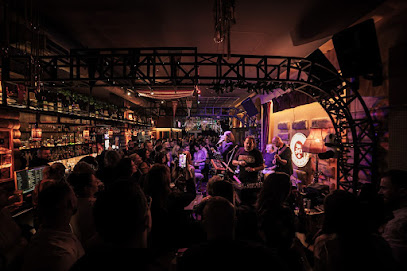
Living Room Antik
0.8 km
Discover the heartbeat of Tirana's nightlife at Living Room Antik, where exceptional cocktails and vibrant ambiance meet.
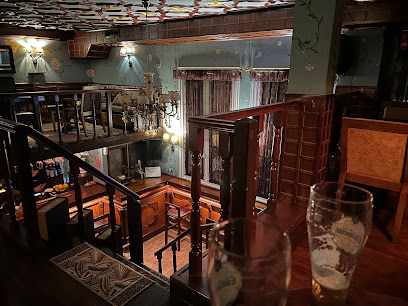
Underground Agimi
0.8 km
Experience the vibrant nightlife of Tirana at Underground Agimi, where art, cocktails, and culinary delights come together in a unique setting.