

Blloku (Tirana) Travel Guide - Free
Explore Blloku in Tirana with Evendo's free guide. Find the best shops, historic streets, restaurants, and gems on web or mobile.


Blloku in Tirana blends communist-era history with cafés, restaurants, nightlife, street life and easy access to Albania’s capital highlights.
From Enclave to City Stage
Blloku occupies a compact area south-west of central Tirana, between the Lana River and the city’s principal boulevards. Its name means “the block”, a plain description for a neighbourhood whose past was anything but ordinary. During Albania’s communist period, this was a restricted residential enclave for senior party officials and their families; ordinary citizens could not freely enter. Since the early 1990s, Blloku has changed into one of Tirana’s most recognisable urban districts, with cafés, restaurants, bars, offices and apartment buildings filling streets that once stood behind political privilege.Read more about Blloku
Streets, Cafés and Architecture
A Lively Base in Central Tirana
Best attractions in Blloku
Blloku’s principal attraction is the neighbourhood itself: a compact network of streets that reveals Tirana’s transformation from a controlled communist capital to a more open, commercially active city. Visitors can walk around Ismail Qemali, Pjetër Bogdani, Vaso Pasha and Brigada VIII, comparing older houses and apartment buildings with newer cafés, restaurants and design-led interiors. The former residence associated with Enver Hoxha is an important historical reference point, although it should not be assumed to operate as a conventional public museum. The Lana River forms a useful southern edge and offers a different perspective on the district’s dense urban setting. Nearby, but outside the core of Blloku, are the Postbllok memorial installation and Tirana’s central cultural institutions; they can be added to a wider walk without being presented as attractions inside every Blloku street.
-
Tourist attraction
Tirana Park
Escape the city bustle in Tirana's Grand Park: a green oasis with a lake, walking paths, and vibrant recreational spaces for all to enjoy.
16 min walk · 1.3 km from neighbourhood centre
-
Tourist attraction
Checkpoint
A powerful memorial in Tirana, Albania, commemorating the country's communist past with a bunker, labor camp pillars, and a piece of the Berlin Wall.
4 min walk · 0.4 km from neighbourhood centre


Best landmarks in Blloku
Blloku’s most significant landmark is its former political enclosure, remembered through the residence associated with Enver Hoxha and the surviving street pattern of the restricted quarter. The importance is political and social rather than purely architectural: these ordinary-looking residential buildings once housed Albania’s ruling elite and were inaccessible to most citizens. The Lana River and its embankment provide a clear geographical marker along the southern side, while the surrounding boulevards reflect the neighbourhood’s position within Tirana’s expanding central grid. The area also contains older villas and low-rise buildings that help explain its pre- and post-communist layers, though not every surviving structure has formal heritage status. The Postbllok memorial, on the nearby central boulevard rather than deep inside Blloku, is relevant to understanding the city’s communist memory and should be geographically distinguished from the neighbourhood itself.
-
Historical landmark
Pyramid of Tirana
From communist monument to modern tech hub: Explore Tirana's iconic Pyramid, a symbol of Albania's ever-evolving story.
6 min walk · 0.5 km from neighbourhood centre
-
Cultural landmark
Tirana Castle
Explore Tirana Castle: A blend of Byzantine, Ottoman, and modern Albanian history in the heart of Tirana.
10 min walk · 0.8 km from neighbourhood centre
-
Tourist attraction
Checkpoint
A memorial in Tirana that commemorates Albania's political prisoners and the country's journey towards modernization, reflecting on its communist past.
4 min walk · 0.4 km from neighbourhood centre
-
Archaeological museum
Tirana National Archaeological Museum
Explore Albania's ancient past at the National Archaeological Museum in Tirana, showcasing artifacts from the Stone Age to the Ottoman era.
7 min walk · 0.6 km from neighbourhood centre


Explore Blloku on the map
A handpicked selection of must-see spots in Blloku, mapped for you.
Best hotels in Blloku
Best restaurants in Blloku
Blloku has one of Tirana’s densest concentrations of restaurants and cafés, particularly around Ismail Qemali, Pjetër Bogdani, Vaso Pasha and the smaller streets between them. The scene ranges from Albanian cooking and Balkan-influenced menus to Italian, Mediterranean and contemporary international food, reflecting the neighbourhood’s post-1990 commercial development and its audience of residents, office workers and visitors. Cafés are central to the area’s daily rhythm, with coffee and light meals extending into pavement seating when weather permits. Dining is generally more varied than the neighbourhood’s former residential identity might suggest, but the character changes from one street to the next: some lanes are designed for evening meals and drinks, while others retain a quieter local feel. Menus, ownership and opening arrangements change frequently, so the strongest way to explore the area is to compare the active streets rather than rely on a fixed list of venues.
-
Mediterranean
Artigiano at Vila
Experience the flavors of Mediterranean cuisine at Artigiano at Vila in Tirana - where Italian dishes meet Albanian hospitality.
7 min walk · 0.6 km from neighbourhood centre
-
Italian
Artigiano
Discover Artigiano in Tirana: Where Italian Flavors Meet Mediterranean Delights for an Unforgettable Dining Experience.
4 min walk · 0.3 km from neighbourhood centre
-
Restaurant
Salt Tirana
Experience exquisite Albanian cuisine at Salt Tirana - where culinary innovation meets vibrant ambiance.
1 min walk · 0.1 km from neighbourhood centre
-
Restaurant
Fresh Garden Restaurant
Discover the vibrant flavors of Tirana at Fresh Garden Restaurant—where fresh ingredients meet creative culinary artistry.
1 min walk · 0.1 km from neighbourhood centre


Best bars in Blloku
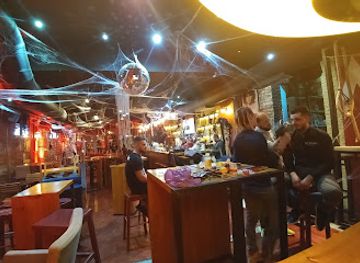
After dark, Blloku becomes one of Tirana’s main areas for socialising, with bars, lounges, cafés and restaurants concentrated along streets such as Pjetër Bogdani, Ismail Qemali and Brigada VIII. Its evening life is varied rather than confined to one music style: visitors will find relaxed places for conversation, late dining, cocktail-focused interiors and venues where DJs or live entertainment may form part of the programme. The district’s pavement seating and close spacing make it easy to move between venues, although traffic and parked cars remain part of the streetscape. Nightlife intensity varies by block and by season, and individual businesses frequently change concept or schedule. Residents still live above and beside the commercial premises, so considerate noise levels are important when leaving bars or gathering outdoors.
-
Cocktail bar
Radio bar Tirana
Experience the eclectic charm of Radio Bar Tirana, a cocktail haven where vibrant decor meets an energetic nightlife atmosphere.
2 min walk · 0.2 km from neighbourhood centre
-
Irish pub
New Irish Pub
Discover the vibrant blend of Irish culture and local charm at New Irish Pub in Tirana, a hub of live music, delicious food, and unforgettable experiences.
1 min walk · 0.1 km from neighbourhood centre
-
Bar
Illyrian Saloon
Discover Illyrian Saloon in Tirana: a vibrant bar offering local drinks, lively music, and an unforgettable atmosphere.
5 min walk · 0.4 km from neighbourhood centre
-
Night club
Whisky Bar Tirana
Experience the vibrant nightlife at Whisky Bar Tirana, where exquisite whiskies and lively entertainment create unforgettable memories in the heart of Albania.
3 min walk · 0.2 km from neighbourhood centre


Best nightclubs in Blloku
After dark, Blloku becomes one of Tirana’s main areas for socialising, with bars, lounges, cafés and restaurants concentrated along streets such as Pjetër Bogdani, Ismail Qemali and Brigada VIII. Its evening life is varied rather than confined to one music style: visitors will find relaxed places for conversation, late dining, cocktail-focused interiors and venues where DJs or live entertainment may form part of the programme. The district’s pavement seating and close spacing make it easy to move between venues, although traffic and parked cars remain part of the streetscape. Nightlife intensity varies by block and by season, and individual businesses frequently change concept or schedule. Residents still live above and beside the commercial premises, so considerate noise levels are important when leaving bars or gathering outdoors.
-
Night club
Whisky Bar Tirana
Experience the vibrant nightlife and extensive whisky selection at Whisky Bar Tirana, a must-visit for party enthusiasts and whisky lovers alike.
3 min walk · 0.2 km from neighbourhood centre
-
Night club
Living Room Antik
Discover the vibrant nightlife at Living Room Antik, Tirana's premier night club and beer hall, where fun and excitement come alive until dawn.
2 min walk · 0.1 km from neighbourhood centre
-
Night club
Sky Club
Experience the vibrant nightlife of Tirana at Sky Club, where music, dance, and excitement converge for unforgettable nights.
2 min walk · 0.2 km from neighbourhood centre
-
Night club
The Bar Velvet
Discover the vibrant nightlife at The Bar Velvet, Tirana's premier night club, perfect for salsa lovers and dance enthusiasts.
1 min walk · 0.1 km from neighbourhood centre


Best shops in Blloku
Shopping in Blloku is mainly small-scale and contemporary rather than market-based. Along Ismail Qemali, Pjetër Bogdani, Vaso Pasha and neighbouring lanes, visitors encounter boutiques, beauty businesses, design-led interiors, cafés and specialist services mixed into a strongly commercial residential district. The selection changes more quickly than in Tirana’s established traditional markets, and the area is better suited to browsing independent storefronts and combining retail with coffee or dining than to buying agricultural produce or traditional crafts. For a broader market experience, visitors need to travel beyond Blloku to other parts of Tirana rather than expecting a large covered bazaar within the neighbourhood. The most distinctive aspect of local shopping is the way newer Albanian businesses occupy streets that were once associated with political seclusion, making ordinary consumer life part of Blloku’s visible transformation.
-
Gift shop
Artifiko Gift Shop
Discover the essence of Albania at Artifiko Gift Shop, where unique souvenirs and local craftsmanship await every visitor.
2 min walk · 0.2 km from neighbourhood centre
-
Vintage clothing store
Chrono Vintage
Discover a unique collection of vintage fashion at Chrono Vintage, where timeless pieces meet modern style in the heart of Tirana, Albania.
2 min walk · 0.2 km from neighbourhood centre
-
Souvenir store
Souvenir Albania
Explore a treasure trove of authentic Albanian crafts and souvenirs at Souvenir Albania, where culture meets creativity.
4 min walk · 0.3 km from neighbourhood centre
-
Clothing store
Luna Shop
Explore trendy clothing at Luna Shop in Tirana, a must-visit destination for fashion lovers seeking unique styles and local craftsmanship.
2 min walk · 0.2 km from neighbourhood centre


Blloku essentials
Getting There
Getting Around
Safety
Emergency Situations
Do's and Don'ts
Local Tips

From Eve
Local phrases worth knowing
You don't need to get them perfect. A few words go a long way, and locals appreciate the effort.
Basics
| English | Local | Say it |
|---|---|---|
| Hello | Përshëndetje | [per-SHEN-de-tye] |
| Goodbye | Mirupafshim | [meer-oo-PAHF-sheem] |
| Yes | Po | [po] |
| No | Jo | [yo] |
| Please/You're welcome | Ju lutem | [yoo LOO-tem] |
| Thank you | Faleminderit | [fah-le-MIN-de-reet] |
| Excuse me/Sorry | Më falni | [muh FAHL-nee] |
| How are you? | Si jeni? | [see YEH-nee] |
| Fine. And you? | Mirë. Dhe ju? | [meer. dhe yoo?] |
| Do you speak English? | Flisni anglisht? | [flee-SNEE ahn-GLEESHT] |
| I don't understand | Nuk kuptoj | [nook KOOP-toy] |
Eating & Drinking
| English | Local | Say it |
|---|---|---|
| I'd like to see the menu, please | Do të doja të shikoja menunë, ju lutem | [doh tuh DOH-yah tuh shee-KOH-yah meh-NOO-ne, yoo LOO-tem] |
| I don't eat meat | Nuk ha mish | [nook hah meesh] |
| Cheers! | Gëzuar! | [geh-ZOO-ahr] |
| I would like to pay, please | Do të doja të paguaja, ju lutem | [doh tuh DOH-yah tuh pah-GWAH-yah, yoo LOO-tem] |
Emergencies
| English | Local | Say it |
|---|---|---|
| Help! | Ndihmë! | [ndee-MEH] |
| Go away! | Largohu! | [lar-GOH-hoo] |
| Call the Police! | Thirrni Policinë! | [theer-NEE po-LEE-tsee-neh] |
| Call a doctor! | Thirrni një doktor! | [theer-NEE nyuh DOHK-tohr] |
| I'm lost | Jam i humbur | [yahm ee hoom-BOOR] |
| I'm ill | Jam i sëmurë | [yahm ee suh-MOO-reh] |
Shopping
| English | Local | Say it |
|---|---|---|
| I'd like to buy... | Do të doja të blëja... | [doh tuh DOH-yah tuh BLEH-yah] |
| I'm just looking | Po shikoj vetëm | [po shee-KOY vet-uhm] |
| How much is it? | Sa kushton? | [sah koosh-TONE] |
| That's too expensive | Kjo është shumë e shtrenjtë | [kyoh ehshteh shoo-meh eh shtreh-nye-teh] |
| Can you lower the price? | A mund ta ulni çmimin? | [ah moon tah OOL-nee chmee-MEEN] |
Time & Numbers
| English | Local | Say it |
|---|---|---|
| What time is it? | Sa është ora? | [sah EHSHT-uh oh-RAH] |
| It's one o'clock | Është një e njëzet | [ehshteh nyuh eh nyuh-ZET] |
| Half past (10) | Njëzet e gjysmë (10) | [nyuh-ZET eh jy-SMEH] |
| Morning | Mëngjes | [muhn-GYES] |
| Afternoon | Pasdite | [pahs-DEE-teh] |
| Evening | Mbrëmje | [m-bruh-MYEH] |
| Yesterday | Dje | [djeh] |
| Today | Sot | [soht] |
| Tomorrow | Nesër | [neh-SUHR] |
| 1 | Një | [nyuh] |
| 2 | Dy | [doo] |
| 3 | Tre | [treh] |
| 4 | Katër | [kah-TEHR] |
| 5 | Pesë | [peh-seh] |
| 6 | Gjashtë | [gyahsht] |
| 7 | Shtatë | [sh-tah-teh] |
| 8 | Tetë | [teh-TEH] |
| 9 | Nëntë | [nuhn-teh] |
| 10 | Dhjetë | [theh-teh] |
Transport & Directions
| English | Local | Say it |
|---|---|---|
| Where's a/the...? | Ku është një/të...? | [koo EHSHT-uh nyuh/teh] |
| What's the address? | Cila është adresa? | [chee-lah EHSHT-uh ah-DREH-sah] |
| Can you show me (on the map)? | A mund të më tregoni (në hartë)? | [ah moon tah muh troh-GOH-nee (nuh hahr-TEH)] |
| When's the next (bus)? | Kur është autobusi i ardhshëm? | [koor EHSHT-uh ah-oh-BOO-see ee ar-DHSHUM] |
| A ticket (to ....) | Një biletë (në ....) | [nyuh bee-LEH-teh (nuh)] |
History of Blloku
Before the Restricted Quarter
Before Blloku became associated with Albania’s communist leadership, the area formed part of Tirana’s expanding residential fabric south of the historic centre. Its streets developed through the twentieth century alongside the capital’s growth, with detached houses, gardens and low-rise urban buildings giving way gradually to denser construction. The neighbourhood’s later identity therefore rests on both its ordinary residential origins and the political separation imposed after the Second World War. The Lana River and the developing road network helped define its position between central Tirana and the southern side of the city.
The Communist Leadership Enclave
After the establishment of the People’s Republic of Albania in 1946, Blloku was enclosed as a restricted residential area for senior figures of the Party of Labour and the state. Enver Hoxha’s residence stood within the quarter, which also contained homes and facilities used by the political elite. Access was controlled, and the area became a powerful physical expression of the distance between the ruling class and the wider population. Although it was not an industrial district or a conventional public landmark, Blloku’s walls, guards and carefully protected domestic life made the neighbourhood central to how many Albanians understood communist privilege.
Opening After 1991
The collapse of Albania’s communist system in the early 1990s removed Blloku’s restricted status and changed its relationship with the rest of Tirana. Streets that had been closed to ordinary residents became accessible, while former official properties and surrounding buildings entered a rapidly changing urban economy. Cafés, restaurants, offices and small businesses appeared alongside existing homes, making the quarter a visible symbol of the country’s post-communist transition. The change was social as well as physical: Blloku ceased to be a secluded political enclave and became a place associated with public leisure, commerce and the capital’s emerging metropolitan culture.
A Commercial and Cultural District
During the late twentieth and early twenty-first centuries, Blloku’s central location and compact streets attracted investment, hospitality businesses and newer apartment development. The neighbourhood became one of Tirana’s principal areas for dining, coffee and nightlife, while its past remained present through the former leadership residence and wider memorial landscape around the southern city centre. This transformation has also brought the familiar pressures of successful central districts, including construction, traffic, rising commercial intensity and the replacement of some older low-rise character. Today Blloku is best understood as a layered urban quarter where political memory and contemporary city life occupy the same streets.
Blloku in Photos
Browse through our photo collection highlighting the charm and character of the destination.
Neighbourhoods near Blloku
The closest neighbourhoods to Blloku, if you have time for more than one stop.
-

-

-


Swipe for more neighbourhoods
Explore more

Explore more of Tirana
Tirana blends Ottoman heritage, communist history, colourful architecture, mountain scenery and lively cafés into Albania’s compelling cultural capital.
Explore Tirana