

Chrea National Park Travel Guide - Free Web & App
Your ultimate guide to Chrea National Park. Discover top landmarks, proposed trips, and local tips. Free on the web or via the Evendo companion app.


Chréa National Park in Algeria combines Atlas cedar forests, mountain trails, Barbary macaques and winter scenery above Blida for nature-focused escapes.
Mountain Landscape and Natural Character
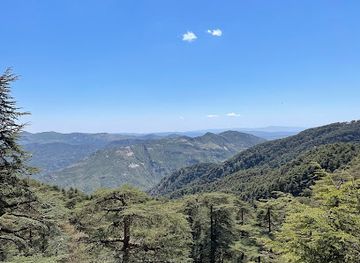
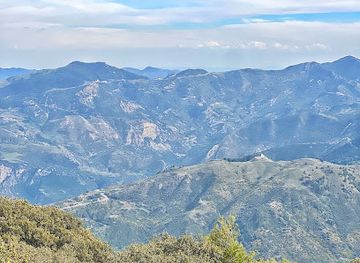
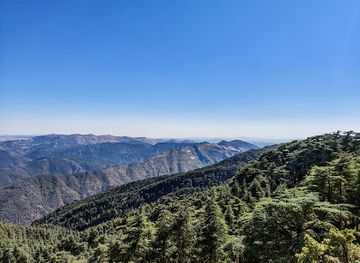
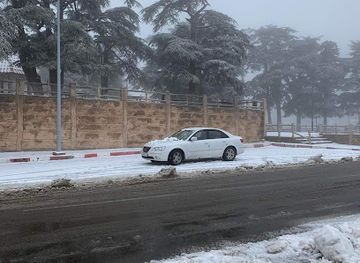
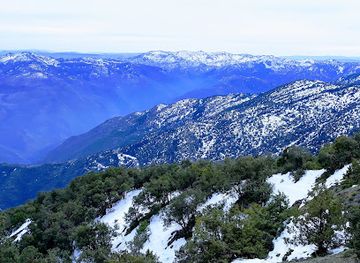
Chréa National Park occupies a high section of the Blidean Atlas in northern Algeria, rising south of the city of Blida and forming one of the country's most accessible mountain landscapes from the Algiers region. Its terrain combines forested slopes, steep valleys, upland clearings and cool, frequently snow-covered elevations around the Chréa mountain resort. The park's most recognisable habitat is its Atlas cedar woodland, interspersed with holm oak and other Mediterranean mountain vegetation. In spring and summer, the high slopes support walking and nature observation, while winter can bring snow to the summit area and transform the resort into a seasonal mountain destination.Read more about Chrea National Park
Wildlife and Conservation
Exploring the Park
When is the best time to visit Chrea National Park?
Best: March–April, November · 23–28°C| Month | High (°C) | Rainfall (mm) |
|---|---|---|
| January | 19 | 42 |
| February | 20 | 38 |
| March (best) | 23 | 33 |
| April (best) | 28 | 23 |
| May | 34 | 14 |
| June | 41 | 8 |
| July | 46 | 5 |
| August | 45 | 5 |
| September | 41 | 12 |
| October | 33 | 23 |
| November (best) | 26 | 32 |
| December | 20 | 37 |
Getting to and around Chrea National Park
How to get there
Transportation
Best attractions in Chrea National Park
Chréa's principal attraction is the ascent from Blida into a high mountain landscape of Atlas cedar forest, open slopes and views across the Mitidja plain. Around the Chréa resort, visitors can experience the park's cool upland atmosphere and, when snowfall is sufficient and facilities are operating, seasonal winter recreation. Forest paths and mountain roads provide opportunities for walking, photography and quiet observation, although route conditions vary with weather. The park's wildlife interest centres on the Barbary macaque, which may be seen in suitable woodland habitat but should never be fed or approached. The Chiffa gorge and its dramatic mountain scenery are associated with the wider park landscape and are best understood as part of the route and surrounding protected environment rather than as a compact cluster of attractions. Blida itself is the principal gateway, offering access to the mountain and the services needed for excursions into the park.
-
Tourist attraction
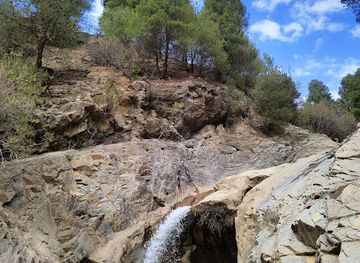
Cascades Zondayy
Discover Cascades Zondayy in El Hamdania: a beautiful park with tranquil waterfalls, lush landscapes, and a serene escape for nature lovers.
-
Tourist attraction
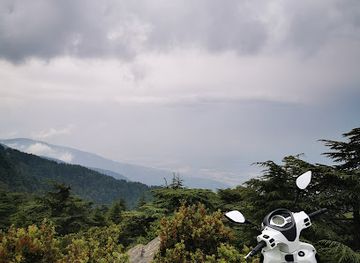
Picnick chrea
Escape to Picnick Chrea in Algeria's Atlas Mountains for serene landscapes, fresh mountain air, and a tranquil retreat into nature.
-
Tourist attraction
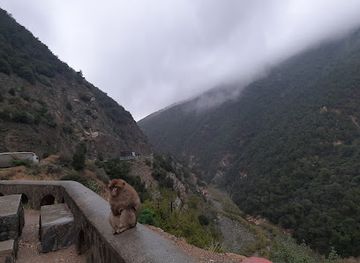
Ruisseau Des Singes
Discover the enchanting Ruisseau Des Singes in Chiffa Gorge, Algeria, where playful Barbary macaques roam freely amidst stunning natural beauty.
-
Tourist attraction
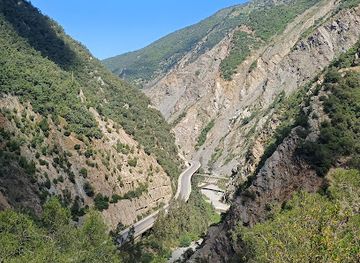
Les Gorges De La Chiffa
Discover dramatic cliffs, lush greenery, and diverse wildlife in this natural Algerian gorge, perfect for hiking and relaxation.
Best landmarks in Chrea National Park
The defining natural landmark of Chréa National Park is the high Chréa massif, whose forested slopes rise prominently above Blida and the Mitidja plain. Its Atlas cedar groves are both scenic features and important ecological landmarks, representing the mountain environment for which the park is known. The upper resort and surrounding snow-covered slopes form Algeria's best-known mountain recreation setting during suitable winter conditions. The winding approach through the Blidean Atlas is itself significant, revealing steep valleys, changing vegetation and broad views towards the northern plain. The Chiffa gorge, on the western approach and associated with the wider protected landscape, adds a dramatic rocky dimension to the area's geography. Rather than a concentration of monumental architecture, Chréa's identity is expressed through these forests, elevations, valleys and the relationship between the mountain environment and nearby Blida.
-
Restaurant
Atlas Memoria
Enjoy diverse flavors at Atlas Memoria in Chréa, Algeria. From juicy burgers to savory pizzas, experience a culinary haven amidst stunning landscapes.
-
Mountain range
Chrea Mountains
Discover the breathtaking beauty of the Chrea Mountains: hiking trails, winter sports, and cultural experiences await in Algeria's natural paradise.
-
Museum of zoology
Chrea National park Museum
Discover Algeria's natural wonders at Chrea National Park Museum, a gateway to the region's unique zoological heritage and conservation efforts.
-
Hiking area
The Black Forest
Discover Algeria's hidden gem: The Black Forest in Chrea National Park offers serene hiking trails and stunning natural beauty.
Explore Chrea National Park on the map
Plan your trip on one map. See where the top attractions, landmarks, restaurants and hotels are, and book hotels and experiences in a few clicks.
Best hotels in Chrea National Park
Best restaurants in Chrea National Park
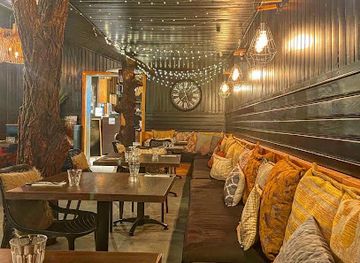
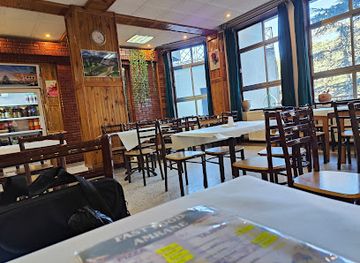
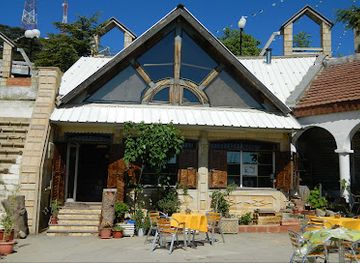
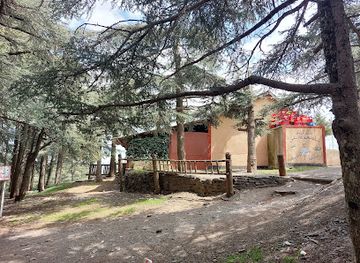
Dining within Chréa National Park is limited and seasonal compared with Blida, so visitors should not expect a dense restaurant scene in the forest or at the mountain resort. Small cafés, snack outlets or simple eateries may operate around visitor areas, particularly when local demand is stronger, but availability can change and opening arrangements should be checked locally. Blida provides the most dependable choice of restaurants, bakeries and food shops before or after a mountain excursion, with Algerian staples such as couscous, stews, grilled meats, breads, pastries and sweet mint tea commonly forming part of the regional food experience. Travellers spending a full day in the park should carry water and suitable provisions rather than rely on finding food at every stop, while picnicking should be conducted without littering or disturbing the forest.
-
Restaurant
Atlas Memoria
Discover Atlas Memoria in Chréa: A culinary haven offering diverse flavors from burgers to pizzas amidst stunning landscapes.
-
Restaurant
Amrane - Restaurant
Experience authentic Algerian flavors at Amrane Restaurant in Chrea, where delicious cuisine meets stunning natural beauty.
-
Restaurant
Restaurant Chalet des Cèdres
Experience authentic Algerian cuisine amidst breathtaking mountain views at Restaurant Chalet des Cèdres in Chrea.
-
Restaurant
Restaurant
Experience the flavors of Algeria at this charming restaurant in Chrea - a true culinary delight amidst stunning landscapes.
Best bars in Chrea National Park
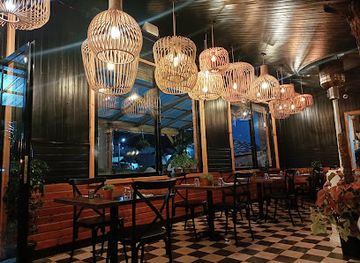
Chréa National Park is not a nightlife destination, and the upper resort has a quiet evening character shaped by mountain weather, seasonal visitors and limited facilities rather than bars or clubs. Evening options are generally connected with accommodation, simple cafés or informal social spaces, and many visitors return to Blida after exploring the park. Blida has the area's broader selection of cafés, restaurants and casual evening gathering places, although its atmosphere is more local and understated than that of a major international nightlife centre. After dark in the mountains, visibility, road conditions and mobile coverage may be less dependable, so visitors staying or travelling in the park should plan transport and meals in advance rather than assuming late services will be available.
-
Restaurant
Atlas Memoria
Discover the rich flavors of Chréa at Atlas Memoria, where culinary delights and warm hospitality create unforgettable dining experiences.
-
Pizza
Mc cool boulevard
Experience the best of Blida with delicious pizzas at Mc Cool Boulevard, where flavor meets atmosphere in a cozy setting.
-
Crêperie
Sweet O’clock
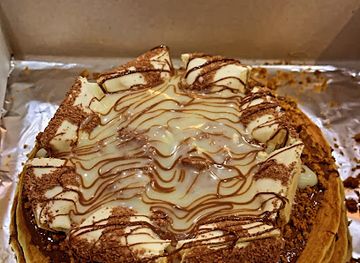
Savor the exquisite flavors of Sweet O’clock, Blida's premier crêperie, where every crêpe is a delightful culinary experience.
-
Restaurant
Rosa Resto
Experience the authentic flavors of Algeria at Rosa Resto, a charming restaurant in Blida known for its delicious cuisine and warm hospitality.
Best nightclubs in Chrea National Park
Chréa National Park is not a nightlife destination, and the upper resort has a quiet evening character shaped by mountain weather, seasonal visitors and limited facilities rather than bars or clubs. Evening options are generally connected with accommodation, simple cafés or informal social spaces, and many visitors return to Blida after exploring the park. Blida has the area's broader selection of cafés, restaurants and casual evening gathering places, although its atmosphere is more local and understated than that of a major international nightlife centre. After dark in the mountains, visibility, road conditions and mobile coverage may be less dependable, so visitors staying or travelling in the park should plan transport and meals in advance rather than assuming late services will be available.
-
National park
Chrea National Park
Discover the breathtaking beauty and biodiversity of Chrea National Park, a serene escape in the heart of Algeria's natural landscape.
-
Playground
Sky club chrea
Discover the beauty and adventure of Sky Club Chrea, a natural playground perfect for families and nature enthusiasts in Algeria.
-
 Pool hall
Eight Club B
Discover the vibrant atmosphere of Eight Club B, Blida's premier pool hall, where fun meets friendly competition.
-
Night club
Location des chaises achref
Dive into the pulsating nightlife of Béni Tamou at Location des Chaises Achref, the ultimate destination for memorable nights filled with music and dancing.
Best shops in Chrea National Park
Shopping inside Chréa National Park is modest and mainly limited to practical refreshments, seasonal visitor goods and small purchases around the resort when local outlets are operating. Blida is the more useful place for food supplies, outdoor necessities and everyday shopping before travelling into the mountains. Visitors may find Algerian handicrafts, textiles, pottery, leather goods, sweets and regional food products in Blida and other northern settlements, although these should be treated as products of the wider region rather than items unique to Chréa National Park. The park itself is better suited to purchasing simple provisions than to browsing a developed retail district. Buying locally made goods through established businesses and avoiding products made from protected plants, wildlife or illegally collected natural materials supports responsible travel in a conservation landscape.
-
National park
Chrea National Park
Discover the stunning landscapes and rich biodiversity of Chrea National Park, a natural paradise in Algeria, perfect for adventure and exploration.
-
Supermarket
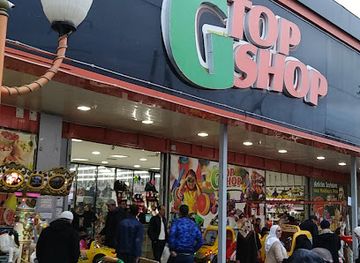
Grand Top Shop
Explore the vibrant flavors of Algeria at Grand Top Shop in Blida, a supermarket offering local and international culinary delights.
-
Shopping mall
Le Printemps Blida
Discover a vibrant shopping experience at Le Printemps Blida, where retail, dining, and entertainment come together in the heart of Algeria.
-
Clothing store
Top Shop
Explore the vibrant fashion scene at Top Shop, a premier clothing store in Blida, where style meets local culture.

Get your free copy of our complete guide to Chrea National Park, delivered straight to you.
Everything on this page, from attractions and restaurants to essentials and local phrases, in one PDF you can read offline, print or share.
Already have an account? Sign in
Your Chrea National Park guide is ready.
We'll send it to · Not you? Sign out

Getting your guide ready…
We are putting together a fresh copy of the Chrea National Park guide. This can take up to a minute.
This can take a few moments. If your browser asks, choose Allow so the download can start. You'll find the guide in your Downloads folder.
Nothing happened? Download it again
Sorry, the guide is taking longer than usual. Please try again in a minute, or get it by email instead.
Chrea National Park essentials
Currency and Payment
Safety
Emergency Situations
Do's and Don'ts
Local Tips
From Eve
Local phrases worth knowing
You don't need to get them perfect. A few words go a long way, and locals appreciate the effort.
Basics
| English | Local | Say it |
|---|---|---|
| Hello | مرحبا | [Marhaba] |
| Goodbye | وداعا | [Wada'an] |
| Yes | نعم | [Naam] |
| No | لا | [La] |
| Please/You're welcome | من فضلك | [Min fadlik] |
| Thank you | شكرا | [Shukran] |
| Excuse me/Sorry | عذرا | [A'zra] |
| How are you? | كيف حالك؟ | [Kayfa halik?] |
| Fine. And you? | بخير. وأنت؟ | [Bekhir. Wa anta?] |
| Do you speak English? | هل تتحدث الإنجليزية؟ | [Hal tatahadath al'injlizia?] |
| I don't understand | لا أفهم | [La afham] |
Eating & Drinking
| English | Local | Say it |
|---|---|---|
| I'd like to see the menu, please | أرغب في رؤية القائمة، من فضلك | [Urghab fi ru'yat alqaimah, min fadlik] |
| I don't eat meat | أنا لا آكل اللحم | [Ana la aakol allahm] |
| Cheers! | صحتين! | [Sahhtain!] |
| I would like to pay, please | أرغب في الدفع، من فضلك | [Urghab fi alduf, min fadlik] |
Emergencies
| English | Local | Say it |
|---|---|---|
| Help! | النجدة! | [An najdah!] |
| Go away! | اذهب بعيدا! | [Idhab ba'idan!] |
| Call the Police! | اتصل بالشرطة! | [Itasal bialshurta!] |
| Call a doctor! | اتصل بالطبيب! | [Itasal bialtabib!] |
| I'm lost | لقد ضللت | [Laqad dalalt] |
| I'm ill | أنا مريض | [Ana mareed] |
Shopping
| English | Local | Say it |
|---|---|---|
| I'd like to buy... | أرغب في شراء... | [Urghab fi shira...] |
| I'm just looking | أنا فقط أتطلع | [Ana faqat atatlau] |
| How much is it? | كم سعره؟ | [Kam sa'ruhu?] |
| That's too expensive | هذا غالي جدا | [Hatha ghali jiddan] |
| Can you lower the price? | هل يمكنك خفض السعر؟ | [Hal yumkinuk khafd alsu'ru?] |
Time & Numbers
| English | Local | Say it |
|---|---|---|
| What time is it? | كم الساعة؟ | [Kam alssa'ah?] |
| It's one o'clock | الواحدة | [Alwahidah] |
| Half past (10) | العاشرة والنصف | [Al'ashirah walnusf] |
| Morning | صباح | [Sabaah] |
| Afternoon | مساء | [Masaa] |
| Evening | مساء | [Masaa] |
| Yesterday | أمس | [Ams] |
| Today | اليوم | [Alyawm] |
| Tomorrow | غدا | [Ghadan] |
| 1 | واحد | [Wahid] |
| 2 | اثنان | [Ithnayn] |
| 3 | ثلاثة | [Thalatha] |
| 4 | أربعة | [Arba'ah] |
| 5 | خمسة | [Khamsah] |
| 6 | ستة | [Sittah] |
| 7 | سبعة | [Sab'ah] |
| 8 | ثمانية | [Thamaniah] |
| 9 | تسعة | [Tis'ah] |
| 10 | عشرة | [Asharah] |
Transport & Directions
| English | Local | Say it |
|---|---|---|
| Where's a/the...? | أين... | [Ayna...] |
| What's the address? | ما هو العنوان؟ | [Ma huwa al'anaan?] |
| Can you show me (on the map)? | هل يمكنك أن تريني (على الخريطة)؟ | [Hal yumkinuk an tarini (ala alkhareetah)?] |
| When's the next (bus)? | متى القادم (الحافلة)؟ | [Mata alqadim (alhafilah)?] |
| A ticket (to ....) | تذكرة (إلى ...) | [Tazkirah (ila ...)] |
History of Chrea National Park
Atlas Formation and Mountain Ecology
The landscapes of Chréa belong to the Blidean Atlas, a mountain system formed through the geological processes that shaped northern Algeria's Maghreb ranges. Elevation, exposure and rainfall create a marked contrast with the warmer Mitidja plain below, allowing Mediterranean woodland and high mountain vegetation to occur within a relatively compact area. The Atlas cedar became the defining tree of the upper slopes, while deeply cut valleys and forested ridges influenced movement, settlement and later recreation. This geological and ecological setting explains why Chréa developed as a mountain landscape of regional importance rather than simply as a scenic extension of Blida.
Communities and Forest Use
For centuries, the Blidean Atlas was part of the lived environment of communities around the mountain foothills. Woodlands, upland pastures, springs and mountain routes supported seasonal movement and local livelihoods, while the lower valleys connected the interior slopes with Blida and the agricultural plain. Forest resources were used for fuel, construction and grazing, as in many mountain regions of the Mediterranean, but their management also became increasingly shaped by state forestry policies during the Ottoman and French periods. The surviving landscape therefore reflects both natural succession and a long history of human use.
The Rise of Chréa as a Mountain Resort
Chréa's cooler climate and proximity to Blida encouraged the development of a mountain resort during the twentieth century, when improved roads made the uplands more accessible for leisure and seasonal retreats. The area later became associated with winter sports and snow tourism, an unusual experience within Algeria and one dependent on natural snowfall rather than a large engineered resort system. The road climbing from Blida remains an important part of the visitor experience, linking the densely populated plain with the forested mountain environment.
National Park and Biosphere Reserve
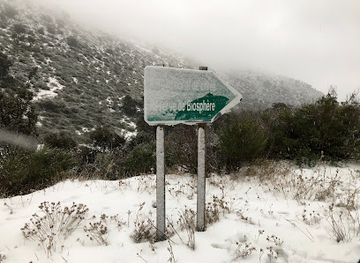
Chréa National Park was established in 1983 to protect the massif's forests, wildlife and mountain landscapes while allowing carefully managed public enjoyment. Its later recognition as a UNESCO Biosphere Reserve placed the park within an international framework for balancing biodiversity conservation with research, education and sustainable local development. The designation reflects the value of habitats ranging from the lower Mediterranean foothills to high cedar forests. Today, conservation concerns include pressure from visitors, forest fires, disturbance to wildlife and the effects of changing weather patterns on snow and woodland ecosystems.
Chrea National Park in Photos
Browse through our photo collection highlighting the charm and character of the destination.
Neighbouring destination travel guides
The closest destinations to Chrea National Park, if you have time for more than one.
-

-

-

-

-


Swipe for more destinations
Explore more
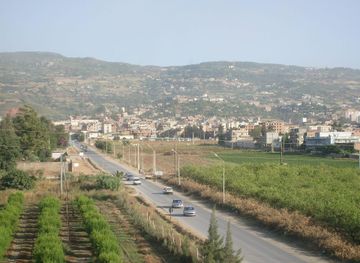
Explore more of Metidja Plain
Explore Algeria's Metidja Plain for citrus orchards, Blida's gardens, market towns and Atlas foothill scenery south of Algiers.
Explore Metidja Plain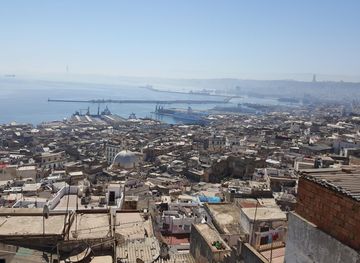
Explore more of Algeria
Discover Algeria: A captivating blend of ancient history, stunning landscapes, and vibrant culture. From the Sahara desert to Mediterranean coasts, adventure awaits.
Explore Algeria