

Free Metidja Plain Travel Guide & Mobile App
Explore Metidja Plain with free travel guides. Discover regional history, expert tips, proposed trips, and audio guides on web or mobile app.


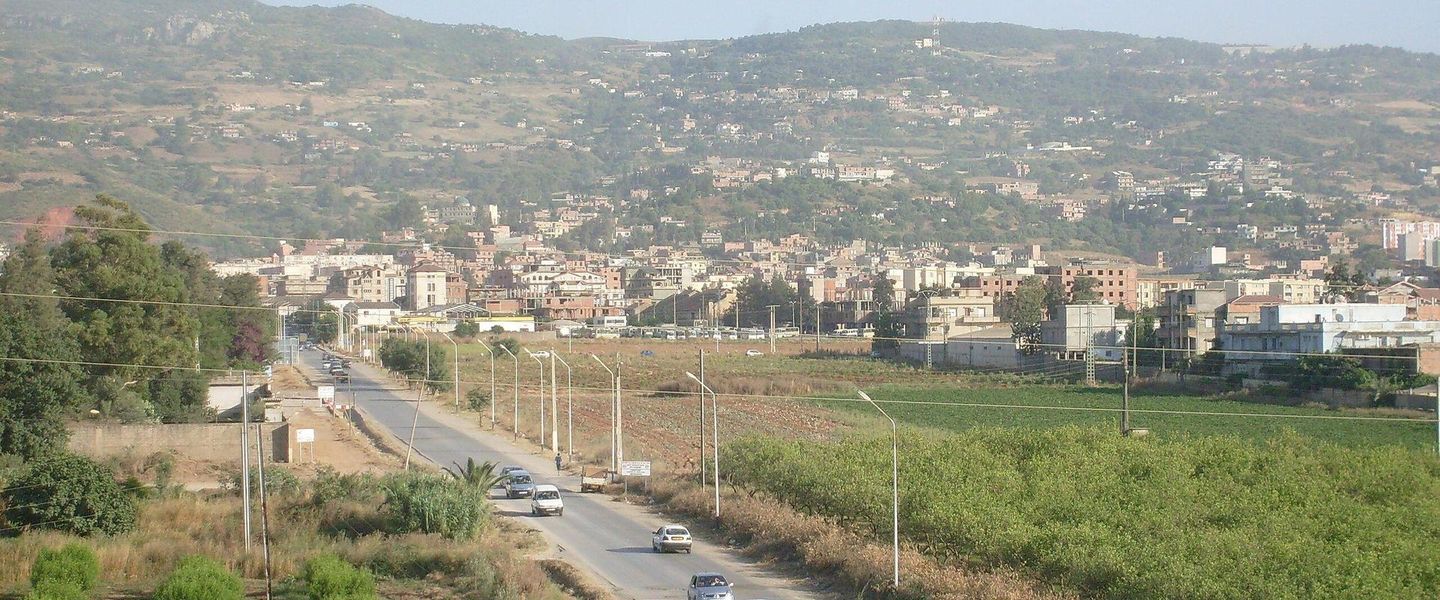


Explore Algeria's Metidja Plain for citrus orchards, Blida's gardens, market towns and Atlas foothill scenery south of Algiers.
Read more about Metidja Plain
When is the best time to visit Metidja Plain?
Best: April–May, October · 23–27°C| Month | High (°C) | Rainfall (mm) |
|---|---|---|
| January | 15 | 70 |
| February | 16 | 60 |
| March | 20 | 50 |
| April (best) | 23 | 40 |
| May (best) | 27 | 30 |
| June | 31 | 20 |
| July | 35 | 10 |
| August | 35 | 10 |
| September | 31 | 20 |
| October (best) | 27 | 30 |
| November | 20 | 40 |
| December | 16 | 60 |
Getting to and around Metidja Plain
How to get there
Transportation
Top city travel guides in Metidja Plain
The cities of Metidja Plain, and the easiest places to base yourself.

Swipe for more cities
Destinations in Metidja Plain
Resorts, valleys and scenic spots worth a trip of their own.
-

-


Swipe for more destinations
Best attractions in Metidja Plain
The Metidja Plain is best experienced through a mixture of town exploration, agricultural landscapes and access to the Atlas foothills. Blida provides the strongest concentration of urban interest, with tree-lined streets, gardens, traditional quarters, markets and everyday architecture that reflect its history as a cultivated town and regional centre. Boufarik offers a more commercial and agricultural atmosphere, while smaller settlements such as El Affroun, Mouzaia and Oued El Alleug reveal the network of market towns supporting the plain's farms. Road journeys between them are attractions in their own right, passing citrus groves, vegetable plots, vineyards, roadside produce stalls and views towards the mountains. Visitors interested in nature can use Blida as a starting point for Chréa National Park, which is outside the plain and rises into the adjacent Atlas; its forests, mountain walks and seasonal snow provide a marked contrast to the lowland fields. The region is less suited to a checklist of monumental sights than to observing cultivation, food trading, local streets and the changing boundary between farmland and metropolitan development.
-
Archaeological site
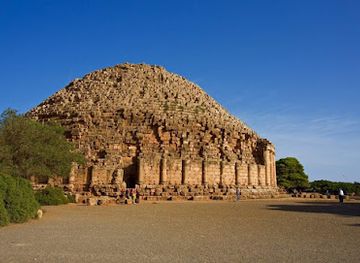
Royal Mausoleum of Mauritania
Explore the Royal Mausoleum of Mauritania, an ancient Berber tomb with stunning architecture and a rich history dating back to 3 BCE.
-
National park
Chrea National Park
Discover Algeria's natural beauty at Chréa National Park: hiking, skiing, diverse wildlife, and stunning cedar forests await!
-
Catholic cathedral
Sacred Heart Cathedral
Discover Algiers' Sacred Heart Cathedral: a blend of modern architecture, spiritual significance, and tranquil gardens in the heart of the city.
-
Tourist attraction
Aire de jeux et loisirs Boukerdane
A family-friendly recreational park in Bouzegza Keddara, offering play areas and relaxation spaces for a delightful day out.

Best landmarks in Metidja Plain
Blida's historic urban core and its relationship with the Atlas foothills are the plain's most recognisable visual landmarks. The city is associated with shaded streets, gardens, fountains and older religious and civic buildings that reflect its development as an Ottoman-era settlement influenced by Andalusian arrivals. Its central squares and market streets provide a stronger sense of place than any single isolated monument, showing how commerce, worship and garden cultivation shaped the town. Across the plain, the broad agricultural horizon, citrus belts and irrigation landscape form an important cultural landmark in their own right, even where individual fields are privately owned. Boufarik's identity as a historic market and citrus town is visible in its commercial streets and produce economy. To the south, the forested ridges above Blida announce the Chréa massif, but Chréa National Park lies outside the Metidja Plain and should not be confused with a lowland landmark. Together, the townscape, orchards and mountain wall express the region's defining geography more clearly than a collection of grand monuments.
-
 Historical landmark
Martyrs Memorial
A towering monument in Algiers honoring Algeria's war for independence, offering panoramic views and a glimpse into the nation's history.
-
Botanical garden
Botanical Garden Hamma
Discover a historic botanical garden in Algiers with diverse flora, tranquil landscapes, and cultural attractions for a memorable experience.
-
Basilica
Church of Notre Dame d'Afrique
Discover Algiers' iconic basilica: a blend of architectural styles, religious significance, and stunning Mediterranean views from a historic landmark.
-
Historical place
Royal Mausoleum of Mauritania
Explore the Royal Mausoleum of Mauritania, a majestic UNESCO World Heritage Site with a rich blend of Berber, Egyptian, and Roman history and architecture.
Explore Metidja Plain on the map
Plan your trip on one map. See where the top cities, national parks and sights are, and book hotels and experiences in a few clicks.
Best hotels in Metidja Plain
Best restaurants in Metidja Plain
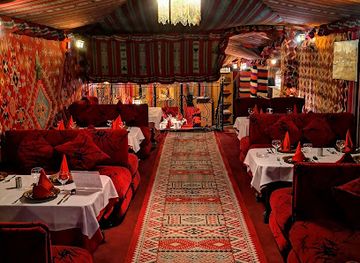
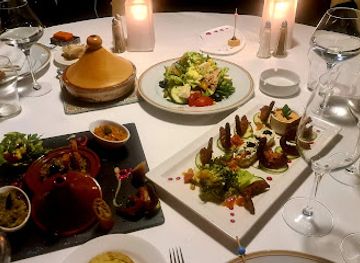
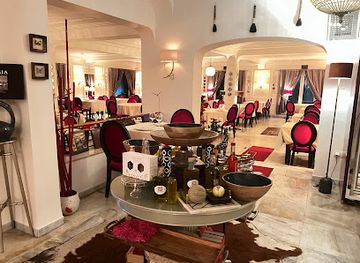
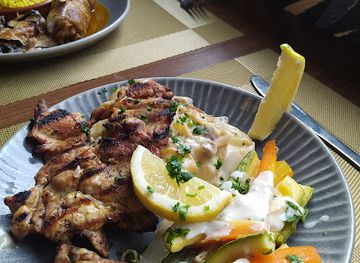
Dining in the Metidja reflects the agricultural productivity of northern Algeria and the close relationship between town and countryside. In Blida and the larger market towns, restaurants and cafés serve familiar Algerian dishes such as couscous, rechta, soups, grilled meats and savoury pastries, alongside bread and salads prepared with seasonal vegetables. Citrus, grapes and other orchard produce are especially relevant to the plain's food economy, while local markets offer a practical way to see the quality and seasonality of ingredients. Small eateries, bakeries and cafés are generally more characteristic than a formal restaurant quarter, although Blida has a broader choice than smaller settlements. Boufarik and the surrounding agricultural belt are good places to look for fruit, juices and simple meals associated with market activity. Food habits follow national Algerian customs, with family-style dining, strong coffee and sweet pastries common features; vegetarian visitors can usually find vegetable, pulse and grain-based dishes, but should explain dietary requirements clearly.
-
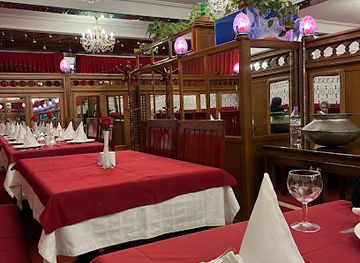
Indian
تاج محل بن عكنون
Experience authentic Indian flavors at Taj Mahal Ben Aknoun, where every dish tells a story steeped in tradition and spice.
-
Country food restaurant
La Palmeraie Restaurant مطعم النخيل
Discover authentic Moroccan flavors at La Palmeraie Restaurant in Dély Ibrahim – a culinary journey through Algeria's rich heritage.
-
Restaurant
Le Bardo Restaurant مطعم الباردو
Experience authentic Algerian cuisine at Le Bardo Restaurant in Sidi M'Hamed – where every dish tells a story.
-
Restaurant
Le Tantra
Discover the vibrant flavors of Algeria at Le Tantra - a culinary gem in El Madania offering exquisite dishes and warm hospitality.
Best bars in Metidja Plain
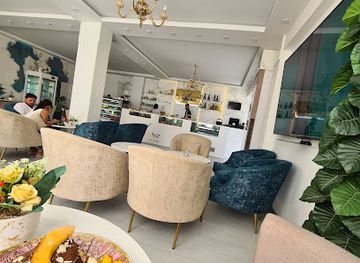
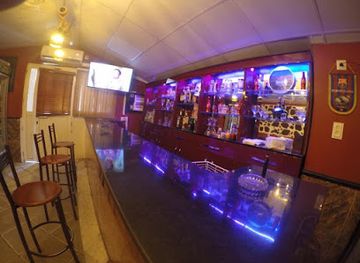
Evening life in the Metidja Plain is centred on cafés, restaurants, pastry shops and family-oriented public spaces rather than a large nightclub scene. Blida has the widest choice of places to meet after dark, with cafés and casual restaurants providing the main social setting, while smaller towns generally become quiet earlier and focus on local eateries and tea or coffee. Alcohol is available in some licensed establishments, but it is not central to the region's evening culture, and visitors should not expect a bar district comparable with a major international city. During warmer months, promenades and busy town streets can remain active into the evening, particularly after daytime heat has eased. Live entertainment and nightlife availability can change, so ask locally or through accommodation rather than relying on old listings. Transport becomes less convenient outside the main urban centres after dark, making a nearby venue or pre-arranged taxi the sensible choice.
-
Lounge
Aura Lounge
Experience the vibrant atmosphere of Aura Lounge in Ouled Fayet, where relaxation meets sophistication in a perfect blend.
-
Bar
Club gentleman
Discover Club Gentleman, a lively bar and grill in Bordj El Kiffan, serving up delicious grilled delicacies and a vibrant social atmosphere.
-
Restaurant
Le Tonneau - Bar
Experience the vibrant flavors and warm hospitality of Algeria at Le Tonneau Bar in Sidi M'Hamed, a must-visit for every traveler.
-
Restaurant
La metidja
Discover the authentic flavors of Algeria at La Metidja, Blida's premier restaurant for traditional and modern cuisine.
Best nightclubs in Metidja Plain
Evening life in the Metidja Plain is centred on cafés, restaurants, pastry shops and family-oriented public spaces rather than a large nightclub scene. Blida has the widest choice of places to meet after dark, with cafés and casual restaurants providing the main social setting, while smaller towns generally become quiet earlier and focus on local eateries and tea or coffee. Alcohol is available in some licensed establishments, but it is not central to the region's evening culture, and visitors should not expect a bar district comparable with a major international city. During warmer months, promenades and busy town streets can remain active into the evening, particularly after daytime heat has eased. Live entertainment and nightlife availability can change, so ask locally or through accommodation rather than relying on old listings. Transport becomes less convenient outside the main urban centres after dark, making a nearby venue or pre-arranged taxi the sensible choice.
-
Hotel
Hotel Best Night
Discover comfort and convenience at Hotel Best Night, your ideal retreat in Bab Ezzouar, Algiers, for a delightful travel experience.
-
Equestrian club
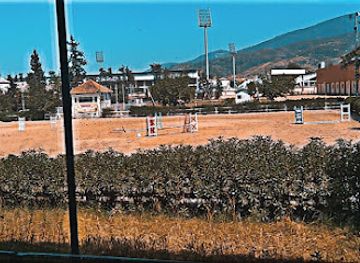
Metidja Equestrian Club Blida
Experience the thrill of horseback riding in the picturesque landscapes of Blida at Metidja Equestrian Club, a perfect blend of adventure and nature.
-
Night club
NEPTUNE CLUB
Discover the vibrant nightlife of Ain El Turk at Neptune Club, a premier destination for music, dance, and unforgettable experiences.
-
Disco club
Club Pacha Nightclub
Discover the electrifying atmosphere of Club Pacha Nightclub in El Mouradia, a hotspot for unforgettable nightlife and dancing.
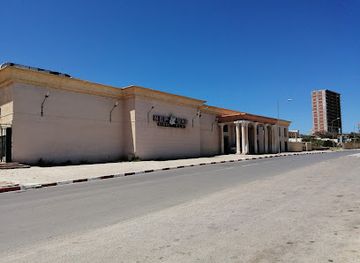

Best shops in Metidja Plain
Shopping in the Metidja is closely tied to market towns, food production and everyday Algerian commerce. Blida offers the broadest selection of general shops, bakeries, clothing stores, household goods and traditional products, while Boufarik and smaller settlements are particularly useful for observing agricultural trade. Seasonal citrus, grapes, vegetables, olives and other produce are the most regionally relevant purchases, although quality and availability vary with the harvest. Local markets are practical rather than staged tourist attractions, so prices, presentation and opening patterns may change from one town to another. Visitors can also look for Algerian sweets, dates, spices, pottery and small craft items in town shops, but should distinguish locally made goods from products sourced elsewhere in the country. Carry cash for stalls and independent retailers, check produce carefully, and ask permission before photographing market activity. For a wider selection of modern retail, Algiers is nearby but outside the Metidja Plain.
-
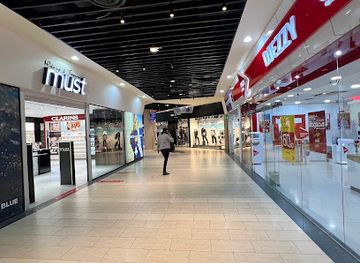
Shopping mall
Bab Ezzouar Mall
Explore Bab Ezzouar Mall, Algiers' ultimate shopping destination with a variety of brands, delicious dining, and entertainment options for a perfect day out.
-
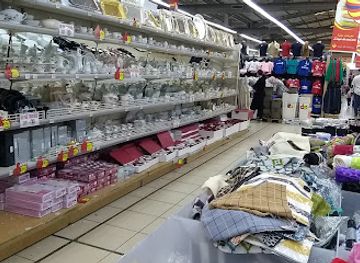
Hypermarket
Family Shop
Explore the Family Shop in Blida: A Hypermarket Experience with Local Flavors and Global Goods.
-
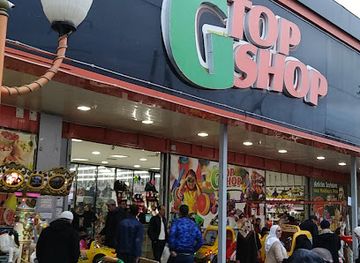
Supermarket
Grand Top Shop
Explore the diverse offerings at Grand Top Shop, Blida's premier supermarket for local and international products.
-
Shopping mall
Le Printemps Blida
Experience shopping, dining, and entertainment at Le Printemps Blida, the ultimate shopping mall in Algeria.

Get your free copy of our complete guide to Metidja Plain, delivered straight to you.
Everything on this page, from attractions and restaurants to essentials and local phrases, in one PDF you can read offline, print or share.
Already have an account? Sign in
Your Metidja Plain guide is ready.
We'll send it to · Not you? Sign out

Getting your guide ready…
We are putting together a fresh copy of the Metidja Plain guide. This can take up to a minute.
This can take a few moments. If your browser asks, choose Allow so the download can start. You'll find the guide in your Downloads folder.
Nothing happened? Download it again
Sorry, the guide is taking longer than usual. Please try again in a minute, or get it by email instead.
Metidja Plain essentials
Currency and Payment
Safety
Emergency Situations
Do's and Don'ts
Local Tips
From Eve
Local phrases worth knowing
You don't need to get them perfect. A few words go a long way, and locals appreciate the effort.
Basics
| English | Local | Say it |
|---|---|---|
| Hello | سلام | [salaam] |
| Goodbye | مع السلامة | [ma'a as-salama] |
| Yes | نعم | [na'am] |
| No | لا | [la] |
| Please/You're welcome | من فضلك | [min fadlik] |
| Thank you | شكرا | [shukran] |
| Excuse me/Sorry | عفوا | [afwan] |
| How are you? | كيف حالك؟ | [kayfa halak?] |
| Fine. And you? | بخير. وأنت؟ | [bikhayr. wa anta?] |
| Do you speak English? | هل تتكلم الإنجليزية؟ | [hal tatakallam al-ingliziyya?] |
| I don't understand | أنا لا أفهم | [ana la afham] |
Eating & Drinking
| English | Local | Say it |
|---|---|---|
| I'd like to see the menu, please | أود رؤية القائمة، من فضلك | [awad ru'yat al-qa'ima, min fadlik] |
| I don't eat meat | أنا لا آكل اللحم | [ana la akul al-lahm] |
| Cheers! | في صحتك! | [fi sihtak!] |
| I would like to pay, please | أود الدفع، من فضلك | [awad ad-daf', min fadlik] |
Emergencies
| English | Local | Say it |
|---|---|---|
| Help! | مساعدة! | [musaa'ada!] |
| Go away! | اذهب بعيدا! | [idhhab ba'idan!] |
| Call the Police! | اتصل بالشرطة! | [ittasil bi-shurta!] |
| Call a doctor! | اتصل بطبيب! | [ittasil bi-tabib!] |
| I'm lost | أنا ضائع | [ana da'i'] |
| I'm ill | أنا مريض | [ana marid] |
Shopping
| English | Local | Say it |
|---|---|---|
| I'd like to buy... | أود شراء... | [awad shira'] |
| I'm just looking | أنا أبحث فقط | [ana abhas faqat] |
| How much is it? | كم ثمنه؟ | [kam thamanu?] |
| That's too expensive | هذا غالي جدا | [hatha ghali jiddan] |
| Can you lower the price? | هل يمكنك تخفيض السعر؟ | [hal yumkinuka takhfid as-si'r?] |
Time & Numbers
| English | Local | Say it |
|---|---|---|
| What time is it? | كم الساعة؟ | [kam as-saa'a?] |
| It's one o'clock | الساعة واحدة | [as-saa'a wahida] |
| Half past (10) | العاشرة والنصف | [al-'ashira wa an-nisf] |
| Morning | صباحا | [sabahaan] |
| Afternoon | بعد الظهر | [ba'd az-zuhur] |
| Evening | مساء | [masaa'] |
| Yesterday | أمس | [ams] |
| Today | اليوم | [al-yawm] |
| Tomorrow | غدا | [ghadan] |
| 1 | واحد | [wahid] |
| 2 | اثنان | [ithnain] |
| 3 | ثلاثة | [thalatha] |
| 4 | أربعة | [arba'a] |
| 5 | خمسة | [khamsa] |
| 6 | ستة | [sitta] |
| 7 | سبعة | [sab'a] |
| 8 | ثمانية | [thamaniya] |
| 9 | تسعة | [tis'a] |
| 10 | عشرة | [ashara] |
Transport & Directions
| English | Local | Say it |
|---|---|---|
| Where's a/the...? | أين...؟ | [ayna...?] |
| What's the address? | ما هو العنوان؟ | [ma huwa al-'unwan?] |
| Can you show me (on the map)? | هل يمكنك إخباري (على الخريطة)؟ | [hal yumkinuka ikhbari (ala al-kharita)?] |
| When's the next (bus)? | متى يأتي (الباص) التالي؟ | [mataa ya'ti (al-bas) at-tali?] |
| A ticket (to ....) | تذكرة (إلى...) | [tadhkara (ila...)] |
History of Metidja Plain
Ancient Settlement and Roman North Africa
The Metidja formed part of the settled northern zone of ancient Numidia and later Roman Africa, whose towns and agricultural estates were linked to wider networks around the coast and the fertile Tell. The plain's proximity to important ancient centres, including Caesarea Mauretaniae at modern Cherchell outside the plain to the west, reflects its place within a densely occupied region. Archaeological remains in the wider area point to long-established cultivation, roads and water management, although the modern landscape has substantially covered or altered many earlier sites.
The Medieval Plain and Andalusian Settlement
After the decline of Roman power, the plain remained part of the changing political and agricultural landscape of northern Algeria, governed at different times by regional Muslim dynasties. Blida grew significantly during the Ottoman period, especially after the arrival of Andalusian refugees and settlers from the sixteenth century onwards. Their presence influenced the town's cultivation, crafts, architecture and urban character. Irrigated gardens and orchards became an enduring feature of the settlement south of Algiers.
Ottoman Algiers and the Growth of Blida
Under the Regency of Algiers, the Metidja was an important agricultural hinterland for the capital. Blida developed as a regional market and garden town at the foot of the Atlas, while villages and estates across the plain supplied grain, fruit and other produce. The area was not an isolated rural space: roads, seasonal waterways and commercial links connected it with Algiers, mountain communities and the coastal plain. This relationship between cultivation and the capital continued to shape its later development.
French Conquest and the Agricultural Transformation
French forces captured Algiers in 1830 and progressively occupied the Metidja during the following years, meeting resistance in the plain and surrounding mountains. Colonial authorities and settlers subsequently reorganised land ownership, drainage and agricultural production. Formerly marshy or seasonally wet areas were progressively reclaimed, while new roads, railways and planned settlements strengthened connections with Algiers. Citrus cultivation, vineyards and market gardening expanded, creating an agricultural system whose outlines remain visible despite later urbanisation.
Railways, Market Towns and Colonial Agriculture
During the nineteenth and early twentieth centuries, transport links helped turn towns such as Boufarik and Blida into important collection and distribution points. Railways and improved roads carried fruit, vegetables and other agricultural products towards Algiers and ports, while colonial farms reshaped the ownership and appearance of the countryside. Boufarik became particularly associated with citrus production and commercial exchange. The economic benefits of this system were unevenly distributed, and rural Algerians experienced dispossession, labour exploitation and restricted access to land under colonial rule.
The Algerian War and Independence
The Metidja's proximity to Algiers and its mixture of towns, farms and transport corridors made it significant during the Algerian War of Independence from 1954 to 1962. The surrounding Tell Atlas provided terrain for guerrilla activity, while the plain's roads and settlements were closely monitored by colonial security forces. Independence brought major changes in land ownership and agricultural administration. Many former colonial estates were nationalised or reorganised, and the region became part of the food-producing belt serving the expanding capital.
Urban Expansion and a Changing Agricultural Plain
Since independence, population growth around Algiers, Blida and the eastern and northern edges of the plain has transformed the region. Housing, commerce, industry and transport infrastructure have occupied land that was once mainly cultivated, while irrigation and modern farming have sustained important orchard and market-garden districts. The Metidja now illustrates a central Algerian tension: it remains one of the country's valuable agricultural areas, yet its closeness to the capital places constant pressure on open land and historic rural patterns.
Metidja Plain in Photos
Browse through our photo collection highlighting the charm and character of the destination.
Neighbouring regions of Metidja Plain
The closest regions to Metidja Plain, if you have time for more than one.
-

-

-

-

-


Swipe for more regions
Explore more
Explore more of Algeria
Discover Algeria: A captivating blend of ancient history, stunning landscapes, and vibrant culture. From the Sahara desert to Mediterranean coasts, adventure awaits.
Explore Algeria