

Free Aunu'u Travel Guide & Mobile App
Explore Aunu'u with free travel guides. Discover regional history, expert tips, proposed trips, and audio guides on web or mobile app.


Aunu'u in American Samoa offers a locally guided island escape with volcanic wetlands, forest paths, village culture and open Pacific views.
Read more about Aunu'u
When is the best time to visit Aunu'u?
Best: April, October–November · 29°C| Month | High (°C) | Rainfall (mm) |
|---|---|---|
| January | 30 | 270 |
| February | 30 | 270 |
| March | 30 | 270 |
| April (best) | 29 | 270 |
| May | 29 | 300 |
| June | 29 | 280 |
| July | 29 | 280 |
| August | 29 | 280 |
| September | 29 | 280 |
| October (best) | 29 | 270 |
| November (best) | 29 | 270 |
| December | 29 | 270 |
Getting to and around Aunu'u
How to get there
Transportation
Destinations in Aunu'u
Resorts, valleys and scenic spots worth a trip of their own.

Swipe for more destinations
Best attractions in Aunu'u
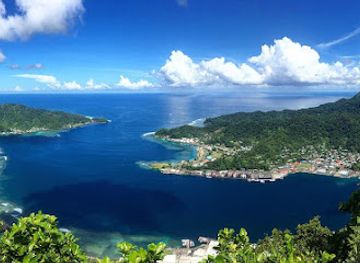
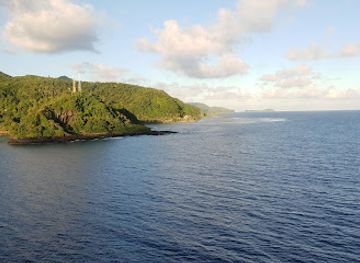
Aunu'u's attractions are principally natural and community-based rather than built for mass tourism. The island's volcanic crater and Red Lake are its defining features, with surrounding wetlands, forest and cultivated ground creating a compact but varied landscape. Paths and viewpoints reveal the relationship between freshwater, volcanic terrain and the ocean, although conditions can be muddy and access should be guided locally. The coastline offers views of reefs, surf and Tutuila, while the village provides insight into everyday life in a small Samoan island community. Birdlife and other wildlife may be observed, but visitors should keep their distance and avoid disturbing habitats. The island is not a resort destination: there are no substantial museums, visitor centres, formal attractions or large recreational facilities. Its appeal lies in a locally arranged excursion, quiet walking, geological observation and respectful contact with a living community. The surrounding sea is also part of the experience, yet swimming, snorkelling and landing conditions depend on local knowledge, tides and weather rather than on developed beach infrastructure.
-
Park
Aunuu Island National Natural Landmark
Discover Aunuu Island: A volcanic paradise with unique landscapes, rich history, and authentic Samoan culture in American Samoa.
-
Historical place
Tia Seu Lupe
Explore ancient Samoan traditions at Tia Seu Lupe, a historical site featuring restored star mounds used for the unique sport of pigeon catching.
-
 Nature preserve
Aunu’u National Natural Landmak
Discover Aunu'u Island: A volcanic paradise with lush landscapes, unique wildlife, and rich Samoan culture, a short ferry ride from Tutuila.

Best landmarks in Aunu'u
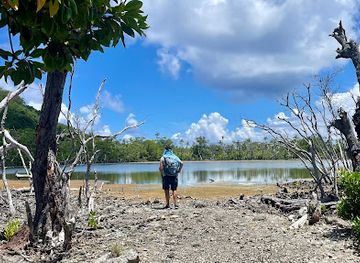
Aunu'u's most significant landmark is its volcanic crater lake, widely known as Red Lake, whose unusual colour and setting distinguish the island from the surrounding ocean landscape. The crater and associated wetland form a natural record of Aunu'u's volcanic origins, while the surrounding vegetation demonstrates how quickly tropical forest and cultivated ground occupy a small island environment. The island itself is also a geographic landmark: a compact volcanic landform separated from Tutuila by a short but meaningful stretch of open water. Its village, church and traditional settlement pattern are important cultural reference points, though they are living community spaces rather than monuments to enter freely. Along the coast, dark volcanic rock, reefs and exposed surf provide a visual contrast with the inland wetland and forest. These places are best understood together, as parts of a small cultural landscape where geology, agriculture, ocean travel and Samoan village life remain closely connected.
-
National park
National Park of American Samoa
Discover a remote paradise in the South Pacific: hike rainforests, snorkel vibrant reefs, and immerse yourself in Samoan culture at this unique national park.
-
Visitor center
National Park of American Samoa Visitor Center
Discover the natural wonders and rich culture of American Samoa at the National Park's Visitor Center in Pago Pago.
-
Tourist information center
American Samoa Visitors Bureau (ASVB)
Discover American Samoa's beauty and culture. Expert travel info, maps, tours, and local crafts at the Visitors Bureau in Pago Pago.
-
Museum
Jean P Haydon Museum
Explore American Samoa's history and culture at the Jean P. Haydon Museum in Fagatogo. Discover artifacts, traditions, and Apollo mission exhibits.
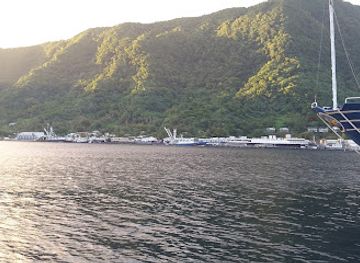
Explore Aunu'u on the map
Plan your trip on one map. See where the top cities, national parks and sights are, and book hotels and experiences in a few clicks.
Best hotels in Aunu'u
Best restaurants in Aunu'u
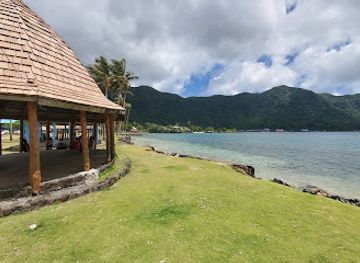
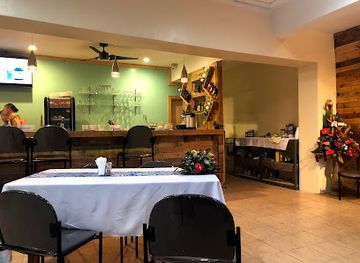
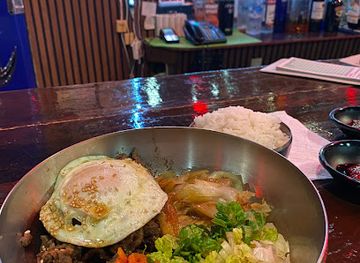
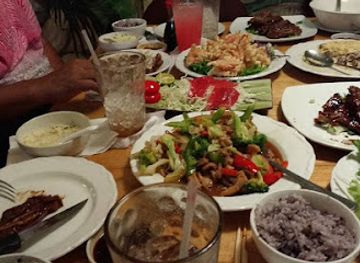
Aunu'u has no established restaurant district or dependable café scene, so visitors should bring food and drinking water from Tutuila unless a meal has been arranged directly with local residents. The island's culinary context is Samoan, with household and communal cooking traditionally drawing on taro, breadfruit, bananas, coconut, fish and other locally available ingredients. Visitors may encounter home-prepared food only by prior arrangement and should not assume that private hospitality is part of a commercial excursion. For a wider choice of meals, shops and markets, eat before departure or return to Tutuila, where American Samoan food commonly combines Samoan staples with broader Pacific and United States influences. Pack food securely for the boat journey, avoid leaving scraps around village or natural areas and carry all packaging back with you. Respect for food, household privacy and customary sharing is more important here than seeking a formal dining experience.
-
Restaurant
DDW Restaurant
Experience authentic Samoan cuisine at DDW Restaurant in Utulei with stunning ocean views and welcoming ambiance.
-
Restaurant
Cecilias Restaurant & Bar + Catering
Experience authentic Samoan flavors at Cecilia's Restaurant & Bar in Pago Pago – where delicious food meets warm hospitality.
-
Korean
Oasis
Savor authentic Korean cuisine at Oasis in Tafuna – where every dish tells a story of tradition and flavor.
-
Korean
Manuia Restaurant
Experience Korea's culinary delights at Manuia Restaurant in Tafuna—an unforgettable dining destination for every traveler.
Best bars in Aunu'u
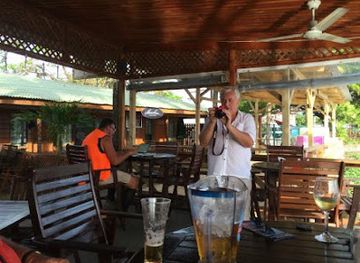
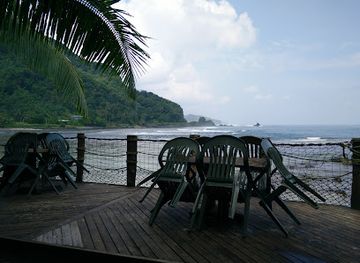
Aunu'u has no nightclub district, bar strip or established evening entertainment scene. Social life is centred on the village, family gatherings, church connections and everyday community activities rather than commercial nightlife. Visitors should not plan a late return from Tutuila or expect to buy alcoholic drinks on the island; boat arrangements and sea conditions make an evening excursion impractical. The most appropriate way to experience Aunu'u after arrival is through quiet conversation, walking in suitable areas and observation of the island's natural setting, always respecting village routines and private homes. For restaurants, bars, live music and other evening options, Tutuila is the practical base, but travellers should arrange their return boat in advance rather than rely on spontaneous transport after dark.
-
Restaurant
Sadie's by the Sea
Discover the enchanting blend of local cuisine and island hospitality at Sadie's by the Sea in Pago Pago, your perfect getaway in American Samoa.
-
Pub
The Edge Marina, Samoa
Experience the vibrant atmosphere at The Edge Marina, Samoa's premier pub and cocktail bar with stunning waterfront views.
-
Restaurant
Tisa's Barefoot Bar
Experience the charm of Tisa's Barefoot Bar, where local flavors meet breathtaking coastal views in Alega, Eastern District.
-
Restaurant
DDW Restaurant
Experience the vibrant flavors of Samoa at DDW Restaurant, where local cuisine meets stunning views in a welcoming atmosphere.
Best nightclubs in Aunu'u
Aunu'u has no nightclub district, bar strip or established evening entertainment scene. Social life is centred on the village, family gatherings, church connections and everyday community activities rather than commercial nightlife. Visitors should not plan a late return from Tutuila or expect to buy alcoholic drinks on the island; boat arrangements and sea conditions make an evening excursion impractical. The most appropriate way to experience Aunu'u after arrival is through quiet conversation, walking in suitable areas and observation of the island's natural setting, always respecting village routines and private homes. For restaurants, bars, live music and other evening options, Tutuila is the practical base, but travellers should arrange their return boat in advance rather than rely on spontaneous transport after dark.
-
Night club
Flame Night Club
Discover the electrifying nightlife at Flame Night Club in Tafuna, where unforgettable dance experiences await amidst vibrant music and a lively atmosphere.
-
Night club
Naomi namz Taalas
Discover the vibrant nightlife at Naomi namz Taalas in Tafuna, where music, dancing, and cultural immersion await every visitor.
-
Night club
Naomi
Experience vibrant nightlife at Naomi in Tafuna, where local music, dance, and great company create unforgettable evenings.

Best shops in Aunu'u
Aunu'u has no commercial shopping centre, organised tourist market or reliable range of souvenir shops. Visitors should purchase food, water, sun protection, cash and other supplies on Tutuila before crossing. Any local produce or handmade items offered directly by residents should be treated as a community transaction: ask about availability, agree the price politely and do not remove plants, shells, rocks or other natural materials without permission. The island's most appropriate souvenirs are therefore modest and locally sourced where available, rather than mass-produced retail goods. For broader shopping, American Samoan food products, crafts, clothing and practical supplies, Tutuila provides the territory's main retail infrastructure. Carry reusable bags and take packaging back across the water, since waste disposal and supply logistics are more limited on Aunu'u than on the main island.
-
Grocery store
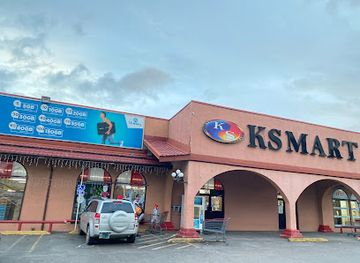
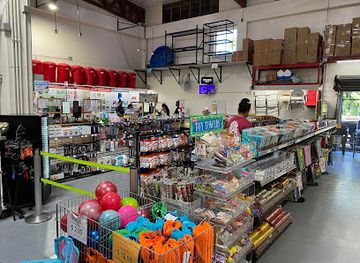
KS Mart
Uncover the essence of local cuisine at KS Mart, the go-to grocery store in Tafuna, offering fresh produce and unique Samoan delicacies.
-
Home goods store
Neil's Ace Home Center
Explore Neil's Ace Home Center in Malaeimi for home essentials, building materials, and local craftsmanship—your ultimate DIY destination.
-
Grocery store
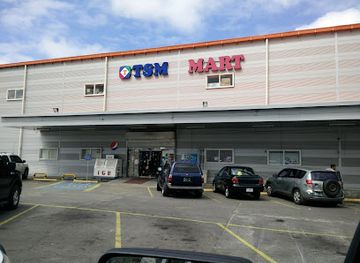
TSM Mart
Discover the local flavors and vibrant culture of Tafuna at TSM Mart, your one-stop grocery store for fresh produce and unique island products.
-
Supermarket
Forsgren
Experience the vibrant shopping culture of Nu'uuli at Forsgren, your ultimate supermarket destination for local and international products.
Get your free copy of our complete guide to Aunu'u, delivered straight to you.
Everything on this page, from attractions and restaurants to essentials and local phrases, in one PDF you can read offline, print or share.
Already have an account? Sign in
Your Aunu'u guide is ready.
We'll send it to · Not you? Sign out

Getting your guide ready…
We are putting together a fresh copy of the Aunu'u guide. This can take up to a minute.
This can take a few moments. If your browser asks, choose Allow so the download can start. You'll find the guide in your Downloads folder.
Nothing happened? Download it again
Sorry, the guide is taking longer than usual. Please try again in a minute, or get it by email instead.
Aunu'u essentials
Currency and Payment
Safety
Emergency Situations
Do's and Don'ts
Local Tips
From Eve
Local phrases worth knowing
You don't need to get them perfect. A few words go a long way, and locals appreciate the effort.
Basics
| English | Local | Say it |
|---|---|---|
| Hello | Talofa | [Tah-loh-fah] |
| Goodbye | Tofa | [Toh-fah] |
| Yes | Ioe | [Ee-oh-eh] |
| No | Leai | [Leh-eye] |
| Please/You're welcome | Fa'amolemole | [Fah-ah-moh-leh-moh-leh] |
| Thank you | Fa'afetai | [Fah-ah-feh-tah-ee] |
| Excuse me/Sorry | Fa'amolemole | [Fah-ah-moh-leh-moh-leh] |
| How are you? | O a mai oe? | [Oh ah my oh-eh] |
| Fine. And you? | lelei. O oe? | [Leh-lei. Oh oh-eh?] |
| Do you speak English? | E te le fa'aaoga i le Gagana Ingilishi? | [Eh teh leh fah-ah-oh-gah ee leh Gah-gah-nah In-gee-lee-shee?] |
| I don't understand | Ou te le malamalama | [Oh te leh mah-lah-mah-lah] |
Eating & Drinking
| English | Local | Say it |
|---|---|---|
| I'd like to see the menu, please | E mafai ona ou va'ai i le menu, fa'amolemole | [Eh mah-fai oh-nah oh vah-ee ee leh meh-noo, fah-ah-moh-leh-moh-leh] |
| I don't eat meat | Ou te le 'ai i mea 'ai | [Oh te leh eye ee meh-ah eye] |
| Cheers! | Tālofa! | [Tah-loh-fah!] |
| I would like to pay, please | Ou te manaʻo e totogi, fa'amolemole | [Oh te mah-noh-oh eh toh-toh-gee, fah-ah-moh-leh-moh-leh] |
Emergencies
| English | Local | Say it |
|---|---|---|
| Help! | Fa'amolemole! | [Fah-ah-moh-leh-moh-leh!] |
| Go away! | Ave le fa'alelei! | [Ah-veh leh fah-ah-leh-lay!] |
| Call the Police! | Fa'asalaina le Ofisa o leoleo! | [Fah-ah-sah-lah-ee-nah leh Oh-fee-sah oh leh-oh-leh-oh!] |
| Call a doctor! | Fa'asalaina se foma'i! | [Fah-ah-sah-lah-ee-nah seh foh-mah-ee!] |
| I'm lost | Ou te le iloa | [Oh te leh ee-loh-ah] |
| I'm ill | Ou te ma'i | [Oh te mah-ee] |
Shopping
| English | Local | Say it |
|---|---|---|
| I'd like to buy... | E mafai ona ou fa'atau... | [Eh mah-fai oh-nah oh fah-tah-oo...] |
| I'm just looking | Ou na'o le va'ai | [Oh nah-oh leh vah-ee] |
| How much is it? | E fia le tau? | [Eh fee-ah leh tau?] |
| That's too expensive | O le tau e maualuga | [Oh leh tau eh mah-oo-lah-gee-ah] |
| Can you lower the price? | E mafai ona e fa'aitiitia le tau? | [Eh mah-fai oh-nah eh fah-ee-tee-ree-ah leh tau?] |
Time & Numbers
| English | Local | Say it |
|---|---|---|
| What time is it? | O le a le taimi? | [Oh leh ah leh tah-ee-mee?] |
| It's one o'clock | O le itula e tasi | [Oh leh ee-too-lah eh tah-see] |
| Half past (10) | O le afa o le sefulu | [Oh leh ah-fah oh leh seh-foo-loo] |
| Morning | Taeao | [Tah-eh-ah-oh] |
| Afternoon | Popo | [Poh-poh] |
| Evening | Apo | [Ah-poh] |
| Yesterday | I le aso anapo | [Ee leh ah-soh ah-nah-poh] |
| Today | I le aso | [Ee leh ah-soh] |
| Tomorrow | I le aso taeao | [Ee leh ah-soh tah-eh-ah-oh] |
| 1 | Tasi | [Tah-see] |
| 2 | Lua | [Loo-ah] |
| 3 | Tolu | [Toh-loo] |
| 4 | Fa | [Fah] |
| 5 | Lima | [Lee-mah] |
| 6 | Ono | [Oh-no] |
| 7 | Fitu | [Fee-too] |
| 8 | Valu | [Vah-loo] |
| 9 | Nava | [Nah-vah] |
| 10 | Sefulu | [Seh-foo-loo] |
Transport & Directions
| English | Local | Say it |
|---|---|---|
| Where's a/the...? | O fea le...? | [Oh feh-ah leh...?] |
| What's the address? | O le a le fa'ailoga? | [Oh leh ah leh fah-eye-lah-ngah?] |
| Can you show me (on the map)? | E mafai ona e fa'aali mai ia te a'u (i le mapa)? | [Eh mah-fai oh-nah eh fah-ah-lee my ee-ah teh ah-oo (ee leh mah-pah)?] |
| When's the next (bus)? | Aso o le isi (pusi)? | [Ah-soh oh leh ee-see (poo-see)?] |
| A ticket (to ....) | Se tiketi (i ....) | [Seh tee-keh-tee (ee ....)] |
History of Aunu'u
Early Polynesian Settlement
Aunu'u forms part of the wider Samoan cultural and settlement landscape, whose communities developed through ocean navigation, horticulture, fishing and close relationships with extended family lands. Archaeological evidence across the Samoan Islands records long Polynesian occupation, although the small island has not acquired the extensive archaeological profile of larger sites elsewhere in the archipelago. Aunu'u's volcanic soils, freshwater features, coastal resources and position near Tutuila helped make permanent settlement possible. Its history is therefore best understood through the continuity of Samoan island communities rather than through a sequence of large outside conquests.
Traditional Village and Land Stewardship
For generations, Aunu'u has been shaped by village organisation, customary authority and communal obligations characteristic of Samoan society. Land and family connections remain important to the island's identity, while cultivation, fishing and household life have historically depended on careful use of limited resources. The crater, wetlands and forest are not merely scenic features; they are part of a lived cultural landscape. Visitors may notice that local access and appropriate behaviour are influenced by community expectations, church life and respect for family-owned or traditionally managed places.
The 1900 Cession of Tutuila and Aunu'u
In 1900, Samoan chiefs on Tutuila and Aunu'u ceded the islands to the United States. The agreement followed decades of international rivalry involving the United States, Germany and Britain over Samoa, and it established the political framework of present-day American Samoa. Aunu'u subsequently became part of the United States-administered eastern Samoan territory, while retaining its Samoan language, customs, village institutions and links to customary land. The cession is an important turning point, but it did not erase the island's Polynesian cultural foundations.
American Samoa under United States Administration
American Samoa has been administered by the United States since the cession, initially through the US Navy and later through civilian territorial institutions. The territory developed public services, schools, communications and transport links, though their reach has always been shaped by the distance between islands and the practical limits of ocean travel. For Aunu'u, proximity to Tutuila provided access to wider services without turning the island into an urban settlement. Its small population and geographic separation have helped preserve a distinct village setting within the modern territory.
Wartime Change in the Samoan Islands
The Second World War brought major military activity and infrastructure development to American Samoa, particularly on Tutuila, which became a strategically important United States base in the South Pacific. Aunu'u was not transformed into a large military centre, but its nearby position placed the island within a territory experiencing rapid wartime change. Roads, communications, shipping and employment patterns across American Samoa were affected, linking traditionally organised communities more closely to American logistical systems. The period accelerated changes that continued after the war.
Contemporary Aunu'u and Environmental Awareness
Modern Aunu'u remains a small inhabited island where community life, customary relationships and natural features are closely connected. Its crater lake, wetlands, forest and coastline have encouraged interest in conservation and low-impact visitation, while local residents continue to shape how visitors reach and move around the island. Contemporary travel to Aunu'u is therefore less about formal resort development than about respectful access to a living Samoan community and a fragile volcanic environment. Weather, sea conditions and local arrangements remain central to the visitor experience.
Aunu'u in Photos
Browse through our photo collection highlighting the charm and character of the destination.
Neighbouring regions of Aunu'u
The closest regions to Aunu'u, if you have time for more than one.
-

-

-
-


Swipe for more regions
Explore more

Explore more of American Samoa
Discover American Samoa, where pristine nature meets rich culture in the heart of the South Pacific. Enjoy untouched landscapes, vibrant traditions, and warm hospitality.
Explore American Samoa