

Free Rose Atoll Travel Guide & Mobile App
Explore Rose Atoll with free travel guides. Discover regional history, expert tips, proposed trips, and audio guides on web or mobile app.


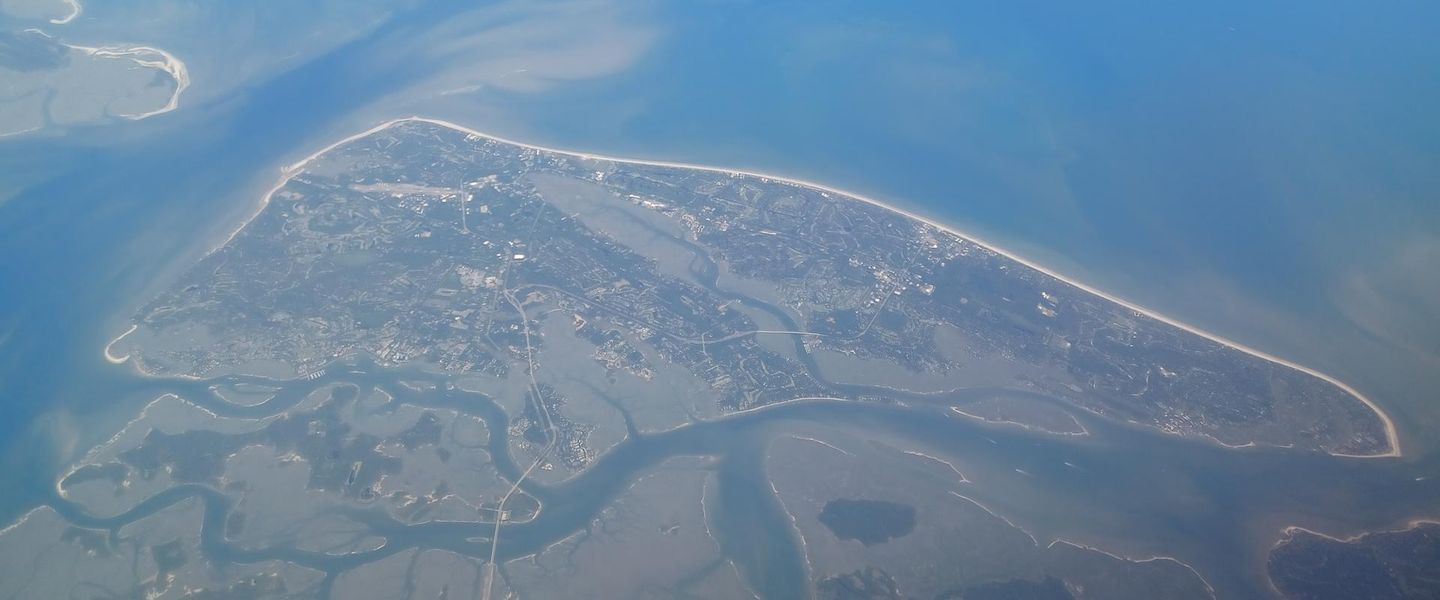


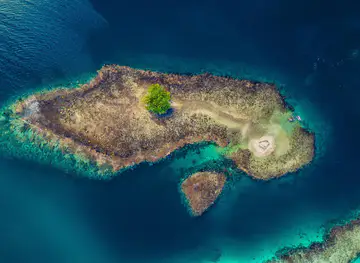
Rose Atoll in American Samoa offers authorised visitors a remote coral reef, seabird sanctuary and protected ocean wilderness far beyond ordinary island tourism.
Read more about Rose Atoll
When is the best time to visit Rose Atoll?
Best: July–September · 29°C| Month | High (°C) | Rainfall (mm) |
|---|---|---|
| January | 29 | 289 |
| February | 29 | 260 |
| March | 29 | 284 |
| April | 29 | 296 |
| May | 29 | 253 |
| June | 29 | 221 |
| July (best) | 29 | 191 |
| August (best) | 29 | 169 |
| September (best) | 29 | 189 |
| October | 29 | 234 |
| November | 29 | 279 |
| December | 29 | 300 |
Getting to and around Rose Atoll
How to get there
Transportation
Explore Rose Atoll on the map
Plan your trip on one map. See where the top cities, national parks and sights are, and book hotels and experiences in a few clicks.
Best hotels in Rose Atoll
Best restaurants in Rose Atoll
Rose Atoll has no restaurants, cafés, shops, markets, kitchens or permanent residents, so dining is part of expedition planning rather than a local tourism experience. Visitors must carry food and drinking water from Tutuila or arrange provisions through their vessel operator, with all supplies, packaging and waste managed carefully. Fresh food should be protected from heat and contamination, while cooking arrangements must comply with conservation rules and vessel safety requirements; open fires on the islands should not be assumed to be permitted. The culinary identity of the atoll is consequently ecological rather than commercial: the surrounding reef and lagoon support marine life, but fishing, collecting or taking wildlife is subject to strict protection and should never be treated as a visitor food source. Travellers can explore American Samoan cooking, bakeries, markets and restaurants on Tutuila before or after an authorised voyage, but those dining traditions belong to the inhabited gateway island rather than Rose Atoll itself.
-
Restaurant
A&E Cafe
Discover authentic local flavors at A&E Cafe in Tafuna - where every meal is a celebration of culinary tradition.

Best bars in Rose Atoll
Rose Atoll has no bars, nightclubs, pubs, entertainment venues or evening economy. There is no permanent settlement, electricity supply for visitors or safe basis for unplanned overnight recreation on the islands. Any authorised expedition should focus on daylight navigation, conservation work, wildlife observation and vessel safety, with overnight arrangements determined in advance by the operator and the applicable authorities. Social evenings, live music and American Samoan dining can be found on Tutuila, particularly around the territory’s inhabited communities, but Tutuila is outside Rose Atoll and should not be presented as part of the atoll’s nightlife. Alcohol is particularly inappropriate during an offshore crossing or while supervising boating, diving and landing operations. Rose Atoll’s evening character is instead defined by darkness, open ocean, changing weather and natural sounds, experienced only within a carefully managed expedition plan.
-
 Hotel
HotelTaumeasina Island Resort
Experience the luxury of Taumeasina Island Resort, a tropical paradise in Samoa offering stunning views, exquisite dining, and cultural adventures.
-
Bar
Sinalei Reef Resort & Spa
Discover the ultimate getaway at Sinalei Reef Resort & Spa, where luxury meets the natural beauty of Samoa's stunning shores.
-
Restaurant
Sadie's by the Sea
Experience the essence of Samoan hospitality at Sadie's by the Sea, where fresh seafood meets stunning ocean views in Pago Pago.
-
Hotel
Tradewinds Hotel
Experience the essence of Samoan hospitality at Tradewinds Hotel, your gateway to the wonders of Tafuna.
Best nightclubs in Rose Atoll
Rose Atoll has no bars, nightclubs, pubs, entertainment venues or evening economy. There is no permanent settlement, electricity supply for visitors or safe basis for unplanned overnight recreation on the islands. Any authorised expedition should focus on daylight navigation, conservation work, wildlife observation and vessel safety, with overnight arrangements determined in advance by the operator and the applicable authorities. Social evenings, live music and American Samoan dining can be found on Tutuila, particularly around the territory’s inhabited communities, but Tutuila is outside Rose Atoll and should not be presented as part of the atoll’s nightlife. Alcohol is particularly inappropriate during an offshore crossing or while supervising boating, diving and landing operations. Rose Atoll’s evening character is instead defined by darkness, open ocean, changing weather and natural sounds, experienced only within a carefully managed expedition plan.
-
Night club
Flame Night Club
Discover the electrifying nightlife at Flame Night Club in Tafuna, where music, dance, and unforgettable memories await.

Best shops in Rose Atoll
Rose Atoll has no shops, market, craft centre or commercial outlet. Visitors must purchase fuel, food, water, sun protection, communications equipment and other necessities on Tutuila before departure, allowing extra time for specialist marine supplies and waste planning. Nothing should be collected from the atoll as a souvenir: coral, shells, feathers, sand, plants and other natural materials are protected or environmentally damaging to remove. There is also no dependable opportunity to buy locally made goods during a marine expedition. For regional crafts, food products, books and gifts connected with American Samoa, travellers should shop in Pago Pago and other communities on Tutuila, outside Rose Atoll. Practical souvenirs from an authorised visit are responsible photographs, field notes and conservation knowledge rather than physical objects. Any purchase associated with Pacific wildlife or coral should be checked carefully to avoid contributing to illegal or unsustainable trade.
-
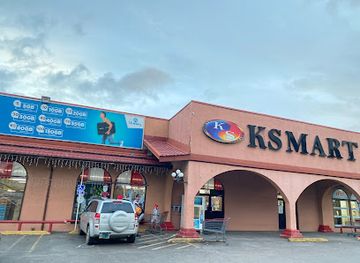
Grocery store
KS Mart
Explore local flavors and essentials at KS Mart, Tafuna's beloved grocery store offering a taste of American Samoa.
-
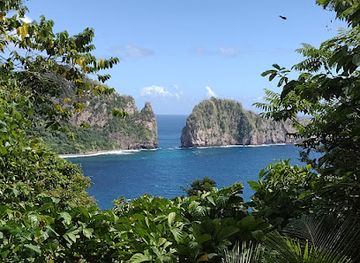
National park
National Park of American Samoa
Explore the breathtaking landscapes, rich biodiversity, and vibrant culture of the National Park of American Samoa in the heart of the South Pacific.
-
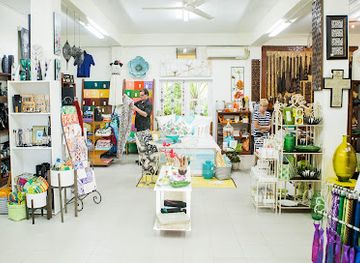
Gift shop
Pacific Jewell Gift Shop & Garden Café
Immerse yourself in the vibrant culture of Samoa at the Pacific Jewell Gift Shop & Garden Café, where unique gifts and delightful meals await.
-
Grocery store
Cost.U.Less
Explore Cost.U.Less in Pago Pago for a diverse selection of groceries, local flavors, and unbeatable prices, perfect for every traveler.

Get your free copy of our complete guide to Rose Atoll, delivered straight to you.
Everything on this page, from attractions and restaurants to essentials and local phrases, in one PDF you can read offline, print or share.
Already have an account? Sign in
Your Rose Atoll guide is ready.
We'll send it to · Not you? Sign out

Getting your guide ready…
We are putting together a fresh copy of the Rose Atoll guide. This can take up to a minute.
This can take a few moments. If your browser asks, choose Allow so the download can start. You'll find the guide in your Downloads folder.
Nothing happened? Download it again
Sorry, the guide is taking longer than usual. Please try again in a minute, or get it by email instead.
Rose Atoll essentials
Currency and Payment
Safety
Emergency Situations
Do's and Don'ts
Local Tips
From Eve
Local phrases worth knowing
You don't need to get them perfect. A few words go a long way, and locals appreciate the effort.
Basics
| English | Local | Say it |
|---|---|---|
| Hello | Talofa | [Tah-loh-fah] |
| Goodbye | Tofa | [Toh-fah] |
| Yes | Ioe | [Ee-oh-eh] |
| No | Leai | [Leh-ah-ee] |
| Please/You’re welcome | Fa'amolemole | [Fah-ah-moh-leh-moh-leh] |
| Thank you | Fa'afetai | [Fah-ah-feh-tie] |
| Excuse me/Sorry | Fa'amolemole | [Fah-ah-moh-leh-moh-leh] |
| How are you? | O a mai oe? | [Oh ah my oh-eh?] |
| Fine. And you? | Mālamalama. O a mai oe? | [Mah-lah-mah-lah-mah. Oh ah my oh-eh?] |
| Do you speak English? | E mafai ona e tautala i le Gagana Ingilisi? | [Eh mah-fai oh-nah eh tah-oo-tah-lah ee leh Ngah-gah-nah In-gee-lee-see?] |
| I don't understand | E le malamalama ia te a'u | [Eh leh mah-lah-mah-lah-mah yah teh ah-oo] |
Eating & Drinking
| English | Local | Say it |
|---|---|---|
| I’d like to see the menu, please | Ou te manaʻo e vaʻai i le menu, fa'amolemole | [Oh-oo teh mah-nah-oh eh vah-eye ee leh meh-noo, fah-ah-moh-leh-moh-leh] |
| I don't eat meat | Ou te le 'ai i mea'ai | [Oh-oo teh leh eye ee meh-ah-eye] |
| Cheers! | Tālofa! | [Tah-loh-fah] |
| I would like to pay, please | Ou te manaʻo e totogi, fa'amolemole | [Oh-oo teh mah-nah-oh eh toh-toh-gee, fah-ah-moh-leh-moh-leh] |
Emergencies
| English | Local | Say it |
|---|---|---|
| Help! | fesoasoani! | [Fes-ona!] |
| Go away! | Alofa atu! | [Ah-loh-fah ah-too!] |
| Call the Police! | Fa'ailoa i leoleo! | [Fah-ah-ee-loh-ah ee leh-oh-leh-oh!] |
| Call a doctor! | Fa'ailoa se foma'i! | [Fah-ah-ee-loh-ah seh fo-mah-ee!] |
| I'm lost | Ua ou leiloa | [Oo-ah oh leh-ee-loh-ah] |
| I'm ill | Ua ou ma'i | [Oo-ah oh mah-ee] |
Shopping
| English | Local | Say it |
|---|---|---|
| I’d like to buy... | Ou te manaʻo e fa'atau... | [Oh-oo teh mah-nah-oh eh fah-tah-oo] |
| I’m just looking | Ou na'o va'ai | [Oh-oo nah-oh vah-eye] |
| How much is it? | E fia le tau? | [Eh fee-ah leh tau?] |
| That’s too expensive | O le tau o ia e maualuga | [Oh leh tau oh ee-ah eh mah-oo-lah-oo] |
| Can you lower the price? | E mafai ona e fa'aitiitia le tau? | [Eh mah-fai oh-nah eh fah-ee-tee-ee-ah leh tau?] |
Time & Numbers
| English | Local | Say it |
|---|---|---|
| What time is it? | O le a le taimi? | [Oh leh ah leh tie-mee?] |
| It's one o'clock | O le 1 o le rel | [Oh leh 1 oh leh reh-l] |
| Half past (10) | O le 10 minute i le afa | [Oh leh 10 mee-nee-tay ee leh ah-fah] |
| Morning | Talafatai | [Tah-lah-fah-tie] |
| Afternoon | Afiafi | [Ah-fee-ah-fee] |
| Evening | Po | [Poh] |
| Yesterday | Aso na | [Ah-so nah] |
| Today | Aso nei | [Ah-so nay] |
| Tomorrow | Aso e | [Ah-so eh] |
| 1 | Tasi | [Tah-see] |
| 2 | Lua | [Loo-ah] |
| 3 | Tolu | [Toh-loo] |
| 4 | Fa | [Fah] |
| 5 | Lima | [Lee-mah] |
| 6 | Ono | [Oh-noh] |
| 7 | Fitufaa | [Fee-too-fah] |
| 8 | Vā | [Vah] |
| 9 | Ioa | [Ee-oh-ah] |
| 10 | Sefulu | [Seh-foo-loo] |
Transport & Directions
| English | Local | Say it |
|---|---|---|
| Where's a/the...? | O fea le...? | [Oh feh-ah leh...?] |
| What's the address? | O le a le adres? | [Oh leh ah leh ah-dres?] |
| Can you show me (on the map)? | E mafai ona e faʻaalia ia te a'u? | [Eh mah-fai oh-nah eh fah-ah-lee-ah yah teh ah-oo?] |
| When's the next (bus)? | O le a le taimi o le (bus) e soso'o? | [Oh leh ah leh tie-mee oh leh (bus) eh soh-soh?] |
| A ticket (to ....) | Se tiketi (i le....) | [Seh tee-keh-tee (ee leh....)] |
History of Rose Atoll
Samoan Ocean Knowledge and Traditional Connections
Rose Atoll forms part of the wider Samoan seascape, where generations of ocean users developed detailed knowledge of currents, reefs, winds, stars and island routes. The atoll has no modern permanent settlement, but its position cannot be separated from the maritime culture of the Samoan islands. Its Samoan name, Motu O Manu, reflects the prominence of birds in the atoll’s natural character. Historical understanding of Rose Atoll is therefore as much about relationships with the ocean and surrounding islands as it is about buildings or political events.
European Charting and Maritime Contact
From the era of European Pacific voyages onwards, isolated reefs and atolls were recorded, charted and incorporated into increasingly detailed maritime maps. Rose Atoll’s low profile and surrounding reef made accurate navigation particularly important, since the atoll could present hazards to vessels approaching through open ocean. Unlike larger Samoan islands, it did not develop a town, plantation economy or colonial administrative centre. Its historical visibility has instead been linked mainly to navigation, ocean travel and the scientific description of Pacific environments.
American Administration in the Samoan Islands
The eastern Samoan islands became American Samoa in the early twentieth century after political agreements divided the Samoan archipelago between American and German spheres, with Western Samoa later becoming independent Samoa. Rose Atoll consequently became part of the United States territory of American Samoa, although its distance from Tutuila limited permanent administration and development. The territorial setting remains important today: American Samoan rules and institutions operate alongside United States federal conservation responsibilities in the atoll’s surrounding waters.
National Wildlife Refuge Protection, 1973
Rose Atoll was designated as a National Wildlife Refuge in 1973, recognising the importance of its islands, reef and lagoon to seabirds, turtles, coral communities and other marine life. Refuge status placed conservation at the centre of management and restricted the kind of settlement, extraction and uncontrolled recreation that transformed many more accessible Pacific islands. The designation helped preserve Rose Atoll as a largely undeveloped natural system and established a framework for scientific monitoring and carefully regulated access.
Rose Atoll Marine National Monument, 2009
In 2009, the United States established the Rose Atoll Marine National Monument, extending strong protection into the surrounding marine environment. The monument recognises that an atoll’s ecological value is not confined to its small land area: coral reefs, lagoon waters, open-ocean habitats and associated species form one connected system. The designation strengthened restrictions on activities such as resource extraction while supporting conservation, research and management across a much larger seascape than the visible islands alone.
Contemporary Conservation and Climate Pressures
Today Rose Atoll is managed as a fragile protected landscape within American Samoa, with its future shaped by conservation priorities and wider changes in the Pacific. Coral bleaching, stronger storms, changing ocean conditions, invasive threats and sea-level rise can affect low reef islands and the species that depend on them. Modern work at the atoll focuses on monitoring, regulated access, habitat protection and cooperation between territorial and federal agencies. Its contemporary history is therefore one of safeguarding ecological function rather than promoting development.
Rose Atoll in Photos
Browse through our photo collection highlighting the charm and character of the destination.
Neighbouring regions of Rose Atoll
The closest regions to Rose Atoll, if you have time for more than one.
-

-

-

-


Swipe for more regions
Explore more

Explore more of American Samoa
Discover American Samoa, where pristine nature meets rich culture in the heart of the South Pacific. Enjoy untouched landscapes, vibrant traditions, and warm hospitality.
Explore American Samoa