

Free Swains Island Travel Guide & Mobile App
Explore Swains Island with free travel guides. Discover regional history, expert tips, proposed trips, and audio guides on web or mobile app.


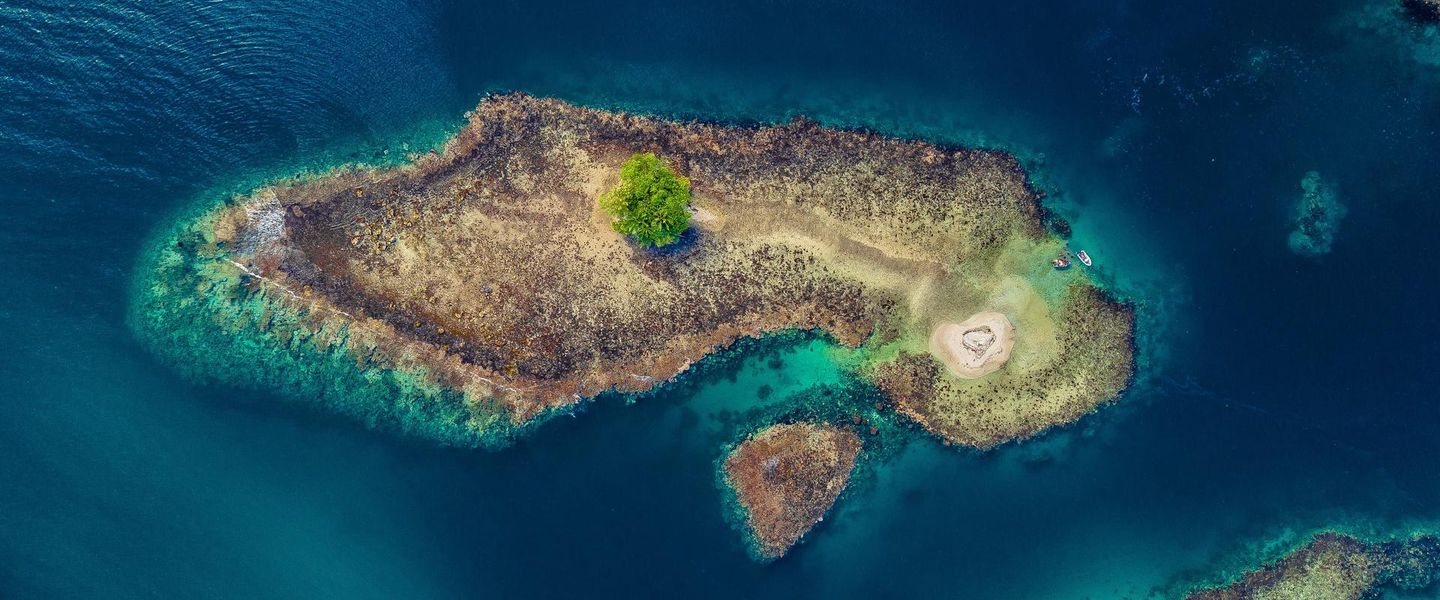


Swains Island in American Samoa is a remote private atoll for authorised expeditions, Pacific history and carefully planned reef exploration.
Read more about Swains Island
When is the best time to visit Swains Island?
Best: January–March · 29°C| Month | High (°C) | Rainfall (mm) |
|---|---|---|
| January (best) | 29 | 200 |
| February (best) | 29 | 200 |
| March (best) | 29 | 200 |
| April | 29 | 200 |
| May | 29 | 200 |
| June | 29 | 200 |
| July | 29 | 200 |
| August | 29 | 200 |
| September | 29 | 200 |
| October | 29 | 200 |
| November | 29 | 200 |
| December | 29 | 200 |
Getting to and around Swains Island
How to get there
Transportation
Explore Swains Island on the map
Plan your trip on one map. See where the top cities, national parks and sights are, and book hotels and experiences in a few clicks.
Best hotels in Swains Island
Best restaurants in Swains Island
Swains Island has no restaurants, cafés, pubs, food shops or established commercial dining scene. Any visit requires a self-sufficient galley and enough food and drinking water to cover the planned stay, weather delays and a possible inability to land or leave. The practical food culture of an expedition is shaped by storage, refrigeration, fuel and waste management rather than by local menus. Coconut has historical importance because copra production once formed the basis of the island economy, but visitors should not harvest coconuts or other food without explicit permission. Travellers normally obtain provisions in advance through their vessel operator and should follow American Samoan customs and biosecurity requirements when transporting food. Meals are likely to be prepared aboard ship or in authorised temporary facilities, with all waste removed and no assumption that fresh produce, seafood or local hospitality will be available.
-
Restaurant
Cecilias Restaurant & Bar + Catering
Experience authentic Samoan cuisine at Cecilia's Restaurant & Bar in Pago Pago – where local flavors meet warm hospitality.

Best bars in Swains Island
Swains Island has no bars, nightclubs, breweries, live-music venues or organised evening entertainment. Evening life is shaped by the expedition vessel, weather, daylight, communications and the responsibilities of living in a remote atoll environment. After dark, visitors may encounter exceptionally limited artificial light, but they should use careful lighting, avoid disturbing wildlife and remain alert around water, reefs and uneven ground. Social contact, where it occurs, is private and subject to the permissions governing the visit rather than part of a public nightlife scene. Anyone seeking restaurants, pubs or entertainment must return to a more developed community elsewhere in American Samoa; Swains itself should be valued for quiet observation, fieldwork and its unusually isolated setting.
-
 Bar
Sinalei Reef Resort & Spa
Experience the magic of Samoa at Sinalei Reef Resort & Spa, where luxury meets nature in a serene tropical setting.
-
Restaurant
Sadie's by the Sea
Discover the culinary gem of Pago Pago at Sadie's by the Sea, where ocean views meet exquisite flavors for an unforgettable dining experience.
-
Pub
The Edge Marina, Samoa
Experience the vibrant energy and local flavors at The Edge Marina, Samoa's premier pub and café, set against stunning waterfront views.
-
Restaurant
Tisa's Barefoot Bar
Experience the ultimate beach dining at Tisa's Barefoot Bar in Alega, where fresh local flavors meet stunning ocean views in a relaxed atmosphere.


Best nightclubs in Swains Island
Swains Island has no bars, nightclubs, breweries, live-music venues or organised evening entertainment. Evening life is shaped by the expedition vessel, weather, daylight, communications and the responsibilities of living in a remote atoll environment. After dark, visitors may encounter exceptionally limited artificial light, but they should use careful lighting, avoid disturbing wildlife and remain alert around water, reefs and uneven ground. Social contact, where it occurs, is private and subject to the permissions governing the visit rather than part of a public nightlife scene. Anyone seeking restaurants, pubs or entertainment must return to a more developed community elsewhere in American Samoa; Swains itself should be valued for quiet observation, fieldwork and its unusually isolated setting.
-
Night club
Flame Night Club
Unleash your night at Flame Night Club in Tafuna, where the rhythm of the night meets the spirit of the island.

Best shops in Swains Island
Swains Island has no shops, market, high street, craft outlet, gallery or commercial souvenir trade. Visitors must purchase or arrange all essentials before departure, including food, drinking water, fuel, medicines, spare equipment and suitable clothing. The most appropriate regional products and gifts are obtained elsewhere in American Samoa, particularly through established retailers and markets on the more populated islands, rather than on Swains itself. Do not collect coral, shells, driftwood, plants, historical objects or other materials as souvenirs: removal may damage the environment or breach access conditions and cultural expectations. If a visit involves locally produced crafts, photographs or research material, arrange any exchange or publication permissions directly with the relevant people in advance. Shopping on Swains is therefore a matter of expedition logistics, not leisure retail.
-
Tourist attraction
Samoa Cultural Village
Experience the rich traditions of Samoa at the Cultural Village, where history, art, and vibrant performances come alive.
-
Grocery store
KS Mart
Explore local flavors and essentials at KS Mart, your go-to grocery store in Tafuna, American Samoa.
-
Restaurant
Tisa's Barefoot Bar
Experience the serene beauty of Tisa's Barefoot Bar, where local flavors meet stunning ocean views in the heart of the Eastern District.
-
Gift shop
Pacific Jewell Gift Shop & Garden Café
Experience the best of Samoa at Pacific Jewell Gift Shop & Garden Café, where unique gifts meet delightful local cuisine in a serene setting.


Get your free copy of our complete guide to Swains Island, delivered straight to you.
Everything on this page, from attractions and restaurants to essentials and local phrases, in one PDF you can read offline, print or share.
Already have an account? Sign in
Your Swains Island guide is ready.
We'll send it to · Not you? Sign out

Getting your guide ready…
We are putting together a fresh copy of the Swains Island guide. This can take up to a minute.
This can take a few moments. If your browser asks, choose Allow so the download can start. You'll find the guide in your Downloads folder.
Nothing happened? Download it again
Sorry, the guide is taking longer than usual. Please try again in a minute, or get it by email instead.
Swains Island essentials
Currency and Payment
Safety
Emergency Situations
Do's and Don'ts
Local Tips
From Eve
Local phrases worth knowing
You don't need to get them perfect. A few words go a long way, and locals appreciate the effort.
Basics
| English | Local | Say it |
|---|---|---|
| Hello | Talofa | [Tah-loh-fah] |
| Goodbye | Tofa | [Toh-fah] |
| Yes | Ioe | [Ee-oh-eh] |
| No | Leai | [Leh-ah-ee] |
| Please/You’re welcome | Fa'amolemole | [Fah-ah-moh-leh-moh-leh] |
| Thank you | Fa'afetai | [Fah-ah-feh-tah-ee] |
| Excuse me/Sorry | Fa'amolemole | [Fah-ah-moh-leh-moh-leh] |
| How are you? | Oa mai oe? | [Oh-ah my oh-eh] |
| Fine. And you? | Fa'amalie. O a mai oe? | [Fah-ah-mah-lee-eh. Oh ah my oh-eh?] |
| Do you speak English? | E te le fa'ailoa i le Gagana Peretania? | [Eh teh leh fah-eye-loh-ah ee leh Gah-gah-nah Peh-reh-tah-nee-ah?] |
| I don't understand | E le mafai ona ou malamalama | [Eh leh mah-fah-ee oh-nah oh mah-lah-mah-lah-mah] |
Eating & Drinking
| English | Local | Say it |
|---|---|---|
| I’d like to see the menu, please | Ou te manaʻomia e va'ai i le menu, fa'amolemole | [Oh-oo teh mah-noh-mee-ah eh vah-ee ee leh meh-noo, fah-ah-moh-leh-moh-leh] |
| I don't eat meat | E le 'ai aiga | [Eh leh eye ah-ee-gah] |
| Cheers! | Fa'afetai! | [Fah-ah-feh-tah-ee!] |
| I would like to pay, please | Ou te manaʻo e totogi, fa'amolemole | [Oh-oo teh mah-noh-hee eh toh-toh-gee, fah-ah-moh-leh-moh-leh] |
Emergencies
| English | Local | Say it |
|---|---|---|
| Help! | fesoasoani! | [Fah-suh-noh-ee!] |
| Go away! | Alu i fafo! | [Ah-loo ee fah-fo!] |
| Call the Police! | Fa'ata'ita'i leoleo! | [Fah-ah-tah-ee-tah-ee leh-oh-leh-oh!] |
| Call a doctor! | Fa'ata'ita'i se foma'i! | [Fah-ah-tah-ee-tah-ee seh fo-mah-ee!] |
| I’m lost | Ua ou leiloa | [Oo-ah oh leh-ee-loh-ah] |
| I’m ill | O leaga a'u | [Oh leh-ah-ngah ah-oo] |
Shopping
| English | Local | Say it |
|---|---|---|
| I’d like to buy... | Ou te manaʻomia e faʻatau... | [Oh-oo teh mah-noh-mee-ah eh fah-too...] |
| I’m just looking | Ou te va'ai | [Oh-oo teh vah-ee] |
| How much is it? | E fia le tau? | [Eh fee-ah leh tau?] |
| That’s too expensive | O le tau e maualuga | [Oh leh tau eh mah-oo-lah-gee] |
| Can you lower the price? | E mafai ona e fa'aitiiti le tau? | [Eh mah-fah-ee oh-nah eh fah-ee-tee-tee leh tau?] |
Time & Numbers
| English | Local | Say it |
|---|---|---|
| What time is it? | O le a le taimi? | [Oh leh ah leh tah-ee-mee?] |
| It’s one o'clock | O le itula e tasi | [Oh leh ee-too-lah eh tah-see] |
| Half past (10) | O le afa o le sefulu | [Oh leh ah-fah oh leh seh-foo-loo] |
| Morning | Vaveao | [Vah-veh-ah-oh] |
| Afternoon | Afiafi | [Ah-fee-ah-fee] |
| Evening | Po | [Poh] |
| Yesterday | I le aso ananafi | [Ee leh ah-soh ah-nah-nah-fee] |
| Today | I le aso | [Ee leh ah-soh] |
| Tomorrow | I le aso e sau | [Ee leh ah-soh eh sah-oo] |
| 1 | Tasi | [Tah-see] |
| 2 | Lua | [Loo-ah] |
| 3 | Tolu | [Toh-loo] |
| 4 | Fa | [Fah] |
| 5 | Lima | [Lee-mah] |
| 6 | Ono | [Oh-no] |
| 7 | Fitufitu | [Fee-too-fee-too] |
| 8 | Valu | [Vah-loo] |
| 9 | Iva | [Ee-vah] |
| 10 | Sefulu | [Seh-foo-loo] |
Transport & Directions
| English | Local | Say it |
|---|---|---|
| Where's a/the...? | O fea le...? | [Oh feh-ah leh...?] |
| What's the address? | O le a le fa'amaonia? | [Oh leh ah leh fah-ah-mah-oh-nee-ah?] |
| Can you show me (on the map)? | E mafai ona e fa'aali mai ia te a'u (i le mapa)? | [Eh mah-fah-ee oh-nah eh fah-ah-lee my ee-ah teh ah-oo (ee leh mah-pah)?] |
| When's the next (bus)? | O le a le taimi o le (basi) e sosoo? | [Oh leh ah leh tah-ee-mee oh leh (bah-see) eh soh-soo?] |
| A ticket (to ....) | Se tiketi (i ....) | [Seh tee-keh-tee (ee ....)] |
History of Swains Island
Polynesian Oceanic Connections
Swains Island belongs to the cultural and geographical world of central Polynesia, where communities travelled between widely separated atolls using sophisticated knowledge of stars, currents, winds and bird movements. The atoll is associated with the Tokelau island group and lies closer to Tokelau than to Tutuila. The precise history of permanent early settlement is difficult to document, and surviving written accounts are limited. Nevertheless, its location reflects the long-standing mobility and regional relationships of Pacific peoples rather than an isolated history beginning with European navigation.
European Sightings and Pacific Mapping
European navigators recorded islands in this part of the Pacific from the early modern period, as Spanish and later British, American and other maritime expeditions charted routes across Polynesia. Early names and coordinates were not always consistent, and the island became more clearly identified in nineteenth-century navigational records. These voyages connected remote atolls to expanding systems of exploration, whaling, trade and imperial competition, even when no permanent foreign settlement existed.
The Jennings Family Settlement, From the 1850s
The modern history of Swains Island is closely linked to Eli Hutchinson Jennings, an American trader who established a settlement there in the 1850s after marrying Malia, a woman from Tokelau. The Jennings family developed coconut production and maintained private control of the atoll. Their long association created an unusual form of Pacific island tenure in which a family estate, rather than a conventional village administration or public tourism authority, became central to the island's identity and day-to-day organisation.
Copra and Nineteenth-Century Pacific Commerce
For much of its settled history, Swains Island's economic importance centred on copra, the dried flesh of the coconut used to produce oil. Copra linked the atoll to regional shipping networks and wider commercial markets, while life depended on coconut groves, imported supplies and maritime transport. The industry also illustrates the vulnerability of small Pacific economies: they were exposed to changing prices, irregular shipping, severe storms and the high cost of maintaining an isolated settlement.
American Samoan Administration and Sovereignty
Swains Island was incorporated into the territory administered by American Samoa during the twentieth century, giving it a political relationship with the United States while its private ownership remained especially prominent. Its status has also been discussed in relation to Tokelau and the island's historical and cultural connections with that territory. This layered history means that geography, customary relationships, private landholding and territorial administration do not align in the straightforward way they do in many better-known destinations.
Decline of Permanent Settlement and Contemporary Stewardship
The resident population has not supported the kind of permanent community infrastructure found on Tutuila or the larger islands of American Samoa. Commercial activity declined as copra became less viable and transport remained difficult, while the Jennings family continued its association with the island. Today Swains Island is best understood as a privately controlled, sparsely inhabited atoll whose historical settlement, marine environment and political status require careful stewardship rather than mass tourism.
Swains Island in Photos
Browse through our photo collection highlighting the charm and character of the destination.
Neighbouring regions of Swains Island
The closest regions to Swains Island, if you have time for more than one.
-

-

-

-


Swipe for more regions
Explore more

Explore more of American Samoa
Discover American Samoa, where pristine nature meets rich culture in the heart of the South Pacific. Enjoy untouched landscapes, vibrant traditions, and warm hospitality.
Explore American Samoa