

Free Tutuila Travel Guide & Mobile App
Explore Tutuila with free travel guides. Discover regional history, expert tips, proposed trips, and audio guides on web or mobile app.


Explore Tutuila in American Samoa for volcanic trails, Pago Pago Harbour, Samoan villages, coral waters and a deeply rooted island culture.
Read more about Tutuila
When is the best time to visit Tutuila?
Best: June–August · 29°C| Month | High (°C) | Rainfall (mm) |
|---|---|---|
| January | 30 | 250 |
| February | 30 | 225 |
| March | 30 | 250 |
| April | 30 | 225 |
| May | 29 | 200 |
| June (best) | 29 | 175 |
| July (best) | 29 | 175 |
| August (best) | 29 | 175 |
| September | 29 | 175 |
| October | 29 | 200 |
| November | 29 | 225 |
| December | 30 | 250 |
Getting to and around Tutuila
How to get there
Transportation
Top city travel guides in Tutuila
The cities of Tutuila, and the easiest places to base yourself.
-

-

-

-

-


Swipe for more cities
Destinations in Tutuila
Resorts, valleys and scenic spots worth a trip of their own.
-

-

-

-


Swipe for more destinations
Best attractions in Tutuila
Tutuila's attractions combine tropical scenery, Samoan culture and the layered history of Pago Pago Harbour. The National Park of American Samoa is the principal outdoor destination on the island, with rainforest trails and coastal landscapes around Mount Alava and the north coast; routes vary in difficulty and weather can alter conditions quickly. Visitors can also explore viewpoints above the harbour, village churches, coastal roads and beaches, while the Jean P. Haydon Museum in Fagatogo provides an accessible introduction to Samoan heritage and American Samoan history. Fagatele Bay and surrounding waters offer opportunities to appreciate protected marine habitats, although swimming and snorkelling should be undertaken only where conditions and local advice permit. Historic traces connected with American Samoa's naval and wartime past complement the natural sights, particularly around the harbour. The island is not a resort destination built around a single strip of beach: its appeal lies in moving between high forest, working villages, dramatic shoreline and the everyday life of a territory where customary culture remains visible.
-
Tourist attraction
National Park of American Samoa
Explore a remote paradise where rainforests meet coral reefs and ancient Samoan traditions thrive. Discover the heart of the South Pacific.
-
Beach
Lalomanu Beach
Discover Lalomanu Beach: Pristine sands, turquoise waters, and authentic Samoan culture await on Upolu's stunning southeastern coast.
-
Visitor center
National Park of American Samoa Visitor Center
Discover the wonders of American Samoa's rainforests, reefs, and culture at the National Park Visitor Center in Fagatogo.
-
Water
Pago Pago Harbour
Discover Pago Pago Harbour: A stunning volcanic harbor steeped in history and Polynesian culture, offering natural beauty and a gateway to American Samoa.
Best landmarks in Tutuila
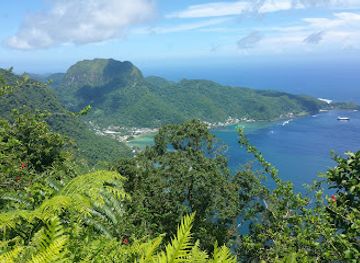
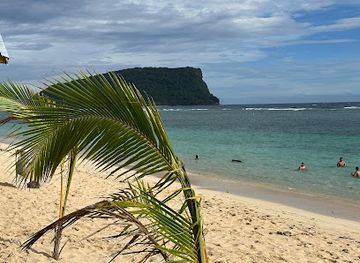
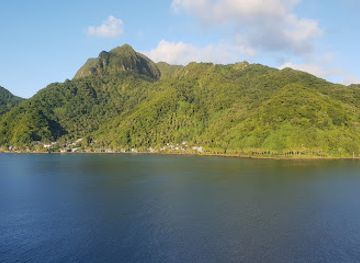
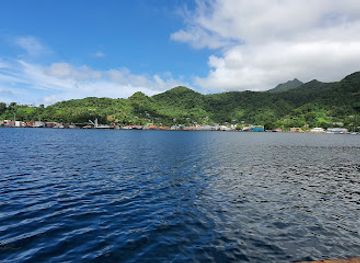
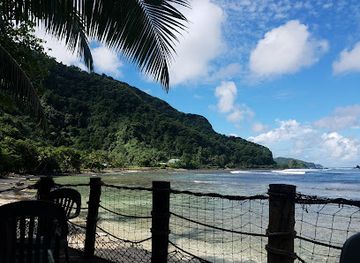
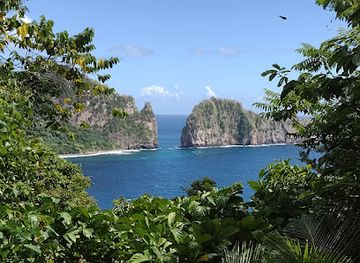
Pago Pago Harbour is Tutuila's defining geographical landmark, a deeply indented volcanic inlet enclosed by steep green mountains and central to the island's settlement, maritime history and modern identity. Mount Alava forms a prominent ridge above the harbour and is both a visual reference point and a destination for hikers using routes in the national park. On the north coast, Pola Island rises as a distinctive offshore rock formation beside the protected landscape of the National Park of American Samoa, illustrating the power of surf and volcanic geology. Fagatele Bay on the south-west coast is significant as a protected marine environment, with forested slopes descending towards reef and open ocean. In Fagatogo, the Jean P. Haydon Museum and surrounding civic area provide a cultural landmark rather than a monumental one, helping visitors interpret the island's Samoan and territorial history. Across Tutuila, village churches, landscaped communal spaces and traditional residential settings are important landmarks of lived culture; they should be viewed respectfully rather than treated as staged attractions.
-
 Hotel
HotelSadie's by the Sea
Experience beachfront bliss at Sadie's by the Sea in Pago Pago, American Samoa. Relax, explore, and immerse yourself in island charm.
-
Grocery store
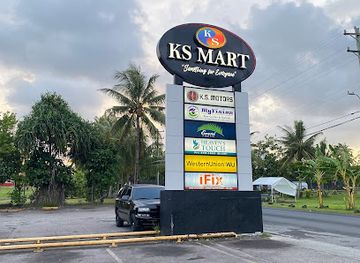
KS Mart
Your go-to grocery store in Tafuna, American Samoa, offering a wide selection of local and international products for all your needs.
-
National park
National Park of American Samoa
Discover a unique national park in the South Pacific, where Samoan culture meets stunning rainforests and vibrant coral reefs.
-
Shopping mall
Laufou Shopping Center
Discover Laufou Shopping Center in Nu'uuli: Where shopping, dining, and Samoan culture come together for an unforgettable experience.

Explore Tutuila on the map
Plan your trip on one map. See where the top cities, national parks and sights are, and book hotels and experiences in a few clicks.
Best hotels in Tutuila
Best restaurants in Tutuila
Dining on Tutuila reflects Samoan ingredients alongside American, Asian and wider Pacific influences. Fresh tuna and other seafood are widely associated with the island's coastal setting, while taro, breadfruit, bananas, coconut and locally grown vegetables appear in home-style and restaurant cooking. Palusami, made with coconut cream and taro leaves, and oka, a raw-fish preparation with coconut and citrus flavours, are dishes visitors may encounter, though recipes and availability vary. Pago Pago, Fagatogo and Tafuna offer the broadest choice of restaurants, takeaway counters, cafés and supermarkets, while village areas tend to have fewer formal dining options. Markets and local food outlets can be good places to find seasonal produce and prepared dishes, but opening patterns may be limited on Sundays and public holidays. American-style meals are common, reflecting the territory's political relationship with the United States, yet the most distinctive meals are those that foreground island produce and Samoan methods of preparation.
-
Restaurant
Sadie's by the Sea
Discover relaxation and exquisite dining at Sadie's by the Sea in Pago Pago – where paradise meets home-cooked flavors.
-
Restaurant
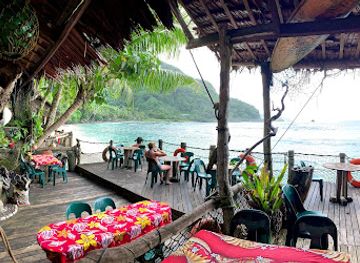
Tisa's Barefoot Bar
Experience authentic Samoan cuisine with stunning ocean views at Tisa's Barefoot Bar – your gateway to paradise in American Samoa.
-
Fast Food
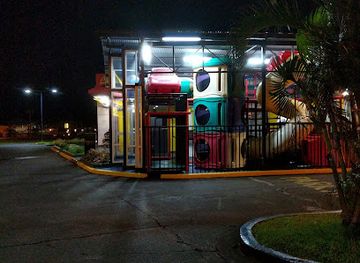
McDonald's
Experience fast food favorites at McDonald's in Tafuna – where familiar tastes meet local charm!
-
Restaurant
DDW Restaurant
Discover delectable cuisine with breathtaking ocean views at DDW Restaurant in Utulei.
Best bars in Tutuila
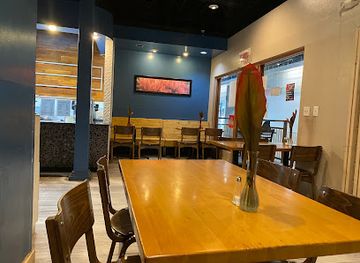
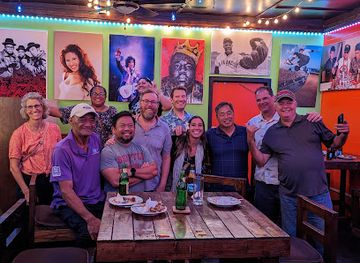
Tutuila's evening scene is relatively restrained and centred on restaurants, hotel bars, local pubs and social gatherings rather than a large nightclub circuit. Pago Pago, Fagatogo and Tafuna provide the greatest concentration of places to eat and have a drink, while smaller villages generally become quiet after the day's activities. Live music, church and community events can be more culturally significant than late-night entertainment, but these are not always public or regularly scheduled for visitors. A few establishments may offer televised sport, dancing or occasional music, although opening arrangements can change and should be checked locally. Sunday is particularly important to the rhythm of island life, with worship and family commitments affecting evening commerce. Visitors should treat bars as places for relaxed socialising and dining, arrange transport in advance when travelling at night, and avoid assuming that remote coastal areas have late services or reliable taxi availability.
-
Restaurant
Tisa's Barefoot Bar
Experience the essence of island life at Tisa's Barefoot Bar, where delicious local cuisine meets stunning beach views.
-
Fast Food
McDonald's
Discover global flavors at McDonald's Tafuna, where fast food meets familiar comfort in a lively atmosphere.
-
Restaurant
DDW Restaurant
Experience the authentic flavors of Utulei at DDW Restaurant, a coastal dining haven where fresh seafood meets breathtaking ocean views.
-
Restaurant
The Koko Bean Cafe
Discover the flavors of Samoa at The Koko Bean Cafe, a charming spot in Nu'uuli offering delicious local and international cuisine.
Best nightclubs in Tutuila
Tutuila's evening scene is relatively restrained and centred on restaurants, hotel bars, local pubs and social gatherings rather than a large nightclub circuit. Pago Pago, Fagatogo and Tafuna provide the greatest concentration of places to eat and have a drink, while smaller villages generally become quiet after the day's activities. Live music, church and community events can be more culturally significant than late-night entertainment, but these are not always public or regularly scheduled for visitors. A few establishments may offer televised sport, dancing or occasional music, although opening arrangements can change and should be checked locally. Sunday is particularly important to the rhythm of island life, with worship and family commitments affecting evening commerce. Visitors should treat bars as places for relaxed socialising and dining, arrange transport in advance when travelling at night, and avoid assuming that remote coastal areas have late services or reliable taxi availability.
-
Restaurant
Tisa's Barefoot Bar
Experience the ultimate island dining at Tisa's Barefoot Bar, where fresh seafood meets breathtaking ocean views in a serene atmosphere.
-
Restaurant
Paradise Pizza
Experience the best of Pago Pago's dining scene at Paradise Pizza, where fresh ingredients meet mouthwatering flavors in a vibrant atmosphere.
-
Gastropub
Flying Fox Gastropub
Discover the vibrant flavors of Pago Pago at Flying Fox Gastropub, where local ingredients meet innovative cuisine in a welcoming atmosphere.
-
Restaurant
Cecilias Restaurant & Bar + Catering
Discover the flavors of Pago Pago at Cecilia's Restaurant & Bar, where local ingredients meet culinary creativity in a warm atmosphere.
Best shops in Tutuila
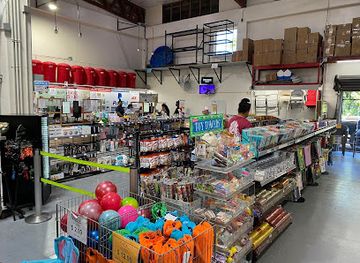
Shopping on Tutuila is concentrated in Pago Pago, Fagatogo and Tafuna, where supermarkets, general stores, small independent businesses and commercial centres serve local residents as well as visitors. Fagatogo's market area is useful for seeing seasonal fruit, vegetables, prepared food and everyday goods, while shops may stock Samoan handicrafts, woven items, shell products, printed textiles and souvenirs connected with the territory. Selection is practical rather than extensive, and imported American products are often more prominent than specialist luxury retail. Look for locally made crafts and food products where provenance is clear, and remember that natural materials such as coral, shells, feathers and plants may be subject to environmental or customs restrictions. Shopping hours can be reduced on Sundays and may vary between villages. The most meaningful purchases are usually modest items that support local makers, accompanied by respectful questions about how and where they were produced.
-
Hotel
Tradewinds Hotel
Discover the comfort and tranquility of Tradewinds Hotel in Tafuna, where relaxation meets local charm for an unforgettable stay.
-
Grocery store
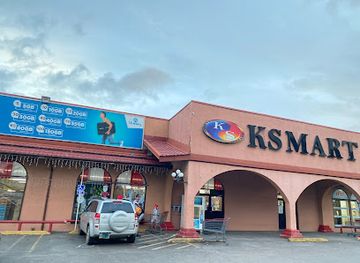
KS Mart
Discover the local flavors and essentials at KS Mart, your friendly grocery store in Tafuna, Samoa, offering a range of products for every need.
-
National park
National Park of American Samoa
Explore the breathtaking landscapes and rich biodiversity of the National Park of American Samoa, a tropical paradise for adventurers and nature lovers.
-
Home goods store
Neil's Ace Home Center
Discover a treasure trove of home goods and building supplies at Neil's Ace Home Center in Malaeimi, perfect for travelers and DIY enthusiasts alike.
Get your free copy of our complete guide to Tutuila, delivered straight to you.
Everything on this page, from attractions and restaurants to essentials and local phrases, in one PDF you can read offline, print or share.
Already have an account? Sign in
Your Tutuila guide is ready.
We'll send it to · Not you? Sign out

Getting your guide ready…
We are putting together a fresh copy of the Tutuila guide. This can take up to a minute.
This can take a few moments. If your browser asks, choose Allow so the download can start. You'll find the guide in your Downloads folder.
Nothing happened? Download it again
Sorry, the guide is taking longer than usual. Please try again in a minute, or get it by email instead.
Tutuila essentials
Currency and Payment
Safety
Emergency Situations
Do's and Don'ts
Local Tips
From Eve
Local phrases worth knowing
You don't need to get them perfect. A few words go a long way, and locals appreciate the effort.
Basics
| English | Local | Say it |
|---|---|---|
| Hello | Talofa | [Tah-loh-fah] |
| Goodbye | Tofa | [Toh-fah] |
| Yes | Ioe | [Ee-oh-eh] |
| No | Leai | [Leh-ah-ee] |
| Please/You're welcome | Fa'amolemole | [Fah-ah-moh-leh-moh-leh] |
| Thank you | Fa'afetai | [Fah-ah-feh-tah-ee] |
| Excuse me/Sorry | Fa'amolemole | [Fah-ah-moh-leh-moh-leh] |
| How are you? | O a mai oe? | [Oh ah my oh-eh] |
| Fine. And you? | Ua lelei. O oe? | [Oo-ah leh-leh-ee. Oh oh-eh?] |
| Do you speak English? | E mafai ona e tautala i le Gagana Ingilisi? | [Eh mah-fai oh-nah eh tau-tah-lah ee leh Gah-gah-nah In-glee-see?] |
| I don't understand | Ou te le malamalama | [Oh-oo teh leh mah-lah-mah-ngah] |
Eating & Drinking
| English | Local | Say it |
|---|---|---|
| I'd like to see the menu, please | Ou te manaʻo e va'ai i le menu, fa'amolemole | [Oh-oo teh mah-nah-oh eh vah-ee ee leh meh-noo, fah-ah-moh-leh-moh-leh] |
| I don't eat meat | Ou te le 'ai i mea 'ai | [Oh-oo teh leh ah-ee ee meh-ah ah-ee] |
| Cheers! | Fa'amanuia! | [Fah-ah-mah-noo-ee-ah] |
| I would like to pay, please | Ou te manaʻomia le totogi, fa'amolemole | [Oh-oo teh mah-nah-oh-mee-ah leh toh-toh-gee, fah-ah-moh-leh-moh-leh] |
Emergencies
| English | Local | Say it |
|---|---|---|
| Help! | fesoasoani! | [Fah-seh-foh-eh!] |
| Go away! | Aua le fa'atau! | [Ah-oo-ah leh fah-tah-oo!] |
| Call the Police! | Fa'afone i leoleo! | [Fah-ah-foh-neh ee leh-oh-leh-oh!] |
| Call a doctor! | Fa'afone i se foma'i! | [Fah-ah-foh-neh ee seh foh-mah-ee!] |
| I'm lost | Ua ou leiloa | [Oo-ah oh-oo leh-ee-loh-ah] |
| I'm ill | Ua ou gasegase | [Oo-ah oh-oo gah-seh-gah-seh] |
Shopping
| English | Local | Say it |
|---|---|---|
| I'd like to buy... | Ou te manaʻo e faʻatau... | [Oh-oo teh mah-nah-oh eh fah-too...] |
| I'm just looking | O soifuaga na'o le va'ai | [Oh so-ee-foo-ah-ngah nah-oh leh vah-ee] |
| How much is it? | E fia le tau? | [Eh fee-ah leh tau?] |
| That's too expensive | O le tau e maualuga | [Oh leh tau eh mah-oo-lah-ngah] |
| Can you lower the price? | E mafai ona e fa'aitiitia le tau? | [Eh mah-fai oh-nah eh fah-ee-tee-ee-ah leh tau?] |
Time & Numbers
| English | Local | Say it |
|---|---|---|
| What time is it? | O le a le taimi? | [Oh leh ah leh tah-ee-mee?] |
| It's one o'clock | O le itula e tasi | [Oh leh ee-too-lah eh tah-see] |
| Half past (10) | O le afa i le sefulu | [Oh leh ah-fah ee leh seh-foo-loo] |
| Morning | Tai | [Tah-ee] |
| Afternoon | Popo | [Poh-poh] |
| Evening | Afiafi | [Ah-fee-ah-fee] |
| Yesterday | I le aso na | [Ee leh ah-soh nah] |
| Today | I le aso | [Ee leh ah-soh] |
| Tomorrow | I le aso e tasi | [Ee leh ah-soh eh tah-see] |
| 1 | Tasi | [Tah-see] |
| 2 | Lua | [Loo-ah] |
| 3 | Tolu | [Toh-loo] |
| 4 | Fa | [Fah] |
| 5 | Lima | [Lee-mah] |
| 6 | Ona | [Oh-nah] |
| 7 | Fitu | [Fee-too] |
| 8 | Valu | [Vah-loo] |
| 9 | Iva | [Ee-vah] |
| 10 | Sefulu | [Seh-foo-loo] |
Transport & Directions
| English | Local | Say it |
|---|---|---|
| Where's a/the...? | O fea le...? | [Oh feh-ah leh...?] |
| What's the address? | O le a le fa'ailoga? | [Oh leh ah leh fah-ai-lah-ngah?] |
| Can you show me (on the map)? | E mafai ona e fa'aali mai ia te a'u (i le mapa)? | [Eh mah-fai oh-nah eh fah-ah-lee my ee-ah teh ah-oo (ee leh mah-pah)?] |
| When's the next (bus)? | O le a le taimi o le (pusa) fou? | [Oh leh ah leh tah-ee-mee oh leh (poo-sah) foh-oo?] |
| A ticket (to ....) | Se tiketi (i ....) | [Seh tee-keh-tee (ee ....)] |
History of Tutuila
Early Polynesian Settlement
Tutuila forms part of the Samoan archipelago, which was settled by Polynesian voyagers during the wider expansion across the Pacific. Archaeological evidence from Samoa points to human occupation more than two thousand years ago, although the precise sequence of settlement on every part of Tutuila is not equally documented. Communities developed around coastal resources and fertile valleys, while oral traditions preserved genealogies, chiefly relationships and connections between villages. The island's present-day cultural landscape, including the importance of family, land and village authority, has roots that pre-date European contact by many centuries.
European Contact and Missionary Change
European navigators and later visiting ships reached Samoa from the eighteenth century onwards, bringing new trade connections, diseases, weapons and religious influences. Christian missionaries became particularly influential during the nineteenth century, and Christianity was incorporated into Samoan community life rather than simply replacing older social structures. Churches now form prominent features in Tutuila's villages, while customary chiefly titles and obligations continue alongside Christian practice. Contact also increased foreign interest in Samoa's harbours and strategic position in the central Pacific.
The 1899 Partition of Samoa
Rival claims by Germany, the United States and Britain over Samoa contributed to political tension during the nineteenth century. The Tripartite Convention of 1899 divided the islands: Germany took control of the western islands, which later became Samoa, while the United States assumed authority over the eastern islands, including Tutuila and Aunu'u. The agreement reshaped regional politics and placed Tutuila within an American sphere of administration. It also helps explain why the two parts of the Samoan archipelago now have different constitutional relationships despite their shared language and cultural history.
American Administration and the Naval Era
In 1900, traditional leaders on Tutuila formally ceded the island to the United States, and American naval administration developed around Pago Pago Harbour. The harbour's depth and strategic location made it valuable for coaling, communications and Pacific operations. Naval rule continued for much of the first half of the twentieth century, influencing infrastructure, employment and the growth of settlements around the harbour. The official transfer ceremonies and surviving administrative buildings form part of Tutuila's colonial and political history, although the island's villages and customary institutions remained central to social life.
The Second World War and Coastal Defences
During the Second World War, American Samoa became an important support and defence position in the Pacific, even though Tutuila did not experience the large-scale battles seen elsewhere in the region. Military personnel, supply activity, roads and defensive installations changed the island's economy and physical landscape. Remains associated with this period can still be found in parts of the harbour area and coastal hills, while the war accelerated Tutuila's connections with the wider United States and the Pacific. Its strategic role also reinforced the importance of Pago Pago as a regional harbour.
Civilian Government and Territorial Identity
After the naval era ended in the mid-twentieth century, American Samoa moved towards a more civilian form of territorial government. The territory adopted a constitution in the 1960s, and elected institutions expanded while customary Samoan leadership retained a significant place in public life. Tutuila saw improvements in roads, schools, healthcare, communications and commercial services, bringing substantial social change. American Samoa remains an unincorporated United States territory rather than a state, and its political identity continues to reflect the balance between American administration and Samoan landholding, titles and community traditions.
National Park and Environmental Stewardship
The National Park of American Samoa was established in 1988 and includes protected land on Tutuila as well as areas on other islands in the territory. Its Tutuila sections safeguard rainforest, ridgelines, archaeological and cultural landscapes, reefs and coastal habitats. Conservation has added a modern environmental dimension to the island's history, encouraging visitors to understand that forests and reefs are not merely scenery but part of a living community resource. Park work is carried out in partnership with local villages and reflects the importance of respecting customary land relationships.
Tutuila in Photos
Browse through our photo collection highlighting the charm and character of the destination.
Neighbouring regions of Tutuila
The closest regions to Tutuila, if you have time for more than one.
-

-

-
-


Swipe for more regions

