

Free Manu'a Islands Travel Guide & Mobile App
Explore Manu'a Islands with free travel guides. Discover regional history, expert tips, proposed trips, and audio guides on web or mobile app.


Explore American Samoa's Manu'a Islands for volcanic mountains, Ofu's reef-lined beach, village traditions and remote Pacific landscapes.
Read more about Manu'a Islands
When is the best time to visit Manu'a Islands?
Best: January–March · 29°C| Month | High (°C) | Rainfall (mm) |
|---|---|---|
| January (best) | 29 | 250 |
| February (best) | 29 | 250 |
| March (best) | 29 | 250 |
| April | 29 | 250 |
| May | 29 | 250 |
| June | 29 | 250 |
| July | 29 | 250 |
| August | 29 | 250 |
| September | 29 | 250 |
| October | 29 | 250 |
| November | 29 | 250 |
| December | 29 | 250 |
Getting to and around Manu'a Islands
How to get there
Transportation
Best attractions in Manu'a Islands
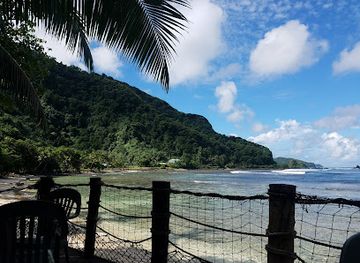
Manu'a's attractions are defined by the meeting of volcanic terrain, reef-fringed coast and living village culture. Ofu Beach is the most accessible coastal highlight, with pale sand, clear water and views towards steep green slopes; calm conditions can offer rewarding snorkelling, although visitors should check locally before entering the water. The short crossing over the Asaga Strait between Ofu and Olosega provides a memorable change of scenery, while Olosega's narrow coastal landscape and mountain backdrop invite quiet exploration rather than organised sightseeing. On Ta'u, sections of the National Park of American Samoa protect rainforest, cliffs and marine habitat, with walking opportunities around the island subject to local advice and conditions. The Saua archaeological site is important for its association with Samoan origins and the Tui Manu'a tradition. Village churches, plantations, fishing areas and family compounds are best appreciated respectfully and with permission. Birdwatching, reef observation, photography and uncrowded coastal walks are more dependable attractions here than formal museums or entertainment venues. Because services and marked trails are limited, many experiences depend on preparation, a local host and flexibility around weather.
-
Tourist attraction
Samoa Cultural Village
Experience Samoa's living culture in Apia: witness crafts, performances, and traditions at the Samoa Cultural Village. A must-see cultural gem!
-
Tourist attraction
Palolo Deep Marine Reserve
Discover Apia's hidden gem: Palolo Deep Marine Reserve, a vibrant underwater sanctuary teeming with colorful marine life and stunning coral reefs.
-
Tourist attraction
Alofaaga Blowholes
Witness nature's raw power at Samoa's Alofaaga Blowholes: volcanic wonders, towering water spouts, and cultural traditions await on Savai'i island.
-
National park
National Park of American Samoa
Discover rainforests, coral reefs, and ancient Samoan culture in America's remote National Park, a unique South Pacific adventure.


Best landmarks in Manu'a Islands
The most recognisable landmark in Manu'a is the connected pair of Ofu and Olosega, divided by the Asaga Strait and joined by a road bridge that makes the relationship between the two volcanic islands immediately visible. Ofu Beach, backed by steep forested mountain slopes and protected reef waters, is the group's defining coastal image. Ta'u's Mount Lata rises to 966 metres and is the highest point in American Samoa, giving the island a powerful geographical presence even when cloud covers its upper slopes. The Saua site on Ta'u has particular cultural importance through its association with Samoan origin traditions and the Tui Manu'a lineage. The National Park landscapes on Ta'u and Ofu are landmarks in a broader sense: rainforest, volcanic ridges, cliffs and coral sea form a protected natural setting rather than a single monument. Village churches and fale structures are also prominent features of the settled coastline, but they remain active community places, so visitors should observe from public areas and ask before entering or photographing them.
-
Tourist attraction
Samoa Cultural Village
Experience Samoa's living culture through weaving, carving, dance, and traditional cuisine in the heart of Apia.
-
Tourist attraction
Palolo Deep Marine Reserve
Discover Apia's underwater paradise: Palolo Deep Marine Reserve, a vibrant sanctuary teeming with colorful coral and diverse marine life.
-
Tourist attraction
Papaseea Sliding Rocks
Experience nature's thrill at Papaseea Sliding Rocks in Samoa. Slide down smooth volcanic rocks into refreshing pools surrounded by lush rainforest.
-
National park
National Park of American Samoa
Explore rainforests, coral reefs, and ancient Samoan culture in this unique South Pacific National Park. A remote paradise awaits!


Explore Manu'a Islands on the map
Plan your trip on one map. See where the top cities, national parks and sights are, and book hotels and experiences in a few clicks.
Best hotels in Manu'a Islands
Best restaurants in Manu'a Islands
Dining in Manu'a is straightforward and closely tied to household, village and island supply rather than a developed restaurant industry. Visitors may eat through guesthouses, homestays or pre-arranged meals, so confirm arrangements before arrival and do not expect a choice of restaurants at every settlement. Local food traditions draw on taro, breadfruit, banana, coconut, seafood and other produce, with meals reflecting Samoan home cooking and the availability of fresh or imported ingredients. Fish and shellfish may feature when conditions and local catches allow, while taro and breadfruit provide familiar staples. As in American Samoa more broadly, dishes influenced by wider Polynesian and American food culture may also appear. Small shops can provide basic provisions, but selection and opening arrangements are limited, particularly when flights or boats are delayed. Bringing suitable snacks and drinks from Tutuila is sensible, while accepting food offered by a host should be handled with courtesy and appreciation. There is little reason to expect a formal fine-dining scene; Manu'a's culinary interest lies in seasonal produce, shared meals and the relationship between food, family and land.
-
Restaurant
Paddles Restaurant
Experience exquisite dining at Paddles Restaurant in Apia; savor local flavors with stunning views and exceptional service.
-
Hamburger
Phat Burger
Discover deliciousness at Phat Burger in Apia – where every bite brings you closer to burger bliss!
-
 Restaurant
Sadie's by the Sea
Experience authentic Samoan hospitality at Sadie's by the Sea – where exquisite cuisine meets stunning ocean views in beautiful Pago Pago.
-
Pub
The Edge Marina, Samoa
Discover the flavors of Samoa at The Edge Marina – where delicious pub-style food meets stunning coastal views in Apia.


Best bars in Manu'a Islands
Manu'a does not have a nightclub district or a commercial late-night entertainment scene. Evenings are generally quiet and centre on family gatherings, church and community life, conversation, or relaxation at a guesthouse after a day outdoors. Visitors should not assume that alcohol is available in accommodation or local shops, and public drinking is inappropriate in many community settings. The islands' limited electricity, communications and transport infrastructure also make spontaneous bar-hopping unrealistic. On some evenings, hosts may be able to explain local events or arrange a respectful introduction to community activities, but these should never be treated as performances staged for visitors. Bring reading material, a torch and offline entertainment, and plan evening movement carefully because roads are dark and services are sparse. Manu'a's evening character is one of silence, village sounds and exceptionally dark skies rather than organised nightlife.
-
Bar
Sinalei Reef Resort & Spa
Discover paradise at Sinalei Reef Resort & Spa, where luxury meets nature in the heart of Samoa's stunning landscapes.
-
Restaurant
Sadie's by the Sea
Discover relaxation and local flavors at Sadie's by the Sea, the perfect retreat in Pago Pago's stunning coastal paradise.
-
Hotel
Tradewinds Hotel
Discover the charm of American Samoa at Tradewinds Hotel, where comfort meets local culture in Tafuna.
-
Pub
The Edge Marina, Samoa
Discover the vibrant atmosphere of The Edge Marina, where local culture meets waterfront relaxation in the heart of Samoa.

Best nightclubs in Manu'a Islands
Manu'a does not have a nightclub district or a commercial late-night entertainment scene. Evenings are generally quiet and centre on family gatherings, church and community life, conversation, or relaxation at a guesthouse after a day outdoors. Visitors should not assume that alcohol is available in accommodation or local shops, and public drinking is inappropriate in many community settings. The islands' limited electricity, communications and transport infrastructure also make spontaneous bar-hopping unrealistic. On some evenings, hosts may be able to explain local events or arrange a respectful introduction to community activities, but these should never be treated as performances staged for visitors. Bring reading material, a torch and offline entertainment, and plan evening movement carefully because roads are dark and services are sparse. Manu'a's evening character is one of silence, village sounds and exceptionally dark skies rather than organised nightlife.
-
Pub
The Edge Marina, Samoa
Experience the vibrant atmosphere of The Edge Marina, where delicious food meets stunning ocean views in the heart of Samoa.
-
Restaurant
Tisa's Barefoot Bar
Experience the flavors of the Pacific at Tisa's Barefoot Bar, a must-visit restaurant in Alega's stunning Eastern District.
-
Resort hotel
Ocean Club Maninoa
Experience the ultimate tropical retreat at Ocean Club Maninoa, Samoa's serene resort hotel offering luxurious accommodations and breathtaking ocean views.
-
Night club
RSA Night Club
Unleash your spirit at RSA Night Club, Apia's premier nightlife destination, where music, dance, and vibrant energy come together.

Best shops in Manu'a Islands
Shopping in Manu'a is limited to small local stores and community-based provision rather than dedicated retail streets or large markets. Basic snacks, drinks, household goods and a modest range of imported food may be available, but stock changes with shipping and air links. Visitors should buy specialist supplies and substantial provisions on Tutuila before travelling. The most meaningful purchases are often locally produced or arranged through hosts, such as fresh island produce, prepared food or small handicrafts, although availability is not guaranteed and visitors should avoid treating customary objects or family possessions as souvenirs. There is no developed designer or luxury-shopping scene. Ask permission before buying anything made from natural materials, and check that shells, coral or other marine items have not been taken from protected areas. For broader gift shopping, books, clothing and American Samoan crafts, Pago Pago and Tutuila provide considerably more choice than the Manu'a Islands.
-
Hotel
Sadie's by the Sea
Discover the unique beauty and hospitality of Sadie's by the Sea, where comfort meets the vibrant culture of American Samoa.
-
Grocery store
KS Mart
Discover the flavors of Tafuna at KS Mart, your go-to grocery store for local and international delights.
-
Grocery store
Cost.U.Less
Explore Cost.U.Less in Pago Pago for an exceptional shopping experience with a diverse range of products at affordable prices.
-
Grocery store
TSM Mart
Explore TSM Mart in Tafuna, your ultimate grocery destination for fresh produce, local specialties, and international delights.


Get your free copy of our complete guide to Manu'a Islands, delivered straight to you.
Everything on this page, from attractions and restaurants to essentials and local phrases, in one PDF you can read offline, print or share.
Already have an account? Sign in
Your Manu'a Islands guide is ready.
We'll send it to · Not you? Sign out

Getting your guide ready…
We are putting together a fresh copy of the Manu'a Islands guide. This can take up to a minute.
This can take a few moments. If your browser asks, choose Allow so the download can start. You'll find the guide in your Downloads folder.
Nothing happened? Download it again
Sorry, the guide is taking longer than usual. Please try again in a minute, or get it by email instead.
Manu'a Islands essentials
Currency and Payment
Safety
Emergency Situations
Do's and Don'ts
Local Tips
From Eve
Local phrases worth knowing
You don't need to get them perfect. A few words go a long way, and locals appreciate the effort.
Basics
| English | Local | Say it |
|---|---|---|
| Hello | Talofa | [Tah-loh-fah] |
| Goodbye | Tofa | [Toh-fah] |
| Yes | Ioe | [Ee-oh-eh] |
| No | Leai | [Leh-ah-ee] |
| Please/You're welcome | Fa'amolemole | [Fah-ah-moh-leh-moh-leh] |
| Thank you | Fa'afetai | [Fah-ah-feh-tah-ee] |
| Excuse me/Sorry | Fa'amolemole | [Fah-ah-moh-leh-moh-leh] |
| How are you? | O a mai oe? | [Oh ah my oh-eh] |
| Fine. And you? | Fa'afetai. O a mai oe? | [Fah-ah-feh-tah-ee. Oh ah my oh-eh] |
| Do you speak English? | E te le fa'atekinolosi i le fa'ava-o-le-galuega? | [Eh teh leh fah-ah-teh-kee-noh-loh-see ee leh fah-ah-vah-oh-leh-gah-lauh-geh] |
| I don't understand | E le mafai ona ou malamalama | [Eh leh mah-fah-ee oh-nah oh mah-lah-mah-lah-mee] |
Eating & Drinking
| English | Local | Say it |
|---|---|---|
| I'd like to see the menu, please | Ou te manaʻo e vaʻai i le menu, fa'amolemole | [Oh-oo teh mah-nah-oh eh vah-ah-ee ee leh meh-noo, fah-ah-moh-leh-moh-leh] |
| I don't eat meat | E le 'ai aiga | [Eh leh eye ah-ee-gah] |
| Cheers! | Fa'amalie! | [Fah-ah-mah-lee-eh] |
| I would like to pay, please | Ou te manaʻo e totogi, fa'amolemole | [Oh-oo teh mah-nah-oh eh toh-toh-gee, fah-ah-moh-leh-moh-leh] |
Emergencies
| English | Local | Say it |
|---|---|---|
| Help! | S.O.S! | [Ess-oh-ess] |
| Go away! | O le fa'asa! | [Oh leh fah-sah] |
| Call the Police! | Fa'ailoa i leoleo! | [Fah-ah-ee-loh-ah ee leh-oh-leh-oh] |
| Call a doctor! | Fa'ailoa i se fa'avae! | [Fah-ah-ee-loh-ah ee seh fah-ah-vah-eh] |
| I'm lost | Ou te le iloa | [Oh-oo teh leh ee-loh-ah] |
| I'm ill | Ou te ma'i | [Oh-oo teh mah-ee] |
Shopping
| English | Local | Say it |
|---|---|---|
| I'd like to buy... | Ou te manaʻo e fa'atau... | [Oh-oo teh mah-nah-oh eh fah-ah-tah-oo] |
| I'm just looking | Ou na o le va'ava'a | [Oh-oo nah oh leh vah-ah-vah] |
| How much is it? | E fia le tau? | [Eh fee-ah leh tah-oo] |
| That's too expensive | O le tau o le maualuga | [Oh leh tah-oo oh leh mah-oo-lah-ngah] |
| Can you lower the price? | E te mafai ona fa'aitiiti le tau? | [Eh teh mah-fah-ee oh-nah fah-ah-ee-tee-tee leh tah-oo] |
Time & Numbers
| English | Local | Say it |
|---|---|---|
| What time is it? | O le a le taimi? | [Oh leh ah leh tah-ee-mee] |
| It's one o'clock | O le itula e tasi | [Oh leh ee-too-lah eh tah-see] |
| Half past (10) | O le afa i le sefulu | [Oh leh ah-fah ee leh seh-foo-loo] |
| Morning | Taeao | [Tah-eh-ah-oh] |
| Afternoon | Afiafi | [Ah-fee-ah-fee] |
| Evening | Popo | [Poh-poh] |
| Yesterday | Aso anamua | [Ah-soh ah-nah-moo-ah] |
| Today | Aso lenei | [Ah-soh leh-nay] |
| Tomorrow | Aso taeao | [Ah-soh tah-eh-ah-oh] |
| 1 | Tasi | [Tah-see] |
| 2 | Lua | [Loo-ah] |
| 3 | Tolu | [Toh-loo] |
| 4 | Fa | [Fah] |
| 5 | Lima | [Lee-mah] |
| 6 | Ono | [Oh-noh] |
| 7 | Fitu | [Fee-too] |
| 8 | Valu | [Vah-loo] |
| 9 | Iva | [Ee-vah] |
| 10 | Sefulu | [Seh-foo-loo] |
Transport & Directions
| English | Local | Say it |
|---|---|---|
| Where's a/the...? | O fea le...? | [Oh feh-ah leh] |
| What's the address? | O le a le ala? | [Oh leh ah leh ah-lah] |
| Can you show me (on the map)? | E te mafai ona faʻaipoipo mai ia te aʻu? | [Eh teh mah-fah-ee oh-nah fah-ah-ee-poh-ee-poh my ee-ah teh ah-oo] |
| When's the next (bus)? | O le a le ta'avale e soso'o? | [Oh leh ah leh tah-ah-vah-leh eh soh-soh-oh] |
| A ticket (to ....) | O se tiketi (i ...) | [Oh seh tee-keh-tee ee] |
History of Manu'a Islands
Early Polynesian Settlement
The Manu'a Islands were settled by Polynesian voyagers as part of the wider settlement of the Samoan archipelago. Archaeological evidence and oral traditions show a long history of habitation, cultivation, fishing and movement between islands. The volcanic land supported villages and gardens, while the surrounding ocean connected Manu'a with other Samoan communities. The islands' isolation did not mean they were separate from the wider region; rather, they formed part of a network linked by voyaging, kinship, chiefly relationships and shared language and customs.
The Tui Manu'a Tradition
Manu'a is closely associated with the Tui Manu'a, an important chiefly and political lineage in Samoan history. Oral traditions describe the Tui Manu'a as holding authority that reached beyond the islands and formed part of the political world from which later Samoan chiefly systems developed. The historical details of early rulers are preserved through genealogy and customary knowledge as well as written accounts, so interpretations vary. The tradition remains visible in Manu'a's cultural identity and helps explain why places such as Ta'u carry significance beyond their archaeological remains.
European Contact and Missionary Change
European contact brought new forms of trade, Christianity and political intervention to Samoa during the eighteenth and nineteenth centuries. Missionaries and Samoan teachers introduced Christianity to island communities, while chiefly authorities negotiated the social effects of conversion and foreign involvement. Churches subsequently became prominent features of Manu'a villages, although older customs, genealogies and relationships with land continued to shape community life. The islands were never simply transformed by outside arrivals; local families and chiefs determined how new religious and political influences were incorporated.
The 1900 Cession to the United States
In 1900, the chiefs of the eastern Samoan islands formally ceded their territories to the United States, following the diplomatic division of the Samoan archipelago between American and German spheres. Manu'a was included in the territory that became American Samoa, though the cession and its interpretation remain important subjects in Samoan historical discussion. American administration introduced new governmental structures and links to the United States, while customary land tenure, chiefly authority and village institutions continued to retain a central role.
American Administration and Wartime Connections
During the twentieth century, Manu'a became more closely connected to the administrative, educational and economic systems centred on Tutuila. Government services, churches, schools and transport links changed daily life, but the islands remained far less urbanised than Pago Pago and its surrounding settlements. The Second World War affected American Samoa as a whole through military activity and strategic importance, although Manu'a did not develop into the major wartime base that Tutuila became. Its relative remoteness continued to define its relationship with the territory.
National Park and Environmental Protection
The National Park of American Samoa was established in 1988, with protected areas later extending across parts of Ta'u, Ofu and Tutuila. In Manu'a, the park safeguards rainforest, steep volcanic terrain, coral reefs and coastal habitats, while also requiring cooperation with communities because much Samoan land is held under customary tenure. The park's presence has increased international recognition of the islands' natural importance, but conservation remains connected to local knowledge, access rights and sustainable use rather than being separate from village life.
The 2009 Earthquake and Tsunami
On 29 September 2009, a major undersea earthquake generated a tsunami that struck Samoa, American Samoa and Tonga. Coastal communities across American Samoa suffered deaths, destruction and disruption, with low-lying settlements especially exposed. Manu'a's geography and limited transport links made recovery challenging, as supplies and assistance had to reach islands separated from Tutuila by sea. The disaster remains part of contemporary regional memory and underlines the importance of evacuation awareness, elevated ground and following official warnings in an active Pacific seismic zone.
Manu'a Islands in Photos
Browse through our photo collection highlighting the charm and character of the destination.
Neighbouring regions of Manu'a Islands
The closest regions to Manu'a Islands, if you have time for more than one.
-

-

-
-


Swipe for more regions
Explore more

Explore more of American Samoa
Discover American Samoa, where pristine nature meets rich culture in the heart of the South Pacific. Enjoy untouched landscapes, vibrant traditions, and warm hospitality.
Explore American Samoa