

Rendezvous Bay Travel Guide - Free Web & App
Your ultimate guide to Rendezvous Bay. Discover top landmarks, proposed trips, and local tips. Free on the web or via the Evendo companion app.


Rendezvous Bay, Anguilla, pairs white sand and Caribbean water with sunset views, beach dining, live music and easy access from Blowing Point ferry.
Beach and Coastal Setting
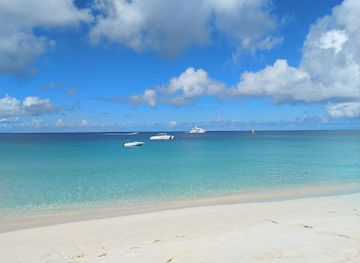
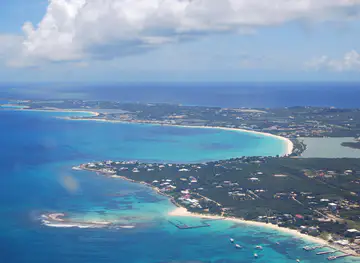
Rendezvous Bay curves along Anguilla’s south-western coast, facing the Caribbean Sea and looking towards the distant outline of Saint Martin. Its long sweep of pale sand, usually clear water and open western aspect give the beach a spacious, unhurried character, while the low, dry landscape behind it reflects Anguilla’s limestone geology and gently arid climate. Conditions vary with wind and sea state, but the bay is widely appreciated for swimming, beach walks and sunset views.Read more about Rendezvous Bay
Resorts, Music and Island Life
Exploring the Area
When is the best time to visit Rendezvous Bay?
Best: February–March, December · 30°C| Month | High (°C) | Rainfall (mm) |
|---|---|---|
| January | 29 | 53 |
| February (best) | 30 | 44 |
| March (best) | 30 | 40 |
| April | 30 | 40 |
| May | 31 | 63 |
| June | 31 | 110 |
| July | 31 | 112 |
| August | 31 | 102 |
| September | 31 | 89 |
| October | 31 | 89 |
| November | 30 | 54 |
| December (best) | 30 | 41 |
Getting to and around Rendezvous Bay
How to get there
Transportation
Best attractions in Rendezvous Bay
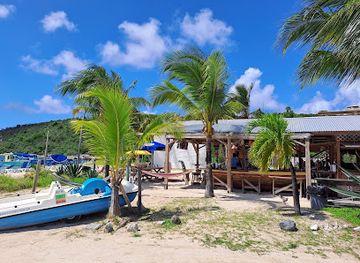
The main attraction is Rendezvous Bay itself, a broad south-western beach with pale sand, Caribbean swimming water and open views towards Saint Martin. Its western orientation makes it a favoured setting for sunset, while the length of the shoreline allows visitors to move between lively resort areas and quieter stretches. At the eastern end, Aurora Anguilla Resort & Golf Club brings accommodation, dining and recreation close to the coast, although some facilities are intended for guests or customers. Bankie Banx’s Dune Preserve adds a distinctly Anguillian cultural element, combining a rustic beach setting with music and performance. The bay is also conveniently placed for visits to nearby Maundays Bay and Meads Bay, while Blowing Point ferry terminal provides access to Saint Martin rather than forming part of Rendezvous Bay itself. Around the wider island, visitors can pair a beach day with heritage sites in The Valley, salt ponds, small bays and coastal viewpoints reached by road.
-
Resort hotel
Aurora Anguilla Entertainment Complex
Experience Anguilla's premier entertainment venue with a water park, amphitheater, tennis club, and diverse activities on Rendezvous Bay.

Best landmarks in Rendezvous Bay
Rendezvous Bay’s defining landmark is its long, west-facing strand, whose open view across the Caribbean reaches towards Saint Martin and gives the shoreline its celebrated sunset character. The beach is also a cultural landmark through Bankie Banx’s Dune Preserve, a distinctive setting associated with Anguillian song, storytelling and live performance. Nearby Aurora Anguilla Resort & Golf Club represents the modern tourism landscape that has developed around the island’s beaches, while the bay’s low limestone terrain and sparse coastal vegetation express Anguilla’s dry physical geography. Blowing Point ferry terminal, just to the north-west, is an important transport landmark for the island but is not part of the beach itself. Historic and civic landmarks in The Valley, including Wallblake House and the Wallblake Estate area, are reached elsewhere on Anguilla and should be treated as separate island attractions.
-
Hotel
Four Seasons Resort and Residences Anguilla
Experience luxury and tranquility at the Four Seasons Resort Anguilla, nestled between pristine beaches and offering world-class amenities and exceptional service.
-
 Hotel
HotelCap Juluca, A Belmond Hotel, Anguilla
Discover the ultimate luxury experience at Cap Juluca, A Belmond Hotel in Anguilla, where pristine beaches and exceptional service await every traveler.
-
Bar
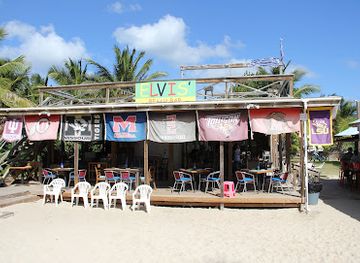
Elvis Beach Bar
Discover the vibrant atmosphere of Elvis Beach Bar in Anguilla, where delicious food, refreshing drinks, and stunning ocean views await.
-
Restaurant
Straw Hat Restaurant
Experience Caribbean charm and culinary excellence at Straw Hat Restaurant, Anguilla, with fresh local ingredients and a relaxed beachfront setting.

Explore Rendezvous Bay on the map
Plan your trip on one map. See where the top attractions, landmarks, restaurants and hotels are, and book hotels and experiences in a few clicks.
Best hotels in Rendezvous Bay
Best restaurants in Rendezvous Bay
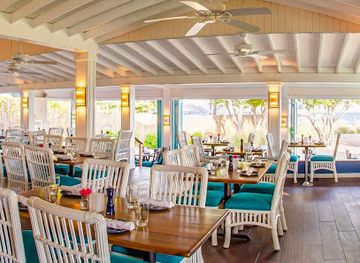
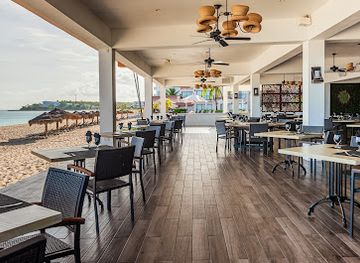
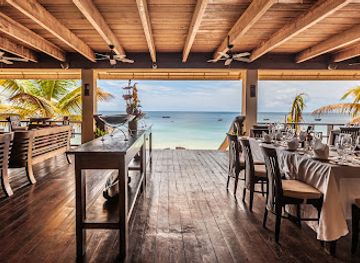
Dining at Rendezvous Bay is centred on resort restaurants, beachfront venues and accommodation-based food services rather than a large independent restaurant district. Aurora Anguilla Resort & Golf Club provides one of the principal hospitality settings near the bay, with menus shaped by Caribbean produce and international resort cooking. Bankie Banx’s Dune Preserve is associated with a relaxed, music-led beach atmosphere where available food and drinks are part of the cultural experience. Outside the immediate shoreline, The Valley and other settlements offer a wider choice of restaurants, cafés and local takeaways, while nearby resort areas such as Meads Bay and Maundays Bay broaden the selection. Anguillian cooking commonly draws on seafood, locally grown produce and Caribbean seasoning, although menus vary by establishment and season. Confirm opening arrangements before making a special journey, particularly outside the busier tourism periods.
-
Restaurant
Blanchards Restaurant and Beach Shack
Experience exquisite Caribbean dining at Blanchards Restaurant and Beach Shack in Anguilla, where gourmet flavors meet stunning beachside views.
-
Restaurant
Elvis Beach Bar
Discover the ultimate beachside experience at Elvis Beach Bar in Anguilla - where delicious cuisine meets vibrant Caribbean culture.
-
Restaurant
Straw Hat Restaurant
Experience exquisite Caribbean cuisine with breathtaking views at Anguilla's renowned Straw Hat Restaurant.
-
Restaurant
Da'Vida
Experience exquisite Caribbean cuisine with stunning beachfront views at Da'Vida in Anguilla.
Best bars in Rendezvous Bay
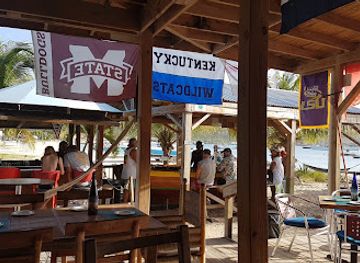
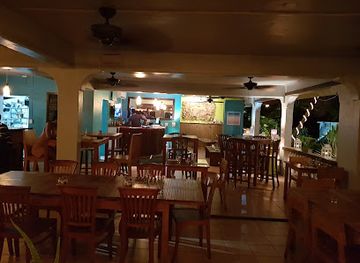
Rendezvous Bay has an intimate evening scene rather than a concentrated nightlife district. The best-known cultural setting is Bankie Banx’s Dune Preserve, where live music and performances have made the beachfront part of Anguilla’s musical identity; exact events and opening arrangements vary. Resort bars and restaurants provide quieter places for sunset drinks and dinner, while the bay’s western aspect naturally shapes the evening experience around changing light and sea views. Visitors seeking a broader choice of bars can travel by taxi or hire car towards Meads Bay, Sandy Ground or other established visitor areas, but venues are dispersed and Anguilla is not a late-night clubbing destination in the metropolitan sense. Arrange transport in advance when drinking, as the beach itself has limited public transport and walking between areas is not practical after dark.
-
Bar
Elvis Beach Bar
Discover the lively atmosphere of Elvis Beach Bar in Anguilla, where delicious cuisine and stunning ocean views create unforgettable memories.
-
Restaurant
Sunshine Shack
Experience the vibrant flavors of the Caribbean at Sunshine Shack, a must-visit beachside restaurant in Anguilla with stunning ocean views.
-
Live music bar
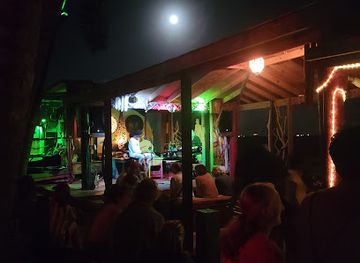
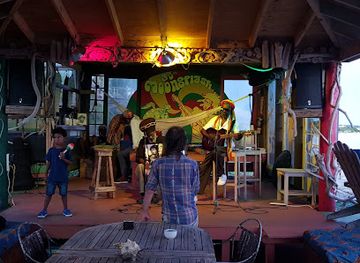
Bankie Banx's Dune Preserve
Discover the lively atmosphere, delicious cuisine, and unforgettable live music at Bankie Banx's Dune Preserve, Anguilla's premier beach bar.
-
Bar
SandBar
Discover the vibrant ambiance and tropical delights at SandBar in Anguilla, where relaxation meets Caribbean charm and stunning beach views.


Best nightclubs in Rendezvous Bay
Rendezvous Bay has an intimate evening scene rather than a concentrated nightlife district. The best-known cultural setting is Bankie Banx’s Dune Preserve, where live music and performances have made the beachfront part of Anguilla’s musical identity; exact events and opening arrangements vary. Resort bars and restaurants provide quieter places for sunset drinks and dinner, while the bay’s western aspect naturally shapes the evening experience around changing light and sea views. Visitors seeking a broader choice of bars can travel by taxi or hire car towards Meads Bay, Sandy Ground or other established visitor areas, but venues are dispersed and Anguilla is not a late-night clubbing destination in the metropolitan sense. Arrange transport in advance when drinking, as the beach itself has limited public transport and walking between areas is not practical after dark.
-
Bar
Elvis Beach Bar
Experience the vibrant atmosphere of Elvis Beach Bar in Anguilla, where delicious cuisine meets live music on the stunning shores of Sandy Ground.
-
Restaurant
Sunshine Shack
Discover the flavors of the Caribbean at Sunshine Shack, a beachfront restaurant offering delectable dishes and stunning ocean views.
-
Live music bar
Bankie Banx's Dune Preserve
Discover the rhythm of Anguilla at Bankie Banx's Dune Preserve, where live music and Caribbean cuisine create an unforgettable experience.
-
Lounge
Sunset Lounge
Experience the ultimate blend of relaxation and exquisite sushi at Sunset Lounge in Anguilla, where breathtaking views meet culinary delight.

Best shops in Rendezvous Bay
Rendezvous Bay has limited dedicated shopping, so visitors should not expect a high street or substantial retail centre on the beach. Resort shops and nearby hospitality businesses may provide practical holiday items, gifts and beach essentials, while the wider island offers small independent shops, galleries and places selling Anguillian art, handicrafts and locally produced food. The Valley is the most useful general shopping base, and Island Harbour and other settlements may offer specialist local products rather than extensive retail choice. Anguilla’s craft and cultural identity are reflected in art, music-related merchandise, handmade pieces and Caribbean food products, but stock varies between businesses. Visitors should buy responsibly, avoid removing shells or natural material from the coast, and plan larger or essential purchases before heading to the shoreline.
-
Live music bar
Bankie Banx's Dune Preserve
Discover the vibrant rhythm of Anguilla at Bankie Banx's Dune Preserve, a premier live music bar and restaurant on Rendezvous Bay.
-
Bakery
The Village Bakehouse
Discover the charm of Anguilla at The Village Bakehouse, where freshly baked goods and local flavors come together in a delightful experience.
-
Gift shop
Irie Life
Discover unique Caribbean treasures at Irie Life, a charming gift shop in Anguilla offering handcrafted items and local artistry.
-
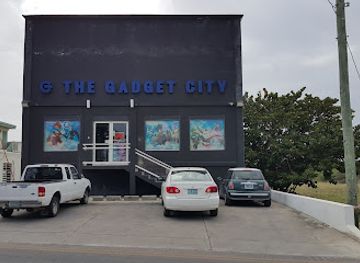
Electronics Retail and Repair Shop
The Gadget City
Explore The Gadget City in Anguilla for an unbeatable selection of electronics, toys, and unique gifts for all ages.

Get your free copy of our complete guide to Rendezvous Bay, delivered straight to you.
Everything on this page, from attractions and restaurants to essentials and local phrases, in one PDF you can read offline, print or share.
Already have an account? Sign in
Your Rendezvous Bay guide is ready.
We'll send it to · Not you? Sign out

Getting your guide ready…
We are putting together a fresh copy of the Rendezvous Bay guide. This can take up to a minute.
This can take a few moments. If your browser asks, choose Allow so the download can start. You'll find the guide in your Downloads folder.
Nothing happened? Download it again
Sorry, the guide is taking longer than usual. Please try again in a minute, or get it by email instead.
Rendezvous Bay essentials
Currency and Payment
Safety
Emergency Situations
Do's and Don'ts
Local Tips
From Eve
Local phrases worth knowing
You don't need to get them perfect. A few words go a long way, and locals appreciate the effort.
Basics
| English | Local | Say it |
|---|---|---|
| Hello | Good day | [gud dey] |
| Goodbye | Goodbye | [gud bai] |
| Yes | Yes | [yes] |
| No | No | [no] |
| Please/You're welcome | Please/You're welcome | [pliiz / yor welkam] |
| Thank you | Thank you | [tenk yu] |
| Excuse me/Sorry | Excuse me/Sorry | [eks kyuuz mi / sari] |
| How are you? | How are you? | [hau aa yu?] |
| Fine. And you? | Fine. And you? | [fain. and yu?] |
| Do you speak English? | Do you speak English? | [du yu spiik ingglish?] |
| I don't understand | I don't understand | [ai dont andastand] |
Eating & Drinking
| English | Local | Say it |
|---|---|---|
| I'd like to see the menu, please | I'd like to see the menu, please | [ai'd laik tu si di menyuu, pliiz] |
| I don't eat meat | I don't eat meat | [ai dont iit miit] |
| Cheers! | Cheers! | [chiiz!] |
| I would like to pay, please | I would like to pay, please | [ai wud laik tu pei, pliiz] |
Emergencies
| English | Local | Say it |
|---|---|---|
| Help! | Help! | [help!] |
| Go away! | Go away! | [go awey!] |
| Call the Police! | Call the Police! | [kaal dha poliis!] |
| Call a doctor! | Call a doctor! | [kaal aa dokta!] |
| I'm lost | I'm lost | [aim lost] |
| I'm ill | I'm ill | [aim il] |
Shopping
| English | Local | Say it |
|---|---|---|
| I'd like to buy... | I'd like to buy... | [ai'd laik tu bai...] |
| I'm just looking | I'm just looking | [aim jost luking] |
| How much is it? | How much is it? | [hau mach iz it?] |
| That's too expensive | That's too expensive | [dats tuu ikspensiv] |
| Can you lower the price? | Can you lower the price? | [kan yu lohwer dha prais?] |
Time & Numbers
| English | Local | Say it |
|---|---|---|
| What time is it? | What time is it? | [wat taim iz it?] |
| It's one o'clock | It's one o'clock | [its wan o'klok] |
| Half past (10) | Half past (10) | [haf past (10)] |
| Morning | Morning | [mawnin] |
| Afternoon | Afternoon | [aftanoon] |
| Evening | Evening | [iivnin] |
| Yesterday | Yesterday | [yestadei] |
| Today | Today | [tudei] |
| Tomorrow | Tomorrow | [tumaro] |
| 1 | 1 | [wan] |
| 2 | 2 | [tuu] |
| 3 | 3 | [tri] |
| 4 | 4 | [foh] |
| 5 | 5 | [faiv] |
| 6 | 6 | [siks] |
| 7 | 7 | [sevn] |
| 8 | 8 | [eit] |
| 9 | 9 | [nain] |
| 10 | 10 | [ten] |
Transport & Directions
| English | Local | Say it |
|---|---|---|
| Where's a/the...? | Where's a/the...? | [weaz aa/dha...?] |
| What's the address? | What's the address? | [whats dha adres?] |
| Can you show me (on the map)? | Can you show me (on the map)? | [kan yu sho mi (on dha map)?] |
| When's the next (bus)? | When's the next (bus)? | [wenz dha nekst (bas)?] |
| A ticket (to ....) | A ticket (to ....) | [aa tikit (tu ....)] |
History of Rendezvous Bay
Amerindian Settlement and Island Landscapes
Long before European colonisation, Anguilla was occupied by Amerindian peoples whose settlements and trade networks connected the island with neighbouring islands of the Lesser Antilles. Archaeological evidence across Anguilla records pottery, tools and shell remains, although Rendezvous Bay is better understood as part of the island’s wider inhabited coastal landscape than as a separately documented historic settlement. The shallow, productive waters and accessible beaches would have formed part of the natural environment used by communities familiar with fishing, gathering and inter-island movement.
Colonial Rule and Plantation Agriculture
English colonists established a permanent presence on Anguilla during the seventeenth century, and the island subsequently developed a small plantation economy based on livestock, cotton and other crops suited to its dry limestone terrain. Unlike larger Caribbean islands, Anguilla had limited freshwater and relatively modest agricultural resources, factors that shaped dispersed settlement and a strong reliance on the sea. Coastal bays such as Rendezvous Bay formed part of this rural setting, used in practical ways rather than developed as major colonial ports.
From Rural Coast to Tourism
During the nineteenth and twentieth centuries, Anguilla remained comparatively poor and agriculturally marginal, with fishing, small-scale farming and migration central to local livelihoods. Modern tourism expanded gradually as visitors were drawn to the island’s beaches, low-density landscape and relaxed character. Rendezvous Bay became one of the principal locations for this change, its broad shoreline accommodating resort and villa development while retaining stretches of open coast. The transition altered the economic role of the bay without turning it into a densely built-up urban waterfront.
Anguilla’s Political Turning Point
Anguilla’s modern identity was shaped by the 1967 Anguilla Revolution, when islanders rejected incorporation into the associated state of Saint Christopher-Nevis-Anguilla and defended their wish for separate administration. The revolt and its aftermath eventually led to Anguilla becoming a separate British Overseas Territory in 1980. Rendezvous Bay is not principally a military or political monument, but its present tourism economy and the island’s confidence in preserving local cultural expression are part of the wider historical legacy of that period.
Cultural Tourism and Coastal Stewardship
Recent decades have seen Rendezvous Bay develop as a setting for hospitality, recreation and cultural activity while remaining recognisably different from a heavily urbanised resort coast. Bankie Banx’s Dune Preserve has helped associate the shoreline with Anguillian music and performance, giving the beach a cultural dimension beyond its scenery. The bay’s future also depends on responsible coastal management: visitors and businesses must contend with erosion, storms, changing sea conditions and the need to keep a fragile beach environment compatible with tourism.
Rendezvous Bay in Photos
Browse through our photo collection highlighting the charm and character of the destination.
Cities in Rendezvous Bay
The towns and cities of Rendezvous Bay, and the easiest places to base yourself.
-
-

-

-

-

-


Swipe for more cities
Neighbouring destination travel guides
The closest destinations to Rendezvous Bay, if you have time for more than one.
-

-

-

-

-


Swipe for more destinations
Explore more

Explore more of Blowing Point
Blowing Point, Anguilla, combines a Caribbean ferry gateway with quiet beaches, sea views, island history and easy access to the west coast.
Explore Blowing Point
Explore more of Anguilla
Discover Anguilla: Caribbean's best-kept secret with stunning beaches, rich culture, and endless adventure opportunities. Perfect for a serene and luxurious getaway.
Explore Anguilla