

Free The Valley Travel Guide & Mobile App
Plan your The Valley trip with Evendo. Get free guides to top attractions, restaurants, hotels, and bars. Web access or download the mobile app.


The Valley, Anguilla’s quiet capital, offers heritage homes, island history, local food and easy access to beaches, bays and the wider Caribbean landscape.
Island Capital and Local Life
The Valley is Anguilla’s modest administrative capital, set near the centre of the island rather than on its most famous beachfront. Its low-rise streets, government buildings, churches, shops and small businesses reveal an Anguilla shaped by community life rather than by large-scale urban development. The settlement is a useful base for understanding the island’s history, meeting local craftspeople and reaching beaches and bays across the territory. Crocus Bay lies nearby, while the coast, salt ponds and villages of the wider island are readily accessible by road.Read more about The Valley
Heritage in a Small Landscape
Gateway to Anguilla
When is the best time to visit The Valley?
Best: March–May · 28–30°C| Month | High (°C) | Rainfall (mm) |
|---|---|---|
| January | 28 | 70 |
| February | 28 | 70 |
| March (best) | 28 | 60 |
| April (best) | 29 | 50 |
| May (best) | 30 | 40 |
| June | 31 | 40 |
| July | 31 | 40 |
| August | 31 | 40 |
| September | 31 | 40 |
| October | 30 | 50 |
| November | 29 | 60 |
| December | 28 | 70 |
Getting to and around The Valley
How to get there
Transportation
Best landmarks in The Valley
Wallblake House is The Valley’s defining historic landmark, an eighteenth-century plantation house that represents the island’s colonial agricultural era and the labour systems that sustained it. The Anguilla National Museum is significant for a different reason: its collections connect Indigenous archaeology, seafaring, plantation society and the modern struggle for political self-determination. Local churches, including the historic Ebenezer Methodist Church, express the importance of Christian congregations in Anguillian community life, while Government House and other civic buildings reflect The Valley’s role as the territory’s administrative centre. None is monumental on a large urban scale; their importance lies in how they preserve the island’s political, religious and social development within a compact Caribbean capital.
-
Restaurant
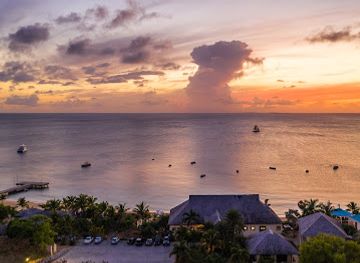
Da'Vida
Experience the culinary magic of Da'Vida in Anguilla, where stunning beachfront views meet exquisite local and international cuisine.
6 min drive · 2.0 km from city centre
-
Island
Anguilla
Discover Anguilla: Pristine beaches, turquoise waters, and Caribbean charm await in this tranquil island paradise.
5 min drive · 1.7 km from city centre
-
 Shopping Centre
Mason Complex
Discover unique crafts, local flavors, and a vibrant Caribbean atmosphere at Mason Complex in Anguilla's charming Quarter.
7 min drive · 2.4 km from city centre
-
Non-profit organisation
Anguilla National Trust
Explore Anguilla's natural wonders and rich heritage at the Anguilla National Trust, a haven for eco-tourists and culture enthusiasts alike.
12 min walk · 0.9 km from city centre
Explore The Valley on the map
Plan your The Valley trip on one map. See where the top attractions, landmarks, restaurants, bars and hotels are, find what's near where you're staying, and book hotels and experiences in a few clicks.
Best hotels in The Valley
Best restaurants in The Valley
Dining in and around The Valley reflects Anguilla’s maritime setting and the island’s blend of Caribbean, British and wider international influences. Fresh fish, lobster when in season, crayfish, conch and grilled meats appear alongside rice, peas, plantains, johnnycakes and other familiar Caribbean accompaniments. The capital has casual eateries, bakeries, cafés and practical local food businesses, while more formal dining is spread through nearby villages, coastal areas and resort districts rather than concentrated in one urban quarter. Anguillan cooking is often home-style and ingredient-led, with seafood and locally grown produce shaped by the island’s dry climate. Food markets and small shops are useful for provisions, while rum-based drinks and fruit juices complement meals. Dining hours and restaurant availability can be seasonal, so current local information is valuable.
-
Restaurant
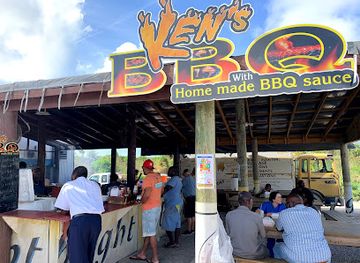
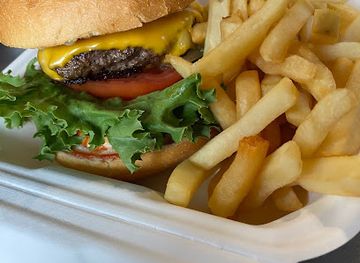
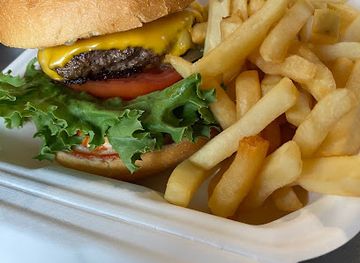
Ken's BBQ
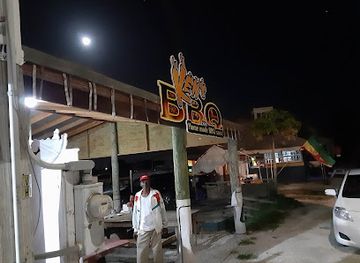
Experience authentic Caribbean barbecue at Ken's BBQ in Anguilla—where delicious flavors meet warm hospitality.
7 min drive · 2.4 km from city centre
-
Restaurant
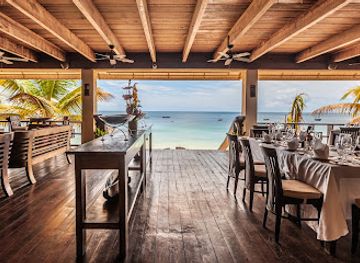
Da'Vida
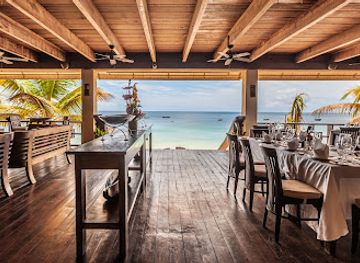
Experience exquisite Caribbean dining at Da'Vida in Anguilla, where fresh flavors meet stunning ocean views.
6 min drive · 2.0 km from city centre
-
Caribbean
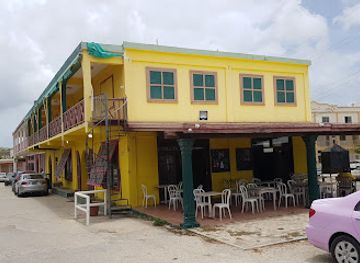
Andy's Restaurant & Bar
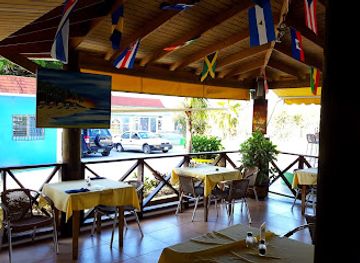
Experience authentic Caribbean flavors at Andy's Restaurant & Bar in The Valley - where every dish tells a story.
8 min drive · 2.6 km from city centre
-
Restaurant
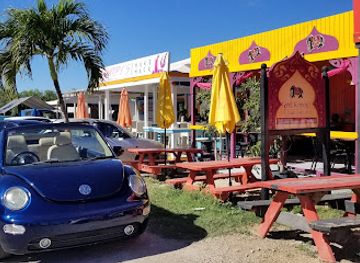
Good Korma The Islands Curry House
Experience authentic Caribbean flavors at Good Korma The Islands Curry House in Anguilla—where every dish tells a story.
7 min drive · 2.4 km from city centre
Best bars in The Valley
The Valley has a restrained evening scene, centred more on restaurants, hotel lounges and informal local bars than on a dense concentration of nightclubs. Evenings may include conversation over rum, sports broadcasts, occasional live music or relaxed gatherings with residents, while cultural events and community performances provide alternatives to drinking-focused nightlife. For a busier social atmosphere, Sandy Ground is the island’s best-known evening quarter, with waterfront bars, music and venues that become livelier at weekends or during events; it is outside The Valley and requires transport. The island’s nightlife is seasonal and changeable, with entertainment influenced by festivals, visiting performers and the resort calendar. Visitors should arrange a reliable journey home, particularly when travelling between the capital and coastal districts after dark.
-
Restaurant
Ken's BBQ
Discover the authentic flavors of Anguilla at Ken's BBQ, where traditional barbecue meets Caribbean hospitality.
7 min drive · 2.4 km from city centre
-
Restaurant
Da'Vida
Experience the best of Anguillian cuisine at Da'Vida, where exquisite flavors meet breathtaking ocean views in a tropical paradise.
6 min drive · 2.0 km from city centre
-
Restaurant
English Rose
Discover the flavors of Anguilla at the English Rose, where local ingredients and Caribbean charm create a unique dining experience.
8 min drive · 2.5 km from city centre
-
Bar
Changes Bar
Discover the vibrant atmosphere of Changes Bar in Anguilla, where refreshing cocktails meet stunning views and local culture.
7 min drive · 2.2 km from city centre
Best nightclubs in The Valley
The Valley has a restrained evening scene, centred more on restaurants, hotel lounges and informal local bars than on a dense concentration of nightclubs. Evenings may include conversation over rum, sports broadcasts, occasional live music or relaxed gatherings with residents, while cultural events and community performances provide alternatives to drinking-focused nightlife. For a busier social atmosphere, Sandy Ground is the island’s best-known evening quarter, with waterfront bars, music and venues that become livelier at weekends or during events; it is outside The Valley and requires transport. The island’s nightlife is seasonal and changeable, with entertainment influenced by festivals, visiting performers and the resort calendar. Visitors should arrange a reliable journey home, particularly when travelling between the capital and coastal districts after dark.
-
Bar
Changes Bar
Changes Bar in Anguilla: Experience the vibrant nightlife and tropical cocktails at this must-visit bar, perfect for locals and tourists alike.
7 min drive · 2.2 km from city centre
Best shops in The Valley
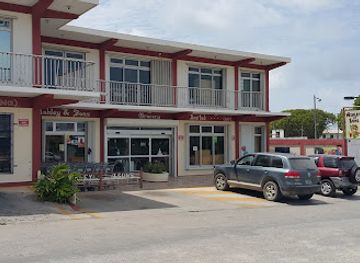
Shopping in The Valley is practical and locally oriented, with small supermarkets, pharmacies, service businesses, boutiques, gift shops and independent retailers serving residents as well as visitors. The most distinctive purchases are usually linked to Anguilla’s island identity: locally made crafts, artwork, photographs, beachwear, rum, spices and packaged Caribbean foods. Rather than a large enclosed shopping district, retail activity is dispersed along roads and around the capital’s commercial areas, with additional boutiques and galleries found near resort and coastal communities. Visitors may also encounter handmade jewellery, woodwork and work by Anguillian artists, though stock and opening arrangements vary. The Valley is a useful place to buy provisions and practical items before exploring the island, while specialist souvenirs are often best selected for their local provenance rather than their generic Caribbean imagery.
-
Supermarket
Ashleys Super Market
Discover Ashley's Super Market in Anguilla, a local supermarket offering a diverse range of fresh produce, local goods, and international products for all your culinary needs.
6 min drive · 2.1 km from city centre
-
Gift shop
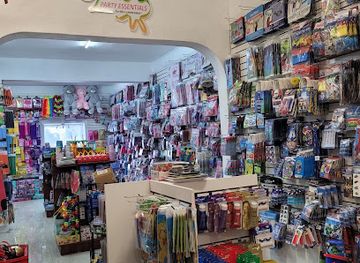
GAB's Party Essentials
Discover GAB's Party Essentials in Anguilla for unique gifts, party supplies, and toys that capture the island's vibrant spirit.
5 min drive · 1.5 km from city centre
-
Homewares Shop
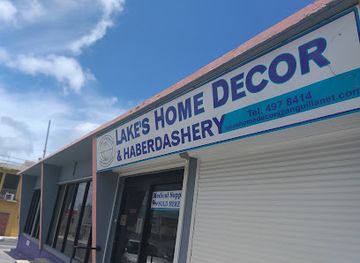
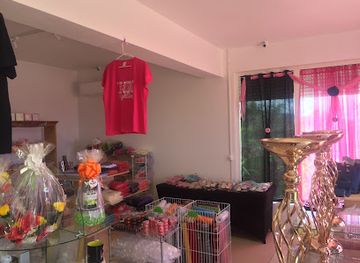
Lake's Home Decor & Haberdashery
Explore the vibrant culture of Anguilla at Lake's Home Decor & Haberdashery, your destination for unique homewares and island-inspired treasures.
8 min drive · 2.6 km from city centre
-
Gift shop
All About You Wedding Invitations and More
Discover personalized wedding invitations and unique gifts at All About You Wedding Invitations and More in the heart of Anguilla's Cedar Village.
10 min walk · 0.8 km from city centre
Get your free copy of our complete guide to The Valley, delivered straight to you.
Everything on this page, from attractions and restaurants to essentials and local phrases, in one PDF you can read offline, print or share.
Already have an account? Sign in
Your The Valley guide is ready.
We'll send it to · Not you? Sign out

Getting your guide ready…
We are putting together a fresh copy of the The Valley guide. This can take up to a minute.
This can take a few moments. If your browser asks, choose Allow so the download can start. You'll find the guide in your Downloads folder.
Nothing happened? Download it again
Sorry, the guide is taking longer than usual. Please try again in a minute, or get it by email instead.
The Valley essentials
Currency and Payment
Safety
Emergency Situations
Do's and Don'ts
Local Tips
From Eve
Local phrases worth knowing
You don't need to get them perfect. A few words go a long way, and locals appreciate the effort.
Basics
| English | Local | Say it |
|---|---|---|
| Hello | Hello | [Heh-loh] |
| Goodbye | Goodbye | [Gud-bye] |
| Yes | Yes | [Yehs] |
| No | No | [Noh] |
| Please/You're welcome | Please/You're welcome | [Pleez/Yuh-wel-kum] |
| Thank you | Thank you | [Thank yuh] |
| Excuse me/Sorry | Excuse me/Sorry | [Ex-kyoos mee/Saw-ree] |
| How are you? | How are you? | [How ah yuh?] |
| Fine. And you? | Fine. And you? | [Fyne. An yuh?] |
| Do you speak English? | Do you speak English? | [Doo yuh speak Ing-lish?] |
| I don't understand | I don't understand | [Ah dohnt und-er-stan] |
Eating & Drinking
| English | Local | Say it |
|---|---|---|
| I'd like to see the menu, please | I'd like to see the menu, please | [Ah'd lyke to see the men-yoo, pleez] |
| I don't eat meat | I don't eat meat | [Ah dohnt eet meet] |
| Cheers! | Cheers! | [Chee-ers!] |
| I would like to pay, please | I would like to pay, please | [Ah wood lyke to pay, pleez] |
Emergencies
| English | Local | Say it |
|---|---|---|
| Help! | Help! | [Help!] |
| Go away! | Go away! | [Go awey!] |
| Call the Police! | Call the Police! | [Kawl the Po-leece!] |
| Call a doctor! | Call a doctor! | [Kawl ah dok-tuh!] |
| I'm lost | I'm lost | [Ahm lost] |
| I'm ill | I'm ill | [Ahm ill] |
Shopping
| English | Local | Say it |
|---|---|---|
| I'd like to buy... | I'd like to buy... | [Ah'd lyke to buy...] |
| I'm just looking | I'm just looking | [Ahm just look-ing] |
| How much is it? | How much is it? | [How much iz it?] |
| That's too expensive | That's too expensive | [Dats too ex-pen-siv] |
| Can you lower the price? | Can you lower the price? | [Can yuh loh-er the prys?] |
Time & Numbers
| English | Local | Say it |
|---|---|---|
| What time is it? | What time is it? | [Wat tym iz it?] |
| It's one o'clock | It's one o'clock | [Its wun oh-klok] |
| Half past (10) | Half past (10) | [Haf past (10)] |
| Morning | Morning | [Morn-ing] |
| Afternoon | Afternoon | [Af-ter-noon] |
| Evening | Evening | [Eev-ning] |
| Yesterday | Yesterday | [Yes-ter-day] |
| Today | Today | [Toh-day] |
| Tomorrow | Tomorrow | [Toh-mor-row] |
| 1 | 1 | [Wun] |
| 2 | 2 | [Too] |
| 3 | 3 | [Tree] |
| 4 | 4 | [Fohr] |
| 5 | 5 | [Fahyv] |
| 6 | 6 | [Siks] |
| 7 | 7 | [Sev-un] |
| 8 | 8 | [Ayt] |
| 9 | 9 | [Nyne] |
| 10 | 10 | [Ten] |
Transport & Directions
| English | Local | Say it |
|---|---|---|
| Where's a/the...? | Where's a/the...? | [Weyrz ah/the...?] |
| What's the address? | What's the address? | [Wats the ad-dress?] |
| Can you show me (on the map)? | Can you show me (on the map)? | [Can yuh show mee (on the map)?] |
| When's the next (bus)? | When's the next (bus)? | [Whenz the nekst (bus)?] |
| A ticket (to ....) | A ticket (to ....) | [Ah tik-et (to ....)] |
History of The Valley
Indigenous Anguilla Before Colonisation
Long before European settlement, Anguilla was inhabited and visited by Indigenous peoples of the Caribbean, including communities associated with the Taíno and wider Arawakan cultural world. Archaeological evidence across the island, including pottery, tools and shell remains, shows that people travelled through and settled Anguilla’s coastal environment. The island’s caves, bays and salt ponds offered food and shelter, while its position among the Leeward Islands connected it to wider maritime networks. Much of this early history survives through archaeological interpretation rather than written records, and the Anguilla National Museum in The Valley helps visitors understand the island’s Indigenous past within the broader history of the Caribbean.
European Settlement and Plantation Society
English settlers established a permanent foothold on Anguilla in the seventeenth century, traditionally dated to 1650. The island’s dry climate and limited freshwater made plantation agriculture difficult, but small-scale cultivation, livestock keeping, fishing and seafaring became central to local life. Cotton and salt later formed important parts of the economy, while enslaved Africans and their descendants shaped Anguilla’s population, culture and agricultural traditions. The plantation era left physical traces in sites such as Wallblake House, an eighteenth-century estate near The Valley. Its survival provides a tangible link to the social and economic structures that developed during British colonial rule.
A Maritime and Agricultural Community
During the eighteenth and nineteenth centuries, Anguilla remained a relatively small and commercially modest British island community. Islanders combined subsistence farming with fishing, boat building, salt gathering and trade with neighbouring islands. Seasonal hardship, drought and hurricanes encouraged migration and strengthened maritime connections throughout the eastern Caribbean. The Valley developed as the island’s administrative centre, while churches, schools and family networks helped organise community life. The surviving historic churches and domestic buildings, together with oral traditions and museum collections, reflect a society in which religious institutions, seafaring and mutual support were as important as formal colonial administration.
Union with Saint Kitts and Nevis
In 1882 Anguilla was administratively joined with Saint Kitts and Nevis, a relationship that many Anguillians later regarded as politically and economically unsatisfactory. Distance, limited investment and the island’s distinct social character contributed to longstanding grievances. Economic hardship and emigration intensified during the twentieth century, with many Anguillians seeking work abroad while maintaining close links with home. The capital remained a small administrative settlement rather than developing into a major town. These circumstances helped produce a strong sense of local identity, which became particularly important during the political upheavals of the 1960s.
The Anguilla Revolution
In 1967, after the proposed federation of Saint Kitts and Nevis with Anguilla, Anguillians rebelled against the new arrangement and resisted attempts to restore external authority. The episode, commonly known as the Anguilla Revolution, included the expulsion of police forces and the island’s declaration of a separate republic, although the constitutional position remained unsettled. British troops arrived later that year, and Anguilla entered an interim period under British administration. The events remain central to the island’s modern identity and are interpreted through local museums, commemorations and public memory rather than as a simple break from colonial history.
A Separate British Overseas Territory
Anguilla’s constitutional separation from Saint Kitts and Nevis was formally recognised in 1980, when it became a distinct British dependent territory, now known as a British Overseas Territory. The Valley serves as the seat of government and the island’s principal administrative centre. Tourism, particularly centred on beaches, villas and small resorts, became increasingly important from the late twentieth century, alongside fishing, construction and services. Contemporary The Valley therefore combines government offices and everyday local commerce with heritage institutions that preserve the island’s Indigenous, colonial and revolutionary past. Its modest scale reflects Anguilla’s population and geography, while its political history gives the capital significance beyond its size.
The Valley in Photos
Browse through our photo collection highlighting the charm and character of the destination.
Cities near The Valley
The closest cities to The Valley, if you have time for more than one stop.
-

-

-

-

-


Swipe for more cities
Explore more

Explore more of Anguilla
Discover Anguilla: Caribbean's best-kept secret with stunning beaches, rich culture, and endless adventure opportunities. Perfect for a serene and luxurious getaway.
Explore Anguilla