

Katouche Bay Travel Guide - Free Web & App
Your ultimate guide to Katouche Bay. Discover top landmarks, proposed trips, and local tips. Free on the web or via the Evendo companion app.


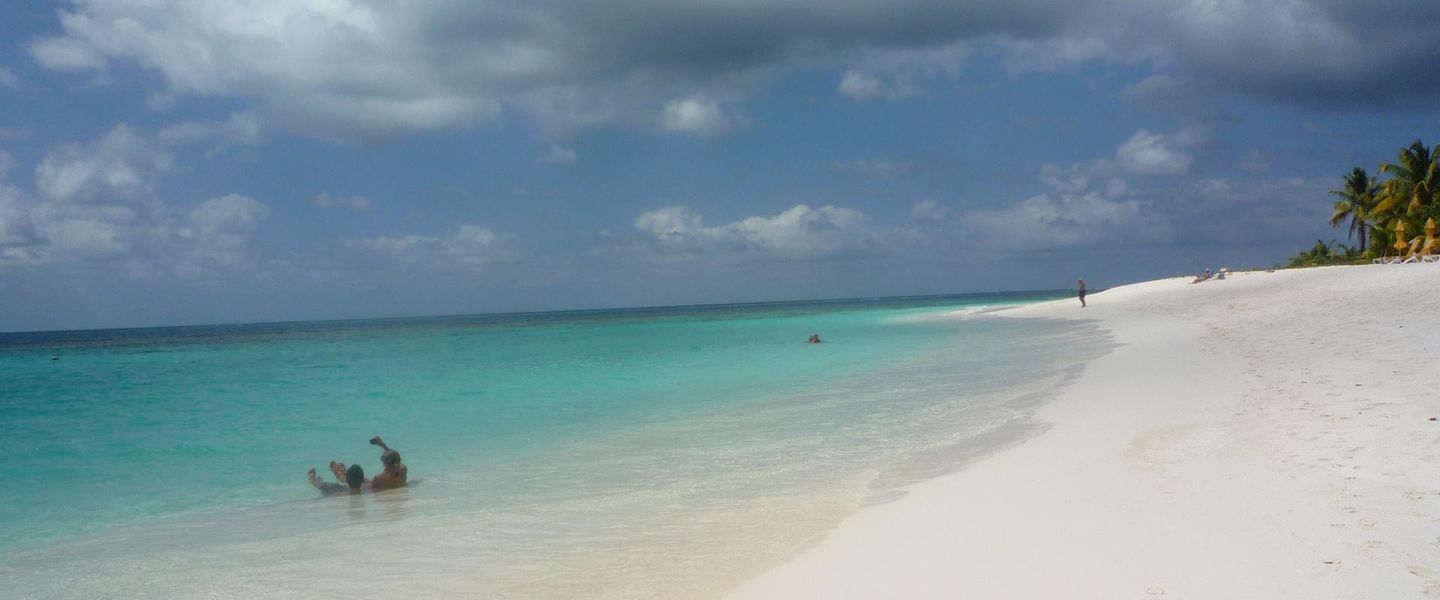


Katouche Bay, Anguilla, pairs a quiet Caribbean beach with dry woodland, limestone scenery, coastal walks and atmospheric Katouche Cave exploration.
Coastal Landscape
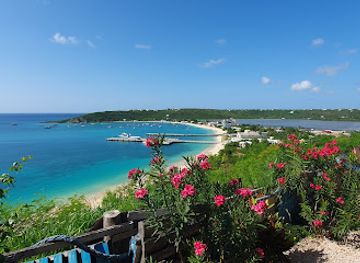
Katouche Bay occupies a quiet stretch of Anguilla’s south-western coast, where a pale Caribbean shoreline meets low limestone terrain, coastal scrub and the wooded Katouche Valley. Unlike the island’s better-known resort beaches, the bay has a more secluded, lightly developed character. Its appeal lies in the contrast between open sea, rugged coastal edges and the shaded interior of the valley, one of the most naturally distinctive areas on Anguilla.Read more about Katouche Bay
Valley, Cave and Natural Heritage
A Quiet Anguillian Experience
When is the best time to visit Katouche Bay?
Best: April, June–July · 31–32°C| Month | High (°C) | Rainfall (mm) |
|---|---|---|
| January | 30 | 70 |
| February | 31 | 60 |
| March | 31 | 55 |
| April (best) | 31 | 50 |
| May | 32 | 45 |
| June (best) | 32 | 40 |
| July (best) | 32 | 35 |
| August | 32 | 40 |
| September | 32 | 45 |
| October | 32 | 50 |
| November | 31 | 55 |
| December | 31 | 60 |
Getting to and around Katouche Bay
How to get there
Transportation
Best attractions in Katouche Bay
Katouche Bay’s principal attractions are its quiet coastal setting, limestone shoreline and the natural landscape extending inland through Katouche Valley. The bay itself offers a less developed alternative to Anguilla’s resort beaches, with open views across the Caribbean and a sense of separation from the island’s busier visitor areas. Inland, the valley’s dry woodland and scrub provide a habitat for island birdlife and native vegetation, while walking routes lead towards Katouche Cave, a notable limestone feature associated with the area. The experience is primarily one of landscape exploration rather than formal sightseeing: there is no substantial visitor complex, museum or commercial promenade at the bay. Guided walks can help visitors understand the valley’s geology, ecology and rural history, while the surrounding roads provide access to other Anguillian beaches and settlements. Conditions and access arrangements can change, so the valley and cave are best approached with local advice and suitable footwear.
-
Tourist attraction
Christian’s Cove
Discover Anguilla's hidden gem: Christian's Cove. Relax on pristine sands, snorkel in turquoise waters, and witness unforgettable sunsets in a tranquil Caribbean setting.
-
Tourist attraction
Blolly Ham Bay
Discover Blolly Ham Bay: Anguilla's hidden paradise with pristine beaches, turquoise waters, and tranquil beauty. A perfect escape!
-
Tourist attraction
Nim’s Nook
Escape to Nim's Nook in Anguilla: a serene beach with crystal-clear waters, perfect for relaxation, swimming, and unforgettable sunsets.
-
Tourist attraction
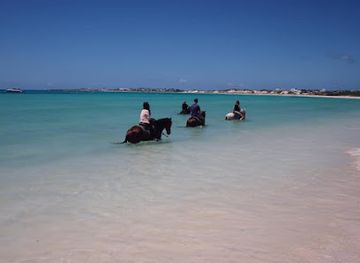
Cova bay horse riding route
Discover Anguilla's serene beauty on horseback along the tranquil shores of Cove Bay, a unique and unforgettable Caribbean experience.
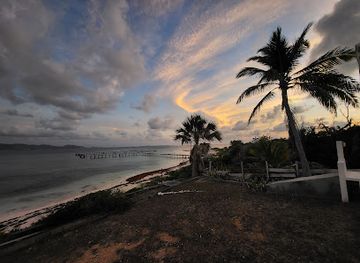
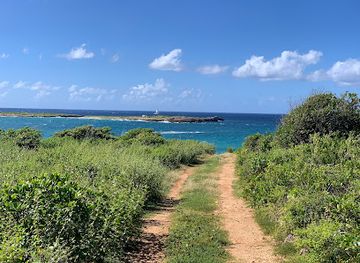
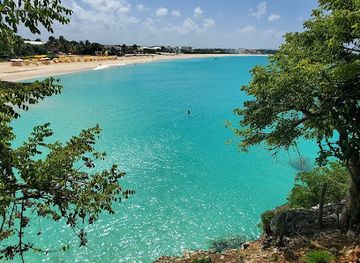
Best landmarks in Katouche Bay
Katouche Bay and Katouche Valley form the defining natural landmarks of this part of Anguilla, linking a lightly developed coast with an inland corridor of dry woodland and limestone terrain. Katouche Cave is the area’s most distinctive geological feature, illustrating the cavities and weathering associated with the island’s limestone foundation; its interior should be approached only with suitable guidance and care. The bay’s pale shore, low coastal edges and open Caribbean outlook provide a marked contrast with Anguilla’s built resort landscapes. Unlike some island destinations, Katouche is not characterised by a prominent castle, lighthouse or monumental historic building. Its significance lies in the relationship between geology, habitat and rural landscape, with the valley preserving a sense of the island’s natural character and traditional countryside.
-
Hiking area
Katouche Tours
Explore the stunning landscapes of Anguilla with Katouche Tours, your gateway to breathtaking hiking adventures in the Caribbean.
Explore Katouche Bay on the map
Plan your trip on one map. See where the top attractions, landmarks, restaurants and hotels are, and book hotels and experiences in a few clicks.
Best hotels in Katouche Bay
Best restaurants in Katouche Bay
There is no established restaurant strip at Katouche Bay, and visitors should not expect cafés or beach vendors at the shoreline. Dining is concentrated in Anguilla’s settled and resort areas, where restaurants, hotel dining rooms, village eateries and beach establishments serve a mixture of Caribbean and international food. Local specialities commonly include grilled or stewed fish, crayfish or lobster when seasonally and legally available, goat, pigeon peas and rice, johnnycakes and other dishes influenced by the island’s agricultural and maritime traditions. Visitors staying near the western coast or around The Valley can arrange a meal before or after visiting Katouche, while a picnic may be practical if brought from an established shop. Food, water and ice should be purchased in advance rather than assumed to be available near the bay.
-
Restaurant
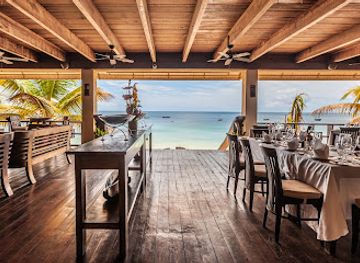
Da'Vida
Experience exquisite dining at Da'Vida in Anguilla - where local flavors meet breathtaking coastal views.
-
Grill
Unique Bar & Grill
Experience the vibrant flavors of Caribbean cuisine at Unique Bar & Grill, where great food meets a relaxed atmosphere in beautiful Anguilla.
Best bars in Katouche Bay
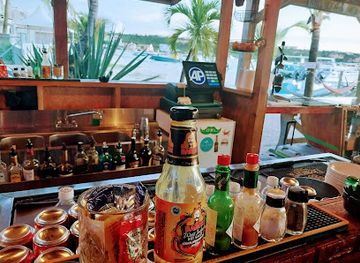
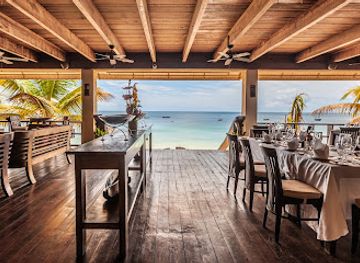
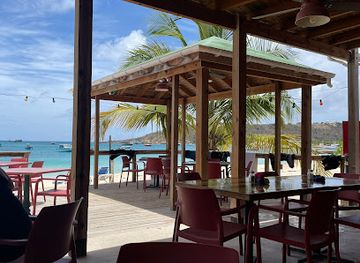
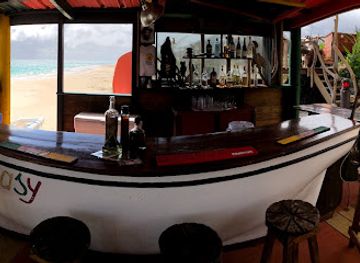
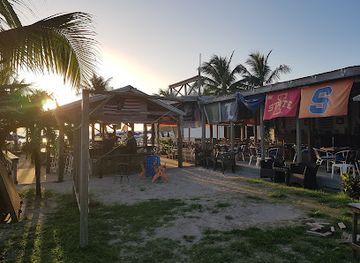
Katouche Bay has no recognised nightlife infrastructure and is not a destination for late-night entertainment. Its evening character is shaped by the coast, darkness and the quiet rural surroundings rather than by bars or clubs. Visitors seeking a drink, music or a sociable evening generally use restaurants, hotel bars and established beach venues in Anguilla’s resort areas, particularly around the western coast and other settled districts, rather than expecting facilities beside Katouche Valley. Traditional rum-based drinks, Caribbean food and informal conversation are more representative of the island’s evening hospitality than a concentrated club scene. Anyone returning from the bay after dusk should arrange transport in advance, carry only what is necessary and avoid treating unlit coastal tracks as a pedestrian nightlife route.
-
Bar
Elvis Beach Bar
Discover the vibrant atmosphere of Elvis Beach Bar in Anguilla, where delicious food meets stunning beach views and lively entertainment.
-
Restaurant
Da'Vida
Experience the flavors of Anguilla at Da'Vida, where beachfront dining meets exquisite Caribbean cuisine in a stunning setting.
-
Bar
Roy's Bayside Grill
Experience the vibrant flavors of Anguilla at Roy's Bayside Grill, a charming bar and restaurant with stunning ocean views.
-
Live music bar
Bankie Banx's Dune Preserve
Discover the lively charm of Bankie Banx's Dune Preserve, where live music meets delicious Caribbean cuisine in a stunning beachside setting.
Best nightclubs in Katouche Bay
Katouche Bay has no recognised nightlife infrastructure and is not a destination for late-night entertainment. Its evening character is shaped by the coast, darkness and the quiet rural surroundings rather than by bars or clubs. Visitors seeking a drink, music or a sociable evening generally use restaurants, hotel bars and established beach venues in Anguilla’s resort areas, particularly around the western coast and other settled districts, rather than expecting facilities beside Katouche Valley. Traditional rum-based drinks, Caribbean food and informal conversation are more representative of the island’s evening hospitality than a concentrated club scene. Anyone returning from the bay after dusk should arrange transport in advance, carry only what is necessary and avoid treating unlit coastal tracks as a pedestrian nightlife route.
-
Bar
Elvis Beach Bar
Discover the lively Elvis Beach Bar in Anguilla, where delicious cuisine, refreshing cocktails, and live music create the perfect tropical escape.
-
Grill
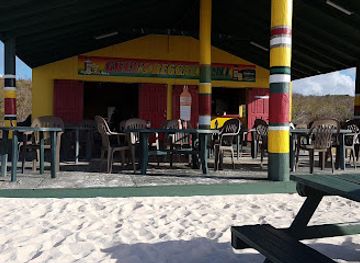
Gwen's Reggae Bar and Grill
Discover the flavors and rhythms of the Caribbean at Gwen's Reggae Bar and Grill in Anguilla, where every meal is a celebration of island life.
-
Lounge
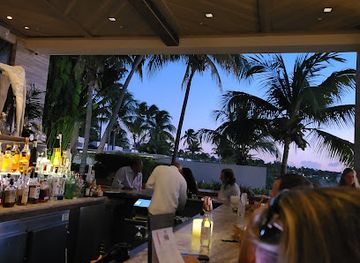
Sunset Lounge
Experience the epitome of luxury at Sunset Lounge in Anguilla, where breathtaking views meet exquisite sushi and refreshing cocktails.
-
Lounge
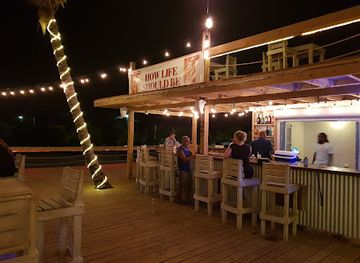
Lit lounge
Discover the vibrant nightlife at Lit Lounge, a premier lounge in Anguilla offering cocktails, live music, and an unforgettable Caribbean experience.
Best shops in Katouche Bay
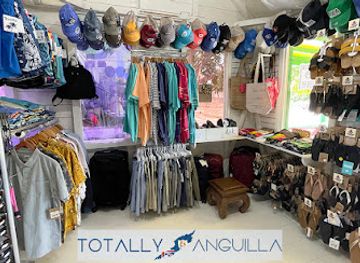
Katouche Bay has no shops or craft market, so shopping needs to be completed in one of Anguilla’s settlements before visiting. The Valley and other established communities provide the broadest choice of groceries, drinks, practical supplies and locally made souvenirs, while resort areas offer galleries, small boutiques and hotel retail. Visitors may find Anguillian art, ceramics, handmade jewellery, textiles, woodwork or shell-based crafts, although product ranges and opening arrangements vary between businesses. Regional foodstuffs and rum are also associated with island shopping, subject to transport and customs rules for onward journeys. Buying from genuine local makers and small businesses can support Anguillian culture, but visitors should avoid removing natural material from Katouche’s beach, valley or cave as a souvenir.
-
Gift shop
Irie Life
Discover unique gifts and local crafts at Irie Life, a vibrant gift shop in Anguilla offering a true taste of Caribbean culture.
-
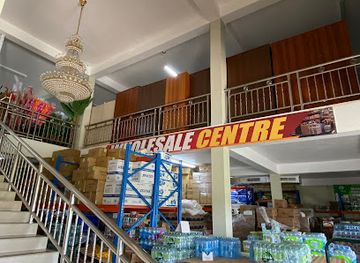
Supermarket
Unique Trading
Discover local flavors at Unique Trading, the go-to supermarket in Anguilla for tourists seeking authentic island products and essentials.
-
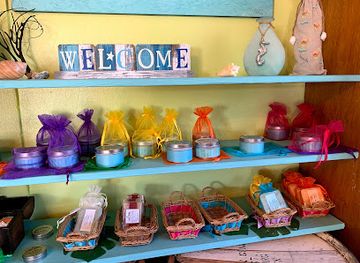
Gift shop
Sea Spray Gift Shop
Explore the vibrant local culture with unique souvenirs and gifts at Sea Spray Gift Shop in Anguilla's North Hill Village.
-
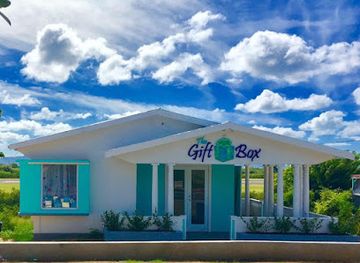
Gift shop
The Gift Box
Explore The Gift Box in Anguilla for unique souvenirs and local crafts that celebrate the essence of island life.
Get your free copy of our complete guide to Katouche Bay, delivered straight to you.
Everything on this page, from attractions and restaurants to essentials and local phrases, in one PDF you can read offline, print or share.
Already have an account? Sign in
Your Katouche Bay guide is ready.
We'll send it to · Not you? Sign out

Getting your guide ready…
We are putting together a fresh copy of the Katouche Bay guide. This can take up to a minute.
This can take a few moments. If your browser asks, choose Allow so the download can start. You'll find the guide in your Downloads folder.
Nothing happened? Download it again
Sorry, the guide is taking longer than usual. Please try again in a minute, or get it by email instead.
Katouche Bay essentials
Currency and Payment
Safety
Emergency Situations
Do's and Don'ts
Local Tips
From Eve
Local phrases worth knowing
You don't need to get them perfect. A few words go a long way, and locals appreciate the effort.
Basics
| English | Local | Say it |
|---|---|---|
| Hello | Sah wah dee oh | [sah wah dee oh] |
| Goodbye | Kwahree | [kwah-ree] |
| Yes | Yeah man | [yeah man] |
| No | Nah man | [nah man] |
| Please/You're welcome | Pleez | [pleez] |
| Thank you | Tank yuh | [tank yuh] |
| Excuse me/Sorry | Saree | [sa-ree] |
| How are you? | How yuh doin? | [how yuh doin] |
| Fine. And you? | Ahrite. An yuh? | [ah-rite. an yuh] |
| Do you speak English? | Yuh speak English? | [yuh speak English] |
| I don't understand | Ah doan undahstan | [ah doan undahstan] |
Eating & Drinking
| English | Local | Say it |
|---|---|---|
| I'd like to see the menu, please | Lemme see de menu, pleaase | [lemme see de menu, pleaase] |
| I don't eat meat | Ah doan eat meat | [ah doan eat meat] |
| Cheers! | Cheers! | [cheers] |
| I would like to pay, please | Ah wah pay, pleaase | [ah wah pay, pleaase] |
Emergencies
| English | Local | Say it |
|---|---|---|
| Help! | Help! | [help] |
| Go away! | Go way! | [go way] |
| Call the Police! | Call de Police! | [call de police] |
| Call a doctor! | Call ah docta! | [call ah docta] |
| I'm lost | Ah los | [ah los] |
| I'm ill | Ah feel sick | [ah feel sick] |
Shopping
| English | Local | Say it |
|---|---|---|
| I'd like to buy... | Ah wah buy... | [ah wah buy] |
| I'm just looking | Ah jus lookin | [ah jus lookin] |
| How much is it? | How much dis? | [how much dis] |
| That's too expensive | Dat too much money | [dat too much money] |
| Can you lower the price? | Yuh cud drop de price? | [yuh cud drop de price] |
Time & Numbers
| English | Local | Say it |
|---|---|---|
| What time is it? | What time it be? | [what time it be] |
| It's one o'clock | It one o'clock | [it one o'clock] |
| Half past (10) | Half ten | [half ten] |
| Morning | Mornin | [mornin] |
| Afternoon | Afternoon | [afternoon] |
| Evening | Evenin | [evenin] |
| Yesterday | Yestaday | [yestaday] |
| Today | Today | [today] |
| Tomorrow | Tomorrow | [tomorrow] |
| 1 | One | [one] |
| 2 | Two | [two] |
| 3 | Tree | [tree] |
| 4 | Fo' | [fo'] |
| 5 | Fahv | [fahv] |
| 6 | Six | [six] |
| 7 | Sev'n | [sev'n] |
| 8 | Eight | [eight] |
| 9 | Nine | [nine] |
| 10 | Ten | [ten] |
Transport & Directions
| English | Local | Say it |
|---|---|---|
| Where's a/the...? | Weh de ... deh? | [weh de ... deh] |
| What's the address? | Wah de address deh? | [wah de address deh] |
| Can you show me (on the map)? | Yuh cud show me (pan de map)? | [yuh cud show me (pan de map)] |
| When's the next (bus)? | When de nex' (bus)? | [when de nex' (bus)] |
| A ticket (to ....) | Ah ticket (to ....) | [ah ticket (to ....)] |
History of Katouche Bay
Limestone Island Formation
Katouche Bay’s physical setting reflects Anguilla’s geological identity as a low, limestone island shaped by marine deposits, erosion and long periods of exposure. The valley, cave and coastal edges are products of this soft but weathered rock landscape rather than of volcanic mountain building. Rainwater moving through limestone has contributed to the formation of cavities and underground features, while wind and wave action continue to modify the coast. These geological conditions help explain Katouche’s combination of pale shore, shallow relief, scrub vegetation and cave formations.
Early Island Communities
Long before European colonisation, Anguilla was visited and settled by Indigenous peoples whose wider Caribbean networks connected the island with neighbouring islands. Archaeological evidence across Anguilla records Amerindian activity, although the surviving historical record does not provide a detailed, site-specific narrative for Katouche Bay. The bay and valley would nevertheless have formed part of an island environment where sheltered coastal places, freshwater-collecting opportunities and natural resources influenced movement and seasonal use.
Plantations and Rural Anguilla
English settlement from the seventeenth century brought new patterns of land ownership, farming and coastal use to Anguilla. The island’s economy developed around livestock, small-scale agriculture, salt and the cultivation of crops including cotton, with enslaved Africans and their descendants central to the colonial system. Katouche Valley’s sheltered vegetation and nearby coast belong to this broader rural landscape, even though the bay is not primarily known for a surviving plantation complex. Dry-stone walls, tracks and scattered historic remains elsewhere on Anguilla illustrate how communities adapted to limited rainfall and exposed terrain.
Conservation and Low-Impact Tourism
As Anguilla’s economy shifted during the twentieth century towards tourism and services, places such as Katouche Bay retained value for their natural character rather than intensive resort development. Local conservation and heritage organisations have helped promote interest in the island’s valleys, caves, wildlife and historic landscapes, often through interpretation and guided outings. Today Katouche is understood as part of Anguilla’s wider ecological and cultural heritage, with its appeal dependent on careful access, respect for fragile vegetation and the protection of limestone features.
Katouche Bay in Photos
Browse through our photo collection highlighting the charm and character of the destination.
Cities in Katouche Bay
The towns and cities of Katouche Bay, and the easiest places to base yourself.
-
-

-

-

-

-


Swipe for more cities
Neighbouring destination travel guides
The closest destinations to Katouche Bay, if you have time for more than one.
-

-

-

-

-


Swipe for more destinations
Explore more

Explore more of North Hill
North Hill, Anguilla, combines elevated island views, historic village character, Crocus Bay and easy access to the island’s beaches and local food.
Explore North Hill
Explore more of Anguilla
Discover Anguilla: Caribbean's best-kept secret with stunning beaches, rich culture, and endless adventure opportunities. Perfect for a serene and luxurious getaway.
Explore Anguilla