

Free Stoney Ground Travel Guide & Mobile App
Explore Stoney Ground with free travel guides. Discover regional history, expert tips, proposed trips, and audio guides on web or mobile app.


Stoney Ground, Anguilla, offers a quiet north-coast base for local life, fishing heritage, coastal drives and exploring the island’s beaches.
Read more about Stoney Ground
When is the best time to visit Stoney Ground?
Best: January–March · 28–29°C| Month | High (°C) | Rainfall (mm) |
|---|---|---|
| January (best) | 28 | 45 |
| February (best) | 29 | 35 |
| March (best) | 29 | 38 |
| April | 29 | 54 |
| May | 29 | 71 |
| June | 30 | 77 |
| July | 30 | 87 |
| August | 30 | 109 |
| September | 30 | 121 |
| October | 30 | 129 |
| November | 29 | 110 |
| December | 29 | 73 |
Getting to and around Stoney Ground
How to get there
Transportation
Top city travel guides in Stoney Ground
The cities of Stoney Ground, and the easiest places to base yourself.

Swipe for more cities
Best attractions in Stoney Ground
Stoney Ground’s attractions are primarily low-key and experiential rather than built around a large ticketed site. Visitors can explore the settlement’s residential roads, observe the relationship between the village and the north coast, and use it as a starting point for coastal drives and island-wide excursions. The shoreline and surrounding scrub offer views, birdwatching possibilities and a sense of Anguilla’s dry limestone landscape, but access, shade and swimming conditions vary, so local guidance is important. The main visitor attractions associated with Anguilla’s museums, historic sites, beaches and boat trips lie in other districts and are best reached by car or taxi. Nearby Sandy Ground provides access to marine excursions, while The Valley offers the island’s principal administrative and cultural services; both are outside Stoney Ground. The wider north and east of Anguilla are suited to visitors interested in quiet beaches, fishing communities, salt history and open landscapes rather than resort entertainment. Stoney Ground’s value is its position within that living island geography, where ordinary village life and maritime traditions remain more visible than in the purpose-built hotel areas.
-
Restaurant
Scilly Cay Restaurant
Escape to a tiny island paradise in Anguilla for fresh seafood, strong drinks, and unforgettable Caribbean vibes at Scilly Cay Restaurant.
-
Tourist attraction
Goat Cave
Discover Anguilla's geological history at Goat Cave, a natural wonder featuring stunning rock formations and a serene atmosphere for exploration.
-
Tourist attraction
Limestone Bay
Discover Limestone Bay, Anguilla: a secluded beach with crystal-clear waters, perfect for swimming, snorkeling, and capturing breathtaking views.
-
 Park and Garden
Black Garden Bay Pond
Discover Anguilla's hidden paradise at Black Garden Bay Pond: Tranquil waters, stunning scenery, and a peaceful escape await.


Best landmarks in Stoney Ground
The defining landmark of Stoney Ground is the settlement itself: a north-coast village whose name, streets and coastal setting evoke Anguilla’s limestone terrain and maritime history. The surrounding shoreline is more significant as a working landscape and viewpoint than as a monumental attraction, with low scrub, exposed rock and open sea distinguishing it from the developed resort beaches farther west. Small churches, houses and community buildings contribute to the village’s visual identity, although they are primarily local places rather than formal heritage monuments and should be treated respectfully. Stoney Ground’s position also places it near the landscapes of Anguilla’s north and east, where fishing activity, dry vegetation and broad coastal outlooks remain visible. The island’s best-known historic landmarks, including colonial-era buildings and sites connected with the Anguilla Revolution, are located in other districts and should not be attributed to Stoney Ground. For visitors, the landmark value here lies in the encounter with an inhabited coastal landscape rather than in a single grand structure.
-
Hotel
Four Seasons Resort and Residences Anguilla
Experience Caribbean luxury at Four Seasons Anguilla: stunning beaches, elegant accommodations, and world-class service await.
-
Hotel
Cap Juluca, A Belmond Hotel, Anguilla
Escape to Cap Juluca, A Belmond Hotel, where luxury meets the tranquility of Anguilla's stunning beaches and vibrant culture.
-
Bar
Elvis Beach Bar
Experience the vibrant atmosphere of Elvis Beach Bar in Anguilla, where delicious cuisine meets stunning beachfront views for an unforgettable Caribbean getaway.
-
Hotel
Malliouhana
Experience unparalleled luxury and breathtaking views at Malliouhana, a premier resort in the stunning Meads Bay of Anguilla.

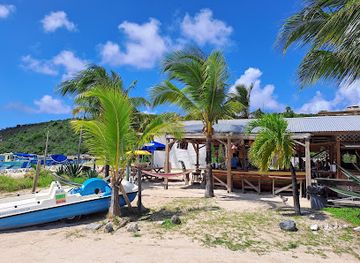
Explore Stoney Ground on the map
Plan your trip on one map. See where the top cities, national parks and sights are, and book hotels and experiences in a few clicks.
Best hotels in Stoney Ground
Best restaurants in Stoney Ground
Stoney Ground has a limited dining scene compared with Anguilla’s principal resort and waterfront areas, so visitors should expect small local establishments, takeaway food and home-style cooking rather than a dense restaurant strip. Seafood, grilled meats, rice dishes, peas, salads and Caribbean-influenced preparations reflect Anguilla’s island pantry, while the wider territory is known for lobster, crayfish and other locally sourced seafood when in season and legally available. Anguillan food is also shaped by British Caribbean traditions, with simple breakfasts, baked goods, rum-based drinks and hearty family meals appearing alongside contemporary cooking. For a broader choice of restaurants, travellers can drive to Sandy Ground, The Valley, West End or other coastal districts, each with a different mix of casual dining, beach restaurants and more refined establishments. Farmers’ stalls and small shops may offer fruit, drinks and provisions, but opening arrangements can be informal, particularly outside the busiest visitor periods. Booking transport for dinner is sensible because evening options are dispersed and taxis should not be assumed to be immediately available.
-
Restaurant
Blanchards Restaurant and Beach Shack
Experience the essence of Caribbean cuisine at Blanchards Restaurant and Beach Shack in Anguilla's stunning Meads Bay.
-
Restaurant
Elvis Beach Bar
Discover Elvis Beach Bar in Anguilla - where Caribbean flavors meet stunning ocean views for an unforgettable dining experience.
-
Restaurant
Straw Hat Restaurant
Experience exquisite dining at Straw Hat Restaurant in Meads Bay, Anguilla – where breathtaking views meet culinary excellence.
-
Restaurant
Da'Vida
Experience the vibrant flavors of Anguilla at Da'Vida – where culinary excellence meets breathtaking ocean views.


Best bars in Stoney Ground
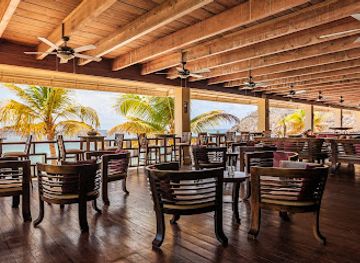
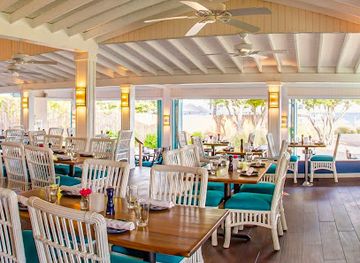
Evenings in Stoney Ground are generally quiet and community-oriented, with social life centred on homes, small local meeting places and the occasional casual drink rather than a concentrated nightclub district. Visitors seeking music, waterfront drinks or a later night usually travel to Sandy Ground, The Valley or resort areas elsewhere on Anguilla, all outside Stoney Ground. Sandy Ground is particularly associated with casual bars, restaurants and evening socialising near the water, while larger hotels may offer seasonal entertainment or live music. There is no need to treat nightlife as the main measure of an Anguillan visit: sunset drives, a relaxed dinner and conversation are more representative of the pace around the village. Arrange a taxi or designated driver before drinking, as distances are short by island standards but roads are dark in places and public transport is limited.
-
Bar
Blanchards Restaurant and Beach Shack
Experience the flavors of the Caribbean at Blanchards Restaurant and Beach Shack, where culinary excellence meets breathtaking views in Anguilla.
-
Bar
Elvis Beach Bar
Elvis Beach Bar: Enjoy delicious food and refreshing drinks in a tropical paradise on the stunning shores of Anguilla.
-
Restaurant
Straw Hat Restaurant
Experience the flavors of Anguilla at Straw Hat Restaurant, where exquisite cuisine meets stunning ocean views in a perfect beachside atmosphere.
-
Restaurant
Ken's BBQ
Experience the best barbecue in Anguilla at Ken's BBQ, where flavor meets island hospitality.


Best nightclubs in Stoney Ground
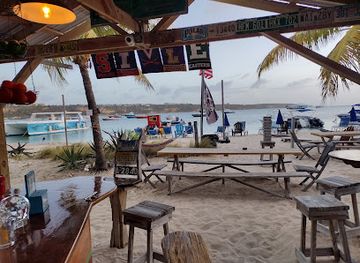
Evenings in Stoney Ground are generally quiet and community-oriented, with social life centred on homes, small local meeting places and the occasional casual drink rather than a concentrated nightclub district. Visitors seeking music, waterfront drinks or a later night usually travel to Sandy Ground, The Valley or resort areas elsewhere on Anguilla, all outside Stoney Ground. Sandy Ground is particularly associated with casual bars, restaurants and evening socialising near the water, while larger hotels may offer seasonal entertainment or live music. There is no need to treat nightlife as the main measure of an Anguillan visit: sunset drives, a relaxed dinner and conversation are more representative of the pace around the village. Arrange a taxi or designated driver before drinking, as distances are short by island standards but roads are dark in places and public transport is limited.
-
Bar
Elvis Beach Bar
Experience the vibrant spirit and delicious flavors of Anguilla at Elvis Beach Bar, your ideal beachside retreat.
-
Live music bar
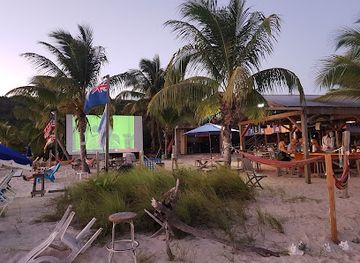
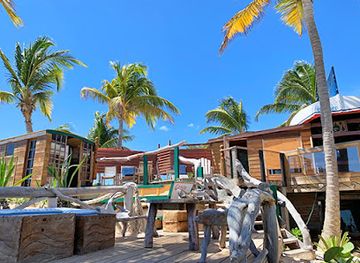
Bankie Banx's Dune Preserve
Discover the vibrant culture and soothing vibes of Bankie Banx's Dune Preserve, a live music bar and restaurant in Anguilla's stunning Rendezvous Bay.
-
Bar
SandBar
Discover SandBar in Anguilla, a vibrant seaside bar offering delightful cocktails and stunning views of the Caribbean sunset.
-
Grill
Gwen's Reggae Bar and Grill
Experience the vibrant flavors of the Caribbean at Gwen's Reggae Bar and Grill, a must-visit beachside dining hotspot in Anguilla.
Best shops in Stoney Ground
Shopping in Stoney Ground is practical and local, with small shops and informal outlets serving everyday needs rather than a concentrated retail quarter. Visitors may find drinks, snacks, basic provisions and locally prepared food, but should not expect the selection of boutiques, galleries or specialist craft shops available in larger visitor areas. For memorable purchases, explore markets, independent businesses and galleries elsewhere on Anguilla for island-made art, jewellery, textiles, ceramics, books, rum, hot sauces and packaged local foods. The Valley and established resort districts provide a broader range, while roadside stalls can be useful for fruit and simple provisions when operating. Anguilla’s shopping culture is dispersed, so opening arrangements and stock can vary; ask locally rather than relying on assumptions about trading hours. Buy responsibly, avoiding coral, shells, archaeological material or wildlife products, and support genuine local makers when choosing souvenirs.
-
Supermarket
Best Buy
Discover the vibrant flavors of Anguilla at Best Buy, your go-to supermarket for local and international groceries.
-
Supermarket
JW Proctors Grocery Store
Discover the heart of Anguilla at JW Proctors Grocery Store, your go-to destination for quality groceries and local flavors.
-
Supermarket
Ashleys Super Market
Explore Ashleys Super Market in Anguilla for a delightful shopping experience with local products and friendly service.
-
Barber shop
Fresh Again Self Care Studio
Discover relaxation in Anguilla at Fresh Again Self Care Studio, where beauty meets tranquility in a welcoming atmosphere.


Get your free copy of our complete guide to Stoney Ground, delivered straight to you.
Everything on this page, from attractions and restaurants to essentials and local phrases, in one PDF you can read offline, print or share.
Already have an account? Sign in
Your Stoney Ground guide is ready.
We'll send it to · Not you? Sign out

Getting your guide ready…
We are putting together a fresh copy of the Stoney Ground guide. This can take up to a minute.
This can take a few moments. If your browser asks, choose Allow so the download can start. You'll find the guide in your Downloads folder.
Nothing happened? Download it again
Sorry, the guide is taking longer than usual. Please try again in a minute, or get it by email instead.
Stoney Ground essentials
Currency and Payment
Safety
Emergency Situations
Do's and Don'ts
Local Tips
From Eve
Local phrases worth knowing
You don't need to get them perfect. A few words go a long way, and locals appreciate the effort.
Basics
| English | Local | Say it |
|---|---|---|
| Hello | Hello | [Heh-loh] |
| Goodbye | Bye | [Bahy] |
| Yes | Yeah | [Yeh] |
| No | No | [Noh] |
| Please/You're welcome | Please/You welcome | [Pleez/Yu wel-kum] |
| Thank you | Thank you | [Thangk yu] |
| Excuse me/Sorry | Excuse me/Sorry | [Ex-kyoos me/Saw-ree] |
| How are you? | How yuh doin'? | [How yuh doin'?] |
| Fine. And you? | Fine. An you? | [Fayn. An yuh?] |
| Do you speak English? | Yuh speak English? | [Yuh speek Ing-glish?] |
| I don't understand | I nah understand | [I nah un-der-stan'] |
Eating & Drinking
| English | Local | Say it |
|---|---|---|
| I'd like to see the menu, please | I wan see di menu, please | [I wan see dee men-yu, pleez] |
| I don't eat meat | I nah eat meat | [I nah eet meet] |
| Cheers! | Cheers! | [Cheers!] |
| I would like to pay, please | I wan pay, please | [I wan pay, pleez] |
Emergencies
| English | Local | Say it |
|---|---|---|
| Help! | Help! | [Help!] |
| Go away! | Go way! | [Go weh!] |
| Call the Police! | Call di Police! | [Call dee Po-lees!] |
| Call a doctor! | Call a doctor! | [Call a doc-tor!] |
| I'm lost | I lost | [I lost] |
| I'm ill | I sick | [I sik] |
Shopping
| English | Local | Say it |
|---|---|---|
| I'd like to buy... | I wan buy... | [I wan buy...] |
| I'm just looking | I just a lookin' | [I just a look-in'] |
| How much is it? | How much it cost? | [How much it cost?] |
| That's too expensive | Dat too expensive | [Dat too expen-siv] |
| Can you lower the price? | Yuh can lower di price? | [Yuh can low-er dee price?] |
Time & Numbers
| English | Local | Say it |
|---|---|---|
| What time is it? | Wah time it be? | [Wah time it bee?] |
| It's one o'clock | It one o'clock | [It won o-clock] |
| Half past (10) | Half past ten | [Half past ten] |
| Morning | Mornin' | [Morn-in'] |
| Afternoon | Afternoon | [Af-ter-noon] |
| Evening | Evenin' | [Eve-nin'] |
| Yesterday | Yesterday | [Yes-ter-day] |
| Today | Today | [To-day] |
| Tomorrow | Tomorrow | [To-mor-row] |
| 1 | One | [Wun] |
| 2 | Two | [Too] |
| 3 | Three | [Tree] |
| 4 | Four | [For] |
| 5 | Five | [Fayv] |
| 6 | Six | [Siks] |
| 7 | Seven | [Sev-en] |
| 8 | Eight | [Ayt] |
| 9 | Nine | [Nayn] |
| 10 | Ten | [Ten] |
Transport & Directions
| English | Local | Say it |
|---|---|---|
| Where's a/the...? | Wah di...? | [Wah dee...?] |
| What's the address? | Wah di address? | [Wah dee ad-dress?] |
| Can you show me (on the map)? | Yuh can show me (pon di map)? | [Yuh can show me (pon dee map)?] |
| When's the next (bus)? | When di next (bus)? | [When dee next (bus)?] |
| A ticket (to ....) | A ticket (to ....) | [A ti-ket (to ....)] |
History of Stoney Ground
Amerindian Settlement and Sea Routes
Long before European colonisation, Anguilla was inhabited by Indigenous peoples who travelled among the islands of the Lesser Antilles by canoe. Archaeological evidence across Anguilla records settlement, food gathering, pottery and marine activity, although the island’s dry environment has preserved some traces better than others. Stoney Ground’s coastal position belongs to this wider history of movement between shore, reef and neighbouring islands. Fishing and knowledge of local waters remained important long after European arrival, helping shape the maritime traditions still associated with settlements on Anguilla’s north and east coasts.
English Colonisation and a Dry Island Economy
English settlers established a permanent presence on Anguilla during the seventeenth century, but the island’s limited rainfall and thin soils discouraged plantation agriculture on the scale found elsewhere in the Caribbean. Communities developed through small-scale farming, livestock keeping, fishing and seafaring. Coastal settlements such as Stoney Ground were connected to this dispersed way of life, in which households relied on the sea as well as modest plots inland. The absence of large rivers and plentiful fresh water made cisterns, wells and careful water management important features of everyday life.
Salt, Fishing and Maritime Commerce
For much of the colonial and early modern period, Anguilla’s economy depended on salt making, fishing, boat building, small-scale agriculture and maritime trade. Salt was collected from ponds and shipped through coastal anchorages, while fishermen supplied local communities and traded with nearby islands. Stoney Ground’s relationship with the sea reflects this broader economic history rather than a single preserved industrial site. Small boats, coastal knowledge and family-based work helped sustain Anguillan communities through periods when imported goods and formal employment were scarce.
Emancipation, Migration and Household Resilience
The abolition of slavery in the British Empire in the 1830s transformed social relations throughout Anguilla, though it did not remove poverty or the island’s economic disadvantages. In the nineteenth and twentieth centuries, many Anguillans combined farming, fishing, craft work and seasonal employment, while migration to larger Caribbean territories, the Dominican Republic, Curaçao, the United States and elsewhere became an important household strategy. The village communities of northern Anguilla, including Stoney Ground, were shaped by these movements and by the continuing importance of extended family networks.
The 1967 Anguilla Revolution
In 1967, Anguilla rejected incorporation into the associated state of Saint Kitts-Nevis-Anguilla, beginning a constitutional crisis remembered as the Anguilla Revolution. Local opposition reflected long-standing political, economic and geographic differences, including the island’s sense of distance from the other islands in the federation. British troops arrived later that year, and Anguilla eventually became a separate British Overseas Territory in 1980. The events remain central to Anguillan identity and are commemorated across the island, including in the communities that supported local self-government.
Tourism and the Modern Island Economy
From the late twentieth century, tourism became increasingly important to Anguilla, bringing hotels, villas, restaurants, improved roads and stronger links to international visitors. Development has been concentrated in particular coastal areas rather than evenly spread across every settlement. Stoney Ground has retained a more residential and community-based character while benefiting indirectly from the island’s visitor economy. Its quieter atmosphere illustrates the contrast between Anguilla’s resort beaches and the villages where fishing, family life, churches and everyday services remain more visible.
Stoney Ground in Photos
Browse through our photo collection highlighting the charm and character of the destination.
Neighbouring regions of Stoney Ground
The closest regions to Stoney Ground, if you have time for more than one.
-

-

-

-

-


Swipe for more regions
Explore more

Explore more of Anguilla
Discover Anguilla: Caribbean's best-kept secret with stunning beaches, rich culture, and endless adventure opportunities. Perfect for a serene and luxurious getaway.
Explore Anguilla