

Perito Moreno Glacier Travel Guide - Free Web & App
Your ultimate guide to Perito Moreno Glacier. Discover top landmarks, proposed trips, and local tips. Free on the web or via the Evendo companion app.


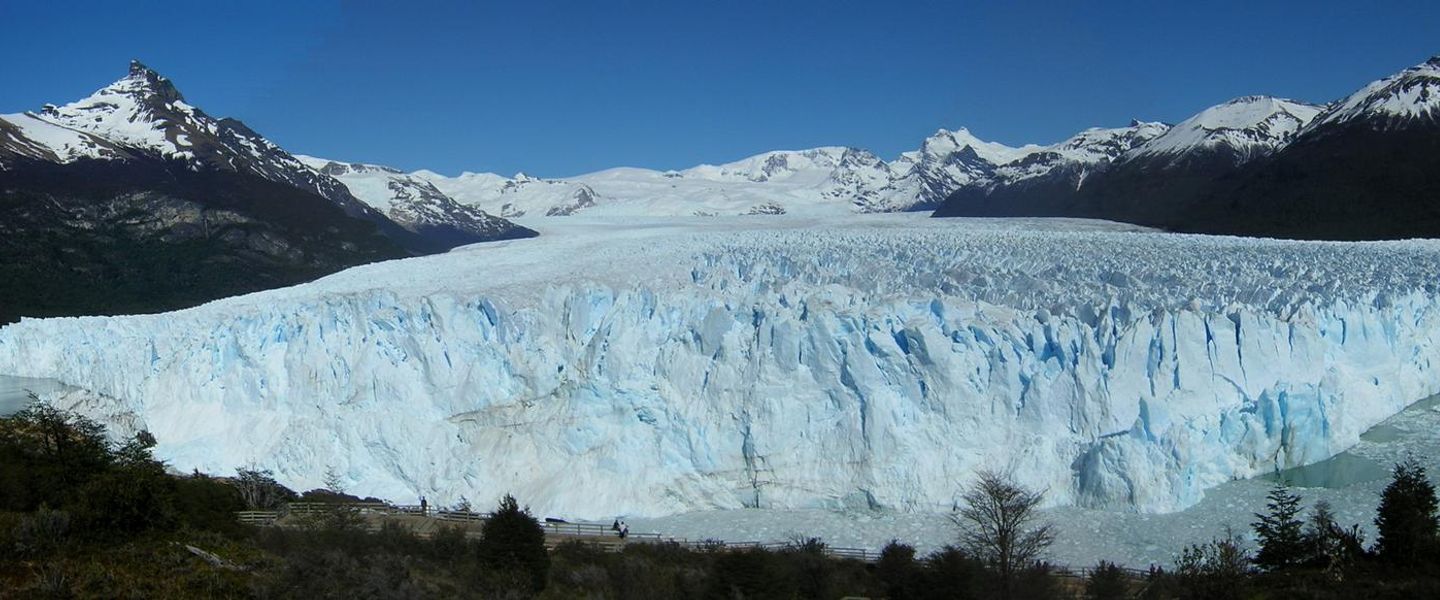


Perito Moreno Glacier in Argentina offers Patagonia ice-front viewpoints, Los Glaciares National Park scenery, boat trips and access from El Calafate.
Ice, Water and Mountain
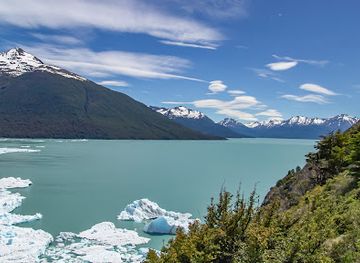
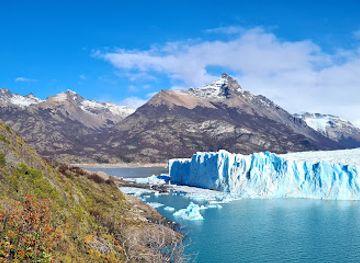
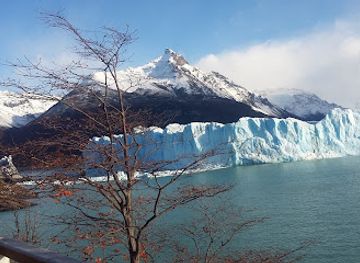
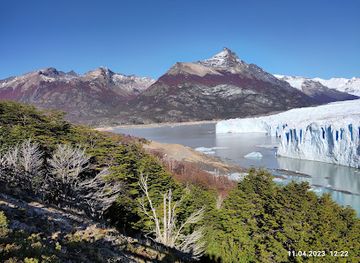
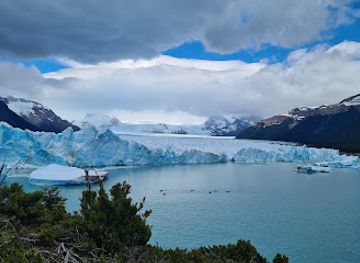
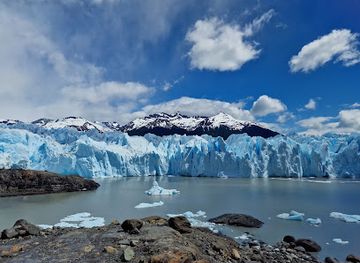
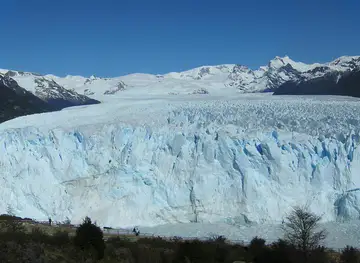
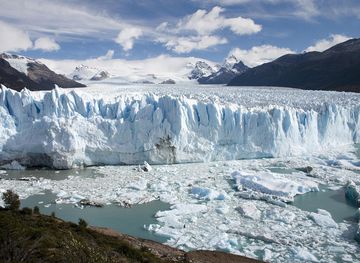
Perito Moreno Glacier is one of Argentina’s most remarkable natural landmarks, a vast river of compacted ice flowing through Los Glaciares National Park in south-western Patagonia. Its front reaches Lago Argentino, where blue-white ice rises dramatically above the water and periodically breaks away with a deep report. The glacier is approximately 30 kilometres long, while its visible ice front extends for several kilometres across the lake, creating an extraordinary meeting point between the Southern Patagonian Ice Field, forested mountains and turquoise water.Read more about Perito Moreno Glacier
Exploring the Glacier
A Protected Patagonian Landscape
When is the best time to visit Perito Moreno Glacier?
Best: December–February · 20–21°C| Month | High (°C) | Rainfall (mm) |
|---|---|---|
| January (best) | 21 | 40 |
| February (best) | 20 | 40 |
| March | 17 | 40 |
| April | 13 | 35 |
| May | 10 | 30 |
| June | 6 | 30 |
| July | 4 | 30 |
| August | 6 | 30 |
| September | 10 | 35 |
| October | 13 | 40 |
| November | 16 | 40 |
| December (best) | 20 | 40 |
Getting to and around Perito Moreno Glacier
How to get there
Transportation
Best attractions in Perito Moreno Glacier
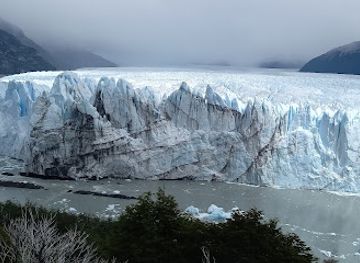
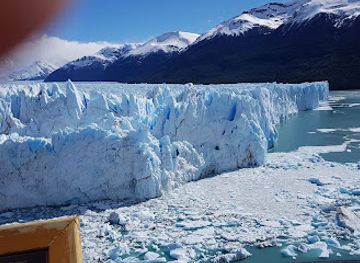
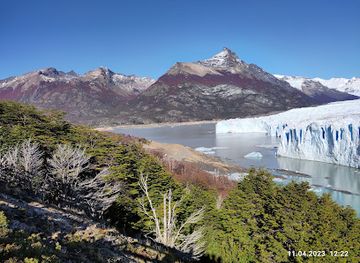
The central attraction is Perito Moreno Glacier itself, viewed from a network of balconies overlooking its broad terminus and the waters of Lago Argentino. The walkways provide several angles across the ice, from low-level forest routes to elevated platforms facing the calving front. Boat excursions on nearby sections of Lago Argentino offer a water-level perspective of the glacier, although departure points and routes are organised separately from the balconies. The wider setting belongs to Los Glaciares National Park, where ice, Andean peaks, glacial lakes and southern beech woodland form a continuous protected landscape. Visitors travelling beyond the glacier may encounter other park scenery, but El Chaltén and attractions such as Mount Fitz Roy are separate destinations rather than features of Perito Moreno Glacier. Wildlife observation is incidental rather than guaranteed, with birdlife and occasional mammals more likely in the surrounding forest, shoreline and steppe than directly beside the busiest viewpoints.
-
Tourist attraction
Estatua Günther Plüschow
Honoring aviation pioneer Günther Plüschow, this Santa Cruz statue celebrates exploration amidst Patagonia's breathtaking landscapes and adventurous spirit.
-
Tourist attraction
Puerto F. P. Moreno
Explore the stunning glaciers and vibrant wildlife at Puerto F. P. Moreno, a must-visit destination in El Calafate, Argentina.
-
Tourist attraction
Glaciar perito Moreno sector norte
Experience the majesty of Perito Moreno Glacier: Witness nature's raw power in Patagonia's Los Glaciares National Park.
-
Tourist attraction
Canal de los Témpanos
Discover the breathtaking beauty of Canal de los Témpanos in Santa Cruz, Argentina, where glaciers meet serene landscapes in a true Patagonian paradise.
Best landmarks in Perito Moreno Glacier
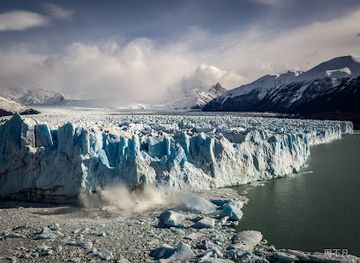
Perito Moreno Glacier is the defining natural landmark, a flowing mass of ice descending from the Southern Patagonian Ice Field to Lago Argentino. Its ice front, marked by tall seracs, deep crevasses and changing blue tones, is viewed from the protected balcony system across Brazo Rico and Canal de los Témpanos. The lake is itself an important glacial landmark, formed and shaped by the movement of ice through the southern Andes. The surrounding forests, mountain slopes and exposed shorelines belong to the wider landmark landscape of Los Glaciares National Park rather than standing as isolated monuments. The glacier’s occasional advance across the channel between lake sectors gives it a distinctive historical and physical identity, while the sudden collapse of an ice dam, when it occurs, demonstrates the continuing movement of this powerful natural system.
-
Observation deck
Perito Moreno Glacier Walkways
Experience breathtaking views of the Perito Moreno Glacier from easily accessible walkways in Los Glaciares National Park, Argentina.
-
Historical landmark
Glaciar Perito Moreno
Experience the awe-inspiring Perito Moreno Glacier in Los Glaciares National Park, a natural wonder of Patagonia, Argentina. Witness the calving!
Explore Perito Moreno Glacier on the map
Plan your trip on one map. See where the top attractions, landmarks, restaurants and hotels are, and book hotels and experiences in a few clicks.
Best hotels in Perito Moreno Glacier
Best restaurants in Perito Moreno Glacier
Perito Moreno Glacier itself has limited dining provision, so most visitors eat before or after their excursion in El Calafate, the gateway town on the shore of Lago Argentino. The town’s restaurants and cafés reflect Patagonian cooking, with lamb, beef, trout, empanadas and hearty dishes suited to the cool, windy climate commonly appearing alongside Argentine staples. Regional wines, particularly those from the country’s southern wine-producing areas, are also found on local menus, while bakeries and cafés provide practical options for an early departure or packed provisions. Visitors joining a full-day trip should check whether food is included and should not assume that substantial meals are available at the glacier viewpoint. Farm shops and specialist food retailers in El Calafate can also be useful for picnic supplies, subject to park rules about carrying and consuming food.
-
Restaurant
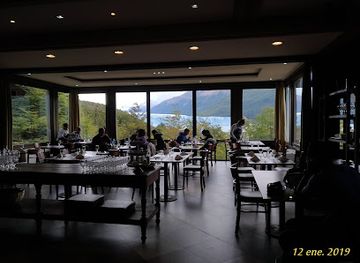
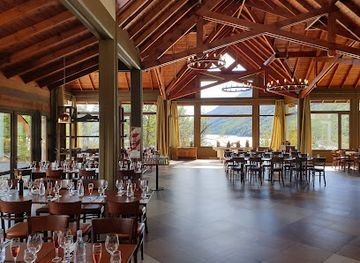
Restó del Glaciar Perito Moreno
Experience gourmet dining amidst breathtaking views at Restó del Glaciar Perito Moreno in Santa Cruz Province.
-
Restaurant
Natives of Patagonia
Experience authentic Patagonian cuisine at Natives of Patagonia in El Calafate - a true taste of Southern Argentina.
Best bars in Perito Moreno Glacier
Perito Moreno Glacier has no nightlife infrastructure and becomes a quiet natural setting once organised excursions have departed. Evening drinks, traditional meals and relaxed hospitality are concentrated in El Calafate, where visitors can find hotel bars, cafés, restaurants and pubs serving Argentine wine, beer and regional food. The atmosphere is generally suited to conversation after a day outdoors rather than late-night clubbing, and entertainment can vary with the season and local demand. Some restaurants and accommodation venues in town provide informal evening gatherings, but visitors should not expect a nightclub district or entertainment venues at the national park. If an excursion returns late, dining and transport arrangements are best confirmed beforehand because the glacier lies well outside the settlement.
-
Restaurant
Restó del Glaciar Perito Moreno
Experience the exquisite flavors of Argentine cuisine while surrounded by the breathtaking beauty of Perito Moreno Glacier at Restó del Glaciar.
-
Restaurant
Natives of Patagonia
Savor the authentic taste of Patagonia at Natives of Patagonia, where local ingredients meet traditional cooking in a cozy restaurant atmosphere.
Best nightclubs in Perito Moreno Glacier
Perito Moreno Glacier has no nightlife infrastructure and becomes a quiet natural setting once organised excursions have departed. Evening drinks, traditional meals and relaxed hospitality are concentrated in El Calafate, where visitors can find hotel bars, cafés, restaurants and pubs serving Argentine wine, beer and regional food. The atmosphere is generally suited to conversation after a day outdoors rather than late-night clubbing, and entertainment can vary with the season and local demand. Some restaurants and accommodation venues in town provide informal evening gatherings, but visitors should not expect a nightclub district or entertainment venues at the national park. If an excursion returns late, dining and transport arrangements are best confirmed beforehand because the glacier lies well outside the settlement.
-
Observation deck
Perito Moreno Glacier Walkways
Discover the breathtaking views and majestic beauty of Perito Moreno Glacier Walkways in Argentina's stunning Los Glaciares National Park.
Best shops in Perito Moreno Glacier
Shopping opportunities are concentrated in El Calafate rather than at Perito Moreno Glacier, where visitors should expect a protected natural setting and only limited visitor services. The gateway town has shops selling outdoor clothing and equipment, locally made crafts, regional food products, books, artwork and souvenirs associated with Patagonia and the national park. Woollen goods, leatherwork and small artisan pieces are common categories, although quality, provenance and availability vary between businesses. El Calafate’s food retailers are useful for assembling provisions before a full-day park visit, while specialist shops provide practical clothing for wind and cold. Visitors should avoid buying items presented as natural souvenirs if their collection would conflict with conservation principles, and should verify whether products are genuinely locally made rather than simply carrying a Patagonian label.
-
Observation deck
Perito Moreno Glacier Walkways
Discover breathtaking views and unique wildlife at the Perito Moreno Glacier Walkways in Santa Cruz, Argentina - an unforgettable natural wonder.
-
Glacier
Perito Moreno Glacier
Discover the breathtaking beauty of Perito Moreno Glacier, a unique natural wonder in Patagonia that captivates with its stunning ice formations and vibrant blue hues.
-
Tourist attraction
Glaciar Perito Moreno
Discover the breathtaking beauty of Glaciar Perito Moreno, a majestic glacier in Argentina's Los Glaciares National Park, perfect for nature lovers and adventurers.
-
Scenic spot
Perito Moreno Glacier Base
Discover the stunning Perito Moreno Glacier Base, a breathtaking scenic spot in Santa Cruz Province, where towering blue ice meets serene turquoise waters.
Get your free copy of our complete guide to Perito Moreno Glacier, delivered straight to you.
Everything on this page, from attractions and restaurants to essentials and local phrases, in one PDF you can read offline, print or share.
Already have an account? Sign in
Your Perito Moreno Glacier guide is ready.
We'll send it to · Not you? Sign out

Getting your guide ready…
We are putting together a fresh copy of the Perito Moreno Glacier guide. This can take up to a minute.
This can take a few moments. If your browser asks, choose Allow so the download can start. You'll find the guide in your Downloads folder.
Nothing happened? Download it again
Sorry, the guide is taking longer than usual. Please try again in a minute, or get it by email instead.
Perito Moreno Glacier essentials
Currency and Payment
Safety
Emergency Situations
Do's and Don'ts
Local Tips
From Eve
Local phrases worth knowing
You don't need to get them perfect. A few words go a long way, and locals appreciate the effort.
Basics
| English | Local | Say it |
|---|---|---|
| Hello | Hola | [oh-lah] |
| Goodbye | Adiós | [ah-dee-ohs] |
| Yes | Sí | [see] |
| No | No | [noh] |
| Please/You're welcome | Por favor/De nada | [por fah-vor/deh nah-dah] |
| Thank you | Gracias | [grah-see-ahs] |
| Excuse me/Sorry | Perdón/Lo siento | [pehr-dohn/loh see-ehn-toh] |
| How are you? | ¿Cómo estás? | [koh-moh ehs-tahs] |
| Fine. And you? | Bien. ¿Y tú? | [byehn. ee too] |
| Do you speak English? | ¿Hablas inglés? | [ah-blahs een-glehs] |
| I don't understand | No entiendo | [noh ehn-tee-ehn-doh] |
Eating & Drinking
| English | Local | Say it |
|---|---|---|
| I'd like to see the menu, please | Quisiera ver el menú, por favor | [kee-see-eh-rah behr ehl meh-noo, por fah-vor] |
| I don't eat meat | No como carne | [noh koh-moh kahr-neh] |
| Cheers! | ¡Salud! | [sah-lood] |
| I would like to pay, please | Me gustaría pagar, por favor | [meh goos-tah-ree-ah pah-gahr, por fah-vor] |
Emergencies
| English | Local | Say it |
|---|---|---|
| Help! | ¡Ayuda! | [ah-yoo-dah] |
| Go away! | ¡Vete! | [veh-teh] |
| Call the Police! | ¡Llama a la policía! | [yah-mah ah lah poh-lee-see-ah] |
| Call a doctor! | ¡Llama a un médico! | [yah-mah ah oon meh-dee-koh] |
| I'm lost | Estoy perdido | [ehs-toy pehr-dee-doh] |
| I'm ill | Estoy enfermo | [ehs-toy ehn-fehr-moh] |
Shopping
| English | Local | Say it |
|---|---|---|
| I'd like to buy... | Quisiera comprar... | [kee-see-eh-rah kohm-prahr...] |
| I'm just looking | Solo estoy mirando | [soh-loh ehs-toy mee-rahn-doh] |
| How much is it? | ¿Cuánto cuesta? | [kwan-toh kwehs-tah] |
| That's too expensive | Esto es demasiado caro | [ehs-toh ehs deh-mah-syah-doh kah-roh] |
| Can you lower the price? | ¿Puede bajar el precio? | [pweh-deh bah-hahr ehl preh-see-oh] |
Time & Numbers
| English | Local | Say it |
|---|---|---|
| What time is it? | ¿Qué hora es? | [keh oh-rah ehs] |
| It's one o'clock | Es la una | [ehs lah oo-nah] |
| Half past (10) | Las diez y media | [lahs dyehs ee meh-dee-ah] |
| Morning | Mañana | [mah-nyah-nah] |
| Afternoon | Tarde | [tahr-deh] |
| Evening | Noche | [noh-cheh] |
| Yesterday | Ayer | [ah-yehr] |
| Today | Hoy | [oy] |
| Tomorrow | Mañana | [mah-nyah-nah] |
| 1 | Uno | [oo-noh] |
| 2 | Dos | [dohs] |
| 3 | Tres | [trehs] |
| 4 | Cuatro | [kwa-troh] |
| 5 | Cinco | [seen-koh] |
| 6 | Seis | [says] |
| 7 | Siete | [syeh-teh] |
| 8 | Ocho | [oh-choh] |
| 9 | Nueve | [nweh-veh] |
| 10 | Diez | [dyehs] |
Transport & Directions
| English | Local | Say it |
|---|---|---|
| Where's a/the...? | ¿Dónde está...? | [dohn-deh ehs-tah] |
| What's the address? | ¿Cuál es la dirección? | [kwal ehs lah dee-rehk-syon] |
| Can you show me (on the map)? | ¿Puedes mostrarme (en el mapa)? | [pweh-dehs mohs-trar-meh (ehn ehl mah-pah)] |
| When's the next (bus)? | ¿Cuándo es el próximo (autobús)? | [kwan-doh ehs ehl proh-ksee-moh (ow-toh-boos)] |
| A ticket (to ....) | Un boleto (a ...) | [oon boh-leh-toh (ah ...)] |
History of Perito Moreno Glacier
Ice-Shaped Patagonian Foundations
Perito Moreno Glacier belongs to the Southern Patagonian Ice Field, a remnant of the extensive ice masses that covered much of the southern Andes during the last Ice Age. Repeated advances and retreats carved the valleys, basins and lake systems of the region, including Lago Argentino. The present glacier is a moving body of ice fed by snowfall at higher elevations and channelled towards the lake. Its landscape therefore records geological and climatic processes operating over immense timescales, although the glacier’s recent behaviour also reflects shorter-term changes in snow accumulation, temperature and ice flow.
Early Exploration and Indigenous Homelands
The wider region around Lago Argentino was inhabited and travelled by Indigenous peoples before European exploration, particularly Tehuelche communities whose knowledge and movement across the Patagonian steppe long predated mapped routes and tourism. During the nineteenth century, European expeditions surveyed the southern Andes and associated lakes, glaciers and waterways with the expanding geographical knowledge of Argentina. The glacier later received the name Perito Moreno in honour of Francisco Pascasio Moreno, the Argentine explorer and surveyor whose work contributed to the study and territorial understanding of Patagonia.
National Park Protection
Los Glaciares National Park was established in 1937 to protect the great ice fields, glacial lakes, forests and mountain environments of south-western Santa Cruz Province. Perito Moreno Glacier became the park’s most accessible and internationally recognised feature because its terminus can be approached from land and viewed across the lake. The park’s creation placed limits on uncontrolled development and created a framework for safeguarding a landscape shaped by glaciation, while also allowing carefully managed visitation. Los Glaciares was later inscribed as a UNESCO World Heritage Site in 1981.
A Glacier Known for Calving
Perito Moreno became especially prominent in modern tourism because its terminus has periodically advanced into the channel between Lago Argentino’s main body and Brazo Rico. When the ice closes the passage, water pressure can build on one side until the ice dam collapses in a dramatic rupture. These events do not occur to a fixed timetable, and the glacier’s movement varies over time. The calving front, viewing balconies and boat approaches have made the glacier a focus for scientific observation, environmental education and carefully managed tourism in Patagonia.
Perito Moreno Glacier in Photos
Browse through our photo collection highlighting the charm and character of the destination.
Neighbouring destination travel guides
The closest destinations to Perito Moreno Glacier, if you have time for more than one.
-

-
-

-

-


Swipe for more destinations
Explore more
Explore more of Southern Patagonia
Discover the raw, untamed beauty of Southern Patagonia, Argentina – a paradise for adventurers and nature lovers with stunning glaciers, rugged mountains, and diverse wildlife.
Explore Southern Patagonia
Explore more of Argentina
Discover Argentina: From the lively streets of Buenos Aires to the breathtaking landscapes of Patagonia, experience the vibrant culture and diverse natural wonders of this South American gem.
Explore Argentina